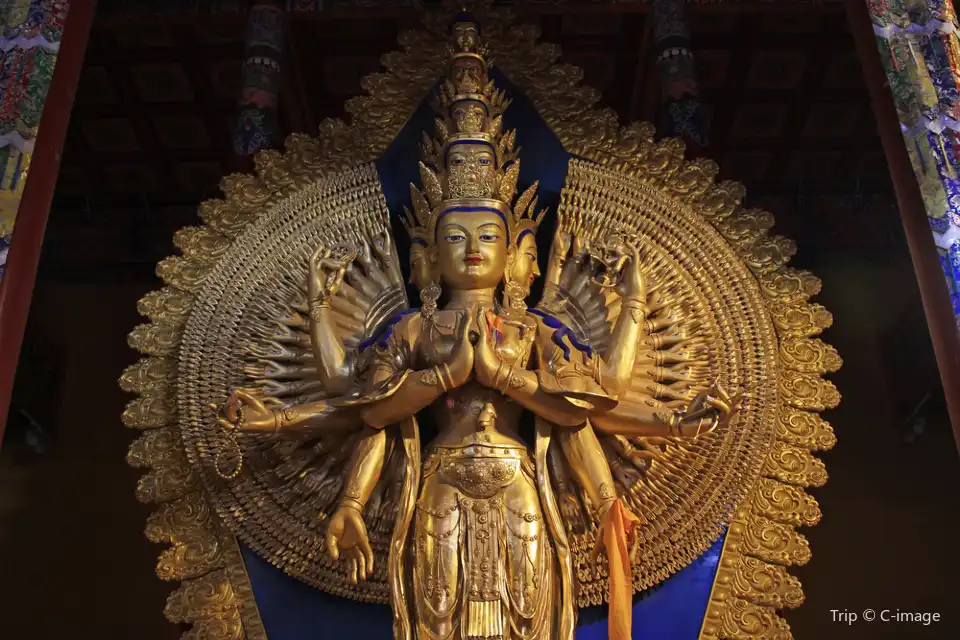
Jokhang Temple(Zuracon)
大昭寺 based on 1,234 review
 No. 1 of Global Traveller-Picked Attractions in Lhasa
Open Opening hours of Jokhang Temple
Jokhang Temple Highlights: Must-See Features and Attractions
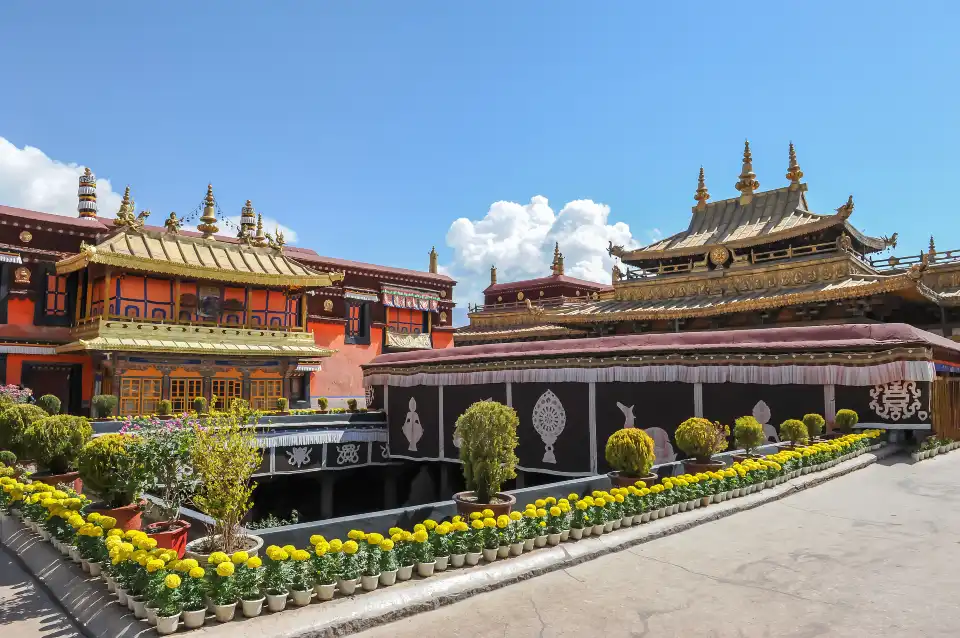
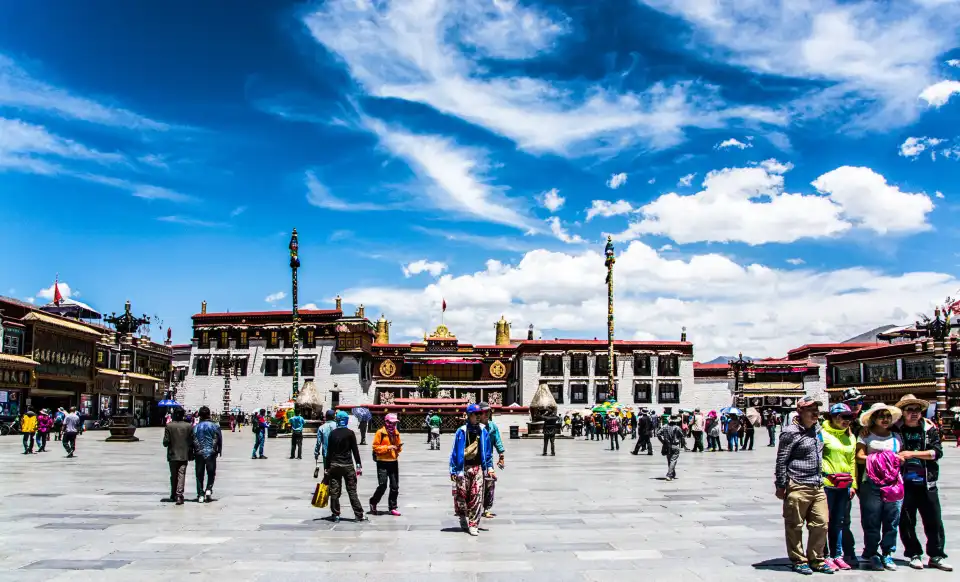
Jokhang Temple, known as "Jokhang" in Tibetan and also called "Tsulag Khang," is the ultimate destination for Tibetan Buddhist devotees. In their hearts, Jokhang Temple is as sacred as the Potala Palace. Both geographically and spiritually, Jokhang Temple is the true holy site and center of Tibetan Buddhism, holding an exceptionally lofty and pure status in Tibetan Buddhist history. Built in the mid-7th century by Tibetan King Songtsen Gampo to enshrine the 8-year-old life-sized statue of Sakyamuni brought by his Nepalese princess Bhrikuti from her hometown of Kathmandu, Jokhang Temple gained further prominence in 1409 when Tsongkhapa, the founder of the Gelug school, propagated Buddhist teachings and held the Great Prayer Festival here, solidifying its pivotal role in Tibetan Buddhist history. In the 8th century, the 12-year-old life-sized statue of Sakyamuni brought by Princess Wencheng of the Tang Dynasty from Chang'an was enshrined in Jokhang Temple, becoming its most treasured relic and a must-see for travelers and pilgrims alike.
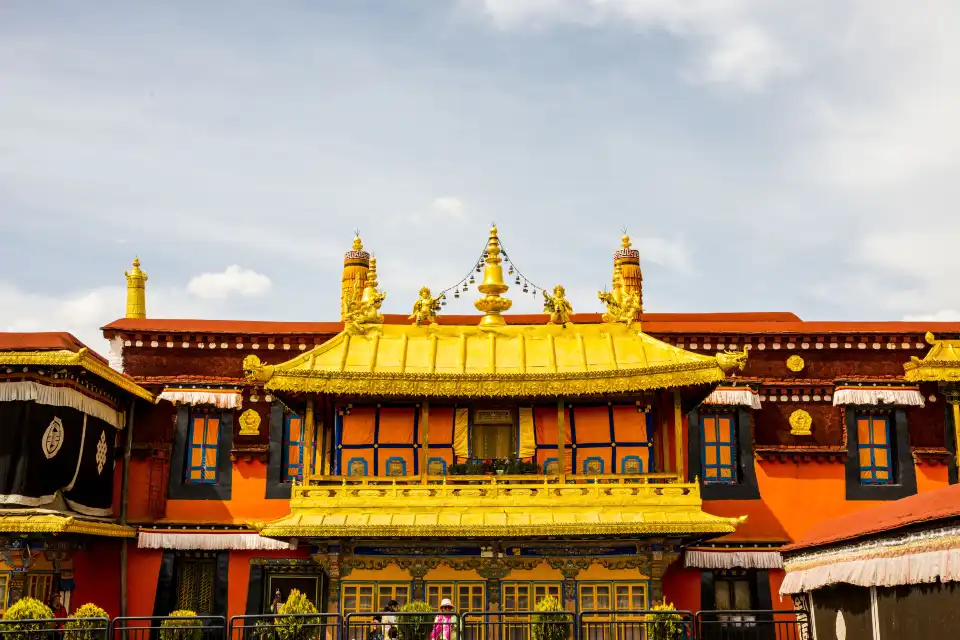
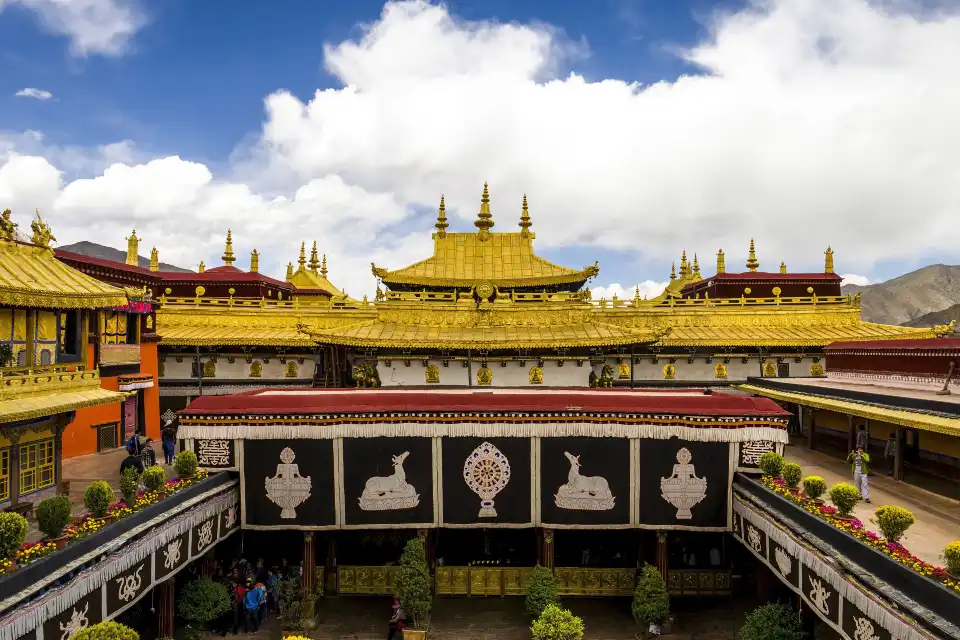
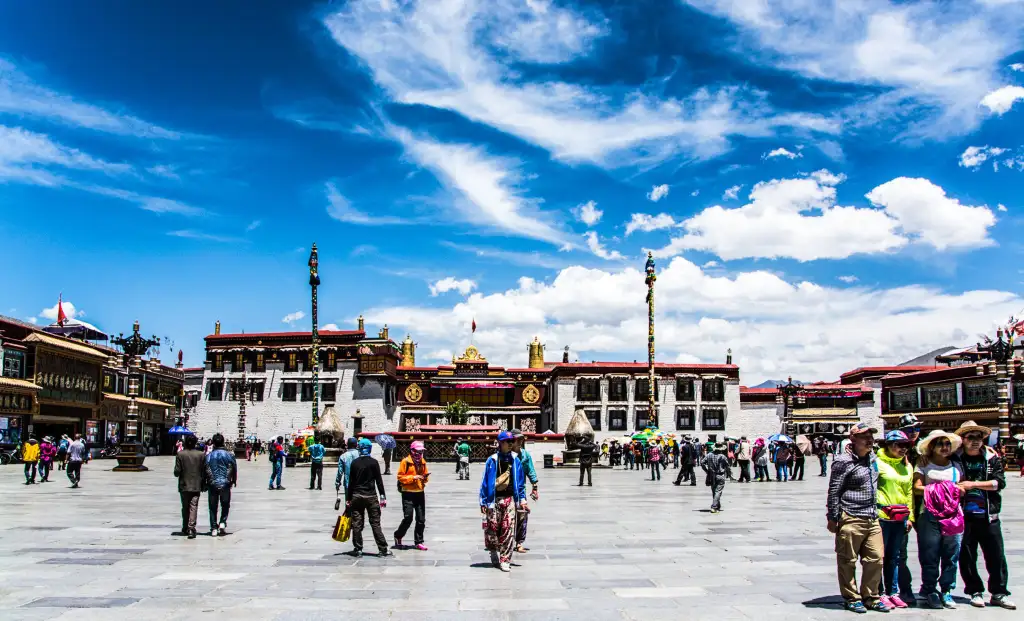 In addition, the temple houses nearly 1 km-long Tibetan-style murals depicting "Princess Wencheng's journey to Tibet" and "The construction of Jokhang Temple," as well as two embroidered thangkas of guardian deities from the Ming Dynasty, which are rare artistic treasures. Lhasa has three circumambulation routes—inner, middle, and outer—all centered around Jokhang Temple. The inner route, called "Nangkhor," circles the Jokhang Hall within the temple. The middle route, called "Barkhor," goes around the outer perimeter of Jokhang Temple. The outer route, called "Lingkhor," encompasses the Potala Palace, Chakpori Hill, Ramoche Temple, and Jokhang Temple. Attraction guide: Entering Jokhang Temple through the main gate leads to a courtyard. On the east side of the courtyard are rows of butter lamps, which remain lit year-round as devotees replenish the butter daily. Behind the butter lamps is the main entrance to Jokhang Temple's central hall. To the left of the entrance is a statue of Padmasambhava, founder of the Nyingma school, and to the right is Jampa Buddha, also known as Maitreya or the Future Buddha. The right wall features murals depicting the temple's founding, including scenes of the Potala Palace in the 7th century and the lake-filling construction of Jokhang Temple. Proceeding clockwise, visitors encounter the chapel dedicated to Tsongkhapa, founder of the Gelug school, and his eight disciples. Continuing right, passing the Yaksha and Naga chapels, and beyond hundreds of butter lamps lies the renowned "Jokhang" Hall—the heart and essence of the temple. At its center is the main assembly hall, where monks chant and meditate, surrounded by smaller chapels. The unmissable highlight is the central chapel housing the 12-year-old life-sized golden statue of Sakyamuni, brought by Princess Wencheng. This sacred center of Jokhang Temple is the ultimate destination for devout pilgrims. Stairs beside the courtyard lead to the second and third floors. The second floor features the Dharmaraja Chapel, with statues of King Songtsen Gampo, Princess Wencheng, and Princess Bhrikuti, as well as the Palden Lhamo Chapel dedicated to the protective deity. The spacious terrace on the second floor offers a panoramic view of the Potala Palace, making it an ideal photo spot. The third floor's golden roofs are another attraction, though this level is rarely open to the public. If fortunate enough to ascend, visitors are awestruck by the four resplendent golden pinnacles.

Other visitors' reviews of Jokhang Temple
Show More ReviewsVisiting Jokhang Temple again after many years, the entrance has been significantly improved, making it look more like a proper tourist attraction. The interior remains the same, but the management is more comprehensive; however, the third floor is no longer open to the public. It's a must-see attraction on any trip to Lhasa.