
Search Hotels in Hoi An
Enter your dates to see prices and availability for the best Hoi An hotels.
9 Best Hotels in Hoi An







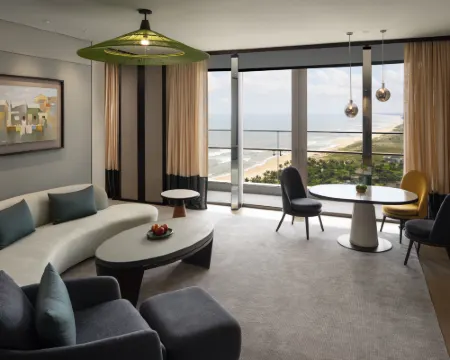



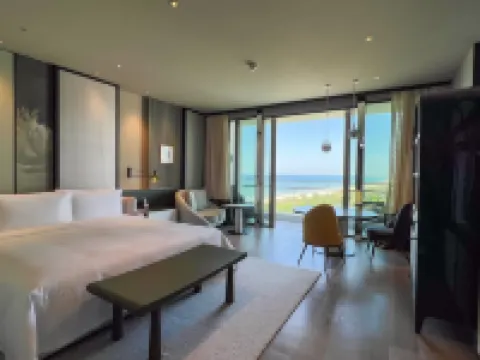


 2026 Asia 100 - Family Hotels


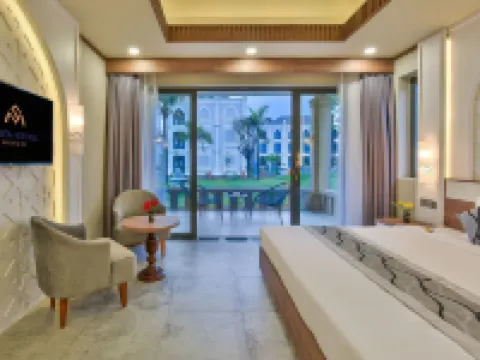
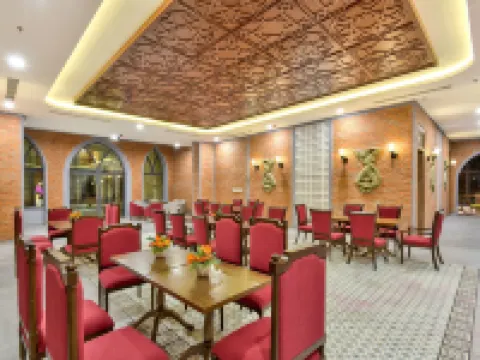


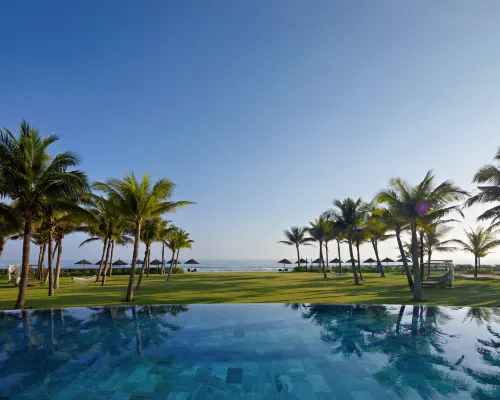





 No. 18 of Scenic Hotels in Da Nang

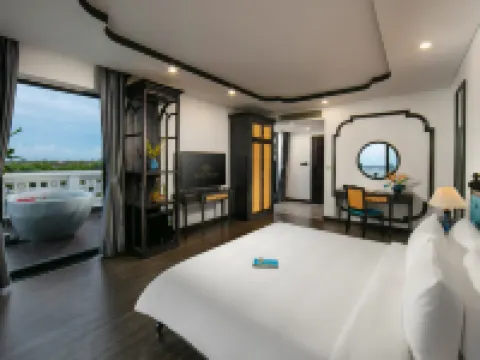


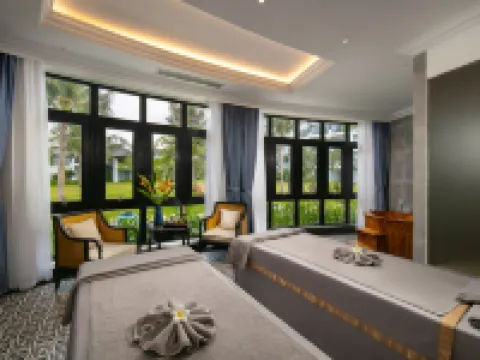
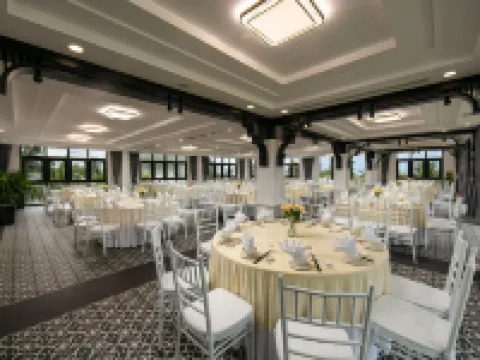 No. 11 of Scenic Hotels in Da Nang










 2026 Global 100 - Villas











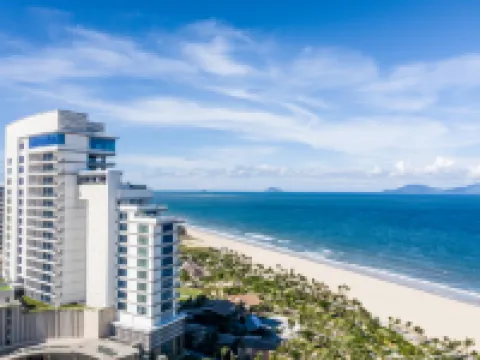
 No. 9 of Premium Hotels in Da Nang
Where to stay in Hoi An
Landmarks
Hoi An Hotels: Riverside Stays, Ancient Town Access & Where to Book
Hoi An Hotels: Riverside Stays, Ancient Town Access & Where to Book
About Hoi An
Hoi An Ancient Town is a UNESCO World Heritage Site and one of Southeast Asia's best-preserved traditional trading ports. In the 16th and 17th centuries it was a major stop on the maritime Silk Road, drawing Dutch, French, and Portuguese merchants who traded tea, ceramics, silk, and spices. That layered history survives in the town's architecture: a fusion of Chinese, Japanese, Vietnamese, and European styles, with assembly halls from Fujian, Guangdong, Chaozhou, and Hainan lining entire streets. At night the old quarter becomes a "world of lanterns," as silk lanterns in every color and shape light the riverside alleys.
Where to Stay in Hoi An
Hoi An Ancient Town & Riverside
Hoi An's compact layout puts most hotels within easy reach of the Ancient Town, with several properties hugging the Thu Bon and Cổ Cò riverbanks. The four picks below range from a simple homestay near the old quarter to riverside resorts a short walk from the beach.
Hotel Name | Highlights | Booking Link |
Ngoc Diep Homestay Hoi An | Homestay near Museum of Trade Ceramics, walkable to Ancient Town sights | |
Hotel Royal Hoi An - MGallery | 119 rooms on the Thu Bon River, heritage-meets-modern design, romantic setting | |
Silk Sense Hoi An River Resort | Cổ Cò River resort surrounded by natural landscape, 5-minute drive to the beach | |
Bellerive Hoi An Hotel and Spa | Fishing-boat-inspired architecture, quiet riverside retreat, outdoor pool and sundeck |
Hoi An Hotels by Travel Style
Riverside Hotels
Several Hoi An properties make the most of the town's river setting, with terraces and rooms overlooking the Thu Bon or Cổ Cò. These three sit directly on or steps from the water.
Hotel Name | Highlights | Booking Link |
Hotel Royal Hoi An - MGallery | Thu Bon riverfront, 119 rooms blending heritage and modern design | |
Silk Sense Hoi An River Resort | Cổ Cò riverbank, natural landscape, 5-minute drive to the beach | |
Bellerive Hoi An Hotel and Spa | Fishing-boat design motifs, serene riverside setting, outdoor pool |
Homestay
For travelers who want a local base within walking distance of the Ancient Town, without the resort price tag.
Hotel Name | Highlights | Booking Link |
Ngoc Diep Homestay Hoi An | Simple, well-located homestay near the Museum of Trade Ceramics, ideal for exploring on foot |
When to Book Hoi An Hotels
- Hoi An's peak tourist season runs from November through March, when hotel prices are highest and availability is tightest, especially around Tet (Vietnamese New Year) in late January or early February.
- During Hoi An's November-to-March peak, book at least 1 to 2 months ahead; for the Tet festival period, book even earlier as the best properties sell out first.
- July and August are low season for Hoi An hotels; most properties offer steep discounts to attract travelers during the summer heat and rain.
- For Hoi An hotels, booking 2 to 3 months before arrival gives the best balance of availability and price. Waiting too long risks sellouts, but booking too far out may mean missing last-minute flash deals.
- Sunday is generally the cheapest day of the week to book hotels, while Friday and Saturday are the most expensive. Most travelers book over the weekend, so checking on Sunday in Hoi An catches post-weekend rate drops.
- November kicks off the high season for Southeast Asian beach destinations as weather improves, aligning with Hoi An's November-through-March peak window, so expect prices to rise accordingly.
Hoi An Travel Essentials
Getting Around Hoi An
- Cycling is the easiest and cheapest way to get around Hoi An, especially in the Ancient Town and surrounding countryside. Bicycle rentals are widely available.
- Hoi An Ancient Town restricts motorized vehicles during certain hours, creating a pedestrian-friendly zone best explored on foot or by bicycle.
- Hoi An has no local bus network and no train station; walking, cycling, motorbike rentals, and taxis are the primary options within town.
Food in Hoi An
- Cao Lau is Hoi An's signature dish: thick pork rice noodles with croutons, sliced pork, and fresh local greens, made with ingredients sourced only in the Hoi An area.
- White Rose Dumplings (Banh Bao Banh Vac) are translucent shrimp dumplings shaped like white roses, a Hoi An specialty rarely found outside town.
- Mi Quang, a turmeric-tinted noodle dish from Quang Nam province, comes with pork, shrimp, crushed peanuts, fresh herbs, and a modest amount of savory broth.
Entry Requirements
- A Vietnam e-Visa costs $25 USD for single entry and $50 USD for multiple entry; apply at least 3 business days before arrival via the official portal evisa.xuatnhapcanh.gov.vn.
- Citizens of the UK, France, Germany, and most EU nations can enter Vietnam visa-free for up to 45 days under a policy extended through 2028.
- Your passport must be valid for at least 6 months from your arrival date and have at least 2 blank pages for immigration stamps.
Weather
- Hoi An's monthly temperatures range from 23°C in January to a peak of 34°C in July and August; the most pleasant stretch is January through March, which is relatively dry with temperatures between 23°C and 28°C.
- Heavy rains fall from September to January, with annual rainfall up to 2,500mm; autumn (September to November) can still be a good window for exploring the Ancient Town without summer crowds.
- Summers in Hoi An from June to August are hot and humid, with temperatures sometimes exceeding 38°C and tropical storms common along the central coast.
※ Prices and policies vary by season and are subject to change. Confirm with official sources before booking.