Car Rentals
Car Rental Promo Code - 8% Off
New User Enjoy up to 8% Off
TRIPCAR8


A rural ryokan features traditional inn lodging with tatami rooms, communal hot spring baths, and two daily meals, typically costing ¥10,000 to ¥80,000 per person.
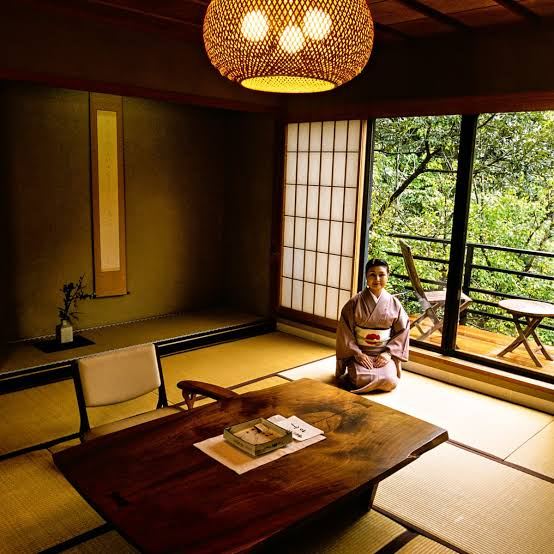
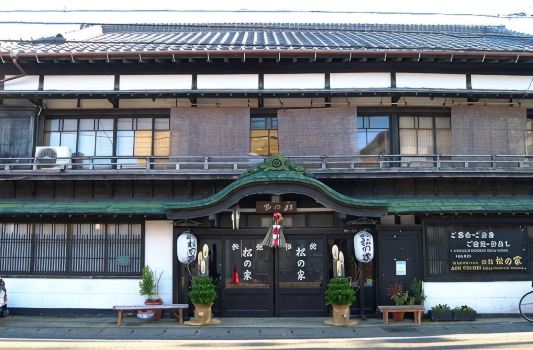
A ryokan located in the countryside is a kind of inn that can actually be found in a mountain or historic place. This is different from the ryokan found in cities, which has Japanese influences since coming there is the main experience to be enjoyed, including their authentic dishes and the real hospitality.
Your stay in this ryokan will surely be memorable because you will be accommodated in a tatami room with a futon or bed available for you. The inn will give you not only a breakfast but also a dinner that includes many dishes made from seasonal products. In most instances, you will get a good relaxing experience due to the very hot water.
Don’t expect any kind of room service available for you 24 hours a day along with some nightlife. Also, there might be only a few people speaking English and unable to communicate effectively.
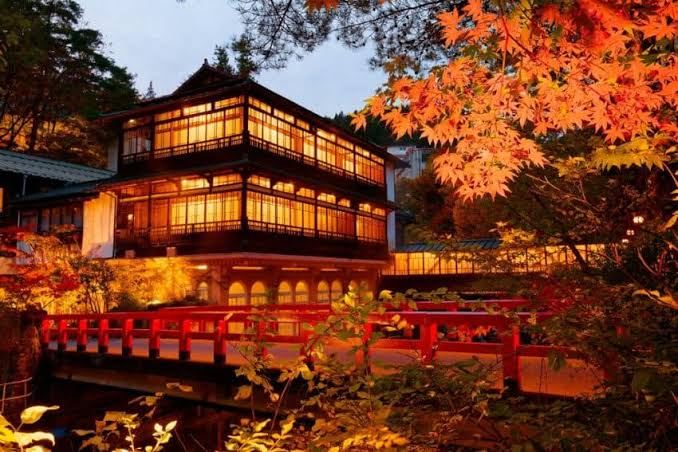
The experience usually starts with an afternoon arrival. After removing your shoes, staff may show you to your room, serve tea and explain the facilities.
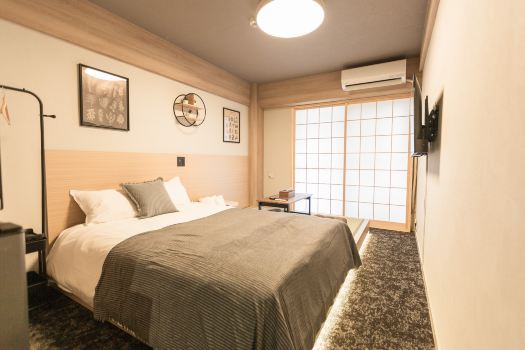
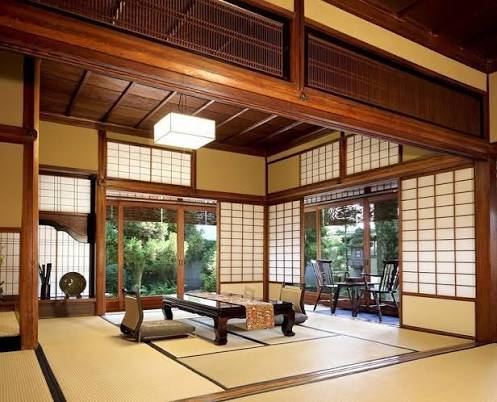
Prepare for tatami mat setups, plain furniture, and a yukata at your disposal. The futon may be prepared afterward when dining.
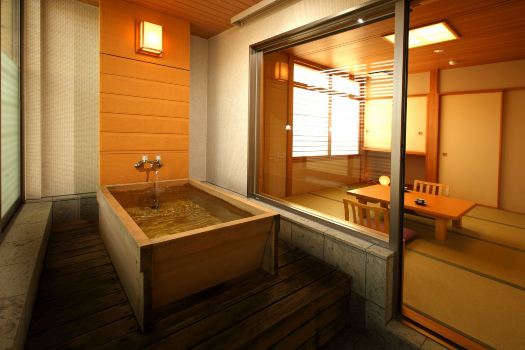
In an onsen ryokan, bathing is usually the prime attraction. Be sure to shower before getting in the water, leave your towel out of the bath, and keep sounds down.
Dinner is generally served at a designated time versus ordering at leisure. Dinner may include several courses in a kaiseki-style meal with seasonal and local ingredients and options for room service or a shared dining establishment.
Following dinner, you can go back to the bath, hang out in your room, or go outside in your yukata. There usually isn’t much nightlife in countryside inns, so the emphasis is on winding down.
Those who wake up early can take one last dip before breakfast. Breakfast is usually served shortly afterwards, while checkout often happens around 10 or 11 in the morning.
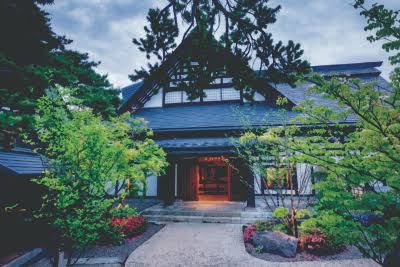
Not all rural ryokan offer the same experience. Where you stay can be just as important as the room itself.
This type of ryokan represents the traditional version of ryokan and includes hot springs surrounded by forests and mountains. Visitors will find open-air baths, beautiful sceneries depending on the season, as well as local cuisine.
Who it suits: People who wish to experience traditional hot springs, especially in autumn and winter.
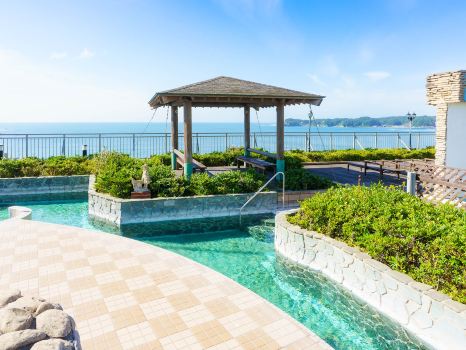
The ryokans located along the coast focus on seafood, ocean views, and local fishing traditions. Meals are an important attraction, especially when the area is known for crabs, shellfish, or locally caught fish.
Who it suits: Travellers who particularly love food and like coastal destinations instead of mountain ones.
Satoyama refers to the landscapes in which traditional life coexists alongside their uses of woodlands, farmland, and villages. These places tend to feel more genuine in terms of rural living when compared to lavish onsen resorts.
Who it suits: Visitors keen to travel far from the noisy cities and experience the calm countryside and local food.
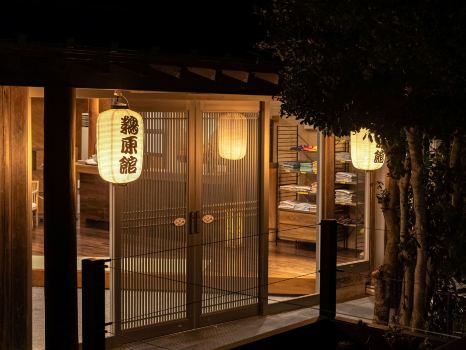
Some ryokan are located in preserved historical areas. This allows for a chance to walk around the streets once the day's tourists have left.
The Kiso Valley in Nagano is perfect for this kind of trip, with post towns like Narai and Tsumago.
Who it suits: Those interested in history, walkers, and people looking for destinations that fit the cultural aspect.
Although not technically a ryokan, Shukubo serves as a useful alternative for those looking for hospitality that is traditional and located in rural or spiritual locations. Temple lodgings may offer tatami rooms and Buddhist vegetarian food, as well as allow you to take part in morning prayers or meditation.
Who it suits: People interested in Japanese Buddhism rather than those seeking an onsen-focused holiday.
Ryokan etiquette is fairly simple once you know the basics. Follow the property's instructions, respect shared spaces and remember that some rules vary between ryokans.
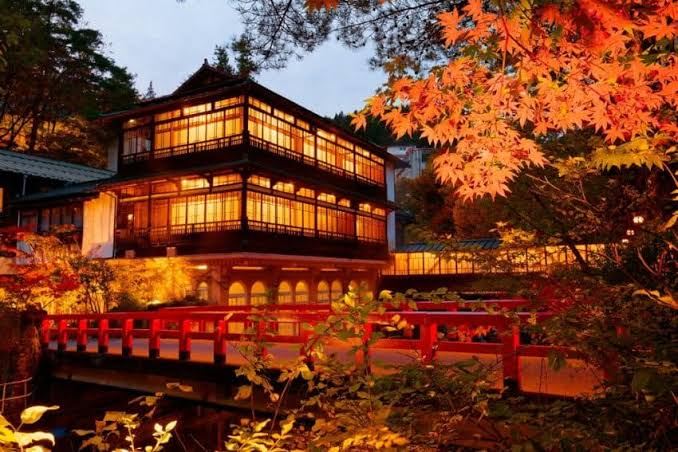
Normally, the cost of a ryokan is mentioned for each person rather than for the room. For instance, if the rate is ¥30,000, it means that the charge is for each guest, rather than being the price of the room with two people sharing.
Many ryokan offer the basic package with one night’s accommodation with two meals, so double-check to see if your already known rate covers dinner and breakfast as well before comparing different ryokan.
While you can find a variety of ryokan on Trip.com to book your stays online, it is possible that some rural ryokan may not provide the online booking services as such. In such cases, you may need to contact directly and reserve your accommodation, especially in the case of small family-owned ryokan.
Book well ahead for popular autumn foliage and cherry blossom periods, New Year and major Japanese holiday periods. This is especially important for small ryokans with only a handful of rooms.
Travellers who want to go it alone need to pay attention to the room types and price offers when selecting a hotel. Some conventional facilities accommodate two or more individuals, while others have special offers for single travellers.
Before checking in, have full details of the cancellation policy, meals offered, your arrival time, bathroom facilities, and transport.
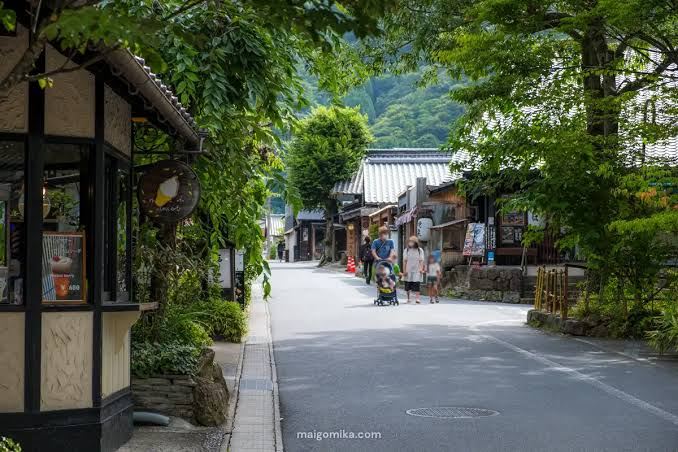
This segment of a rural ryokan trip is critical to the journey’s success.
The fact that a property looks close to a train station on paper does not mean that it is easily accessible. You might need to take a train and then change to a bus to reach your destination, and that bus may not operate very often. In some mountain regions, the final leg may be provided by an on-site shuttle bus instead of public transport.
Never depend on the timetable cited in other travel reviews. Rural transport systems differ in quality, and the same timetable may not be valid in several seasons.
Find out how to reach the location on the day of your travel. If the ryokan provides a shuttle bus service, check which stations are included in the service, whether booking in advance is necessary, and whether the time of collection is specified by the facility.
Some properties operate only one or a small number of shuttle departures.
At this juncture, luggage forwarding becomes useful too. Various luggage services are available in Japan, which allow the movement of luggage from hotel to hotel. Thus, you will have an opportunity to travel to a remote ryokan with a small overnight bag.
If you are going to use a local bus, you need to arrive in advance to check the schedule, since in the countryside there may be long gaps between bus rides.
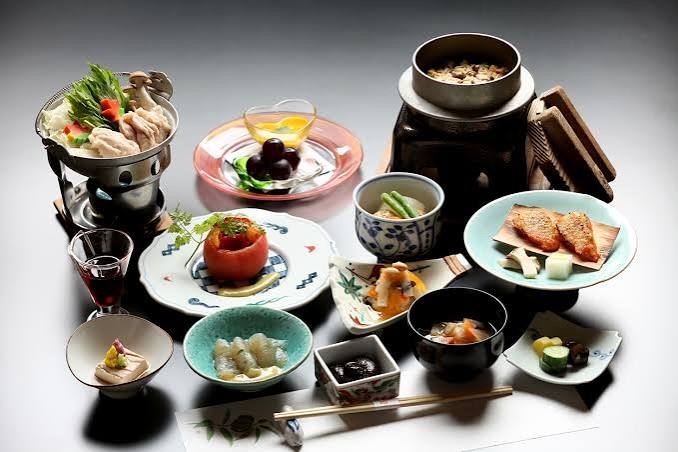
Rural ryokans can vary considerably in how they accommodate dietary requirements and accessibility needs. Contact the property before booking or arriving to discuss anything that could affect your stay.
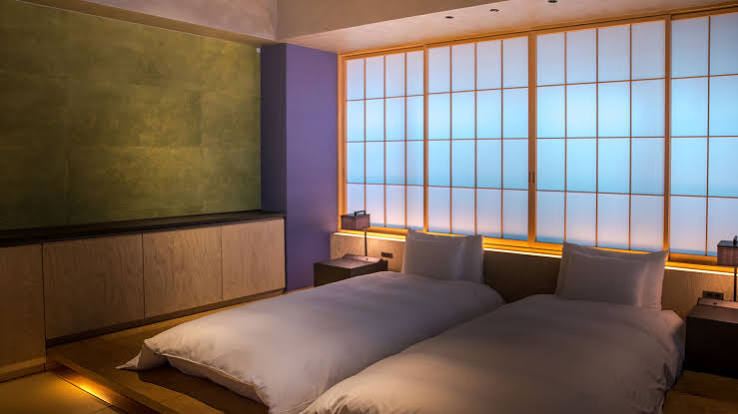
There is no single rural ryokan price because the experience ranges from simple family-run inns to highly luxurious properties with private open-air baths.
Ryokan costs differ based on the type of ryokan and what is provided for the stay. The cost of basic stays is approximately between ¥10,000 and ¥20,000 per person, while an average ryokan that offers meals with better lodging will usually cost around ¥20,000 to ¥40,000. High-class ryokans can charge anything from ¥40,000 to ¥80,000 per person, normally because they offer exclusive services such as private baths, luxurious rooms and gourmet food.
These figures are indicative rather than fixed market bands. Current published ryokan data shows a very wide spread in prices, while individual properties can also change rates by date and room.
Some of the main factors that affect prices are how good the food is, how big the rooms are, whether there are onsen hot baths, where the inn is located, its view, and the season of your stay, such as Fridays, Saturdays, and holidays.
This means that the meals are very important for pricing. If the ryokan provides extensive, seasonal kaiseki-style meals in addition to merely providing accommodation and breakfast, it has much more to offer.
Thus, while comparing prices, an important aspect of pricing should not just be the price of the room. A cheaper option does not always carry enough value to drive travellers to visit a destination in search of experiences.
 47772 booked