Taizhou Travel Guide 2025: Top Attractions, Things to Do & Deals | Trip.com | December 2025
About Taizhou
Recommended trip: 2–4 day(s)
Recommended trip: 2–4 day(s)Current weather conditions
 14°C
14°CTaizhou Local Experiences Map






Trending in Taizhou
Taizhou Local Travel Guide 2025
Taizhou Brief Guide
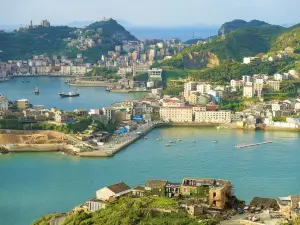
Taizhou, a vibrant coastal city in Zhejiang Province, China, combines serene natural beauty with a rich cultural heritage. Nestled along the East China Sea, it captivates with its tranquil islands, historic temples, and bustling markets, offering a refreshing escape steeped in tradition. Plan your authentic Taizhou journey with our guide.
Taizhou Must-try local experiences
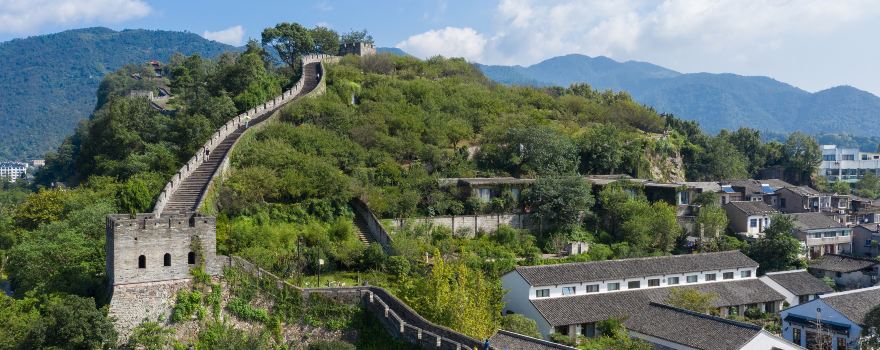
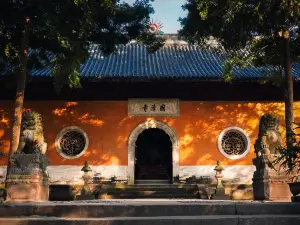
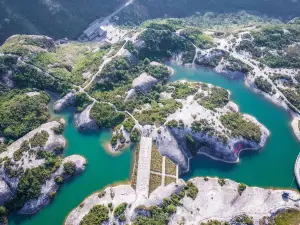
1. Ascend Sacred Mountain Trails Taizhou's peaks blend nature and history, offering rewarding hikes. Climb Tiantai Mountain's paths to spot rare trees and enjoy fresh air, or tackle Baiyun Mountain for temple views and a 30-minute summit push. These trails suit moderate walkers and offer quiet spots to pause amid misty forests. 2. Visit Ancient Buddhist Temples Step into serene sites tied to China's spiritual past. Explore Guoqing Temple on Tiantai Mountain, a 1,500-year-old complex with grand halls, statues, and peaceful gardens. Nearby Ci'en Temple adds more pagodas and incense rituals for a calm cultural dive. 3. Marvel at Karst Natural Wonders Explore dramatic rock formations and caves. Tour Shenxianju Scenic Area's cliffs and Ruyi Bridge for stunning overlooks, or wander Huangyan Grottoes' illuminated chambers with stunning natural formations like Grotto Lake. These spots mix easy walks with natural beauty for photo ops. 4. Walk the Southern Great Walls Trace historic defenses unique to southern China. Stroll Linhai's ancient wall sections, over 5,000 meters long, with towers and river views from the Jin Dynasty era. It's a flat path for history buffs to imagine old battles while catching breezes. 5. Stroll Charming Old Streets Meander through preserved lanes with Qing-era vibes. In Luqiao Old Street, browse shops for handicrafts and peek into a Chinese medicine museum with herb jars. These narrow paths buzz with locals and lead to casual eateries for a taste of daily life. 6. Island Hop to Fishing Havens Ferry out for coastal escapes and sea views. Reach Dachen Island clusters to lounge on beaches, swim in clear waters, or watch fishing boats unload. These short trips include picnic spots and a glimpse into island routines away from crowds. 7. Savor Fresh Seafood Delights Dig into ocean catches at portside spots. Grill fish or try crab at markets near Jiaojiang, or sample Jiyan lamb stew with aromatic spices in local diners. Affordable stalls let you eat like residents, offering bold local flavors. 8. Explore Vibrant Parks Unwind in green spaces with paths and features. Jiufeng Park offers nine peaks for light hikes, stone bridges, and even a small roller coaster for kids. Shuijing Park nearby adds fountains and yoga areas for relaxed strolls or family picnics. 9. Discover Glass Art Studios Peek into creative workshops for hands-on fun. At Wu Zixiong Glass Art Museum, watch artists engrave live pieces or join a session to make your own. This modern spot showcases local talent with vibrant displays, making it an ideal destination for art lovers on rainy days. 10. Boat Through Flower Marshes Glide on seasonal tours amid golden fields. In spring, row through Rapeseed Sea's yellow blooms and wetlands for birdwatching and fresh scents. These calm rides contrast Taizhou's hills with flat, colorful plains for a peaceful nature break.
Taizhou Must-see Attractions
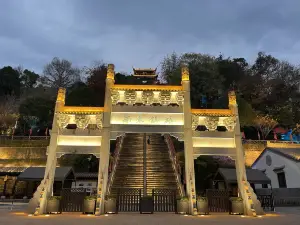
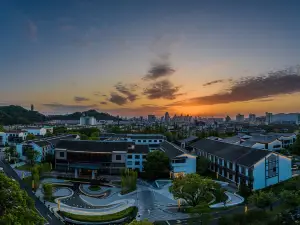
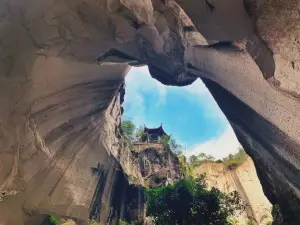
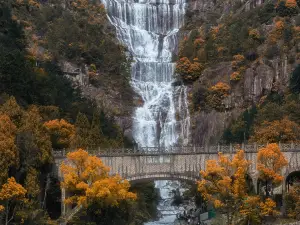
Taizhou, known for its unique landscapes and rich history, offers diverse attractions such as the steep mountains of Shenxianju, the historical Changyu Dongtian National Mineral Mountain Park, scenic Dachen Island, culturally-infused Tiantai Mountain, and the historic Taizhou City Wall Culture &Tourism Area, each blending natural beauty with cultural significance.
Taizhou Food Guide
Taizhou cuisine is renowned for its fresh seafood and unique traditional snacks. Highlights include the succulent Sanmen green crabs, versatile dumplings (Bianshi) in multiple cooking styles, generously filled Flat cake rolls with a delightful texture, and chewy wheat prawns (Maixia), all of which are favorites among both locals and visitors.
Taizhou Transportation
Taizhou is accessible via Taizhou Luqiao Airport (HYN) for domestic flights, high-speed trains to Taizhou Railway Station, or buses for regional travel. Most international travelers arrive via nearby Hangzhou or Ningbo airports, then transfer. By Air: Taizhou Luqiao Airport (HYN): Located about 12 km (8 miles) southeast of Jiaojiang district (Taizhou’s urban center), the airport primarily serves domestic routes, with direct flights from major Chinese cities including Beijing, Shanghai, Guangzhou, Shenzhen, and Chengdu. To the City Center: - Airport Shuttle Bus: The airport offers shuttle services that connect passengers to important locations in downtown Taizhou. You can find the designated shuttle bus stop and ticket counter just outside the arrivals hall—look for the signs. Please note that there is limited luggage space on the shuttles, and they can become crowded during peak times. Main Routes (Please confirm the latest schedule and route information upon arrival): To Jiaojiang: The shuttle either terminates at the Taizhou Central Bus Station in Jiaojiang or makes stops at key downtown locations, such as the City Government and Xingxing Square. To Huangyan: The shuttle either terminates at the Huangyan Bus Center or stops at key downtown locations. Approximately ¥10-20. The shuttle services align with flight schedules but do not operate 24/7, so be sure to verify the details when you arrive. - Public Bus (Cheapest but Least Convenient): Public buses stop near the airport exit, but you will need to walk a short distance to reach them. Generally, the best route is to take a bus to the Luqiao transit hub, which includes destinations like Taizhou South Bus Station or Luqiao South Station. From there, you can transfer to buses heading to Jiaojiang (such as Bus 903 or 126) or Huangyan (such as Bus 902). Keep in mind that with transfers and waiting times, the journey can take over 1.5 hours. It can be particularly challenging if you have large bags. The fare typically ranges from ¥2 to ¥6 per segment, depending on whether it is a flat rate or a distance-based rate. This option is best for travelers who are familiar with the routes, have minimal luggage, and can afford ample time for the journey. If you’re carrying luggage, are short on time, or are not well-acquainted with the local buses, consider alternative transportation options. - Taxi (Most Convenient & Fastest): Designated taxi queue is located outside the arrivals hall exit. The fare ranges from ¥30 to ¥70, taking 20 to 45 minutes depending on traffic and destination. Cash, WeChat Pay, and Alipay are accepted. - Ride-Hailing Services: Designated ride-hailing parking/waiting zones (follow airport signs or app instructions). Do not use the taxi queue area. Fare estimate shown in app; often slightly cheaper than taxis. By Train: Taizhou Railway Station: Located in Huangyan District, this is one of the main railway stations in the city. It is approximately 12 km (8 miles) from the city center. The station serves high-speed rail routes (G-series and D-series) that connect Taizhou with major cities, including Shanghai (with a journey time of as low as 2.5 hours), Hangzhou (1.5 to 2 hours), and Shenzhen. A taxi ride from the station to downtown takes about 15 minutes and costs approximately 25 RMB. Taizhou West Railway Station, situated in the Huangyan District, is the largest railway station in the city. It connects Taizhou to numerous cities through high-speed rail, including direct services to Hangzhou. Since the station is located further from the city center, a taxi ride to downtown is more expensive, costing approximately 60 RMB for a 35-minute journey. By Bus: For travelers coming from nearby cities, long-distance buses are an affordable option. Jiaojiang Bus Station serves regional routes from Hangzhou, Ningbo, and Shanghai. Buses are budget-friendly; however, they are less foreigner-friendly and may be difficult to navigate without knowing the language.
Taizhou Where to Stay
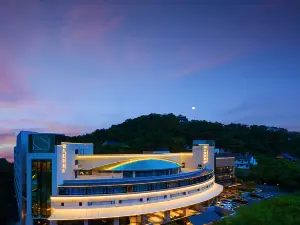
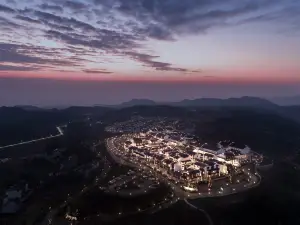
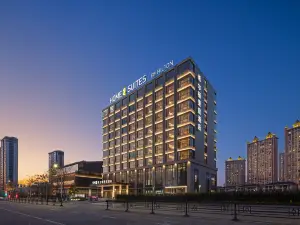
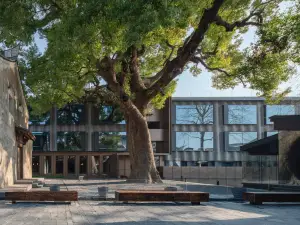
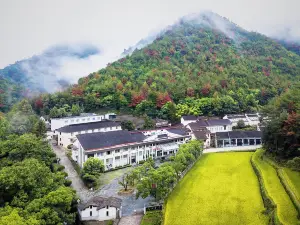
Taizhou is a city rich in cultural heritage and natural beauty, making it a captivating destination for travelers. The city features a variety of accommodations spread across several districts and neighborhoods, each offering unique experiences and surroundings. Key areas for lodging include Jiaojiang District, Ziyang Street, and Shenxianju, each providing distinct atmospheres and easy access to local attractions, shopping, and dining.
Taizhou Best Time to Visit
The best times to visit Taizhou are in spring (March to May) and autumn (September to November). Spring offers a mild climate and beautiful cherry blossoms, making it perfect for exploring the city’s natural beauty. The vibrant rape blossoms in March also attract visitors to the Qianduo rape flower field. Autumn features similarly mild weather, allowing tourists to enjoy attractions like Tiantai Mountain and the Southern Great Wall of China in Linhai without the extremes of summer heat or winter cold.
Taizhou Useful Guide
Mandarin Chinese is the primary language. English is limited, spoken in hotels and major sites, but rare in markets or rural areas. Bilingual signs at attractions; use translation apps for communication.
Trip.Best: Taizhou







Things to do in Taizhou
What to do

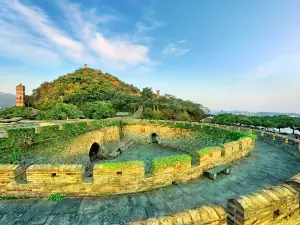
The Culture Tourism Area of The Ancient City of Taizhou


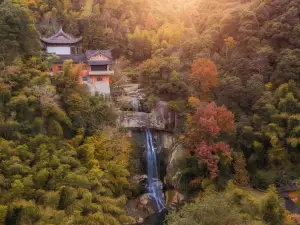


Taizhou Ocean World
Where to stay



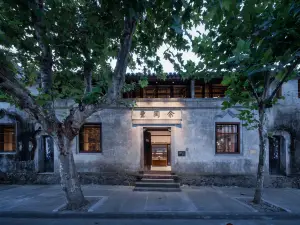

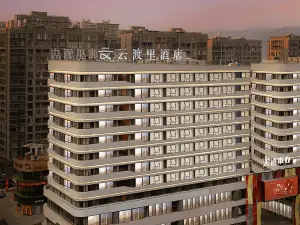

What to eat









Huangyan International Hotel· Restaurant



Taizhou Moments: Through Travelers' Eyes
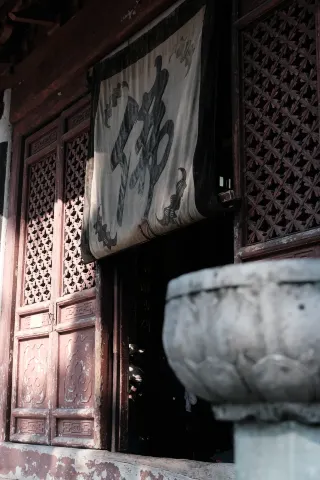
I went to Taizhou just because of Guoqing Temple! (I didn't drive)

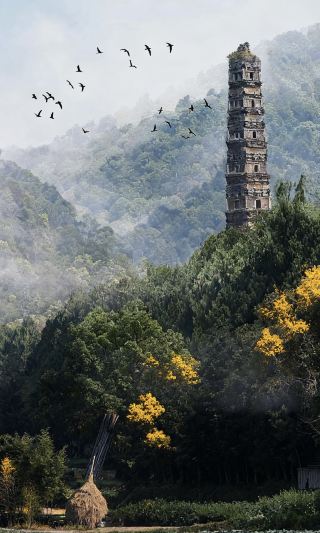
Weekend Escape from Hangzhou in 2 Hours|Relax and Enjoy the Entire Autumn at Guoqing Temple

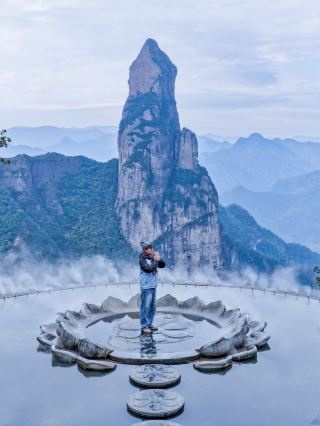
Don't just go to Shenxianju; these ancient villages are the real fairyland.

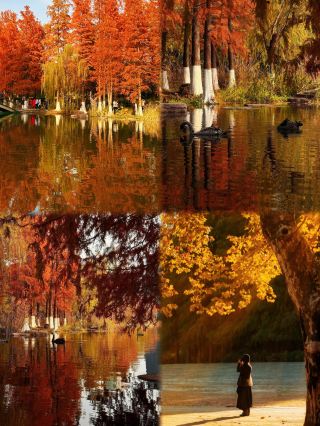
I gave up on Hangzhou, Ningbo is just too good!

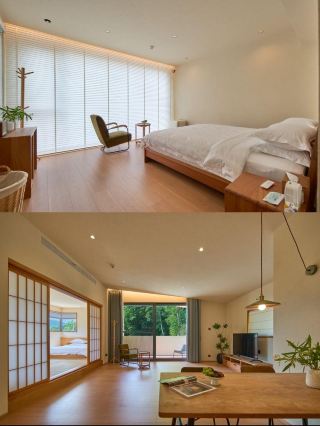
A Hidden Wonderland in Linhai, Slow Down and Savor Autumn


Cliffside Seaside Cottage|Live Inside This Stunning Mountain and Sea Painting!


Winter Family Trip to Shaoxing Xinchang! A Secluded Wonderland + Fairy Tale Hotel, Unlocking a Peach Blossom Land with Kids


A hidden gem stone house B&B in Shitang, Wenling, waking up facing the sea is so healing!

Best of Taizhou
Top 20 4-Star Select Hotels in Taizhou

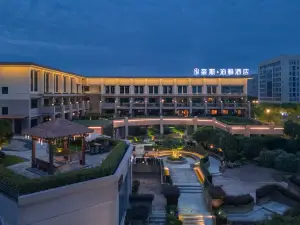



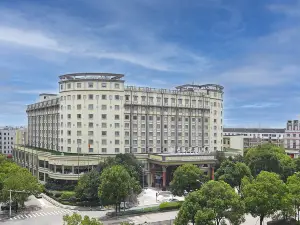

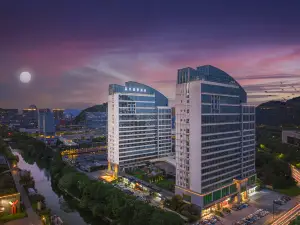



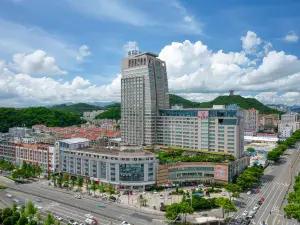
Top 50 Luxury Hotels near Taizhou
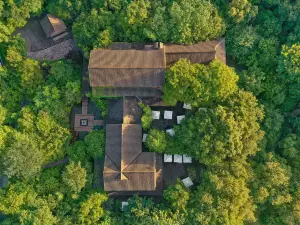
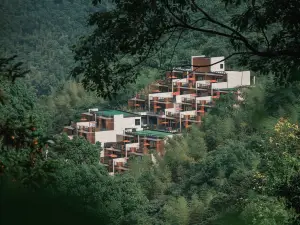
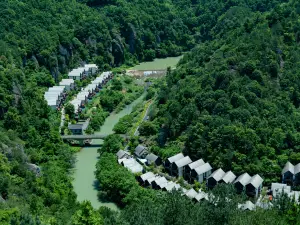
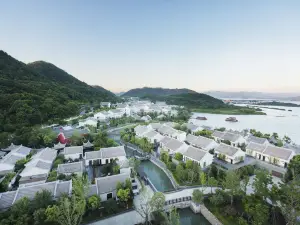
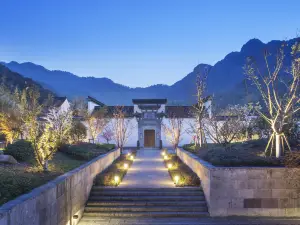


Top 50 Best Things to Do near Taizhou



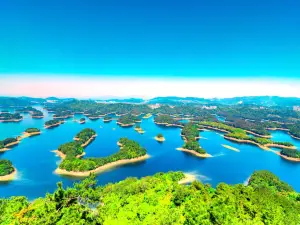
Top 50 Family Hotels near Taizhou
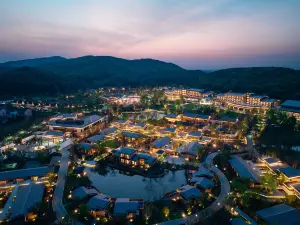
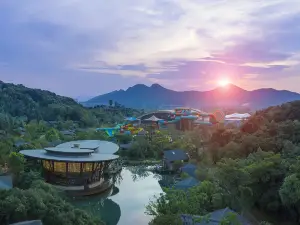

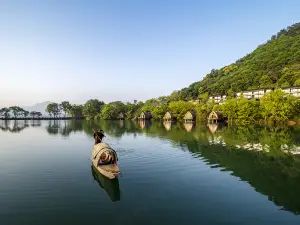

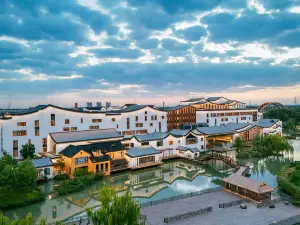

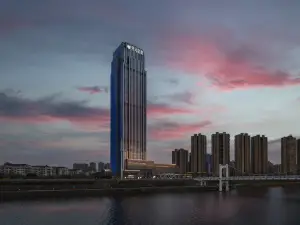

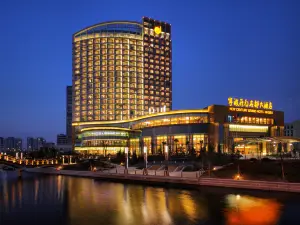
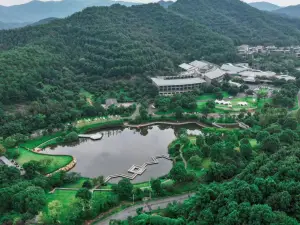
Top 50 Family-friendly Attractions near Taizhou



Shanghai Haichang Ocean Park
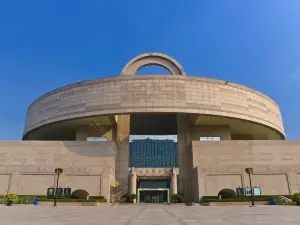

Shanghai Wild Animal Park

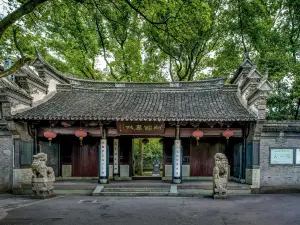
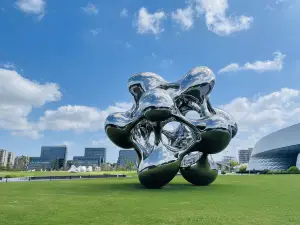
Shanghai Astronomy Museum

Shanghai Ocean Aquarium

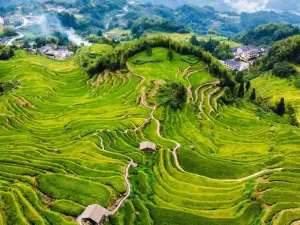

Top 50 Scenic Hotels near Taizhou
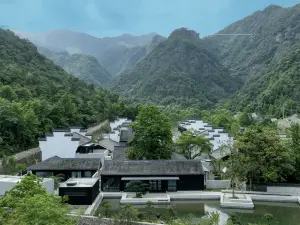
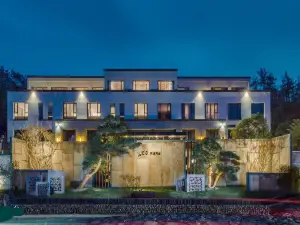

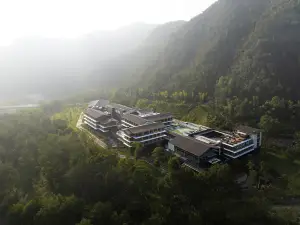

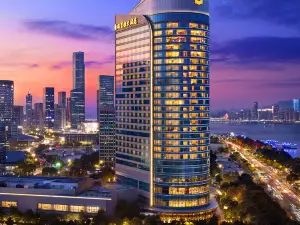
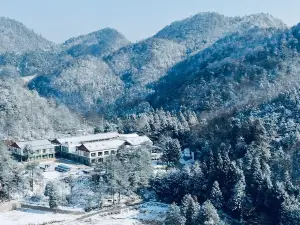

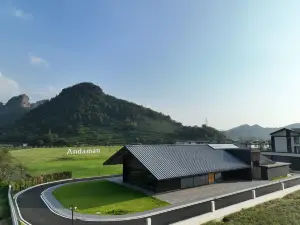

Top 10 Ski Resorts near Taizhou



Sky Land Ski Slope
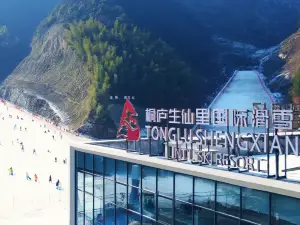
Hangzhou Shengxianli International Ski Resort

Damingshan Wansongling Ski Resort

Shaoxing Qiaobo Ice And Snow World

Shanglianggang Ski Resort

xue ji xing cheng shi hua xue zhong xin

Top 50 Cultural Hotels near Taizhou
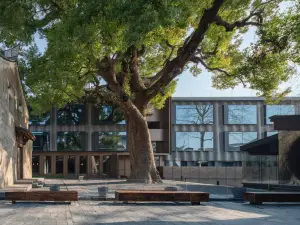
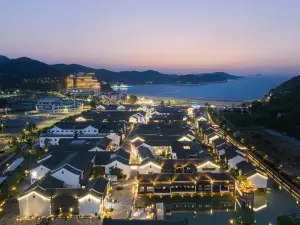

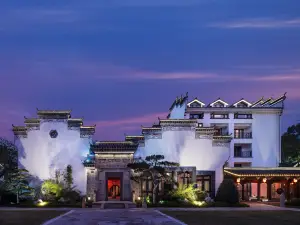
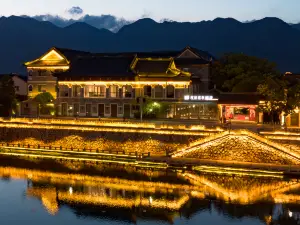


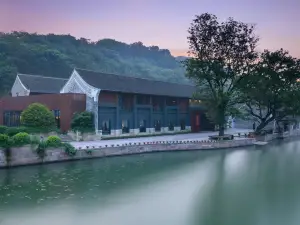
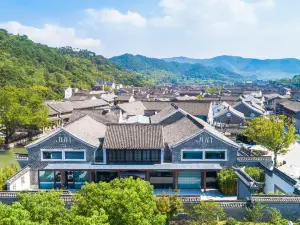
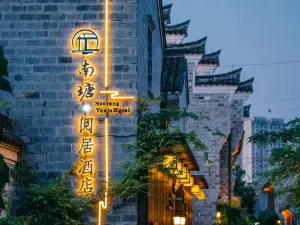
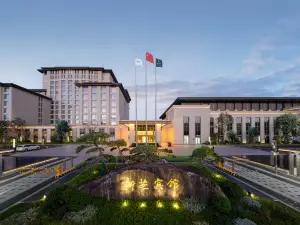
Top 50 Hot Springs Attractions near Taizhou

Tang Feng Hot Spring Resort
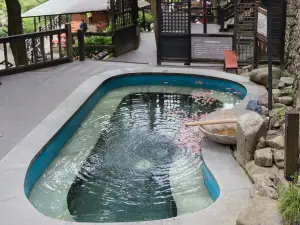
Ninghai Forest Hot Spring
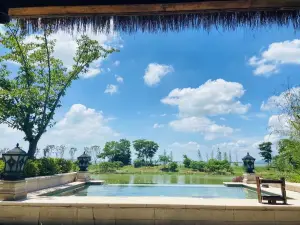
Suzhou Bay Wangyan Hot Spring
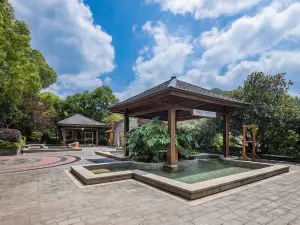
Erlingshan Hot Spring

Tuankou Zhong'an Radon Hot Spring


Lotus Hot Spring

Haitiantai Wentang Courtyard

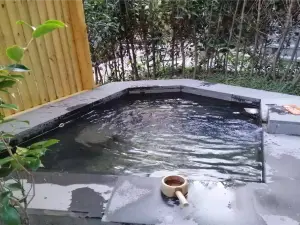
Yandang Mountain Hot Spring
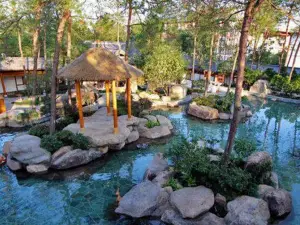
Wuyi Hot Spring Resort

Huzhou Moon Hot Spring
Top 50 Instagrammable Hotels near Taizhou


Other recommended cities
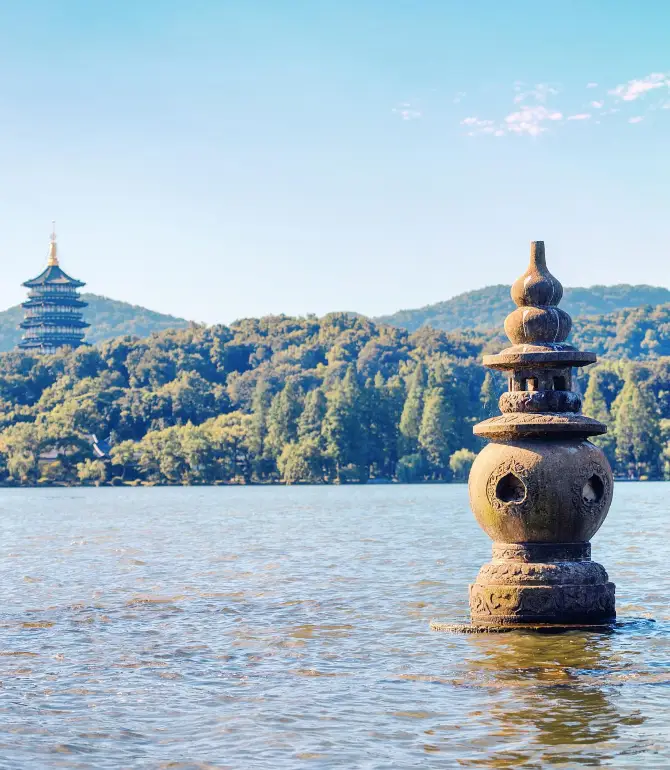
Hangzhou
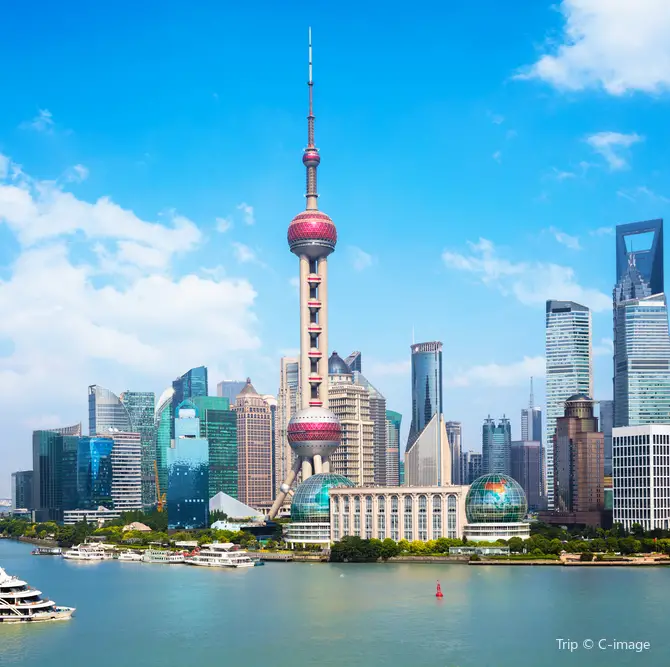
Shanghai
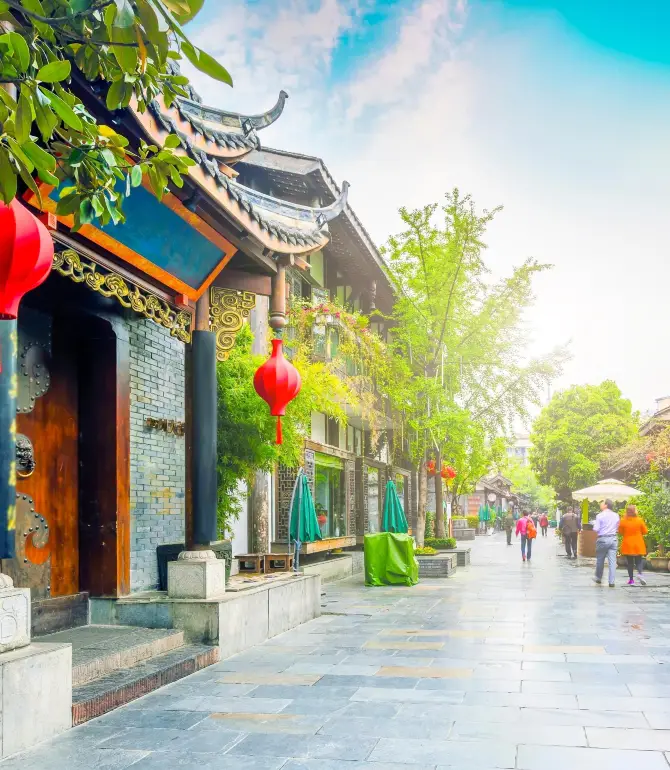
Chengdu
Xiamen
About
Site Operator: Trip.com Travel Singapore Pte. Ltd.