Vietnam Plug: Types, Voltage, & Plug Adapters

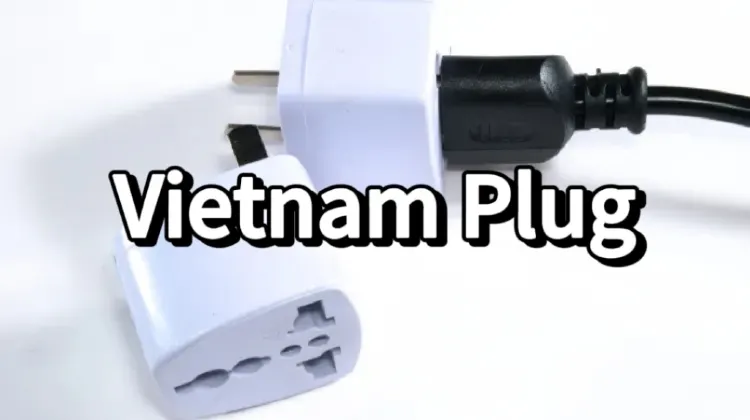
Learn about the Vietnam plug types, voltage requirements, and whether you need a plug adapter or voltage converter for your trip.👀
Vietnam utilizes 220V voltage at 50Hz and supports plug types A, B, C, E, F, and G. Travelers using single-voltage devices require a converter.
What Plug Does Vietnam Use?
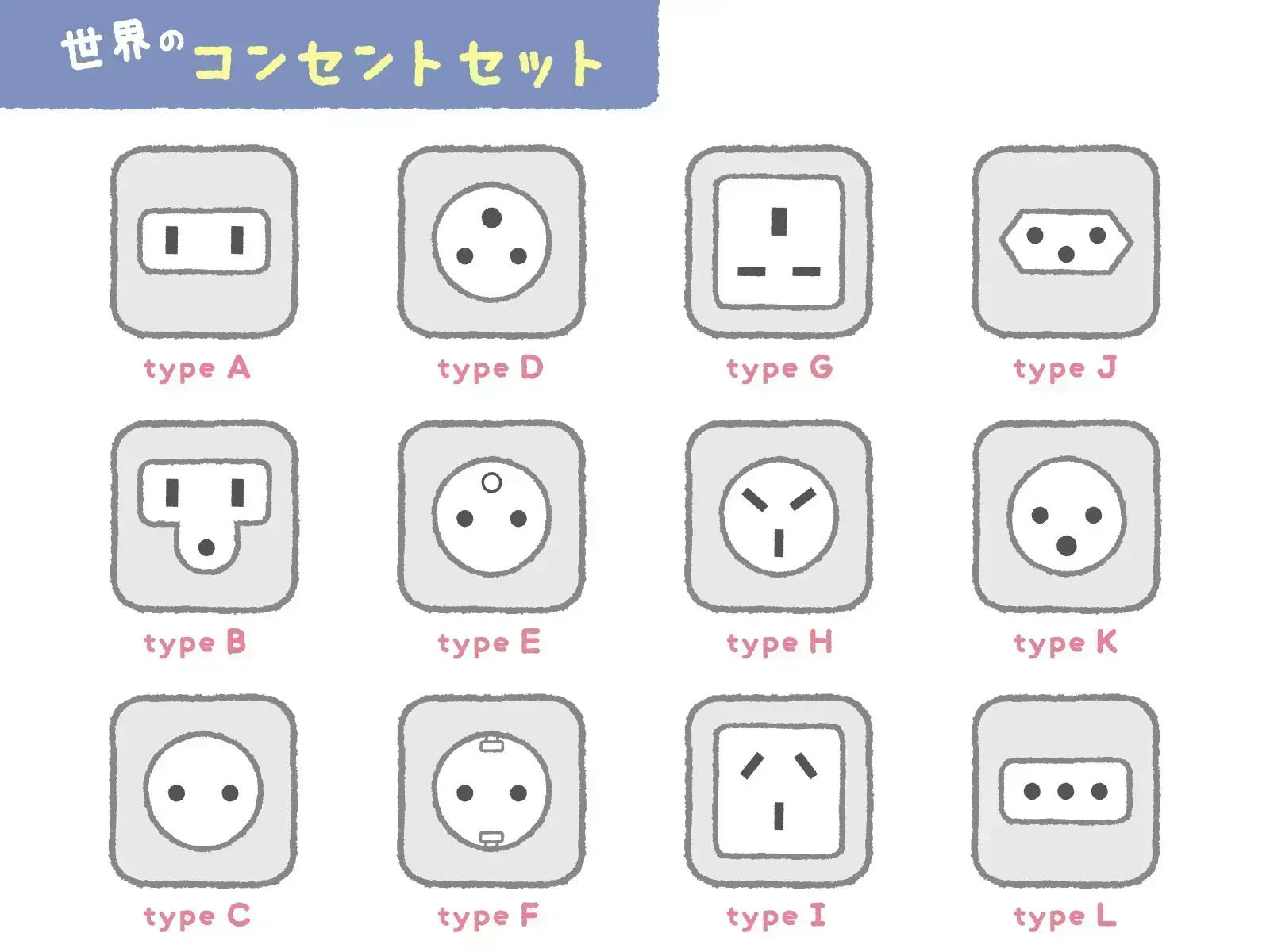
Vietnam uses a mix of Type A, B, C, E F, and G plugs, and the standard voltage is 220V with a frequency of 50Hz. The type of plug you will encounter depends on whether you are in the northern or southern part of the country.
| Region | Plug Types | Description |
| South Vietnam | Type A & B | Two flat parallel pins (Type A), or two flat pins with a grounding pin (Type B) |
| North Vietnam | Type C, E & F | Two round pins (Type C), or two round pins with grounding clips (Type F) |
*In some modern accommodations, you may also encounter Type G plugs, which have three rectangular pins and are commonly used in the United Kingdom.
Type A Plug
The Type A plug has two flat parallel pins and is usually found with low-powered devices like phone chargers. It’s commonly used in the United States, Japan, and Canada.
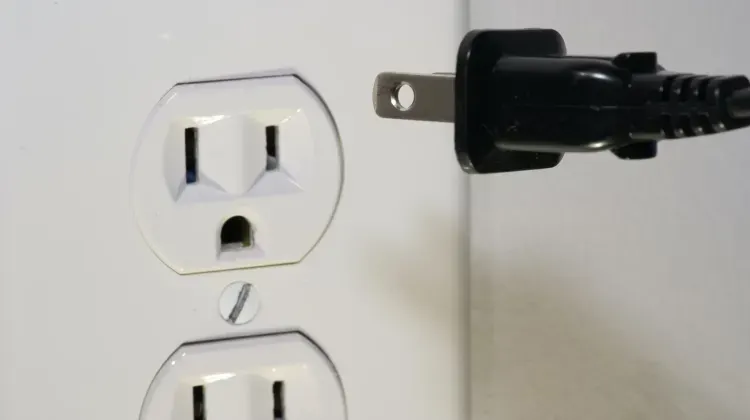
Type A Plug
Type B Plug
The Type B plug includes two flat parallel pins and an additional round grounding pin, making it suitable for more power-hungry devices like laptops and larger electronics.
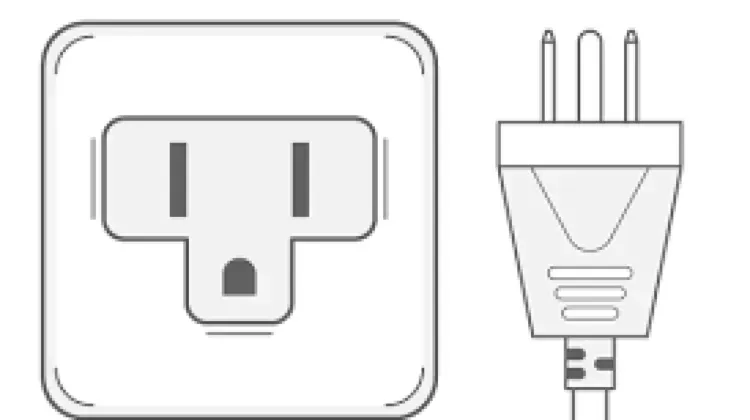
Type B Plug(Source: todoenchufes)
Type C Plug
With two round pins, the Type C plug is typically used for smaller devices such as cameras and phone chargers.
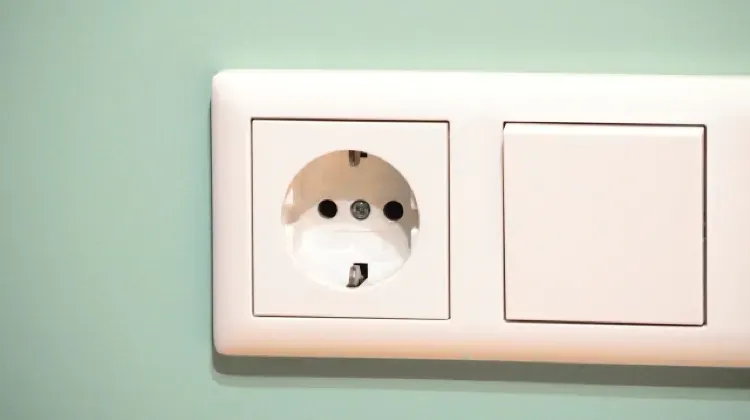
Type F Plug
The Type F plug, similar to Type C, comes with two round pins but also includes grounding clips, making it useful for more powerful or grounded devices.
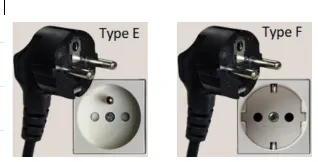
Type F Plug(Source: engineering.stackexchange)
What Plug Adapter/Converter Do I need for Vietnam?
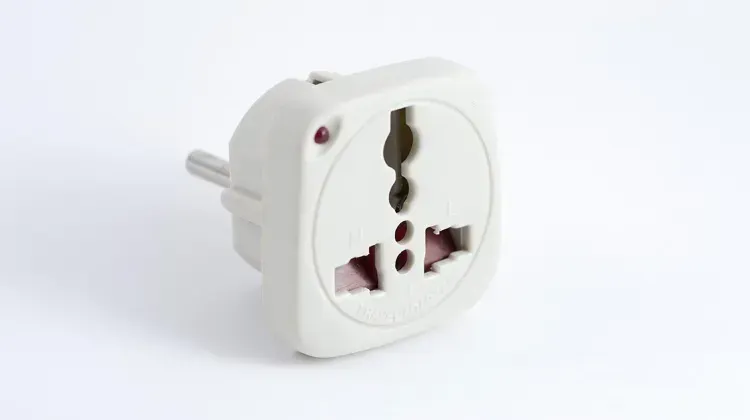
When traveling to Vietnam, the type of plug adapter you need will depend on the plug standards in your home country. Vietnam uses Type A, B, C, E, F, and G outlets with a standard voltage of 220V.
Do You Need a Plug Adapter in Vietnam?
- If you're from the UK, Australia, Singapore, or regions using Type G or I plugs, you will need a Type A, B, C, E, or F plug adapter to fit outlets in Vietnam.
- If you're from Malaysia, you may need a Type A, B, or C adapter since Malaysia uses Type G outlets, which are different from Vietnam’s plug types.
- If you're from the United States or Canada, no adapter may be needed for Type A and B outlets, which are common in southern Vietnam, but for northern areas or newer hotels using Type C, E, or F, a plug adapter will be necessary.
Do You Need a Voltage Converter in Vietnam?
Vietnam operates on 220V. If you're traveling from the United States, Canada, or Japan, which use 110V, and your devices are not dual-voltage (100-240V), you will need a voltage converter to safely use single-voltage devices like hair dryers or electric shavers.
- Dual-Voltage Devices (100-240V): Most modern electronics like laptops, smartphones, and cameras are dual-voltage, so they can handle both 110V and 220V. In this case, you only need a plug adapter.
- Single-Voltage Devices (110V): Devices such as hair dryers and electric shavers from 110V systems will require a voltage converter to step up the voltage from 110V to 220V for safe use in Vietnam.
Always check your device’s label to ensure it supports 220V before plugging it in.
Voltage & Frequency in Vietnam
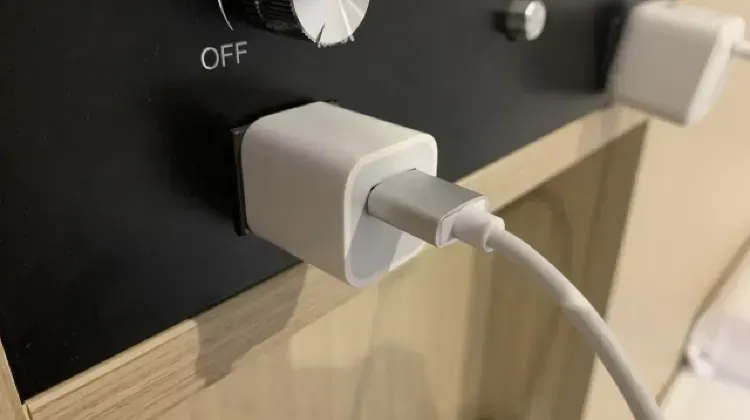
Vietnam operates on a standard voltage of 220V and a frequency of 50Hz throughout the country, in both the north and south.
Voltage in Vietnam
- 220V is used in all regions of Vietnam, which is similar to the systems in Europe, Australia, Singapore, and other parts of Asia.
Frequency in Vietnam
- The electrical frequency in Vietnam is 50Hz, which is standard for most countries in Europe, Asia, and Australia.
For travelers from countries like the United States or Canada, which use 110V/60Hz, it is important to check if your devices are dual-voltage (100-240V). If not, a voltage converter will be required for single-voltage devices.
Can I use my Phone or Laptop Charger in Vietnam?

Yes, you can absolutely use your phone or laptop charger in Vietnam, but there's a small catch—depending on where you're from, you might need a plug adapter. Vietnam runs on 220V with a 50Hz frequency, and they use a mix of Type A, B, C, E, and F plugs.
If you’re coming from the US or Canada, you might be lucky with Type A/B outlets in the south, but in the north and some modern hotels, you’ll probably need a Type C, E, or F adapter. For travelers from the UK, Australia, Singapore, or Malaysia, you’ll need to pack a Type A, B, C, or F adapter—because those standard Type G or Type I plugs won’t fit.
The good news is: Most modern chargers (for phones and laptops) are dual-voltage (100-240V), so no need to worry about a voltage converter. Just double-check your charger’s label to confirm it’s good to go with 220V.
Where Can I Buy a Plug Adapter for Vietnam?
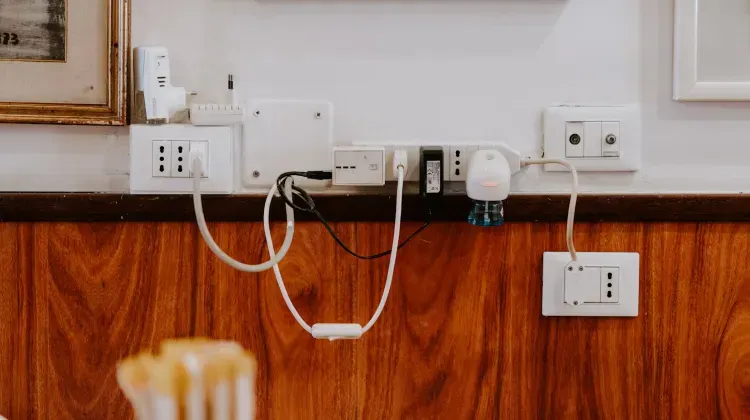
Before Traveling (Online and Local Stores)
You can easily buy a Vietnam plug adapter before your trip from online retailers like Amazon, eBay, and Lazada, which offer various types of adapters. Additionally, electronics stores like Best Buy (US), JB Hi-Fi (Australia), and Challenger (Singapore) typically stock international plug adapters.
After Arriving in Vietnam
Once in Vietnam, you can buy plug adapters at convenience stores like 7-Eleven, FamilyMart, and electronics shops such as Nguyen Kim or Dien May Xanh. Many large airports, such as Noi Bai and Tan Son Nhat, also have stores selling adapters for last-minute needs.
Where to Charge Easily in Vietnam

Public Charging Options
In Vietnam, you'll find plenty of charging opportunities in airports such as Noi Bai (Hanoi) and Tan Son Nhat (Ho Chi Minh City), where outlets and USB ports are commonly available in waiting areas, lounges, and near boarding gates. Cafés like Highlands Coffee, The Coffee House, and international chains like Starbucks also provide outlets for customers. Charging spots are available in shopping malls such as Vincom Center, AEON Mall, and Lotte Mart, which usually have designated areas with charging stations.
On the Go
If you're on the move, consider carrying a power bank for convenience. You can purchase power banks from convenience stores like 7-Eleven, Circle K, and electronics shops such as Nguyen Kim or Dien May Xanh. Many train stations (especially Saigon Railway Station) and bus terminals have outlets available in waiting areas. Charging facilities are also commonly found in co-working spaces like Toong and WeWork in major cities, where travelers can plug in while working or resting. Many modern hotels and hostels also offer USB charging ports in rooms or common areas.
Global Electrical Standards Overview
Globally, there are three main electrical standards for devices: 110-120V used primarily in North and Central America, 220-240V prevalent in Europe, Asia, and Oceania, and the dual-voltage system. These standards also differ in frequency, either 50 Hz or 60 Hz, and include a variety of plug types specific to each region. Understanding these differences is essential for safely using electronic devices while traveling internationally.
Asia & Oceania Electrical Standards
| Country | Frequency (Hz) | Voltage (Volts) | Plug Type |
| Australia | 50 | 230 | I |
| China | 50 | 220 | A, C, I |
| China (Hong Kong S.A.R.) | 50 | 220 | G |
| India | 50 | 230 | C, D, M |
| Indonesia | 50 | 230 | C, F |
| Japan | 50 Hz in Eastern Japan & 60 Hz in Western Japan | 100 | A, B |
| Malaysia | 50 | 240 | G |
| New Zealand | 50 | 230 | I |
| Philippines | 60 | 230 | A, B, C |
| Republic of Korea (South Korea) | 60 | 220 | C, F |
| Singapore | 50 | 230 | G |
| China (Taiwan) | 60 | 110 | A, B |
| Thailand | 50 | 220 | A, B, C |
| Vietnam | 50 | 220 | A, C |
North America & South America Electrical Standards
| Country | Frequency (Hz) | Voltage (Volts) | Plug Type |
| Argentina | 50 | 220 | C, I |
| Brazil | 60 | 127/220 | C, N |
| Canada | 60 | 120 | A, B |
| Chile | 50 | 220 | C, L |
| Colombia | 60 | 120 | A, B |
| Mexico | 60 | 127 | A, B |
| Peru | 60 | 220 | A, C |
| USA | 60 | 120 | A, B |
| Venezuela | 60 | 120 | A, B |
Europe Electrical Standards
| Country | Frequency (Hz) | Voltage (Volts) | Plug Type |
| France | 50 | 230 | C, E |
| Germany | 50 | 230 | C, F |
| Italy | 50 | 230 | C, F, L |
| Russia | 50 | 230 | C, F |
| Spain | 50 | 230 | C, F |
| United Kingdom | 50 | 230 | G |
Oceania Electrical Standards
| Country | Frequency (Hz) | Voltage (Volts) | Plug Type |
| Australia | 50 | 230 | I |
| Fiji | 50 | 240 | I |
| New Zealand | 50 | 230 | I |
FAQs about Vietnam Plug
-
What type of plug is used in Vietnam?
-
What plugs are used in Vietnam Type F?
-
Is the Vietnam plug the same as Singapore?
Trending Searches
-
Popular attractions
-
Trending Stays
-
Getting Around
-
eSIM/SIM card
- Hotels in Shanghai
- Hotels in Guangzhou
- Hotels in Beijing
- Hotels in Bangkok
- Hotels in Shenzhen
- Hotels in Hong Kong
- Hotels in Chongqing
- Hotels in Tokyo
- Hotels in Ho Chi Minh City
- Hotels in Chengdu
- Hotels in Kuala Lumpur
- Hotels in Seoul
- Hotels in Zhangjiajie
- Hotels in Hanoi
- Hotels in Hangzhou
- Hotels in Singapore
- Hotels in Xi'an
- Hotels in Istanbul
- Hotels in Osaka
- Hotels in Bali
- AREX
- Shanghai Pudong Airport Transit
- Lijiang Airport
- Kunming Metro Map
- Renting a Car in China as a Foreigner
- How to Get to Furong Ancient Town
- Nara Transportation
- Shanghai Airport Transfers
- Ningbo Airport
- How to get to Great Wall of China
- Harbin Metro Map
- Japan Transport App
- How to Use DiDi in China
- Car Rental Insurance
- Macau to Hong Kong
- Narita Airport to Shinjuku
- JR EAST PASS