Thailand Plug: Types, Voltage, & Plug Adapters


Learn about the Thailand plug types, voltage requirements, and whether you need an adapter or converter for safe charging during your trip.
See all flights


AI Summary
This summary is AI-generated by Trip.com. For the complete guide, please refer to the article below.
Thailand operates on a standard voltage of 230V and 50Hz, utilizing plug types A, B, C, F, and O. Travelers using 110V devices require a converter.
5 Types of Thailand Plug
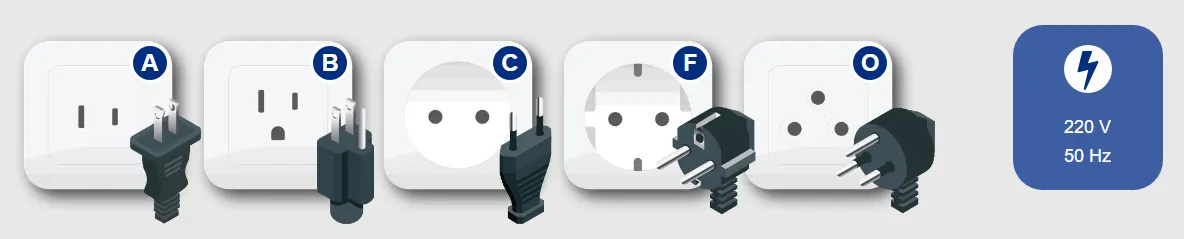
Source: power plugs sockets
Thailand uses five plug types: Type A, Type B, Type C, Type F, and Type O. In Thailand, the most common plug types are Type C and Type A, but the country also supports a variety of other plug types like Type B, Type F, and the uniquely Thai Type O.
Most visitors will need to use adapters, particularly for high-powered devices such as laptops, hair dryers, and kitchen appliances. Smaller electronics like phone chargers and cameras typically use Type A or Type C plugs.
Type A Plug
The Type A plug has two flat parallel pins and is usually found with low-powered devices like phone chargers. It’s commonly used in the United States, Japan, and Canada. However, travelers from these regions will need a plug adapter due to the voltage difference, as Thailand operates on 220V.
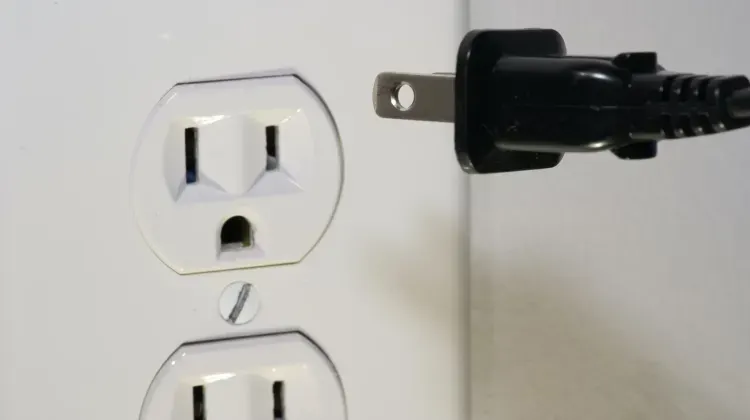
Type A Plug
Type B Plug
The Type B plug includes two flat parallel pins and an additional round grounding pin, making it suitable for more power-hungry devices like laptops and larger electronics. This plug is also widely used in the United States, Canada, and Mexico, but the voltage in Thailand will require visitors to use a plug adapter and possibly a converter.
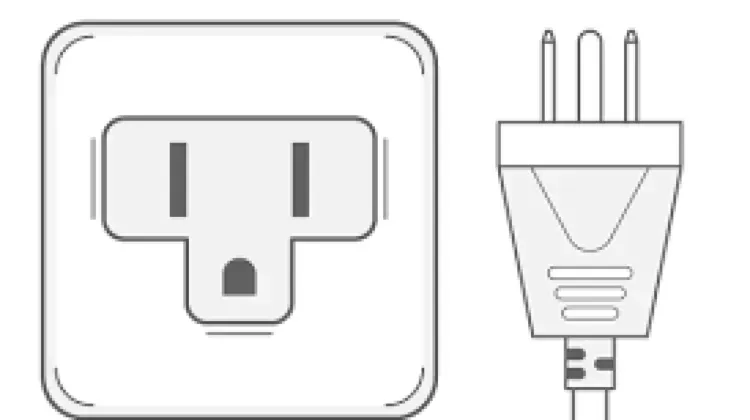
Type B Plug(Source: todoenchufes)
Type C Plug
With two round pins, the Type C plug is very common in Thailand and is typically used for smaller devices such as cameras and phone chargers. It’s also widely used in Europe, Malaysia, and Singapore, making it easy for travelers from these regions to find compatibility, though a plug adapter may still be necessary.
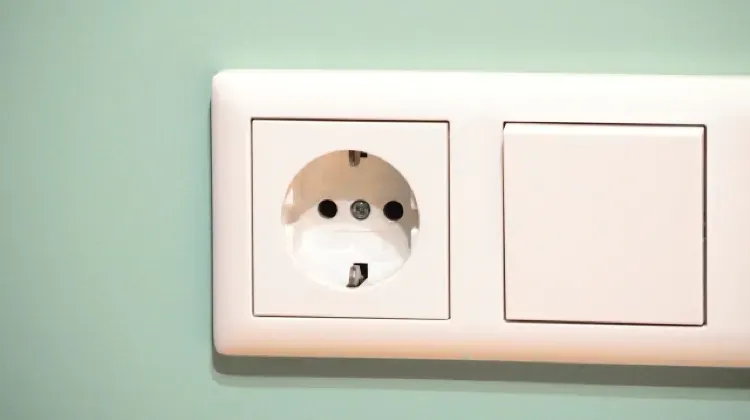
Type F Plug
The Type F plug, similar to Type C, comes with two round pins but also includes grounding clips, making it useful for more powerful or grounded devices. This plug is used in Germany, Spain, and parts of Malaysia and Singapore. Most travelers from these areas will only need a plug adapter, as the voltage is the same.
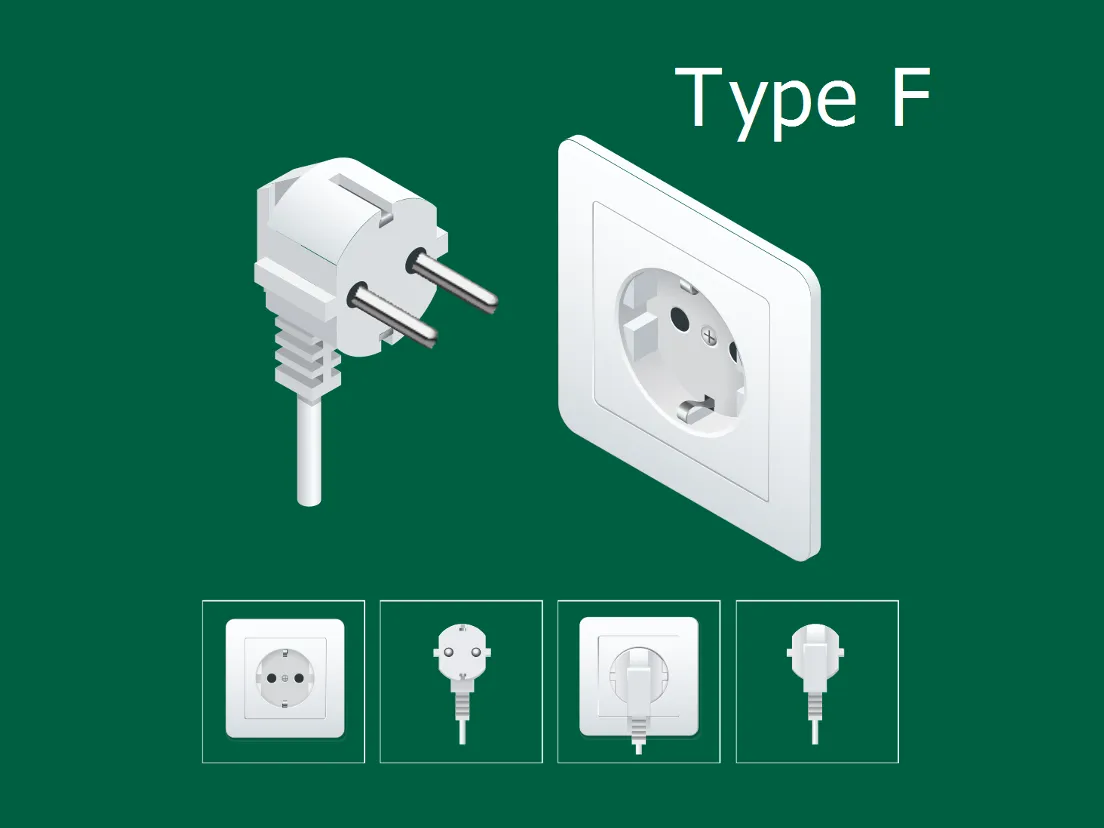
Type F Plug(Source: netio)
Type O Plug (Exclusive to Thailand)
The Type O plug is unique to Thailand and includes two round pins and a grounding pin. It’s primarily used for high-powered appliances and is not commonly found outside of the country. International travelers will need a special Type O adapter to use devices with this plug type.

Type O Plug(Source: todoenchufes)
Voltage & Frequency in Thailand

Thailand operates on a standard voltage of 230V and a frequency of 50Hz, in line with the IEC 60038 international standard. Note that the operating range is typically 220V–230V, so most modern devices rated for 220V–240V will work without issue. Here's what travelers from different regions need to know about voltage and frequency in Thailand.
Voltage in Thailand
Thailand uses 230V (operating range 220V–230V), which is compatible with devices from regions such as Europe (e.g., Germany, France, Spain), Australia, New Zealand, and countries like Singapore and Malaysia. Travelers from these regions generally do not need a voltage converter if their devices are rated for 220V–240V.
However, travelers from 110V regions like the United States, Canada, and Japan will need to check their devices. If the device is not dual-voltage (i.e., it only supports 110V), a voltage converter will be necessary to safely use the device in Thailand.
Frequency in Thailand
The electrical frequency in Thailand is 50Hz, which is standard in many countries across Europe, Australia, New Zealand, and Singapore. Travelers from these regions will not encounter issues with frequency.
However, for travelers from 60Hz regions, such as the United States, Canada, and Japan, it's important to check if their devices are compatible with both 50Hz and 60Hz. Most modern electronics like laptops, smartphone chargers, and cameras are designed to handle both frequencies, but some devices with motors or timers (such as hair dryers or electric shavers) may require extra caution, as they may not function correctly on a different frequency.
5 star
Very Good5053 Reviews
Siam Bangkok|2.01km from city center
An older hotel with facilities that show their age. It's divided into two buildings; I stayed in the South Wing this time. The room was spacious and clean. They provided two bottles of water daily. The only minor drawback was the fixed showerhead in the bathroom, which I found a bit inconvenient.
The hotel's spa massage service was excellent as well. The towels were very clean, and it was great to go straight back to my room to relax after the massage.FromJPY 4,489
Very Good1206 Reviews
Sukhumvit Bangkok|5.68km from city center
This is a repeated stayed and I stayed for 8 nights. The room price is good value that why I chose here. Staffs are polite n helpful. Room is spacious and clean. Car parking service is available if you drive. The hotel provide shuttle service from 8am to 8pm at every 30 minutes to bts station or you can walk 7 minutes to station if your miss it. Nearby has a famous mango sticky rice shop you should try it at sukhumvit soi 53. There is another one called Ning’s Mango stand @Food Street Soi 38 which is opp the famous mango shop. Both equally good so try both. Highly recommended for this hotel and I will definitely come back.FromJPY 8,061
Great1497 Reviews
Siam Bangkok|3.59km from city center
The only issue with this hotel was the slow Wi-Fi. If you're staying here, you might need an unlimited data plan.
The entire hotel staff was incredibly proactive and attentive, and they could communicate in basic Chinese. We checked in around 3 or 4 AM, and all our check-in documents were already prepared for us, making the process very efficient. The lobby can help receive food deliveries and packages, and collection is also very meticulous and convenient.
The room space was ample. Although the facilities were visibly a bit dated, they were very well-maintained. There were quite a few mirrors, and when my friend expressed some concern about the room's decor, they promptly helped us adjust it. The bathroom had a slight odor, but it was within an acceptable range.
There's a 7-Eleven right downstairs from the hotel, and the location is very close to both the BTS and the Airport Rail Link, making it very convenient to get to the city center.FromJPY 13,326
Very Good606 Reviews
Chidlom Bangkok|2.5km from city center
Great location, very close to the BTS Skytrain. You can easily walk to the Erawan Shrine and Central World. The hygiene was well-maintained, and the service was excellent. Facilities are comprehensive, with a pool and gym, though they are a bit small. The rooms, however, are quite spacious. The welcome drink was a thoughtful touch. The hotel has a distinct medieval gallery style, and the theme really stands out. The room was very quiet, and the bedding was clean and comfortable. The staff were very warm and attentive.FromJPY 14,384
Great2737 Reviews
Siam Bangkok|2.39km from city center
I had a wonderful stay at Renaissance Bangkok Hotel. The location is excellent, with easy access to BTS Chidlom and nearby shopping malls. The room was spacious, clean, and comfortable, and the housekeeping team did an excellent job throughout my stay.
The staff were warm, professional, and always willing to help. Check-in and check-out were smooth, and the service exceeded my expectations. The breakfast offered a wide variety of delicious options, and the hotel's facilities, including the gym and swimming pool, were well maintained.
Overall, it was a fantastic experience, and I would highly recommend Renaissance Bangkok Hotel to both business and leisure travelers. I look forward to staying here again on my next visit to Bangkok.FromJPY 13,256
Business travel
Very Good1609 Reviews
Khaosan Road Bangkok|3.03km from city center
The room was very spacious.
Hygiene: Very clean.
Environment: The hotel is a bit old, but the room has been newly renovated.
Service: Since the three-bedroom suite wasn't available for extension, I rebooked this room. After checking out of the original room, we stored our luggage at the front desk and went out. When we returned, the front desk had already processed the check-in for the new room. As soon as we got to the room and put our luggage down, the staff delivered the luggage we had stored at the front desk.FromJPY 5,124
Very Good2382 Reviews
Silom/Sathon Bangkok|0.82km from city center
Perfect, perfect, perfect! The price is also affordable and good value. The window offers a nice view outside. The high floor is very quiet and undisturbed. There are tons of food delivery options nearby, and getting around is convenient. I'll definitely stay here again next time I'm in Bangkok.FromJPY 6,205
Very Good2004 Reviews
Sukhumvit Bangkok|3.87km from city center
The hotel is located in the Sukhumvit area. The staff were very friendly and provided excellent service. During my first stay, the room was nice and well equipped with everything I needed, including large bottles of shampoo and body wash, a hair dryer, a kettle, tea and coffee, a wardrobe, and a small working area.
However, my experience during my second stay was not quite as good. There was a small hole in the door, which made me feel a little uncomfortable, although it was not possible to see through it from outside. The sink was also clogged. The staff were very helpful and immediately sent someone to fix it. When it could not be repaired, they kindly upgraded me to a family room.
Despite the issues with the room, I was very impressed with how the staff handled the situation and took care of me. The location is also convenient, with a 7-Eleven and several restaurants nearby. I would stay here again if I needed to attend a meeting in this area.
The only downside is that the surrounding area can feel a little unsafe or uncomfortable when walking alone at night.FromJPY 7,685
Great2082 Reviews
Silom/Sathon Bangkok|0.67km from city center
I booked two executive rooms at the Mandarin Hotel for a family trip, and it was honestly better than expected. The rooms were clean, comfortable, and packed with great amenities.. having complimentary coffee and daily room refills was a huge plus! The breakfast was fantastic, with a fresh and wide variety every morning. The staff were super friendly and welcoming throughout our stay. Location-wise, it's perfect: right across the street from Samyan and close to Chinatown, Lumpini Park, MBK, and ICONSIAM. I will definitely stay at the Mandarin Hotel again on my next visit to Bangkok! A special thanks to the staff and the maid teams; you guys are super nice! 😊 FromJPY 7,732
Very Good808 Reviews
Suvarnabhumi Airport Bangkok|12.89km from city center
The hotel looks nice from the outside, and the staff were polite. However, the room felt a bit dated and could benefit from some maintenance and refurbishment. The pillow had a slight odor, and a few facilities in the room were showing signs of wear, such as the soap holder, bidet spray, and toilet seat.
The bathroom could also use more attention to detail, as I noticed some spider webs.
One thing to be aware of is that the hotel appears to be popular with China groups, and the lobby was often quite busy. At times, some guests were lying down in the lobby area, which made the atmosphere feel an uncomfortable.FromJPY 2,374
Family friendly
Very Good1135 Reviews
Chinatown Bangkok|2.48km from city center
Excellent hotel right in the heart of Chinatown. It's close to temples, parks, and the river, and there's a metro station nearby.
The staff are always smiling, and the breakfast is delicious.
The pool is small, but it's great to have one.
The rooftop bar offers beautiful views.
We enjoyed everything about our stay.FromJPY 4,912
Very Good4188 Reviews
Siam Bangkok|2.71km from city center
The hotel lobby is absolutely beautiful, and the service is excellent. They even help with luggage, and the security measures are top-notch, making for a very comfortable stay. Food deliveries arrive super fast, and it's only about 500-600 meters to Siam Paragon! Oh, and you *must* try the Thai milk tea here – it's the best I've ever had!!!FromJPY 5,077
Great1804 Reviews
Siam Bangkok|3.73km from city center
The hotel is located in a relatively bustling area, right next to the King Power Duty-Free Shop, which makes buying souvenirs very convenient (you need to register your passport information on the first floor to enjoy tax-free shopping). The hotel environment is beautiful, and the swimming pool is crystal clear. The only downside is that there are only two treadmills in the gym, so you often have to wait in line if you want to run in the morning.FromJPY 14,078
Great3137 Reviews
Pratunam Market Bangkok|3.41km from city center
I had previously visited this hotel on an excursion from Pattaya. Now, traveling with my daughter to Koh Samet via Bangkok, we didn't hesitate to book this hotel again. I wanted to show my daughter the revolving observation deck on the 84th floor, the museum, and the large, diverse dinner buffet. We stayed on the 28th floor. The staff was welcoming, and the hotel's floor layout is well-planned. The reception is on the 18th floor. We were greeted immediately upon arrival, our luggage was taken care of, and we were escorted to reception. We were checked in a bit early, at 1 PM, and led to our room. The door opened and… I was surprised. The exterior impression didn't match the interior. The room was spacious, but had low ceilings, old and worn-out furniture. It was a corner room and very dark, with only one small, narrow window (very dirty) and unwashed curtains, overlooking a neighboring hotel wall. You could barely catch a glimpse of the city (we had booked a non-corner room with a city view). The large room had only two small lights, perhaps to hide the room's surprises. The entire room had carpet (which also seemed ancient). The bed linen and towels were clean but visibly old and worn from countless washes; the duvet cover even had pilling, and the towels were far from white – they really should have been replaced. The carpet also extended throughout the hotel corridors, which I believe contributed to the musty smell in both the room and corridors, a smell even the air fresheners (sprayers located everywhere – in corridors and lifts) couldn't mask. During housekeeping, the maid constantly turned on the air conditioning in our room. Initially, we didn't understand why. We went to reception to return a misplaced card (thinking the maid had left it during cleaning), and they told us to leave it on so the air conditioner would run. Then the picture became clear: if you turned off the air conditioning, an unpleasant smell filled the room, and even the sewage smell from the toilet carried through the ventilation. Strangely, there's no ventilation in the toilet, so we had to leave the door open when we left the room and keep the air conditioning on 16°C. This hotel is in dire need of renovation! The room's price doesn't reflect its condition. The hotel has a sports area with mini-golf and a small swimming pool (also from the same outdated facilities). There's also a floor with a spa and fitness center. On the 18th floor, there's a small shop and a few cafes. The food at the hotel, both breakfast and dinner, was excellent. You can dine on the balcony (with glass railings) on the 81st floor – the view is superb. This is the only thing that makes up for the hotel's aging facilities. There's a free transfer to the airport metro line – which is great! I recommend staying on the upper floors for a magnificent view! I only recommend this hotel for short stays.FromJPY 9,378
Great1530 Reviews
Silom/Sathon Bangkok|0.82km from city center
Facilities: This place is perfect for young trendsetters, not in a 'nightclub' way, but more like a playground for the fashionable crowd.
Cleanliness: The pillows and bedding felt incredibly smooth and crisp, a refreshing change from the damp feeling I experienced at a hotel in Pattaya.
Location: Absolutely in the heart of the city, can't beat it! Close to the subway and within walking distance of many attractions, right next to the Pixel Building.
Service: Warm and welcoming, meeting Marriott's luxury standards, as expected. When I went to Paii for dinner, the staff even addressed me by my last name.
🐝 Bonus: I especially loved the MIX cocktails in the room! Shaking up my own drinks in the evening and sharing the 'Cocotail' fun with friends was a highlight! Highly recommend! ❤️🔥FromJPY 28,156
Breakfast
Great2411 Reviews
Pratunam Market Bangkok|3.2km from city center
Had a fantastic stay! They offer not just breakfast, but also late-night snacks, and the late-night spread was incredibly generous. The happy hour drinks by the pool were buy-one-get-one-free, and they even had free Thai costume try-ons with a wide selection of accessories. Plus, there's a shuttle service that takes you near the subway station. The overall environment was very clean. Next time I'm in Bangkok, Thailand, I'll definitely choose to stay here again.FromJPY 7,568
Very Good3049 Reviews
Sukhumvit Bangkok|7.78km from city center
The hotel, though small, is fully equipped, and coupled with its affordable price, it's truly commendable. The front desk staff are efficient and go out of their way to meet guests' needs – a definite shout-out to them, excellent service!
Just a friendly heads-up: rooms only provide towels and bath towels, no slippers or toothbrushes, so you'll need to bring your own (there's a 7-Eleven downstairs if you need to buy some).
Overall, the stay was great, but my only dissatisfaction was with the management of the hotel's tuk-tuk service by the concierge. I hope this serves as a warning to future guests.
The picture shows the tuk-tuk usage rules. The driver is a young man from the concierge desk. I spoke with the gentleman at the front desk/concierge, and he confirmed that the tuk-tuk departs on the hour every hour. For the return trip, you just call, and it will pick you up at a designated spot (between 8 AM and 6 PM). So, I went out to retrieve my luggage (which I had stored elsewhere), and seeing that it was almost on the hour, I called and requested the tuk-tuk, explaining I was at Starbucks. The person who answered (it was a female, presumably from the front desk) said, ”Okay, just wait.” After waiting for a while with no tuk-tuk, I called again. I was told that since it was on the hour, they needed to prioritize guests departing the hotel, dropping them off first before picking me up (which I understood, so I continued to wait). A few more minutes passed, and still no tuk-tuk. I called a third time to ask if the tuk-tuk had left. The answer I got was astonishing: ”Since no guests are leaving the hotel by tuk-tuk, you'll have to walk back yourself.” I was dumbfounded at that moment… If I hadn't called again, would I have been waiting forever? If you're not sending a vehicle, shouldn't you notify me immediately? (Knowing a guest is waiting for the tuk-tuk to return to the hotel, and just leaving them stranded like that?)
Setting aside the impoliteness of that phrasing… is it polite? Based on this operation, am I to understand that the tuk-tuk rule is ”drop-offs only, no pick-ups”? If so, why not just write ”drop-offs only”? No one would blame you then… So, I had no choice but to walk back to the hotel, pushing my luggage and carrying my backpack… (When I got back to the lobby, I saw the young man who drives the tuk-tuk just standing idle at the concierge desk…)
I even sent an email afterward to clarify the rules, but it fell on deaf ears. I never received a reply, even after I returned home! Laughable!
For the next two days, I only dared to ask for a ride to the BTS station, not even dreaming of a pick-up.
I can understand that hotel staff might think, ”It's not that far, you can just walk,” but this is confusing concepts. If you don't offer a service, no one will complain. But since you explicitly advertise this service, why isn't it functioning? Furthermore, based on the current stated rules, it seems no one thinks this is an error? Maybe I'm mistaken, and it truly is a ”drop-offs only” rule!
As an established chain, I hope Ibis will properly train its staff on service awareness and amend the incorrect wording of the tuk-tuk usage rules! This should be a bonus service, so why isn't it being fully utilized? Why is it hindering the experience instead? If this service is as good as useless, consider abandoning it.
I hope your hotel continues to improve.FromJPY 5,664
Great921 Reviews
Sukhumvit Bangkok|3.93km from city center
The room features fixed bunk beds, not extra rollaway beds, which is perfect for families. The swimming pool is also quite large. The hotel is located on Bar Street, which gets lively at night, and kids might find the surroundings intriguing. However, our room didn't face the street, so it was relatively quiet.FromJPY 13,091
Very Good682 Reviews
Sukhumvit Bangkok|3.77km from city center
The room was great, very clean, and the bathroom was spacious. The air conditioning was also quite strong. However, the bath towels didn't seem to dry overnight when hung in the room. My only slight concern was that the hotel is located deep in an alley, which is a bit dark. A woman walking alone might feel a little scared. On the bright side, there's a night market and a 7-Eleven right at the alley's entrance, which is very convenient, though the main street outside can get quite congested at night.FromJPY 5,359
Very Good1109 Reviews
Suvarnabhumi Airport Bangkok|12.64km from city center
Convenient location, comfortable and clean accommodation with a good atmosphere. The staff are friendly and the food is delicious. There's ample parking, and the air conditioning is cold. The bathroom is clean and the staff are welcoming and speak politely. Transportation is very convenient.FromJPY 2,656
What type of Plug Adapter or Converter do I need for Thailand?

As for a voltage converter, Thailand operates on 230V (IEC 60038 standard, operating range 220V–230V). If you are traveling from countries like the United States or Japan, which use 110V, and your devices are not dual-voltage (100-240V), you will need a voltage converter to safely use single-voltage devices such as hair dryers or electric shavers. Most modern electronics like laptops and phone chargers are dual-voltage and only require a plug adapter. Always check your device's label to ensure it supports 220V–240V.
Do You Need a Plug Adapter in Thailand?
The plug types used in Thailand vary, and whether you need a plug adapter depends on your home country’s plug standards. For traveling to Thailand, you will need a plug adapter to fit Thailand's Type A, B, C, F, or O outlets, depending on your home country’s plug type. For example,
- If you're from the UK, Australia, Singapore, or regions using Type G, I, or other plug types (like Type C, E, F, or D), you will need a Type A, B, C, F, or O plug adapter to fit outlets in Thailand.
- If you're from Malaysia, you may need a Type A, B, or C plug adapter as Malaysia uses Type G outlets, which differ from those in Thailand.
- If you're from the United States or Japan, no plug adapter may be needed for Type A and B outlets in Thailand, but some outlets use Type C, F, or O, so a plug adapter might still be necessary.
Do You Need a Voltage Converter in Thailand?
As for a voltage converter, Thailand operates on 230V (IEC 60038 standard, operating range 220V–230V).
If you are traveling from countries like the United States or Japan, which use 110V, and your devices are not dual-voltage (100-240V), you will need a voltage converter to safely use single-voltage devices such as hair dryers or electric shavers.
Most modern electronics like laptops and phone chargers are dual-voltage and only require a plug adapter. Always check your device’s label to ensure it supports 220V.
- Dual-Voltage Devices (100-240V): Modern electronics like laptops, smartphones, and cameras are often dual-voltage, so they can handle both 110V and 220V. In this case, you only need a plug adapter.
- Single-Voltage Devices (110V): Devices like hair dryers and electric shavers from countries with 110V systems (e.g., the United States) will require a voltage converter to step up the voltage from 110V to 220V for safe use in Thailand.
Thailand eSIM Cards Recommendation
See all attractions
 394694 booked



Can I use my Phone or Laptop Charger in Thailand?

✅You can use your phone or laptop charger in Thailand, but here's what to consider depending on your country:
Phone Charger:
Most modern phone chargers are dual-voltage (100-240V), which makes them compatible with Thailand's 220V system. To check, look at the small print on your charger that lists the voltage range. If it's within 100-240V, your charger will work in Thailand without a voltage converter.
For travelers from Malaysia, Singapore, the UK, Australia, and the US, a plug adapter is needed to fit the local outlets, which are primarily Type A, B, C, F, and O. Phone chargers from these regions are usually dual-voltage, so they’ll work with an adapter.
Laptop Charger:
Like phone chargers, most modern laptops are also dual-voltage. Check the label on your power adapter to ensure it reads 100-240V. If so, you won't need a voltage converter, but a plug adapter is necessary for different plug types in Thailand.
- Travelers from Malaysia and Singapore will need a plug adapter to fit Thailand’s Type A, B, C, F, or O outlets.
- UK and Australian travelers also need a plug adapter, as Thailand uses different plug types than the standard Type G or I plugs in their home countries.
- US travelers may not need an adapter for Type A/B outlets, but it’s useful to bring one for Type C, F, or O outlets found in some areas.
How to Charge Without an Outlet in Thailand
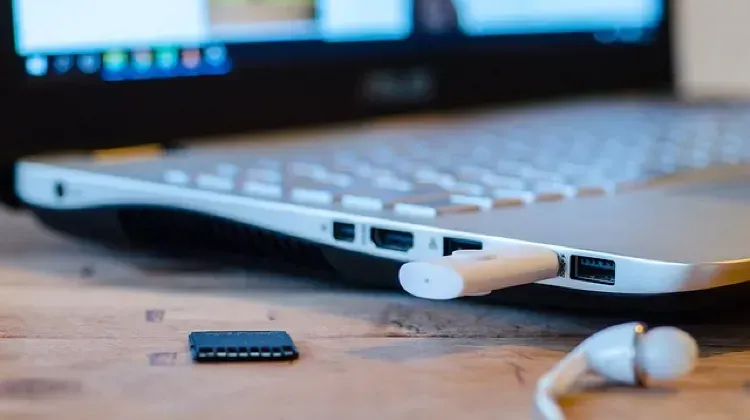
If you're traveling in Thailand and need to charge your devices without access to an outlet, there are several solutions to keep your electronics powered. Here are the best options for charging on the go:
1. Power Banks
A power bank is one of the most convenient ways to charge your devices without needing an outlet. These portable battery packs can charge smartphones, tablets, and other small devices multiple times.
- Where to Buy: You can find power banks at most electronics stores, convenience stores like 7-Eleven and FamilyMart, and online retailers like Lazada and Amazon.
- Recommended Capacity: Look for power banks with at least 10,000mAh capacity to get multiple charges for a smartphone.
2. Solar Chargers
For outdoor adventures or remote areas, a solar charger is an eco-friendly option. These chargers convert sunlight into electricity, allowing you to charge your devices during the day without relying on power outlets.
- Where to Buy: Solar chargers can be purchased online through Amazon or at specialty outdoor retailers like REI.
- Best Use: Ideal for long hikes, camping trips, or rural locations in Thailand where outlets may be scarce.
3. Portable Power Stations
A portable power station is a larger option than a power bank, offering more power and additional outlets, including USB ports and even AC outlets for larger devices like laptops or cameras.
- Where to Buy: Available at electronics retailers like Power Buy in Thailand or online through platforms like Amazon.
- Best Use: Useful for road trips or when staying in areas with limited electricity.
4. Car Chargers
If you're renting a car or using one for a road trip, a car charger can be a reliable way to keep your devices charged. Many car chargers come with USB ports and can be plugged into the car’s cigarette lighter socket.
- Where to Buy: Available at electronics stores, gas stations, or convenience stores like 7-Eleven across Thailand.
- Best Use: Great for travelers on the move, especially during long drives.
5. Public Charging Stations
In cities like Bangkok or Chiang Mai, you can often find public charging stations at malls, airports, coffee shops, and transportation hubs. However, be cautious when using unknown public USB ports, as they carry a documented juice-jacking risk — tampered USB ports can steal data or install malware on your device. It is safer to use your own AC adapter plugged into a wall outlet rather than connecting directly to an unknown public USB port.
- Where to Find: Common in major airports, shopping malls like Siam Paragon, and large public spaces. Always use your own AC adapter and cable plugged into a wall outlet, or use a USB data blocker if you must use a public USB port.
For Electric Vehicle (EV) travelers: Thailand has a large and growing EV public charging network, with over 1,500 public EV charging stations as of 2026. Key operators include PTT EV Station PluZ, MEA EV, PEA VOLTA, EGAT EV, and EA Anywhere. You can locate nearby stations using their dedicated mobile apps, making it convenient for travelers driving EVs or rental EVs across Thailand.
5 Safety Tips: How to Charge Safely in Thailand
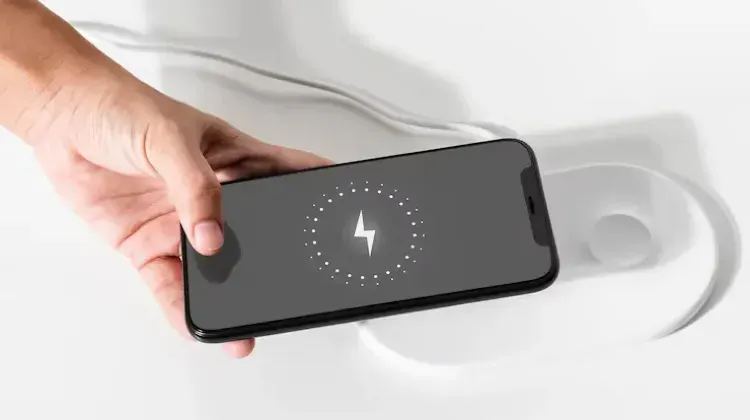
Charging your devices safely in Thailand is important to avoid damage to your electronics or power-related accidents.
1. Check Voltage Compatibility
Thailand operates on 220V and 50Hz, so it's crucial to check if your devices are compatible with this voltage. Most modern devices like laptops, smartphones, and cameras are dual-voltage (100-240V), meaning they can handle Thailand's electrical system without issues.
- How to Check: Look for a label on your device or charger that says 100-240V. If it includes this range, your device is compatible.
- If Not Dual-Voltage: Devices that operate on 110V (common in the United States) will require a voltage converter to safely charge in Thailand.
2. Use Surge Protectors
Power surges can occasionally occur in Thailand, especially in rural areas. To protect your devices from damage, consider using a surge protector when charging more sensitive electronics like laptops and cameras.
- Portable Surge Protectors: Available online or in electronics stores, they are a great tool to prevent over-voltage damage.
3. Avoid Overloading Outlets
Many budget hotels or guesthouses in Thailand may have limited power outlets. Avoid plugging multiple high-powered devices into one outlet or using unsafe power strips, as this could cause overheating or even electrical fires.
- Tip: Use a high-quality power strip with surge protection, and only plug in low-power devices like phone chargers and cameras.
4. Use Genuine Chargers
Always use the original chargers or reputable brand chargers for your devices. Avoid using counterfeit or low-quality chargers, as these may not have proper safety features and could cause overheating or damage to your devices.
- Where to Buy Genuine Chargers: If you lose your charger, buy replacements from trusted electronics stores like Power Buy or Central in Thailand, or order from reliable online platforms like Lazada.
5. Be Careful with Public Charging Stations
While public charging stations can be convenient, be aware of juice jacking — a cybersecurity threat where tampered public USB ports steal data or install malware on your device. Avoid plugging directly into unknown public USB ports. Instead, use your own AC adapter and personal cable plugged into a wall outlet, or use a USB data blocker if a USB port is your only option.
- Tip: Use your own USB cable and charger to plug into an actual outlet if possible.
Global Electrical Standards Overview
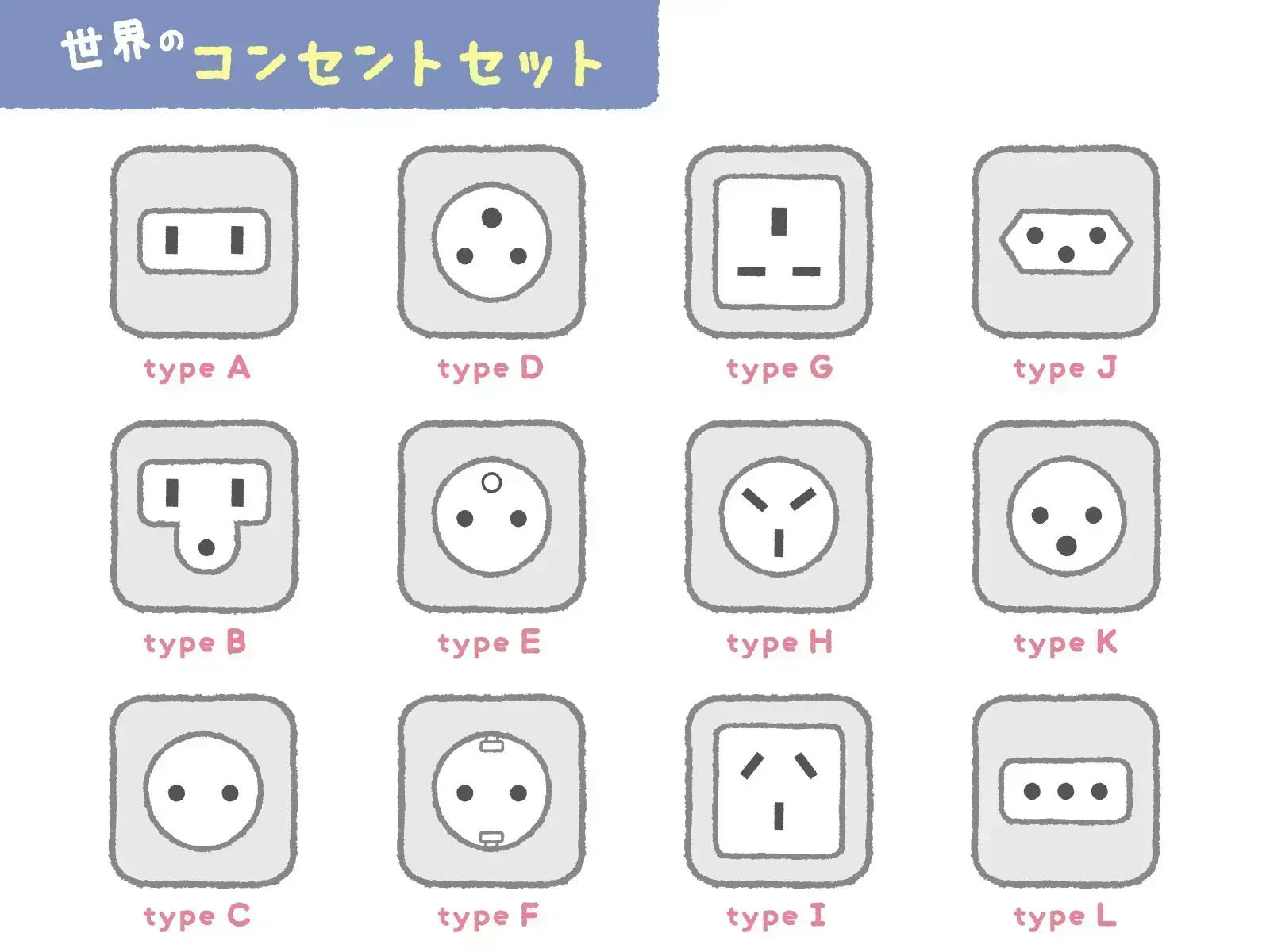
Globally, there are three main electrical standards for devices: 110-120V used primarily in North and Central America, 220-240V prevalent in Europe, Asia, and Oceania, and the dual-voltage system. These standards also differ in frequency, either 50 Hz or 60 Hz, and include a variety of plug types specific to each region. Understanding these differences is essential for safely using electronic devices while traveling internationally.
Asia & Oceania Electrical Standards
Country | Frequency (Hz) | Voltage (Volts) | Plug Type |
Australia | 50 | 230 | I |
50 | 220 | A, C, I | |
50 | 220 | G | |
India | 50 | 230 | C, D, M |
Indonesia | 50 | 230 | C, F |
50 Hz in Eastern Japan & 60 Hz in Western Japan | 100 | A, B | |
Malaysia | 50 | 240 | G |
New Zealand | 50 | 230 | I |
Philippines | 60 | 230 | A, B, C |
Republic of Korea (South Korea) | 60 | 220 | C, F |
Singapore | 50 | 230 | G |
China (Taiwan) | 60 | 110 | A, B |
Thailand | 50 | 220 | A, B, C |
Vietnam | 50 | 220 | A, C |
North America & South America Electrical Standards
Country | Frequency (Hz) | Voltage (Volts) | Plug Type |
Argentina | 50 | 220 | C, I |
Brazil | 60 | 127/220 | C, N |
Canada | 60 | 120 | A, B |
Chile | 50 | 220 | C, L |
Colombia | 60 | 120 | A, B |
Mexico | 60 | 127 | A, B |
Peru | 60 | 220 | A, C |
USA | 60 | 120 | A, B |
Venezuela | 60 | 120 | A, B |
Europe Electrical Standards
Country | Frequency (Hz) | Voltage (Volts) | Plug Type |
France | 50 | 230 | C, E |
Germany | 50 | 230 | C, F |
Italy | 50 | 230 | C, F, L |
Russia | 50 | 230 | C, F |
Spain | 50 | 230 | C, F |
United Kingdom | 50 | 230 | G |
Oceania Electrical Standards
Country | Frequency (Hz) | Voltage (Volts) | Plug Type |
Australia | 50 | 230 | I |
Fiji | 50 | 240 | I |
New Zealand | 50 | 230 | I |
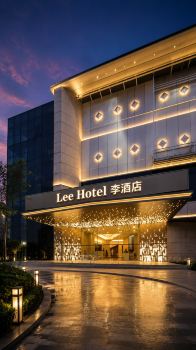
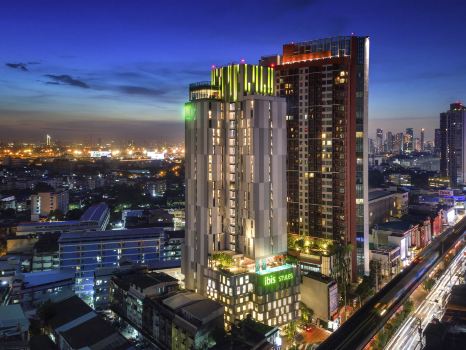
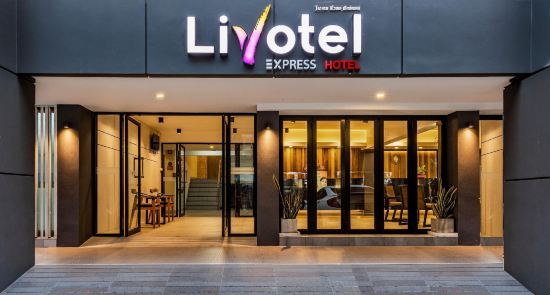
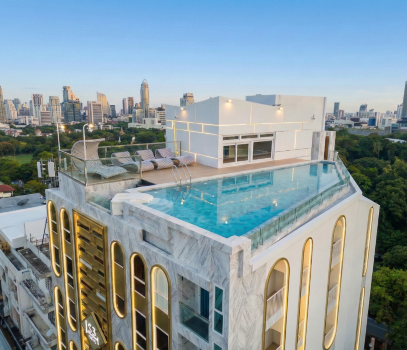
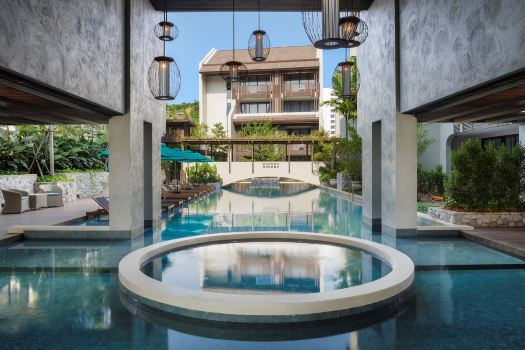
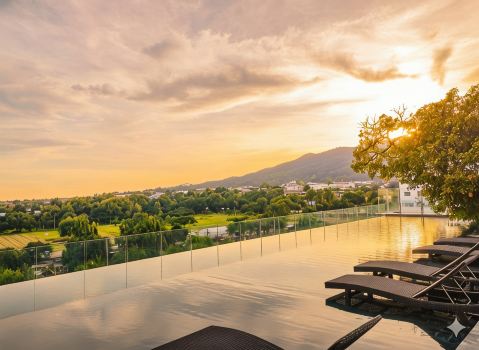
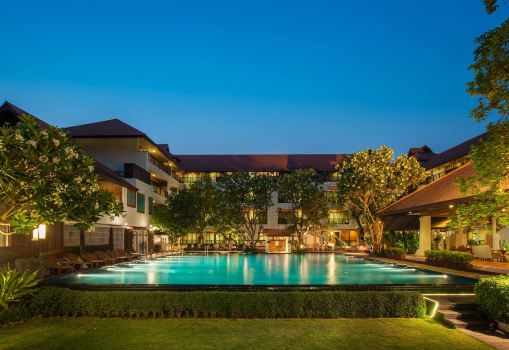
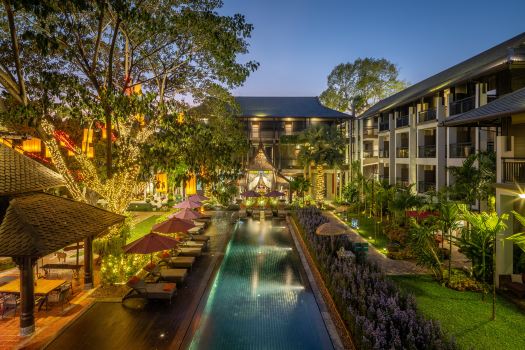
[10% Off Hotels] Where to Stay in Thailand
We recommend the following Thailand accommodations with coupons below!
Bangkok Hotels
Chiang Mai Hotels
See All Hotels



FAQs about Thailand Plug
-
Where Can I Buy a Thailand Plug Adapter?
-
Are there USB outlets in Thailand?
-
Is it safe to use my electronics in Thailand?
Disclaimer: This article has been provided by an individual contributor or third party platform. If there is any discrepancy regarding the copyright, please contact us directly and we will delete the content immediately.
Trending Searches
-
Popular attractions
-
Trending Stays
-
Getting Around
-
eSIM/SIM card
- Hotels in Shanghai
- Hotels in Guangzhou
- Hotels in Beijing
- Hotels in Bangkok
- Hotels in Shenzhen
- Hotels in Hong Kong
- Hotels in Chongqing
- Hotels in Tokyo
- Hotels in Ho Chi Minh City
- Hotels in Chengdu
- Hotels in Kuala Lumpur
- Hotels in Seoul
- Hotels in Zhangjiajie
- Hotels in Hanoi
- Hotels in Singapore
- Hotels in Hangzhou
- Hotels in Xi'an
- Hotels in Istanbul
- Hotels in Bali
- Hotels in Osaka
- Zhangjiajie Airport to City
- Hangzhou Airport
- Chitose Airport to Sapporo
- Hangzhou Metro
- Beijing Metro
- Hangzhou Metro Map
- Shanghai Airport Transfer
- KL MRT Map
- Kyoto Station
- Shanghai Hongqiao International Airport
- Xian Metro Map
- Fuzhou Airport
- Istanbul Airport Transfers
- Shanghai Airport Transfers
- Narita Airport to Shinjuku
- Macau to Hong Kong
- Narita Airport to Tokyo