Zhangjiajie Weather Forecast 7 Days - Best Time to Visit & Seasonal Tips

Learn the best time to visit Zhangjiajie (autumn top pick!), Zhangjiajie’s weather forecast, weather by season, coldest month, what to wear and more.
See all flights

AI Summary
This summary is AI-generated by Trip.com. For the complete guide, please refer to the article below.
Zhangjiajie features a subtropical monsoon climate with an average annual temperature of 16°C. Autumn is the best time to visit due to mild, dry weather, while summer brings heavy rain and high humidity. Mountain areas remain 3–5°C cooler than the city.
Zhangjiajie Weather Forecast 7 Days
℃|℉
Tomorrow
11 Oct, 2026
18
°

Clear
18 ~ 30℃
11 Oct, 2026
Clear
18℃ / 30℃
12 Oct, 2026

Cloudy
19℃ / 31℃
13 Oct, 2026

Light rain
18℃ / 29℃
14 Oct, 2026

Heavy rain
16℃ / 23℃
15 Oct, 2026

Rainstorms
16℃ / 19℃
16 Oct, 2026
Light rain
17℃ / 22℃
Zhangjiajie weather - best times to visit Zhangjiajie
10 Oct, 2026 ZhangjiajieWeather:Clear.Northeasterly wind:0–10 km/hour.Humidity:71%.Sunrise/sunset:06:36/18:14
ZhangjiajieTravel:Suitable.Umbrella:Not required.UV strength:Severe
Show more
Zhangjiajie Weather Overview 2026
Zhangjiajie has 4 distinct seasons, shaped by a subtropical monsoon climate:
- Average annual temperature: 16°C (61°F)
- Rainfall: Most rain falls in summer (June–August); winter is the driest season
- Mountain vs. lowland difference: Areas like Wulingyuan are 3–5°C cooler than Zhangjiajie City (lowlands).
Best Time to Visit Zhangjiajie - Weather by Month
January in Zhangjiajie
| Temperature | Precipitation | Sunlight |
|---|---|---|
| 🌡️ 2°C to 8°C Feels like: -1°C to 6°C | 🌧️ 45mm over 8-10 days ❄️ Occasional light snow | ☀️ 3-4 hours daily 🌇 5:30pm sunsets |
January brings Zhangjiajie's coldest days, with misty mornings that often shroud the famous sandstone pillars in mystical clouds. The mountain air feels crisp and clean, though the humidity from nearby rivers creates a penetrating chill that requires proper layering.
This is actually one of the most magical times to visit the national park, as the fog creates dramatic silhouettes of the towering formations. Fewer tourists mean you can enjoy the serenity of the landscape without crowds, though cable cars may operate on reduced schedules.
The cold mountain air makes thermal layers essential - bring moisture-wicking base layers and waterproof outer shells. The famous "Avatar Mountains" look especially ethereal in winter fog, but visibility can be limited. Local hot springs in nearby Wulingyuan offer perfect warming retreats after chilly hikes.
February in Zhangjiajie
| Temperature | Precipitation | Sunlight |
|---|---|---|
| 🌡️ 3°C to 10°C Feels like: 1°C to 8°C | 🌧️ 55mm over 9 days 🌫️ Persistent mountain fog | ☀️ 4 hours daily 🌇 6:00pm sunsets |
February sees winter's grip loosening slightly in Zhangjiajie, though the mountains retain their chilly character. Chinese New Year often falls in February, bringing colorful celebrations to the local Tujia villages. The holiday period sees many local businesses close, but the national park remains open.
The famous glass bridge at Zhangjiajie Grand Canyon may be closed during icy conditions, but the main park areas remain accessible. Early plum blossoms begin appearing in sheltered valleys, providing the first hints of spring in this mountainous region.
Chinese New Year brings spectacular fireworks displays over the mountains, but also means many restaurants close for up to a week. Book accommodations well in advance if visiting during the holiday. The fog often lifts by midday, making afternoon hikes more rewarding than morning attempts.
March in Zhangjiajie
| Temperature | Precipitation | Sunlight |
|---|---|---|
| 🌡️ 7°C to 15°C Feels like: 5°C to 13°C | 🌧️ 85mm over 13 days 🌦️ Unpredictable mountain weather | ☀️ 5-6 hours daily 🌇 6:15pm sunsets |
March welcomes Zhangjiajie's awakening from winter, with cherry blossoms and azaleas beginning their colorful display in the valleys. Temperature swings become dramatic in the mountains - sunny days can feel pleasantly warm at 18°C, while cloudy periods revert to winter chill.
The frequent rain brings out waterfalls that were frozen during winter, creating spectacular cascades throughout the park. This shoulder season offers excellent value for accommodations before spring tourism peaks, and the famous pillars emerge from winter fog more frequently.
Mountain weather changes rapidly - carry rain gear and layers for temperature swings. The famous "First Bridge Under Heaven" offers stunning views when fog clears, typically by late morning. Spring waterfalls at Tianmen Mountain are at their most dramatic during March rains.
April in Zhangjiajie
| Temperature | Precipitation | Sunlight |
|---|---|---|
| 🌡️ 12°C to 20°C Feels like: 10°C to 18°C | 🌧️ 120mm over 14 days 🌧️ Peak spring rains | ☀️ 6 hours daily 🌇 6:30pm sunsets |
April brings true spring to Zhangjiajie, with comfortable hiking weather and the mountains exploding into vibrant green. This is peak bloom season, with rhododendrons, azaleas, and wildflowers creating stunning displays throughout the valleys. The famous sandstone pillars emerge clearly from winter's persistent fog.
The spring rains bring the waterfalls to their most spectacular state, with cascades like Tianmen Waterfall becoming roaring torrents. The increased humidity creates the famous "sea of clouds" effect that photographers travel from around the world to capture.
April is prime time for photography as the "sea of clouds" phenomenon occurs most frequently. The famous glass bridge reopens fully, offering breathtaking views over misty valleys. Bring waterproof hiking boots as trails can be slippery from spring rains. The cable cars to Tianmen Mountain offer the best cloud views.
May in Zhangjiajie
| Temperature | Precipitation | Sunlight |
|---|---|---|
| 🌡️ 17°C to 25°C Feels like: 16°C to 24°C | 🌧️ 140mm over 15 days 🌧️ Heavy afternoon storms | ☀️ 7 hours daily 🌇 6:45pm sunsets |
May marks Zhangjiajie's transition to summer, with genuinely warm days perfect for hiking the famous trails. The humidity rises noticeably, creating the perfect conditions for the mystical fog effects that make the sandstone pillars appear to float in clouds. This is peak season for the "Avatar Mountains" experience.
The famous Golden Whip Stream trail becomes especially beautiful as spring rains fill the waterways. Labor Day (May 1-5) brings massive domestic tourism - the park can become extremely crowded during this holiday period.
May offers the best balance of comfortable weather and dramatic scenery. The famous "Avatar Hallelujah Mountain" looks most spectacular when surrounded by clouds. Avoid visiting during Labor Day holiday (May 1-5) due to extreme crowds. Early morning hikes offer the clearest views before afternoon fog rolls in.
June in Zhangjiajie
| Temperature | Precipitation | Sunlight |
|---|---|---|
| 🌡️ 21°C to 28°C Feels like: 23°C to 30°C | 🌧️ 180mm over 16 days 🌧️ Peak "plum rain" season | ☀️ 6-7 hours daily 🌇 7:00pm sunsets |
June brings Zhangjiajie's infamous "plum rains" (梅雨) at full force, creating the most dramatic and photogenic conditions of the year. The constant moisture creates the legendary "sea of clouds" effect that makes the sandstone pillars appear to float in an ethereal mist.
While the rain can be persistent, it creates the most magical atmosphere in the park. The famous glass bridge offers spectacular views over swirling clouds, and the cable cars provide rides through misty valleys that feel like floating through heaven.
The plum rain season creates the most photogenic conditions but requires waterproof everything - shoes, bags, cameras. The famous "First Bridge Under Heaven" offers its most dramatic views when clouds swirl beneath it. Bring multiple camera batteries as the mystical lighting conditions drain power quickly.
July in Zhangjiajie
| Temperature | Precipitation | Sunlight |
|---|---|---|
| 🌡️ 24°C to 31°C Feels like: 27°C to 35°C | 🌧️ 160mm over 14 days ⛈️ Brief powerful storms | ☀️ 8 hours daily 🌇 6:45pm sunsets |
July transforms Zhangjiajie into a steamy paradise as the plum rains end and summer heat takes hold. The high humidity creates perfect conditions for the famous cloud effects, but also makes hiking more challenging. The sandstone pillars emerge clearly from the morning fog, offering spectacular views.
This is peak tourist season, with domestic visitors flocking to escape city heat in the mountains. The famous glass bridge and cable cars operate at full capacity, though lines can be long during peak hours. Evening temperatures provide welcome relief from the day's heat.
July's heat makes early morning hikes essential - start trails by 6am to avoid afternoon humidity. The famous "Avatar Mountains" are most visible during clear morning hours before clouds roll in. Stay hydrated and take frequent breaks - the mountain trails are more challenging in summer heat.
August in Zhangjiajie
| Temperature | Precipitation | Sunlight |
|---|---|---|
| 🌡️ 23°C to 30°C Feels like: 26°C to 33°C | 🌧️ 170mm over 13 days 🌪️ Typhoon season peaks | ☀️ 7-8 hours daily 🌇 6:30pm sunsets |
August maintains July's warm temperatures while adding the peak of typhoon season. While direct hits are rare in the mountains, Zhangjiajie often experiences the outer bands of typhoons, bringing dramatic downpours and occasionally strong winds that provide brief relief from the heat.
This is traditionally the hottest month, when even locals seek refuge in the cooler mountain valleys. The famous waterfalls reach their peak flow from summer rains, creating spectacular cascades throughout the park. Many visitors escape to the higher elevations for cooler temperatures.
Typhoon warnings might disrupt cable car operations with little notice - build flexibility into August itineraries. The famous glass bridge can close during high winds. The cooler temperatures at higher elevations make Tianmen Mountain a popular escape from valley heat. Keep electronics in waterproof cases for sudden downpours.
September in Zhangjiajie
| Temperature | Precipitation | Sunlight |
|---|---|---|
| 🌡️ 19°C to 26°C Feels like: 20°C to 28°C | 🌧️ 130mm over 11 days 🌪️ Late typhoon possibility | ☀️ 6-7 hours daily 🌇 6:00pm sunsets |
September finally breaks summer's grip as the month progresses, with noticeably cooler temperatures and reduced humidity after mid-month. Early September can still feel like August, but by month's end, the first genuinely pleasant hiking days appear. The famous cloud effects become less frequent but more dramatic when they occur.
The Mid-Autumn Festival typically falls in September, bringing mooncakes to local bakeries and traditional celebrations to Tujia villages. This marks the traditional end of summer in Chinese culture, with families gathering to appreciate the harvest moon over the mountains.
September offers Zhangjiajie's best hiking weather as temperatures become comfortable without losing the dramatic scenery. The famous "sea of clouds" becomes less frequent but more spectacular when it appears. Mid-Autumn Festival brings beautiful moonlit views of the sandstone pillars from higher elevations.
October in Zhangjiajie
| Temperature | Precipitation | Sunlight |
|---|---|---|
| 🌡️ 14°C to 21°C Feels like: 13°C to 20°C | 🌧️ 70mm over 8 days ☀️ Increased clear days | ☀️ 6 hours daily 🌇 5:30pm sunsets |
October delivers Zhangjiajie's perfect weather - warm, sunny days with refreshingly cool nights and dramatically reduced humidity. This golden month brings the park's best hiking conditions, with clear views of the famous sandstone pillars and comfortable temperatures for long trail walks.
The first half of October sees National Day holidays (Oct 1-7), with massive crowds at all tourist sites. By mid-October, the summer haze clears to reveal crystal-clear views and brilliant blue skies. The famous glass bridge offers its clearest views of the valleys below.
Avoid Zhangjiajie during the first week of October (National Day) unless you enjoy extreme crowds. Mid-October to early November offers the year's best weather window - prioritize hiking and photography during this perfect season. The famous "Avatar Mountains" are most visible during October's clear days.
November in Zhangjiajie
| Temperature | Precipitation | Sunlight |
|---|---|---|
| 🌡️ 8°C to 15°C Feels like: 6°C to 13°C | 🌧️ 60mm over 8 days 🌫️ Morning fog returns | ☀️ 5 hours daily 🌇 5:00pm sunsets |
November brings autumn's full expression to Zhangjiajie, with pleasant days gradually yielding to winter's approach. Early November can still see temperatures approaching 18°C, while late month drops into consistent single digits. The turning maple trees create golden canopies that contrast beautifully with the sandstone pillars.
The humidity returns in a different form - a damp chill that cuts deeper than the thermometer suggests. The famous cloud effects become more frequent again, creating the mystical atmosphere that makes the park famous. Fewer tourists mean more peaceful hiking experiences.
November brings Zhangjiajie's fall foliage peak, with maple trees creating stunning displays against the sandstone formations. The chill makes hot springs in nearby Wulingyuan especially appealing. The famous glass bridge offers dramatic views over autumn-colored valleys, but dress warmly for the mountain winds.
December in Zhangjiajie
| Temperature | Precipitation | Sunlight |
|---|---|---|
| 🌡️ 3°C to 10°C Feels like: 1°C to 8°C | 🌧️ 50mm over 7 days ❄️ Occasional light snow | ☀️ 4-5 hours daily 🌇 4:45pm sunsets |
December envelops Zhangjiajie in winter's embrace, bringing consistently cold days and the return of persistent mountain fog. Despite temperatures rarely dropping below freezing, the humidity makes the cold penetrate layers of clothing. The famous sandstone pillars often disappear into mist, creating an ethereal, otherworldly atmosphere.
The winter solstice (December 21-22) marks an important traditional Chinese holiday, with families gathering in local villages to eat tangyuan (glutinous rice balls) that symbolize reunion. The park becomes remarkably peaceful as tourist numbers drop significantly.
December's fog creates the most mystical atmosphere but limits visibility - patience is required for clear views of the famous formations. The cold mountain air makes thermal layers essential, and waterproof outer shells protect against the damp chill. The famous glass bridge may close during icy conditions, but the main park areas remain accessible with proper gear.
Best & Worst Times to Visit Zhangjiajie
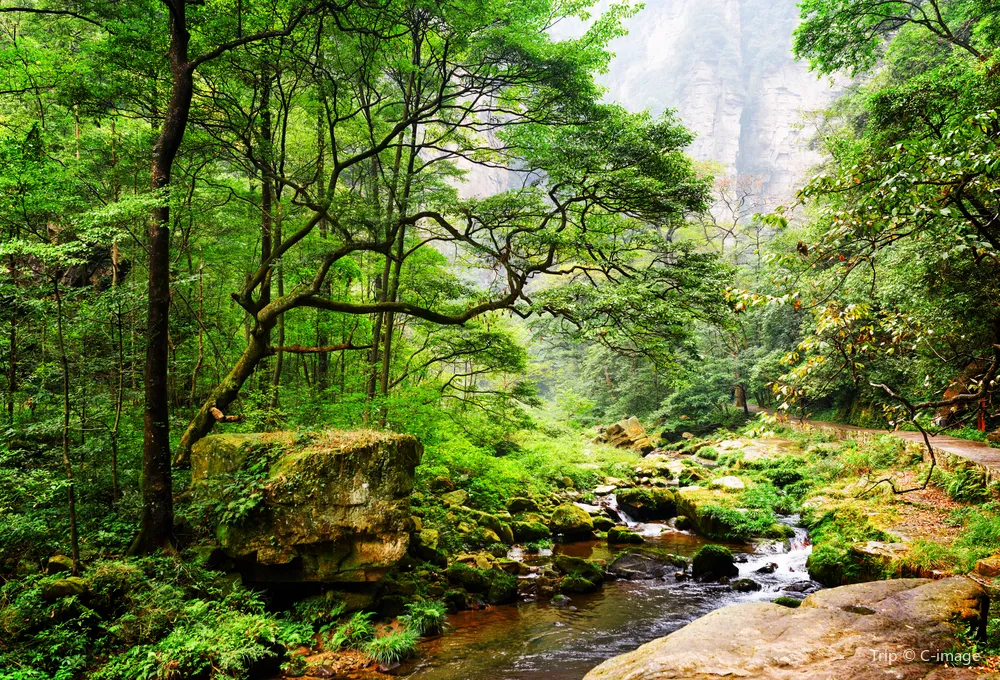
The best time to visit Zhangjiajie is autumn, and summer is the least recommended. Let's clarify why. There are also exceptional cases.
Best Times to Visit
Time | Why It’s Great | Ideal For |
Autumn (Sep–Nov) | Dry, mild, scenic foliage | All travelers (hikers, photographers, families) |
Spring (Mar–May) | Mild weather, fewer crowds | Travelers who hate heat/crowds |
Worst Times to Visit
Time | Why It’s Challenging | Exception (If You Like…) |
Summer (Jun–Aug) | Heavy rain, crowds, humidity | Lush greenery + don’t mind heat |
Winter (Dec–Feb) | Cold, icy paths, possible closures | Snowy scenery + minimal crowds |
Best Time to Visit Zhangjiajie - Weather by Season
Zhangjiajie transforms with the seasons - from misty winter mornings when the Avatar Mountains disappear into clouds to vibrant spring waterfalls cascading through emerald valleys.
Spring (March–May)
Mountain Awakening
7-20°C (45-68°F) with dramatic temperature swings. April's "plum rain" creates the famous "sea of clouds" effect that makes sandstone pillars appear to float.
What to Wear
- Waterproof hiking boots with good grip for slippery trails
- Layered clothing - thermal base, fleece mid-layer, rain shell
- Compact umbrella that fits in your backpack
Spring Adventures
- Hike Golden Whip Stream trail when waterfalls are at their peak
- Photograph the "Avatar Mountains" emerging from morning mist
- Visit Tianmen Mountain's glass walkway for cloud-top views
Pro Tip
Spring brings the most dramatic "sea of clouds" photography opportunities. Start hikes early (6am) to catch the mystical fog effects before they lift by midday.
Summer (June–August)
Misty Paradise
21-31°C (70-88°F) with high humidity creating perfect conditions for the legendary cloud effects. July's "plum rain" season brings frequent downpours.
What to Wear
- Moisture-wicking hiking clothes that dry quickly
- Waterproof backpack cover for sudden mountain storms
- Sun hat and SPF 50+ for clear days above the clouds
Beat the Heat
- Take cable cars through misty valleys for cool breezes
- Explore the famous glass bridge when clouds swirl beneath
- Visit local Tujia villages for traditional cooling foods
Local Hack
Summer humidity creates the most photogenic conditions but requires waterproof everything. The famous glass bridge offers its most dramatic views when clouds fill the valleys below.
Autumn (September–November)
Golden Season
Crisp 8-26°C (46-79°F). October delivers perfect hiking weather with clear views of the sandstone pillars and brilliant blue skies.
What to Wear
- Comfortable hiking boots for long trail walks
- Light jacket for cool mountain mornings
- Camera with extra batteries for perfect lighting
Autumn Must-Dos
- Hike the famous "First Bridge Under Heaven" with clear valley views
- Photograph maple trees creating golden canopies against sandstone
- Experience the glass bridge with crystal-clear visibility
Heads Up
October's National Day holiday (Oct 1-7) brings massive crowds - avoid this week unless you enjoy extreme crowds. Mid-October offers the year's best weather window.
Winter (December–February)
Mystical Chill
2-10°C (36-50°F) with persistent mountain fog that creates an ethereal atmosphere. The famous pillars often disappear into mist, creating otherworldly scenes.
What to Wear
- Thermal base layers under waterproof outer shells
- Insulated hiking boots for cold, damp trails
- Warm gloves that work with camera controls
Winter Activities
- Photograph the mystical fog effects around sandstone pillars
- Soak in nearby Wulingyuan hot springs after chilly hikes
- Experience the park's peaceful atmosphere with fewer tourists
Insider Note
Winter creates the most mystical atmosphere but limits visibility. The famous glass bridge may close during icy conditions, but the main park areas remain accessible with proper gear.
Zhangjiajie Weather - When to Visit Top Attractions

Not all Zhangjiajie attractions work well in every season. Below, you will learn when to visit each attraction, as well as why (for example, avoid bridges that freeze in winter) and professional advice for the best experience.
Attraction | Best Season(s) | Why It Works | Notes |
Autumn/Spring | Clear views (autumn) or blooms (spring) | Avoid summer rain; winter needs non-slip shoes. | |
Summer/Autumn | Cooler temps (summer) or no fog (autumn) | Winter may close some trails after snow. | |
Spring/Autumn | Mild weather for glass bridge walks | Skip winter (icy bridge risks closure). | |
Summer | Shade/breeze beats summer heat | Not ideal in winter (cold winds). |
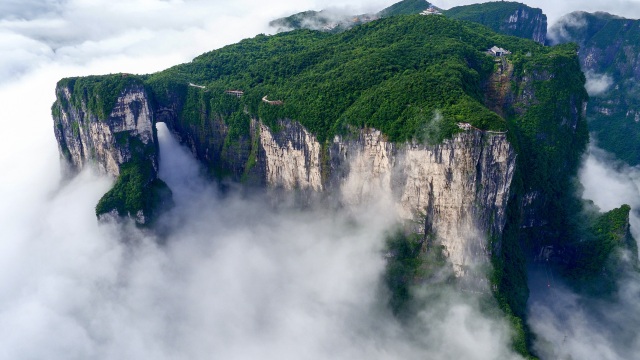
Tianmen Mountain National Forest Park
4.6/5
15347 reviewsThis place, Tianmen Mountain, is magnificent. We were absolutely delighted. It's beautiful, it's grand, and we highly recommend it.
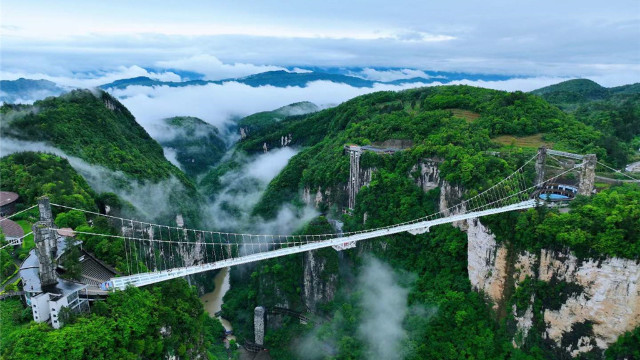
Zhangjiajie Grand Canyon
4.7/5
1286 reviewsThe glass bridge and slide were fun, and the scenery on the trekking course was fantastic. Since I was traveling with my 74-year-old mother, we couldn't ride the zipline, but we were satisfied with just looking at it from up close. Trip.com didn't have tickets for ages 70 and up, so I paid extra for a 65-year-old ticket. Please create a ticket option for ages 70 and up!
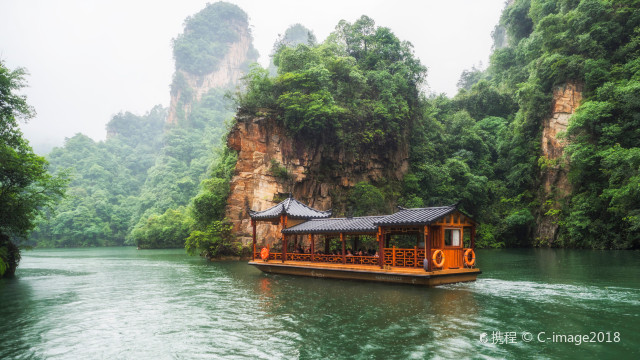
Baofeng Lake
4.1/5
209 reviewsReally enjoyed this experience - it’s only a few hours and close to the centre of town so easy to get there.
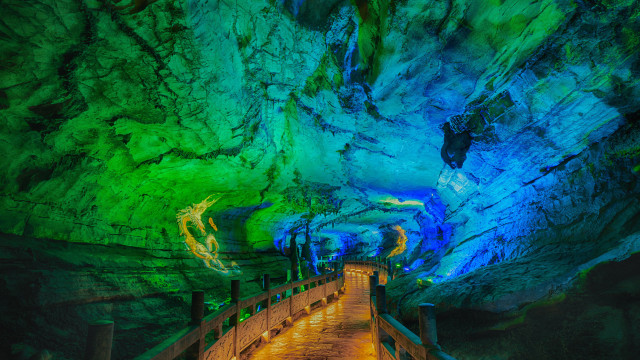
Huanglong Cave
4.6/5
1439 reviewsThis experience is worth a thousand times more than the price of the ticket.
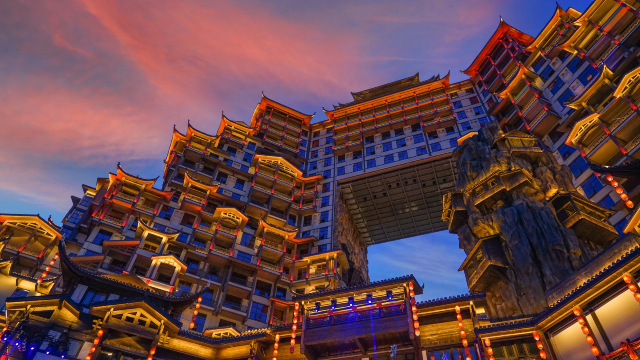
72 wonder tower
4.1/5
1653 reviewsThe place is amazing and we could easily enter the place by showing the qr code that we got after booking from trip.com. It was very easy to buy and we enjoyed the view
Zhangjiajie Weather - What to Wear & Bring

Packing right saves you from discomfort (e.g., sweaty summer hikes or cold winter waits). Use this table to grab only what you need—no overpacking.
Season | Clothing Essentials | Key Items to Bring |
Spring (Mar–May) | Light waterproof jacket, layers, long pants | Umbrella, sunscreen, waterproof shoes |
Summer (Jun–Aug) | Breathable T-shirts, shorts, rain poncho | Mosquito repellent, sun hat, water bottle |
Autumn (Sep–Nov) | Sweater, light down jacket, long pants | Scarf, camera (clear views) |
Winter (Dec–Feb) | Heavy down coat, thermals, snow boots | Gloves, hand warmers, thermos |
See all attractions
 914088 booked




What to Prepare for a Trip to China?
- Visa & Entry Tips China’s 240-hour visa-free transit policy now covers 54 countries, incl. the US, UK, Canada, and Brazil, allowing up to 10 days during layovers. Learn more about China Entry Tips to land in China easily.
- Getting Connected VPNs are vital for accessing Google, WhatsApp, Instagram, etc in China. Set one up before arriving. China eSIMs are the easiest option for data and bypassing restrictions. Pocket Wi-Fi devices work best for group but are pricier and require pickup/return.
- Money Exchange & Tax Refunds Exchange money in China banks (better rates than airports). ATMs accept foreign cards, but notify your bank first. For tax refunds, spend over ¥500 at stores with a "Tax-Free" sign. Keep receipts and get forms stamped at customs before departure.
Must-Have Apps in China
- China Payment Apps Forget cash. Chinese use Alipay (I like it better) or WeChat Pay to pay for everything in China. Scan a QR code at noodle stalls, metros, even temples. Link your foreign Visa/Mastercard before landing.
- China Map Apps Amap (Gaode Map) & Baidu Map (limited English) is what locals use, with real-time navigation, metro/bus routes, and traffic updates. Apple Maps does a good job too if you're already an IOS user.
- China Transport Apps Street taxis are cheap, but drivers rarely speak English. Use China Taxi App like DiDi (China’s Uber)—set your destination in English, pay by Alipay.
- China Travel Apps 15+ China trips taught me: Use Trip.com. It's the best English app for booking China trains/flights/hotels + finds Trip.com deals.
- China Dating Apps Locals use Tantan (China’s Tinder) and Momo. WeChat’s “People Nearby” works too, but expect language barriers unless your Mandarin’s decent.
- China Food App Use Meituan (also helps find nearby restaurants) or Ele.me for food delivery—both have English mode. No English menu in restaurants? Scan the QR with Alipay's translator.
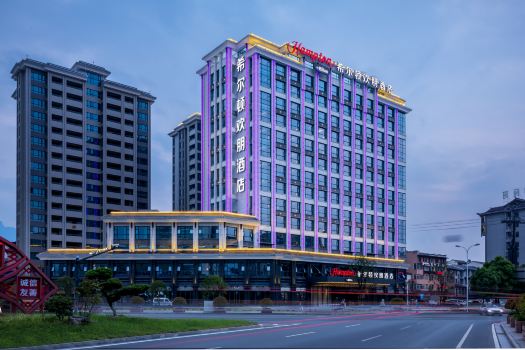
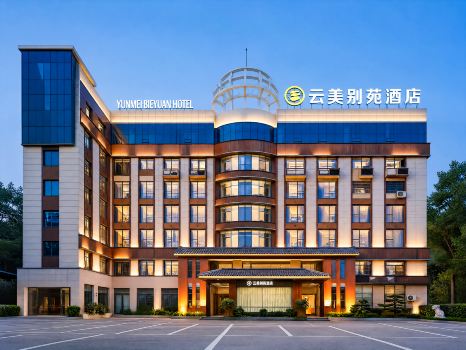
[8% OFF] Zhangjiajie Hotel Recommendations
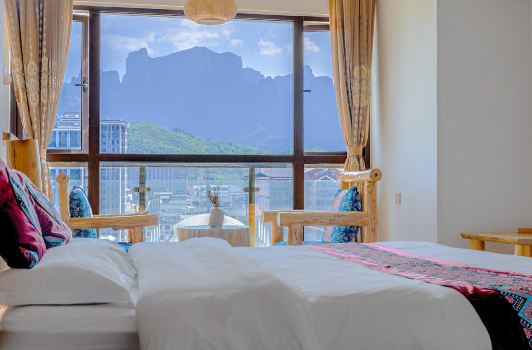
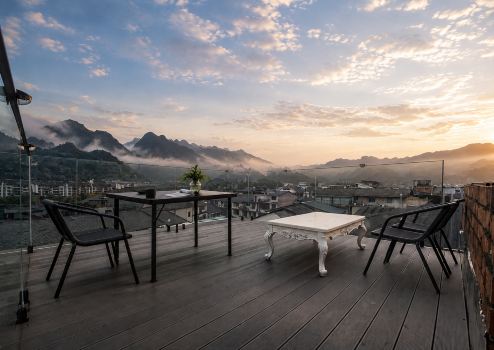
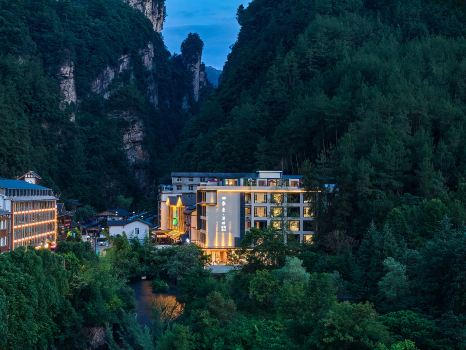
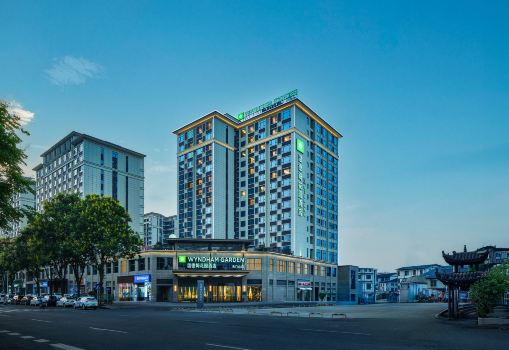
Grab 8% off hotel counpon, and choose one of these Zhangjiajie hotels for your cozy stay!
See All Hotels



FAQs about Zhangjiajie Weather
-
What is the best time to visit Zhangjiajie?
-
What is the coldest month in Zhangjiajie?
-
What do you wear to Zhangjiajie weather?
-
Does it rain a lot in Zhangjiajie?
-
Is 2 days in Zhangjiajie enough?
-
Is Zhangjiajie cold in November?
-
Are there mosquitoes in Zhangjiajie?
-
Can you do Zhangjiajie without a tour?
Disclaimer: This article has been provided by an individual contributor or third party platform. If there is any discrepancy regarding the copyright, please contact us directly and we will delete the content immediately.
Trending Searches
-
Popular attractions
-
Featured guides
-
Trending Stays
-
Getting Around
-
eSIM/SIM card
-
Popular activities
- Direct flights from Hangzhou to Zhangjiajie
- Cheap flights from Xi'an to Zhangjiajie
- Return flights from Chengdu to Zhangjiajie
- Return flights from Tianjin to Zhangjiajie
- Return flights from Guangzhou to Zhangjiajie
- Direct flights from Ningbo to Zhangjiajie
- Return flights from Kunming to Zhangjiajie
- Return flights from Dalian to Zhangjiajie
- Direct flights from Shenzhen to Zhangjiajie
- Cheap flights from Nanjing to Zhangjiajie
- Direct flights from Singapore to Zhangjiajie
- Return flights from Seoul to Zhangjiajie
- Direct flights from Shanghai to Zhangjiajie
- Direct flights from Beijing to Zhangjiajie
- Return flights from Hong Kong to Zhangjiajie
- Hotels in Shanghai
- Hotels in Guangzhou
- Hotels in Beijing
- Hotels in Bangkok
- Hotels in Shenzhen
- Hotels in Hong Kong
- Hotels in Chongqing
- Hotels in Tokyo
- Hotels in Ho Chi Minh City
- Hotels in Chengdu
- Hotels in Kuala Lumpur
- Hotels in Seoul
- Hotels in Zhangjiajie
- Hotels in Hanoi
- Hotels in Hangzhou
- Hotels in Singapore
- Hotels in Xi'an
- Hotels in Istanbul
- Hotels in Osaka
- Hotels in Bali
- Zhangjiajie National Forest Park
- Qinghai Group Tours
- Zhangjiajie Connectivity Solutions
- Zhangjiajie City Pass
- Qinghai Day Tours
- Zhangjiajie SIM Card
- Zhangjiajie Cultural Experience
- Wellness & Spa in Qinghai
- Qinghai Travel Services
- Zhangjiajie Sports & Adventure
- Zhangjiajie Restaurant Discounts
- Zhangjiajie Romance Park show | Optional Xiangwang feast Tujia meal show, hotel transfer optional
- Best seller: 1-day tour to Tianmen Mountain National Forest Park with optional route A + VIP lane
- Zhangjiajie National Forest Park Avatar Wulingyuan Day Trip + Optional 8-person group tour or private tour
- Furong, Glass Bridge, Avatar & Bailong Lift: All in 1 Day Tour w/ Golden Whip Stream Gorge
- 1 Day All-inclusive Tour to Zhangjiajie Grand Canyon, Glass Bridge and Tianmen Mountain