How to Get a Local China Phone Number as a Foreigner


As a digital nomad who’s lived in China for years, I’ve helped dozens of foreign friends get local phone numbers. Chinese number is your lifeline for Alipay/WeChat Pay, ride-hailing, food delivery, and even hotel check-ins. Let‘s see how to get a China SIM card/eSIM for foreigners: passport requirements, carrier picks, cheap plans, and top-up tips.
to Shanghai
to Guangzhou
to Beijing
See all flights

AI Summary
This summary is AI-generated by Trip.com. For the complete guide, please refer to the article below.
China SIM cards require passport-based real-name verification at official carrier stores. Plans cost from RMB 8 monthly for retention, while tourist options range from RMB 19 to 99.
First Step: Real-Name Registration
You can’t get a legitimate Chinese number without real-name verification—it’s the law, and there’s no workaround. For foreigners, all you need is your passport with a valid Chinese visa (tourist, work, student, etc.). Skip unregulated “no-ID” SIMs from street vendors. They get deactivated in days and won’t work with payment apps. Stick to official telecom stores.
How to Get a Local Number in China
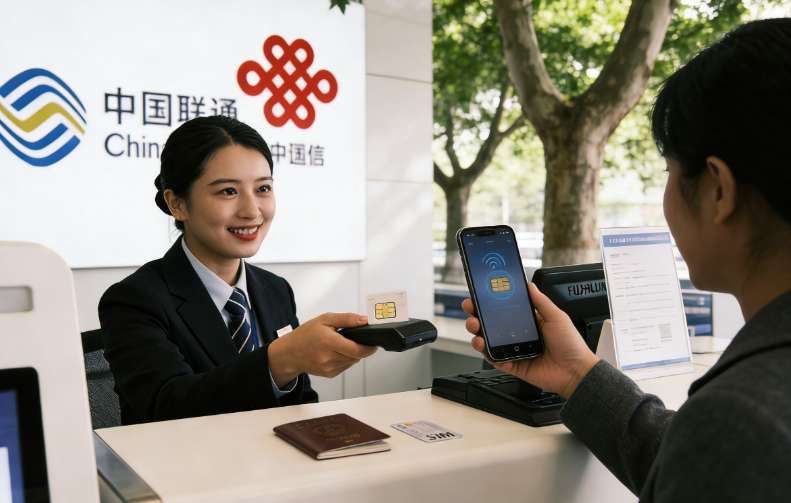
How to Get a Local Number in China
These are the only ways that actually work for daily use. I’ve tested all three with friends—here’s the lowdown:
Physical SIM Card (Most Trusted for Full Functionality)
This is the go-to for anyone staying more than a week. It works with every app, payment platform, and service—no exceptions.
I always send friends to official carrier stores (not resellers) because they’re straightforward. Here’s how it goes:
- Grab your passport (visa included) — that’s the only document you need for short stays.
- Head to a branded store (China Mobile/Unicom/Telecom). Look for uniformed staff and official signs. Airports have kiosks (convenient for arrivals) but charge a tiny premium; city stores are cheaper.
- Tell the staff your stay length (e.g., “2 weeks” or “6 months”). They’ll recommend a prepaid plan—no contracts required.
- They’ll scan your passport, snap a quick photo for verification, and activate the SIM on the spot. You’ll have a working number in 5 minutes.
Pro tip for Shanghai travelers: China Mobile’s Pudong Airport kiosk partners with SPD Bank. They can help you open a local bank account and link it to Alipay/WeChat Pay in one stop. It saves so much time.
Virtual Number (Only for Pre-Arrival SMS Verification)
Virtual numbers are a temporary fix—don’t rely on them for anything beyond pre-arrival app sign-ups (like Trip.com).
I’ve had friends use Global Call Forwarding and similar services. They work for getting verification codes before you land, but they won’t link to Alipay/WeChat Pay or banks. Unregulated virtual numbers are a big no—they stop working randomly. Stick to reputable providers if you need this.
eSIM (Flexible for Dual-SIM Users)
If you don’t want to swap physical SIMs (I get it—my phone has two slots but I hate fumbling), eSIM is perfect. Pair it with a cheap number retention plan and you’re set.
How to get it:
- Check if your phone supports eSIM (iPhone 12+, Samsung S21+, Pixel 6+—most new phones do).
- Go to an official store, show your passport, and ask for an “eSIM data plan.” China Unicom and China Mobile have the best options for foreigners.
- Scan the QR code they give you. Activation takes 2 minutes, and you’ll get a standard +86 number.
My favorite hack: Use a China Mobile RMB 8 (≈$1.10) physical SIM for app verification (keep the number long-term) and a China Unicom eSIM for data (RMB 29–49 / ≈$4.10–$6.90 per month for 10–30 GB). It saves money and avoids switching cards.
See all attractions
 865036 booked




China’s 3 Telecom Carriers: Which to Choose
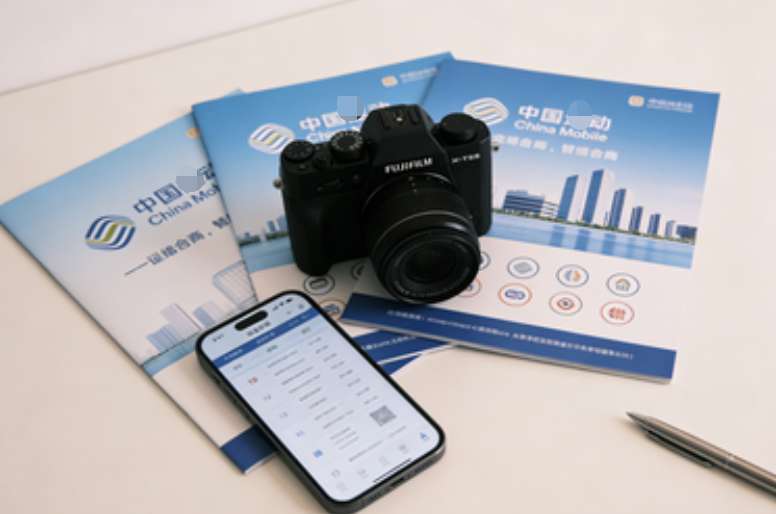
China’s 3 Telecom Carriers: Which to Pick?
I’ve tested all three over the years—here’s the honest breakdown (no sales fluff):
Carrier | Best For | Key Perk |
|---|---|---|
China Mobile | Cross-country travelers, frequent visitors | Nationwide coverage (even remote spots like Dunhuang/Inner Mongolia) |
China Unicom | Short stays, city-based expats/students | Cheapest prepaid plans, flexible data options |
China Telecom | Southern China stays (Guangzhou/Shenzhen) | Strongest 5G signal in southern cities |
For most foreigners: China Unicom (city stays) or China Mobile (cross-country trips). China Telecom is great if you’re only in the south—otherwise, stick to the first two.
China Phone Number Plan Prices
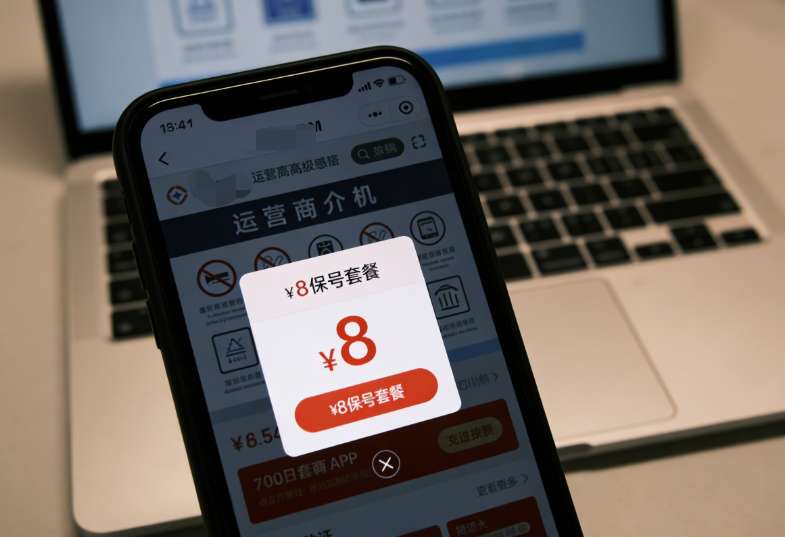
China Phone Number Plan Prices RMB 8
Chinese phone plans are shockingly cheap—you won’t spend more than RMB 50 (≈$7.00) per month for what you need. Here’s the real deal (I’ve helped friends set these up, no scams):
Plan Type | Price | What You Get | Who It’s For |
|---|---|---|---|
Number Retention | RMB 8 (≈$1.10)/month | Just the number (no data/calls) | Frequent travelers (keep your number for years) |
Short-Term Tourist | RMB 19–49 (≈$2.70–$6.90)/month | 5–30 GB data + 100–500 calls | 1–4 week trips |
Long-Term (3+ Months) | RMB 49–99 (≈$6.90–$13.90)/month | 30–100+ GB 5G + unlimited calls | Workers/students |
The RMB 8 (≈$1.10) number retention plan is real—but staff won’t offer it upfront. Insist on it (use a translation app to say “I want the RMB 8 monthly number retention plan”) or ask a local friend to help. I’ve gotten it for 5 friends now—worth it if you visit China annually.
How to Top Up China Phone Number

Topping Up China Phone Number
Topping up is easier than you think—you don’t need a Chinese bank account. These are the methods I recommend to friends:
1. Carrier Apps (Most Convenient)
Download China Mobile/Unicom/Telecom’s official app (they have English versions). Link your foreign credit card (Visa/Mastercard works) and top up RMB 50–100 (≈$7.00–$14.10) at a time. It takes 1 minute.
2. Taobao
Search “mobile top-up” on Taobao. Enter your Chinese number, pick a top-up amount, and pay with your foreign credit card. My friend from Canada uses this every month—no issues.
3. Alipay/WeChat Pay (If You Have Them)
If you already set up Alipay/WeChat Pay (with a local bank account or foreign card), go to the “Top Up” section, enter your number, and pay. Super fast.
4. Friend’s Help
If apps confuse you, ask a local friend to top up for you. Just send them the money via PayPal—most Chinese friends are happy to help (I do this for new arrivals all the time).
Pro tip: Set up auto-top-up on the carrier app if you’re staying long-term. It avoids sudden disconnection.
How to Keep China Phone Number Active Abroad
How to Keep China Phone Number Active Abroad
Want to keep your number for future trips? It’s easy, no need to be in China:
- Grab the RMB 8 (≈$1.10) number retention plan first.
- Top up RMB 100 (≈$14.10) every 6 months (via Taobao or carrier app) to keep it active.
- Enable international roaming (free to activate via the carrier app). You’ll get SMS verification codes abroad for free—great for Alipay/WeChat logins.
Don’t use data or calls abroad—they’re pricey. Just leave roaming on for SMS only.
China Hotel Recommendations
Top Shanghai Hotels
Top Beijing Hotels
Top Guangzhou Hotels
See All Hotels























What to Prepare for a Trip to China?
- Visa & Entry Tips China’s 240-hour visa-free transit policy now covers 54 countries, incl. the US, UK, Canada, and Brazil, allowing up to 10 days during layovers. Learn more about China Entry Tips to land in China easily.
- Getting Connected VPNs are vital for accessing Google, WhatsApp, Instagram, etc in China. Set one up before arriving. China eSIMs are the easiest option for data and bypassing restrictions. Pocket Wi-Fi devices work best for group but are pricier and require pickup/return.
- Money Exchange & Tax Refunds Exchange money in China banks (better rates than airports). ATMs accept foreign cards, but notify your bank first. For tax refunds, spend over ¥500 at stores with a "Tax-Free" sign. Keep receipts and get forms stamped at customs before departure.
Must-Have Apps in China
- China Payment Apps Forget cash. Chinese use Alipay (I like it better) or WeChat Pay to pay for everything in China. Scan a QR code at noodle stalls, metros, even temples. Link your foreign Visa/Mastercard before landing.
- China Map Apps Amap (Gaode Map) & Baidu Map (limited English) is what locals use, with real-time navigation, metro/bus routes, and traffic updates. Apple Maps does a good job too if you're already an IOS user.
- China Transport Apps Street taxis are cheap, but drivers rarely speak English. Use China Taxi App like DiDi (China’s Uber)—set your destination in English, pay by Alipay.
- China Travel Apps 15+ China trips taught me: Use Trip.com. It's the best English app for booking China trains/flights/hotels + finds Trip.com deals.
- China Dating Apps Locals use Tantan (China’s Tinder) and Momo. WeChat’s “People Nearby” works too, but expect language barriers unless your Mandarin’s decent.
- China Food App Use Meituan (also helps find nearby restaurants) or Ele.me for food delivery—both have English mode. No English menu in restaurants? Scan the QR with Alipay's translator.
FAQs about China Phone Number
-
Can foreigners get a Chinese phone number?
-
Can foreigners get SIM cards in China?
-
Does eSIM give you a Chinese number?
Disclaimer: This article has been provided by an individual contributor or third party platform. If there is any discrepancy regarding the copyright, please contact us directly and we will delete the content immediately.
Popular Searches
-
Popular attractions
-
Trending Stays
-
Getting Around
-
eSIM/SIM card
- Hotels in Shanghai
- Hotels in Guangzhou
- Hotels in Beijing
- Hotels in Bangkok
- Hotels in Shenzhen
- Hotels in Hong Kong
- Hotels in Chongqing
- Hotels in Tokyo
- Hotels in Ho Chi Minh City
- Hotels in Chengdu
- Hotels in Kuala Lumpur
- Hotels in Seoul
- Hotels in Zhangjiajie
- Hotels in Hanoi
- Hotels in Singapore
- Hotels in Hangzhou
- Hotels in Xi'an
- Hotels in Istanbul
- Hotels in Bali
- Hotels in Osaka
- Haruka Express
- Qingdao Metro Map
- Kunming Metro Map
- Japan Taxi App
- Suvarnabhumi Airport Transfer
- Shenzhen Metro
- Nara Transportation
- Kunming Metro
- Japan Transport App
- Xian Metro Map
- Shenzhen to Guangzhou
- Kyoto Airport
- Singapore Airport to City
- Chengdu to Chongqing
- Narita Airport to Shinjuku
- Macau to Hong Kong
- Hong Kong to Macau