Osaka to Kyoto 2026: Best 6 Transport Options, Fares & Pass Comparison

Author's Profile Picture

by Qthree

January 5, 2026

Osaka to Kyoto

Japan’s Kansai region offers rich culture and scenic beauty, with Osaka and Kyoto as top destinations. Many travelers visit Osaka, Kyoto, and Nara in one trip.

Japan’s efficient transport makes traveling from Osaka to Kyoto easy, with several options to suit different needs. Trip.com compares six main routes—including fares, passes, pros and cons—and highlights must-see attractions in Kyoto to help plan your trip.

to Tokyo
to Osaka
See all flights
Seoul
ICN
Tokyo
NRT
Wed, Apr 15
Wed, Apr 22
One way
44% off
From 257.00US$143.00
Seoul
ICN
Tokyo
NRT
Wed, Apr 15
Wed, Apr 22
One way
42% off
From 257.00US$150.00
Seoul
ICN
Tokyo
NRT
Tue, Apr 21
Wed, Apr 22
One way
41% off
From 257.00US$151.00
Seoul
ICN
Tokyo
NRT
Tue, Apr 14
Thu, Apr 16
One way
41% off
From 257.00US$151.00
Seoul
ICN
Tokyo
NRT
Tue, Apr 14
Thu, Apr 16
One way
41% off
From 257.00US$151.00
Seoul
ICN
Tokyo
NRT
Wed, Apr 15
Wed, Apr 22
One way
41% off
From 257.00US$152.00
Seoul
ICN
Tokyo
NRT
Tue, Apr 21
Wed, Apr 22
One way
33% off
From 257.00US$173.00
Seoul
ICN
Tokyo
NRT
Wed, Apr 15
Wed, Apr 22
One way
28% off
From 257.00US$185.00

Osaka to Kyoto: 6 Transportation Options at a Glance

The table below rounds up six main ways to travel from Osaka to Kyoto—covering travel time, prices, pros and cons, and more—to help you quickly choose the option that suits you best:

Transportation Options

Drive

Price (one-way)

Pros

Cons

JR Tokaido Shinkansen

About 14 minutes

Approximately 1,440 - 3,080 yen

Ultra-fast speed and comfortable seats

Price is on the higher side

JR Kyoto Line

About 29-60 minutes

About 570 yen

Fast and direct

Crowded train cars during rush hour

Keihan Electric Railway

About 55 minutes

About 490 yen

Affordable prices and beautiful scenery

Longer drive time

Hankyu Railway

About 46 minutes

About ¥410

Budget-friendly and ideal for independent travelers

No direct service to major stations

Kintetsu Railway

About 90 minutes

Approximately ¥1,140

Stops near multiple attractions, perfect for in-depth exploration

The drive is a bit long.

Road Trip

About 1 hour

Gas + tolls: about ¥2,000

Flexible and convenient, perfect for group or family travel

You'll need to get used to Japan’s road rules, and parking tends to be expensive.

Osaka to Kyoto | JR Tokaido Shinkansen

The JR Tokaido Shinkansen runs between JR Tokyo Station and JR Shin-Osaka Station, stopping at JR Kyoto Station along the way. It’s the fastest way to travel between Osaka and Kyoto—perfect if you’re short on time. The ride from Shin-Osaka to Kyoto takes just 14 minutes, with trains departing frequently, though fares are higher than other options. A non-reserved seat is around ¥1,440, while a reserved seat is about ¥3,080. The nationwide Japan Rail Pass is valid, but keep in mind that with the JR Pass you can ride the Hikari and Kodama services, not the Nozomi.

  • Pros: Fast speed, comfortable seats
  • Cons: The price is relatively high

Osaka to Kyoto: JR Kyoto Line

The JR Kyoto Line is a railway connecting Osaka and Kyoto, and you can take it to travel back and forth between JR Osaka Station and JR Kyoto Station. The Special Rapid Service takes about 29 minutes, while local trains take around 1 hour. No matter whether you ride a local, Rapid, or Special Rapid train, the fare is about 570 yen; if you take a Limited Express, you’ll need to pay an additional Limited Express surcharge.
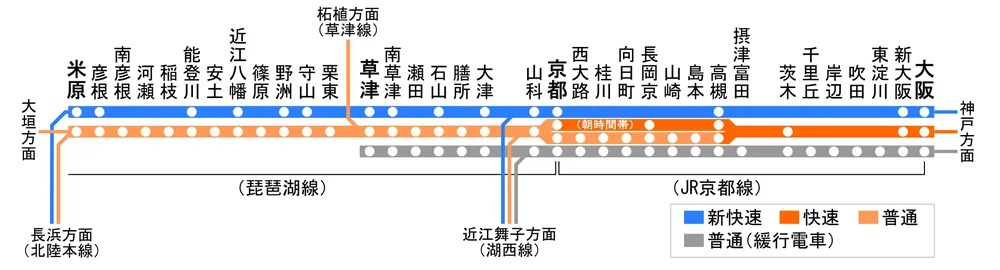
  • Pros: Frequent departures and affordable prices
  • Cons: Train cars can be crowded during rush hour
Osaka to Kyoto: JR Kyoto Line

Image source: JR West official website

Osaka to Kyotos: Keihan Railway

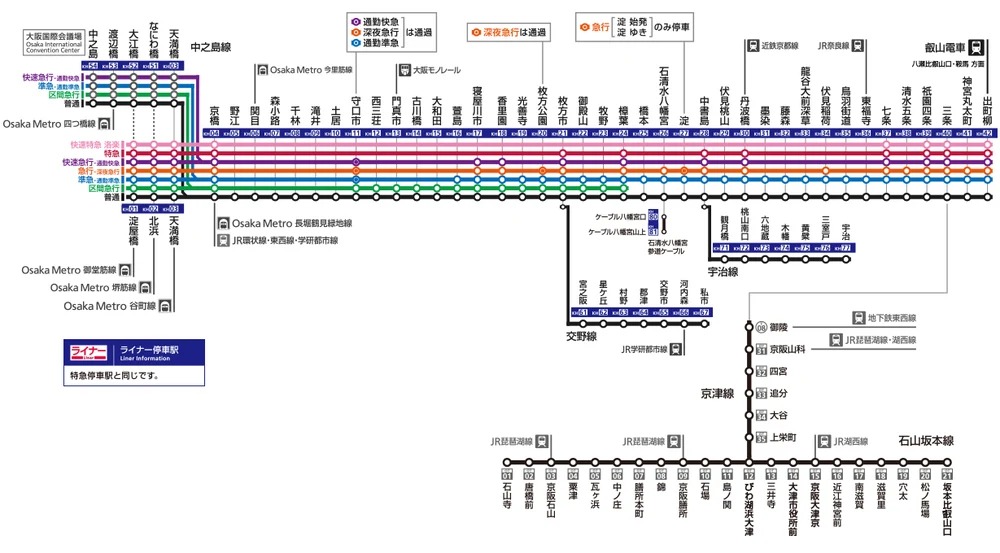
Operated by Keihan Electric Railway, the Keihan Railway links Kyoto and Osaka with Shiga and is known for its great value and beautiful views along the way. The Keihan Main Line connects Yodoyabashi Station in Osaka with Demachiyanagi Station in Kyoto, stopping at Fushimi-Inari Station, Tofukuji Station, Kiyomizu-Gojo Station, Gion-Shijo Station, Sanjo Station, and more—perfect for travelers heading to these popular sights.

Whether you hop on a local train or a limited express, the fare is about 490 yen, and you won’t need to pay any extra limited express surcharge. From Osaka to Kyoto, the limited express ride takes around 55 minutes.

You can choose to book the Keihan Railway Kyoto–Osaka 1-Day/2-Day Pass and the Osaka Metro 1-Day Pass, which let you enjoy unlimited rides on the Keihan Railway, the Iwashimizu Hachimangū Sando Cable Car, and Osaka Metro—very convenient.
  • Pros: Beautiful scenery, with a route that passes by multiple attractions
  • Cons: The drive is a bit long
Osaka to Kyoto: Keihan Electric Railway

Image source: Keihan Electric Railway official website

Osaka to Kyoto: Hankyu Railway

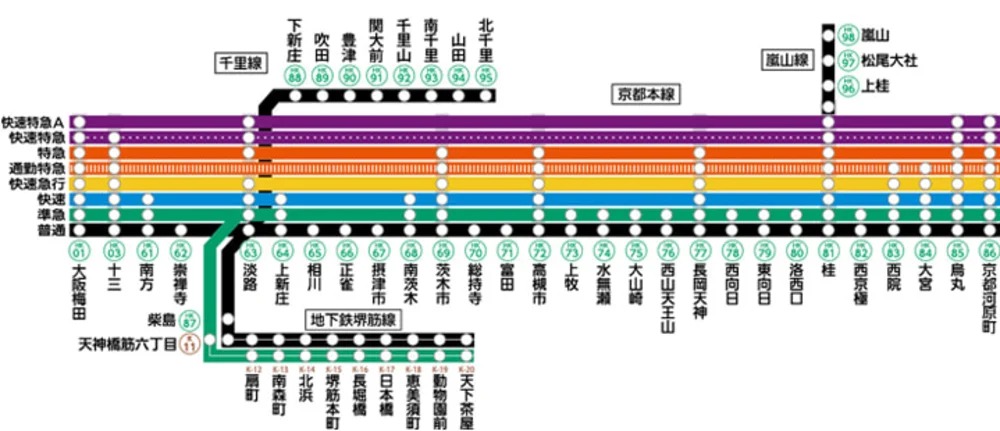
Hankyu Railway is a great choice for budget-conscious travelers, offering a variety of train types with wallet-friendly fares. The Kyoto Main Line operates between Osaka Umeda Station and Kyoto Kawaramachi Station, and fares are around 410 yen whether you take a local or a limited express—no extra express surcharge needed. The limited express ride takes about 46 minutes.
  • Pros: Affordable pricing
  • Cons: Doesn’t go directly to Kyoto’s main train stations
Osaka to Kyoto: Hankyu Railway

Image source: Hankyu Railway official website

Osaka to Kyoto: Kintetsu Railway

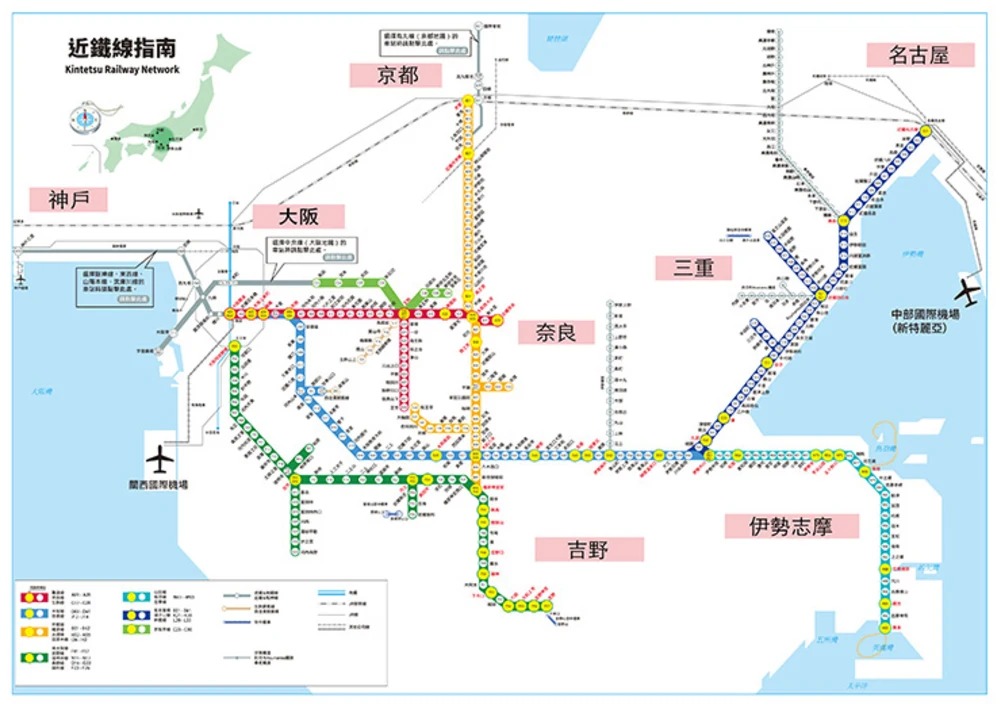
Kintetsu’s train network is extensive, stopping at many key attractions—perfect for travelers who want to explore Kyoto in depth. The Namba Line and Nara Line connect Osaka-Namba Station with Kintetsu Nara Station, and at Yamato-Saidaiji Station in Nara you can transfer to the Kintetsu Kyoto Line to reach Kyoto Station. It’s an ideal route for anyone traveling from Osaka to Nara and then on to Kyoto.

From Osaka Namba Station to Kyoto Station, the fare is about 1,140 yen, and the journey takes roughly 1.5 hours with a transfer. Kintetsu Railway operates several types of trains; if you choose the limited express, there’s an additional limited express fee of 520 yen.

You can book a Kintetsu Rail Pass with different duration options and enjoy unlimited rides on Kintetsu trains to explore the attractions of Osaka, Nara, and Kyoto.
  • Pros: Passes by many popular attractions
  • Cons: The drive is a bit long
Osaka to Kyoto: Kintetsu Railway

Image source: Kintetsu Railway official website

Osaka to Kyoto:Self-Drive

Renting a car and driving yourself gives you maximum flexibility, letting you head to Kyoto’s many attractions whenever and wherever you like. The drive from Osaka to Kyoto takes about 1 hour, and you can pull over anytime to take in the beautiful scenery. You can easily book your rental car in advance on Trip.com and choose the type of vehicle that suits you—it’s super convenient.

New to Trip.com? Grab 8% off your first car rental and hit the road for less - it's a way of saying welcome to Trip.com family! 😘

Traveling from Osaka to Kyoto | Top Kyoto Attractions

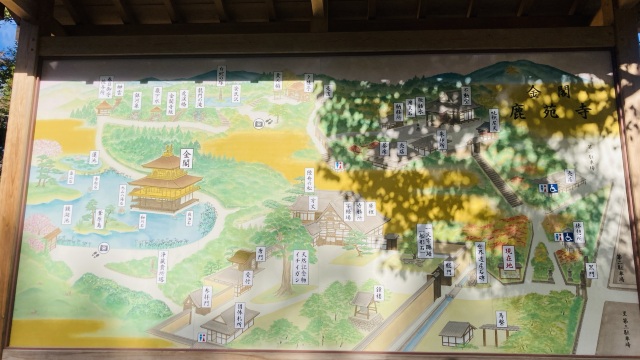
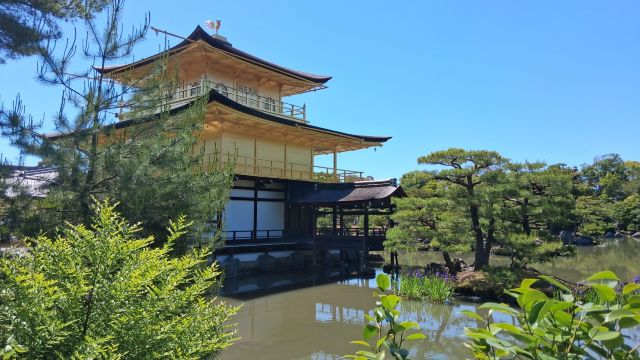
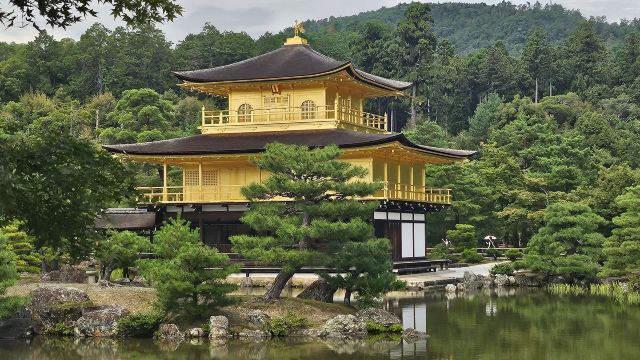
Osaka to Kyoto #1: Kinkaku-ji

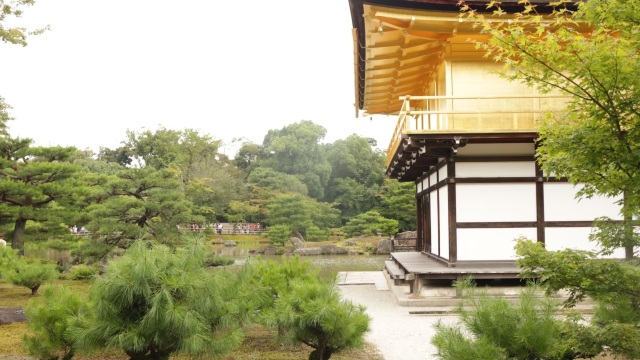
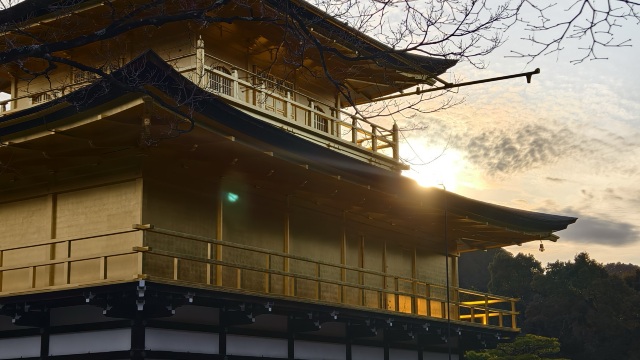
Kinkaku-ji is one of Kyoto’s most popular attractions. Officially named Rokuon-ji, it’s also called Kinkaku-ji because the building’s exterior is covered in gold leaf. It was originally the mountain villa of Shogun Ashikaga Yoshimitsu, later converted into the Zen temple “Bodhi Place.” Designated a National Treasure by the Japanese government, it’s one of Kyoto’s most iconic landmarks—its golden walls gleam in the sunlight, and the scenery is beautiful in every season.
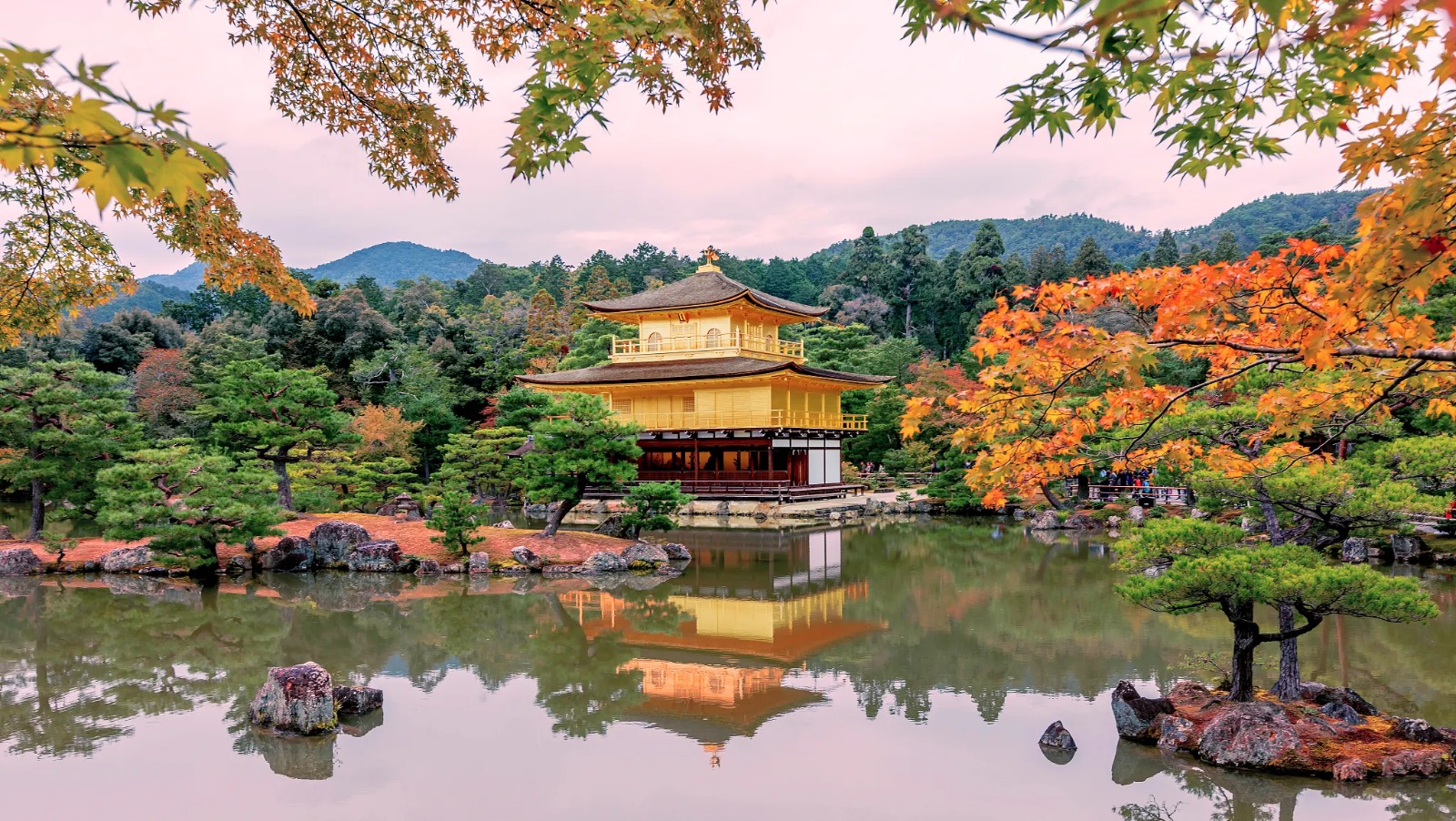

  • Address: 1 Kinkakuji-cho, Kita Ward, Kyoto City
  • Opening hours: 9:00 AM - 5:00 PM
  • Getting there: From Kyoto Station, hop on buses 101, 111, or 205 and get off at Kinkakuji-michi. The ride takes about 40 minutes.
Osaka to Kyoto: Kinkaku-ji
4.7/5
1575 reviews
5/5
I was surprised that there were many foreign tourists after getting off at the bus stop. The direction signs stand out. There are security personnel wearing uniforms on the crosswalk at the entrance. Admission tickets are only available in cash. The size of the tourist area is not large, so you don't have to walk for a long time. The trees are well managed. I can't get close to the building, but I was moved enough just to see it from a distance. If I live nearby, I might come here for a walk every day.
review picture
5/5
Registered as a World Heritage Site in 1994, Kinkaku-ji Temple (correctly known as Kitayama Rokuon-zenji Temple) is another must-see temple in Kyoto. It's so-called Kinkaku-ji Temple because of its magnificent Shariden. Originally the residence of the Saionji family during the Kamakura period, Rokuon-ji Temple enjoyed a period of prosperity. However, due to lack of maintenance, it was renovated by Ashikaga Yoshimitsu in 1934. His son, Ashikaga Yoshimochi, renamed Kitayama-dori "Kitayama-den" in 1397 and later converted the residence into a Zen temple. The current Shariden was restored in 1955, and the gold leaf covering the outer walls was replaced in 1987. The Shariden is truly stunning; even its reflection is a photo opportunity. In winter, when it snows, crowds flock to admire the Golden Pavilion in the snow. -- Kinkaku-ji Temple 📬 1 Kinkakuji-cho, Kita-ku, Kyoto-shi, Kyoto Prefecture, 603-8361 #Kinkaku-ji Temple #Kitayama Rokuen-ji Temple #Shariden #Rokuon-ji Temple #World Cultural Heritage #KyotoTravel #KyotoTravel #Kyoto #JapanTravel #JapanTravel #JapanTravel
review picture
5/5
When you come to Kyoto, you must not miss the Golden Pavilion or Kinkaku-Ji temple, a temple with a prominent golden building, which is very beautiful. The surrounding area is green and shady. It is one of the prominent tourist attractions and a symbol of Kyoto. ... I recommend the green tea ice cream sprinkled with gold leaf powder here, which has a very rich taste.
review picture
4/5
It was raining when I visited, but the Golden Pavilion was still shining brightly in the rain.
review picture
5/5
This one-day tour of Kyoto (Kinkaku-ji Temple, Kiyomizu-dera Temple, Fushimi Inari Taisha Shrine) led by tour guide YiYi was one of the most satisfying stops on the Osaka trip. The itinerary was arranged smoothly and the time was well managed. YiYi's tour guide's explanation was clear and focused: At Kinkaku-ji Temple, she explained the purpose of the gold foil on the building and also told the historical background of the fire incident; At Kiyomizu-dera Temple, she shared the long history of construction and the origin of the white dragon legend; At Fushimi Inari Taisha Shrine, she clearly introduced the religious significance of the Thousand Torii Gates and the origin of the shrine's original construction to pray for a good harvest. These explanations gave us a deeper understanding of the attractions, not just a cursory visit. The tour guide reminded us before departure the night before departure (meeting time and precautions), which was very considerate. At the end of the trip, when we took the bus back, Miss YiYi took the initiative to share many practical suggestions for Osaka, such as affordable restaurants frequented by locals and shopping areas with less crowds. These recommendations based on her own experience were very helpful for my subsequent Osaka trip. After spending the whole day together, YiYi also naturally mentioned some small habits and cultural details of Japanese life, making the interaction more relaxed and interesting. Overall, this trip was both informative and interesting, and even helpful for the subsequent trip. I am very grateful to the tour guide YiYi for his professional arrangements and enthusiastic sharing. Recommended to travelers who want to get to know the attractions in depth and hope for a smooth trip.
review picture

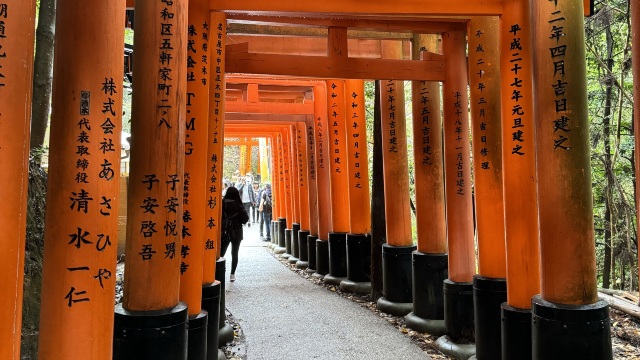
Osaka to Kyoto #2: Fushimi Inari Taisha

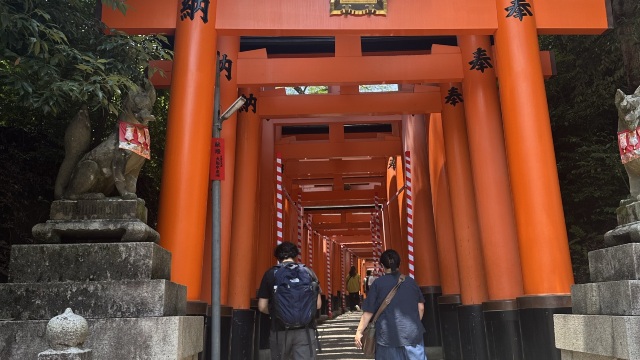
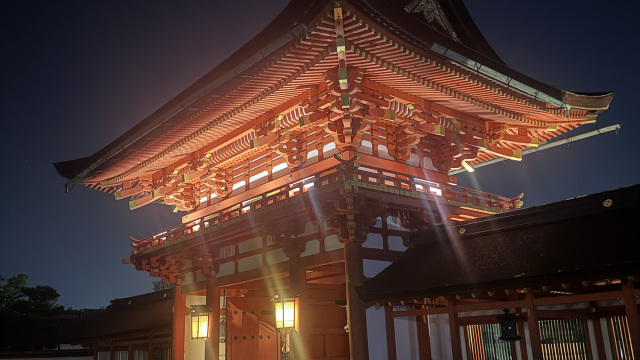
Fushimi Inari Taisha is one of Kyoto’s oldest shrines, dedicated to Inari, the agricultural deity who blesses prosperous business and bountiful harvests. Its “Thousand Torii Gates” are especially famous—the seemingly endless rows of vermilion gates stretch from the foot of the mountain all the way to the summit, making it an iconic Kyoto sight and a fantastic spot for photos.
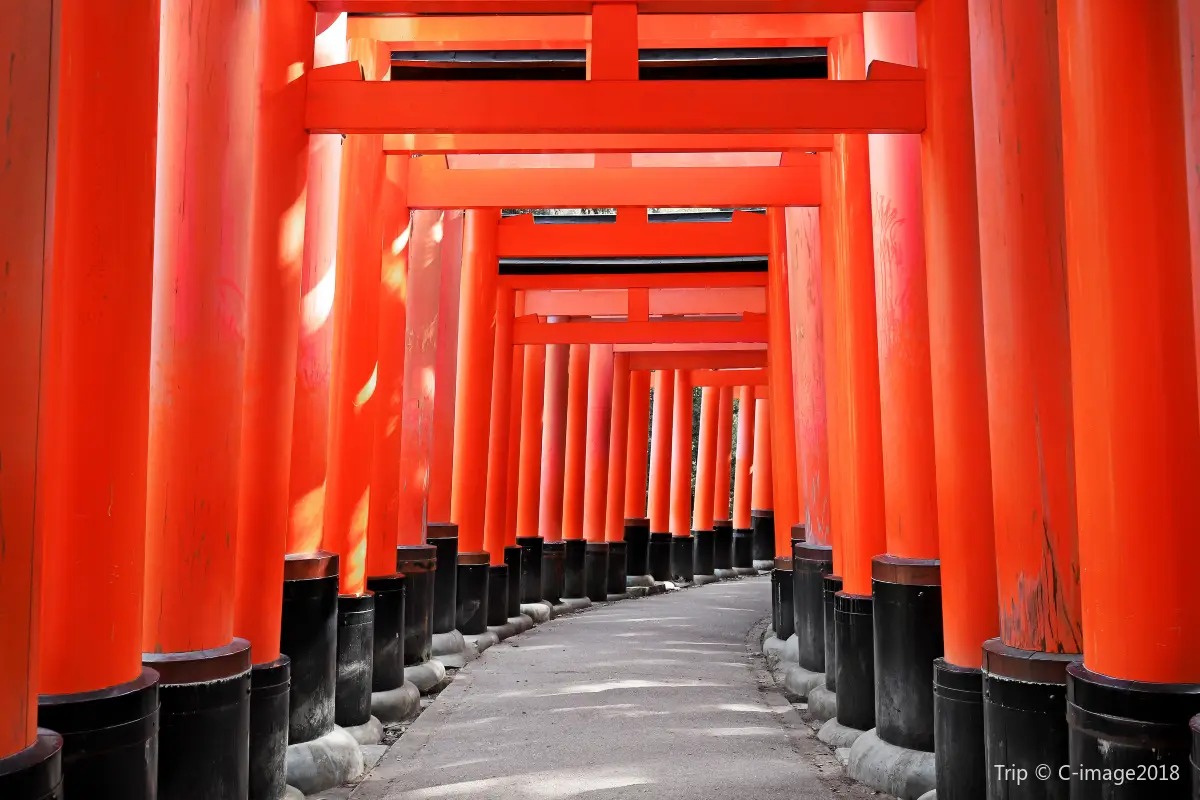

  • Address: 68 Yabu-no-uchi-cho, Fukakusa, Fushimi Ward, Kyoto City
  • Opening hours: Open 24 hours
  • Getting there: From Kyoto Station, take the JR Nara Line to Inari Station—it’s a 5-minute walk. Or take the Keihan Main Line and get off at Fushimi-Inari Station, then walk 5 minutes.
Osaka to Kyoto: Fushimi Inari Taisha
4.7/5
603 reviews
5/5
The size of the giant salamander is shocking, and the dolphins, seals, garden eels, and jellyfish are worth the money.
review picture
5/5
When you get out of JR minari Station, the entrance to the shrine opens up amazingly. There are many foreign tourists and middle and high school students even on weekdays. It is cute to see middle school students wearing school uniforms taking group photos under the guidance of their teachers. Contrary to what I thought, it takes quite a long time to look around everywhere in this attraction. It is said that it takes two to three hours to reach the top of the mountain. It seems like quite interesting to climb to the top along the endless red pillars, but I had to come back, vowing to come next. There are fox symbols and figures everywhere. It is so cute to see the fox woodblock hanging from it, and I wonder what the wishes people wrote down. There are signs saying, "This is a prayer hall, please use it with a calm mind." This seems to be because people are immersed in taking pictures in cute and attractive spaces. People are showing off with excitement. I love this unique space.
review picture
5/5
It's a little strange to see so many international tourists flocking to this simple little station, but who says it's so famous? Haha
review picture
5/5
To get a feeling of serenity, I suggest early mornings or late evenings. It really is beautiful and the buzzing of the cicadas in summer make it feel like you're away from the city and in nature for a while. we even saw wild boar after dark.
review picture
5/5
The Fushimi Inari Taisha path is an excellent small outdoor adventure for people who want a break from city walking and the bustle of cars and cyclists. The hike up Mount Inari is simple and family-friendly; however, be aware that during certain times of the year it might be crowded and the humid summer weather may complicate the hike significantly. I also recommend visiting during early morning hours, whilst there are few people on the trail, especially on the upper part. Aside from the obvious shrines and hiking trail, there are many shops at the base of the site, which sell all types of fun memorabilia.
review picture

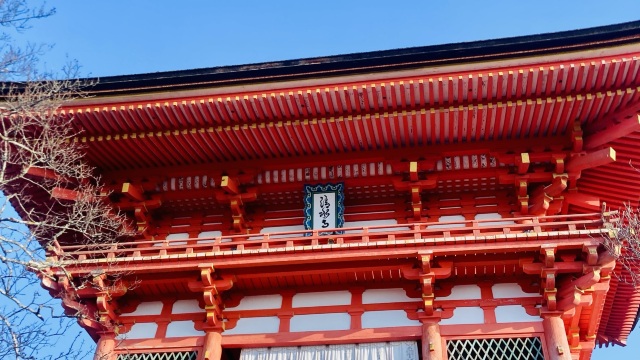
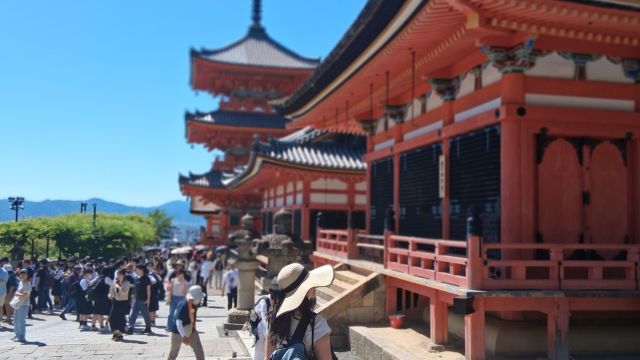
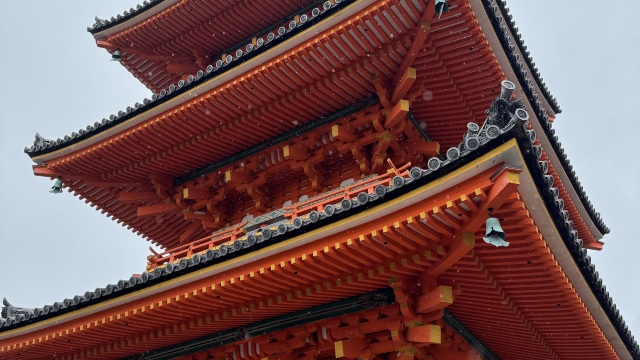
Osaka to Kyoto #3: Kiyomizu-dera Temple

Kiyomizu-dera is a UNESCO World Heritage Site, and its main hall is famous for the stage built into the mountainside. Surrounded by lush greenery, it offers cherry blossoms in spring and vibrant foliage in autumn. Along with Kinkaku-ji and Arashiyama, Kiyomizu-dera stands as one of Kyoto’s iconic historic landmarks.
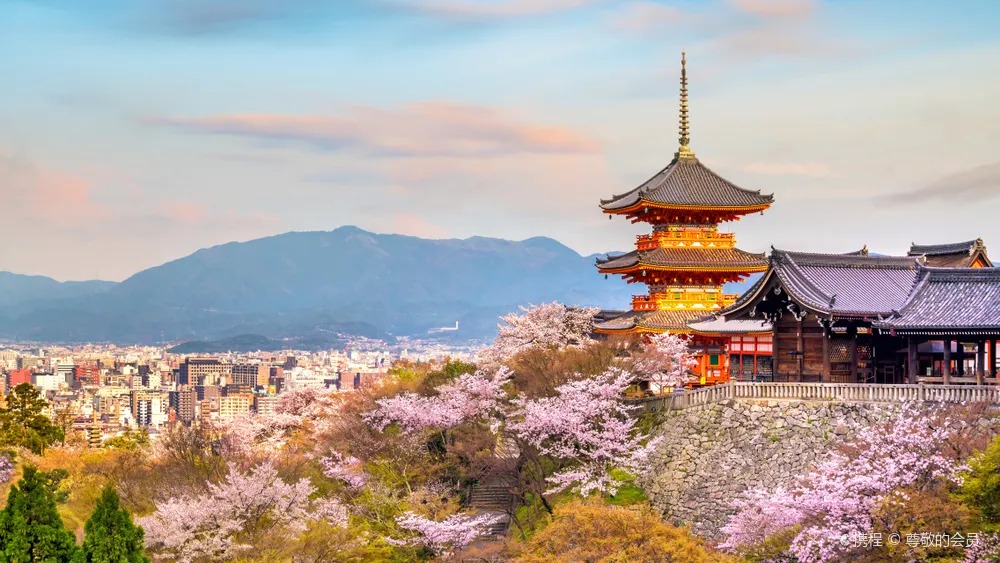
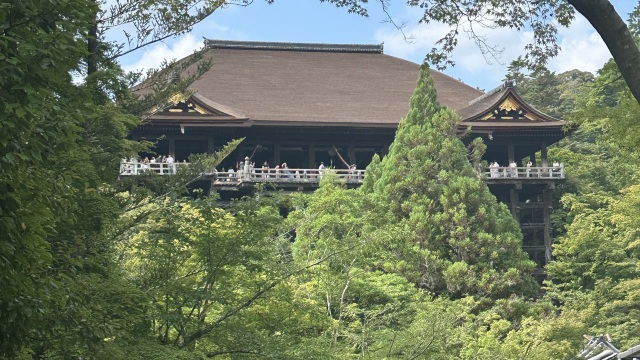
  • Address: 1 - 294 Kiyomizu, Higashiyama Ward, Kyoto City
  • Opening hours: 6:00 AM–6:00 PM (hours may vary by season)
  • Getting there: From Kyoto Station, hop on bus 206 or 100 to Gojo-zaka, then it’s a 10-minute walk.
Osaka to Kyoto: Kiyomizu-dera Temple
4.7/5
1941 reviews
5/5
Kiyomizu-dera temple in Kyoto is highly recommended temple for everyone visiting Kyoto to visit. The temple is at the top of a slope lined with numerous shops on both sides. It is advised to visit either early morning or before the sunset to witness the glory of the setting Sun. The place can be a bit crowded.
review picture
5/5
Kiyomizu-dera Temple in Kyoto is one of Japan's most iconic tourist destinations and a key component of the UNESCO World Heritage Site "Ancient Capital Kyoto Cultural Heritage." Main Features and Highlights: Kiyomizu Stage: The most famous landmark, supported by hundreds of massive 12-meter-high beechwood pillars using a "suspended" construction technique, entirely without the use of nails or rivets. From the stage, one can enjoy panoramic views of Kyoto's cityscape. Otowa Waterfall (音羽の滝): Located below the main hall, its three springs symbolize "longevity," "academic success," and "health/marriage." Visitors often queue to drink from one of the springs to pray for blessings. Jishu Shrine: Located within the Kiyomizu-dera grounds, it is famous for its prayers for marriage and is popular among young people. Four Seasons of Beauty: Kiyomizu-dera Temple offers different scenery throughout the year. Spring brings cherry blossoms, autumn brings fiery red maple leaves, and winter brings a blanket of snow, creating picturesque landscapes. The temple also holds special nighttime illumination events during certain seasons (such as spring and autumn). History: The temple was founded in 778 AD, earlier than the history of Kyoto as a capital city, and mainly enshrines the Eleven-Faced Thousand-Armed Kannon Bodhisattva.
review picture
5/5
During springtime, the sun is shining brightly, and the red buildings are illuminated with a unique charm. Opening hours:
review picture
5/5
🇯🇵Kyoto Nara Osaka 🌸Night cherry blossoms in Toji Temple Second visit, this time it is cherry blossom season Must see the rare night cherry blossoms🌸 ⛰️Kiyomizu Temple Make up for the Kiyomizu Temple that I couldn't get in last year Walk up along Ninenzaka and Sannenzaka It was already full of tourists at 8 am Stepped on Kiyomizu stage and Otowa no Taki Participated in a red school trip ⛩️Fushimi Inari Taisha Second visit to Thousand Torii Gates But this time it was too late and there were too many tourists Just walk around and draw a fortune👌 ♨️Hinode Yu First experience with the electric pond It still feels scary, like cramps and electric shock🫨 Leave it to professionals😆 #Kiyomizu Temple #Toji Temple #Night cherry blossoms #Fushimi Inari #Ninenzaka #Sannenzaka #Kiyomizu stage #Otowa no Taki #Thousand Torii Gates #Hinode Yu #Red school trip #Kyoto #japan
review picture
5/5
Kiyomizu-dera is a place that stands out among the many temples in Kyoto. As its name suggests, “Temple of Clear Water,” this place is a place that deeply moves you with its pure energy. As you climb up the mountainside, the majesty of the wooden building that gradually grows larger comes into view. The scenery that unfolds above it is so magnificent and beautiful that it will take the breath away of anyone who sees it for the first time. The highlight of Kiyomizu-dera is definitely the “Kiyomizu Stage.” Standing on this huge wooden structure built without using any nails, you can see the entire city of Kyoto at a glance, and the wind and sunlight coming from all directions wrap around your body. In spring, cherry blossoms bloom, and in fall, the mountains are colored with autumn leaves, and it welcomes visitors with different faces throughout the four seasons. This is why you want to visit again every time the season changes.
review picture

FAQs about Osaka to Kyoto

  • What is the cheapest way to get from Osaka to Kyoto?

    Keihan Railway and Hankyu Railway are the cheapest options, with a one-way ticket costing around 410-490 yen.
  • Is it worth buying a JR pass when traveling from Osaka to Kyoto?

    If you plan to take the Shinkansen multiple times or travel between cities, purchasing a JR PASS is a great deal.
  • What should I be aware of when driving from Osaka to Kyoto?

    Please be sure to follow Japanese road rules and confirm parking locations and fees in advance.
  • How long is the train ride from Osaka to Kyoto?

    Osaka to Kyoto Train Timetable and Schedule
    Traveling from Osaka to Kyoto can be quick and convenient, with the fastest trains taking just 13 minutes and the average journey around 1 hour and 1 minute. Sit back, relax, and enjoy the scenic views along the way.
  • Is there a direct train from Osaka to Kyoto?

    The JR Kyoto Line (Tokaido Line) is the most convenient way to travel from Osaka Station to Kyoto Station, offering direct trains with no transfers. A one-way ticket costs 580 yen. Special Rapid trains take about 30 minutes, while Rapid and Local trains typically take around 50 minutes.
Disclaimer: This article has been provided by an individual contributor or third party platform. If there is any discrepancy regarding the copyright, please contact us directly and we will delete the content immediately.
>>
Osaka to Kyoto
aaaa