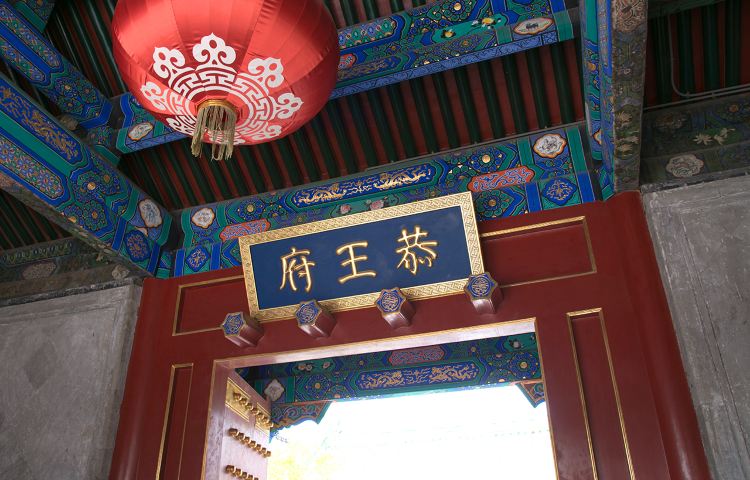
Forbidden City (The Palace Museum, Beijing): Tickets & Guide
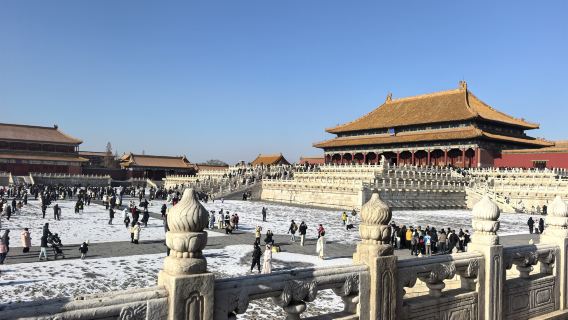
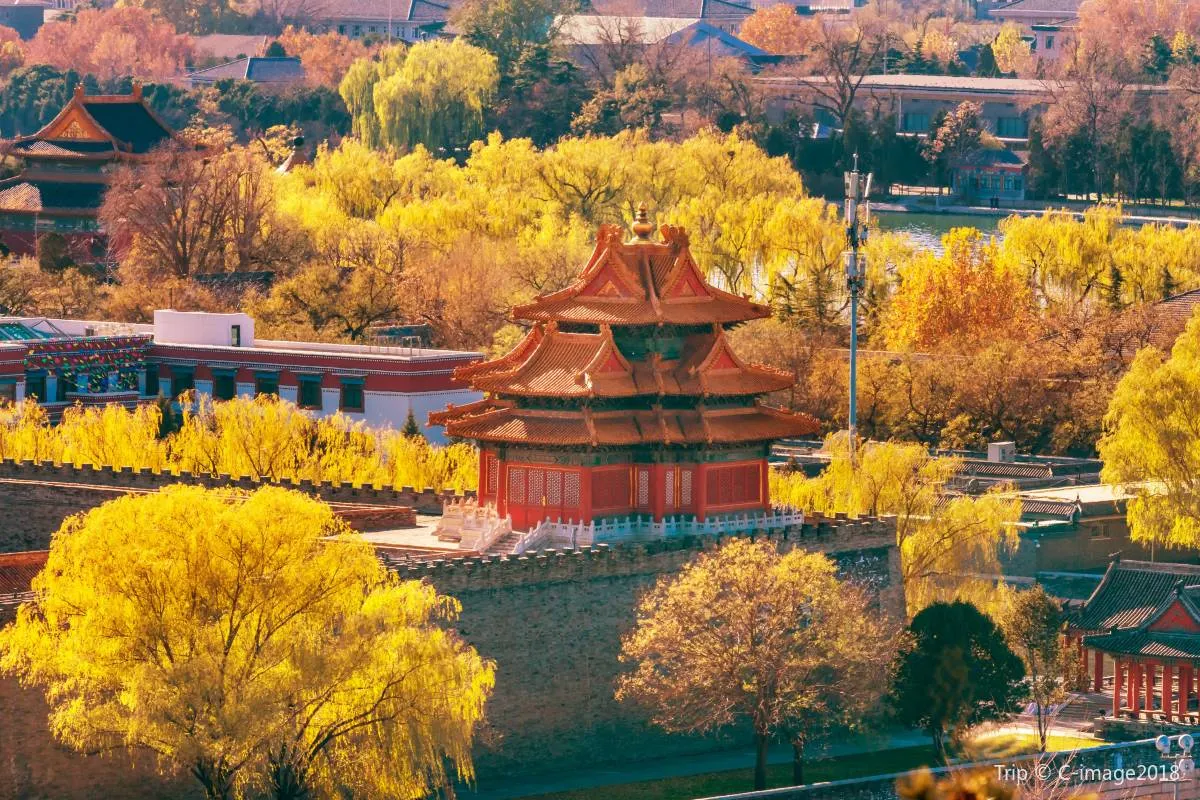
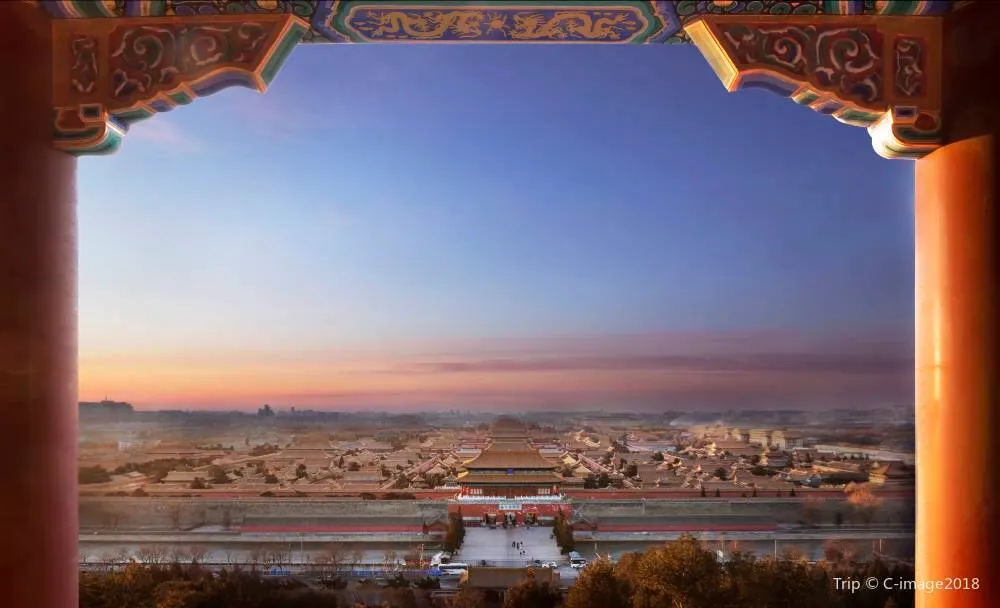
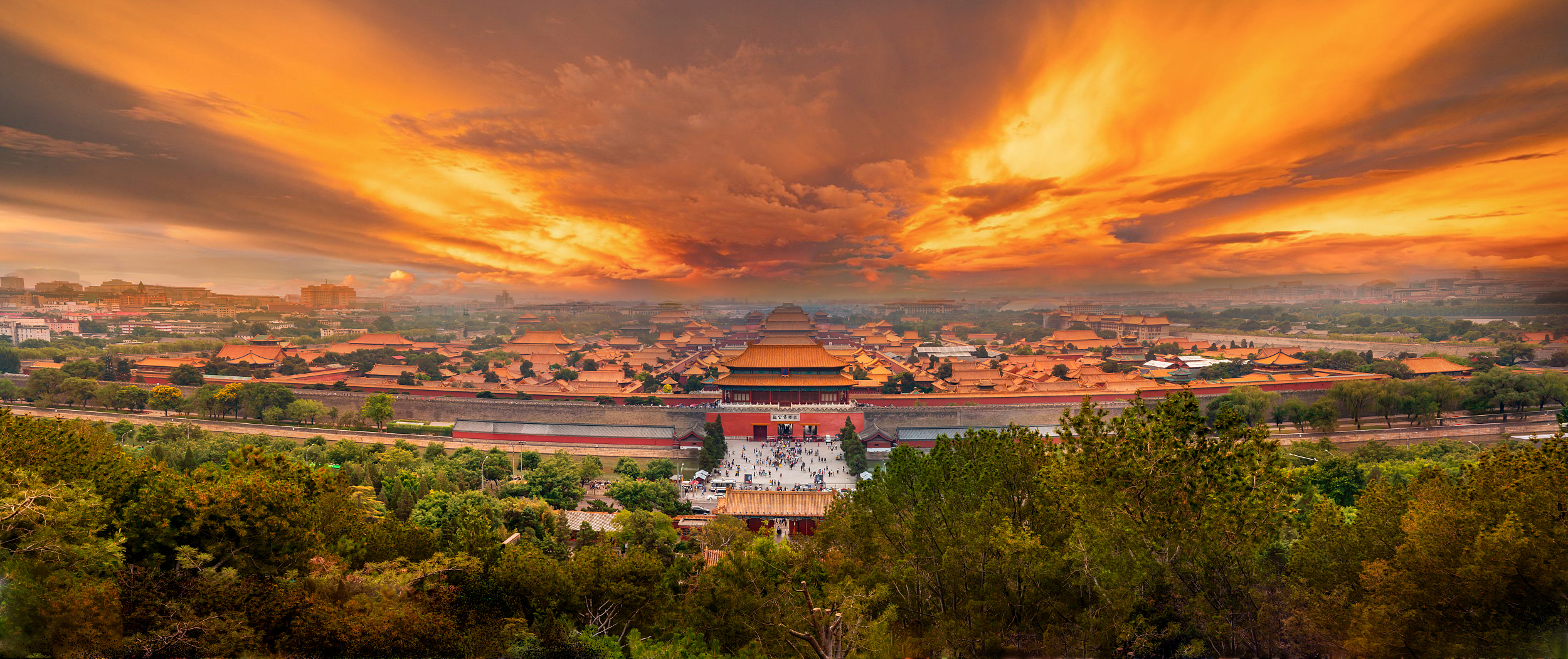
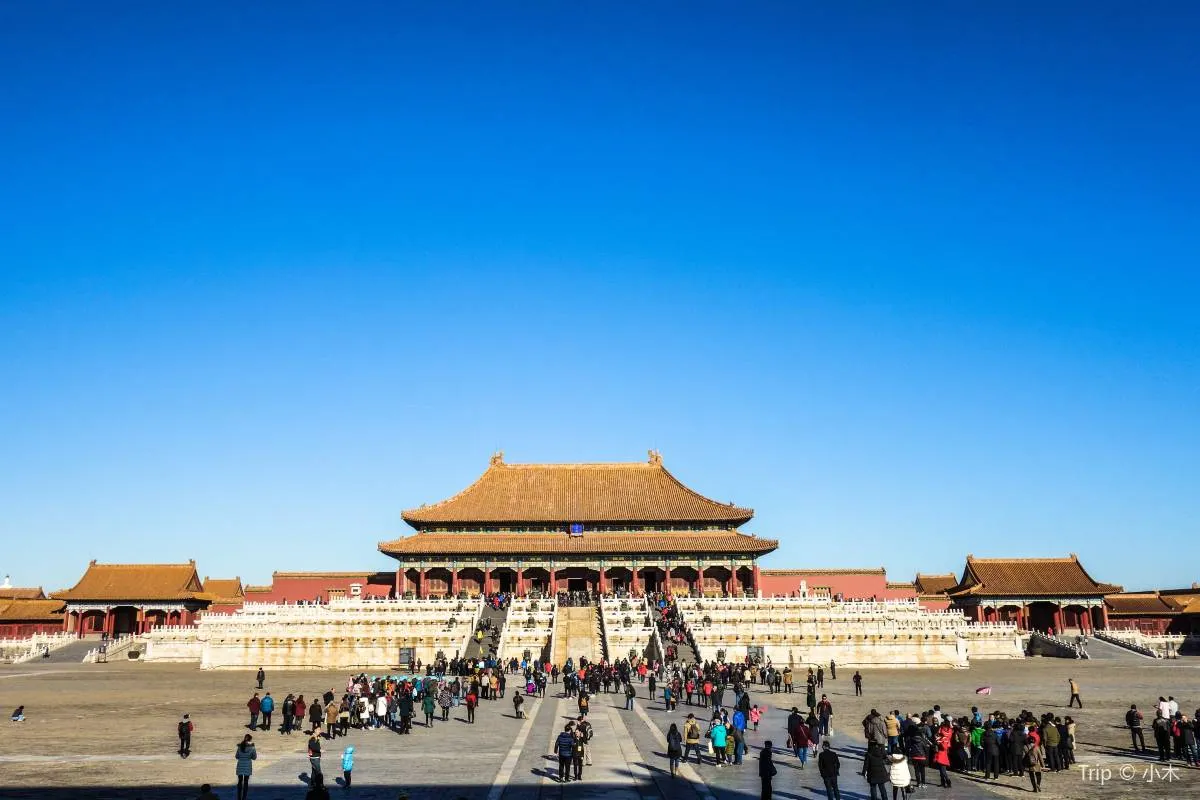
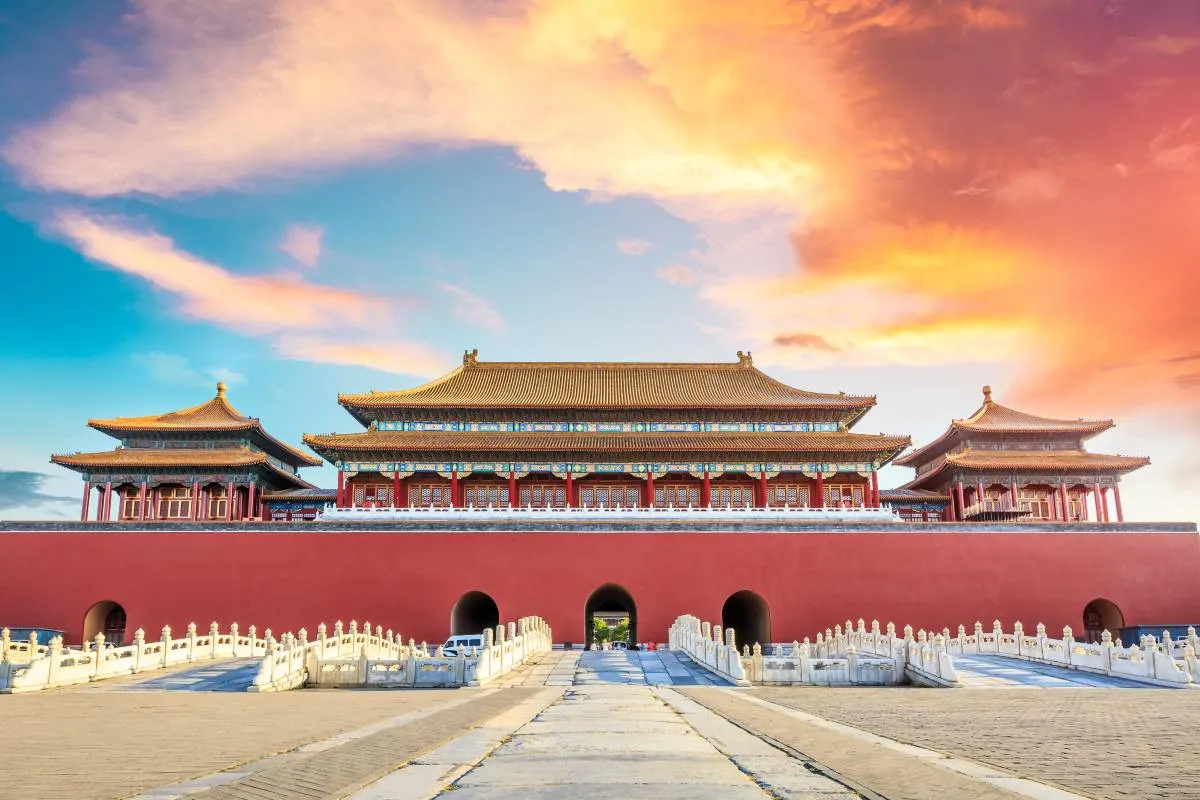
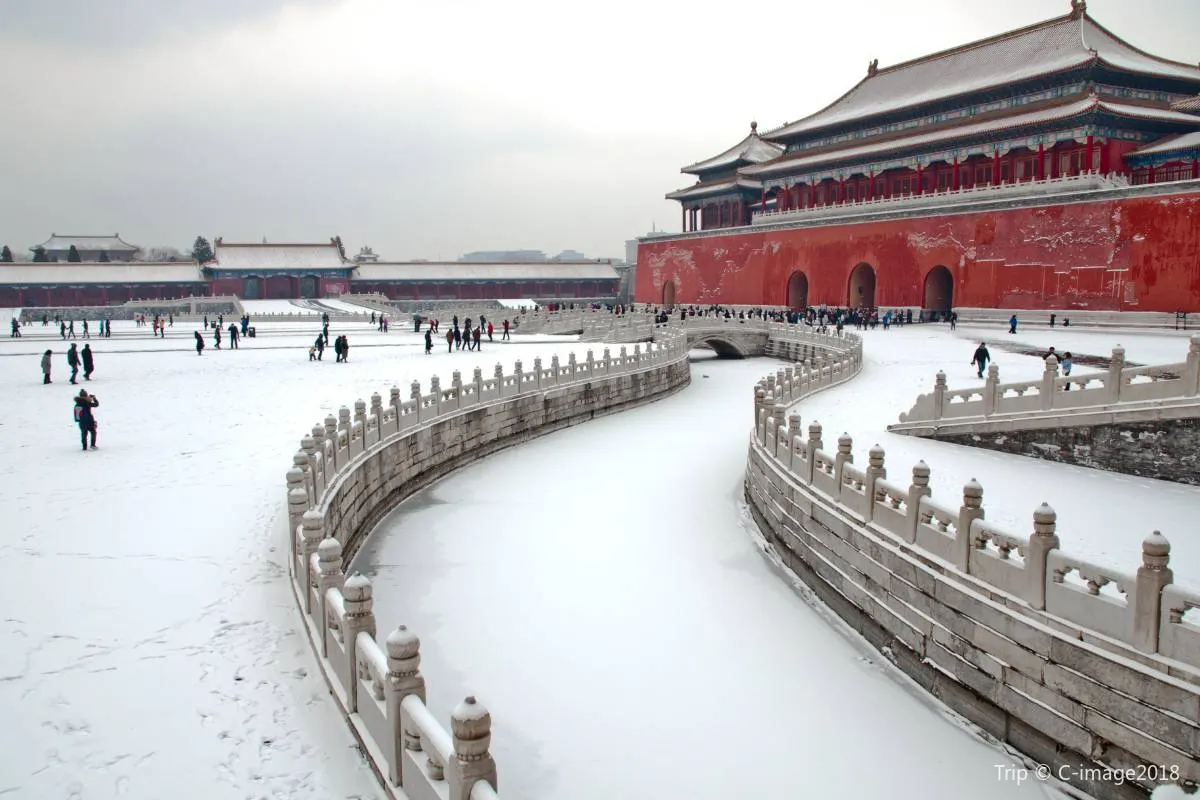
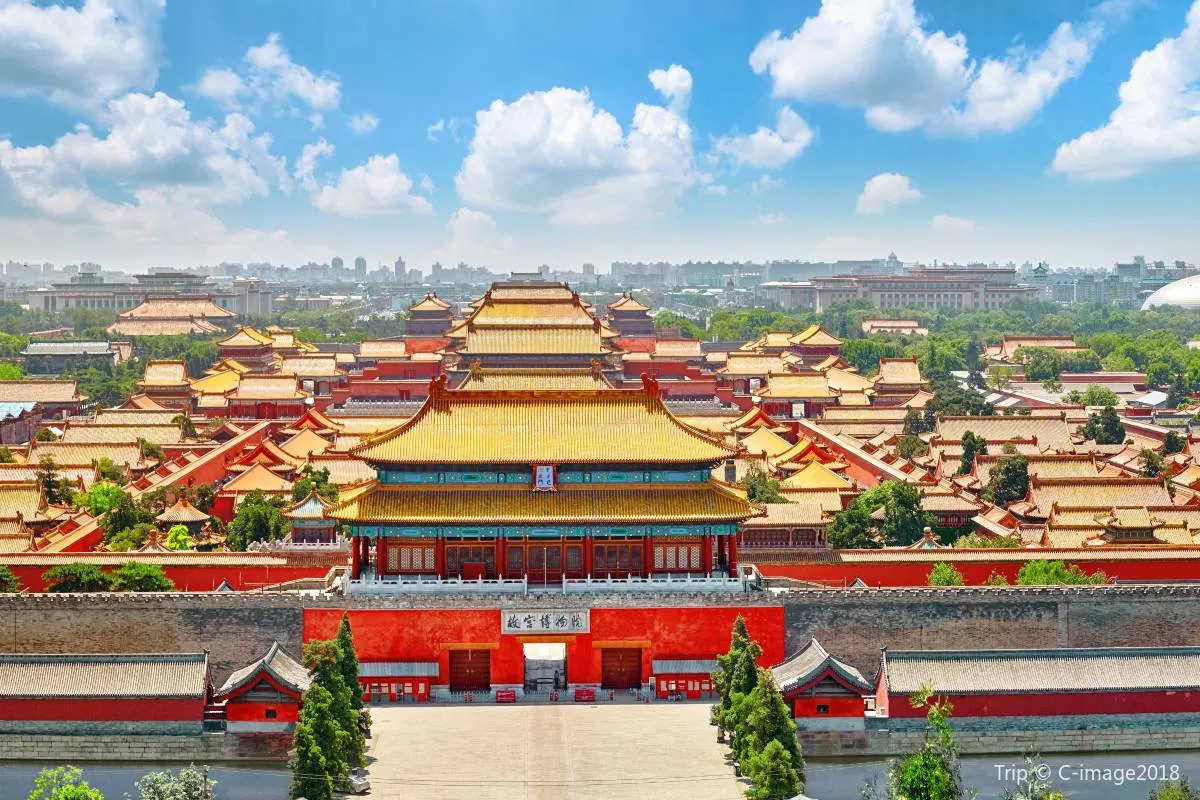
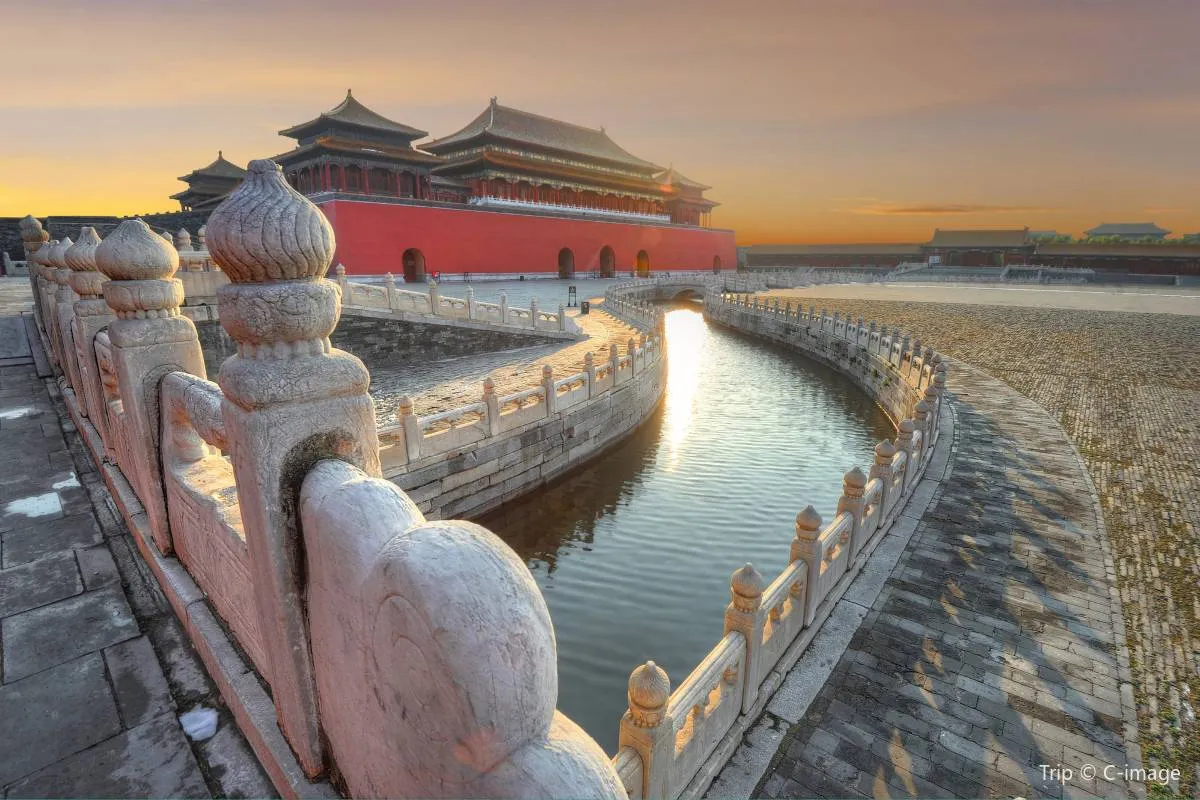
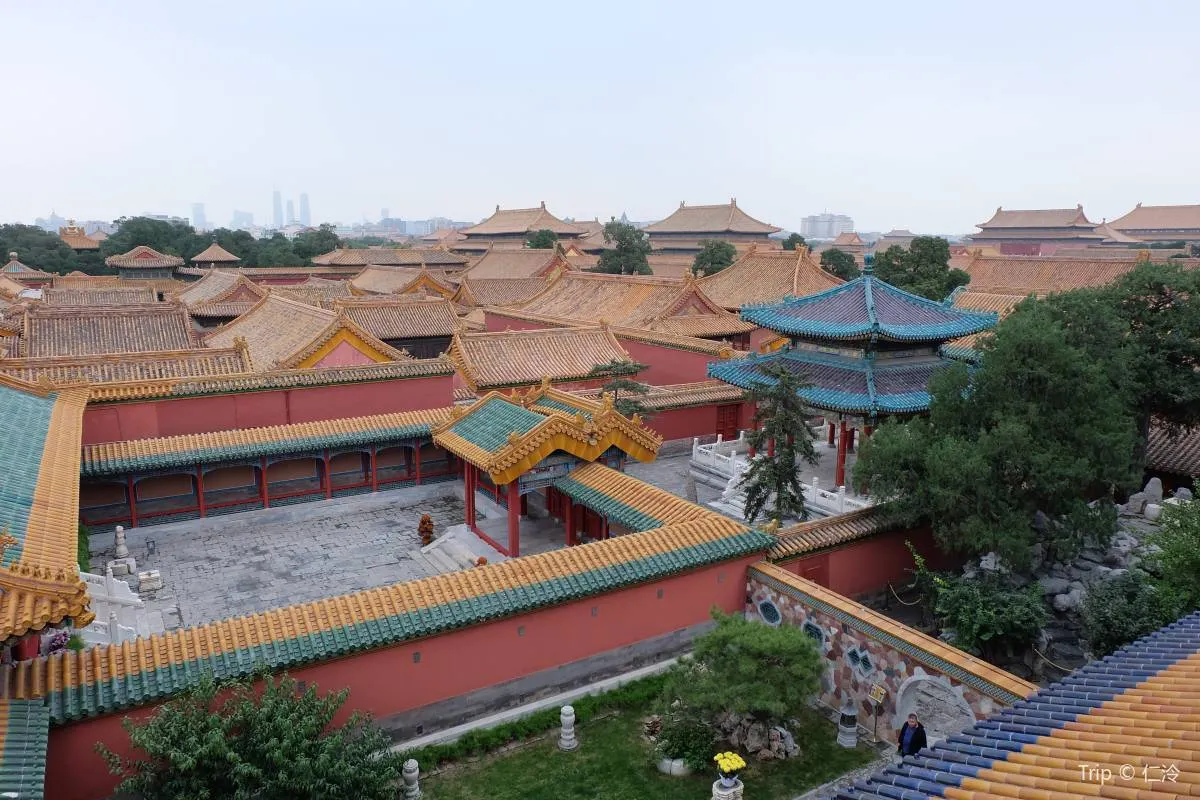
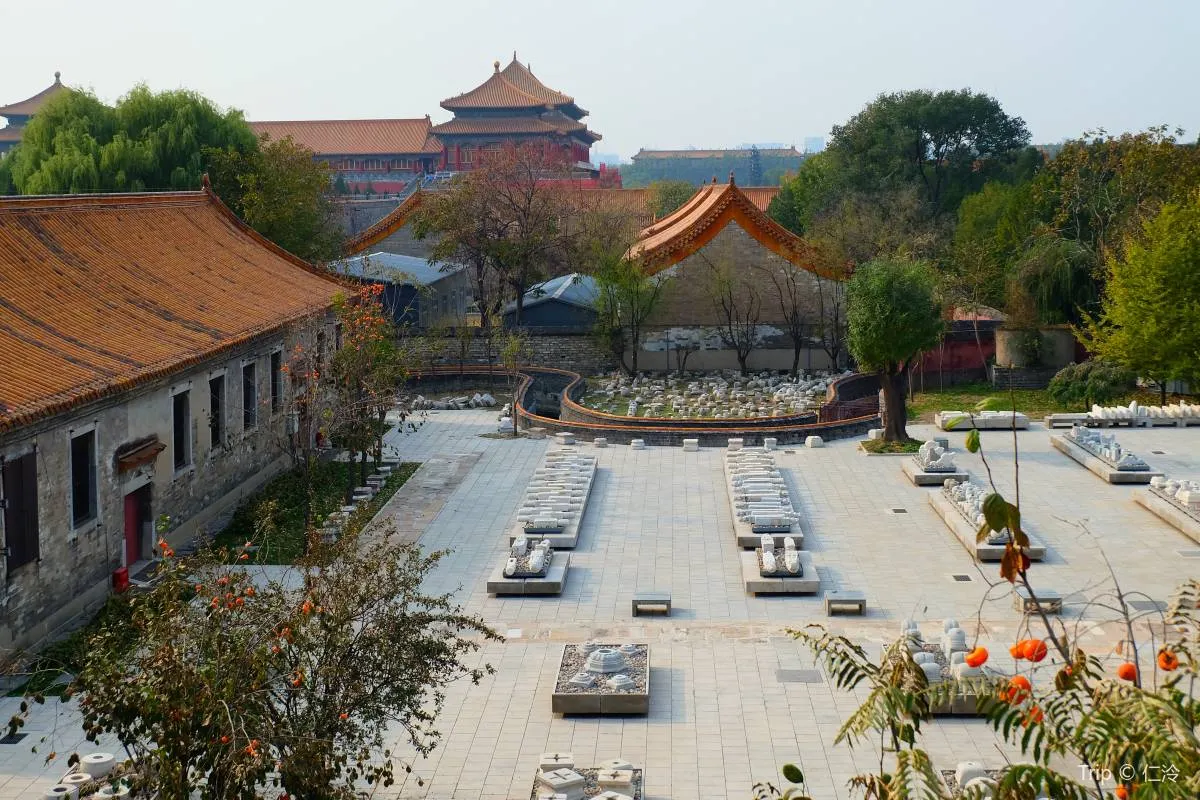
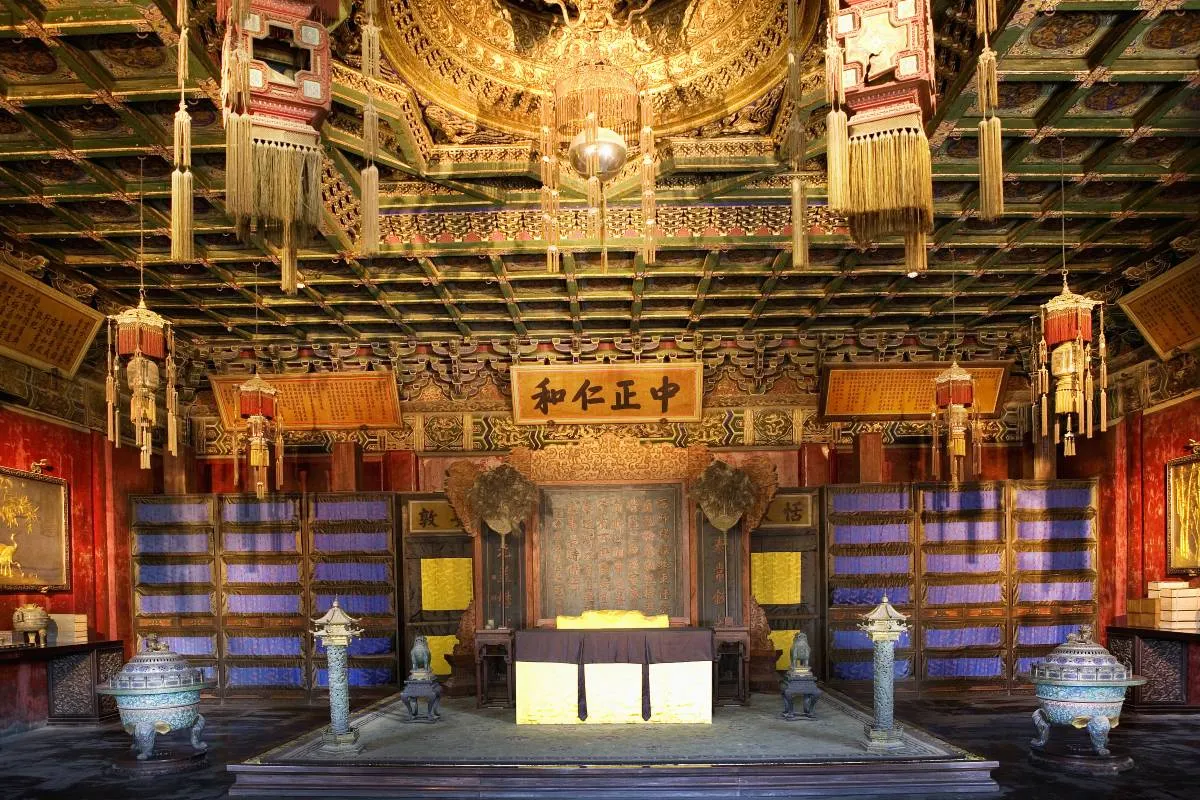
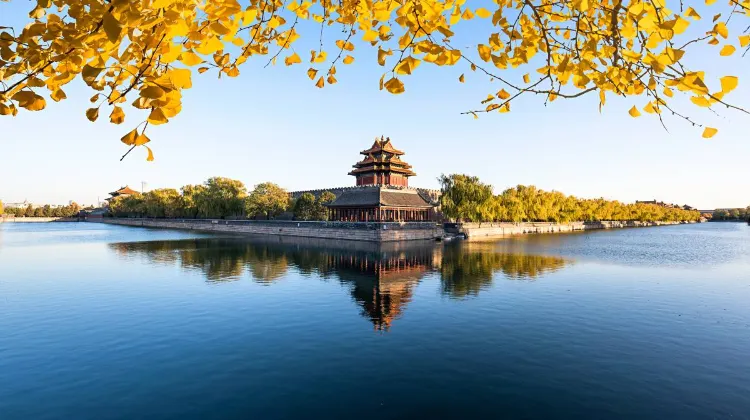
Imagine a palace so magnificent that ordinary folks risked death just for peeking inside! Welcome to Beijing's Forbidden City (故宫, also called the Palace Museum), where 24 Chinese emperors ruled for 500 years. With almost 10,000 rooms, the grand palace museum is full of amazing treasures. What was once the world's most exclusive palace is now yours to explore!
Recommended sightseeing time: 0.5-1 day
Address: No. 4, Jingshanqian Street, Dongcheng District, Beijing
Forbidden City Ticket Prices & Promotions
-
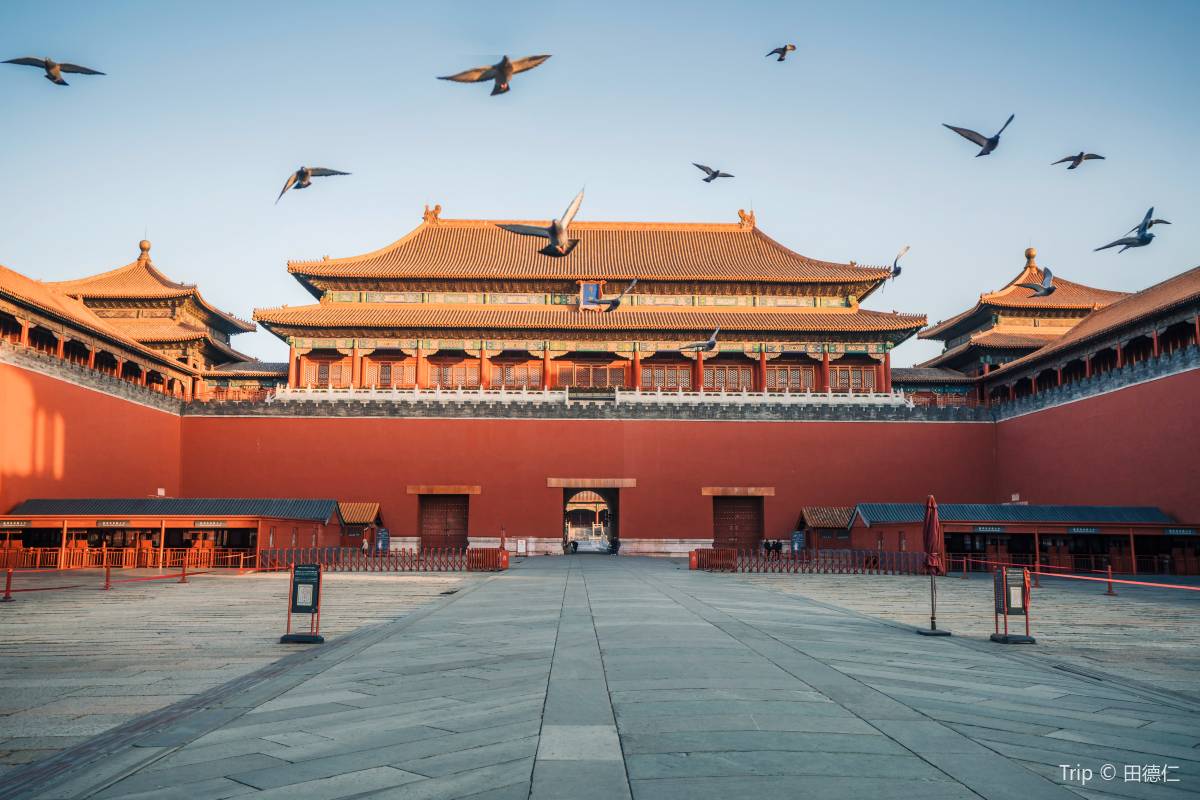
Forbidden City Ticket (Adult)
Forbidden City Admission Ticket for 1 adult, Age 18–59.
-
Forbidden City Ticket (Senior)
Senior Age 60–99 years old
-
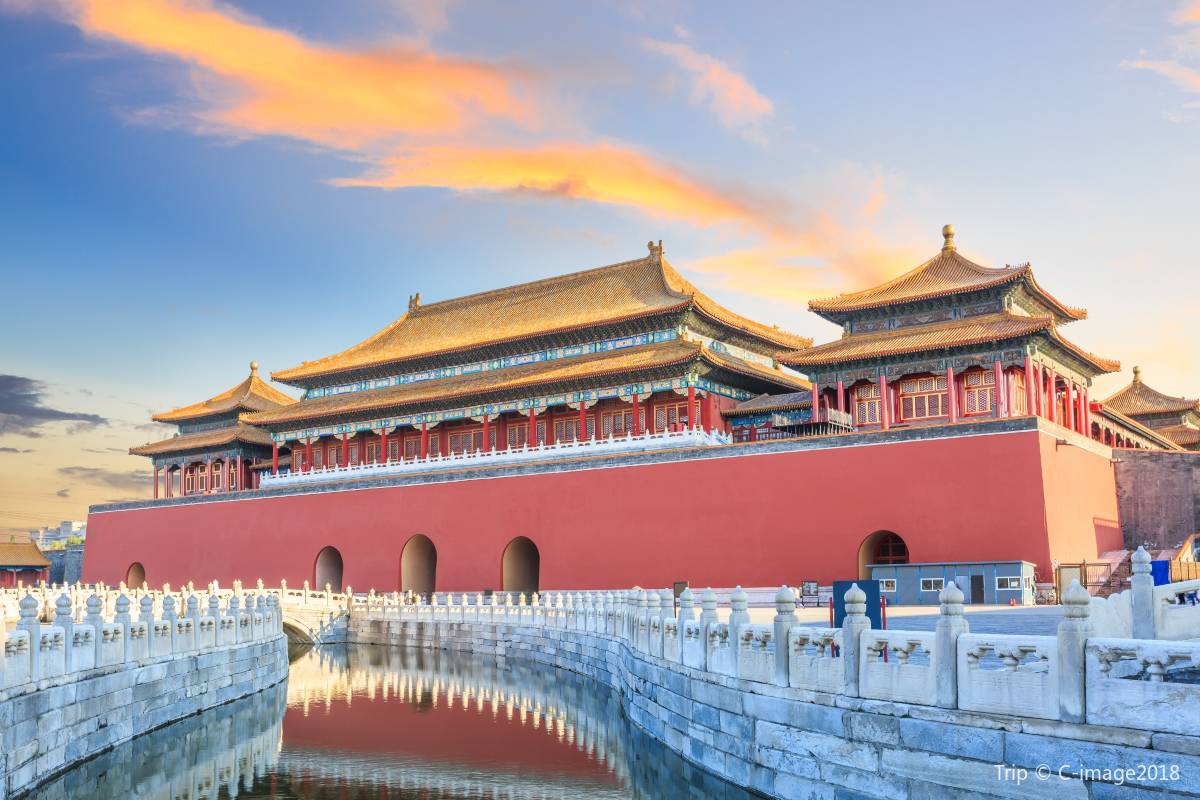
Forbidden City Ticket (Student)
Youth Age: 4–17. Baby Age 1–3 for free
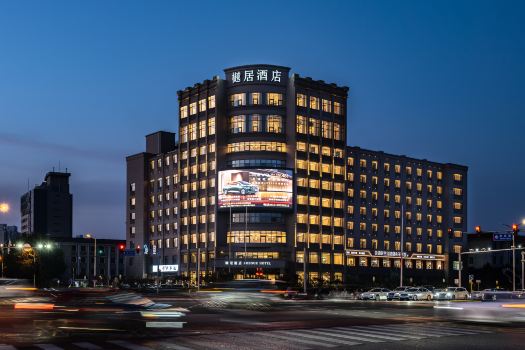
Best Hotels near Forbidden City, Beijing
-
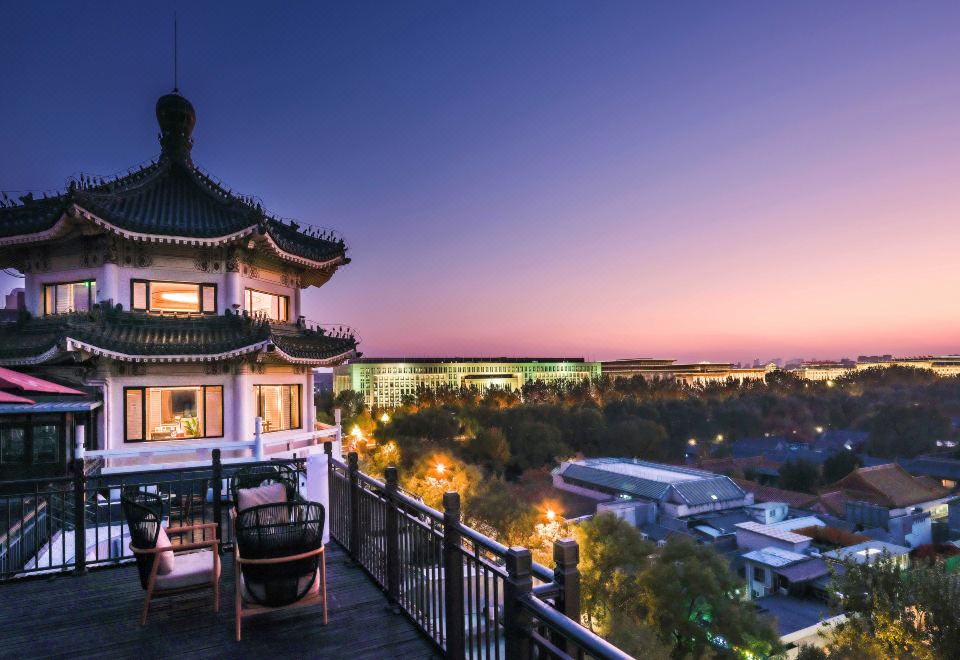
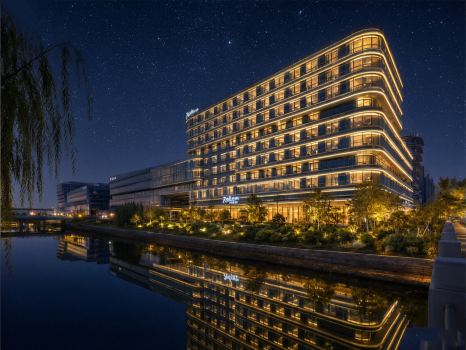
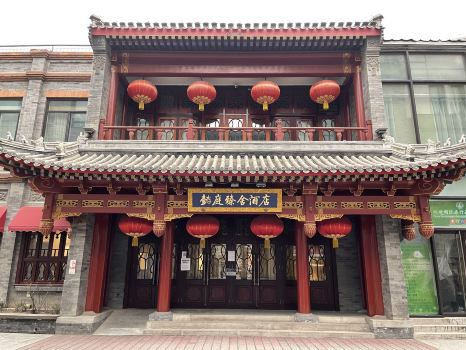
UrCove by HYATT Beijing Forbidden City
1.23km from Forbidden City
-
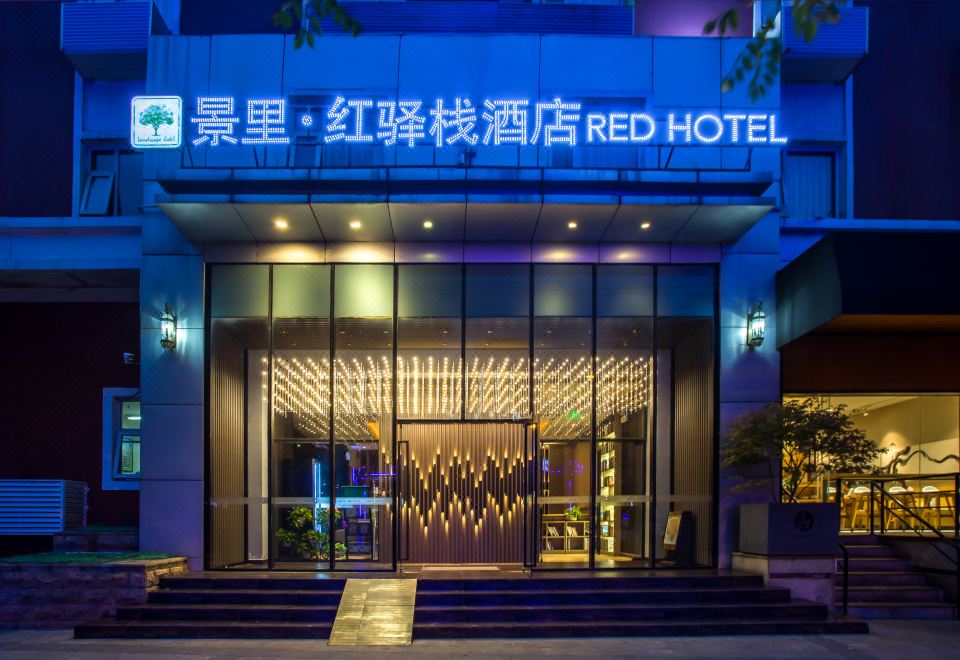
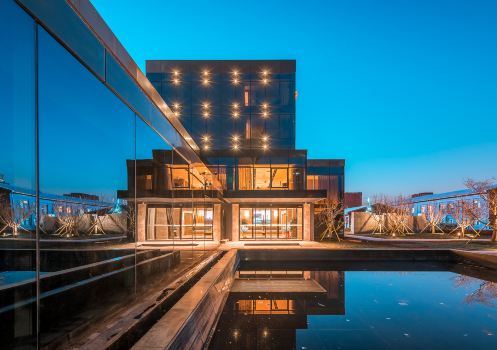
Jingli Hongyizhan Hotel
4.71km from Forbidden City
-
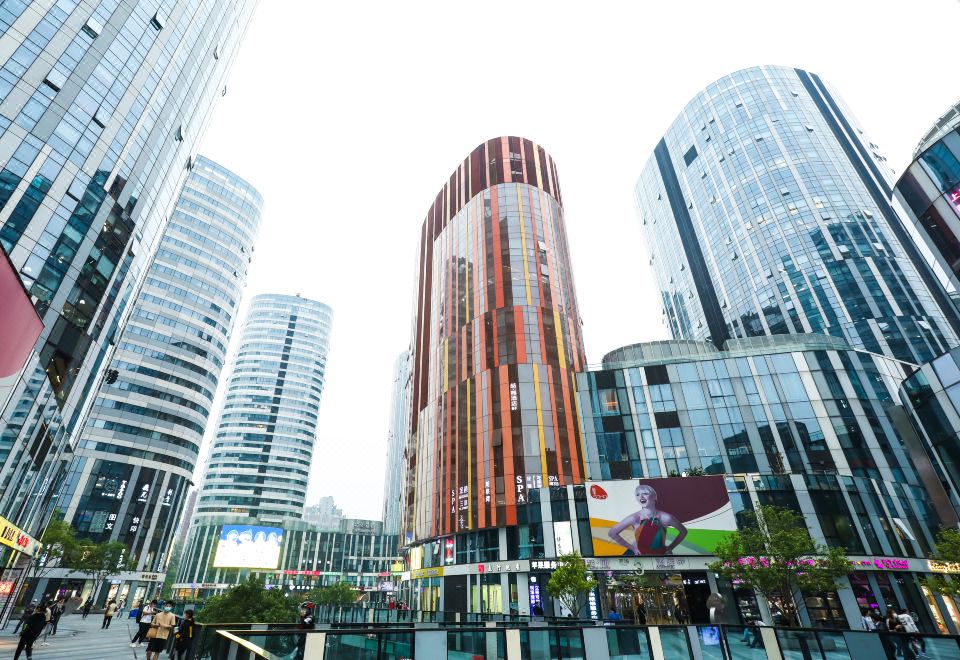
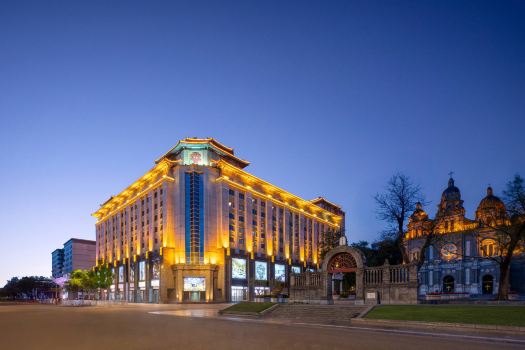
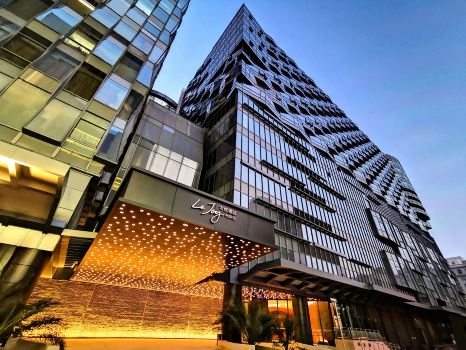
James Joyce Coffetel (Beijing Gongti Sanlitun)
5km from Forbidden City
Forbidden City Reviews
4.9/5
47449 reviews
5/5
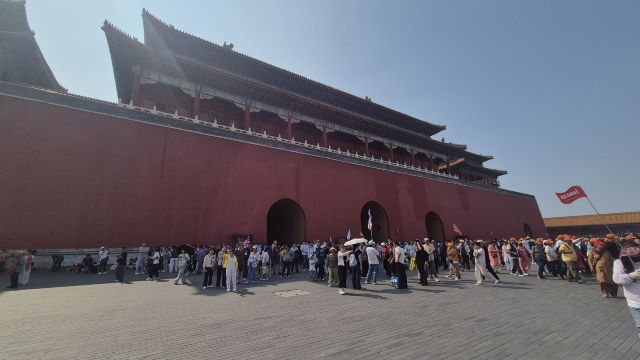
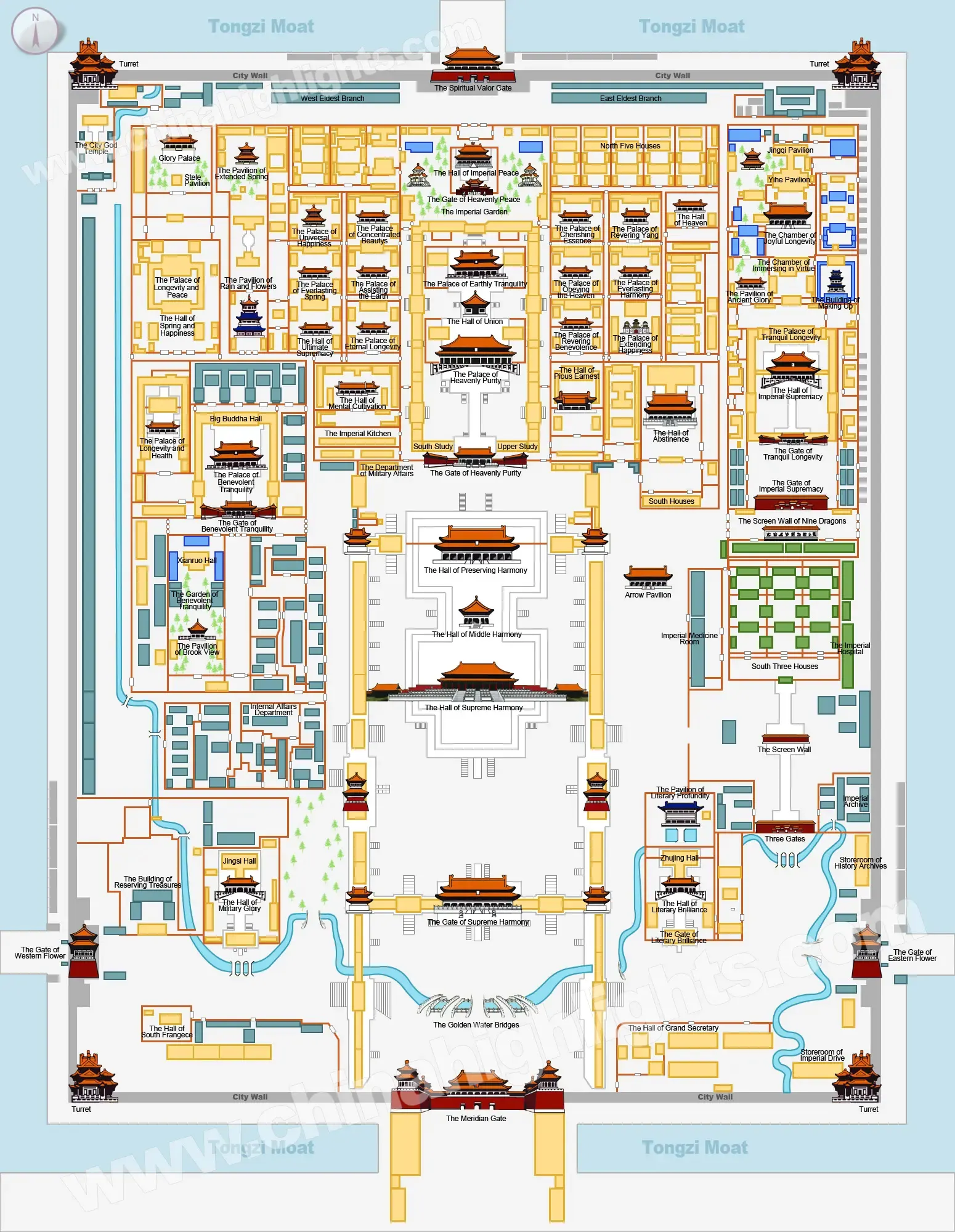
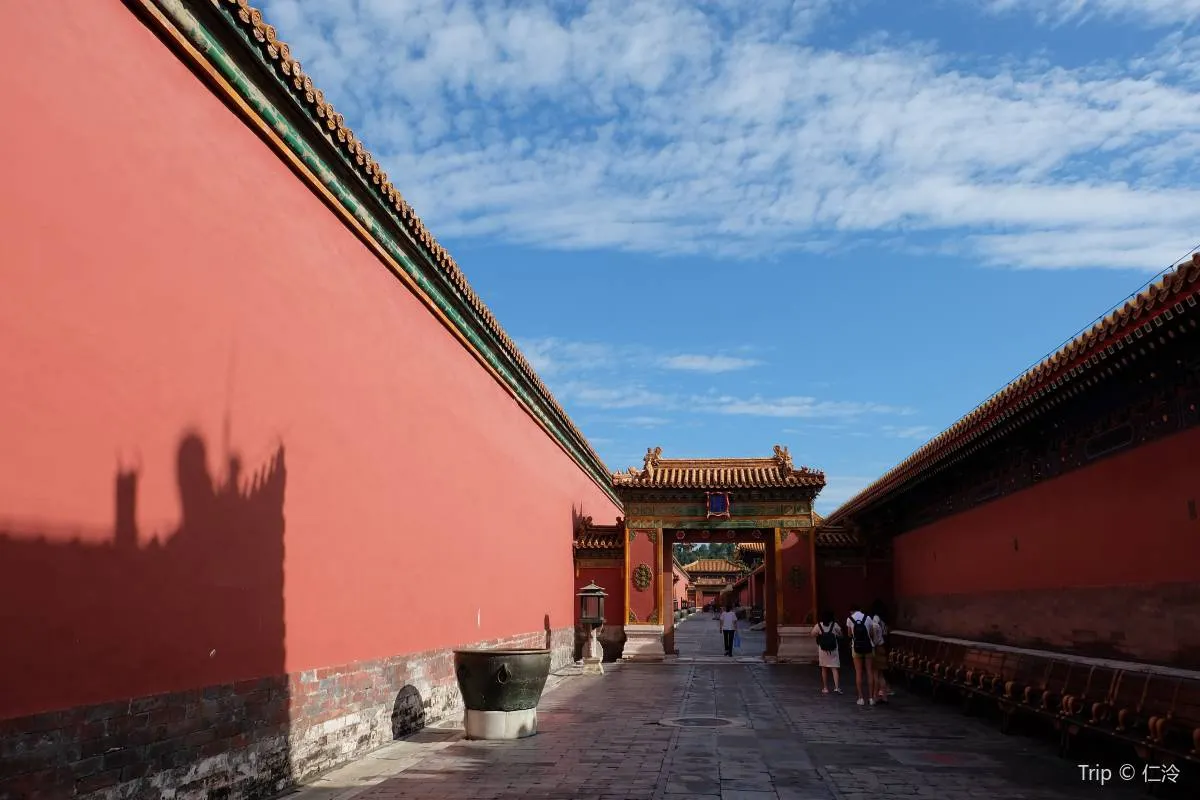
The Palace Museum in Beijing is a breathtaking, sprawling imperial complex that demands precisely one full day to explore thoroughly. Spanning over seventy-two hectares, its sheer scale is an overwhelming physical reality that humbles every visitor.Because the historical site is so extraordinarily vast, it is incredibly easy to get lost within the complex. Once you step off the main central axis into the eastern or western wings, the architecture becomes a dizzying, highly repetitive labyrinth of towering red walls and identical wooden doorways. Without a reliable map, you can easily wander in circles for hours.Adding to this logistical challenge is the relentless reality of the crowds. The place remains absolutely packed with people even though it is a weekday, creating a vibrant yet undeniably chaotic atmosphere at primary tourist bottlenecks.Overall, it a great place to visit.

5/5
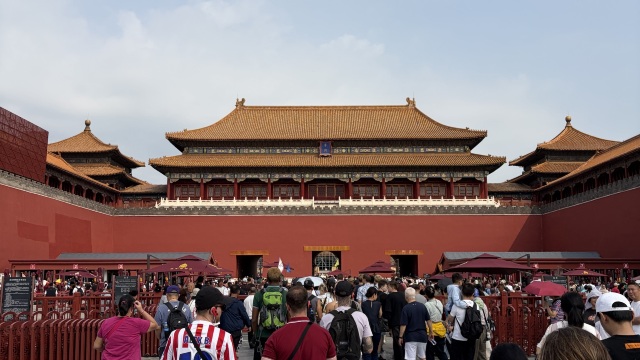
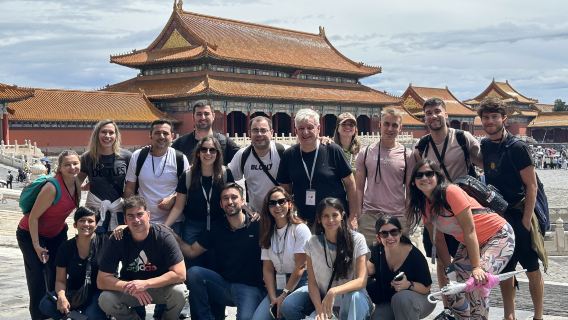
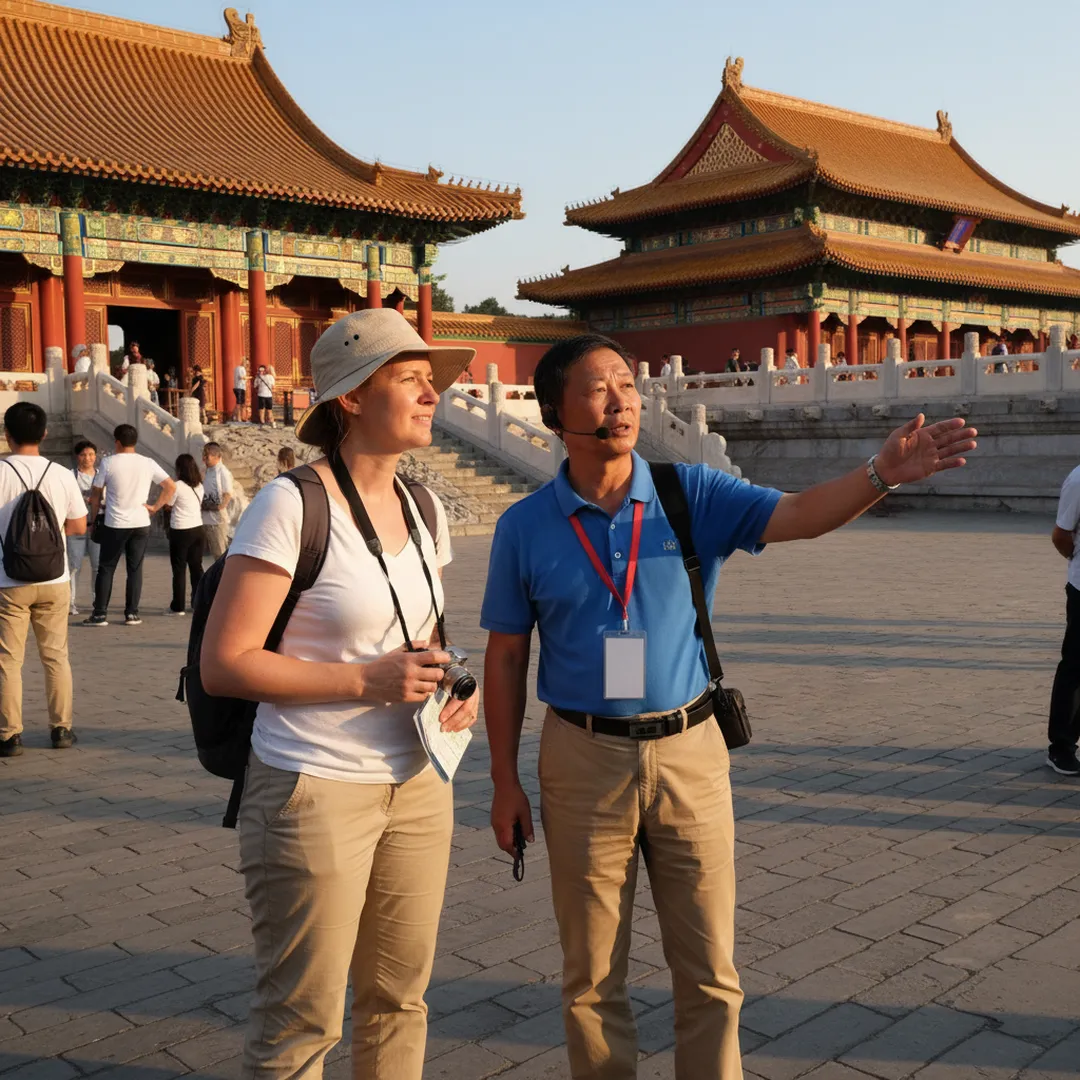
You can expect crowds even before visiting, but the Forbidden City is so massive and impressive that they don’t really get in the way of exploring the place. That said, I’d definitely recommend getting a guide if you don’t know much about its history beforehand.I originally had no plans to hire a guide, but I forgot to book my tickets through the museum’s official website (you have to keep in mind that there’s a daily visitor limit), so I ended up going for a ticket that included a small-group tour. Our guide was a lovely lady who clearly knew her stuff and was more than happy to answer any questions the group had.Sure, you could argue that the complex would be even more interesting if it had more everyday objects on display, but as someone who’s really into ancient historical sites, most of which are little more than piles of rubble, I was more than happy with what the Forbidden City had to offer.All in all, I’d say it’s an absolute must-see for anyone visiting Beijing!

4/5
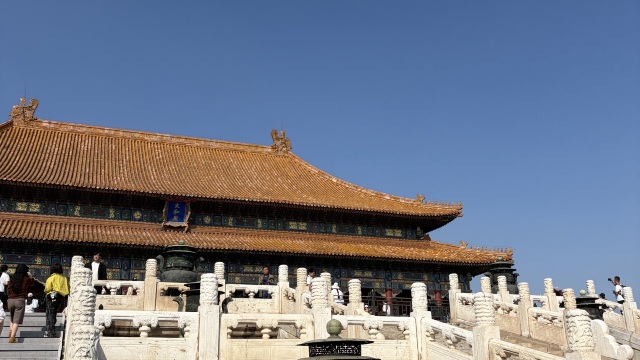
This is undoubtedly one of the must-visit places in Beijing, especially for anyone with an interest in Chinese history. It was an amazing experience to explore such a historically significant site and feel connected to the country’s rich past.However, I strongly recommend booking your tickets well in advance and, if possible, visiting on a weekday to avoid the large crowds and enjoy the experience more comfortably.

4/5
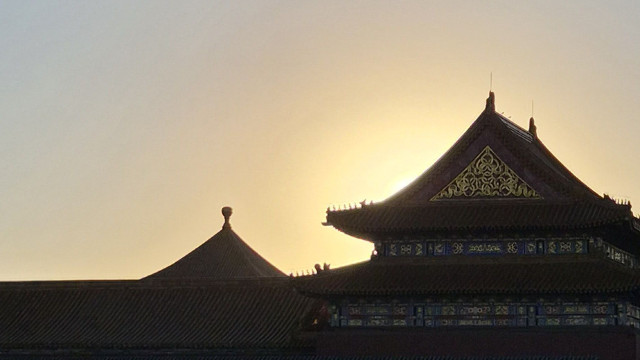
Beautiful place with an amazing history. Our guide Susie was very attentive and friendly, and gave us an excellent explanation.

5/5
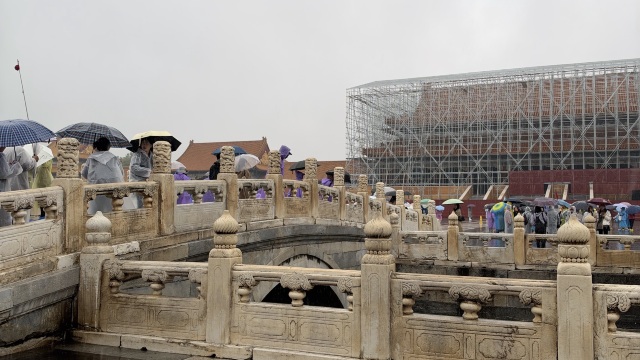
Our tour guide, Li Yan, explained things in a very interesting and easy-to-understand way. Although it rained all day, it didn't dampen our spirits. He carefully explained the route and constantly reminded everyone in the group to be careful. I would definitely recommend this activity to my friends.

 NO.1
NO.1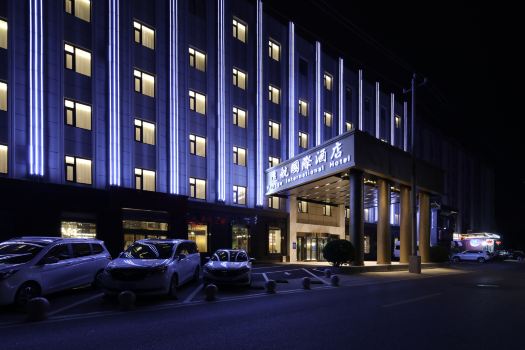








![[Small group] Universal Beijing Resort 1-day tour/butler service · professional guided quick play](https://ak-d.tripcdn.com/images/0350p12000ogbhnoqF6CE_C_750_480.jpg)

![Beijing The Palace Museum 1-day tour [including ticket | Treasure Gallery admission | 3-hr guided tour by popular guide team]](https://ak-d.tripcdn.com/images/0102h1200087d62rxDD6F_C_750_480.jpg)

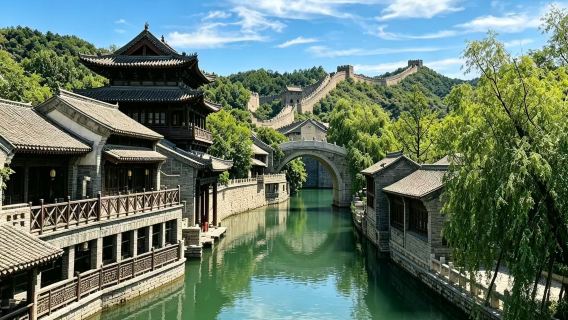
![Gubei Water Town Day Trip --- [Optional Day Tour / Night Tour of Simatai Great Wall & Lunch]](https://ak-d.tripcdn.com/images//0581112000nl4j7i8DD43_C_750_480.jpg)