【10% OFF】Bullet Train Korea: KTX Train Tips

Author's Profile Picture
Bullet Train Korea

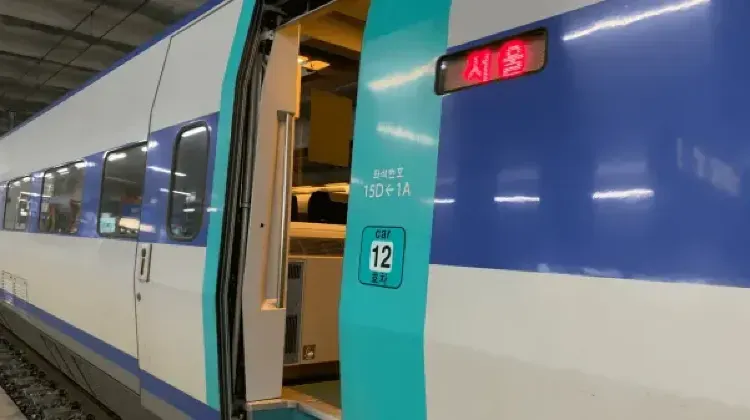
If you're traveling across South Korea, the KTX bullet train will be incredibly useful. In this guide, I’ll share tips and information from my own travels on how to use the KTX, where it goes, and what makes it different from regular trains. This advice will help you get around Korea more easily, making the most of South Korea’s high-speed rail service. 🚆

🔥Exclusive South Korea Train Coupon: Get 10% OFF Now!

Book KTX train tickets as a new user on Trip.com App and enjoy a special 10% Off 🎁! Use our exclusive coupon to save big on your first trip in South Korea!!!👀

✨ Trip.com is the only overseas provider for KTX✨

Easy to Travel with KTX Korea

Bullet train Korea

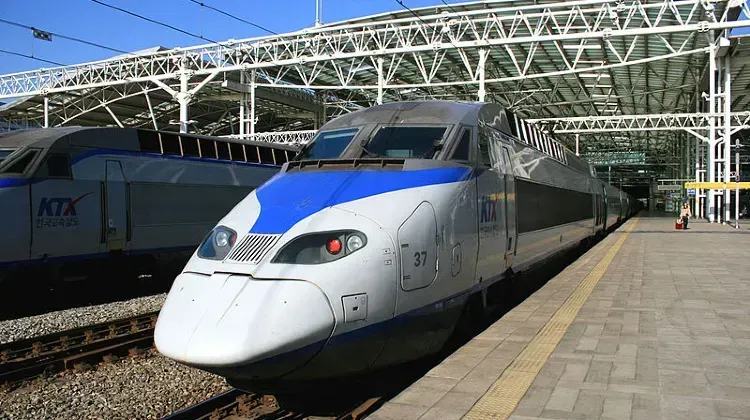
The Korea Train Express, commonly known as KTX, is South Korea's high-speed rail service that connects major cities across South Korea. Launched in 2004, the KTX allows passengers to cover long distances in short times. For instance, traveling from Seoul to Busan, two of the country’s largest cities, only takes about 2.5 hours, a journey that is considerably faster than driving or taking a regular train.

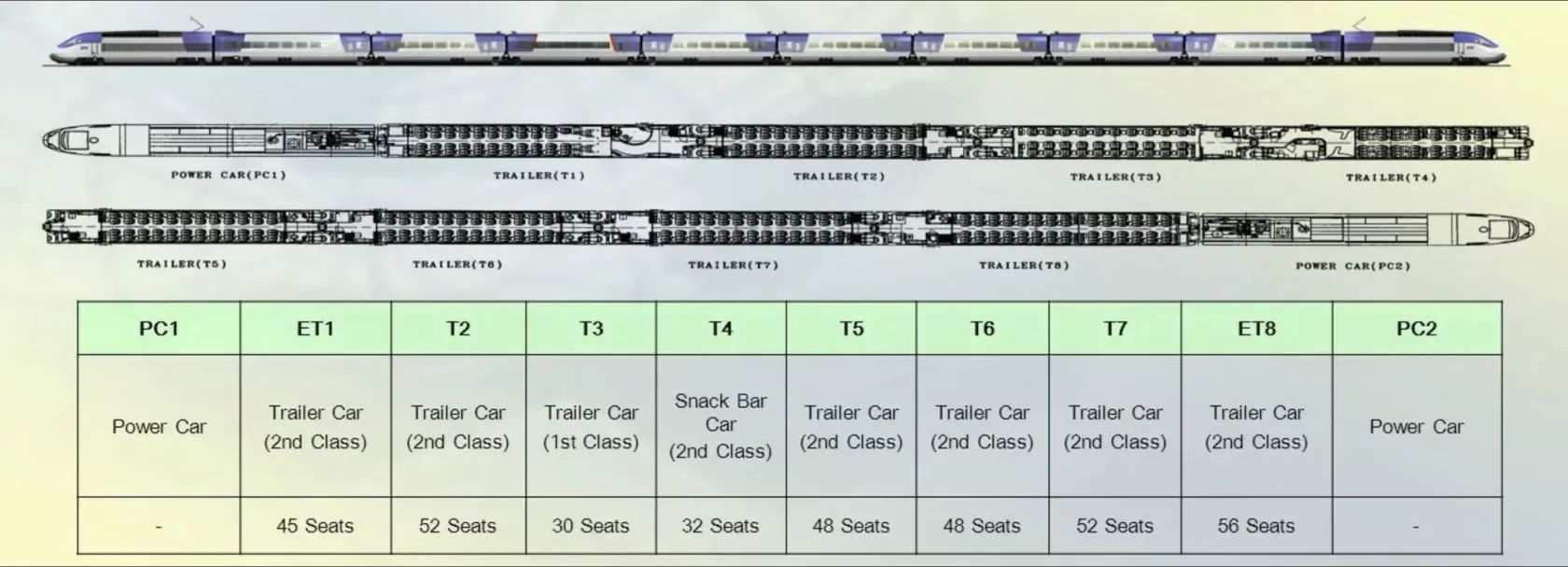
KTX trains are designed for speed and comfort, reaching velocities of up to 305 km/h (190 mph). This makes them some of the fastest trains available globally. The service primarily operates two types of trains: the original KTX-I and the more recent KTX-Sancheon, with the former able to seat around 935 passengers and the latter between 363 to 410 passengers.

Choosing to travel by KTX is highly recommended for anyone looking to explore South Korea 😆

👀 If you're curious about how to stay connected in South Korea, check our South Korea eSIM and SIM card!
See All Attractions
1766 booked
4.3/5130 reviews
South Korea eSIM | 1-30 days | Up to 60GB of data high-speed | on Best Telco Network
SIM card
19720 booked
4.6/51247 reviews
South Korea 5G eSIM | Daily package/Total package | 1-30 days | 24-hour billing | QR code
SIM card
JPY 20
148024 booked
4.6/55689 reviews
South Korea 5G eSIM | Day Pass/Total Data Package | 24-Hour Billing | 1-30 Days | QR Code
SIM card
JPY 41
90540 booked
4.7/54060 reviews
South Korea | 5G eSIM | Day Pass/Total Package | 24H Billing | 1-30 days | QR code
SIM card
JPY 41
3588 booked
4.2/589 reviews
[Korea WIFI] SKT 4G Unlimited Data Pocket WIFI + Power Bank(Free Rental) | Korea Airport / Seoul Pick Up
Wi-Fi
JPY 396
95290 booked
4.8/51012 reviews
[South Korea] LG U+ Combo Card | Unlimited Data 4G/5G SIM Card + Tmoney Transportation Card | 1–60 Days | Pick-up at Incheon, Gimpo, Gimhae Airports
SIM card
JPY 635

How to Ride Bullet Train in Korea

How to Book KTX Ticket Online

First, let's check how to book KTX bullet train tickets online:

1. Book KTX Bullet Train Tickets

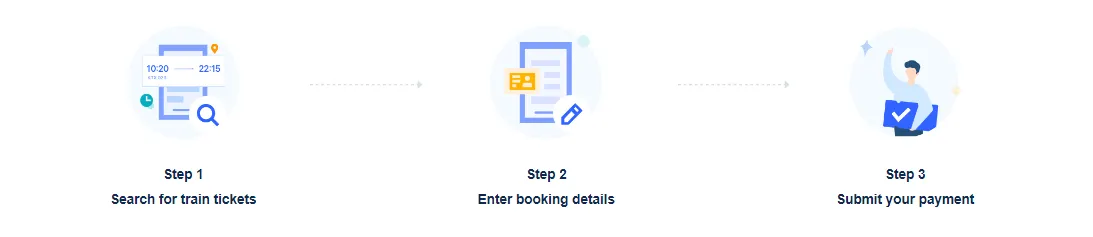
Trip.com is often the preferred option for booking KTX tickets because it typically offers 10% Off Coupon, making it more cost-effective than booking directly through Korail. The website is user-friendly, providing a seamless booking process from start to finish. Here’s how to book your ticket on Trip.com:
  1. Access Trip.com: Open the Trip.com app or website, navigate to "Trains," then select "South Korea" to reach the KTX search page.
  2. Enter Travel Details: Fill in your departure city, destination, travel time, and passenger type. Select your preferred seat class.
  3. Complete Your Booking: Enter your personal information, apply any available promo codes for discounts, choose a payment method, and provide payment details to finalize the booking.
  4. Receive Your E-ticket: Once your booking is confirmed, you’ll receive an e-ticket with a QR code on the Trip.com app. Remember to bring a valid ID to the station for check-in.
How to Ride Bullet Train in Korea

【Booking KTX Tickets on Korail Official Site】

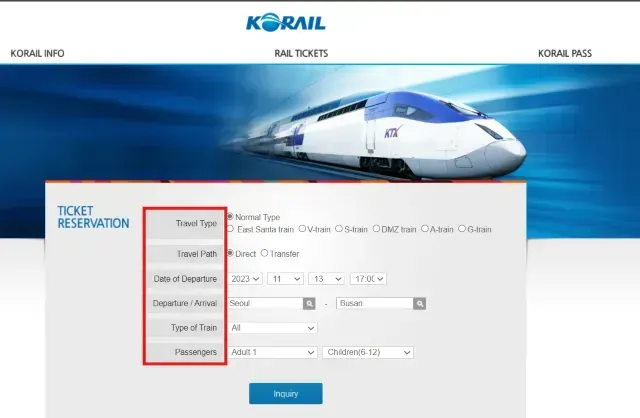
If Trip.com does not have tickets for your desired destination, you can book directly through Korail’s official website. Here are the steps for booking on Korail:

  1. Visit Korail Website: Go to the official Korail website and select your preferred language (English, Japanese, Chinese) from the top right menu.
  2. Search for Trains: Input your trip details and click 'Inquiry' to find available trains and their schedules.
  3. Choose Your Ticket: Select the ticket type you prefer, with options including First Class and Economy Class. First Class is recommended for extra comfort, especially on longer trips.
  4. Enter Personal Details: After selecting your ticket, fill in all necessary personal information and agree to the terms and conditions.
  5. Payment and Confirmation: Verify all details, enter your payment information, and complete your booking.
  6. Get Your Ticket: You can print your ticket immediately after payment or pick it up at the station if you cannot print it at home.
How to Ride Bullet Train in Korea

Source from Creatrip

2. Arrive at the Station Early

To avoid any rush, I recommend getting to the station at least 20-30 minutes before your train departs. This extra time is crucial not just for picking up any last-minute snacks but also for making your way comfortably to your platform.

How to Ride Bullet Train in Korea

KTX Bullet Train e-Ticket

3. Check Your Train Ticket

Once at the station, check your ticket for the train number, departure time, and platform. Seoul Station, with its 15 tracks, is well-signed, making it easy to find your way.

Here is how to read a KTX e-Ticket:

Ticket FeatureLocationDetails
Ticket Number & QR CodeBottom right cornerTicket number in black; QR code above for gate scanning.
NameBottom left cornerInitials of the first name displayed.
Boarding DateFirst columnDate of departure shown.
Route & TimeSecond columnDetails departure and arrival times in 24-hour format.
Train Number, Car & SeatThird columnLists train number, car, seat, and class of service.

4. Boarding Your Train

After you’ve located your platform, head down to the track—a practice that's especially straightforward in Korea compared to other countries. Remember, KTX trains are known for their punctuality, arriving and departing within a five-minute window, so they won’t wait for stragglers.
How to Ride Bullet Train in Korea

5. Finding Your Seat

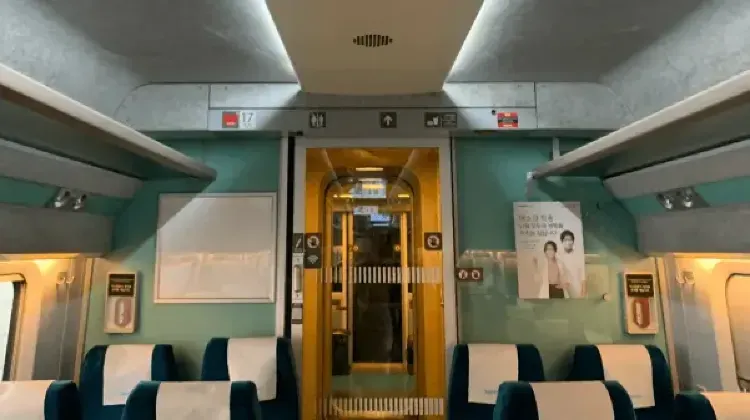
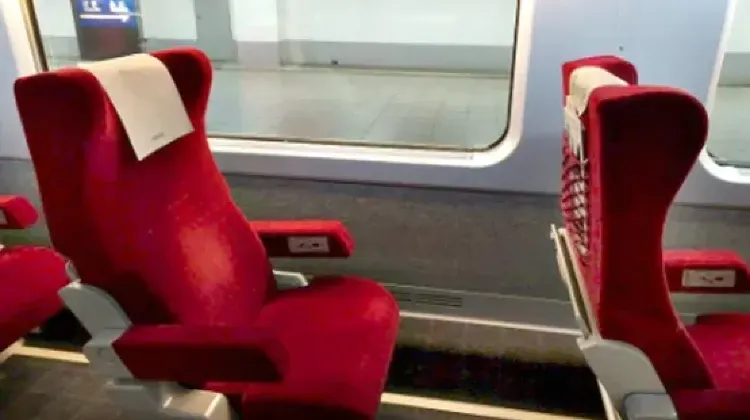
Once on board, find your assigned seat, which is clearly indicated on your ticket. The seating arrangements, especially in First Class, are spacious and comfortable, laid out in a 2-1 configuration. Both classes provide ample legroom and facilities like free WiFi and charging stations.

Then, store your luggage in the designated overhead compartments or under the seats. The trains, including Economy class, offer enough space to ensure a comfortable ride, even if you're taller like me.
How to Ride Bullet Train in Korea

6. Enjoy Your Train Journey

As the train whisks you through the beautiful Korean countryside, filled with tunnels, rice fields, and hills, take the opportunity to relax. The ride is quiet and smooth, allowing you to take in the scenery, catch up on work, or simply enjoy a peaceful nap.

During my travels, I relished the convenience and comfort of KTX. From the swift 50-minute ride between Busan and Daegu to the scenic 2.5-hour journey from Seoul to Busan, every trip was a pleasure.

Economy class is not only budget-friendly but also offers all the amenities needed for a pleasant journey, while First Class provides additional luxuries like a welcome kit with snacks and hand wipes.

South Korea Transport Cards

Some useful Korea transport cards/tickets You might need in South Korea😆
See All Attractions
64594 booked
4.8/52750 reviews
AREX Airport Express
City pass
JPY 1,208
6841 booked
4.7/5372 reviews
WOWPASS Card
City pass
JPY 526
1304 booked
4.2/529 reviews
Incheon Airport-Seoul City K-Limousine Airport Bus Ticket
Shuttle bus
318 booked
4.8/512 reviews
Attraction Transfer: Round-trip Shuttle Bus from Seoul to Everland (Multiple Stops: Hongik University/Sinchon Station/Seoul Station/Jongno/Myeongdong/Dongdaemun)
Shuttle bus
284 booked
4.4/511 reviews
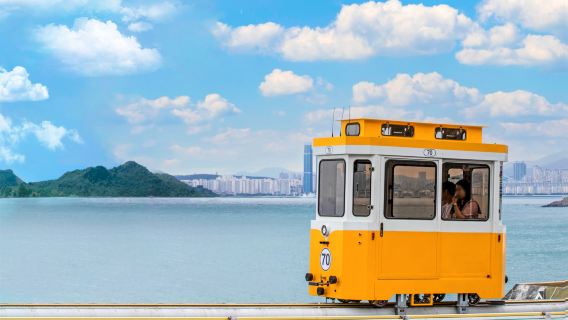
Busan Haeundae Blueline Park Sky Capsule Coastal Train
Shuttle bus

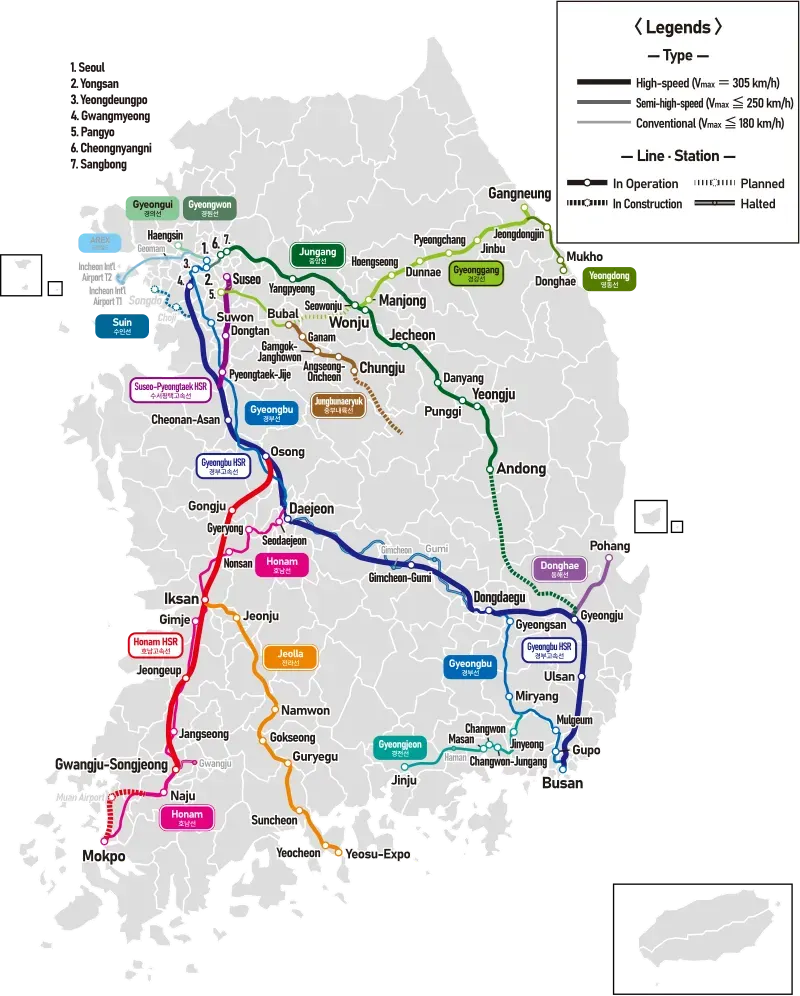
Korea Bullet Train Map & Popular Routes

Korea Bullet Train Map & Popular Routes

Source: Wikipedia

Here are several popular bullet train routes in South Korea👇👇👇 Let's check the KTX ticket booking prices:

Travel Route Distance Frequency Travel Time Ticket Price (KTX)
Seoul to Busan Approx. 520 km Over 60 trains ~2h 30m
Seoul to Daejeon Approx. 140 km Over 40 trains ~1h
Seoul to Gangneung Approx. 240 km Over 10 trains ~2h
Seoul to Dongdaegu Approx. 260 km Over 90 trains ~1h 50m

Best Hotels near Seoul Station

If you arrive in Seoul very early/late, you can consider staying in these top hotels near Seoul Station👇👇
See All Hotels
NO.1
8.8/10609 reviews
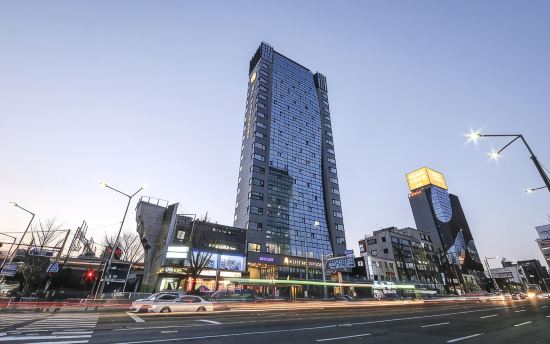
Hotel the Designers Seoul Station
Hotel in Seoul
Sauna
Restaurant
NO.2
8.9/10725 reviews
Four Points by Sheraton Josun, Seoul Station
Hotel in Seoul
24-hour front desk
Currency exchange
NO.3
8.7/104 reviews
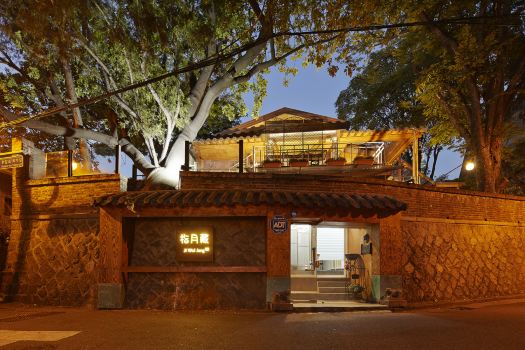
Jiwoljang Guesthouse
Hotel in Seoul
Luggage storage
Wi-Fi
NO.4
8.9/1089 reviews
UH Suite The Seoul
Hotel in Seoul
Luggage storage
Wi-Fi
NO.5
8.6/10737 reviews
New Seoul Hotel Myeongdong
Hotel in Seoul
Restaurant
24-hour front desk
NO.6
8.1/10330 reviews
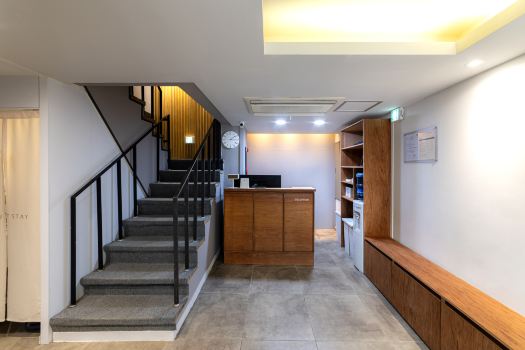
About Stay Seoul
Hotel in Seoul
Luggage storage
Wi-Fi

5 Types of Korea Bullet Train

5 Types of Korea Bullet Train

South Korea has a robust and diverse Bullet Train network. Let's learn the various bullet train types in Korea.

1. KTX (Korea Train Express)

The flagship of South Korea's rail system, the KTX is the fastest and most popular option for long-distance travel. Notable for its high-speed service:

  • KTX-I: Reaches speeds up to 305 km/h. It provides comfortable seating, power outlets, restrooms, and vending machines.
  • KTX-Sancheon: Also speeds up to 305 km/h. This train offers adjustable seats, power outlets, restrooms, a snack bar, and accommodations for disabled passengers.
  • KTX-Eum: A newer addition, traveling up to 260 km/h, featuring a modern interior with high-quality seating, power outlets, and Wi-Fi.

2. ITX (Intercity Train Express)

Designed for slightly slower intercity travel compared to the KTX, the ITX still offers efficient service:

  • ITX-Saemaeul: Travels up to 150 km/h, equipped with air-conditioning, restrooms, and vending machines.
  • ITX-Cheongchun: Also reaches speeds of 150 km/h, operating primarily between Yongsan in Seoul and Chuncheon. Similar amenities as the Saemaeul.

3. Mugunghwa-ho

The Mugunghwa-ho is an economical option, ideal for budget-conscious travelers or those who prefer a more relaxed pace:

  • Speed: Travels up to 100-120 km/h, making it slower but still efficient for covering various routes across the country.

4. Nooriro

Focused on short-distance travel, the Nooriro is a practical choice for quick trips:

  • Speed: Capable of reaching up to 150 km/h, designed to serve regional routes efficiently.

5. SRT (Super Rapid Train)

A newer competitor to the KTX, offering similar high-speed travel:

  • Speed: Approaches 300 km/h, with comfortable seating, restrooms, and snack bars available.

Do and Don'ts in Korea Bullet Train

Do and Don'ts in Korea Bullet Train

Source from koreantrain

Here are some practical do's and don'ts for traveling on Korea bullet train, to make your trip more pleasant:
Do's

  • Keep Your Voice Down: Always speak in a low voice, as loud conversations can disturb other passengers.
  • Queue Respectfully: When boarding or alighting, always line up and follow the designated markings at the station.
  • Use Hand Wipes: Take advantage of the complimentary hand wipes provided in First Class, as they are handy for maintaining hygiene during your trip.
  • Store Luggage Properly: Use the designated overhead compartments or under-seat spaces for your luggage to keep the aisles clear.

Don'ts

  • Don’t Be Late: KTX trains are known for their punctuality. They will leave precisely on time and won't wait for late passengers.
  • No Smoking: Smoking is strictly prohibited inside the trains and within all station areas.
  • Limit Phone Calls: Keep phone calls short and speak quietly to avoid disturbing others.
  • Don’t Block Seats or Aisles with Luggage: Ensure that your belongings are stored properly and not hindering other passengers.
  • Don’t Eat on the Train: While KTX trains don’t have restaurant services on board, they have vending machines at stations. It’s best to eat before you board or bring your own snacks.
  • Don’t Ignore Seat Assignments: Your ticket specifies your seat assignment. Stick to it to avoid any disruptions.

Finding Onboard Services on KTX Train Map

Tips for Onboard Services on KTX Trains

Source from koreantrain

From my experience, I'd love to share some tips to help you choose the right car based on your needs:

  • Restroom Locations: For convenience, restrooms are available in multiple cars—1, 2, 4, 6, 8, 11, 13, 15, 17, and 18. They are maintained well, providing hygiene comparable to airplane restrooms.
  • Charging Your Devices: If you need to charge your mobile device, charging facilities are available but for a fee in cars 5, 8, 13, and 17.
  • Snack Vending Machines: Located in cars 7, 12, and 16. It’s important to note that some machines might be empty or removed, so it might require a walk to another car. The machines accept only cash, so it’s advisable to have some on hand if you might need a snack.
  • Beverage Vending Machines: For those who only need a drink, you can find beverage vending machines in cars 8, 9, 11, 13, and 17. Remember, the snack vending machines do not offer drinks.
  • Planning for Snacks and Meals: Given the limited food and beverage options directly on the train, consider purchasing food at the station before boarding, especially for longer trips where you might get hungry.

Best Things to Do in South Korea

Discover the best of South Korea with a KTX ticket from Trip.com—now 10% off!

Explore a variety of tours easily accessible by train, and enjoy great deals and discounts on your Korea trip.

See All Attractions
173 booked
5/514 reviews
Nami Island One-Day Tour + Alpaca World / Petite France & Italian Village / Gangchon Railbike / The Garden of Morning Calm [Depart from Seoul]
Day tours
1522 booked
4.9/59711 reviews
Korea DMZ Tour (North Korean Meet up&Suspension Bridge optional)
252 booked
4.8/540 reviews
Busan One Day City One Day Tour (Taejongdae + Gamcheon Culture Village + Songdo Skywalk + Haedong Yonggungsa Temple)
Day tours
JPY 6,691
1197 booked
4.6/575 reviews
Nami Island + Petite France & Italian Village One Day Tour (From Seoul, English Guide)
Day tours
JPY 7,044
5424 booked
4.9/5476 reviews
Busan One Day City Tour with Blueline Park Sky Capsule (Oryukdo Skywalk + Huinnyeoul Culture Village + Gamcheon Culture Village)
Day tours
JPY 8,156
1000 booked
4.8/5506 reviews
Everland Round-trip Day Tour from Seoul (Early/Late Return options, Chinese/English Guide)
Day tours
JPY 9,307

FAQs about Korea Bullet Train

  • How fast is the bullet train in Korea?

    The Korean high-speed bullet train, the KTX (Korea Train Express), operates at speeds up to 305 km/h (190 mph). On certain segments of its network, it can reach maximum speeds of 330 km/h (205 mph), making it one of the fastest trains in the world.
  • Are Korail and KTX the same?

    Korail (Korea Railroad Corporation) is the national railroad operator in South Korea, and it is responsible for operating various types of train services, including the KTX. The KTX (Korea Train Express) is specifically Korail's high-speed train service, so while KTX is a type of train service offered by Korail, they are not the same; KTX is a part of Korail’s broader offerings.
  • Is KTX faster than Shinkansen?

    The KTX and the Japanese Shinkansen are both high-speed trains, but their speeds are quite comparable. The Shinkansen can reach speeds of up to 320 km/h (199 mph) on some lines, which is slightly faster than the typical maximum speed of the KTX at 305 km/h (190 mph), though the KTX can reach up to 330 km/h under certain conditions. Overall, both train systems offer similar high-speed performance.
  • Is SRT or KTX faster?

    The SRT (Super Rapid Train) and KTX are both high-speed train services in South Korea. The top operational speed of the SRT is around 300 km/h (186 mph), which is very close to that of the KTX. The primary difference between them isn't speed but rather the routes they serve and their availability. Both trains offer similar speeds, making them almost equivalent in terms of travel time for routes they both serve.
Disclaimer: This article has been provided by an individual contributor or third party platform. If there is any discrepancy regarding the copyright, please contact us directly and we will delete the content immediately.
>>
Bullet Train Korea