China Train Seats, Map & Types: Booking Guide for Foreigners

Clear info on China train types (G/D/C/Z/T/K), seat classes (business/first/second) & seat maps. Easy guide for foreigners to choose china train seats & book.
[5% Off] Trip.com China Train Promo Codes
China Train Seat Map (High-Speed & Regular)
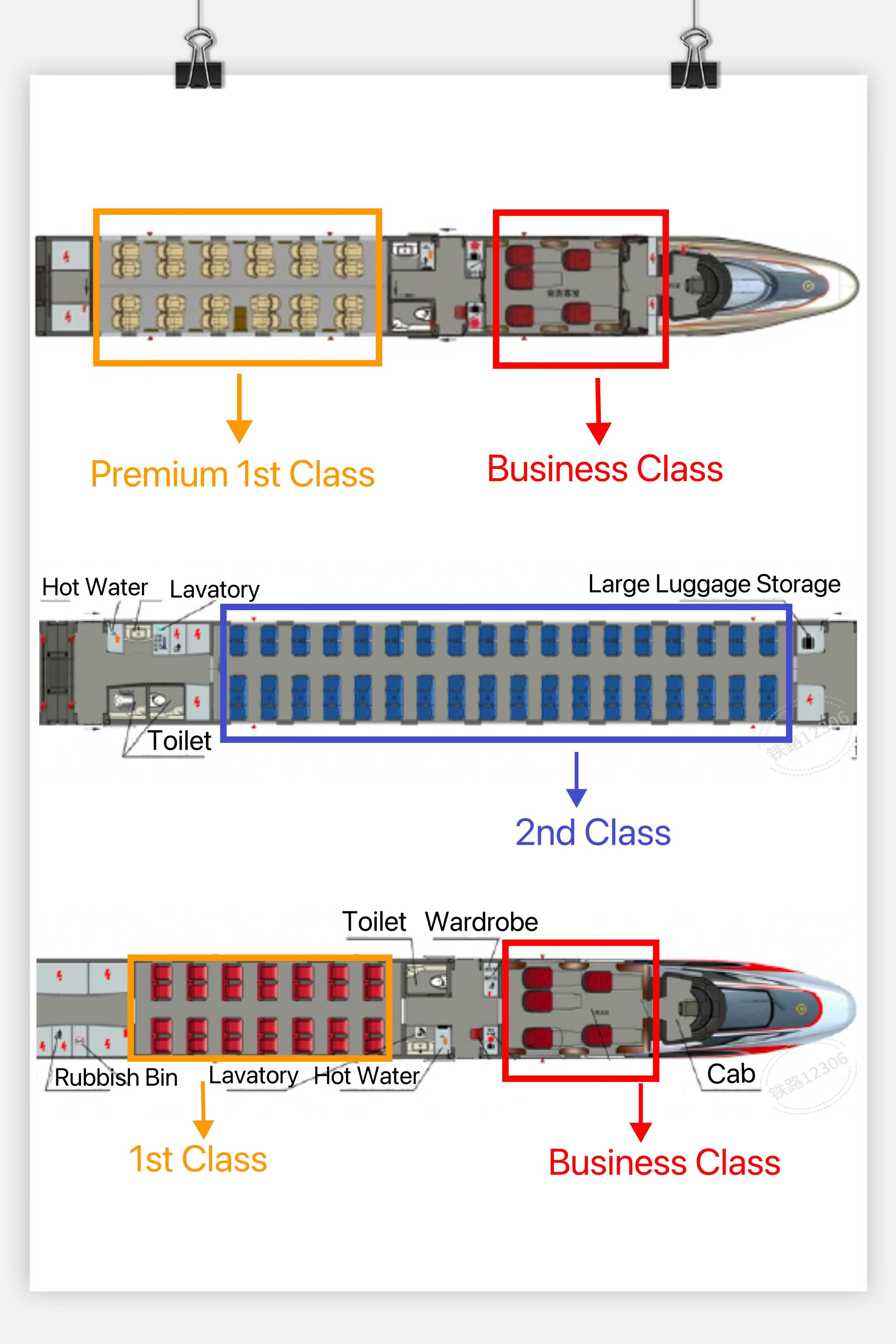
China High-Speed Train Seat Map (G,D,C Trains)
China High-speed train seat maps follow their class layouts:
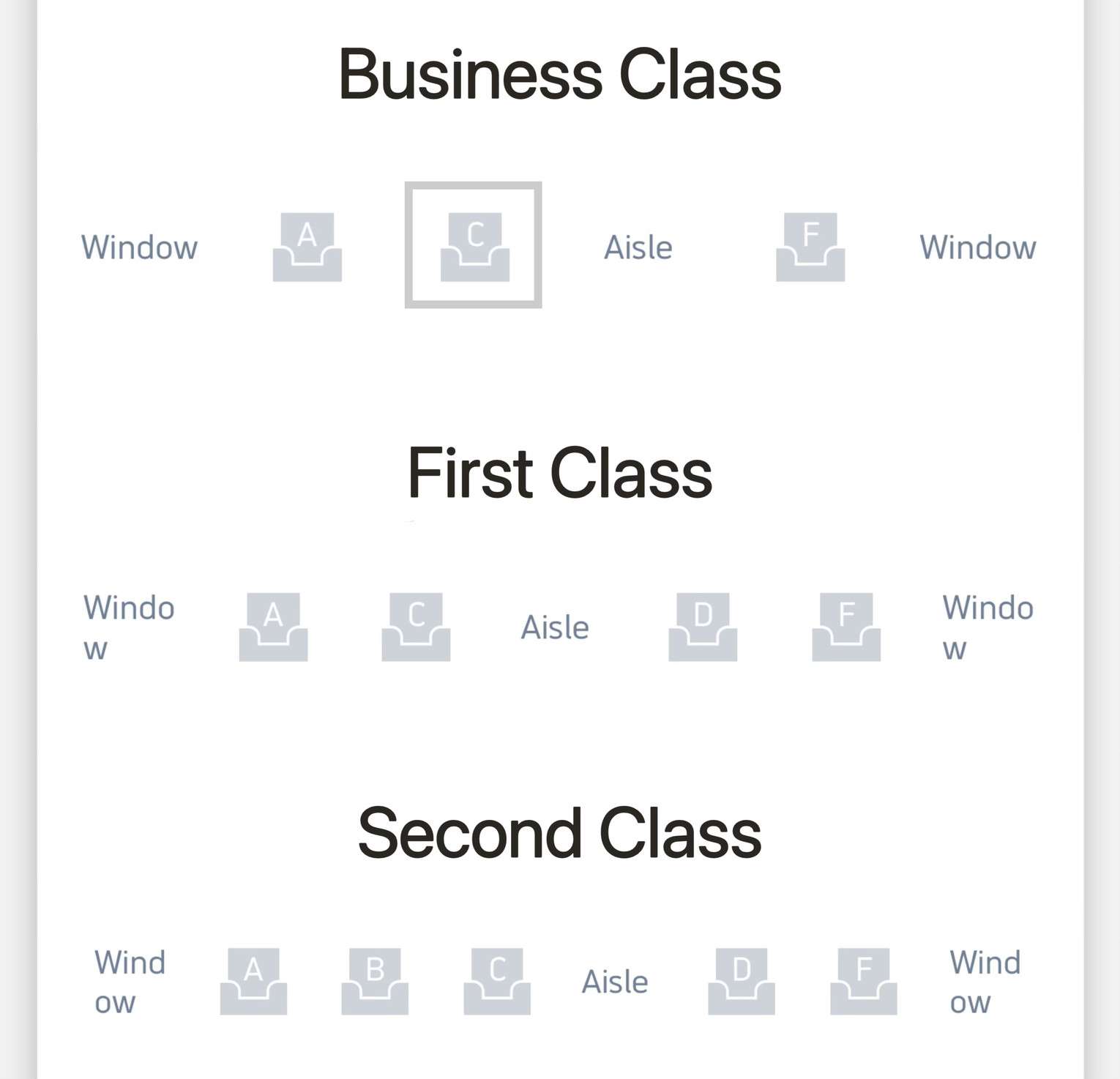
- Business Class (G trains): 1-2 per row (e.g., seats A, F on one side; C, D on the other—no middle seats).
- First Class: 2-2 per row (seats A, F and C, D—no middle seats).
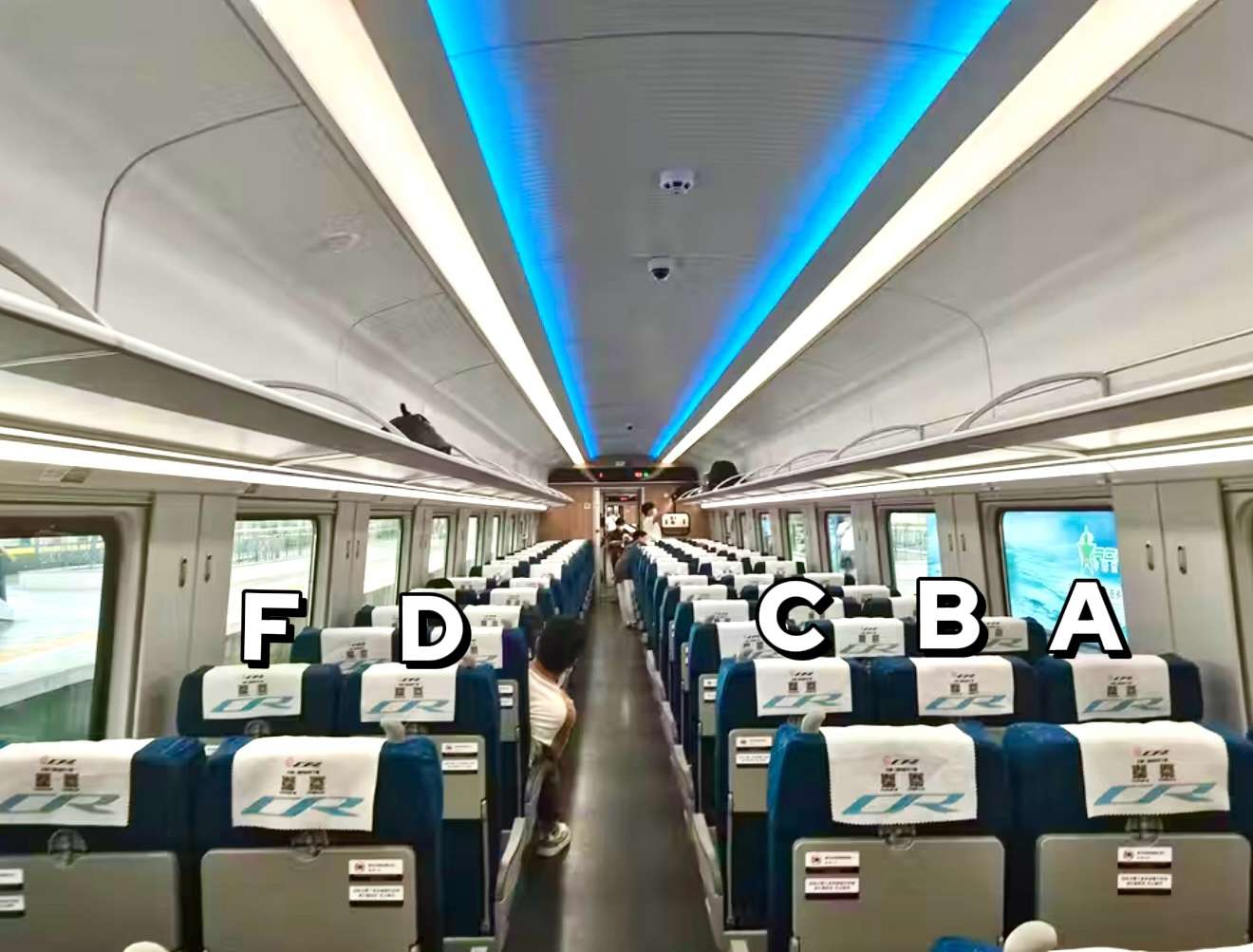
- Second Class: 3-2 per row (seats A, B, C on one side; D, F on the other—B is the middle seat).
China Regular Train Seat Map (Z,T,K Trains)
China Regular train seat maps focus on sleepers:
- Hard Sleepers (Z, T, K): 6 bunks per open compartment (3 on each side: upper, middle, lower).
- Soft Sleepers (Z, T, K): 4 bunks per enclosed compartment (2 on each side: upper, lower).
- Deluxe Soft Sleepers (Z): 2 bunks per enclosed compartment (1 upper, 1 lower) with a small table and private space.
China High-Speed Train Seat Interiors (By Class)
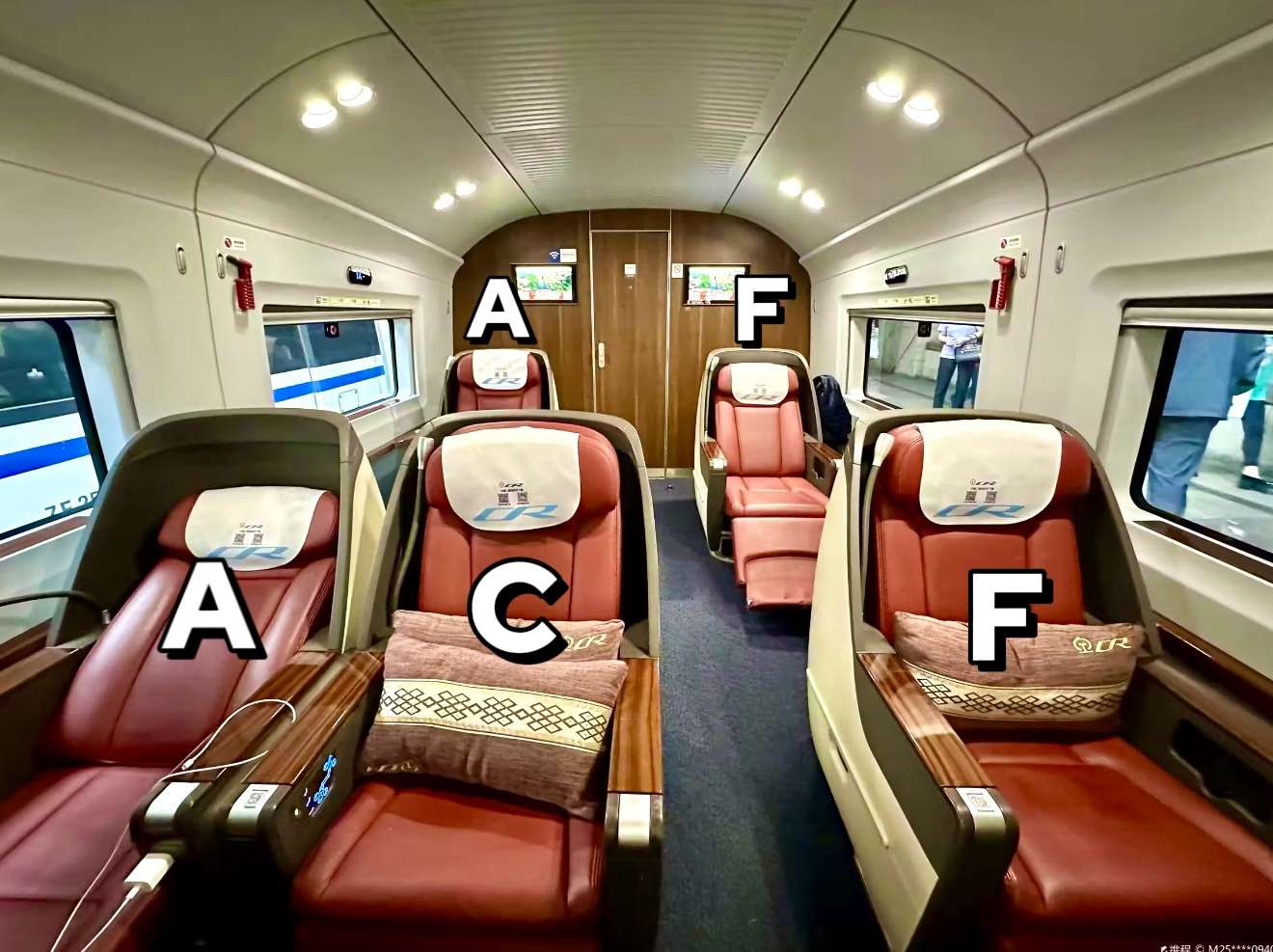
China Train Seat Interior | Business Class
1. China Train Seat Interior | Business Class (Only on Some G Trains)
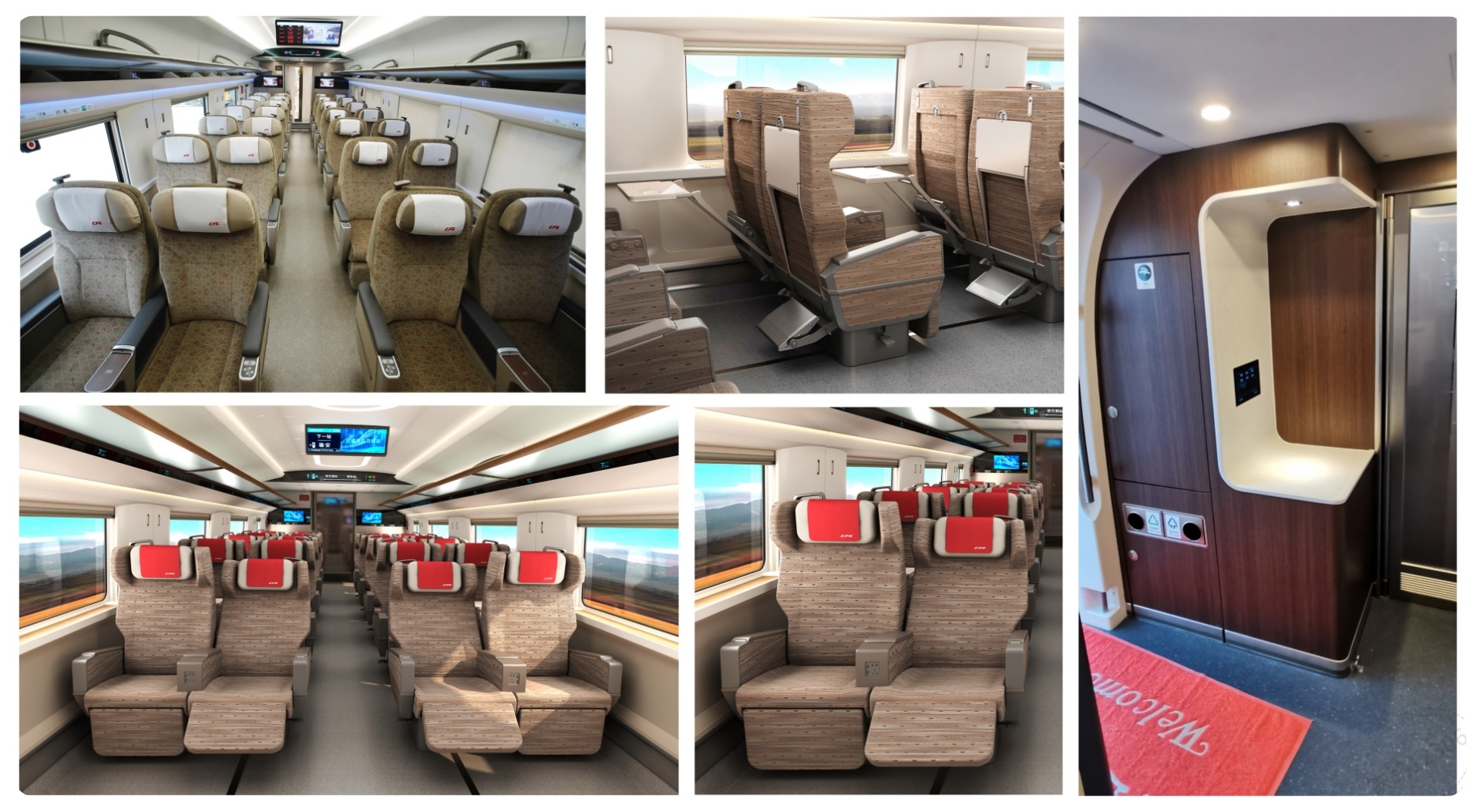
This is the most luxurious option. Seats are in a 1-2 layout (1 on one side of the aisle, 2 on the other) with full leather that fully reclines—great for napping. Each seat has a big fold-out table, its own power outlet, a reading lamp, and tons of legroom. You’ll also get small extras like a blanket or water, and the cabin is quiet (fewer passengers).
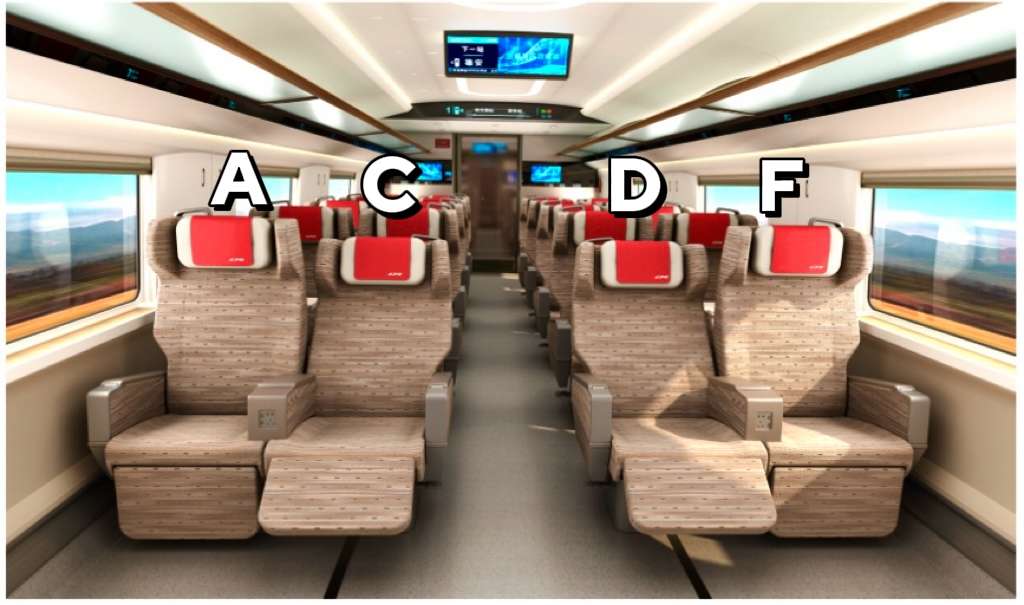
China Train Seat Interior | First Class
2. China Train Seat Interior | First Class (G, D, C Trains)
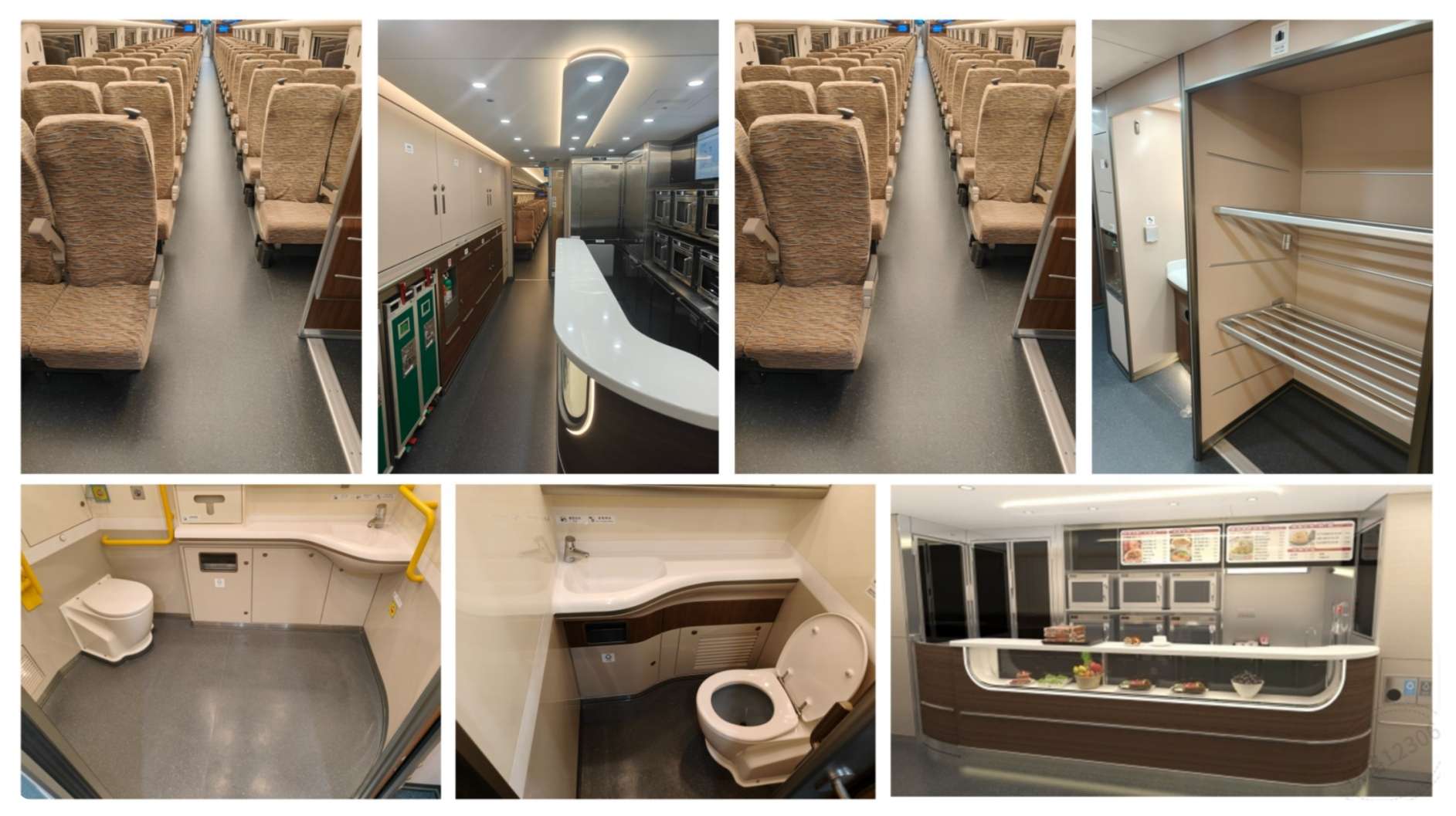
The first-class cabin is spacious and comfortable for long-distance travel. The seats are 2-2 (there is no middle seat!) The padding is softer than that of the second-class cabin and they are also more prone to tilting. Each seat is equipped with a dedicated power socket, a small folding table (suitable for laptops or snacks), and extra legroom—even 3+ hour rides won’t feel cramped. The cabin is not as crowded as the second-class cabin, so it strikes a good balance between comfort and price.
China Train Seat Interior | Second Class
3. China Train Seat Interior | Second Class (All G, D, C Trains)
This is the most popular (and also the cheapest) high-speed option. Seats are 3-2 (3 on one side, 2 on the other—so some have middle seats), with basic but decent padding. Each seat is equipped with a power socket (under the seat or on the armrest), a small shared table, and ample legroom, making it suitable for most adults (tall people may feel comfortable during long trips). During peak hours (such as holidays), it may be very busy, but it is very convenient for medium and short trips.
China Train Types, Classes, Differences & Facilities (with Photos)
1. China Train Types (Quick Breakdown)
Type | Speed | Best For |
|---|---|---|
G (High-speed) | Up to 350km/h | Long distances (e.g., Beijing→Shanghai) |
D (High-speed) | Up to 250km/h | Mid-length trips (e.g., Shanghai→Hangzhou) |
C (High-speed) | ~200km/h | Short hops (e.g., Beijing→Tianjin, 30mins) |
Z (Regular) | Up to 160km/h | Overnight trips (few stops, e.g., Beijing→Guangzhou) |
T/K (Regular) | 120-140km/h | Budget long trips (many stops) |
2. China Train Seat Classes (Core Options)
High-speed Trains (G/D/C)
- Business Class (Only G): 1-2 seats/row, fully reclining leather, extra legroom + amenities (blanket, water).
- First Class: 2-2 seats/row (no middle seats), soft padding, power outlets, small tables.
- Second Class: 3-2 seats/row (middle seats exist), basic padding, power outlets—cheapest & most popular.
Regular Trains (Z/T/K)
- Hard Seats: Thin padding, crowded, no AC (older trains)—budget short trips.
- Soft Seats: Booth-style, AC, cleaner—better for short/medium trips.
- Hard Sleepers: 6 bunks/compartment (open), basic—budget overnight.
- Soft Sleepers: 4 bunks/compartment (enclosed), private—comfy overnight.
- Deluxe Sleepers (Only Z): 2 bunks/compartment, private bathroom—luxury overnight.
3. China Train Key Facilities (What You Need to Know)
High-speed Trains
Air conditioning, free drinking water, restrooms and hand washing areas are available throughout. Power sockets are equipped at every seat. Food carts, dining cars and luggage racks are provided. Some carriages offer quiet zones.
Regular Trains
Full air conditioning on newer carriages. Public restrooms and water dispensers are accessible. Dining cars and snack trolleys serve meals and drinks. Large overhead luggage racks are standard. Sleeper compartments have basic reading lights.
Note: Soft and deluxe sleeper cabins are particularly well-equipped — each cabin features 2 power sockets + 2 USB ports, dimmable reading lights, and access to shared Western-style toilets (with bidets on some trains). Worth considering if you're choosing between sleeper classes.
How to Choose China Train Seats & Types
How to Choose China Train Types
First, select your train type based on speed and travel length:
- G trains: Fastest (up to 300 km/h) for long distances (e.g., Beijing to Shanghai) – Choose business class/First class for comfort, or second class for affordability.
- D trains: They are slightly slower (up to 250 km/h), have fewer stops, and are suitable for medium-distance travel (for example, from Shanghai to Hangzhou). The first and second class cabins operate well.
- C trains: Short-distance (e.g., Beijing to Tianjin, 30 mins) – Second-class are usually sufficient, but first-class cabins can offer extra space. But I do recommend 2nd, cuz the money gap is not that worthwhile.
- Z/T/K trains: Overnight trips (e.g., Beijing to Guangzhou) – Choose a soft sleeper to protect privacy, a hard sleeper to save money, and a luxurious soft sleeper to enjoy luxury.
How to Choose China Train Seats
Then pick seats based on needs:
- Want quietness/privacy? Business class (G-class trains) or soft sleeper (ordinary trains).
- Need affordability? Second class (high-speed) or hard seats/sleepers (regular).
- Group tour? Reserve adjacent seats (for example, A/B/C in the second class) and sit together.
How Can Foreigners Book Online Train Tickets in China?
The easiest way is via Trip.com China Train—it’s English-friendly and works with foreign passports (you cannot use ID cards like Chinese citizens). Here’s how:
- Enter the "China Train Tickets" page on Trip.com.
- Enter your departure/arrival city, travel date and the number of passengers.
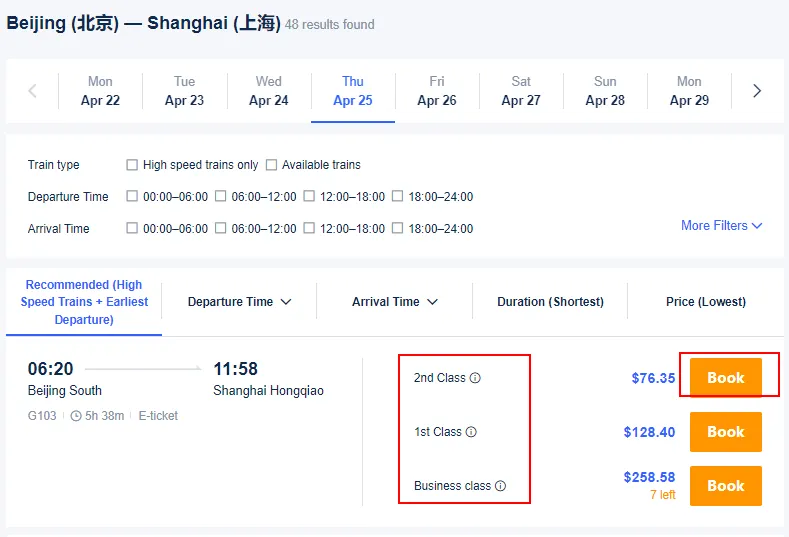
- Select your train type (G/D/C/Z/T/K) and seat class.
- Enter your passport details (make sure they match your actual passport!).
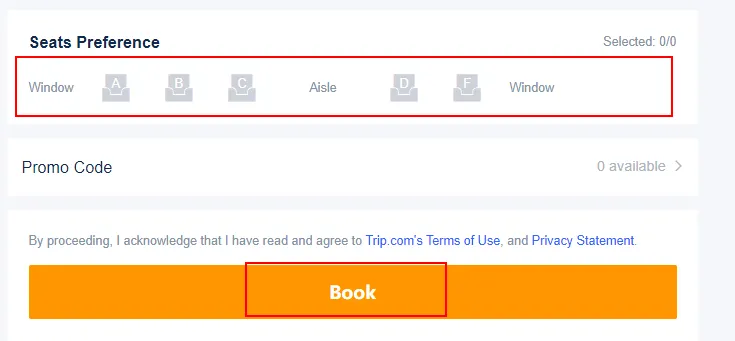
- Pay with an international credit card or digital wallet (Trip.com accepts most).
- You will receive the e-ticket via email - and collect the physical ticket at the train station before boarding (using your passport at the ticket office or self-service ticket machine).
💡 Tip: When purchasing a China eSIM through Trip.com, you'll also earn Trip Coins — loyalty credits that can be redeemed as cash on future bookings including flights, trains, and hotels. A handy perk for repeat travelers!
See all attractions
 150424 booked




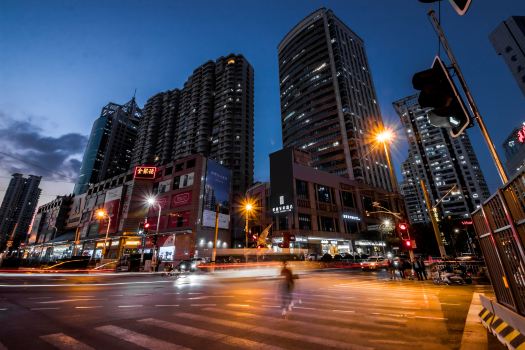
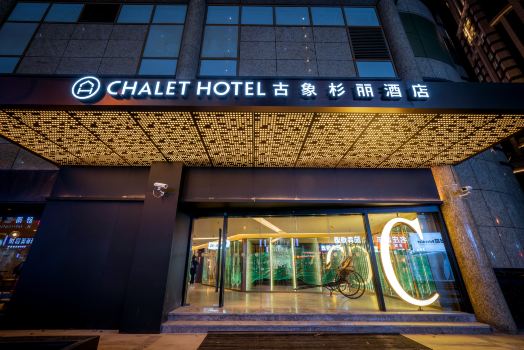
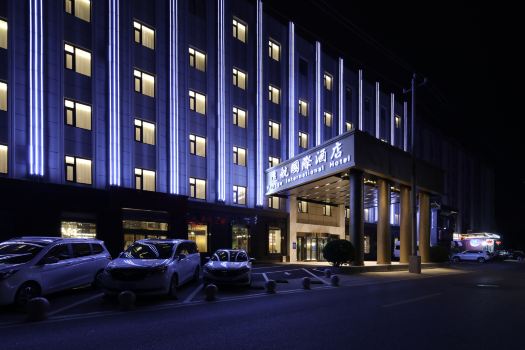
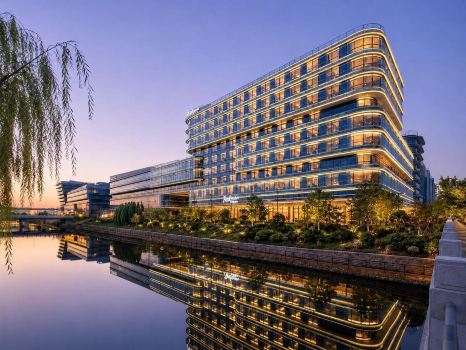
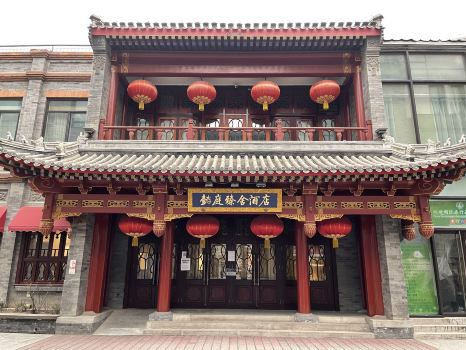
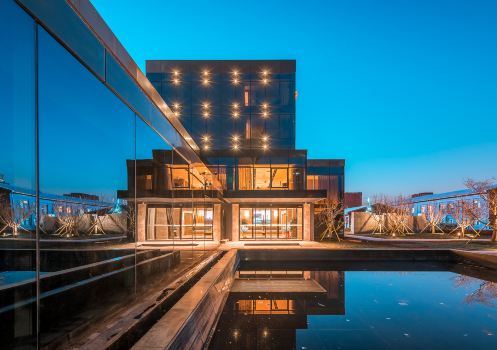
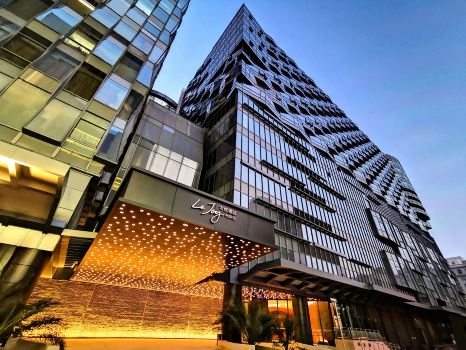
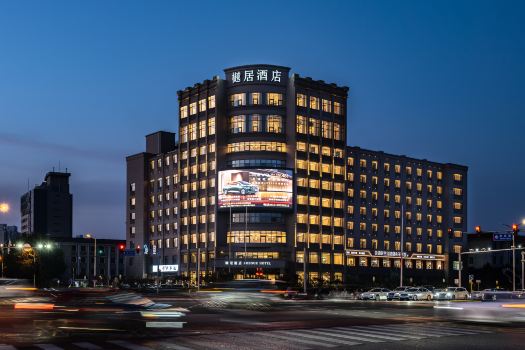
[10% Off] China Hotel Recommendations
Top Shanghai Hotels
Top Beijing Hotels
Top Guangzhou Hotels
See All Hotels






Book Cheap Flights Worldwide
to Bangkok
to Manila
to Shanghai
to Tokyo
to Seoul
See all flights


FAQs about China High-Speed Train Seats
-
Are you allowed to rotate seats in China trains?
-
What happens if I miss my train in China?
-
Can I sit in first class if the China train is full?
-
Do you need a passport to go on the train in China?
-
Can you bring water on a train in China?
-
Can I use a credit card to buy a train ticket in China?
-
Can I choose a specific seat when booking on Trip.com?
Disclaimer: This article has been provided by an individual contributor or third party platform. If there is any discrepancy regarding the copyright, please contact us directly and we will delete the content immediately.
Trending Searches
-
More about China Trains
- China Train Luggage
- China High Speed Train Seat Map
- How to Take a Train in China
- 1st class vs 2nd class on China high speed trains
- China Train Types
- Shenzhen to Hong Kong
- China Train App
- China Sleeper Train
- China Train Tickets Change Refund Cancellation
- Shanghai Hongqiao Railway Station
- Cheap Train Tickets China
- China Train Ticket
- Best Places to Visit in April
- Chinese New Year Traditions
- Reading to London Paddington trains
- Seville to Vigo-Urzaiz trains
- Paris to Brussels trains
- Trains to Gipsy Hill
- 10000 Consumption Voucher
- Valladolid to Huesca trains