Celebrating Qixi Festival 2026: Origins, Traditions, Food, and Travel Ideas

Qixi Festival is China’s traditional Valentine’s Day. Learn its star legend, old‑day and modern customs, festival food, gift suggestions, top travel spots and Qixi dates 2026‑2029.
to Shanghai
to Beijing
to Guangzhou
See all flights

AI Summary
This summary is AI-generated by Trip.com. For the complete guide, please refer to the article below.
Qixi Festival falls on the seventh day of the seventh lunar month, marking China’s traditional Valentine’s Day. Celebrated on August 19, 2026, the holiday honors the legend of star-crossed lovers. Modern observances emphasize romantic activities, retail promotions, and traditional foods like qiaoguo. Popular destinations include Xi'an and Hangzhou, where couples visit lantern displays and historical sites to commemorate the occasion.
What Is Qixi Festival? An Introduction to China's Valentine's Day

Qixi Festival, also known as the Double Seventh Festival, is China's oldest romantic festival and the closest cultural equivalent to Western Valentine's Day. Observed on the seventh day of the seventh month of the Chinese lunar calendar, it weaves together thousands of years of mythology, folk tradition, and contemporary romance into a single annual occasion.
Unlike fixed-date holidays on the Gregorian calendar, Qixi shifts each year, usually falling somewhere between early August and early September. What makes it distinct from its Western counterpart is its layered history: it began not as a celebration of romantic love per se, but as a festival honoring women's domestic skills and celestial worship, centered around a tragic yet hopeful star-crossed love story. Over time, the romantic elements have risen to the foreground, and today Qixi is widely embraced across Chinese communities as a day for couples to express affection.
Qixi Festival Dates: When Is Qixi Festival 2026?
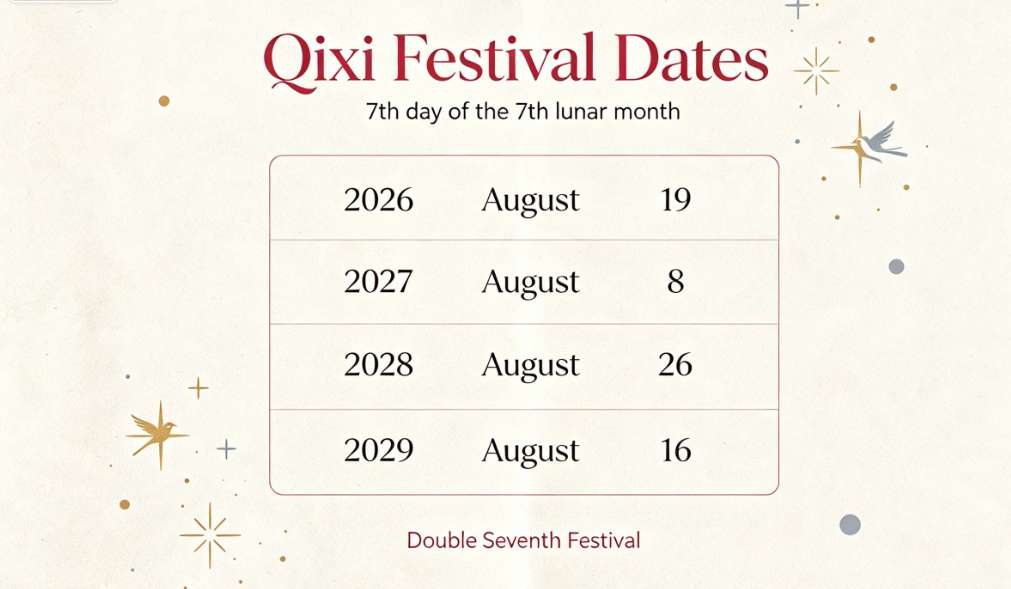
Because Qixi follows the Chinese lunar calendar, its date on the Gregorian calendar shifts every year, typically falling between late July and late August. Here are the upcoming dates through 2029:
Year | Gregorian Date | Day of Week | Lunar Date |
|---|---|---|---|
2026 | August 19 | Wednesday | 7th day, 7th lunar month |
2027 | August 8 | Sunday | 7th day, 7th lunar month |
2028 | August 26 | Saturday | 7th day, 7th lunar month |
2029 | August 16 | Thursday | 7th day, 7th lunar month |
Sources: National Astronomical Observatory of Japan, Chinese calendar calculations.
See all attractions
 905651 booked




Qixi Festival vs. Valentine's Day: What's the Difference?
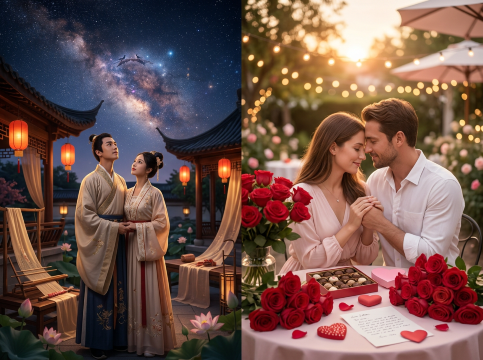
Dual Valentine (AIGC , Only for reference, the image above shows traditional Hanfu)
Qixi is often called "China's Valentine's Day," but the two holidays have distinct histories and cultural character.
- Origins. Valentine's Day has roots in Christian martyrdom traditions and medieval European courtly love, later evolving into a general celebration of romantic affection. Qixi grew out of ancient Chinese star worship and women's needlecraft rituals, with the love story gradually becoming its central focus.
- Timing. Valentine's Day is fixed on February 14. Qixi moves each year according to the lunar calendar, usually landing in August.
- Traditional customs. Classic Valentine's Day customs — giving roses, chocolates, and cards — are relatively recent and globally standardized. Traditional Qixi customs, by contrast, were largely practiced by women alone and centered on skill, prayer, and domestic virtue rather than mutual romantic exchange.
- Modern commercial expression. In contemporary practice, the two have grown more similar. Both now feature heavy retail promotion, restaurant bookings, and gift-giving between couples. In China, both holidays are widely celebrated — Qixi has stronger cultural resonance, while February 14th has more global familiarity.
In short, Qixi is not simply a Chinese copy of Valentine's Day. It is an ancient festival that, in modern times, has taken on a similar romantic function while retaining its own mythology, rituals, and seasonal rhythm.
Where to Celebrate Qixi Festival: Top Romantic Destinations in China
Qixi is a wonderful excuse to travel, and several places in China and beyond host especially atmospheric celebrations.

Xi'an: Where Ancient Qixi Legends Come Alive
Xi'an, the ancient capital of the Tang Dynasty, is arguably the most historically evocative place to experience Qixi. It was during the Tang period that Qixi celebrations reached their cultural peak, with imperial courts holding elaborate ceremonies and commoners filling the streets with lanterns and music.
Today, Tang Paradise theme park puts on a large-scale annual Qixi festival show featuring traditional dance, poetry recitals, and a spectacular reenactment of the magpie bridge legend set against lakes and pavilions. Walking the City Wall of Xi'an at night, with its ramparts lit by warm red lanterns, feels like stepping back into the era when the festival first flourished. Couples can rent bicycles and ride the wall at dusk, or stop at one of the many tea houses inside the old city for a quiet evening together.
Hangzhou: Romance on the West Lake During Qixi
Hangzhou's West Lake has been celebrated for over a thousand years as one of China's most naturally romantic landscapes, and Qixi amplifies its dreamlike quality.
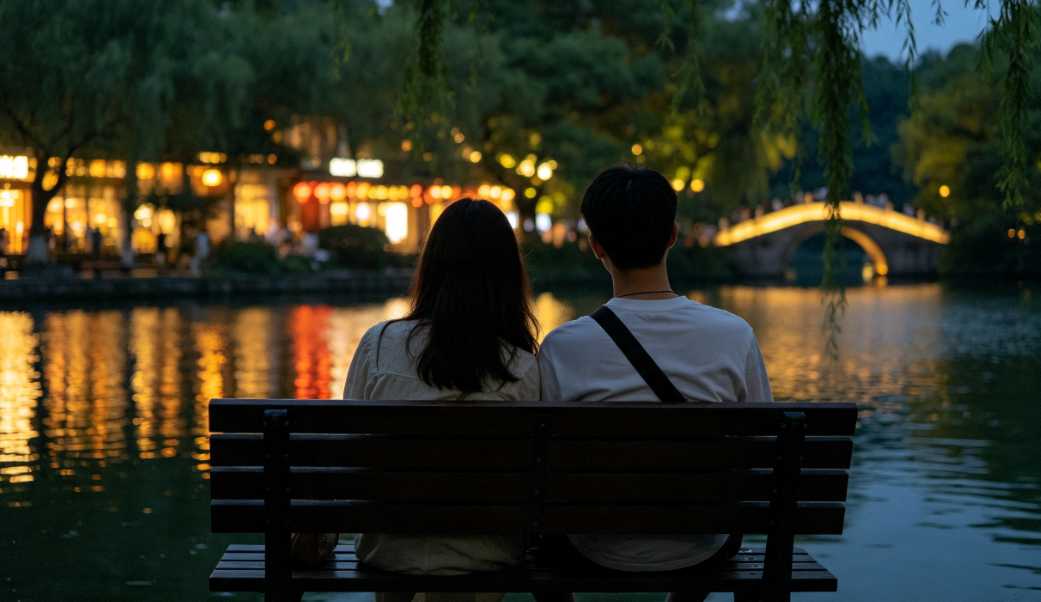
On Qixi night, many couples take a traditional wooden boat ride on the lake, gliding past willow-lined shores and illuminated pagodas under the summer stars. The lake is also associated with another famous Chinese love legend — the Legend of the White Snake — which adds another layer of romantic atmosphere.
During the festival period, lakeside parks often host lantern ceremonies where visitors can write wishes on paper lanterns and release them onto the water. The area around Broken Bridge and Su Causeway is particularly popular for evening strolls. For a more upscale experience, several luxury hotels around the lake offer special Qixi dinner packages with lake views.
Hong Kong: Celebrating the Seven Sisters Festival
In Hong Kong, a special administrative region of China, Qixi is commonly known as the Seven Sisters Festival, reflecting the tradition that Zhinü was the seventh of seven celestial daughters.
Many local residents, particularly in older fishing communities, still follow traditional customs of making offerings to the Seven Sisters. One of the most famous sites is the Seven Sisters Temple on Peng Chau island, where women bring flowers, fruit, and incense to pray for happiness and good marriage prospects. The temple has a history stretching back over a century and retains a quiet, authentic neighborhood atmosphere.
For modern celebrations, Hong Kong offers no shortage of romantic options. Lovers' Rock — Yan Yuen Shek — on Bowen Road in Wan Chai is a popular spot for couples to leave wish ribbons and enjoy views over the city skyline. Harbour cruises, rooftop bars, and fine dining restaurants all roll out special Qixi menus and packages.
Beyond China: Celebrating Qixi Festival in Singapore, Taiwan, and Japan
Qixi and its cultural descendants are celebrated across East Asia and within overseas Chinese communities.
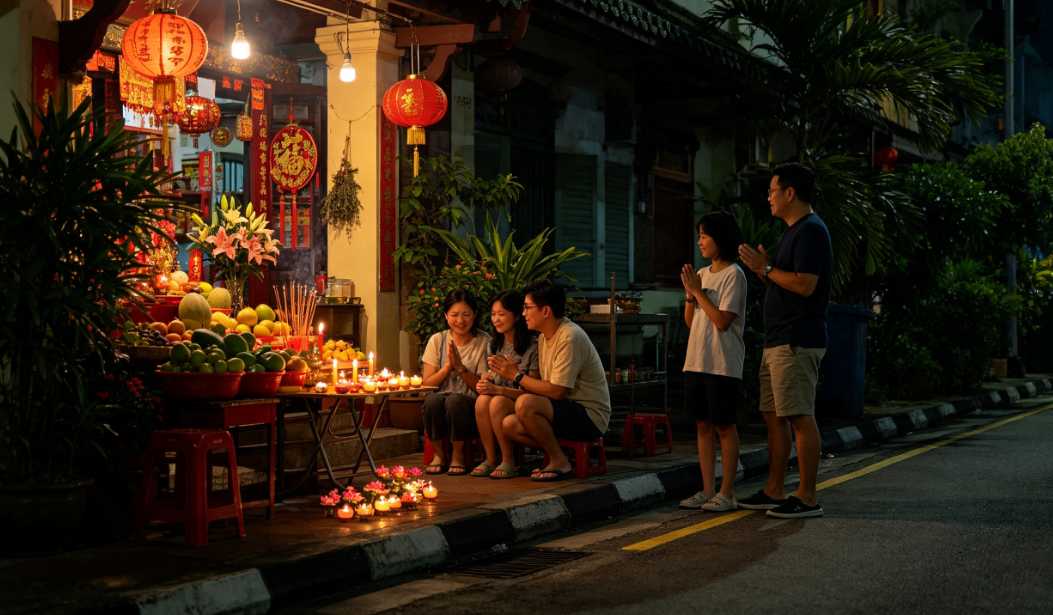
- In Singapore, the Chinese diaspora keeps Qixi traditions alive, particularly among older generations and clan associations. Temples such as the Thian Hock Keng sometimes hold small ceremonies. For most Singaporean couples, however, Qixi has taken on a modern romantic character similar to mainland China, with restaurants, hotels, and shopping malls running themed promotions.
- In Taiwan, China, Qixi is widely observed as a romantic holiday. Department stores and shopping districts run major sales campaigns, and couples fill night markets and riverside parks. Some temples continue traditional worship practices, and the festival is also taught in schools as part of Chinese cultural heritage.
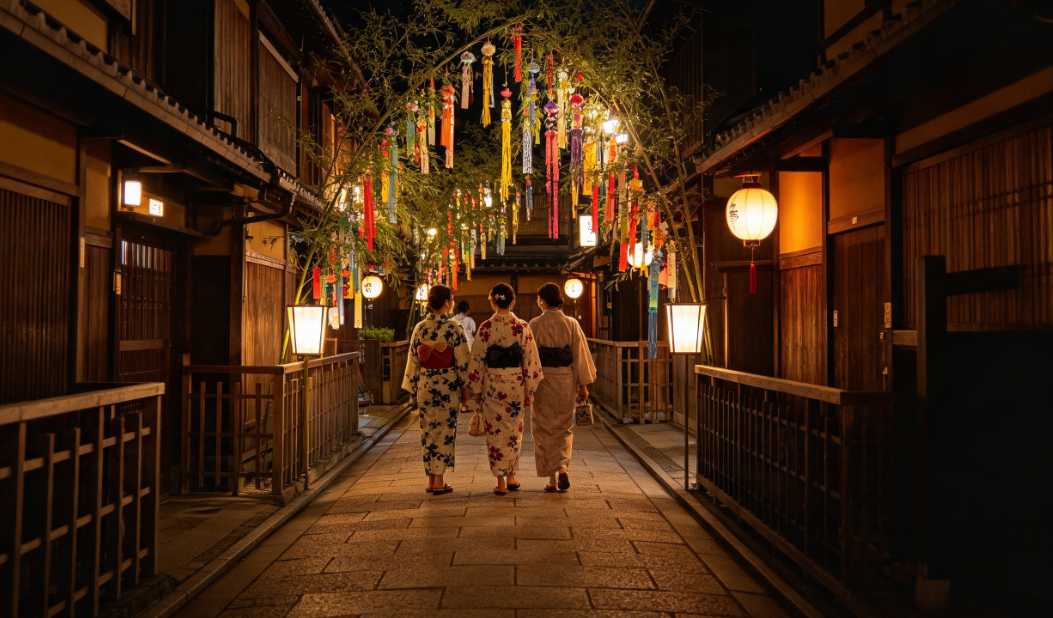
- In Japan, the festival evolved into Tanabata, which shares the same star-crossed lovers origin story but developed its own distinct customs over centuries. Tanabata is celebrated on July 7th of the Gregorian calendar in most regions, though some areas follow the lunar calendar. People write wishes on colorful paper strips called tanzaku and hang them on bamboo branches. The Sendai Tanabata Festival, with its elaborate streamer decorations, is one of Japan's most famous summer events.
The Legend Behind Qixi Festival: A Timeless Love Story

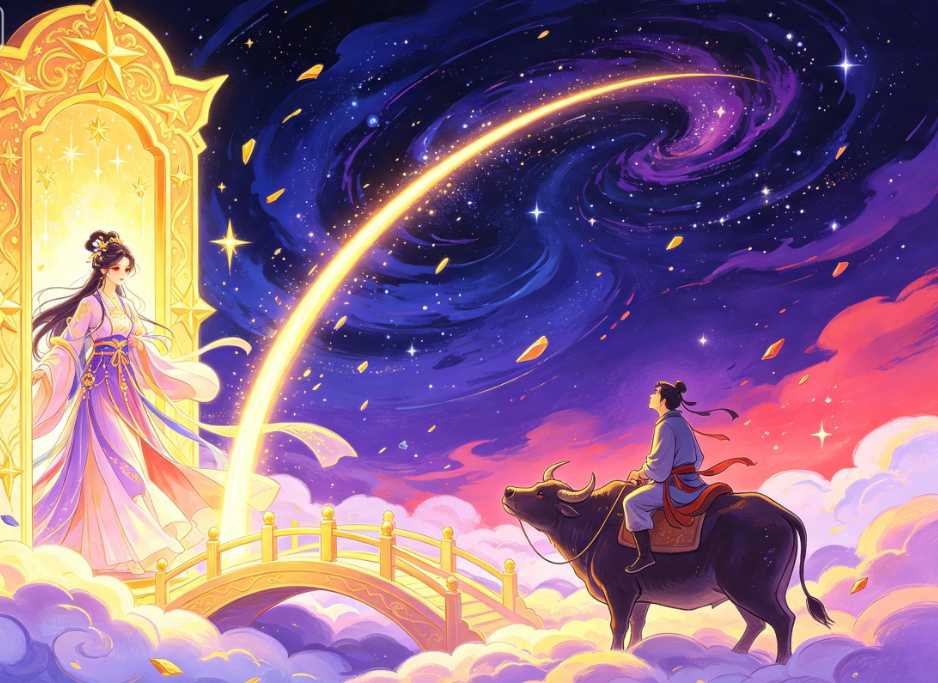
Qixi grows from a well‑known Chinese folk tale about two star‑crossed lovers. This story sets the core theme for the whole festival and links to real stars visible in summer skies.
- Zhinü, daughter of the Jade Emperor from heaven, travels down to earth and meets Niulang, a simple cowherd. They marry and raise two children.
- Heavenly rules forbid a goddess from living with a mortal. Zhinü is ordered back to heaven.
- The Milky Way forms as a barrier to keep the two apart.
- Out of sympathy for their bond, magpies gather each year on Qixi night to form a bridge. The couple get one short night to meet.
- Sky mapping: Vega stands for Zhinü, Altair stands for Niulang. The two stars sit on opposite sides of the Milky Way.
Qixi Festival Traditions: Ancient Customs and Their Meanings

Qixi was originally a festival for young women to pray for better craft skills. Many old‑time practices have shifted, and today people focus far more on romantic couple activities.
Ancient Qixi Traditions: Needle Threading, Offerings, and Prayers for Love
Women held most Qixi‑related activities in ancient times. Practices differed from region to region across China.
- Moonlight needle‑threading contest: Girls tried to thread multiple needles under moon light. Whoever finished fastest would receive blessings for fine handwork.
- Home altars: Families put out seasonal fruits, tea and incense as offerings for Zhinü.
- Personal prayers: Young women wrote wishes on paper slips, hoping for improved domestic skills and stable marriages.
- Local variations: Some southern towns floated lit paper boats on rivers. Northern communities set bowls of dew outdoors to read simple folk omens.
Modern Qixi Celebrations: How China Observes Chinese Valentine's Day Today
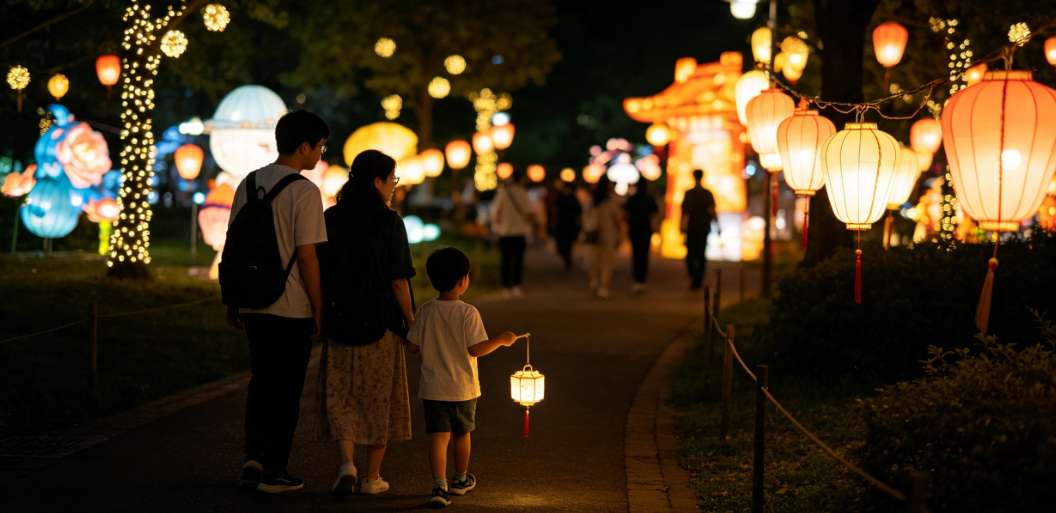
Now Qixi works as a major romantic occasion for couples in China. Commercial activity has grown alongside cultural observance.
- Couples book dinners, take evening walks and go on dates. Many choose this day for proposals or marriage registration.
- Retail platforms run large‑scale Qixi sales. Flower and jewellery sales jump in the lead‑up period.
- Parks and theme parks host lantern shows, light displays and folk‑themed performances.
Traditional Qixi Festival Food: What to Eat to Celebrate
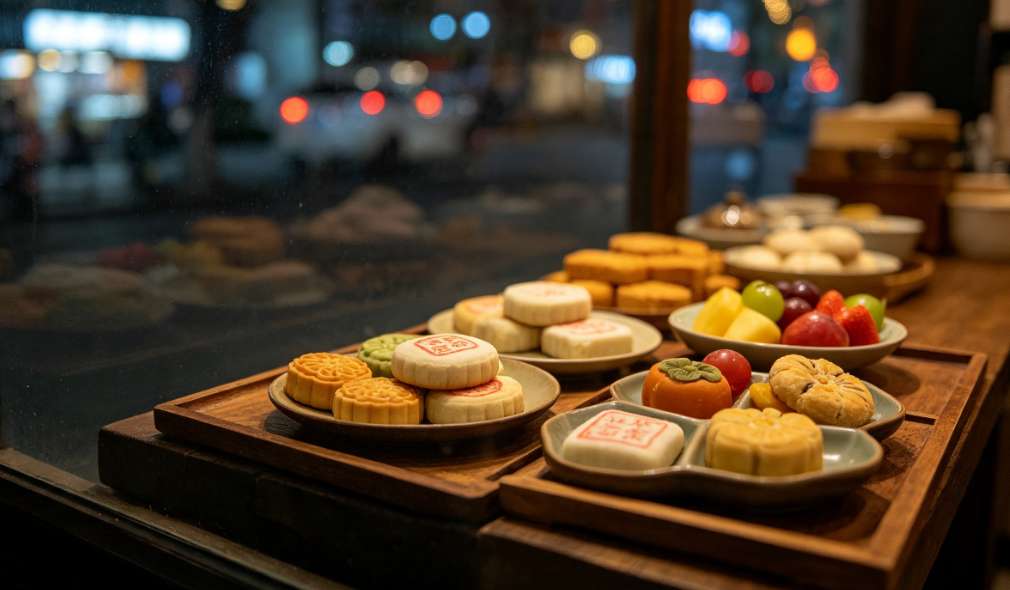
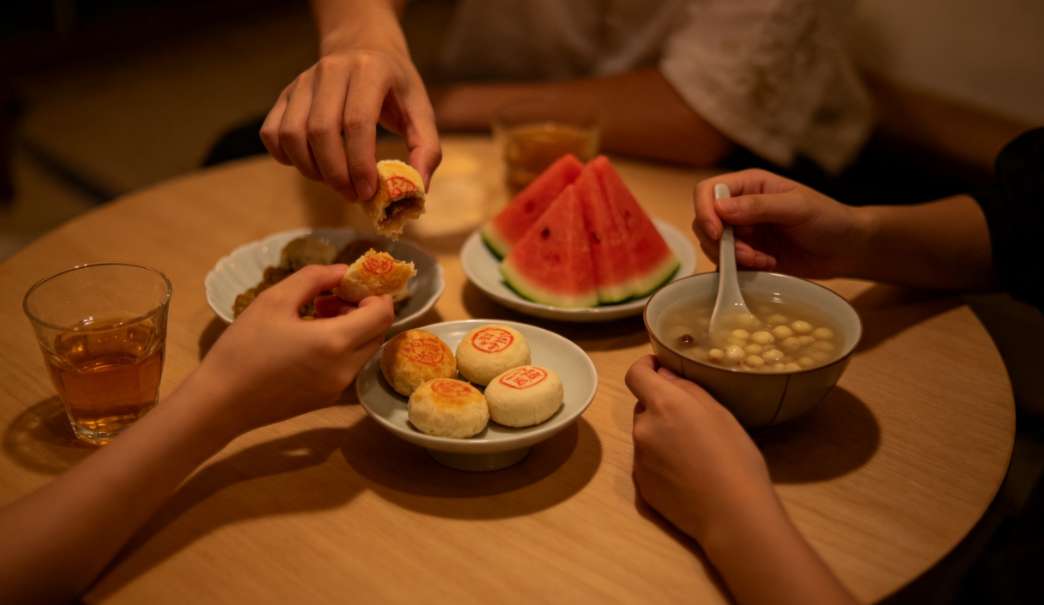
Certain foods connect to Qixi folk beliefs. Most are regional snacks, with qiaoguo as the most widely recognised item.
- Qiaoguo: Thin fried pastry made from flour, sugar and sesame. People cut it into small shapes before frying. In folk thought, eating qiaoguo brings blessings of better handcraft skills. Northern and southern areas make slight changes to sweetness and shape.
- Qiaomian (skill noodles): Long noodles eaten in Jiangsu and Zhejiang, standing for long‑lasting relationships.
- Sweet lotus seed soup: Popular in Guangdong, linked to wishes for harmonious family life.
- Summer melons: Served both as food and altar offerings in many places.
Qixi Festival Gifts: Romantic Ideas to Celebrate Your Love
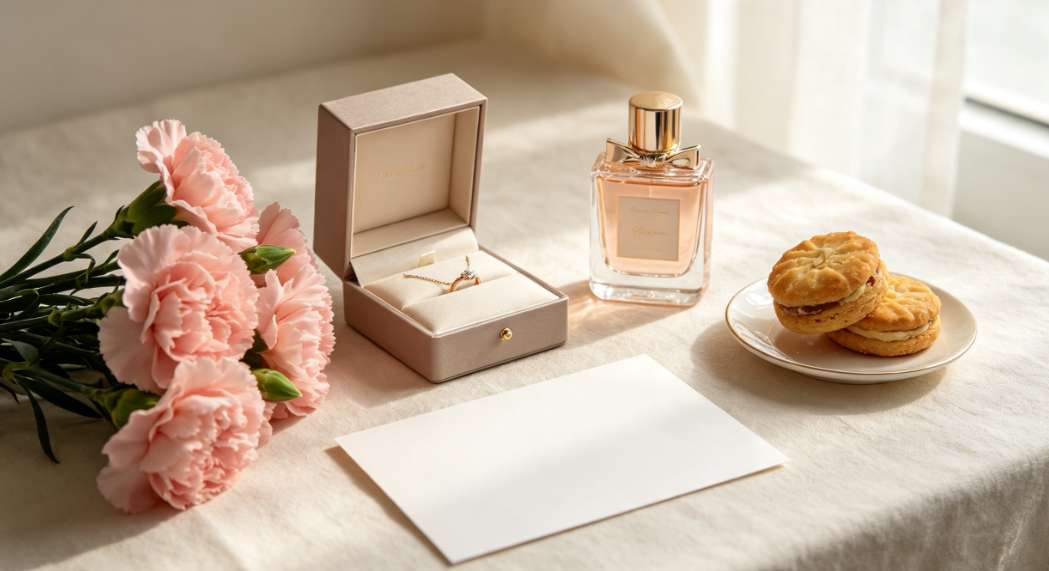
Gift‑giving has become a big part of modern Qixi. Options cover both culture‑rooted items and mainstream consumer goods.
- Culture‑focused picks: Hand‑made silver pieces referencing the magpie bridge story, silk scarves with folk‑story embroidery, packaged qiaoguo pastries, printed copies of classic Qixi poems.
- Common modern gifts: perfume, skincare sets, fashion accessories and fresh flower bouquets.
- Experience‑based gifts: Short weekend trips, dinner cruises, couple spa sessions. Many young people prefer shared experiences over physical goods.
🔥[Discount] China Hotel Recommendations
Top Shanghai Hotels
Top Beijing Hotels
Top Guangzhou Hotels
See All Hotels














FAQs about Qixi Festival
-
What is the difference between Valentine's Day and Qixi Festival?
-
What do people do on Qixi Festival?
-
Why is it called Qixi Festival?
-
When is Qixi Festival in 2026?
-
What food is traditionally eaten during Qixi Festival?
-
Is Qixi Festival a public holiday in China?
-
How is Qixi Festival connected to the Tanabata festival in Japan?
Disclaimer: This article has been provided by an individual contributor or third party platform. If there is any discrepancy regarding the copyright, please contact us directly and we will delete the content immediately.
Popular Searches
-
Popular Attractions
-
eSIM/SIM card
- Forbidden City Tickets
- Zhangjiajie National Forest Park
- Shanghai Tower Tickets
- Shanghai Wild Animal Park
- Shanghai Disneyland Tickets
- Canton Tower Tickets
- Huangshan
- Universal Studios Beijing Tickets
- Great Wall of China Tickets
- Summer Palace Tickets
- universal studios japan tickets
- Yu Garden Tickets
- hong kong disneyland tickets
- Nanjing Road Pedestrian Street
- Shanghai Zoo Tickets