

Can Foreigners Get Medical Care in China? 2026 Costs, Insurance, Visa Guide

Author's Profile Picture
healthcare in China

Have you ever considered flying to another country just to skip a months-long waiting list or avoid a massive medical bill? For a growing number of international travelers, that country is becoming China.

Many people are surprised with foreign tourists sharing how they walked into top-tier Chinese hospitals without a prior appointment, got blood tests, scans, and specialist consults completed in a single morning, and paid a fraction of what it would cost in the West. But if you’re planning a medical trip or already living here, how does the system actually work for an international patient?

From booking an appointment to decoding the costs, the language barrier, and staying on the right side of strict drug laws, here is your guide to medical treatment in China for foreigners.

to Shanghai
to Beijing
to Guangzhou
See all flights

Can foreigners get medical treatment in China?

 foreigners get medical treatment in China

Yes, absolutely. Foreign nationals can legally access medical care at any public or private healthcare facility in mainland China. There is no requirement to hold a local resident permit or a national social security card to receive treatment.

Whether you are a tourist who suddenly fell ill, an expat living in a major metropolitan hub, or someone traveling specifically for specialized medical care, you are entitled to use the same diagnostics, surgeries, and clinical therapies as local citizens. Your physical passport acts as your universal medical ID.

🎁 Book the Cheapest flights to China & best China hotels! Get fast China eSIM.

Why are some foreigners choosing China for healthcare?

The concept of "medical tourism" in China has shifted. It is no longer just about niche traditional therapies; foreigners are now opting for routine Western medical care because of two major advantages: extreme efficiency and affordability.

  • Zero Waiting Lists: In many Western countries, seeing a specialist or scheduling an MRI can take months. In China's public hospital system, you can walk in, book a specialist appointment on the spot, undergo blood work or a CT scan, and receive your results—all within the same day.
  • The "Pay-As-You-Go" Setup: You pay for registration, tests, and prescriptions sequentially before they are administered. There are no surprise bills mailed to you weeks later.
  • Drastically Lower Costs: Regulated pricing keeps public hospital fees low. Complete emergency visits (including blood panels, IV fluids, and medication) rarely exceed $30 to $140 USD.

What types of treatment do foreigners seek in China?

Foreign patients utilize a broad spectrum of the Chinese medical system, typically falling into three distinct sectors:

  • Advanced Diagnostic Checks & Screenings: Entire wings are dedicated to "Health Check-up Centers" (体检中心) inside hospitals, where patients undergo full-body scans, ultrasounds, and blood panels in a single morning for a transparent, flat rate.
  • Dental Care: High-end private dental clinics and public dental departments offer everything from routine cleanings to complex dental implants at rates far lower than Western private practices.
  • Traditional Chinese Medicine (TCM): Many international patients seek out specialized public TCM hospitals for chronic pain management, acupuncture, and customized herbal therapies (中药) that are integrated directly alongside modern Western medical equipment.

China Public hospital, international department, or private clinic?

China Public hospital, international department, or private clinic

When looking for a China hospital for foreigners, you have three primary paths. Understanding the difference between them will entirely dictate your experience, your budget, and how much English is spoken.

1. Public Hospitals (Ordinary Department)

These are massive, highly efficient medical hubs (usually classified as "Tier 3" or San Jia 三甲 hospitals). They possess the most advanced medical machinery and highly experienced surgeons.

  • The Experience: Highly crowded, fast-paced, and entirely in Mandarin. You must navigate different physical windows for paying, registering, and collecting medicine.
  • Best For: Unbeatable low costs and complex emergencies.

2. Public Hospitals (International Department / 特需医疗)

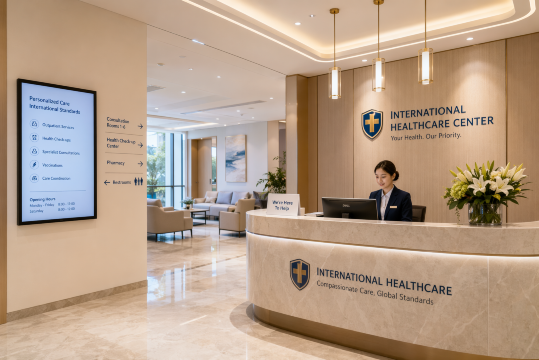
Most top-tier public hospitals in major cities feature an International or VIP Department.

  • The Experience: They bridge the gap between Chinese efficiency and Western comfort. The environments are quieter, nurses and doctors speak English fluently, and you receive more dedicated face-time with senior physicians.
  • Best For: Serious medical issues where you want top-tier public clinical expertise without the chaotic crowds.

3. Private International Hospitals & Clinics

Facilities like United Family Healthcare, Jiahui International, and Parkway Health are built specifically to mirror Western healthcare systems.

  • The Experience: Complete English-speaking environments, luxury private rooms, familiar Western administrative processes, and direct billing with global health insurance providers.
  • Best For: Expats seeking continuous family medicine, prenatal care, or anyone wanting a stress-free environment where language is never a barrier.
🎁 Book the Cheapest flights to China & best China hotels! Get fast China eSIM.

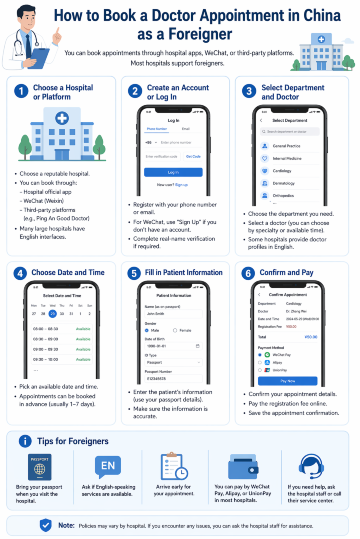
How to book a doctor appointment in China as a foreigner

How to book a doctor appointment in China as a foreigner

The booking system in China is almost entirely digital, operating primarily through WeChat mini-programs or Alipay.

  • Digital Pre-booking (WeChat/Alipay): Most locals book via a hospital's official WeChat mini-program. However, these systems are heavily tied to local Chinese ID cards. While some tier-1 hospital apps now accept passport inputs, system errors are common.
  • The On-Site Manual Walk-In: If the digital portal fails, simply show up at the hospital's physical registration window (挂号处) early in the morning with your physical passport. Staff will manually create your medical file and issue a physical queue ticket.
  • Specialist Tickets: General outpatient tickets are always abundant, but top-tier senior specialist slots (专家号) fill up days in advance. Secure these early if you need targeted chronic care.

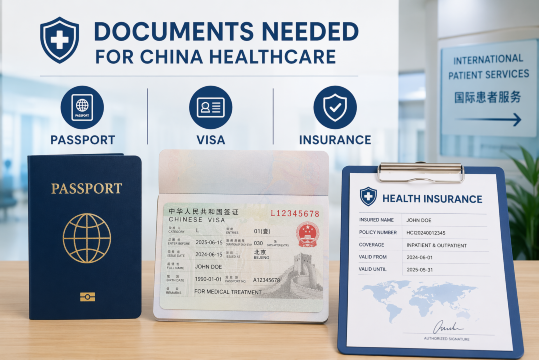
Documents needed for China healthcare: passport, visa, insurance

How to book a doctor appointment in China as a foreigner

When preparing for your medical visit, ensure you have the following compiled:

  • Physical Passport: This is your definitive legal identity document. The hospital will use it to create your medical file and print your local hospital card.
  • Valid Visa / Entry Documentation: Ensure your stay is fully legal. If you entered under a visa-free tier, keep your arrival immigration slip handy.
  • Insurance Card & Claim Forms: If using international insurance on a reimbursement basis, bring physical copies of any forms your provider requires the doctor to sign.
  • Previous Medical Records: Bring printed copies or digital PDFs of recent blood tests, X-rays, or prescriptions translated into English or Chinese to help your physician evaluate your history.

How much does Healthcare in China cost?

One of the biggest surprises for international patients is the absolute transparency and affordability of Chinese public healthcare. China does not provide free medical healthcare for foreigners, meaning you pay out-of-pocket if you do not have private insurance. However, the base costs are incredibly low.

Here is a general look at what you can expect to pay out-of-pocket for standard procedures:

Medical Service

Public Hospital (Ordinary)

Public (International Dept.)

Private International Clinic

Doctor Consultation Fee

$2 – $15

$40 – $100

$120 – $250+

Blood Panel (Routine)

$10 – $25

$30 – $60

$80 – $150

X-Ray / Ultrasound

$15 – $40

$50 – $120

$150 – $300

MRI / CT Scan (Per Area)

$60 – $120

$150 – $300

$500 – $900

Dental Cleaning

$15 – $35

$50 – $90

$100 – $180

Crucial Financial Rule: Public hospitals in China run on a strict pay-as-you-go model. You must pay for your consultation before seeing the doctor. If the doctor orders a blood test and an X-ray, you must leave the room, go to the cashier window (or pay via Alipay/WeChat), pay for those specific tests, and then go to the labs.

🎁 Book the Cheapest flights to China & search the best China hotels! Get connected fast with China eSIM.

Are there English-speaking doctors in China?

Yes, but availability depends entirely on where you go:

  • In Private International Hospitals: Majority of the medical staff, including doctors, nurses, receptionists, and pharmacists, speak fluent English. Many are expats or Western-trained.
  • In Public International Departments: The attending physicians and key administrative staff usually speak good English.
  • In Public Ordinary Departments: Language support is highly limited. While senior doctors can often read English medical records (as Western medicine is studied globally in English), they may not be comfortable conversing fluently. Download a translation app like VoiceTra or Baidu Translate before arriving.

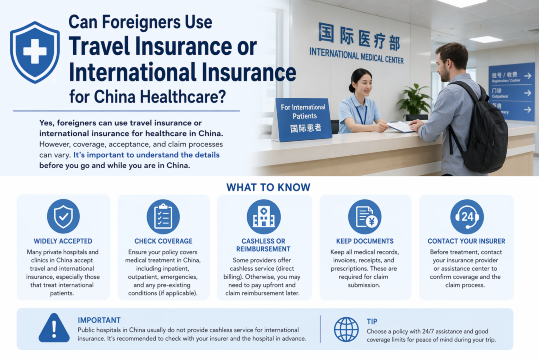
Can foreigners use travel insurance or international insurance for China heathcare?

Can foreigners use travel insurance or international insurance for China heathcare?
  • Travel Medical Insurance: Most standard tourist travel insurance plans operate on a reimbursement basis. You will need to pay the hospital out-of-pocket first, collect all official itemized tax receipts (called a Fapiao 发票) and medical reports, and file a claim with your insurer later.
  • Premium International Health Insurance: Premium expat plans (like Cigna, Bupa, or Allianz) offer direct billing at most private international hospitals. The hospital bills the insurance provider directly. Always call your insurer beforehand to verify if your specific hospital is in their network.

Best cities for foreign patients: Shanghai, Beijing, Guangzhou, Shenzhen

If you are considering traveling to China for medical reasons, stick to the premier Tier-1 hubs. These cities have highly developed international medical infrastructure:

  • Shanghai: The undisputed leader for international medicine. It features the deepest bench of English-speaking hospitals and a regulatory environment that permits wholly foreign-owned medical institutions.
  • Beijing: Home to top-tier institutional giants like the International Medical Services of Peking Union Medical College Hospital (PUMCH), widely considered one of the best clinical facilities in Asia.
  • Shenzhen & Guangzhou: Excellent options in Southern China, frequently utilized by international travelers due to their state-of-the-art medical manufacturing infrastructure and close proximity to Hong Kong.
🎁Search 3% Off bullet train in China below👀 or check the Cheapest flights to China!

China visa-free travel and medical treatment

China’s expanded visa policies make short-term medical trips incredibly accessible. Here are the exact current rules you need to know:

  • 30-Day Visa-Free Entry: China has implemented a unilateral visa-free policy for ordinary passport holders from dozens of countries (including Germany, France, Italy, Spain, the Netherlands, Australia, New Zealand, South Korea, and many others) allowing stays up to 30 days for tourism, medical checks, and family visits.
  • 144-Hour / 240-Hour Visa-Free Transit: If you are transiting through China to a third country (e.g., flying London -> Shanghai -> Tokyo), citizens of 55 countries can enter visa-free for up to 144 hours (6 days) or up to 240 hours (10 days in select regions) depending on the port of entry.
  • Long-Term Medical Stays: If you require a major surgical procedure that demands weeks of inpatient recovery or consecutive follow-up treatments that exceed visa-free limits, you should apply for a dedicated Medical Visa (S2 Visa) at a Chinese embassy before your trip, supported by an official invitation letter from your chosen Chinese hospital.

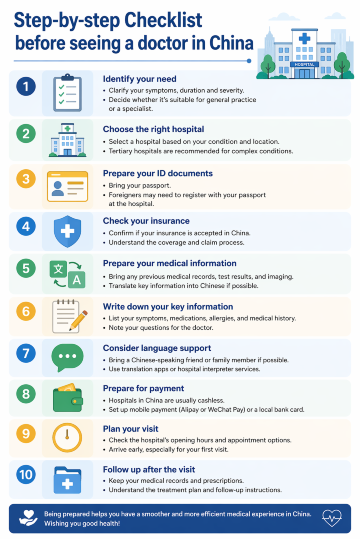
Step-by-step Checklist before seeing a doctor in China

Step-by-step Checklist before seeing a doctor in China

To ensure your medical visit goes seamlessly, execute these steps in order:

1.Choose your track: Based on budget & language.

Decide whether you are going to a public ordinary department (lowest cost, bring a translator), a public international department (mid-tier cost, English spoken), or a private hospital (highest cost, full English service).

2.Prepare your financials and ID: Crucial for registration.

Pack your physical passport. Ensure your WeChat Pay or Alipay is active and linked to a functioning international credit card, or carry local cash.

3.Register at the hospital: First window upon arrival.

Head to the hospital's registration desk (挂号). Present your passport, state your symptoms so they can assign you to the correct department, pay the base consultation fee, and receive your physical medical booklet or hospital card.

4.The consultation and sequential payment: Inside the department.

See the doctor. If they order diagnostic tests or write a prescription, take the printed paper orders back to a cashier window or kiosk to pay for them first, then proceed to the laboratory or pharmacy.

What to Do if You have Serious Medical Emergencies in China

For life-threatening or severe medical emergencies in China, foreigners follow the same national emergency protocols as local residents, with no upfront payment required for emergency rescue by law.

  1. Dial the official emergency number: 120
    This is China’s exclusive ambulance & emergency medical line (24/7, basic English support available in major cities). For police/accident assistance, dial 110.
  2. Ambulance & hospital admission
    120 dispatches the nearest tertiary hospital ambulance. Severe emergency cases get priority treatment, diagnosis, surgery and rescue first, with all fees settled after stabilization.
  3. Foreign patient emergency rules
    No passport check, no visa verification, no pre-payment will delay emergency rescue per Chinese medical regulations. International departments will be arranged for language support if needed.
  4. Post-emergency procedures
    Keep all medical bills, emergency records and diagnosis documents for insurance reimbursement. If your visa-free/visa stay expires during hospitalization, the hospital will issue official proof for a legal stay extension at local exit-entry bureaus.

Real Expat Tips & Common Mistakes to Avoid

  • Understand What's Over-the-Counter (OTC): Many medications that require strict prescriptions in Western countries are readily available over the counter at Chinese pharmacies. For routine issues, walking into a local drugstore or using an app can save you a hospital trip entirely.
  • The App Delivery Hack (Meituan/Ele.me): Don't stand in hospital lines for mild cold medicine or basic bandages. Download Meituan (美团) or Ele.me (饿了么), tap the 24-hour pharmacy icon (美团买药), and over-the-counter medications will be delivered directly to your hotel lobby within 30 minutes.
  • Vitamins and International Brands: Local retail pharmacies rarely stock Western-branded vitamins, supplements, or specific specialized care products. Expats buy these via Taobao Global (淘宝国际) or JD.com (京东), which deliver authentic cross-border imports in 48 to 72 hours.
  • Hospital Companion Services: If you are nervous about navigating a public hospital alone, look into a hospital companion service (陪诊服务) on apps like Xianyu (闲鱼). For a few hundred RMB, a professional local will meet you at the hospital, handle the registration lines, guide you through the pay windows, and ensure you get to the right clinics smoothly.
  • Don't skip the cashier: The number one mistake first-timers make in public hospitals is waiting in a blood-draw line or radiology line for an hour, only to find out they can't get the test because they forgot to pay for it at the central window first.
🎁 Search Cheapest flights to China & book best China hotels! Book 3% Off China Train below.

[10% Off] Best China Hotel Recommendations

Top Shanghai Hotels
Top Beijing Hotels
Top Guangzhou Hotels
See All Hotels
NO.2
Grand Hyatt Shanghai
9.4/1018424 reviews
Grand Hyatt Shanghai
Hotel in Shanghai
NO.5
Radisson Collection Hyland Shanghai
9.2/105763 reviews
Radisson Collection Hyland Shanghai
Hotel in Shanghai
NO.6
Hotel Chalet Shanghai
9.5/1014004 reviews
Hotel Chalet Shanghai
Hotel in Shanghai
NO.2
UrCove by HYATT Beijing Forbidden City
9/104094 reviews
UrCove by HYATT Beijing Forbidden City
Hotel in Beijing
NO.3
Radisson Hotel Beijing Daxing Airport
9.6/105842 reviews
Radisson Hotel Beijing Daxing Airport
Hotel in Beijing
NO.5
Livefortuna Hotel
9.6/105428 reviews
Livefortuna Hotel
Hotel in Beijing
NO.6
Hilton Beijing Capital Airport
9.5/104909 reviews
Hilton Beijing Capital Airport
Hotel in Beijing
NO.7
Holiday Inn Express BEIJING DONGZHIMEN by IHG
9.7/106145 reviews
Holiday Inn Express BEIJING DONGZHIMEN by IHG
Hotel in Beijing
NO.8
ELONG WG.INTL BEIJING SANLITUN
9.6/10191 reviews
ELONG WG.INTL BEIJING SANLITUN
Hotel in Beijing

FAQs about China Heathcare

Disclaimer: This article has been provided by an individual contributor or third party platform. If there is any discrepancy regarding the copyright, please contact us directly and we will delete the content immediately.
Bethy

Bethy

Trip.com Travel Expert

View profile

Hey there! I’m Bethy (Huang Lan, 黄澜) – a travel enthusiast and content creator for Trip.com. I live as a digital nomad, mostly based in China, and I’ve also lived in awesome places across Southeast Asia and Eastern Europe. I love traveling all over the world, sharing useful travel tips and guides for fellow wanderlusters. When I’m not on the road, I’m a huge cat lover and play guitar for fun~

612 articles
Travel Insights & Local Experiences Digital nomad travel Travel budget hacks Itineraries & Planning
> >
China Healthcare