Jigokudani Monkey Park: Tickets, Opening Hours & Visiting Guide


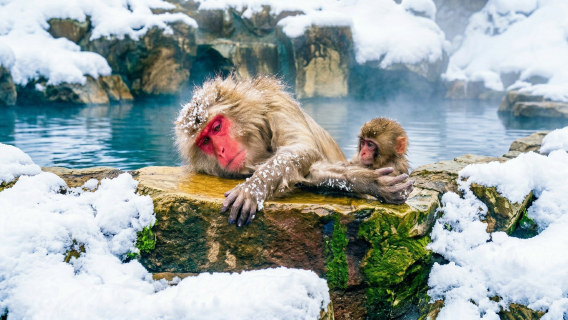
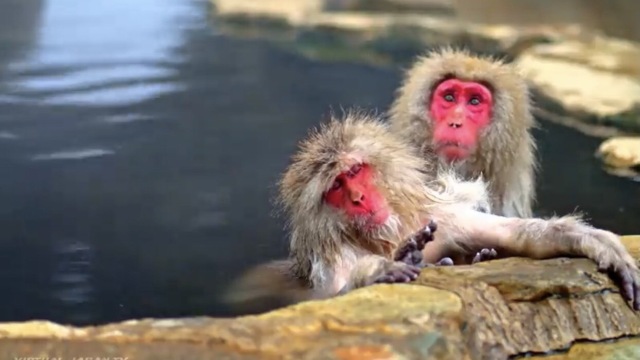
Located deep in the heart of Nagano Prefecture, Jigokudani Monkey Park provides a truly unique experience of wildlife. The park is well-known for its Japanese macaques or snow monkeys who are famous for enjoying the natural hot springs of the region. The park offers a different type of experience than a zoo as it allows you to observe these monkeys in their natural habitat, enabling you to witness their social behavior and activities.
Flights to Japan
Hotels in Japan
Japan Things to Do
See all flights

 NO.1
NO.1

AI Summary
This summary is AI-generated by Trip.com. For the complete guide, please refer to the article below.
Jigokudani Monkey Park in Nagano allows observation of wild Japanese macaques. General admission costs ¥1,000, payable in cash only at the entrance.
What is Jigokudani Monkey Park?

Jigokudani Monkey Park is regarded as one of the area’s nature preserves at the Joshinetsu Kogen National Park located in northern Nagano Prefecture. The park is at about 850 meters above sea level and surrounded by different-looking forests and mountains in all seasons.
Why Is It Called Hell Valley?
The name “Jigokudani” means “Hell Valley” owing to the steep rocks and cliffs and hot springs in the area. The landscape of this area was likened to the Buddhist meaning of hell once upon a time.
A Home for Wild Snow Monkeys
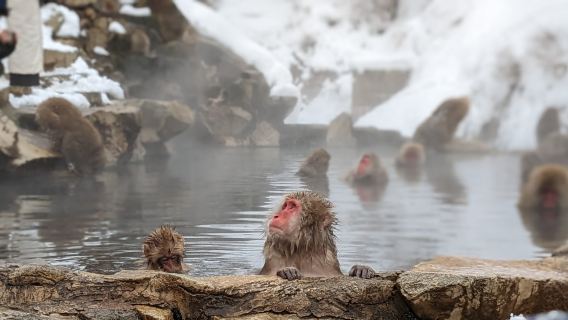
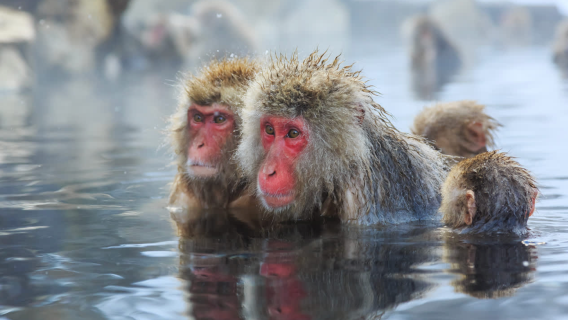
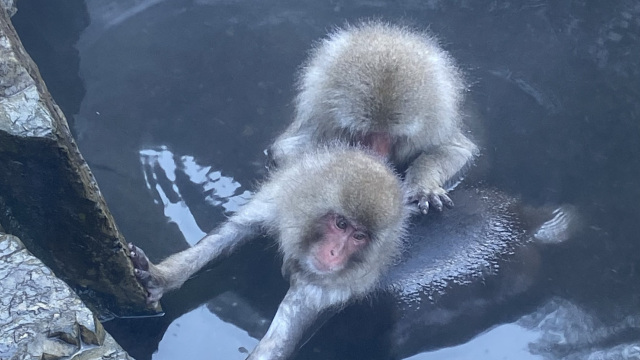
The park has been constructed to protect the Japanese macaques that inhabit the area. The monkeys are wild, and they are not kept in captivity. They are free to move around in the forested mountains in the area and frequently come to the park to take a bath in its hot spring. The visitors are given a chance to observe the monkeys kept at a safe distance while they are grooming themselves, playing, looking for food or relaxing in the hot water.
Why Do the Monkeys Use the Hot Springs?
The snow monkeys gained international recognition after being featured in documentaries and nature shows. They are thought to have begun bathing in hot springs in the 1960s after a young female monkey entered the water in search of some soybeans.
Soon, the troop started adopting the novel way of life.
5/5
8 reviews
5/5
This is a super natural and beautiful scene, filled with many Japanese apes, the wonderful sight of seeing apes soaking in hot springs when it snows in winter, is the most people deliberately cut to visit. 
5/5
We enjoyed interacting closely with the monkeys and soaking in the hot springs surrounded by the mountains that are unique to Nagano.
5/5
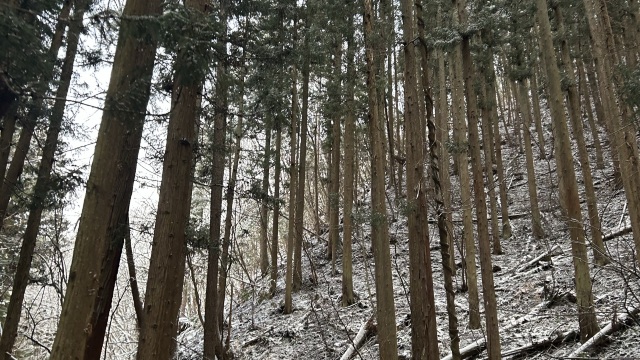
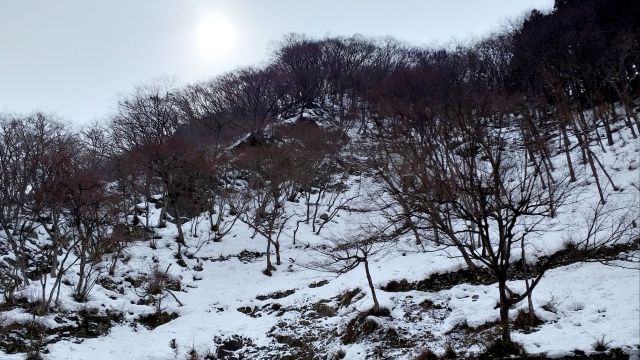
If you're a nature lover who doesn't like tiring vacation like me, this place is perfect. Do stay at the nearby onsen town, mosy of the ryokan/hotel would drive you to the park. Best to visit during winter time.

5/5
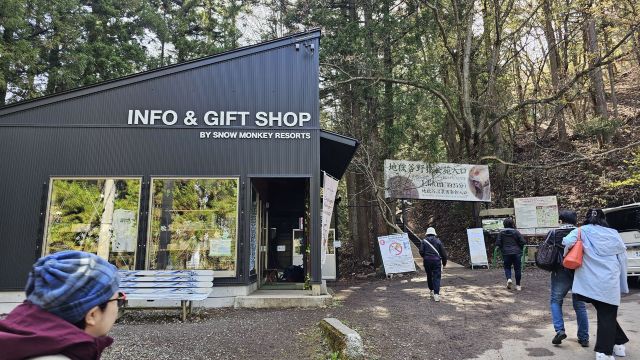
The Wild Monkey Park in Nagano Prefecture is a must-see attraction in Nagano. The entrance fee is 800 yen per person. This time I stayed at the Yudanaka Ichichanoyu Japanese-style Hotel. There is a free shuttle bus to and from the park, hotel and train station. Very convenient. However, everyone, please note that after getting off the bus, all hotel and self-driving passengers must walk on a large muddy road for about 20 to 25 minutes before reaching the final ticket gate to watch the monkeys soaking in the hot springs. Please note that the soles of the shoes will be slightly slippery and the shoes will get dirty!
I entered the park on April 18 this time. It was not the snowfall season and the temperature was only about 6 degrees. Monkeys in the park rarely jumped into the spring to soak. Instead, they kept lowering their heads to drink the spring water. I don’t know how to explain it?
5/5
The atmosphere is great. The little monkeys are very cute.
Jigokudani Monkey Park Tickets and Prices
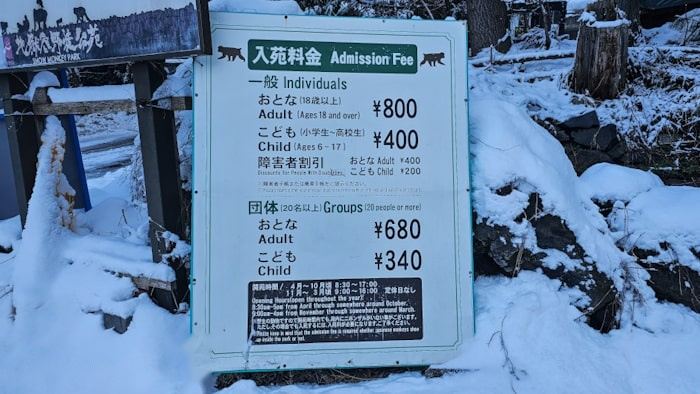
If you are going to organize your visit, you have to learn about the ticketing options. The ticket price at Jigokudani Monkey Park is easy and reasonable so that everyone can afford such a fabulous wildlife experience.
Admission Fees (Tax Included)
Ticket Type | General | Disability Certificate Holders | Group (20+ People) | Annual Pass |
Adult (18+) | ¥1,000 | ¥500 | ¥840 | ¥6,000 |
Child (elementary–high school) | ¥500 | ¥250 | ¥420 | ¥3,000 |
Children under 6 | Free (must be accompanied by a guardian) | — | — | — |
The adult rates represent an increase from the previous prices of ¥800 (general), ¥400 (disability), ¥680 (group), and ¥5,000 (annual pass). Child pricing remains unchanged from the previous structure.
Web Tickets (Tax Included)
For visitors who prefer to secure admission before arriving, web tickets are available at a slight discount compared with on-site general admission:
Ticket Type | General | Group (20+ People) |
Adult (18+) | ¥880 | ¥740 |
Child (elementary–high school) | ¥440 | ¥380 |
Children under 6 | Free (must be accompanied by a guardian) | — |
Web tickets offer savings of ¥120 per adult and ¥60 per child compared with standard on-site admission, making them an attractive option for travellers who like to plan ahead.
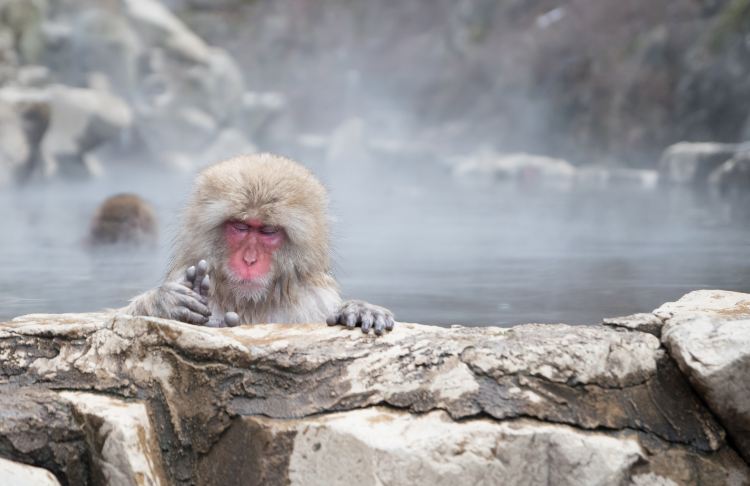
Jigokudani Monkey Park
5/5
8 Reviews
This is a super natural and beautiful scene, filled with many Japanese apes, the wonderful sight of seeing apes soaking in hot springs when it snows in winter, is the most people deliberately cut to visit. ⚠️Important Ticketing Information
Only cash payments are accepted at the entrance of the park, no credit card, debit card, or electronic payment options are allowed. Therefore, it is critical to have enough yen before your visit as there are no ATM facilities in this area.
No advance reservation is needed. Unlike many other attractions in Japan, here at Jigokudani Monkey Park you do not need to book your visit in advance.
Discounts for groups of 15 persons or more are sometimes available, depending on the park. If you are part of a bigger travelling group, it is better to contact the park’s offices for more information.
Options of seasonal tickets are available to visitors, although the usual option are day tickets. If you plan to visit the park several times during your stay, consider asking the staff about the seasonal tickets.
Snow Monkey Pass
If you're taking public transport, you should think about getting the Snow Monkey Pass. At about ¥3,600, the Snow Monkey Pass comprises the following:
- Train journey from Nagano Station to Yudanaka Station round trip
- Bus journey from Yudanaka Station to Kanbayashi Onsen round trip
- Entry to Jigokudani Monkey Park
You can buy the pass at Nagano Station and avoid buying separate tickets for the elements of your trip, making it beneficial if you take a day trip from Tokyo.
Tours and Guided Experiences
Although the park does not sell tickets using third-party bookings, there are various companies that offer tours which includes both transport options and admission fees.
These tours usually start from either Nagano Station or Hakuba and give some background information on the monkeys as well as their natural habitat.
It is wise to book the tours if you don't want to use public transport by yourself or if you need the assistance of a guide.
Opening Hours and Admission
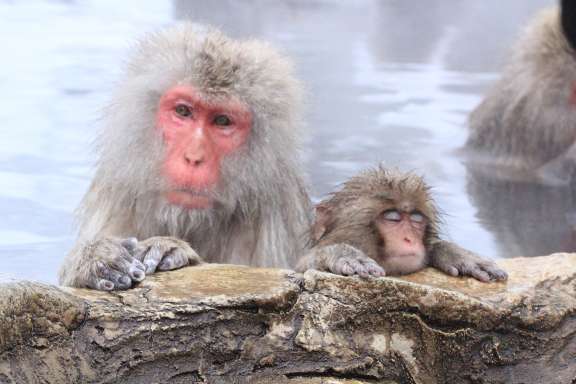
Jigokudani Monkey Park is open for business throughout the year, meaning there are no days on which the park is closed. The following are the times of operation in different seasons:
Summer (April to October): 8:30 AM – 5:00 PM
Winter (November to March): 9:00 AM – 4:00 PM
It is best to visit the park in the early morning hours as this is when the monkeys are usually the busiest, and you will bypass the hassle of meeting the large tour groups arriving at the park later in the morning. The winter period, especially the New Year celebration period and weekends during January and February, can mean that the park is very crowded.
Why Visit Jigokudani Monkey Park?
Seen as one of the unique wildlife attractions in Japan, Jigokudani Monkey Park provides a perfect opportunity to observe wild snow monkeys in their natural habitat. The park can be experienced throughout the year to see these special animals bathing in hot springs or interacting with one another.
Witness Wild Monkeys in Their Natural Habitat
Jigokudani is unique as it does not offer an ordinary experience of seeing wild animals. Here, one can see monkeys that are free to move about the woodlands and mountains since they come to the park when they choose to. This means that one sees monkeys in the park not as planned visits or exhibits but as unexpected encounters. Tourists are bound to see monkeys on their way through the woods before they reach the main park area, which adds to the experience they have.
Observe Complex Social Behaviour
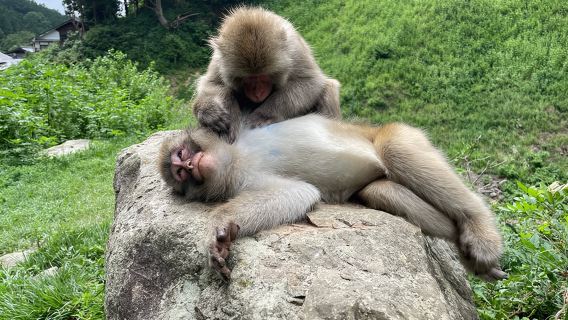
Japanese macaques inhabit social hierarchies that are extremely complicated. Their behavior is fascinating in that it reveals how monkeys behave towards one another. For example, tourists can see how a dominant male doesn’t have problems proving his dominant position or how young monkeys wrestle on the ground. Monkeys share bathing rituals that are social in nature as well. They spend a lot of time in the water, grooming one another.
A Journey Through Nature
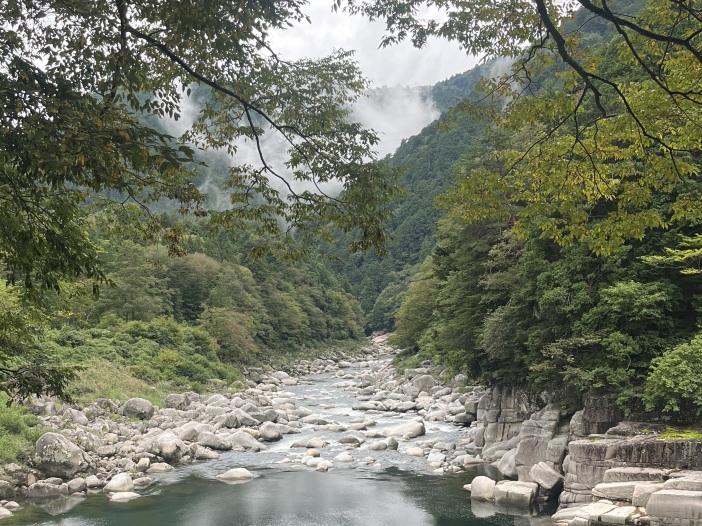
To reach the park, you have to walk along a beautiful 1.6-kilometer forest trail, something that many visitors consider part of the adventure. The route passes through an old forest, many waterfalls, and a river, heightening your anticipation of your arrival at the hot springs. Your journey preserves the nature of the park and makes sure visitors feel they are really in nature.
What to Do at Jigokudani Monkey Park
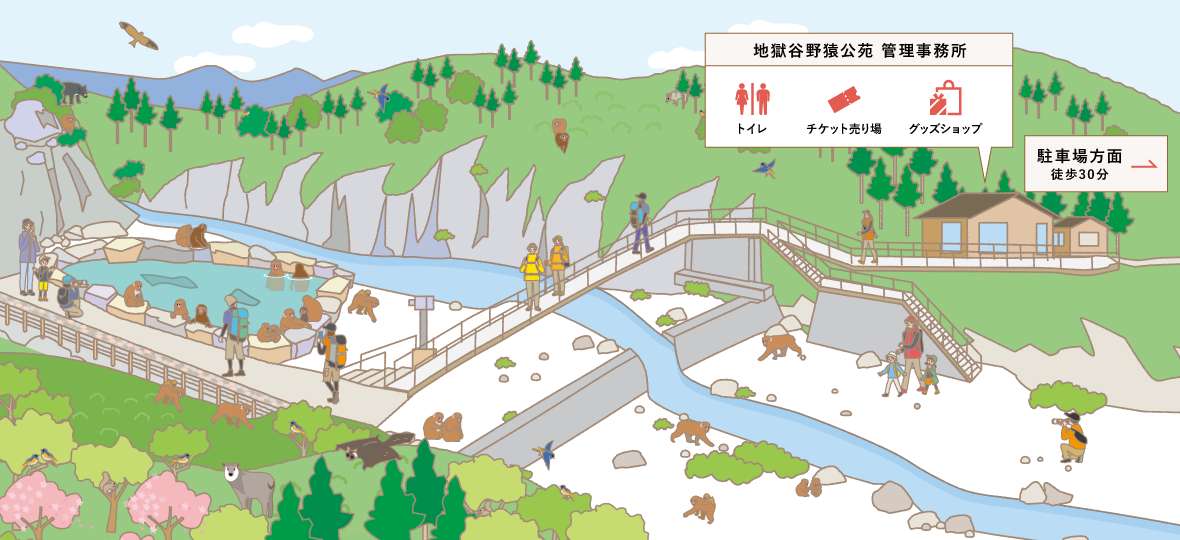
A visit to Jigokudani Monkey Park offers more than simply seeing Japan’s famous snow monkeys, with plenty to discover as you explore this unique mountain attraction.
Observe the Monkeys from the Viewing Platform
The primary observation site includes a viewing platform designed to let visitors observe monkeys without disturbing them. Visitors can take pictures of the monkeys playing in the hot springs and interacting and traveling between the pool and the forest from this vantage point. The platform has been designed so that visitors can get a great viewpoint while at the same time keeping a respectful distance from the animals.
Walk the Forest Trail
The 1.6-kilometer trail from the parking area to the park entrance stands as an adventure all on its own. The trail meanders through beautiful woods, including a bridge crossing over the Yokoyu River, where you might encounter monkeys surfacing. Be sure to leave a minimum of half an hour for the trip while wearing the right shoes—conditions have made the trail uneven and can be variable according to season.
Photography
Jigokudani is a photographer's dream. Whether you're shooting the classic shot of the monkeys in the steaming hot spring with the snowy mountains in the background, or you'll be snapping the monkeys in the forest they are so fond of running about in, you'll have plenty of opportunities. The best light for photography is the early morning, and avoid the busiest hours for more room to move.
See all attractions


How to Get to Jigokudani Monkey Park
From Tokyo
The journey from Tokyo to Jigokudani takes approximately 2.5 to 3 hours:
- Take the Hokuriku Shinkansen from Tokyo Station to Nagano Station (approximately 1 hour 20 minutes to 1 hour 30 minutes).
- Transfer to the Nagano Dentetsu (Nagaden) train line and travel to Yudanaka Station (approximately 45 minutes).
- From Yudanaka Station, take a bus to Kanbayashi Onsen (approximately 7 to 15 minutes).
- Walk the remaining 1.6 kilometres along the forest trail to the park entrance (approximately 30 to 40 minutes).
From Nagano Station
Direct buses operate from Nagano Station to the Snow Monkey Park stop, taking approximately 40 minutes. From the bus stop, it is a 30-minute walk to the park. This option eliminates the need to transfer at Yudanaka Station and can be more convenient for those travelling directly from Nagano.
By Car
If you're driving, get on the Joshinetsu Expressway and get off at Shinshu-Nakano Interchange. From there, drive on Route 292 and Route 403 to the Kanbayashi Onsen (20-30 minutes from the interchange). There is a parking lot at the Kanbayashi Onsen, but it is very popular and fills up quickly in busy seasons. The walk to the park from the car park takes 30 minutes.
Best Time to Visit Jigokudani Monkey Park
Winter (December to March)
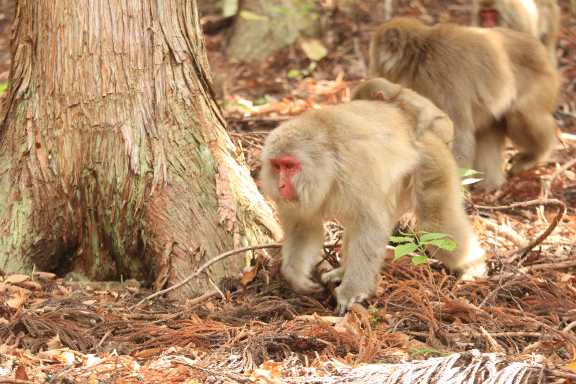
Winter is the most famous time to visit Jigokudani, when snow covers the valley and the monkeys spend extended periods in the hot spring. The contrast between the snowy landscape and the steaming onsen creates the iconic images that have made the park famous worldwide. However, be prepared for cold temperatures and potentially icy trail conditions. Proper winter footwear and warm clothing are essential.
Spring (April to May)
Spring offers a quieter, more peaceful experience. Baby monkeys born in spring provide endless entertainment as they learn to navigate their world. The forest is lush and green, and the weather is mild and pleasant for walking.
Summer (June to August)
Summer provides a completely different perspective on the park. The monkeys spend less time in the hot spring and more time foraging and playing in the surrounding forest. The trail is beautiful, surrounded by vibrant greenery, and the lack of crowds makes for a relaxed visit.
Autumn (September to November)
Autumn is arguably the most beautiful time for the forest walk, with the surrounding trees displaying spectacular red and gold foliage. The monkeys remain active, and the cooler temperatures mean they may begin returning to the hot spring as winter approaches.
Jigokudani Monkey Park Essential Visitor Tips
- Wear appropriate footwear. The forest trail to the park is unpaved and can be muddy, rocky, or icy depending on the season. Comfortable walking shoes or boots with good grip are essential. In winter, consider bringing crampons or snow grips for your shoes.
- Bring cash. The park entrance and the gift shop only accept cash. There are no ATMs at the park, so withdraw money before you arrive.
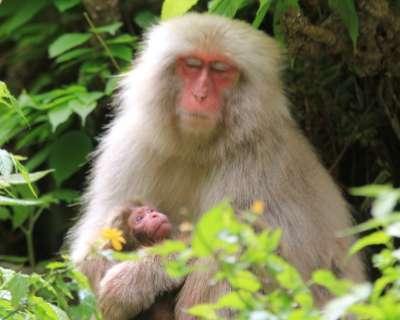
- Do not feed or touch the monkeys. These are wild animals, and feeding them can alter their natural behaviors and create dependency on human food. Observe from a respectful distance and allow them to go about their natural activities.
- Arrive early. The monkeys are most active in the morning, and arriving early allows you to beat the tour groups and enjoy a more peaceful experience.
- Check the live webcam. The park's official website features a live webcam showing current conditions at the hot spring. This can help you decide the best time to visit and see how many monkeys are currently present.
- Allow sufficient time. Plan for at least 3 to 4 hours for your visit, including the walk to and from the park. Rushing the experience diminishes its magic.
Why visit Jigokudani Monkey Park
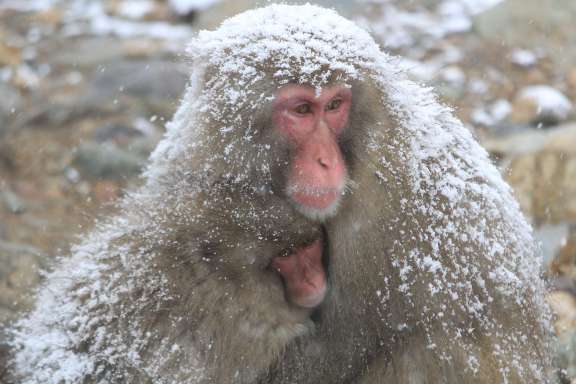
Jigokudani Monkey Park offers a rare opportunity to witness wild animals behaving in ways that seem almost human. The sight of Japanese macaques relaxing in a natural hot spring, surrounded by snow-covered mountains, is one of Japan's most memorable travel experiences.
Whether you visit in winter for the iconic snowy scenes or in summer for a peaceful forest walk, this unique park provides a genuine connection with nature that few other destinations can match.
The journey through the forest trail, the anticipation of what you might see, and the privilege of observing these remarkable creatures in their natural environment combine to create an experience that will stay with you long after you leave.
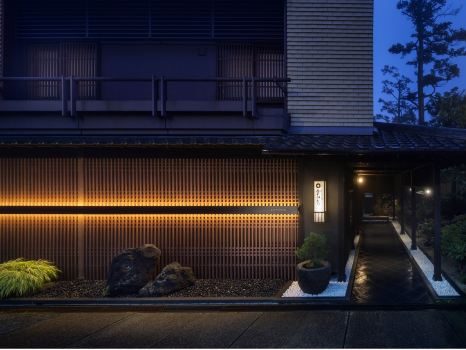
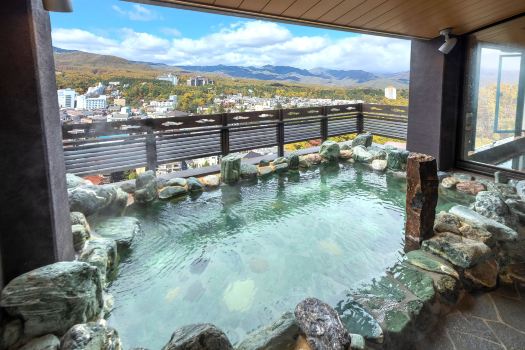
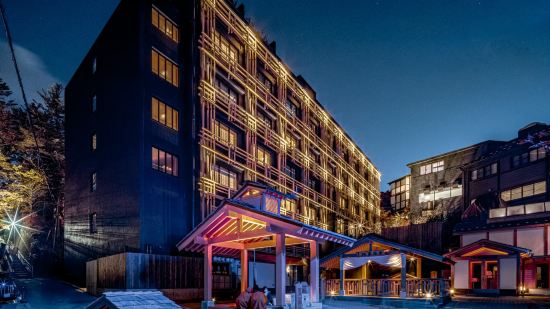
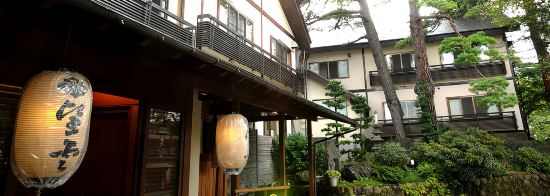
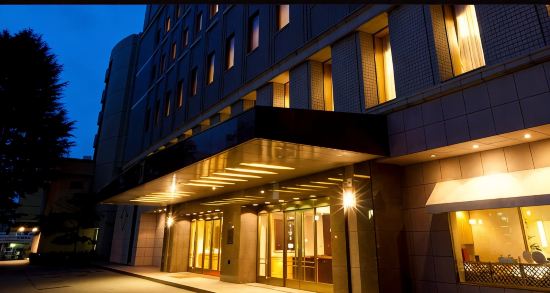
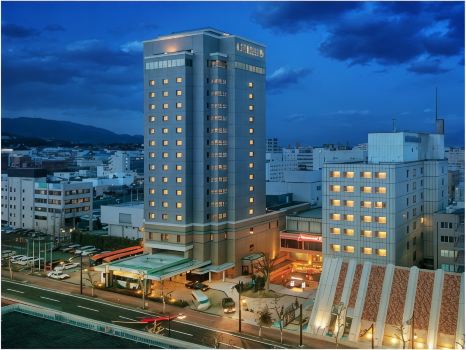
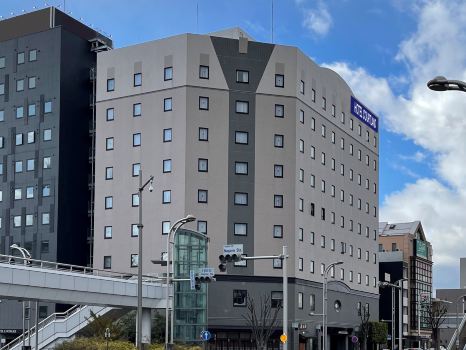
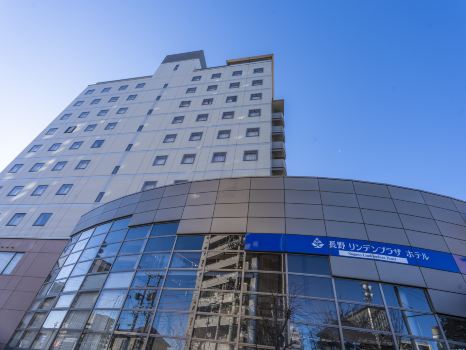
🔥Recommended Hotels in Japan
Hotels in Tokyo
Hotels in Katsuku
Hotels in Nagano City
See All Hotels
Snow Monkey Park FAQ
-
What are the opening hours of Jigokudani Monkey Park?
-
How do I get to Jigokudani Monkey Park from Tokyo?
-
What is the best time to see snow monkeys in Japan?
-
Can I touch or feed the monkeys at Jigokudani Monkey Park?
-
Is Jigokudani Monkey Park suitable for children?
Disclaimer: This article has been provided by an individual contributor or third party platform. If there is any discrepancy regarding the copyright, please contact us directly and we will delete the content immediately.
Trending Searches
-
Popular Attractions
-
Air Travel Guide
-
Trending Stays
-
Connectivity
- Forbidden City Tickets
- Zhangjiajie National Forest Park
- Shanghai Wild Animal Park
- Shanghai Tower Tickets
- Tianmen Mountain
- Shanghai Disneyland Tickets
- shanghai to wangxian valley
- Canton Tower Tickets
- Huangshan
- Book China Attraction Tickets with Passport
- Shanghai Disneyland Fast Pass
- Universal Studios Beijing Tickets
- Summer Palace Tickets
- Shanghai Disneyland Crowd Forecast
- Great Wall of China Tickets
- Daffitto Oshiage I
- KOKO HOTEL Tokyo Nishikasai
- 9h nine hours Ningyocho
- Shinjuku Nikka Hotel
- APA Hotel and Resort Roppongi Ekihigashi
- Yoroi Asakusa Hotel
- APA Hotel Asakusa Kuramae Kita
- KOKO HOTEL Shinjuku Yotsuya
- Daiwa Roynet Hotel Ginza Premier (Renewal Opening on April, 2026)
- ONE@Tokyo by insomnia
- MIKAMI ASAKUSABASHI HOTEL
- APA Hotel Shinjuku-Kabukicho Tower
- APA Hotel Roppongi SIX
- Rhodes Kagurazaka Hotel
- Hotel Villa Fontaine Grand Haneda Airport - Directly connected to Haneda Airport Terminal 3
- MEGURO MIDORI HOTEL
- 9h nine hours woman Shinjuku
- 9h nine hours Hamamatsucho
- Daiwa Roynet Hotel Nishi-Shinjuku PREMIER
- Ueno Station Hostel Oriental 1(Men Only)