
Ever stared at a $15 airport sandwich and thought, “I could make this at home for $3”? You’re not alone. Bringing your own food on a plane is totally allowed, but there are rules. Security and customs limit what you can pack, especially for liquids, perishables, or international flights.
Below’s the guide you need: Food on a plane carry-on/checked luggage rules, banned items, international customs notes, and packing tips.


Can You Bring Food through Airport Security?
Can You Bring Homemade Food Through Airport Security? What You ...
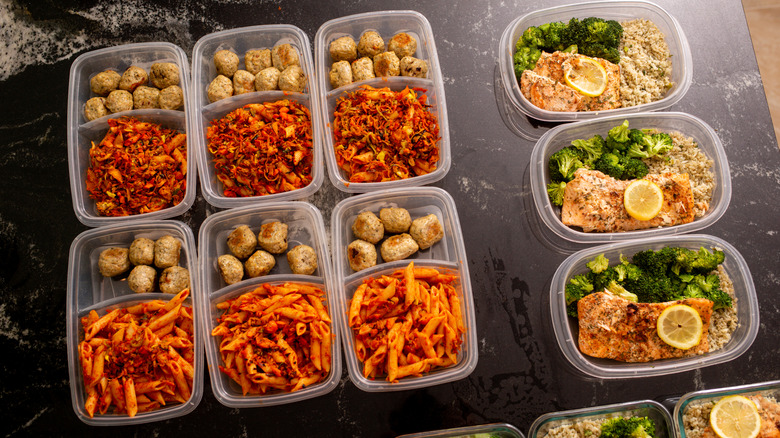
Yes, for the most part. Airport security cares about safety, not banning food. The universal rule:
- Solid food: Almost always allowed in carry-on and checked luggage—hardly any issues.
- Liquid/gel food: Carry-on must follow the 100ml (3.4oz) rule (fit in a quart-sized liquid bag); checked luggage has no volume limit.
Travelers on Reddit also support this claim: Some brought a whole Domino's pizza through the TSA, some brought grilled lamb chops from Asia, and others brought 12 burritos across the United States. Security personnel may take samples of dense food items such as sandwiches or canned food to check for explosives, but you will almost always keep your food.
Quick note: A small amount of condiments (mayonnaise on a sandwich, a little hummus on the wrapper) also count as part of solid food - they don’t use up your 100ml liquid limit. But standalone containers (sauce, yogurt, soup) over 100ml get taken from carry-on, pack those in checked instead.
✔️Food You Can Bring on a Plane (Carry-On or Checked Luggage)

TSA food rules let you carry on these Thanksgiving staples
To avoid confusion, we’ve split this into Carry-On (items that breeze through security) and Checked Luggage (items better suited for the hold, like liquids or bulky perishables).
Carry-On Food to Bring on a Plane
Stick to solid, non-perishable, or shelf-stable items, cuz these require no special handling and won’t be flagged. All of these were approved by the Reddit traveler:
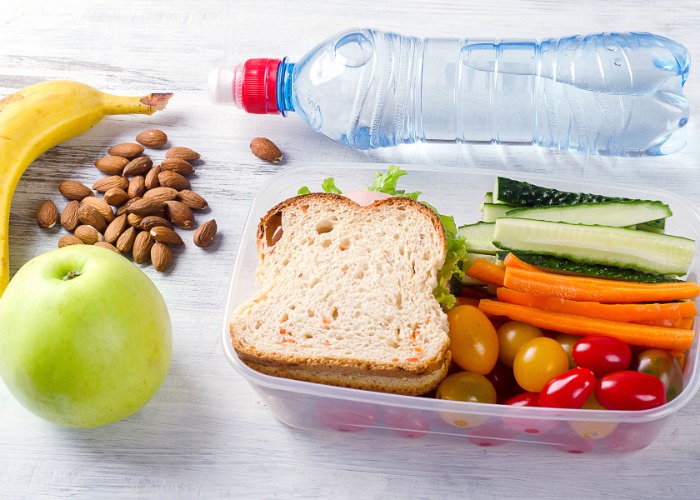
- Sandwiches/wraps: Any type (like turkey, veggie, peanut butter and jelly) as long as condiments are spread thinly (excessive jelly or gravy may be flagged as liquid). Reddit users report that bringing Subway sandwiches, homemade wraps, and even burgers through security without issues.
- Dry snacks: Nuts, granola bars, crackers, chips, gummy bears, popcorn (store-bought or homemade), rice cakes, and dried fruit. These are non-perishable, mess-free, and universally allowed.
- Fresh fruits/veggies: Whole fruits (apples, bananas, oranges) and cut veggies (carrot sticks, cucumber slices) are permitted through security. Note: You may have to discard them at international customs (pls see “International Flights” section below).
- Protein-packed options: Hard-boiled eggs (wrap to contain smell), vacuum-sealed cheese (like Gouda, cheddar, they must be shelf-stable, not refrigerated), canned tuna (in water, no liquid overflow), and frozen foods (e.g., tamales, ribs) as long as they’re fully solid (TSA/EU Security consider frozen items “solid” until thawed).
- Meal-sized picks: Dehydrated camping meals (ask the flight attendants for hot water), rice bowls with less sauce, cooked food trays (sealed cheese/meat, no fresh produce).
Special Cases (Carry-On Exceptions)
- Infant/toddler food: Formula milk powder, breast milk and baby food are allowed, even more than 100 ml. Tell the security guard that you have; They will check it individually, but they won't accept it.
- Dietary restrictions: If you have allergies, gluten intolerance or other needs, bring what you need (gluten-free bread, anti-allergy snacks). A Reddit user with severe allergies carried a thermos filled with solid rice and vegetables and went through a 15-hour flight security check without blinking an eye.
- Medical essential food: Liquid nutritional shakes (such as Ensure) can be carried around without any restrictions. Declare. If possible, bring a doctor's certificate.
Foods you can and can't take on airplanes
Checked Luggage Food to Bring on a Plane
Checked luggage has far fewer restrictions, better use it for items that are liquid, perishable, or too large for carry-on. Follow these guidelines to avoid spills or spoilage:
- Liquid/gel foods: Large containers of sauce, soup, yogurt, hummus, salsa, peanut butter (full jars), and salad dressing. No volume limit—pack them in leak-proof containers (e.g., Tupperware with sealed lids) to avoid ruining other items.
- Perishables: Fresh seafood, raw meat, refrigerated cheese, and cooked meals (e.g., leftover roast chicken). Pack them in a cooler with ice packs (TSA allows frozen gel packs in checked luggage—they don’t need to be fully frozen).
- Bulky items: Whole roasts, large pizzas, or family-sized meals (too big for carry-on overhead bins). Reddit users have transported whole turkeys, grilled ribs, and even cakes in checked luggage—just wrap securely.
- Alcohol: Beverages with 24–70% ABV (wine, beer, spirits) are allowed in checked luggage (max 5L per person for most airlines). Alcohol over 70% ABV is banned in both carry-on and checked.
Checked Luggage Tips
- Wrap perishables tightly to prevent odor leakage (e.g., use plastic wrap around meat containers).
- Use leak-proof bags for liquids—double-bag to be safe.
- Avoid packing fragile foods (e.g., fresh berries) in checked luggage—they may get crushed.
 1426 booked







❌Food You Can’t Bring on a Plane
Food You Can’t Bring on a Plane
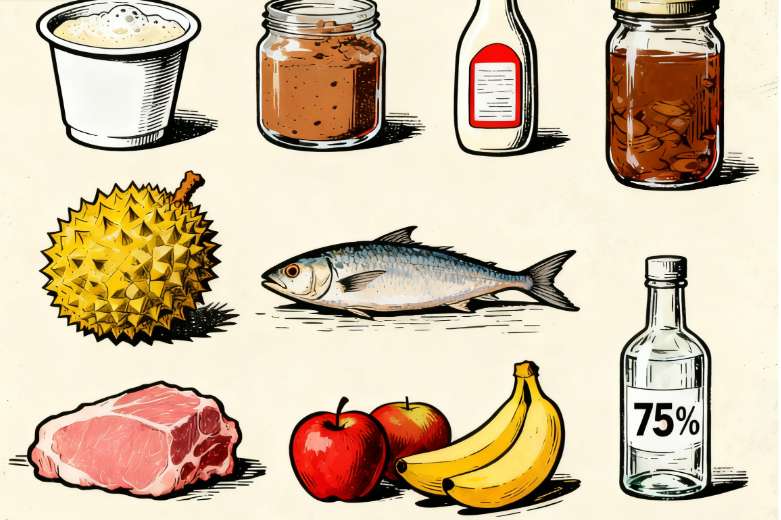
Some foods are prohibited from being carried, either because they are liquids and pose a biosafety risk, or because they are impolite to other passengers. Here’s what to leave at home:
- Liquid/gel foods over 100ml: Yogurt, hummus, salsa, soups, salad dressings and large containers of condiments (such as a whole jar of peanut butter - yes, some safety agencies consider peanut butter to be gel, such as in Switzerland).
- Strong-smelling foods: Do not take fermented fish, durian, cream herring or boiled eggs (unless you want to face the sideways glances of your peers). A Reddit user recalled that once on a flight, two passengers opened the packaging of herring, and even the flight attendants had to intervene - this was not illegal, but it was a very inconsiderate act.
- Fresh foods restricted by destination: Fresh meat, dairy, and fruits/veggies are often banned at international customs (e.g., Australia, New Zealand, the US)—more on this below.
- Alcohol over 70% ABV: While not “food,” alcoholic beverages over 70% are banned in carry-on (and checked) luggage. Lower-alcohol drinks follow the liquid rule.
Will I Be Fined for Bringing Food on a Plane?
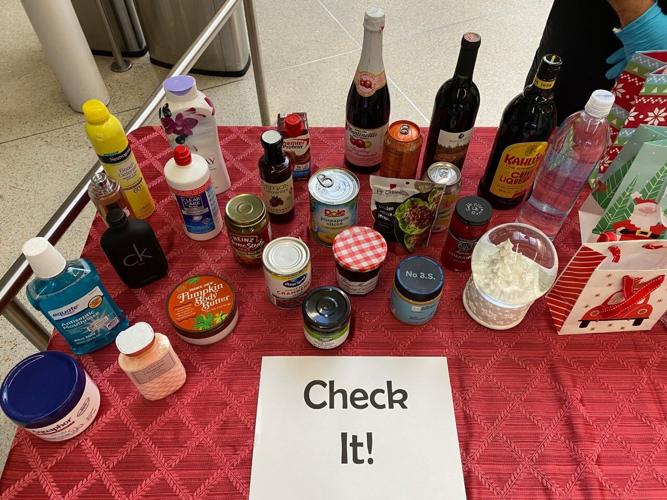
Tsa Approved Snacks Can I Take Fruit On An Airplane Tsa Approved ...
Yes, if you carry prohibited food, you may be fined. Fines vary greatly from country to country. If you carry prohibited food or fail to declare it correctly, the fine can be quite large. The severity depends on:
- The types of food (fresh or processed, meat or vegetables)
- Have you ever declared
- The country's biosecurity law and your destination
1️⃣ Food Category Risk Levels
Food Type | Risk Level | Fine Likelihood |
|---|---|---|
Fresh fruits/vegetables | High | Very high (Australia, NZ, US) |
Meat/dairy products | Highest | Extremely high (all regions) |
Processed/packaged foods | Low | Low (if declared) |
Dehydrated/canned foods | Medium | Medium (varies by country) |
Homemade meals | Medium-High | Medium (especially if containing meat) |
2️⃣ Declaration Status for Food
- Declared items: Usually inspected but rarely fined if properly declared
- Undeclared items: Virtually guaranteed fines if detected
- False declaration: Most severe penalties (fines + possible legal action)
3️⃣ Country-Specific Food Rules
- Australia/NZ: Use sniffer dogs and X-ray machines extensively
- US: Agricultural inspectors focus on preventing pests/diseases
- EU/UK: Focus on Animal Diseases (Foot-and-mouth disease, swine fever)
- China: Focus on preventing African swine fever
What If You Bring Prohibited Food? (Fines & Handling)
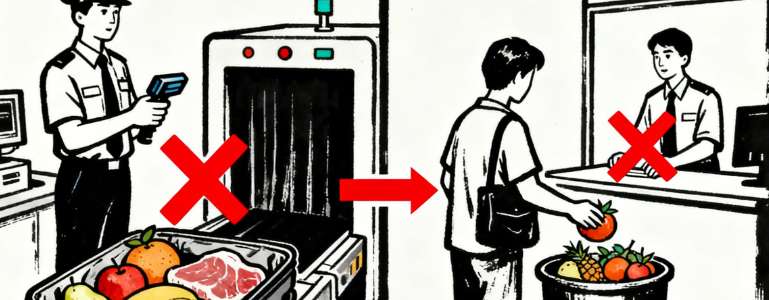
If you are found carrying prohibited food, the consequences depend on whether it is at security check or customs,
1. Caught at Airport Security
- Outcome: Prohibited items (like 200ml hummus) will be confiscated - typically no fine (the focus of safety is safety, not punishment).
- What to do: Cooperate with agents; If possible, discard or inspect items (for example, transfer liquids to checked luggage before security check).
2. Caught at International Customs
- Outcome: Undeclared prohibited food (like fresh fruit in Australia) leads to fines (varies by country) or confiscation.
- Fines Summary (2025 Official Rates):
- Australia/NZ: $250–$45,000 USD (undeclared fresh food).
- US/EU: $300–$6,000 USD (undeclared meat or dairy).
- Asia (Japan/SK): $3,800–$7,000 USD (prohibited agricultural items).
- What to do:
- Declare all food on the customs form (even if you are not sure), the inspector may allow or discard it without a fine.
- If prevented, cooperate: Arguing or lying will increase the punishment.
- Pay the fine in time (delay may cause visa problems).
Bringing Food on International Flights (Customs Is the Big Risk)

What Is Allowed in a Carry-on Bag?
Security is the easy part—customs at your destination is where you need to be careful. Every country has strict regulations to prevent invading pests or diseases, so even if your food passes through security checks, it may still be confiscated upon arrival.
- US/Australia/New Zealand: In the United States/Australia/New Zealand, fresh fruits, vegetables, meats and dairy products are almost always prohibited. A Reddit user had an apple confiscated when leaving Hawaii (the US restricts fruits to prevent fruit flies), and another user was warned not to bring fresh food into Australia. Vacuum-sealed, shelf-stable meat/cheese is usually permitted, but must be declared in any case.
- EU: Most fresh food from the EU is permitted, but fresh meat/dairy products from outside the EU are prohibited. Processed foods (such as potato chips, chocolate or sealed sandwiches) are acceptable.
- Asia (Japan/South Korea): Fresh fruits/vegetables are usually restricted - they need to be declared, and if required, be prepared to throw them away. Processed foods and packaged foods are usually permitted.
Pro tip: Eat fresh food on the plane or throw it away before landing. If you are not sure, please check the customs website of the destination country (for example, CBP in the United States, DAFF in Australia) before packing.
How to Pack Food for Your Flight
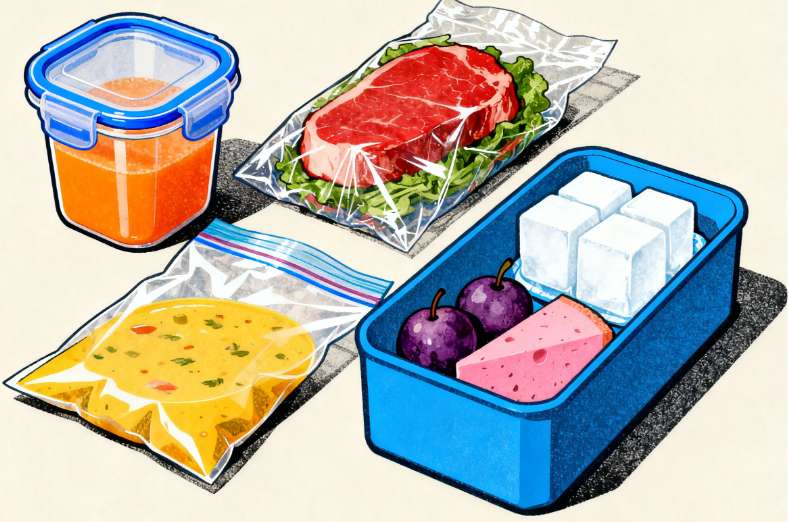
To keep your food fresh, avoid spillage and follow the rules, please follow these Reddit-approved suggestions:
- Use sealed containers: Tupperware or reusable silicone bags can prevent leakage and keep food from being crushed (which is important for sandwiches or salads).
- For individual liquids: If you must bring a sauce or seasoning, put it in a 100-milliliter bottle in your liquid bag. A passenger suggested adding sauce to food during the flight rather than before stirring.
- Bring an empty water bottle: After the security check, fill the water dispenser with water - this saves money and avoids buying expensive airport water. Some travelers freeze half a bottle of drink to extend its refrigeration time.
- Avoid perishable food during long flights: Unless you are carrying frozen food, do not bring perishable food (such as fresh seafood or cheese that has not been sterilized at high temperatures) to prevent food poisoning.
- Think it through: Do not eat food with strong flavors. If you are going to bring nuts, check if there is a nut allergy ban on the flight (some airlines will announce this if passengers have severe allergies).
- Don't bring too many things: During a two-hour flight, you don't need to have a full meal - snacks like nuts or granola bars are enough. On a long flight, bring a meal and a snack. This way, you can stay full without filling your suitcase.
[8% OFF] Global Hotel Recommendations






FAQs about Can you Bring Food on a Plane
Can I bring a burger/sandwich on a plane?
Yes—solid sandwiches/burgers are allowed in carry-on (thin condiments only).Will I be fined for carry-on liquid food over 100ml?
No—security will confiscate it, but no fines. Fines apply only to undeclared customs violations.Can I pack fresh fruit in checked luggage?
Yes for domestic flights; banned at most international customs (discard before landing).Can you take your own food on a plane in carry-on?
Yes—solid, non-perishable foods (sandwiches, nuts, dried fruit) are allowed. Liquid/gel foods must be ≤100ml and fit in a quart-sized bag.What food cannot be taken on a plane?
Banned foods include liquid/gel items over 100ml in carry-on (yogurt, hummus), strong-smelling foods (durian, herring), fresh meat/dairy (banned at international customs), and alcohol over 70% ABV.