How to Use a Switzerland Plug: Voltage and Adapter Guide

by Yuan Wu
March 30, 2026
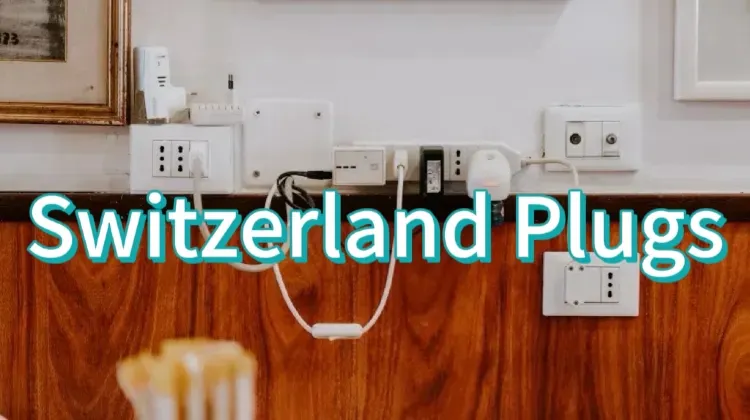
Switzerland uses the Type J plug, with three round pins in a triangular shape, and the standard voltage is 230V at 50Hz.
Travelers from countries with different plug types (A, B, G, etc.) will need a travel adapter to safely use their devices. It’s recommended to bring adapters before you travel, though they are also available in Swiss stores, hotels, and airports.
Learn about the Switzerland plug types, voltage requirements, and whether you need a plug adapter or voltage converter for your trip.👀
See all attractions
 428553 booked




AI Summary
This summary is AI-generated by Trip.com. For the complete guide, please refer to the article below.
Switzerland uses the Type J plug and a standard voltage of 230V at 50Hz for all electrical devices.
What Type of Plug Is Used in Switzerland?
If you're heading to Switzerland, you’ll want to know what kind of plug they use.
Switzerland relies on the Type J plug, which has three round pins in a triangular shape. It’s a bit different from the more common Type C or F plugs used across Europe, but the good news is that some Type C plugs will still fit in Type J sockets.
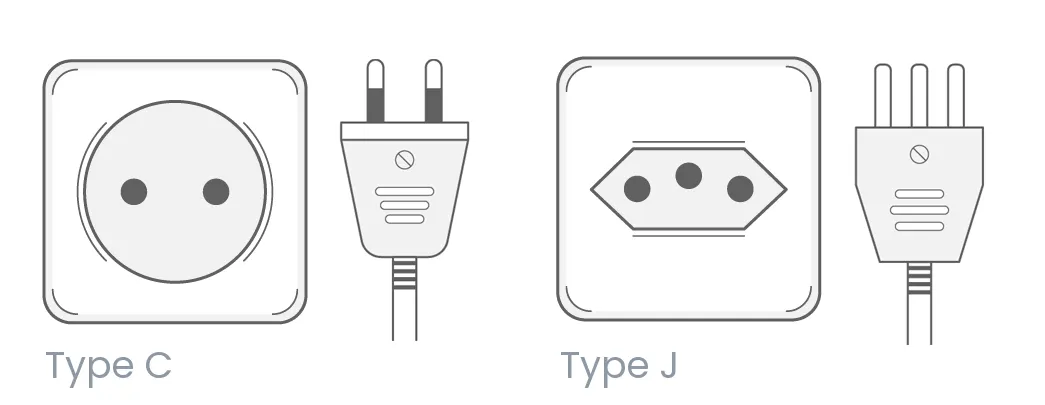
Source: World-Power-Plugs.com
Type C has two round parallel pins
Type J has three round pins in a shallow triangle shape
👏Tips from Reddit (user id: Tballz9)
Sometimes type C plugs fit into a Swiss socket, sometimes they don't. Some C items have thicker pins that just don't fit into a Swiss J socket. Every socket in Swiss is J, with the exception of some hotels having outlets for travelers, but even that is not always present. Best bet is to have a J connector plug, and a voltage converter if you are coming from 110V land. J plugs will always work.
What Voltage and Frequency Do Switzerland Power Plugs Use?
Voltage and frequency are the same in most European countries:
Voltage: 220 V
Frequency: 50 Hz
What Adapters and Converters Are Required for Switzerland Plugs?
Depending on where you're from, you might need an adapter, a converter, or both. An adapter lets you plug your devices into Swiss outlets, while a converter adjusts the voltage so your electronics don’t get fried. It’s always smart to check whether your devices can handle Switzerland's 230V power before you plug them in.
Do you need a travel adapter in Switzerland?
If your plugs aren’t the same as Type J (the Swiss standard), then yes—you’ll need a travel adapter. This is especially true if you're coming from countries that use Type A, B, G, or other plug types. European travelers using Type C plugs might get away without an adapter, but it’s always good to double-check.
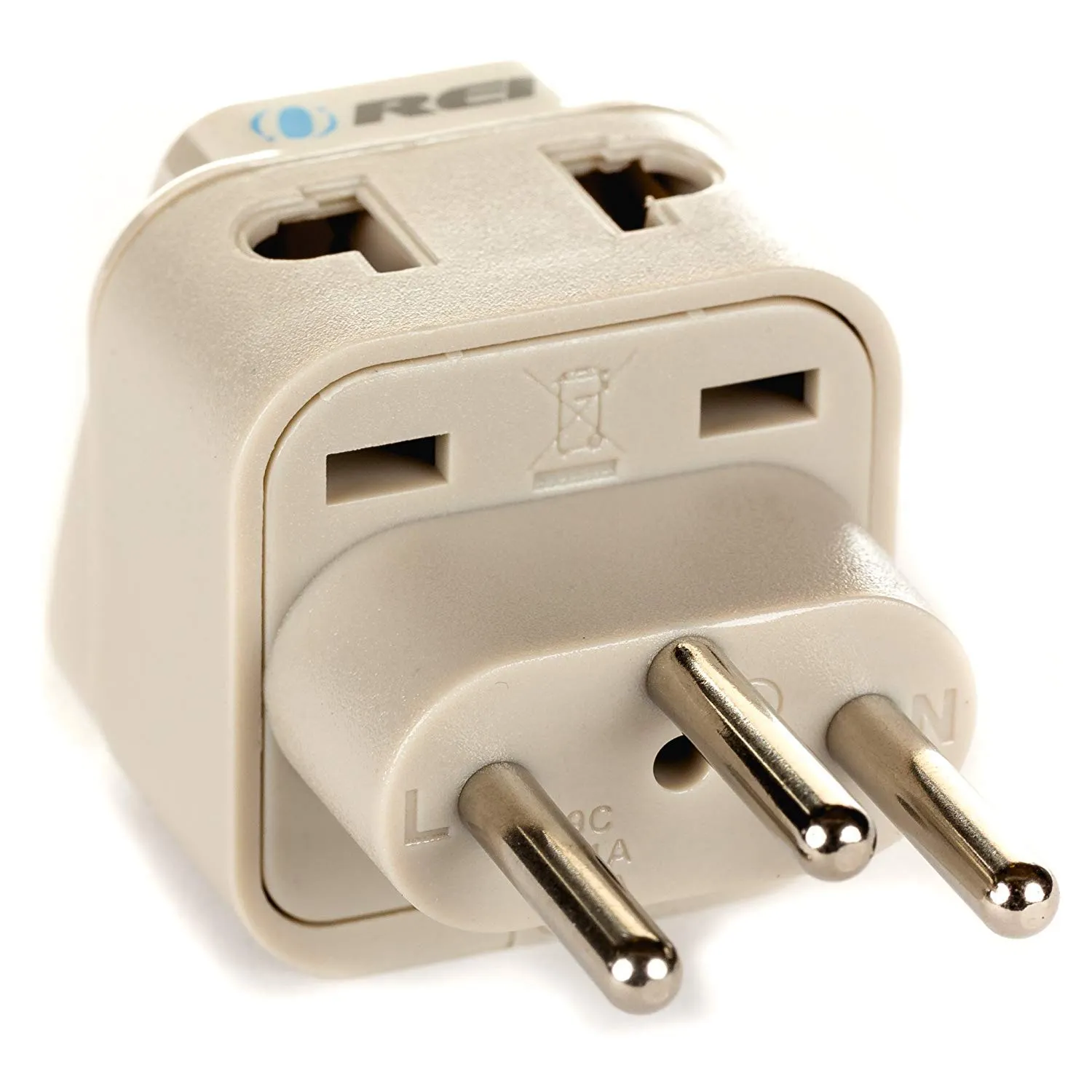
Source: Amazon
Do you need a voltage converter in Switzerland?
Whether or not you need a voltage converter depends on your devices. Most modern gadgets like smartphones, laptops, and cameras are dual-voltage (100-240V), so they can handle Switzerland’s 230V power just fine. But if you’re bringing things like hair dryers or straighteners, you’ll want to check the label—if they're not dual-voltage, you’ll need a converter.
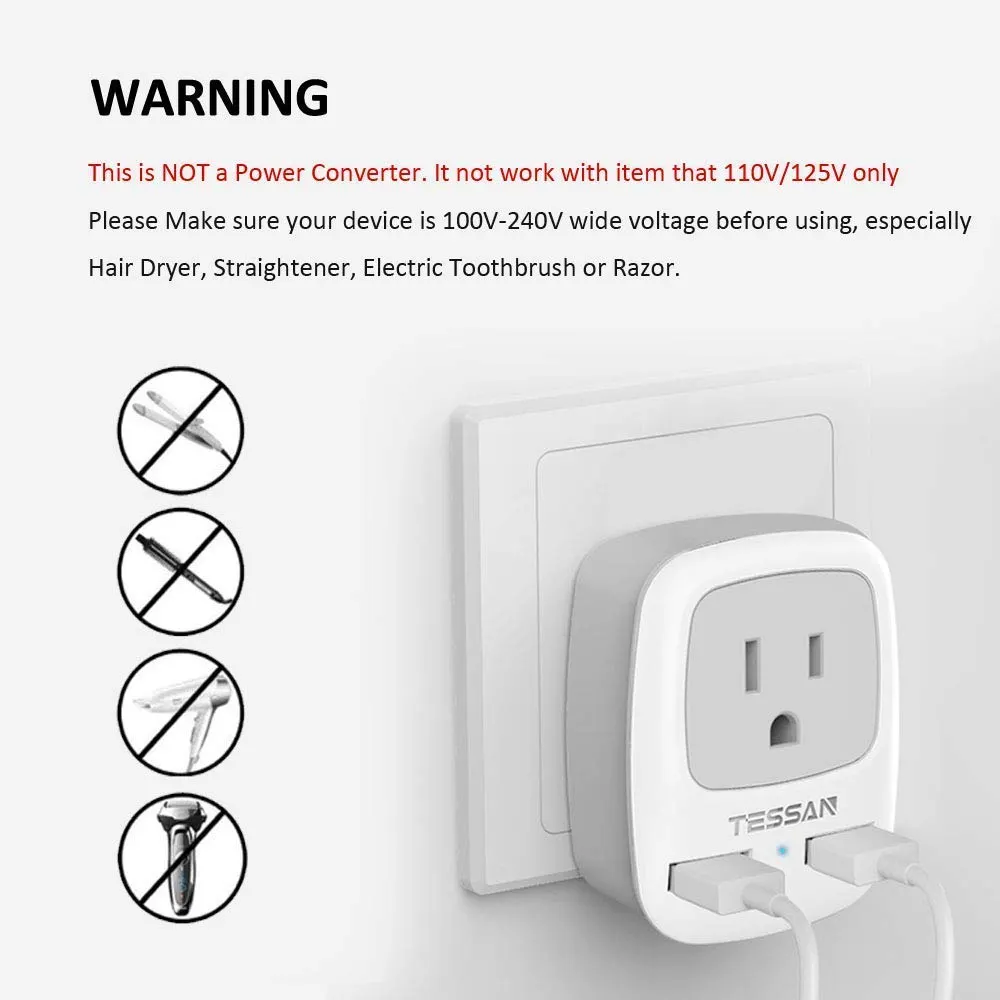
Source: Amazon
How to use travel adapters and converters?
To use your devices safely in Switzerland, plug your travel adapter into the Swiss outlet first, then plug your device into the adapter. If your device isn’t dual-voltage, you’ll also need to plug a voltage converter into the adapter before using your device. Always double-check the instructions to avoid any mishaps!
Best Zurich Hotels
See All Hotels




Where to Buy Switzerland Adapters?
It’s best to grab a Switzerland travel adapter before you leave home. You can find them at most electronics stores or order one from Amazon, and you might even spot some at airport shops. If you forget, don’t worry—plenty of convenience stores and electronics shops in Switzerland sell them too.
Where to Charge Easily in Switzerland?
Switzerland makes it pretty easy to find a charging spot. You’ll find charging stations at airports, train stations, cafés, and even some public places like parks. Most hotels also have outlets or USB charging ports in the rooms, but it’s always a good idea to have your own adapter just in case.

You can easily find places to charge in Swizterland
How Do Global Electrical Standards Differ Around the World?
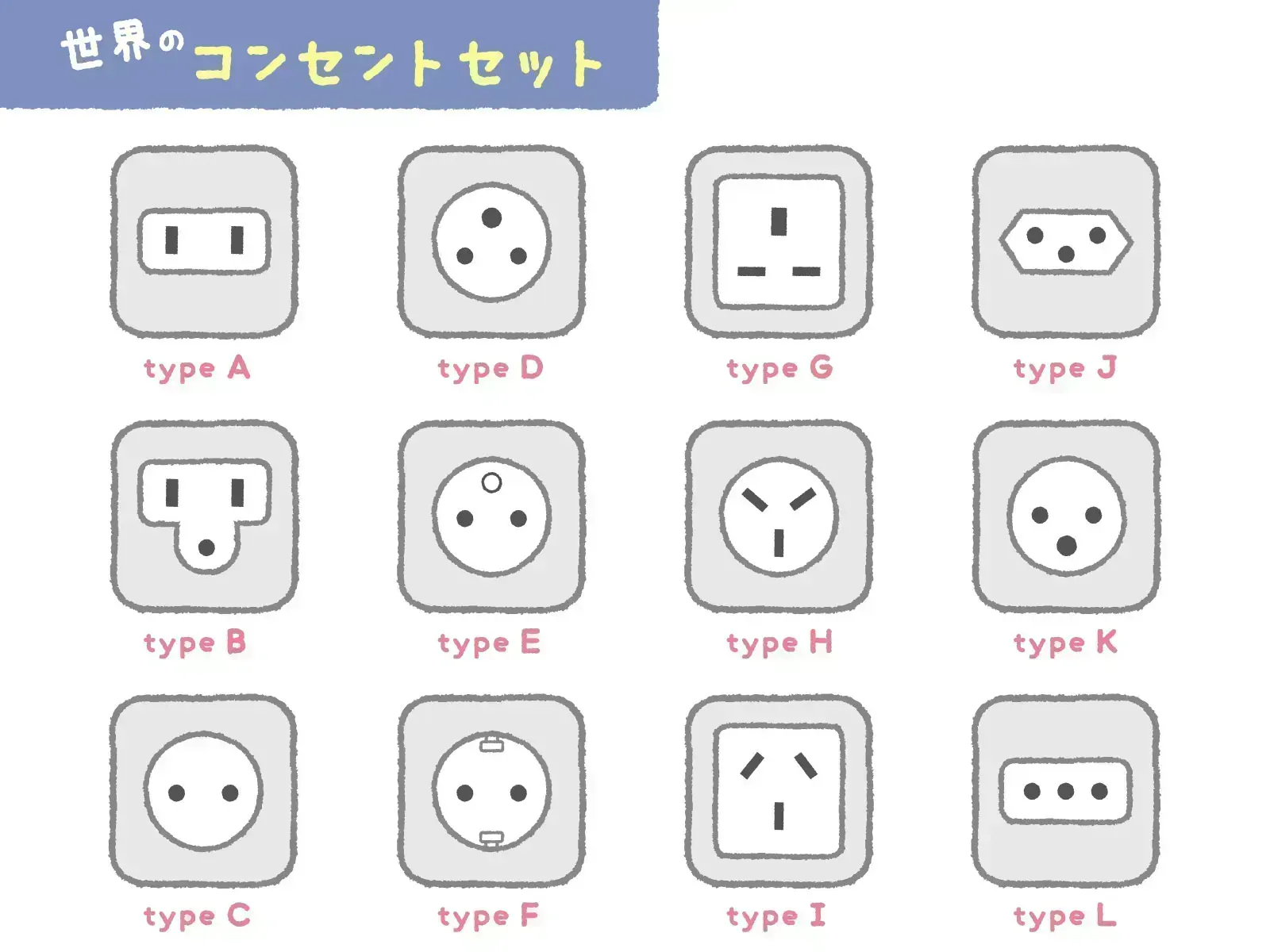
Bring the correct adapters and converters
Globally, there are three main electrical standards for devices: 110-120V used primarily in North and Central America, 220-240V prevalent in Europe, Asia, and Oceania, and the dual-voltage system. These standards also differ in frequency, either 50 Hz or 60 Hz, and include a variety of plug types specific to each region. Understanding these differences is essential for safely using electronic devices while traveling internationally.
Asia & Oceania electrical standards
Country | Frequency (Hz) | Voltage (Volts) | Plug Type |
Australia | 50 | 230 | I |
50 | 220 | A, C, I | |
50 | 220 | G | |
India | 50 | 230 | C, D, M |
Indonesia | 50 | 230 | C, F |
50 Hz in Eastern Japan & 60 Hz in Western Japan | 100 | A, B | |
Malaysia | 50 | 240 | G |
New Zealand | 50 | 230 | I |
Philippines | 60 | 230 | A, B, C |
Republic of Korea (South Korea) | 60 | 220 | C, F |
Singapore | 50 | 230 | G |
China (Taiwan) | 60 | 110 | A, B |
Thailand | 50 | 220 | A, B, C |
Vietnam | 50 | 220 | A, C |
North America & South America electrical standards
Country | Frequency (Hz) | Voltage (Volts) | Plug Type |
Argentina | 50 | 220 | C, I |
Brazil | 60 | 127/220 | C, N |
Canada | 60 | 120 | A, B |
Chile | 50 | 220 | C, L |
Colombia | 60 | 120 | A, B |
Mexico | 60 | 127 | A, B |
Peru | 60 | 220 | A, C |
USA | 60 | 120 | A, B |
Venezuela | 60 | 120 | A, B |
Europe electrical standards
Country | Frequency (Hz) | Voltage (Volts) | Plug Type |
France | 50 | 230 | C, E |
Germany | 50 | 230 | C, F |
Italy | 50 | 230 | C, F, L |
Russia | 50 | 230 | C, F |
Spain | 50 | 230 | C, F |
United Kingdom | 50 | 230 | G |
Oceania electrical standards
Country | Frequency (Hz) | Voltage (Volts) | Plug Type |
Australia | 50 | 230 | I |
Fiji | 50 | 240 | I |
New Zealand | 50 | 230 | I |
Tips for Travelling in Switzerland
❤️Pack a universal adapter if you’re planning to visit other countries during your trip.
💜Make sure your devices are dual-voltage to avoid damage or the need for a converter.
💙Take advantage of public charging stations while you're out exploring.
💗If you need an adapter in Switzerland, you can usually find them at supermarkets or electronics stores.
FAQs about Switzerland Plugs
-
What type of plug is used in Switzerland?
-
Do I need a plug adapter for my electronics in Switzerland?
-
Where can I buy a plug adapter for Switzerland?
-
Can I use a Europe plug in Switzerland plug sockets?
-
Are all Switzerland plugs compatible with smartphones and laptops?
Disclaimer: This article has been provided by an individual contributor or third party platform. If there is any discrepancy regarding the copyright, please contact us directly and we will delete the content immediately.
Trending Searches
-
Popular attractions
-
Trending Stays
-
Getting Around
-
eSIM/SIM card
- Hotels in Shanghai
- Hotels in Guangzhou
- Hotels in Beijing
- Hotels in Bangkok
- Hotels in Shenzhen
- Hotels in Hong Kong
- Hotels in Chongqing
- Hotels in Tokyo
- Hotels in Ho Chi Minh City
- Hotels in Chengdu
- Hotels in Kuala Lumpur
- Hotels in Seoul
- Hotels in Zhangjiajie
- Hotels in Hanoi
- Hotels in Singapore
- Hotels in Hangzhou
- Hotels in Xi'an
- Hotels in Istanbul
- Hotels in Bali
- Hotels in Osaka
- Chongqing Airport to City
- Hong Kong Airport Express
- Beijing Metro
- How to Get to Furong Ancient Town
- KL MRT Map
- Yiwu Airport
- Shanghai Airport Transfers
- Suzhou metro
- Japan Transport App
- Kyoto Airport
- Wenzhou Metro
- Changsha Metro
- China Train Business Class vs Second Class
- How to Use Shared Bikes in China
- Narita Airport to Shinjuku
- Macau to Hong Kong
- Incheon Airport Transit