
Brief Background to the Batu Caves
No visit to Kuala Lumpur, or indeed Malaysia, would be complete without a visit to the extraordinary Batu Caves. The Batu Caves are home to a grotto of temples that have become among the most revered Hindu shrines outside of India. Situated to the north of Kuala Lumpur, the Batu Caves sit in limestone hills which offer magnificent natural views as well as the splendid Hindu holy sites within them that they are famous for.
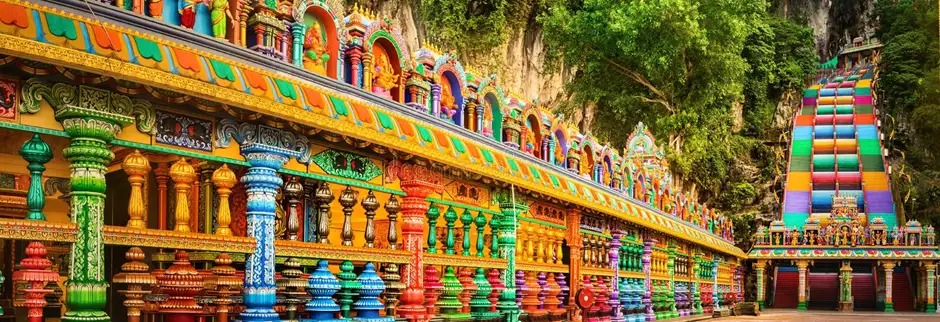
The impressive and colorful path to the great staircase marks the start of an incredible day
Traveling to the Batu Caves
If you are stationed in Kuala Lumpur there are varied methods of travel available to you depending on your preference.
Arguably, the most convenient way to visit the caves is by taxi. From the Kuala Lumpur city center to the Batu Caves will take around 15 minutes and costs roughly RM40 (approx. 10 USD) one way.
If the cost of a taxi would eat into your traveling budget consider taking a train. Commuter trains run frequently from Kuala Lumpur Sentral station to the Batu Caves and are far more affordable at around RM3 (less than a dollar) one way!
If you are feeling in an adventurous mood why not join the locals and take the bus as the 11 and/or the 11D from near to Central Market will take you to the caves. If it is easier for you to travel from Chow Kit you can use the U6 to take you to the same destination.
If all this sounds like hard work, consider taking a guided tour. Although the most expensive option, guided tours are good value for money and will often include visits to a variety of tourist attractions as well as the caves.
You should find that two to four hours will allow you to have a good look around the site. However, if you really want the full experience and do the Adventure Tour in the Dark Cave allow for this to take several hours on its own.
Things to do at the Batu Caves
Although the Batu Caves first gained global fame in 1878, it wasn’t until 1891 that the Malaysian Tamil Hindu leader K. Thamboosamy Pillay had a shrine erected to the Hindu god Lord Murugan in the largest cave. In his opinion, To Pillay, the entrance of the main cave strongly resembled Lord Murugan’s spear. He saw this as a symbol that a grand tribute to the deity should be built within the caverns and from this time the Hindu festival of Thaipusam has been celebrated there and still attracts a multitude of pilgrims to this day.
Over the years the caves became more famous and began to attract tourists from around the world. Here I’ll detail the major attractions although it’s important to remember that this site offers so much more than we can show you here. For a more detailed look at the area click here.
The Statue of Lord Murugan
You will be greeted by The statue of Lord Murugan which stands proud and impressive at your place of arrival and believe me, you can’t miss him! At 140 feet tall you will be looking (up, of course) at the tallest statue of this important Hindu deity in the world. Although added to the site fairly recently, in 2006, the statue has fast become an iconic image for the Batu Caves site.
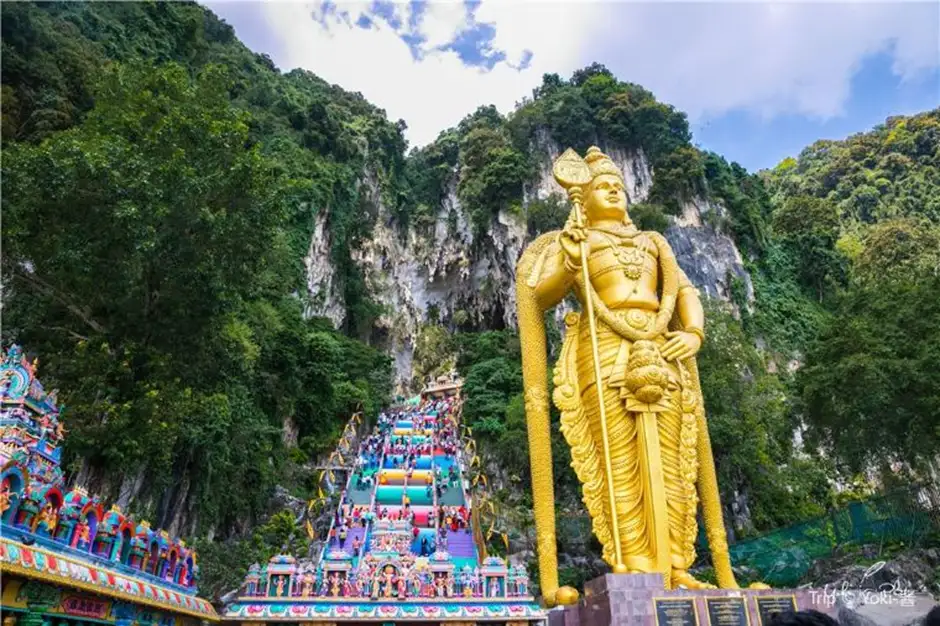
The statue of Lord Murugan proudly stands sentinel over the entrance to the Batu Caves.
The Temple Cave
You reach the mouth of the Temple Cave by climbing a long staircase which is the beating heart of the Batu Caves complex. Once there, you will marvel at the sheer size of the cavern as you look up 295 feet (90 meters) above you to its ceiling.
Once there, you’ll stand in awe at the many buildings carved into the face of the solid rock and the beautiful Hindu shrines that populate this cave. After carrying on through you will come across another set of stairs (don’t worry, much smaller than the first) to another open-air cavern in which you’ll discover the Sri Valli Deivanai temple which is dedicated to Murugan’s wife and it’s worth the climb. Daylight streams down the high stone walls to create a breathtaking vista that will compel you to forget the difficult climb. After taking in the incredible view and having a drink of water you have the opportunity to move on to…
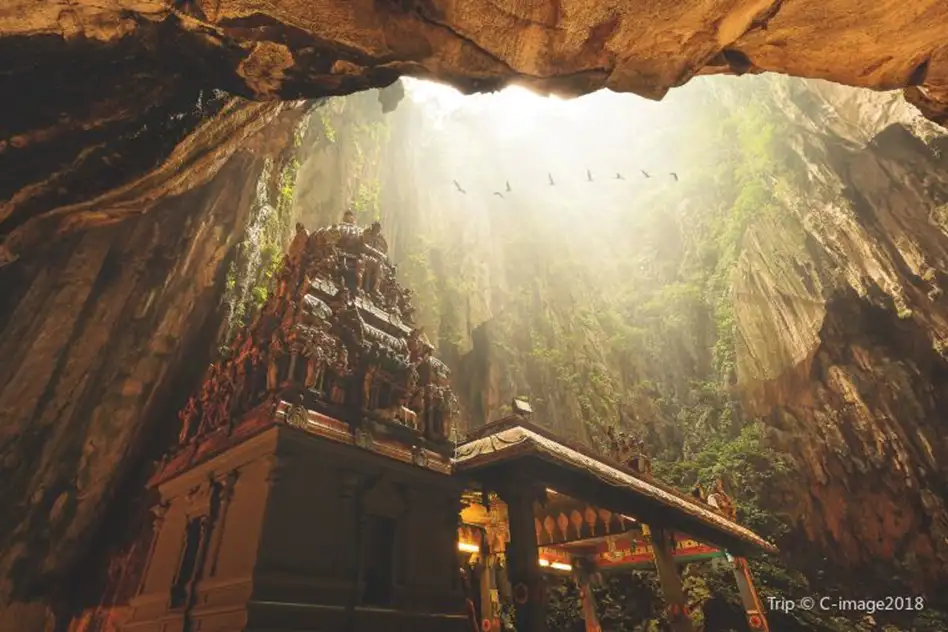
Daylight streaming into the Sri Valli Deivanai temple in the Temple Cave creating a vision of serenity and awe.
The Dark Cave
You’ll be pleased to discover that the next step on your journey takes you down the massive staircase to a midway point that leads to the entrance of the Dark Cave. Visits to this cave are limited to guided tours for ecological reasons, these come in two options. The 45-minute tour allows you to see the fantastic rock formations and the bats that inhabit the cavern. A much longer (a few hours) tour allows you to properly explore the cave complex, crawl along its narrow cave paths and even go spelunking.
The Ramayana Cave
328 feet to the left of the entrance you will see an enormous green statue of the Hindu god Hanuman. Behind this is the Ramayana Cave, a smaller cavern filled with a cornucopia of statues, shrines, and colors which makes it unlike any of the other caves. The Ramayana Cave is renowned for its tranquillity as it attracts fewer visitors than the others but according to visitors, it’s a must-see attraction.
Enjoy Rock Climbing
Hindu religious sites do not tend to be well known for their rock climbing opportunities but at the Batu Caves, it’s definitely on the menu. The north-eastern side of the hill has become a popular location for rock climbers mainly due to the rough, wide-ranging limestone hills around the caves. Rock climbing is best booked in advance and there are tours available and extensive expert advice obtainable from local rock climbers.
The Magnificent Cave Staircase
The cave staircase at the Batu Caves is so spectacular that it deserves a section of its own here. Located at the base of the statue of Murugan is a big plaza with metal barriers leading to the entrance of the site, this is where you will find the spectacular staircase that takes visitors to the Batu Caves and the temple. First constructed in 1920 and renovated since, this staircase surrounded by lush vegetation and limestone is the most popular attraction for photographers in the entire complex. This popularity was enhanced in 2018 when the staircase was painted vibrant colors, making quite the splash on social media sites and confirming the Batu Caves as one of the most colorful tourist destinations in the world. Prepare for a climb of 300 stairs to get to the top so this part of the trip is not suitable for people with mobility issues but don’t panic, there’s plenty to do at ground level.
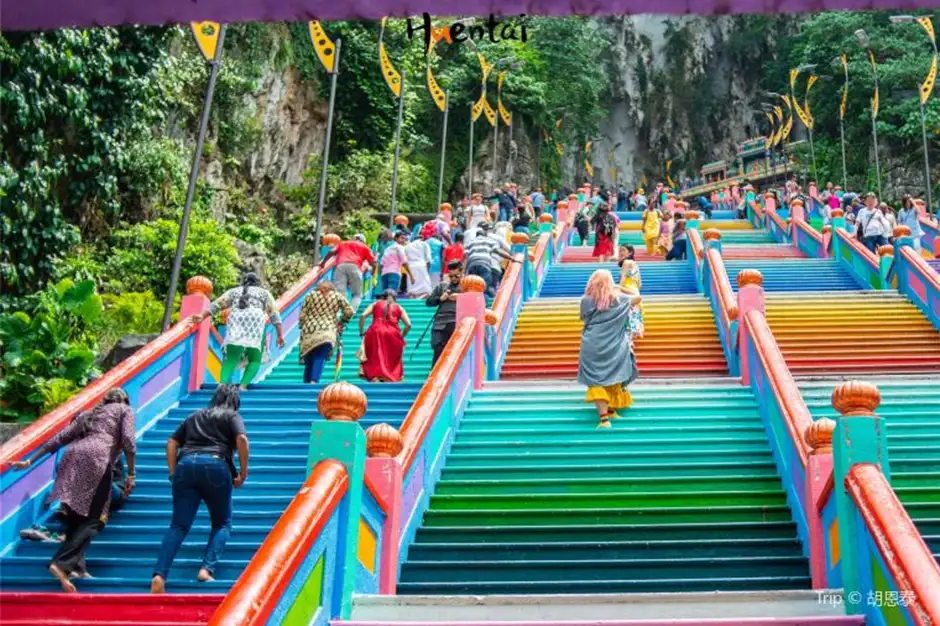
The magnificent cave staircase has been painted in a vast array of colors making it one of the most vibrant tourist attractions in the world.
Hotels near the Batu Caves
Hotel Richbaliz

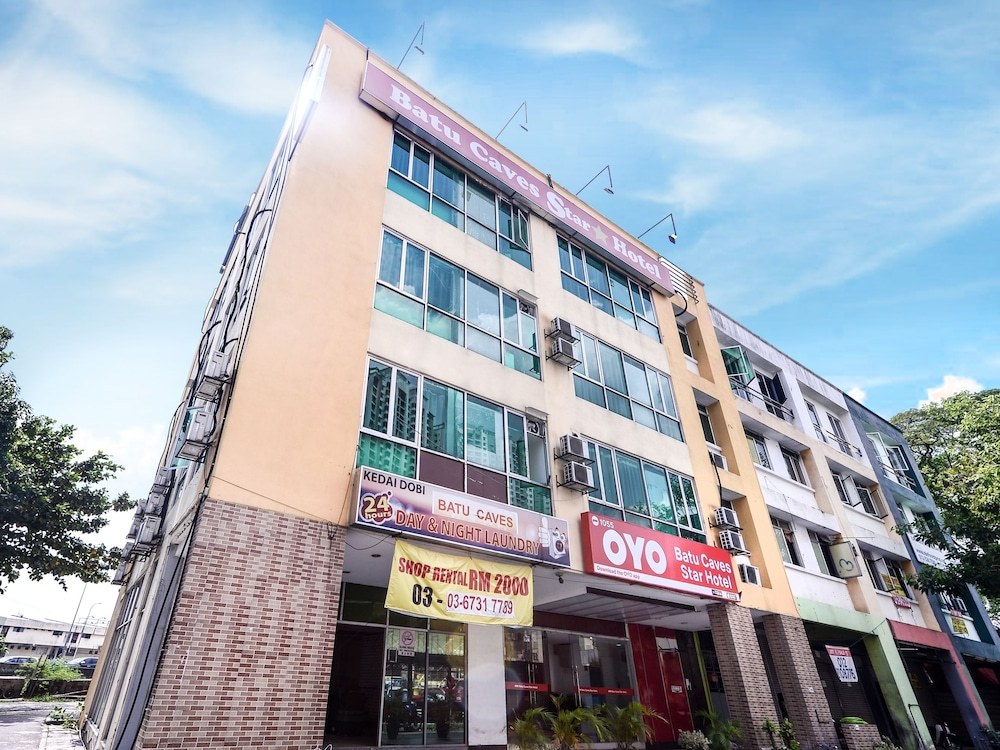
OYO 1055 Batu Caves Star Hotel
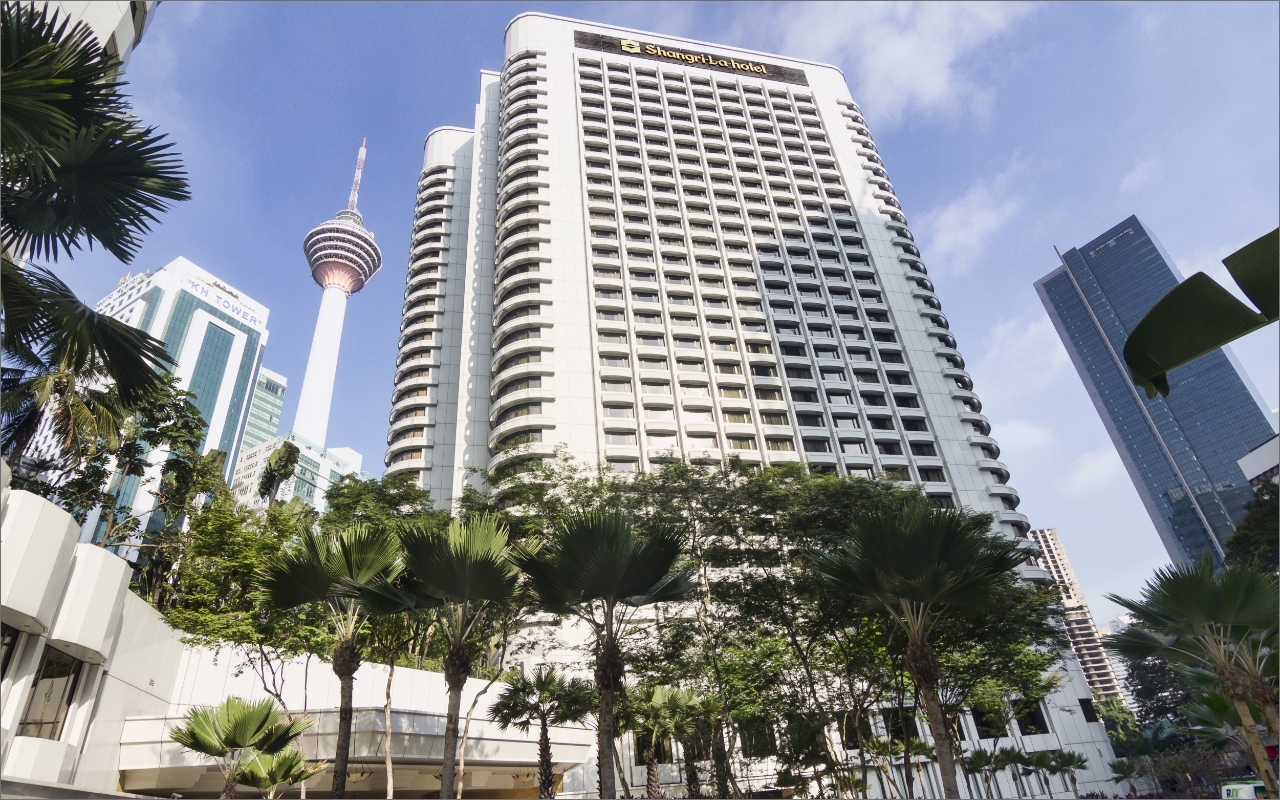
Shangri-la Kuala Lumur
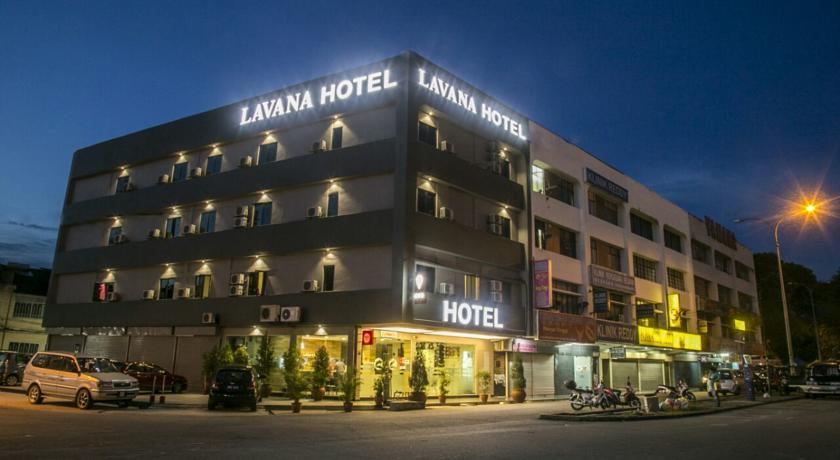
Lavana Hotel Batu Caves
FAQ about Batu Caves
-
What will the weather be like at the Batu Caves?
It will be very, very warm and humid.
-
Are there any specific rules relating to the religious shrines?
The temples and shrines of the Batu Caves are an active place of Hindu worship and as such a visitor should be mindful to dress modestly, covering knees and shoulders, to show respect to local customs and traditions.
-
What is the best time of day to visit Batu Caves?
If you can stand to get up early I suggest that you do and travel to the Batu Caves in time for their opening at 6 AM. At this time there will be far fewer tourists and the temperatures will be cooler.
-
What is the cost of visiting the Batu Caves?
The cost of visiting these remarkable grottos is zero if you stick to the main temple complex. Some of the attractions have their own small entrance fees. Admission to the Ramayana Cave is RM5, and the cheapest tour through the Dark Cave is a reasonable RM35.
-
Are there facilities for people with mobility issues?
The ground is a bit uneven but is traversable in a wheelchair.