New Zealand Plug: Types, Voltage, & Plug Adapters

Learn about New Zealand’s plug types, voltage, and adapters for safe charging while traveling. 😉
See all attractions
 434597 booked


New Zealand Plug Type (Type I)
New Zealand primarily uses the Type I plug for its electrical outlets. Let’s take a closer look at it:
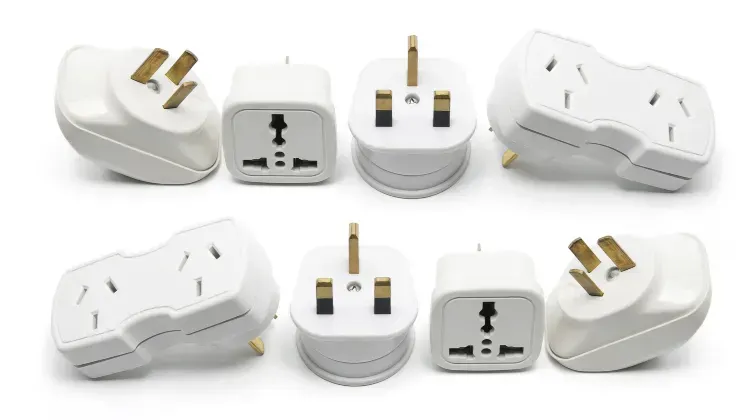
- Type I Plug: This plug has two flat prongs in a V-shape with an additional grounding pin below them. It’s commonly used in Australia, New Zealand, China, and Argentina, making it quite distinctive. The Type I plug operates with a standard voltage of 230V and a frequency of 50Hz, ensuring compatibility within these regions.
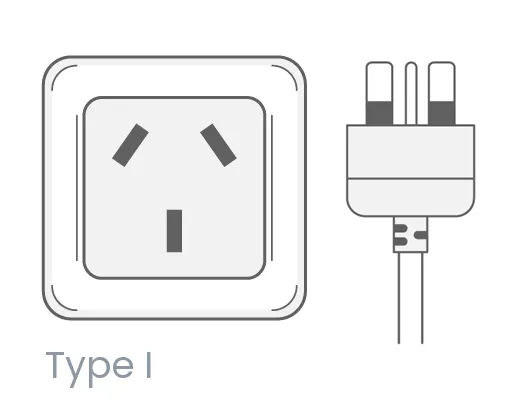
Source: World Power Plugs
Australia shares the same Type I plug, so no adapter is required for Australian travelers. For travelers heading to New Zealand, those from the UK, Ireland, Singapore, Malaysia, and Hong Kong will need a Type I plug adapter, as they use different plug types at home.Visitors from the US and Canada (120V) will need both a plug adapter and a voltage converter, while Germany and Philippines travelers may only need the adapter if their devices are compatible with New Zealand’s 230V system.
Always check your device’s voltage beforehand—most modern electronics are dual-voltage and will only require an adapter.
💖If you're curious about how to stay connected in New Zealand, check Global eSIM, Wifi and SIM card!
New Zealand Power Plug: Voltage & Frequency
Voltage in New Zealand
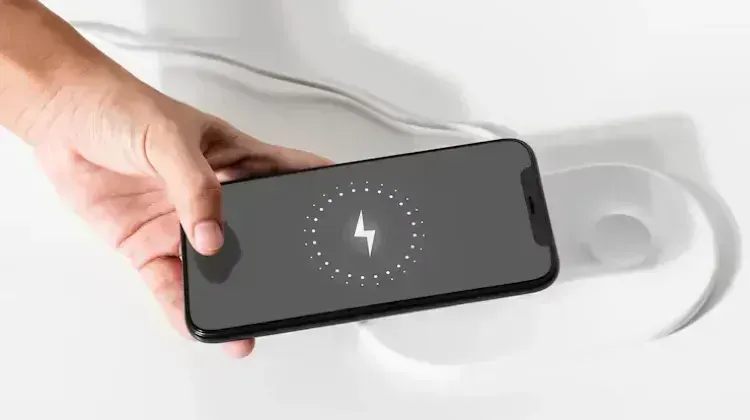
New Zealand operates on a 230V voltage system, which aligns with the standard voltage in Australia, Europe, and many parts of Asia. This is convenient for travelers from these regions, as they typically don’t need a voltage converter.
However, if you’re visiting from North America (where the voltage is 120V), be sure to check whether your devices are compatible with 230V. For single-voltage devices, like some hair dryers or shavers, you’ll need a voltage converter to use them safely in New Zealand.
Frequency in New Zealand
The frequency in New Zealand is 50Hz, which is consistent with the electrical systems of Europe, Australia, and Asia. Travelers from countries like the United States or Japan (where the frequency is 60Hz) usually won’t face issues, as most modern devices are compatible with both 50Hz and 60Hz.
For older or frequency-sensitive devices, like certain clocks or appliances, check the label for compatibility with 50Hz to avoid any potential issues.
Do I Need a Converter or Plug Adapter for New Zealand?
Traveling to New Zealand may require a plug adapter, and potentially a voltage converter, depending on where you’re coming from and the devices you’re bringing. Here’s a quick guide to help you prepare.
Do You Need a Plug Adapter for New Zealand?
Yes, travelers from most countries will need a Type I plug adapter for New Zealand, as it uses the Type I plug with three flat, angled pins.
Visitors from the United Kingdom, United States, Canada, Singapore, Malaysia, Hong Kong, and Europe will require an adapter to fit New Zealand’s outlets. Australia uses the same plug type, so travelers from Australia won’t need an adapter.
Do You Need a Voltage Converter for New Zealand?
New Zealand operates on 230V with a frequency of 50Hz, which matches the electrical standards of Europe, Australia, and many parts of Asia. Travelers from these regions won’t need a voltage converter. However, if you’re visiting from North America (120V), check if your devices are dual-voltage (100-240V).
Dual-voltage devices, like most modern laptops and phone chargers, only require a plug adapter. For single-voltage items, such as certain hair dryers, a voltage converter is necessary to safely use them in New Zealand.
Where to Buy a Converter or Plug Adapter for New Zealand

Finding a converter or Type I plug adapter for New Zealand is easy with these options:
Before Your Trip
Purchasing a converter or plug adapter before you travel ensures you’re ready upon arrival. Online retailers like Amazon and Best Buy carry adapters for New Zealand’s Type I outlets. Outdoor and electronics stores in countries like the UK, US, and Australia often have travel adapters in-store as well.
Once in New Zealand
If you’re already in New Zealand, you can find adapters at airports (Auckland, Wellington, and Christchurch), as well as in electronics stores like PB Tech and Noel Leeming in major cities. Larger supermarkets may also stock basic travel adapters, especially in tourist-heavy areas.
How to Charge Easily in New Zealand

Exploring New Zealand’s vast landscapes can mean limited access to outlets, but here are some reliable ways to keep your devices charged:
Use a Portable Power Bank
A power bank is a must for New Zealand travel. Look for one with a high capacity (20,000mAh or more) to keep your phone, camera, and GPS charged all day. Power banks are available at electronics stores like PB Tech and outdoor shops.
Charge in Your Vehicle
If you’re renting a car or campervan, take advantage of in-vehicle USB ports or 12V sockets to charge devices while you drive. Just remember to bring the right cables and adapters for quick, convenient charging.
Charging at hotels
Most hotels, hostels, and holiday parks provide outlets for guests. Be sure to bring a Type I plug adapter for New Zealand’s outlets to charge all your essentials overnight before setting out again.
Solar Chargers for Remote Areas
If you’re spending extended time in remote areas, a solar charger can be helpful. These are especially useful for hikes or camping, allowing you to use the sun’s energy to stay powered up when there are no outlets in sight.
Can I Use My Phone or Laptop Charger in New Zealand?
Yes, most phone and laptop chargers can be used in New Zealand, but you may need a plug adapter or voltage converter, depending on where you're coming from.
Phone Charger
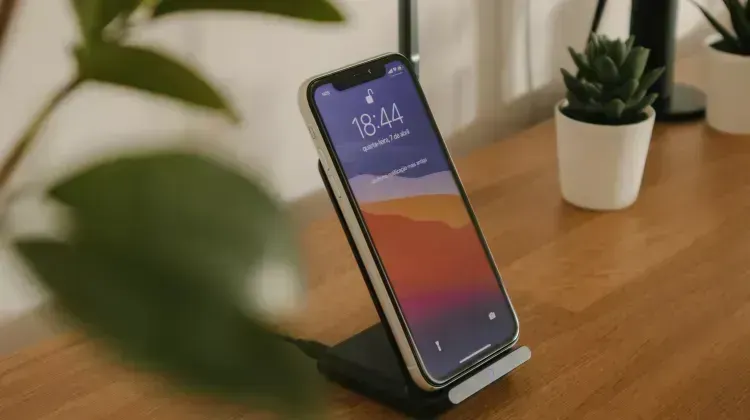
Most modern phone chargers (like those for iPhones and Android devices) are dual-voltage (100-240V), which means they’ll work with New Zealand’s 230V system without a voltage converter. However, if you're coming from regions with different plug types, such as the UK, US, or Canada, you’ll need a Type I plug adapter to fit New Zealand outlets.
Laptop Charger
Similarly, most laptops from brands like Apple, HP, Dell, and Lenovo are dual-voltage, making them compatible with New Zealand’s voltage. Just check the label on your charger to confirm it reads "100-240V." If it does, all you'll need is a plug adapter. For travelers from North America or Europe, this Type I adapter will be necessary to connect safely.
Best Hotels in Auckland
See All Hotels





5 Safety Tips for Using Plugs in New Zealand
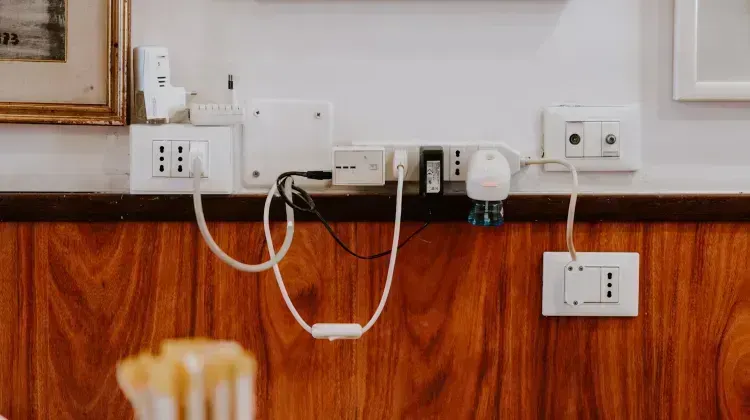
Staying safe while charging devices in a new country is essential. Here are five safety tips for using plugs in New Zealand:
1. Use a Type I Plug Adapter
New Zealand uses Type I outlets, so make sure to bring a compatible adapter if you’re from a country that uses different plug types, like the UK, US, or Europe. Avoid forcing incompatible plugs into outlets to prevent damage.
2. Check Voltage Compatibility
New Zealand operates on 230V/50Hz, so check that your devices are compatible with this standard. If your device isn’t dual-voltage (100-240V), using it without a converter may cause overheating or even permanent damage.
3. Inspect Cords and Plugs
Before plugging in, ensure cords and plugs are free from frays, cuts, or visible damage. Damaged cords can increase the risk of electrical shocks and may even cause short circuits.
4. Avoid Overloading Outlets
Avoid using multi-plug adapters in a single outlet, especially with high-powered devices like hair dryers. Overloading outlets can cause overheating or tripped circuits. Instead, use a power strip with surge protection if you need extra outlets.
5. Keep Devices and Outlets Dry
New Zealand’s weather can be humid, especially in coastal regions, so keep all devices, adapters, and outlets dry to prevent the risk of electrical shocks. This is especially important if you’re staying in accommodations near the beach or in damp areas.
Global Electrical Standards Overview
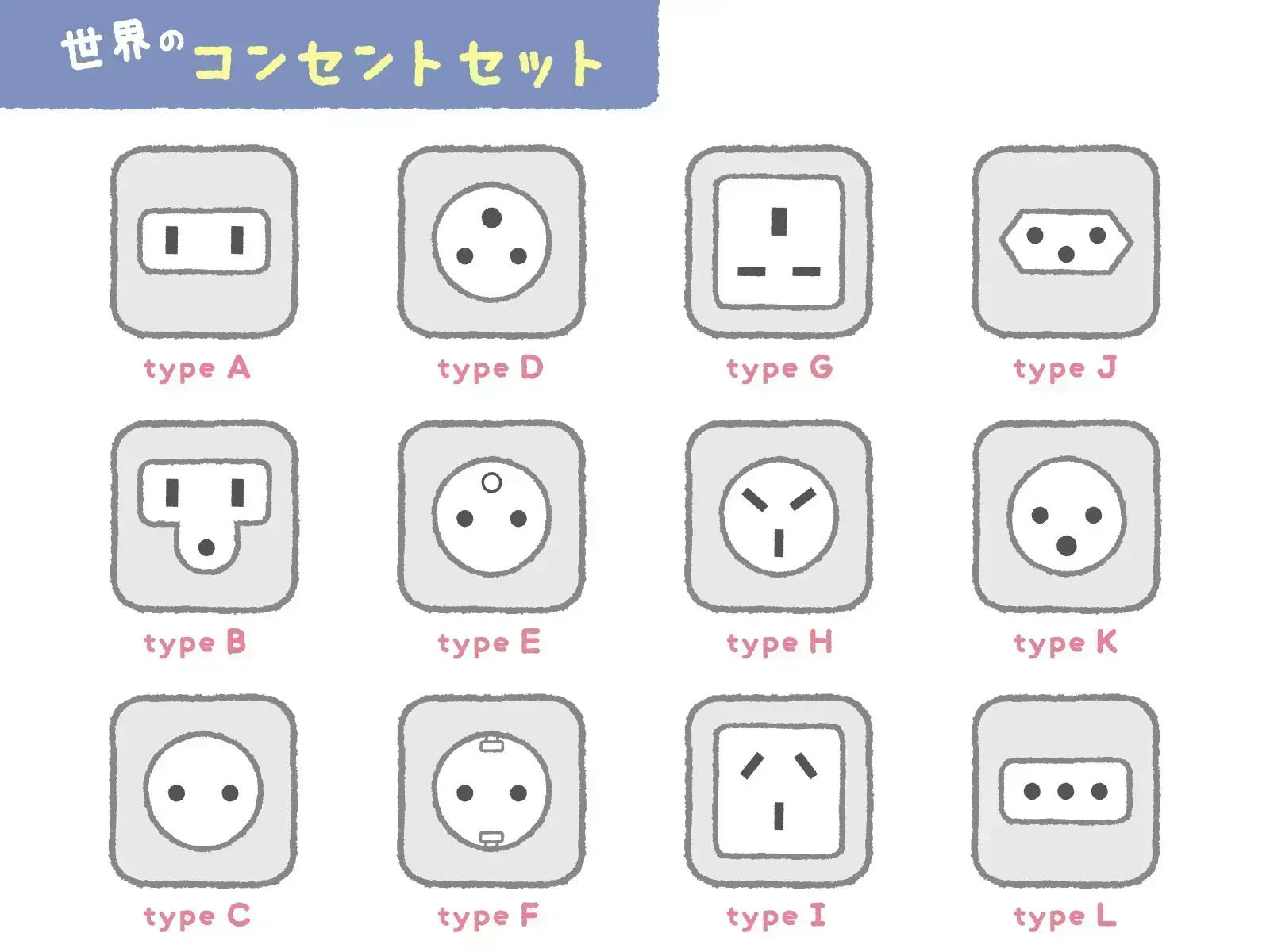
Globally, there are three main electrical standards for devices: 110-120V used primarily in North and Central America, 220-240V prevalent in Europe, Asia, and Oceania, and the dual-voltage system. These standards also differ in frequency, either 50 Hz or 60 Hz, and include a variety of plug types specific to each region. Understanding these differences is essential for safely using electronic devices while traveling internationally.
Asia & Oceania Electrical Standards
| Country | Frequency (Hz) | Voltage (Volts) | Plug Type |
| Australia | 50 | 230 | I |
| China | 50 | 220 | A, C, I |
| China (Hong Kong S.A.R.) | 50 | 220 | G |
| India | 50 | 230 | C, D, M |
| Indonesia | 50 | 230 | C, F |
| Japan | 50 Hz in Eastern Japan & 60 Hz in Western Japan | 100 | A, B |
| Malaysia | 50 | 240 | G |
| New Zealand | 50 | 230 | I |
| Philippines | 60 | 230 | A, B, C |
| Republic of Korea (South Korea) | 60 | 220 | C, F |
| Singapore | 50 | 230 | G |
| China (Taiwan) | 60 | 110 | A, B |
| Thailand | 50 | 220 | A, B, C |
| Vietnam | 50 | 220 | A, C |
North America & South America Electrical Standards
| Country | Frequency (Hz) | Voltage (Volts) | Plug Type |
| Argentina | 50 | 220 | C, I |
| Brazil | 60 | 127/220 | C, N |
| Canada | 60 | 120 | A, B |
| Chile | 50 | 220 | C, L |
| Colombia | 60 | 120 | A, B |
| Mexico | 60 | 127 | A, B |
| Peru | 60 | 220 | A, C |
| USA | 60 | 120 | A, B |
| Venezuela | 60 | 120 | A, B |
Europe Electrical Standards
| Country | Frequency (Hz) | Voltage (Volts) | Plug Type |
| France | 50 | 230 | C, E |
| Germany | 50 | 230 | C, F |
| Italy | 50 | 230 | C, F, L |
| Russia | 50 | 230 | C, F |
| Spain | 50 | 230 | C, F |
| United Kingdom | 50 | 230 | G |
Oceania Electrical Standards
| Country | Frequency (Hz) | Voltage (Volts) | Plug Type |
| Australia | 50 | 230 | I |
| Fiji | 50 | 240 | I |
| New Zealand | 50 | 230 | I |
Disclaimer: This article has been provided by an individual contributor or third party platform. If there is any discrepancy regarding the copyright, please contact us directly and we will delete the content immediately.
Trending Searches
-
Popular attractions
-
Trending Stays
-
Getting Around
-
eSIM/SIM card
- Hotels in Shanghai
- Hotels in Guangzhou
- Hotels in Beijing
- Hotels in Bangkok
- Hotels in Shenzhen
- Hotels in Hong Kong
- Hotels in Chongqing
- Hotels in Tokyo
- Hotels in Ho Chi Minh City
- Hotels in Chengdu
- Hotels in Kuala Lumpur
- Hotels in Seoul
- Hotels in Zhangjiajie
- Hotels in Hanoi
- Hotels in Hangzhou
- Hotels in Singapore
- Hotels in Xi'an
- Hotels in Istanbul
- Hotels in Bali
- Hotels in Osaka