Car Rentals
Car Rental Promo Code - 8% Off
New User Enjoy up to 8% Off
TRIPCAR8


Learn about Japan’s ETC Card—what it is, types, who needs it, and how to get it as a tourist or resident. Includes costs, discounts, and answers to common questions for global travelers.
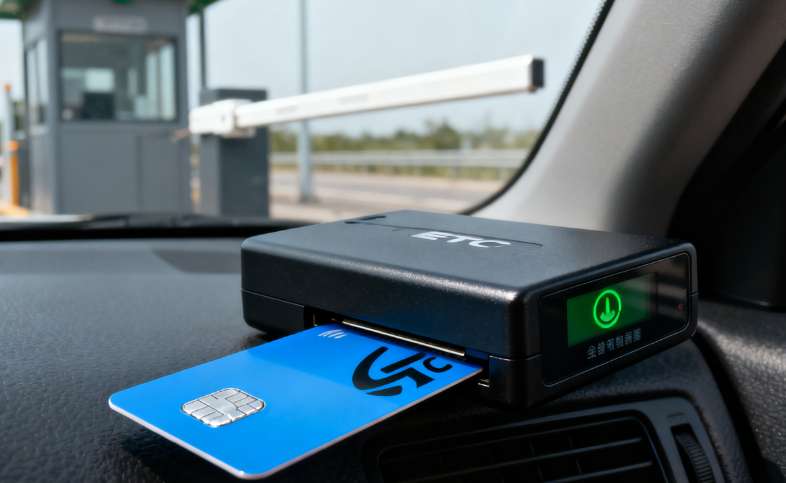
ETC (Electronic Toll Collection) Card is a wireless payment card designed for Japan’s expressway toll system. It works with an in-car ETC unit (a small device installed in vehicles) to automatically calculate and deduct toll fees as you pass through toll gates—no stopping, no cash, and no waiting in lines.
Think of it like a "toll pass" for Japan’s highways: insert the card into the ETC unit, drive through ETC-only or ETC/general lanes at under 20 km/h, and the system handles payment instantly. By 2030, most Japanese toll booths will stop accepting cash, making an ETC Card essential for anyone driving in Japan long-term or short-term.
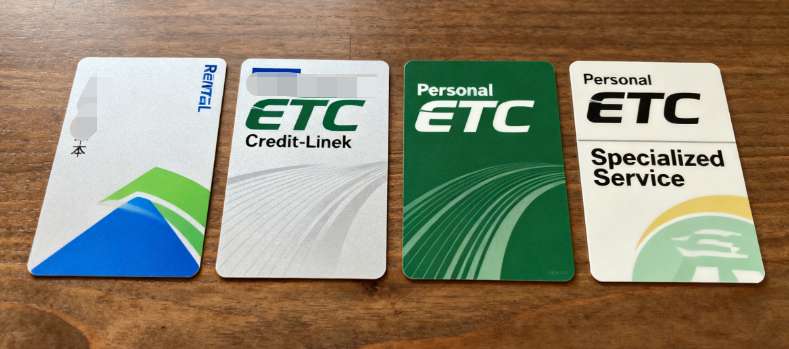
Japan’s ETC Cards are tailored to different user needs (tourists vs residents). Here are the main types:
Type of ETC Card | Target Users | Key Features |
|---|---|---|
Rental ETC Card | Tourists (renting cars) | No deposit, ¥330 per rental, tolls added to your rental car bill. |
Credit-Linked ETC Card | Foreign residents | Tied to a Japanese credit card (e.g., Aeon, Orico, Mitsui Sumitomo). No deposit, integrated billing. |
ETC Personal Card | Foreign residents | No credit check (government-backed). Requires a ¥40,000 deposit and ¥1,257 annual fee. |
Specialized Service ETC | Foreign residents (no Japanese credit) | Offered by services like JapanETCcard. English support, ¥40,000 deposit, ¥2,750 setup fee. |
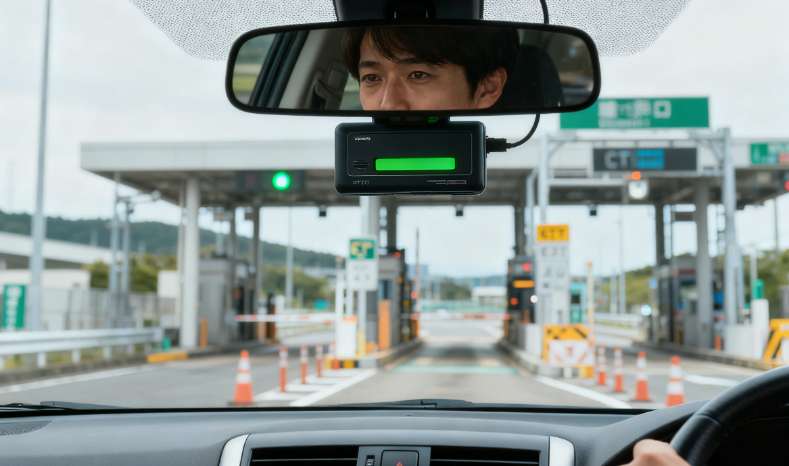
An ETC Card is essential or highly recommended for these groups:
It is not needed if:
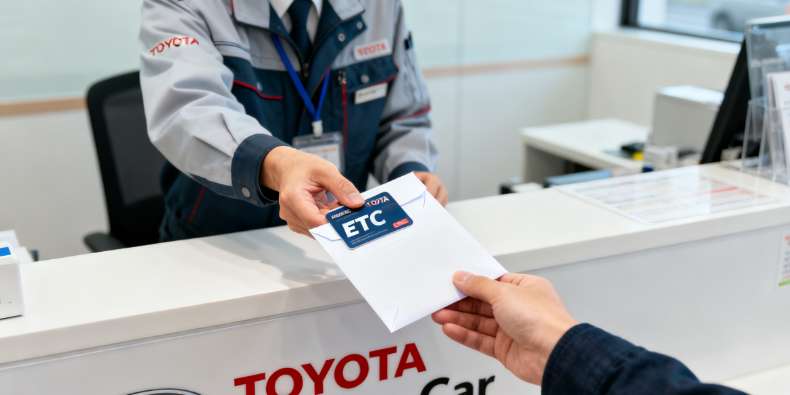
The location depends on whether you’re a tourist or a resident:
User Type | Where to Get It |
|---|---|
Tourists | Major rental car companies: Times Car Rental, Toyota Rent-a-Car, Nissan Rent-a-Car, Orix Rent-a-Car. Request when booking online or at pickup. You can choose to book car rental on Trip.com to campare thses rental companies above. |
Residents | 1. Credit card companies (Aeon, Orico, Mitsui Sumitomo, JCB) – for credit-linked cards. 2. Specialized services (e.g., JapanETCcard) – for no-credit options. 3. ETC Personal Card Center (online, with Google Translate for Japanese) – for government-backed cards. |
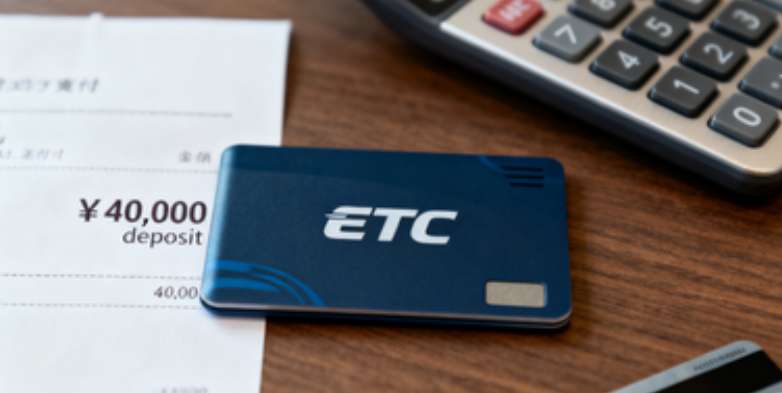
Costs vary drastically for tourists and residents, here’s a breakdown:
Cost Type | Amount | Details |
|---|---|---|
Security deposit | ¥40,000 | Fully refundable after canceling the card (once final tolls are paid). Can split into two ¥20,000 payments. |
Setup fee | ¥2,750 | One-time fee (only for specialized services like JapanETCcard). |
ETC unit cost | ¥5,000 – ¥30,000 | Required for all residents (purchased separately; install at AUTOBACS or Yellow Hat for ~¥3,200). |
Monthly service fee | ¥0 – ¥1,200 | Depends on the provider (some waive fees if you use the card regularly). |
Annual fee | ¥1,257 | Only for ETC Personal Cards (government-backed, no credit check). |
Fees subject to change. Please check the official site, this is just for ref.

Below is a step-by-step guide for each group, including requirements and options.
There are 3 main options for residents—choose based on whether you have a Japanese credit card:
Option | Best For | Steps |
|---|---|---|
1. Credit-Linked ETC Card | Residents with a Japanese credit card | 1. Contact your credit card provider (Aeon, Orico, etc.). 2. Request to add an ETC card to your account. 3. Submit docs (Shaken, ETC unit papers, ID). 4. Receive the card in 3–5 business days. 5. Insert into your ETC unit and use. |
2. Specialized Service (e.g., JapanETCcard) | Residents without Japanese credit | 1. Visit the JapanETCcard website (English support available). 2. Fill out the online application. 3. Submit docs (Shaken, ETC unit papers, ID, address proof). 4. Pay the ¥40,000 deposit and ¥2,750 setup fee. 5. Receive the card in 5–7 business days. |
3. ETC Personal Card | Residents without credit (government-backed) | 1. Go to the ETC Personal Card Center website (use Google Translate). 2. Complete the Japanese application form. 3. Mail docs (Shaken, ETC unit papers, ID) to the center. 4. Pay the ¥40,000 deposit and ¥1,257 annual fee. 5. Get the card in 7 business days. |
Check these top rated hotels in Japan with coupon!

 9301 booked
![Tokyo Metro 24/48/72-hour travel pass [Physical ticket/e-ticket/Skyliner Tokyo Airport Express/Tokyo Limousine Bus discount package available]](https://ak-d.tripcdn.com/images/0354t12000pj5wys8B52D_C_568_320.png)