What to Eat near West Lake
MUST-TRY DISHES
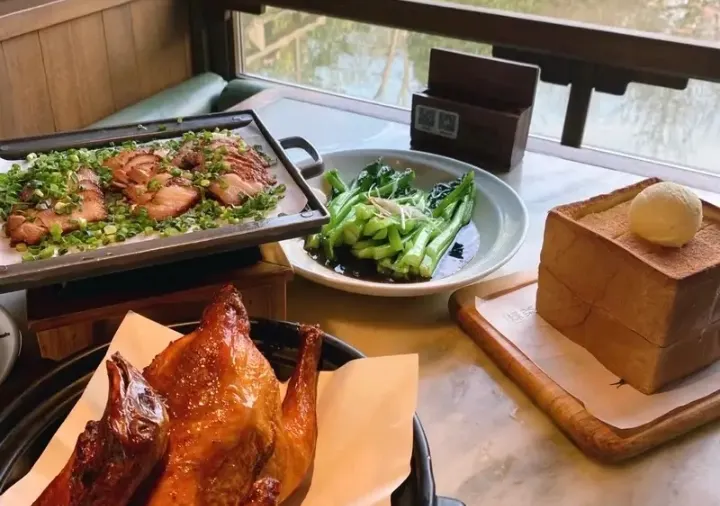
- Dongpo Pork (东坡肉): Fatty, soy-braised pork belly at Lou Wai Lou (lakeside institution).
- West Lake Vinegar Fish (西湖醋鱼): Sweet-sour freshwater fish—order at Zhi Wei Guan.
- Beggar’s Chicken (叫花鸡): Whole chicken baked in lotus leaves (find it at Hangzhou Restaurant).
- Longjing Tea Shrimp (龙井虾仁): Stir-fried shrimp with tea leaves (subtle, fragrant, chef’s kiss).
DRINKS
- Longjing Tea: Sip fresh at lakeside teahouses (or buy leaves at Meijiawu Village).
- Lychee Bubble Tea: Gongshu Night Market’s trendy stalls.
Top 10 West Lake Scenes (西湖十景) You Must See
If heaven had a mirror, it would reflect West Lake. Each season, each stone, and each ripple carries the fingerprints of emperors, poets, and laborers who shaped this UNESCO World Heritage Site.
Let’s wander through the legendary Ten Scenes of West Lake (Xī Hú Shí Jǐng), where history, myth, and nature intertwine like willow branches kissing the water’s edge.
1. Spring Dawn at Su Causeway (苏堤春晓)
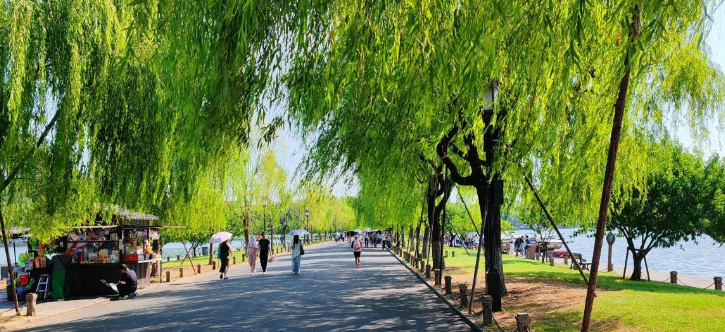
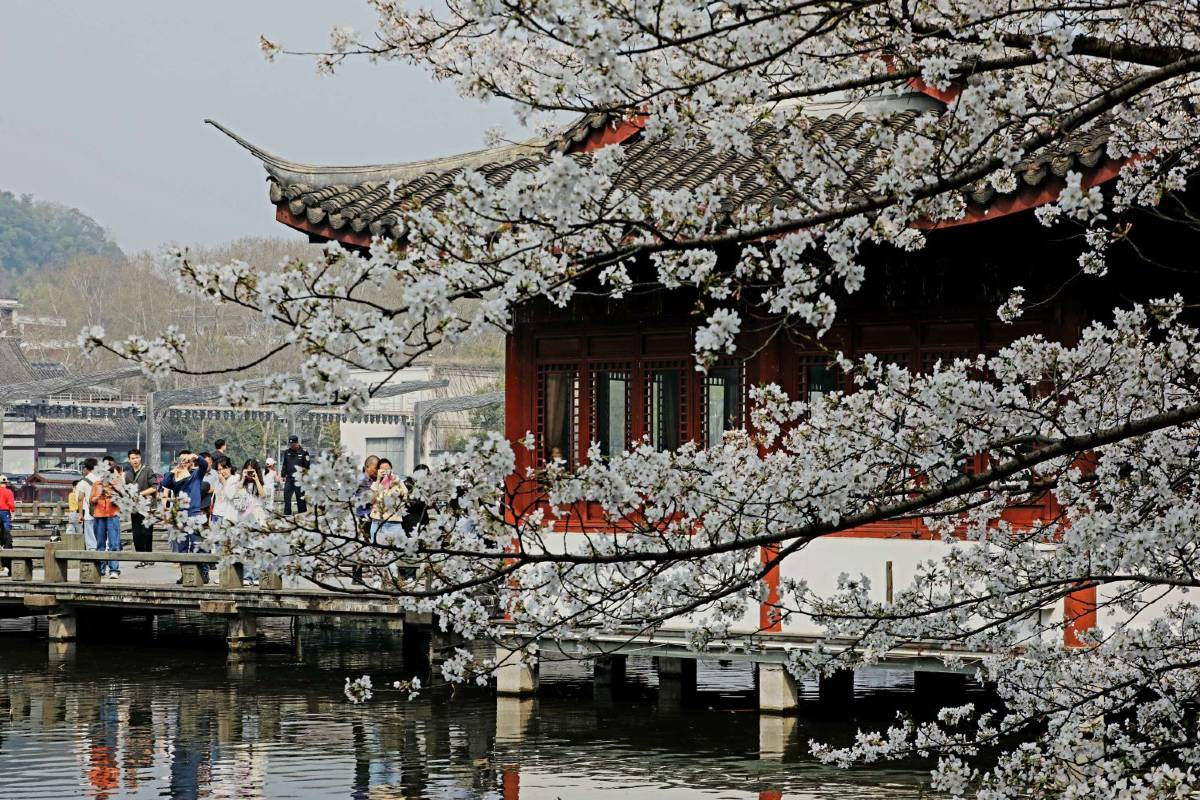
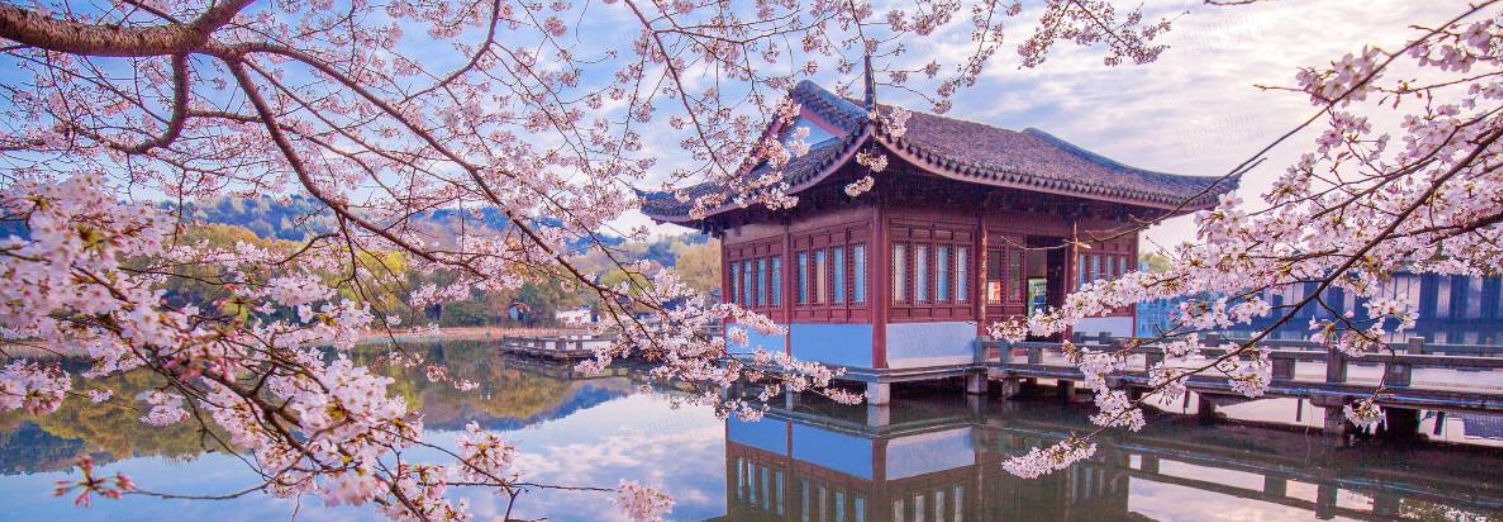
Begin your journey at Su Causeway, a 3-kilometer ribbon of tranquility built by the Song Dynasty poet-governor Su Dongpo. Using silt dredged from the lake, he sculpted this poetic pathway lined with peach blossoms and willow trees. Visit in spring to witness mist curling over the Six Bridges, as if the lake itself were exhaling a dream
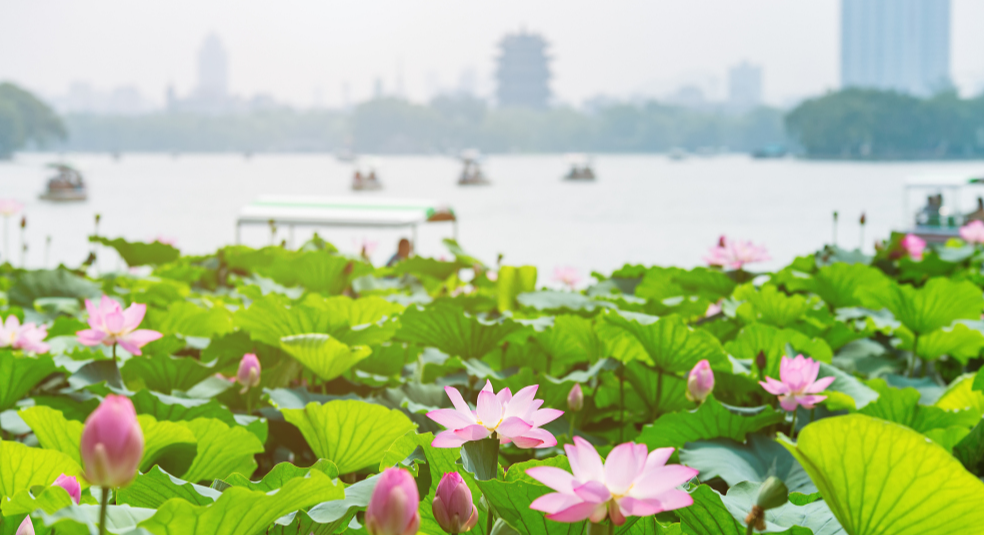
2. Lotus in the Breeze at Crooked Courtyard (曲院风荷)
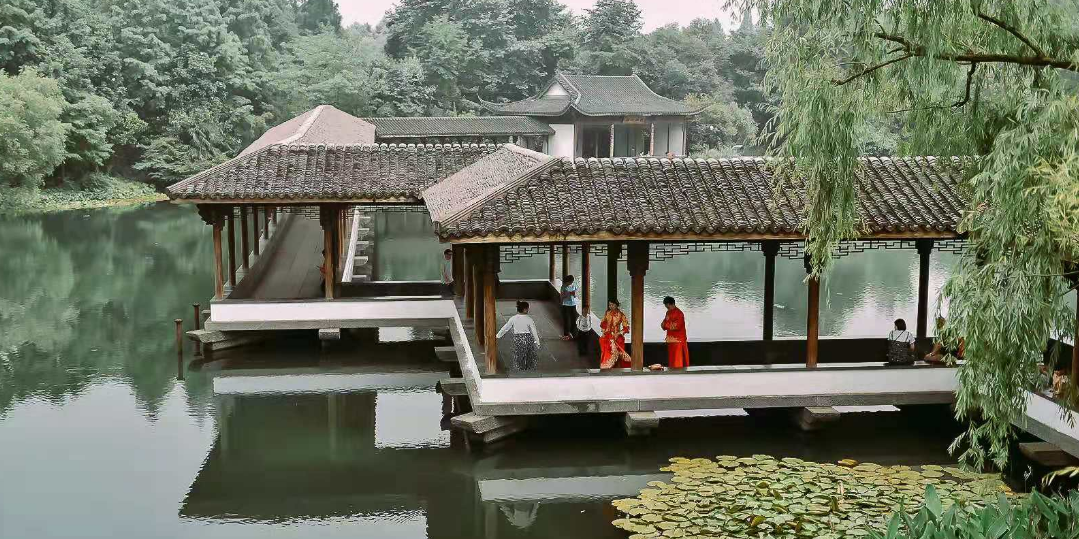
Step into summer at Quyuan Garden, where the air hums with lotus fragrance. Once a Southern Song Dynasty winery, this site transformed into a symphony of pink blooms and rustling leaves. Imagine scholars of old sipping rice wine beneath pavilions, their verses carried by the same breeze that dances through the petals
3. Autumn Moon Over the Calm Lake (平湖秋月)
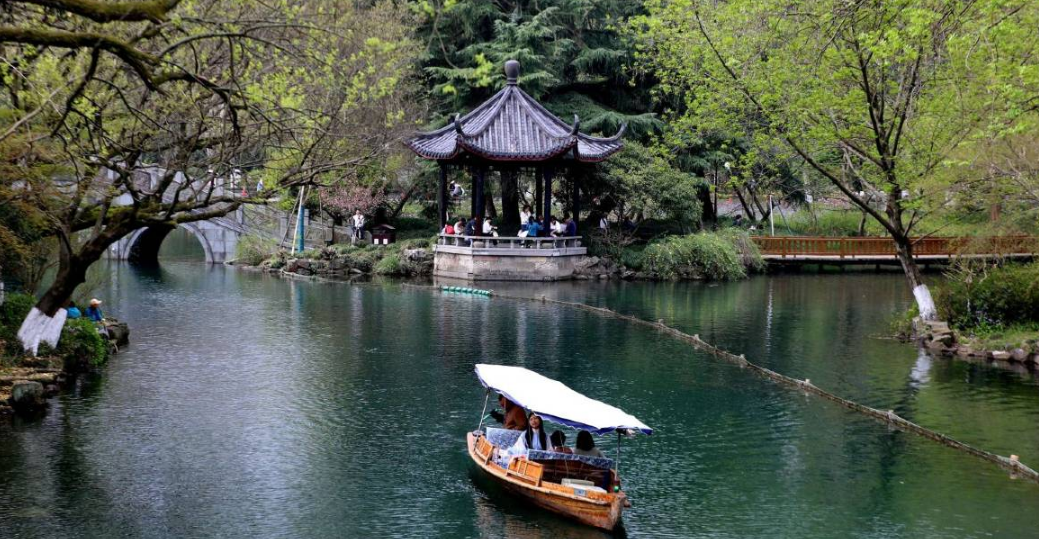
When autumn’s golden light bathes the lake, head to Bai Causeway’s western end. Here, the Pinghu Qiuyue Pavilion offers a front-row seat to the moon’s reflection—a sight so sublime that Emperor Kangxi etched its name into stone. It’s said the lake holds the moon captive, just for you
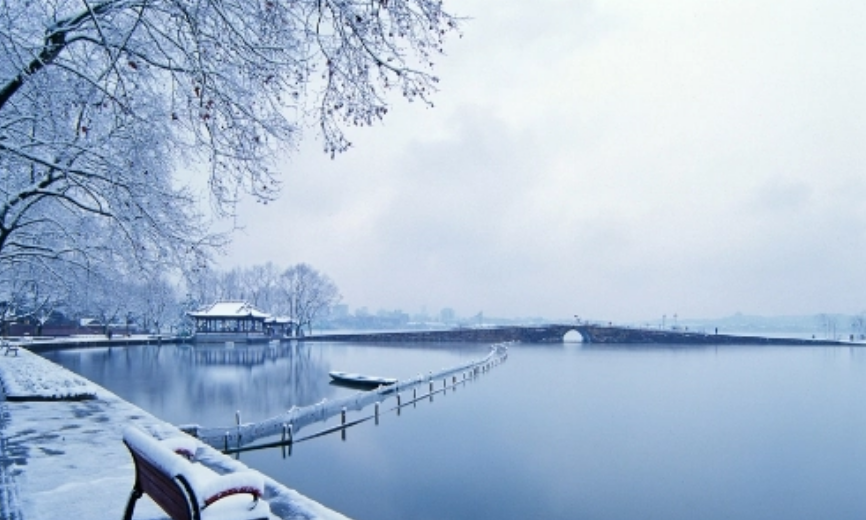
4. Remnant Snow on the Broken Bridge (断桥残雪)
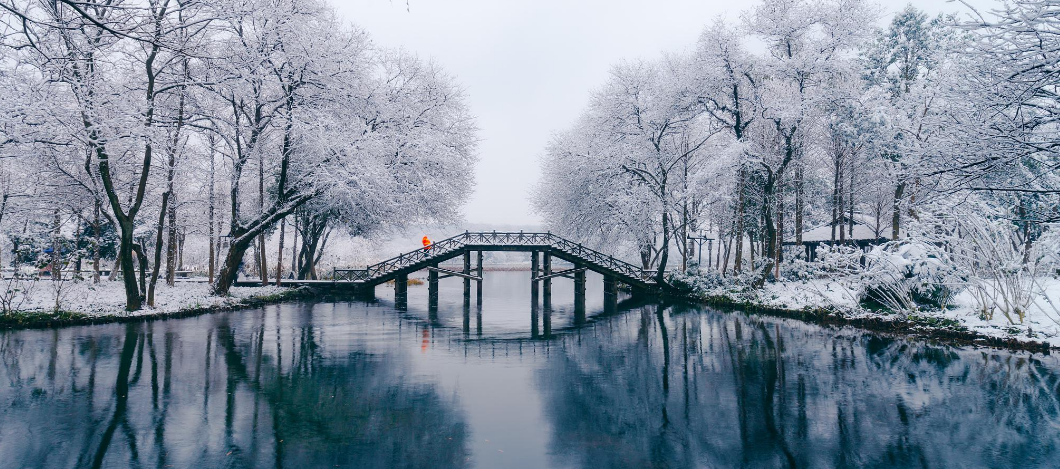
Winter unveils magic at Broken Bridge, where sunlight melts snow on one side while frost clings to the other, creating an illusion of fracture. This iconic bridge isn’t just a marvel of engineering—it’s the hallowed ground where Bai Suzhen and Xu Xian began their tragic love story in The Legend of the White Snake
5. Orioles Singing in the Willows (柳浪闻莺)
Follow the whispers of history to Liulangwenying Park, once a Southern Song imperial garden. In spring, thousands of willows sway like emerald waves, while orioles serenade visitors. It’s a living ode to nature’s music—a chorus unchanged since poets like Bai Juyi wandered here
6. Viewing Fish at Flower Pond (花港观鱼)
At Huagang Park, time slows. Toss a pellet into the crimson swarm of koi at Red Fish Pond, and watch the water ignite with life. This garden, born from a南宋 official’s private retreat, blooms with peonies in spring—a riot of color that even Monet would envy
7. Leifeng Pagoda in the Glow of Sunset (雷峰夕照)
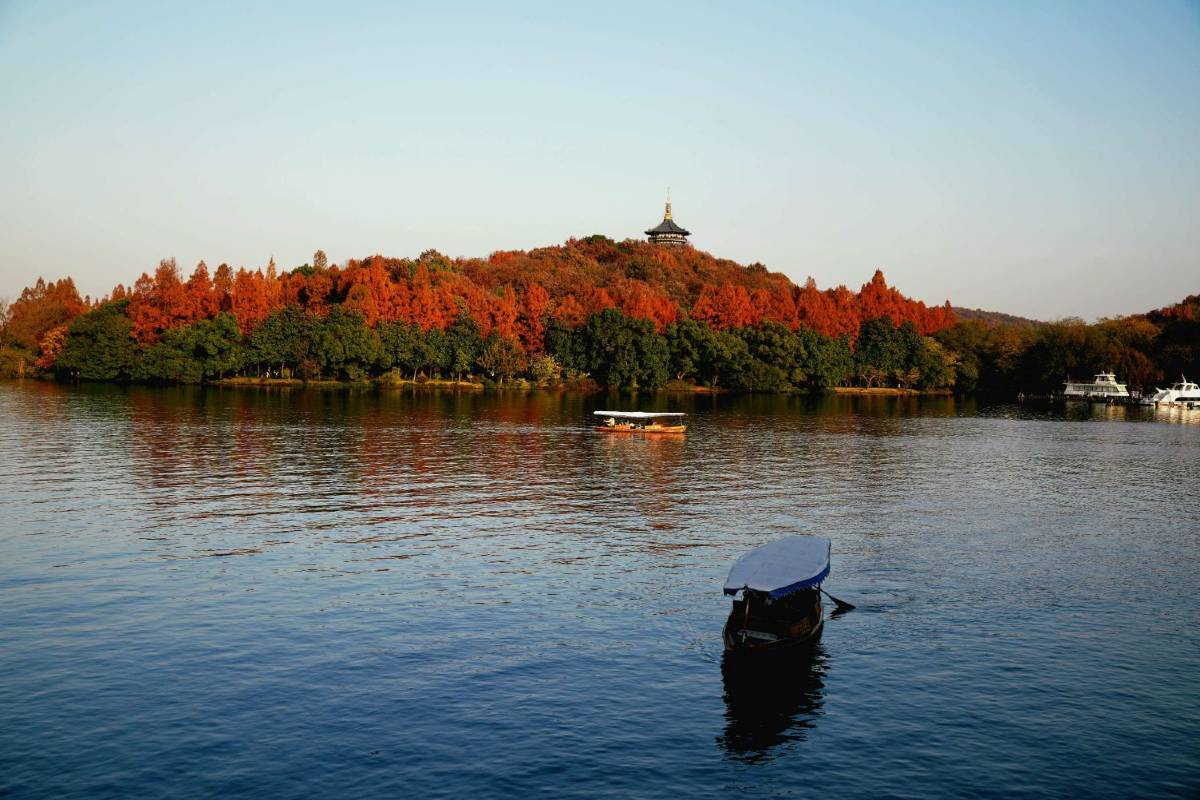
Climb Leifeng Pagoda at dusk, where the dying sun gilds its octagonal tiers. Built in 975 CE by a king praying for an heir, this tower became immortalized as the prison of Bai Suzhen. Today, its rebuilt form stands sentinel, guarding both history and horizon
8. Twin Peaks Piercing the Clouds (双峰插云)
Gaze westward to the Southern and Northern Peaks, guardians of Hangzhou’s skyline. On misty mornings, their summits vanish into clouds, leaving only pagoda silhouettes—a scene so mystical that even Qing Dynasty painters struggled to capture its ephemeral beauty
9. Evening Bell at Nanping Hill (南屏晚钟)
Let the resonant toll of Jingci Temple’s bell guide you. At twilight, its deep, lingering chimes echo across the lake, a meditation in sound. Buddhists believe each strike carries prayers to the heavens—a tradition unbroken since the Song Dynasty
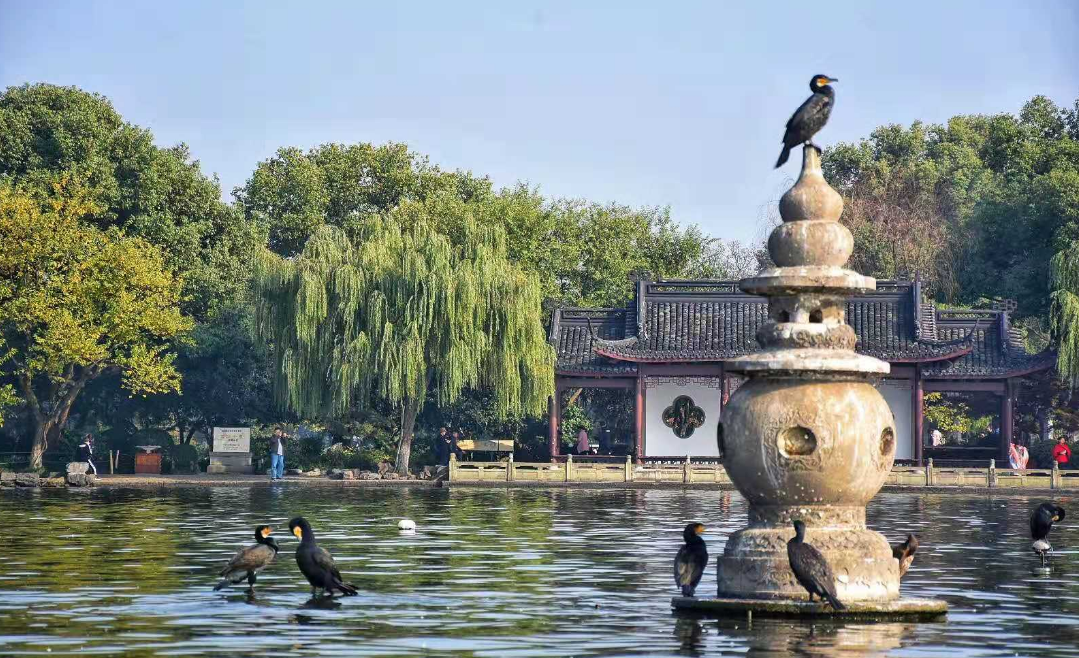
10. Three Pools Mirroring the Moon (三潭印月)
End your pilgrimage at Xiaoyingzhou Island, where three stone pagodas rise from the water. On Mid-Autumn night, lanterns within their hollow bodies cast 33 moons on the lake—one for each celestial realm in Buddhist cosmology. It’s no wonder this scene graces China’s 1-yuan note
West Lake’s Rich History and Legends
See the history and stories of Hangzhou’s West Lake, a UNESCO World Heritage Site that has inspired poets, leaders, and lovers for centuries.
West Lake Origins and History
West Lake began as a shallow bay formed by sediment deposits from the Qiantang River over 2,000 years ago. By the Tang Dynasty (618–907 CE), it spanned nearly 10.8 square kilometers—twice its current size—but faced threats of drying up due to natural siltation and human encroachment.
9th Century (Tang Dynasty)
Bai Causeway (白堤): Built by Bai Juyi, this 2-kilometer path connects Broken Bridge to Autumn Moon Over the Calm Lake. Lined with peach blossoms and willow trees, it embodies the poetic beauty of spring.
11th Century (Song Dynasty)
Su Causeway (苏堤): Created by Su Dongpo, this 3-kilometer dike is flanked by six charming bridges and famed for its “Spring Dawn” scenery. Legend has it Su Dongpo invented Dongpo Pork as a reward for workers during the lake’s restoration.
Ming Dynasty
Yang Gongdi (杨公堤): Added by Governor Yang Mengying, this causeway revived wetlands and expanded the lake’s surface area, creating quieter, biodiverse zones.
Credit: Baidu
Legends of Love and Myth
One of West Lake’s most enduring tales is the Legend of the White Snake, centered around the Broken Bridge (断桥). Despite its name, the bridge isn’t broken—it earned its title from the illusion of a “break” created by melting snow in winter.
According to folklore, this is where the mortal scholar Xu Xian met Bai Niangzi, a white snake spirit who transformed into a woman. Their tragic romance, thwarted by a meddling monk, remains a cornerstone of Chinese storytelling.