India Public Holidays 2026: Calendar, Dates & Celebrations

Plan your 2026 India trip with public holidays—dates for Holi, Diwali, Eid & more, plus crowd tips, opening hours, and holiday travel tips for travelers.
Fly to India
India Hotels
India Things to Do
See all flights


 NO.1
NO.1




AI Summary
This summary is AI-generated by Trip.com. For the complete guide, please refer to the article below.
India public holidays in 2026 include nationwide events like Republic Day, Independence Day, and Gandhi Jayanti. Travelers should book Diwali and Holi accommodations four months in advance due to extreme crowds and peak demand. National holidays close government offices and banks, while tourist sites typically remain open.
2026 India Public Holiday Calendar
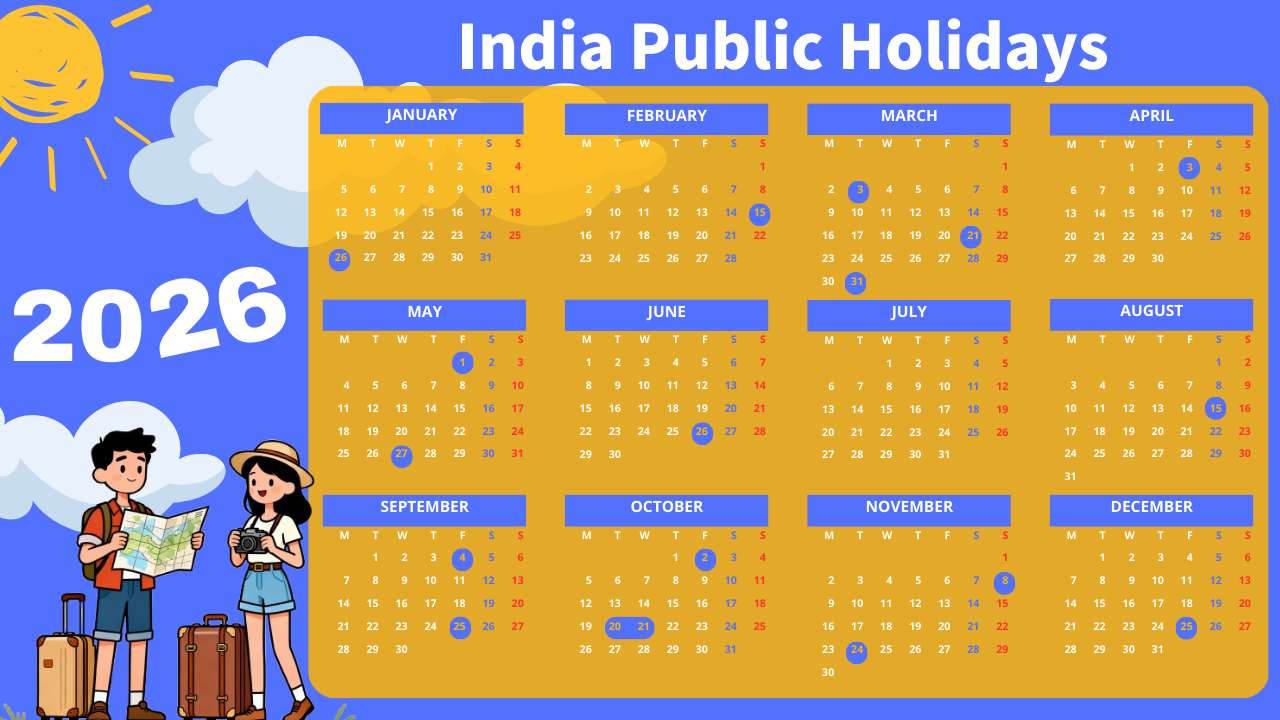
2026 is a year packed with major holidays from spring through fall. During periods when religious events are concentrated, the atmosphere of towns can change dramatically from region to region, so use this as a helpful reference when deciding when to visit. Looking over the year’s holiday calendar in advance makes planning much easier.
India Holiday Types: What You Need to Know
India’s holiday system reflects its diversity—mixing national mandates, religious traditions, and regional customs. Knowing the differences avoids trip disruptions:
- National Holidays: Mandatory days off across all 28 states. These include Republic Day (Jan 26), Independence Day (Aug 15), and Gandhi Jayanti (Oct 2). Banks, government offices, and most large businesses close.
- State-Specific Holidays: Tied to local faiths or culture. For example, Pongal (Tamil Nadu) or Onam (Kerala) are only holidays in their respective states. Always check your destination’s state calendar.
- Bank Holidays: Overlaps with national holidays but add days like “Bank Foundation Day.” If you need to exchange USD or use banking services, confirm branch hours—many close on these days.
List of Public Holidays in India
A Review of India's Public Holidays
Here’s a list of India’s public holidays, organized by date. In addition to nationwide public holidays, many festivals and observances are considered important depending on religion and region, reflecting India’s unique diversity in all its richness.
Date 2026 | Public Holiday | Key Details (Celebrations, Crowds, Openings) |
|---|---|---|
January 26 | Republic Day | Celebrations: Parades (New Delhi’s is iconic) with military displays and cultural dances. Crowds: Heavy at parade routes and public squares. Openings: Banks/government offices closed; malls and tourist spots open. |
February 26 | Maha Shivaratri | Celebrations: Night-long prayers at Shiva temples, fasting. Crowds: Extreme at holy sites (Varanasi, Ujjain). Openings: Most shops open; temples packed after sunset. |
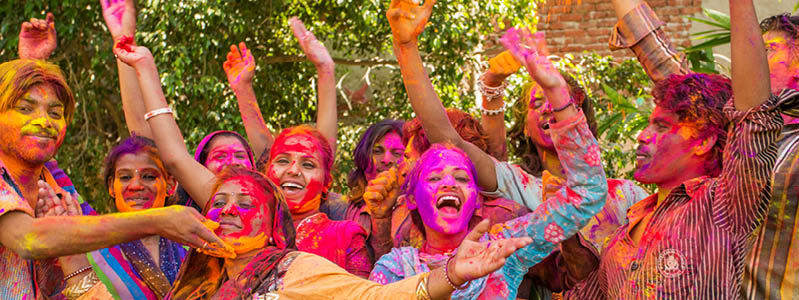
March 14 | Holi (Water-Splashing Festival) | Celebrations: Street parties with colored powder/water, sweet treats. Crowds: Chaos in all cities—join or avoid busy areas. Openings: Shops closed till noon; restaurants open late. |
March 31 | Eid al-Fitr (Id-ul-Fitr) | Celebrations: Morning prayers, feasts (biryani, sheer khurma). Crowds: High in Muslim-majority areas (Lucknow, Hyderabad). Openings: Banks closed; local markets bustling for sweets. |
April 10 | Mahavir Jayanti | Celebrations: Jain temple processions, charity meals. Crowds: Moderate in Gujarat/Rajasthan. Openings: Jain-owned shops may close; tourist sites open. |
April 18 | Good Friday | Celebrations: Church services, quiet reflection. Crowds: Low except in Christian areas (Goa, Kerala). Openings: Banks closed; beaches and resorts open. |
May 12 | Buddha Purnima | Celebrations: Prayers at Bodh Gaya, meditation sessions. Crowds: Moderate at Buddhist sites. Openings: All tourist spots open; small shops may close briefly. |
June 7 | Eid al-Adha (Id-ul-Zuha) | Celebrations: Animal sacrifices (legal in designated areas), meat shared with the poor. Crowds: Heavy in rural areas and mosques. Openings: Markets open for meat; banks closed. |
July 6 | Muharram (Islamic New Year) | Celebrations: Quiet prayers, processions (some regions). Crowds: Mild to moderate. Openings: Most businesses open; banks may have shortened hours. |
August 15 | Independence Day | Celebrations: Flag-hoisting, speeches (New Delhi’s Red Fort is key). Crowds: Busy at public parks and monuments. Openings: Government offices closed; tourist sites open. |
August 16 | Janmashtami | Celebrations: Temple prayers, “Dahi Handi” (pot-breaking) contests. Crowds: Very high in Mathura/Vrindavan. Openings: Shops open; streets blocked for processions. |
September 5 | Milad-un-Nabi (Prophet Mohammad’s Birthday) | Celebrations: Mosque prayers, street processions with lights. Crowds: Moderate in Muslim areas. Openings: Banks closed; shops open as usual. |
October 2 | Gandhi Jayanti & Dussehra | Celebrations: Gandhi memorial visits (non-violence events); Dussehra’s Ravana effigy burnings. Crowds: High in Delhi and Ramayana-linked cities. Openings: All government services closed; malls open. |
October 20 | Diwali (Deepavali) | Celebrations: Fireworks, lanterns, family feasts. Crowds: Extreme everywhere—book hotels early. Openings: Shops closed evening; airports/trains packed. |
November 5 | Guru Nanak Jayanti | Celebrations: Sikh gurdwara prayers, free “langar” meals. Crowds: Heavy in Amritsar. Openings: Gurdwaras open 24/7; local shops open. |
December 25 | Christmas | Celebrations: Church services, decorated markets (Goa is festive). Crowds: Moderate in Christian areas. Openings: Most businesses open; restaurants busy. |
What to Expect at Major India Holidays 2026
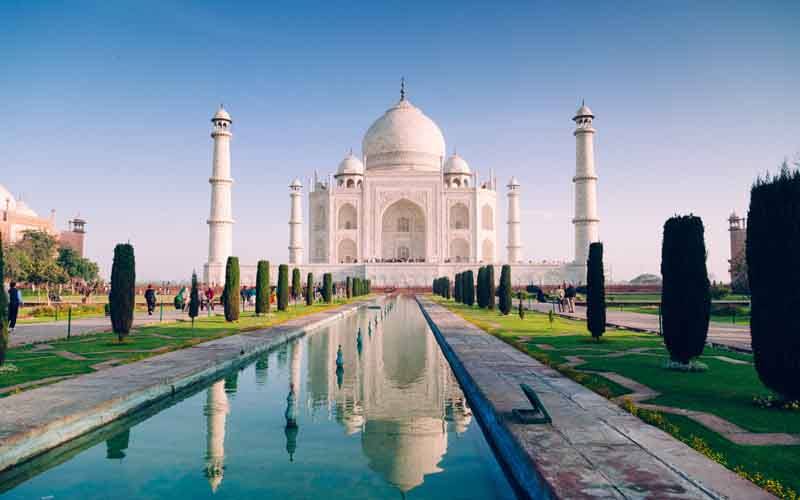
India Holidays | 2026 Holidays to India | Travel Department
January 26: Republic Day
Republic Day marks India’s 1950 Constitution launch—think pride, pageantry, and patriotism. New Delhi’s main parade (Rajpath) features military bands, folk dancers from every state, and missile displays—arrive by 7 AM to get a spot. Elsewhere, cities host smaller parades and flag-hoisting events.
Travel tip: Roads around parade routes close by 5 AM, so book accommodation nearby (Connaught Place is convenient). Most tourist sites like the Taj Mahal stay open, but banks and post offices are closed. USD exchange is only possible at airport kiosks this day.
March 14: Holi
Holi is India’s “let loose” festival—celebrating spring and good over evil. Streets turn into rainbow-colored chaos: locals and travelers alike throw dry powder (“gulal”) and water balloons. In Varanasi, crowds gather on the Ganges ghats for dawn prayers before the festivities. Eat gujiya (sweet dumplings) from street vendors, they’re a holiday staple.
Travel tip: Wear old clothes (colors stain!) and carry a small towel. Most shops close until noon, but convenience stores stay open. Avoid public transport—buses and trains get overcrowded; use ride-hailing apps instead.
March 31: Eid al-Fitr
Eid al-Fitr brings to an end the month-long fasting of Ramadan, with the focus on family, food and gratitude. After the morning prayer at the mosque (the Mecca Mosque in Hyderabad is a scenic spot), there is a feast of kebabs, Indian rice and pure powder pudding. In areas such as Chandni Chowk in Old Delhi where Muslims are in the majority, fairy lamps are decorated and new clothes are sold in the market.
Travel tip: Many restaurants offer special Eid al-Fitr menus (moderately priced menus start at $5). The bank was closed, so I exchanged US dollars before the holiday. The running time of public transportation has been reduced, but it is very safe.
November 8: Diwali
Diwali is the largest festival in India, symbolizing the victory of light over darkness. Every household and temple was brightly lit, with oil lamps and fairy lamps shining brightly. After sunset, fireworks illuminated the sky. In Jaipur, Amber Fort is illuminated by thousands of lights - book a night tour a month in advance. Families exchange candies and gifts, so the local market is bustling.
Diwali 2026 celebrations begin with Dhanteras on November 6, 2026.
Travel tip: Book your flights and hotels 3 to 4 months in advance (prices will be 50% to 100% earlier). If you have asthma, avoid going outdoors - the smoke from fireworks can be very heavy. Small convenience stores are still open, but large shopping malls close at 6 p.m.
November 5: Guru Nanak Jayanti
This Sikh festival is in memory of Guru Nanak, the founder of a religion centered on community and service. Gurdwaras (Sikh temples) offer continuous prayer and free langar meals (accessible to everyone regardless of their beliefs). The Golden Temple in Amritsar is the center of the celebration: it is decorated with lights and pilgrims sing hymns throughout the night.
Travel Tip: Put on a headscarf (scarves are provided by the temple) and take off your shoes before entering. The tequila at the Golden Temple provides food for over 100,000 people every day - try dal makhani and rotis. Local traffic is operating normally and shops are open as usual.
Fly to India
India Hotels
India Things to Do
See all flights
India Holiday Openings & Crowd Summary
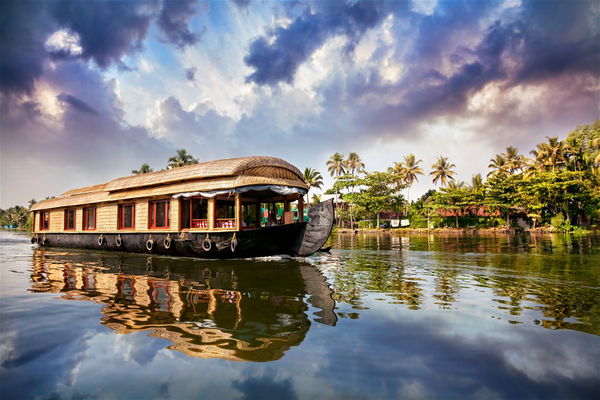
India Holidays 2026/2027 | Trailfinders
Navigating India’s holidays means balancing celebration with practicality. Here’s a quick breakdown of what’s open, what’s closed, and when crowds peak—so you can plan accordingly:
India Holiday General Opening Rules
- Always Open: Airports, train stations, major hospitals, and 24/7 convenience stores (like Reliance Fresh).
- Usually Closed: Government offices, banks, post offices, and schools (national holidays).
- Variable: Malls (open 12–9 PM on most holidays), local shops (closed morning on Holi/Diwali), and restaurants (busy but open).
India Holiday Crowd Peak Times
- Extreme Crowds: Holi (March 14), Diwali (October 20), Janmashtami (August 16) in temple cities.
- Moderate Crowds: Eid al-Fitr (March 31), Guru Nanak Jayanti (November 5), Christmas (December 25).
- Manageable Crowds: Republic Day (January 26), Independence Day (August 15) (focused on specific areas).
See all attractions


What Are India’s Public Holidays? [Knowledge of Culture, and Religion]
![What Are India’s Public Holidays? [Basic Knowledge of the System, Culture, and Religion]](https://ak-d.tripcdn.com/images/100d0y000000m08ewE00A_C_760_506_R5.jpg?proc=source%2ftrip&proc=source/trip)
India’s holidays have a distinct character, born from a land where religion, culture, and history intricately intertwine.
Across Japan, some days off are observed nationwide, while certain holidays can vary from region to region,
The unique systems so characteristic of “India, the land of diversity” are directly reflected in its public holidays.
Here, we’ll start by laying out the basic concepts behind India’s public holidays.
Indian holidays are deeply intertwined with religion and history.
India’s public holidays have a distinctive mix you only find in a country where multiple religions coexist.
- Hinduism: Diwali (Festival of Lights), Holi (Water-Throwing Festival), Janmashtami (Festival of Krishna's Birth)
- Islam: Eid al-Fitr (festival marking the end of Ramadan), Eid al-Adha, Muhammad’s Birthday
- Sikhism: Guru Nanak’s Birthday
- Christianity: Christmas, Good Friday
- Buddhism: Buddha’s Birthday (Buddha Purnima)
One hallmark is that religious events are widely observed as public holidays, and even the same holiday is often celebrated differently depending on the region or religious tradition.
In addition, national commemorative days—such as Gandhi Jayanti and Republic Day—are recognized as important holidays.
India’s public holidays fall into two categories: "nationwide" and "state-specific".
Public holidays in India fall into the following two main categories:
● ① National Holiday (public holidays observed nationwide)
A nationwide public holiday—every state takes the day off.
Examples: Republic Day (January 26), Independence Day (August 15), Gandhi Jayanti (October 2)
● ② Public Holiday (varies by state)
Holidays set by each state according to religious, cultural, and regional customs.
Since days off vary by state, be sure to check which regions are on holiday when you travel.
This two-tier setup beautifully symbolizes India’s diversity.
Why is India known as a country with so many public holidays?
India is said to be one of the world's leading "holiday superpowers."
There are three main reasons for that.
1. It’s a multi-religious country where religious events are adopted as official public holidays.
(Reflecting many faiths—Hinduism, Islam, Sikhism, Christianity, Buddhism, and more)
2. Each state has its own unique holidays, with significant regional differences
On top of the nationwide public holidays, state-specific days off stack up.
3. There are many traditional events that celebrate the changing seasons.
Light, the arrival of spring, abundance, birth festivals, and more.
As a result, it ranks among the top countries not only for the number of public holidays on the calendar, but also for the actual amount of time off.
Tips to Visit India During 2026 Holidays
- Book Early: For Diwali and Holi, flights (especially international routes) and hotels sell out 4 months in advance. Budget hotels in tourist spots (Agra, Jaipur) hike prices by 2x—lock in rates early.
- Carry Cash: Many small shops and street vendors don’t accept cards on holidays. Exchange USD at airport kiosks or authorized banks (avoid unlicensed dealers—rates are scams). Carry $100–$200 in small bills ($1, $5, $10) for daily expenses.
- Respect Customs: Dress modestly at religious events (cover shoulders/knees at temples, mosques, gurdwaras). Ask before taking photos of locals—many families don’t mind, but it’s polite to check.
- Plan Transport: Trains between cities (Delhi to Agra, Mumbai to Goa) fill up fast. Book train tickets via IRCTC’s website 120 days in advance. Use ride-hailing apps (Uber/Ola) for local travel—they’re cheaper than taxis on holidays.
- Pack Smart: For Holi, bring a reusable water bottle (to avoid plastic) and sunglasses (to protect from powder). For Diwali, pack a mask if you’re sensitive to smoke. A portable charger is a must—public charging points are scarce.
[10% Off] What are Best Hotels for India Holidays
We recommend the following India Holidays accommodations with 8% Off:
India Hotels
5 star
Very Good163 Reviews
Central Delhi New Delhi|0.46km from city center
*Poor hospitality - hotel staff lying to guests & downgrading guest’s room type during their stay*
This is my second time staying at this hotel, as I find the location and facilities suitable. However, I am extremely disappointed this time due to the poor level of hospitality.
I booked my stay from February 11 to 14 initially, and then added one more night on February 10. We arrived at the hotel at 23:45 on February 10.
When we checked in, we informed the staff that we had two bookings. At first, the staff asked us to check out and check in again on February 11. This was very strange and inconvenient for us. After some discussion, the staff said we did not need to check out and check in again on February 11. The room type was also upgraded to a suite, and the staff assured us that this upgrade would be valid for the entire stay until February 14.
On February 11, around 16:00, we received a call from the hotel informing us of issues on the entire 11th floor and requesting us to move to another room. This was very disturbing, as we had just checked in late the previous evening. Unpacking and repacking our bags exhausted us.
The staff assured us that the new room would be of the same type as our current one. However, when we moved and reached the new room, it was a standard room. We are disappointed that the staff has been dishonest. How can a hotel downgrade a guest’s room during their stay? This is absolutely unacceptable.
When we called the staff, they claimed that we had to leave the suite because it was full. The reason given earlier (issues on the 11th floor) was a lie. Moreover, we did not receive a room of the same type as our original one. This has been a completely horrible experience for us.
When we returned at night, we saw that some guests were going to the 11th floor, which indicates there are no issues there. This clearly shows that the staff's explanation was false.
I hope there will be an explanation. Is this discrimination because I am not a local Indian? I also believe that better training for your staff is needed. This kind of hospitality only damages the hotel’s reputation.
I am also providing the upgraded and downgraded room type as a proof of this comment.FromSEK 1,219
Amazing142 Reviews
Central Delhi New Delhi|1.73km from city center
I had a wonderful stay at Shangri-La Eros New Delhi. The hotel combines luxury, comfort, and excellent hospitality in one of the best locations in Delhi. The rooms were spacious, clean, and very comfortable, with beautiful city views and high-quality amenities.
The breakfast was outstanding with a wide variety of international and Indian options, and the service throughout the hotel was consistently warm and professional. The spa, health club, and overall atmosphere made the stay very relaxing.
What I appreciated most was the attention to detail and how welcoming the staff were at every moment. The location is also excellent, close to Connaught Place and many key attractions in Delhi.
Overall, it was a memorable experience, and I would highly recommend Shangri-La Eros New Delhi for both business and leisure stays.FromSEK 3,498
Very Good102 Reviews
Indira Gandhi Int'l Airport Area New Delhi|14.42km from city center
The rooms are beautiful. Very comfy beds and extremely spacious.
The food was amazing and that guava juice... best ive had!
Small areas of service just let it down a little. Such as removing plates before the next course arrives.
Also, the marble surrounding the pool was lethal when wet - perhaps a mat to walk on would be helpful?FromSEK 1,365
Great175 Reviews
Indira Gandhi Int'l Airport Area New Delhi|13.84km from city center
Here’s a more natural version of your review:
The stay at The Roseate was an experience from the moment I arrived. The welcome begins with a traditional blessing ceremony, followed by fresh juice, sweets, and water. Everyone makes you feel genuinely looked after.
The spa was very good, but the highlight of my stay was definitely breakfast. It is, without question, the best hotel breakfast I have experienced. The variety of choices is outstanding, the service is exceptional, and even the use of technology—a serving robot—adds a fun touch without taking away from the hospitality.
There is one area that could be improved: cleaning . I found a hair in the bathtub, and the divan behind the cushions was dusty and hadn’t been cleaned properly.
Next time, I will check the room when I arrive and ask for anything that needs attention to be cleaned.
Despite that, I would happily stay at The Roseate again.
Despite that, I would happily stay at The Roseate again.FromSEK 1,676
Very Good141 Reviews
Central Delhi New Delhi|1.7km from city center
The hotel is conveniently located near Connaught Place. I chose this hotel specifically because it has a bathtub. It turned out to be a great decision! The water temperature was around 40°C, which was a bit lukewarm for me, but it was essential to soak away the fatigue from my trip in India, so it was a huge help.
This was my hotel for the final night of my 7-day trip. My stomach was quite tired, and I was craving Japanese food. To my surprise, I found a Japanese restaurant on the first floor of this very hotel when I searched online.
The prices were on the higher side, but the taste was as good as what you'd find in Japan, and the presentation was delicate. I was extremely satisfied.FromSEK 1,137
Business travel
71 Reviews
Karol Bagh New Delhi|4.9km from city center
5 star hotel in a budget price. The location is central so easy access to all the city attractions. The cleanliness and service staff are all good. But the hotel amenities provided were not enough. The taps, bathtubs were a bit old and not working properly. The breakfast was pretty good but the non vegetarian options were less.FromSEK 985
Very Good136 Reviews
Central Delhi New Delhi|3.77km from city center
My stay at the Ambassador Hotel in New Delhi was a very special and welcoming experience.
The location of the hotel is right next to the “Khan Market” metro station, in a central area but yet quiet and peaceful. The room and facilities are of a high standard, and the breakfast offers a wide variety, including Indian specialties as well as Western options.
As it is my first time visiting India, I had many inquiries, the front office team (Wasi, Tashi, Nipaisn, Kishan, Vansh, and the Front Office Manager Lakshay Nirvla) were very patient and helped me navigate in Delhi. Furthermore, after checking out, I had difficulty booking trains for my next destination, but they all helped. Thanks to them, I had all my journey arranged, including taxi drivers and train tickets.
I usually don’t write reviews of my hotel stays, but this wonderful experience and the warm-hearted people I met here truly made the difference. I warmly recommend this hotel for its location, facilities, food, and, most of all, its amazing team.FromSEK 1,579
Very Good296 Reviews
Indira Gandhi Int'l Airport Area New Delhi|13.52km from city center
Great, Morning food basket , service staff and the hotel support staff, will eagerly help you out on everything if you are stuck.
The Ground staff, including security , cleaning staff is back backboneand deserves special accolades for this hotel. But the reception desk definitely needs a pull up,they are slow to respond , not very keen to resolve ur issues. Great place on location point.FromSEK 1,210
74 Reviews
Central Delhi New Delhi|1.72km from city center
I'm sure this hotel was beautiful back in its heyday, but clearly has not been renovated in decades. I would NOT stay here again.
Top complaint: WiFi did not work the 3 days/nights that I stayed at the hotel and the staff was completely unhelpful in resolving this issue. This is *unacceptable* for business travelers and was a huge inconvenience.
Medium complaint: The gym is far too small for a hotel with hundreds of guests. There was also only one yoga mat which had to be shared amongst many sweaty exercisers.
Minor complaints: The rooms smell strange, the room decor is quite old-fashioned, and the bars of soap are very poor quality (and fluorescent green).
Positives: The outdoor garden is lovely and the freshly made masala dosas at breakfast were tasty.FromSEK 876
Very Good68 Reviews
New Delhi|8.3km from city center
The staff were professional, courteous, and always willing to assist, which made the overall experience seamless. The dining options are excellent, with a good variety of cuisines and high-quality food. The location is also convenient, providing easy access to key business districts.FromSEK 1,965
Family friendly
Great95 Reviews
Indira Gandhi Int'l Airport Area New Delhi|13.78km from city center
The room was quite small for 2 people, but it was still manageable. It was very clean, which we really appreciated. The location was perfect-everything was within walking distance, with plenty of malls, cafes and restaurants nearby. The airport is also very close, which made travel easy and convenient.FromSEK 1,050
Great268 Reviews
Indira Gandhi Int'l Airport Area New Delhi|13.75km from city center
We stayed for a night where was a comfy stay after stayed in the scam hotel (Hotel Emerald).
The location is convenient as it’s nearby the airport. The security, front line & restaurant staff provide good services with smiles. You also can go to food court nearby with different food choices. Highly recommendedFromSEK 1,006
Amazing132 Reviews
Central Delhi New Delhi|6.57km from city center
- Slow service at front desk staff, the lady at front desk took more than 20mins for a check out guest 1 queue before me. She even didnot care or look at me keeping petiance while waiting too long just to ask for deposit back. And when it comes to my queue, slowly took mor than 10 mins to return cash deposit. DISAPPOINTED!!
- Breakfast, almost good, but staff is not well manner, keep focus on introduction to the breakfast instruction without realize that the guest is engaging on the phone. Still keep distract with bad manner!! DISAPPOINTED!!FromSEK 2,317
Very Good69 Reviews
New Delhi|9.32km from city center
Absolutely stunning atmosphere and great service out there. From the welcoming person to the person who is handling the Gym and the spa are really hospitable and respectful. You will have all the facilities you want during your stay including a fitness center, SPA, Sauna, Steam bath, Jacuzzi and delicious food buffet. Recommending to anyone who is looking for a nice hotel located in New DelhiFromSEK 980
Amazing81 Reviews
Central Delhi New Delhi|6.91km from city center
It was like a fish market there on Saturday evening, we reached there around 3 o’clock but there was a large que when we checked in, it took is almost 2 hrs to get room keys i.e around 5 o’clock and then again next day, we have to wait for half an hour to get into breakfast buffet, it was total mess, even taj staff was confused and Brest was average. If you can’t handle your first then why are you taking bookings, you should stop taking fresh bookings and handle your bookings in hand.FromSEK 2,211
Hot spring
Very Good72 Reviews
New Delhi|12.7km from city center
Great value for money, and my main clients are nearby. I'll definitely book this hotel again. The breakfast spread was excellent too, a really good choice overall. The staff were polite and enthusiastically explained how to rent a car for our travels.FromSEK 1,126
Very Good43 Reviews
Central Delhi New Delhi|0.77km from city center
Upon entering the hotel, there's a security check for all guests, regardless of whether you're staying or not. All your belongings go through a machine, similar to airport security. While it's a bit of a hassle, it definitely makes you feel safer knowing that unauthorized people can't easily get in. The location is excellent, right in the heart of Connaught Place, which is a prime spot in Delhi. The room was very spacious and clean. Hot water for the shower was instant. They also provided two large bottles of water, which was very convenient for brushing teeth and so on.FromSEK 1,579
Very Good446 Reviews
Indira Gandhi Int'l Airport Area New Delhi|13.62km from city center
A great choice for a layover at New Delhi Airport. Ibis is an international hotel chain, and the biggest fear when transiting at New Delhi Airport is ending up in a dodgy hotel. Staying at Ibis offers peace of mind, as both the service and hygiene quality are very reliable, and the price is quite affordable. Although the hotel has some history, the facilities are still good. The breakfast is also delicious, with food options suitable for international travelers' tastes. Recommended for travelers looking for a safe and comfortable hotel at an economical price.FromSEK 924
99 Reviews
Central Delhi New Delhi|1.12km from city center
A good property and awesome location, close to eateries and street shopping. The bar fridge is fairly expensive so just avoid it. Great stores and restaurants in close proximity so do explore. The breakfast buffet has a good spread of cuisines, but the baked items like croissants and pain DU Chocolat didn't appear to be prepared on site.FromSEK 890
Great114 Reviews
Indira Gandhi Int'l Airport Area New Delhi|13.5km from city center
My flight was in the morning, so I stayed at a hotel near the airport. They were very flexible during my stay. My flight was delayed, and I requested an extended stay, an additional breakfast, and laundry service, all of which they accommodated. Although the extended stay was unexpected, there are souvenir shops and restaurants within walking distance, so I got to experience a different side of India.FromSEK 1,264
Gym
Great124 Reviews
Central Delhi New Delhi|3.94km from city center
The Claridges was excellent value for money. It is located in a quieter area, so we needed to get a taxi every day, but we preferred to be further away from the hustle and bustle of Delhi. There was an excellent spread at breakfast and the pastries were yummy. You could also order French toast, eggs benedict, masala dossa etc. I cannot praise the staff at breakfast enough - they were efficient, attentive, and polite! We used the pool and the sauna. The only hiccup was that we were placed next to a room which was under refurbishment. There was tolerable noise during the day, but by day 3 there was a strong smell of solvent. We were given a room upgrade which was appreciated but I do not expect a 5 star hotel to place any guests in a room adjacent to one that is being actively refurbished.FromSEK 2,263
Amazing127 Reviews
New Delhi|7.07km from city center
A truly beautiful hotel, part of an excellent hotel chain in India. The soundproofing is fantastic; I celebrated New Year's Eve there, and by 00:30 I was comfortably back in my room sleeping, with almost no street noise audible. The breakfast was delicious, and the massage was great. Everything was superb!
P.S. You don't even need to leave the hotel – it's like an apocalypse outside!FromSEK 4,474
Great54 Reviews
Indira Gandhi Int'l Airport Area New Delhi|13.63km from city center
The hotel is conveniently located near the airport, which is great for layovers. The room was clean enough and had all the essentials. Check-in took an exceptionally long time, possibly due to an early check-in. We spent about an hour at the front desk. We used room service, and the food was delicious with a nice presentation. They also helped us with an airport transfer. You can walk around the neighborhood; there are many shops and stalls.FromSEK 2,001
Amazing137 Reviews
Indira Gandhi Int'l Airport Area New Delhi|13.49km from city center
Stayed at Andaz Hyatt Delhi and had a very pleasant experience overall. The hotel has a resort-style atmosphere that feels relaxing despite being in the city near to airport, and the service throughout the stay was consistently good. Security was also reassuring, making the environment feel safe and well-managed.
The room was spacious, comfortable, and well-designed, the sliding full size mirror between bathroom and bed is a plus point. The room is equipped with day and night curtain.
However, there are a couple of areas for improvement — the bathroom floor can be quite slippery and would benefit from better anti-slip measures, and the breakfast area tends to get very busy, resulting in queues for tables during peak hours. Overall, still a very enjoyable stay with strong service and comfort. 🙂FromSEK 1,834
Very Good132 Reviews
Central Delhi New Delhi|1.94km from city center
Good Experience! The staff was welcoming and accommodating right from the moment in hotel. The room was clean, and the view of the city from it was splendid.FromSEK 2,390
Swimming pool
Outstanding128 Reviews
Central Delhi New Delhi|1.32km from city center
Second time staying in this hotel. Service is as good as you can get anywhere, top notch. Facilities are great, with gym and spa. Staff are well trained, polite and often remember my name, make a huge difference. Did a spa this time which is slightly pricy but experience is decent.FromSEK 3,364
Amazing139 Reviews
Central Delhi New Delhi|3.39km from city center
The Taj Mahal Delhi is a beautiful hotel with splendid decor and an old school ambience. However, some of the underlying cost cutting is noticeable.
The breakfast buffet for example is anything but - with a handful of items such as bread and rudimentary cereal laid out but anything substantial needs to be ordered and it arrives in due time in small portions. It's awkward to know how many times can one order in the circumstances.
Another example occured when I changed some currency at the hotel. I expected the rate to be bad and it was, but this was not an issue. I am happy to pay for luxury and convenience. However, what irked me slightly was when the staff explained that there was no change so she couldn't give me 60 INR. It's a very small amount but I felt it was a liberty - imagine offering currency exchange at an exorbitant rate but you don't have currency.
Other than that we had a good stay. The pool was stunning as was my beautiful club suite. It was a very generous size and beautifully designed with views over the pool and Delhi beyond - a real oasis in noisy and bustling Delhi.
The club lounge is ok but not really worth paying for - the timings for high tea etc are so inconvenient that you won't be able to use them.
Overall, this was still a good stay and probably the best hotel for the price in this part of town.FromSEK 3,558
Very Good59 Reviews
Pahar Ganj New Delhi|1.25km from city center
After new renovation , The rooms are so clean ,modern facilities all are available now.
Even service like Free Tea Coffee and Water with Hot pot and Fridge Made it perfectFromSEK 201
Very Good110 Reviews
Indira Gandhi Int'l Airport Area New Delhi|12.81km from city center
Excellent front desk but lack of well experienced staff for smooth check in. Booked and paid for 3 pax but room is given 2 single bed and has to request for additional bed. They shud have upgraded super king extra large bed instead of normal beds.FromSEK 1,436
Great99 Reviews
New Delhi|5km from city center
The original Anzhen Delhi, after changing the self-operated brand, the price is close to the people. Kerry Hill's classic work, the light and shadow effect of the corridor is very good, you can see the design inspiration of Tokyo Anzhen here. Fully equipped, very close to Humayun’s Tomb. For breakfast, let people forget to be in India.FromSEK 4,850
Breakfast
Very Good97 Reviews
South Delhi New Delhi|12.08km from city center
Fast check in by the receptionist, the hotel is nice and beside a shopping mall. Wifi is quite strong and all the necessary amenities are provided in the room.FromSEK 2,105
Very Good78 Reviews
Indira Gandhi Int'l Airport Area New Delhi|17.25km from city center
The hotel was gorgeous. Room was spacious,and shower was great. Their body soap smelled so good.
Didn't have chance to use much but pool and gym looked very well taken care of, and restaurant was delicious and considering the atmosphere , it wasn't too expensive either. Breakfast had wide range of food,chai was great. Only thing was gym and pool would be inaccessible late night, I wish they would have told me that, and check in and out took longer compared to other hotels. Access wise it's close from airport but,there weren't any shops or restaurants in walkable area so really need to prepare to commit to the hotel.FromSEK 639
11 Reviews
Pahar Ganj New Delhi|1.29km from city center
Near New Delhi Station, it’s better than a normal hotel.FromSEK 471
16 Reviews
Indira Gandhi Int'l Airport Area New Delhi|13.11km from city center
Location convenient and budget stay, food is niceFromSEK 377
Very Good47 Reviews
Pahar Ganj New Delhi|1.33km from city center
โรงแรมอยู่ในโซนใจกลางเมือง ห่างจากสถานีรถไฟและสถานี MRT ไม่มาก ตัวโรงแรมตั้งอยู่ในซอยแยกจากถนนใหญ่ไปนิดเดียว ทำให้ไม่จอแจ และเป็นส่วนตัวมากขึ้น มีร้านค้าอยู่ใกล้เคียงหลายร้าน บริการในโรงแรมดี มีครบทุกอย่าง ทั้ง แอร์คอนดิชั่น ไดร์เป่าผม ตู้เย็น กาน้ำร้อน มี room service ที่ราคาไม่แพง และมีเมนูหลากหลาย รสชาดใช้ได้ มีอาหารเช้าให้บริหารทั้งอาหารอินเดียและอาหารเช้าแบบฝรั่ง ภายในโรงแรมเหมือนเพิ่งปรับปรุงทาสีใหม่ แต่เครื่องใช้จำพวก เครื่องนอน ผ้าเช็ดตัว ออกจะเก่าอยู่ซักหน่อย ความสะอาดภายในห้องพัก กลางๆ พื้นห้องเป็นไม้ ให้ความรู่สึกเหมือนมีฝุ่นที่พื้นอยู่บ้าง ห้องน้ำสะอาดพอใช้ได้ ภายนอกห้องพัก ก็สะอาดใช้ได้ แสงสว่างดีค่ะ คุ้มค่ากับราคาสำหรับพักค้างคืน ก่อนเดินทางต่อFromSEK 471
FAQs about India Public Holidays
-
How many public holidays are there in India?
-
Is it a holiday in India today?
-
Why is 20 August a holiday in India?
-
Why is 7 July a public holiday in India?
Disclaimer: This article has been provided by an individual contributor or third party platform. If there is any discrepancy regarding the copyright, please contact us directly and we will delete the content immediately.
Trending
-
Popular Attractions
-
eSIM/SIM card
- Forbidden City Tickets
- Zhangjiajie National Forest Park
- Shanghai Wild Animal Park
- Shanghai Tower Tickets
- Shanghai Disneyland Tickets
- Huangshan
- Canton Tower Tickets
- Book China Attraction Tickets with Passport
- shanghai to wangxian valley
- Shanghai Disneyland Fast Pass
- Summer Palace Tickets
- Universal Studios Beijing Tickets
- Shanghai Disneyland Crowd Forecast
- universal studios japan tickets
- Yu Garden Tickets