Peru Plug: Types, Voltage, & Plug Adapters

Planning a trip to Peru? Alongside your checklist of must-see sites, make sure you’re well-prepared with the right power adapters, converters, and travel tips to keep your devices fully charged. Here’s a detailed guide to help you understand the Peruvian power plug types, voltage, adapters, and other useful charging tips for a smooth trip.
Peru power outlets use 220V and 60Hz frequency. Travelers require plug adapters for types A, B, and C, and converters for 110V devices.
Peru Plug Type
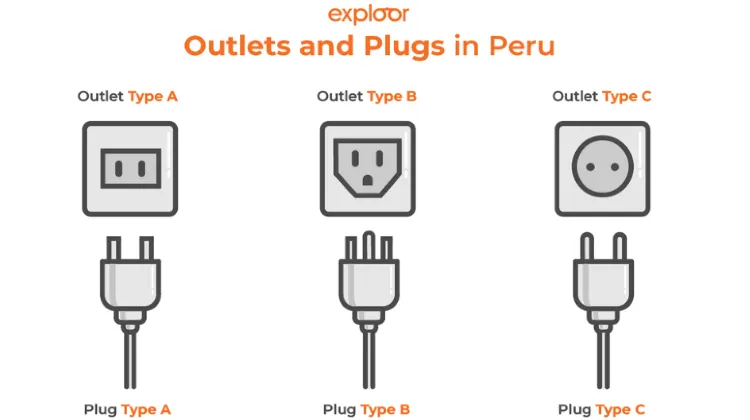
In Peru, you’ll most often encounter plug types A, B, and C:
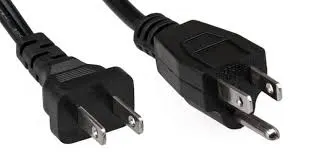
Type A: Common in North and Central America, this plug has two flat, parallel prongs.
Type B: Similar to Type A but includes a grounding pin, with two flat parallel prongs and a round grounding pin below.
Type C: Known as the standard “Europlug,” this type has two round prongs and is compatible with outlets across much of Europe.
Source: Exploor Peru
If you’re traveling from regions like Europe or the UK, you’ll likely need an adapter to fit your devices into Peruvian outlets. On the other hand, travelers from North America may find that many outlets in Peru are already compatible with their plug types, especially in newer accommodations or city areas.
Peru Power Plug Voltage and Frequency
In Peru, the electrical voltage standard is 220 volts, with a frequency of 60 Hz:
🙂If you’re traveling from a country with a lower voltage standard, like the United States (which typically uses 110V), you’ll need to make sure your devices are compatible with 220V. Many modern electronics, such as laptops, smartphones, and cameras, are dual voltage (110V-240V), meaning they can safely handle different voltages.
👀Voltage converters are necessary if you’re bringing single-voltage devices, especially those designed for 110V. Common examples include older hair dryers or certain styling tools. Using a converter in these cases is essential, as plugging in these devices without one can cause them to overheat or break.
If you’re unsure whether a device requires a converter, check the label or power supply for input details. It should show either “100-240V” (indicating dual voltage) or a specific voltage that may require conversion.
Source: Peru Hop
Peru Plug: Adapters and Converters for Traveling in Peru
It’s important to understand the difference between adapters and converters to ensure you’re using the right tool:
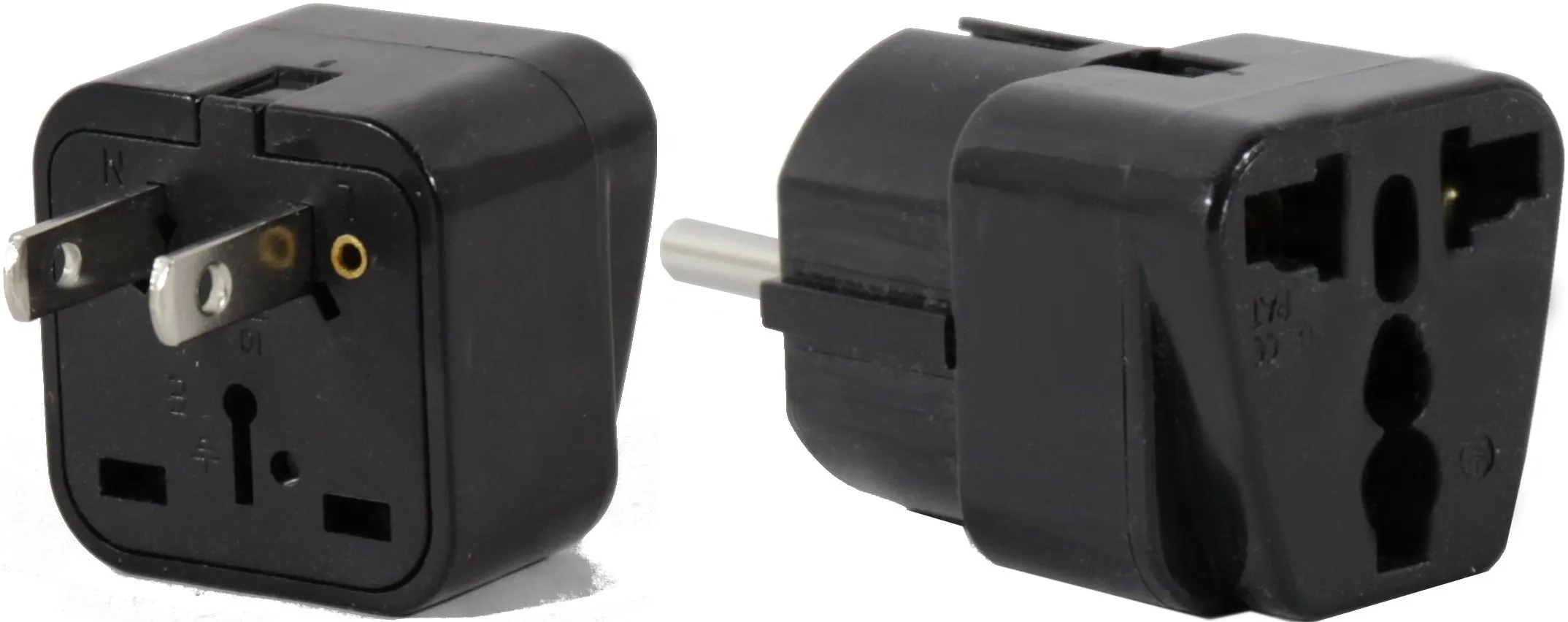
👉Plug Adapters change the shape of your device’s plug to match Peruvian outlets, allowing you to plug in safely. These are useful for dual-voltage devices, such as phones and laptops.
👉Voltage Converters actually modify the voltage from 220V to 110V, allowing single-voltage devices to operate safely. This can be essential for some North American travelers bringing small appliances or older electronics.
You can easily find universal travel adapters that cover plug types A, B, and C, which will serve you well in Peru. To save time and avoid the hunt for adapters upon arrival, it’s best to purchase them before your trip from a travel store or online retailer.
Source: Amazon
Where to Charge Easily in Peru?
In larger cities like Lima and Cusco, it’s easy to find charging stations or outlets. However, if you plan to venture into rural or mountainous regions, like the Andes or the Amazon, charging options may be limited. Here’s what you need to know about charging on the go:
Hotels and Hostels: Most accommodations in Peru, from budget hostels to luxury hotels, provide power outlets compatible with Types A, B, and C plugs. Hotels catering to international guests may even provide universal power outlets, but having your own adapter is always a good backup.
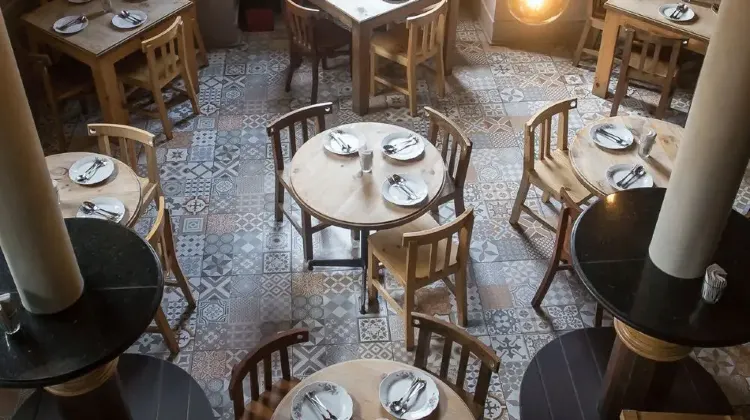
Cafés and Restaurants: In cities like Lima, Arequipa, and Cusco, many cafés and restaurants have accessible power outlets where you can recharge your devices. However, you’ll find fewer outlets in small, locally-owned eateries, especially in rural areas.
Source: Peru Insider
Airports and Malls: Major airports in Peru, including Jorge Chavez International Airport in Lima, have charging stations and outlets available. Shopping malls in urban areas also typically provide charging stations, giving you an opportunity to recharge between activities.
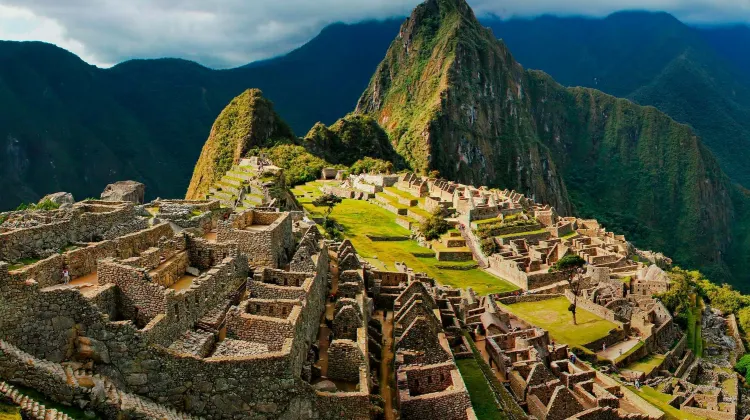
Portable Power Banks: If you’re planning on hiking to Machu Picchu or exploring remote regions, a portable power bank is a must-have. Power banks with high capacities (10,000mAh or more) are ideal for keeping your phone, camera, and other essential devices charged for long days of exploration.
In more remote areas, including national parks and archaeological sites, it may be challenging to find charging stations, so having a fully charged power bank or backup battery is essential.
Global Electrical Standards Overview
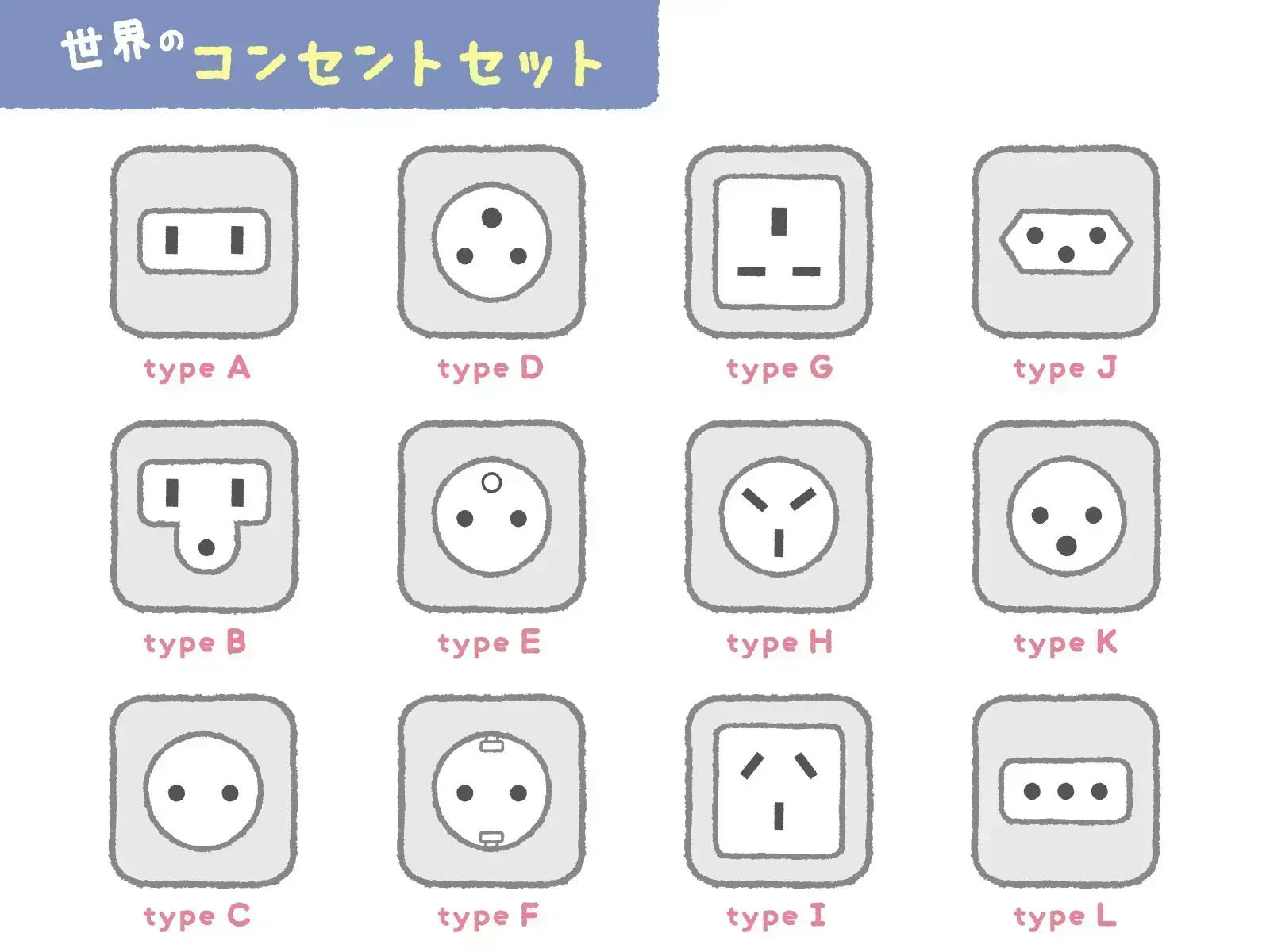
Globally, there are three main electrical standards for devices: 110-120V used primarily in North and Central America, 220-240V prevalent in Europe, Asia, and Oceania, and the dual-voltage system. These standards also differ in frequency, either 50 Hz or 60 Hz, and include a variety of plug types specific to each region. Understanding these differences is essential for safely using electronic devices while traveling internationally.
Asia & Oceania Electrical Standards
| Country | Frequency (Hz) | Voltage (Volts) | Plug Type |
| Australia | 50 | 230 | I |
| China | 50 | 220 | A, C, I |
| China (Hong Kong S.A.R.) | 50 | 220 | G |
| India | 50 | 230 | C, D, M |
| Indonesia | 50 | 230 | C, F |
| Japan | 50 Hz in Eastern Japan & 60 Hz in Western Japan | 100 | A, B |
| Malaysia | 50 | 240 | G |
| New Zealand | 50 | 230 | I |
| Philippines | 60 | 230 | A, B, C |
| Republic of Korea (South Korea) | 60 | 220 | C, F |
| Singapore | 50 | 230 | G |
| China (Taiwan) | 60 | 110 | A, B |
| Thailand | 50 | 220 | A, B, C |
| Vietnam | 50 | 220 | A, C |
North America & South America Electrical Standards
| Country | Frequency (Hz) | Voltage (Volts) | Plug Type |
| Argentina | 50 | 220 | C, I |
| Brazil | 60 | 127/220 | C, N |
| Canada | 60 | 120 | A, B |
| Chile | 50 | 220 | C, L |
| Colombia | 60 | 120 | A, B |
| Mexico | 60 | 127 | A, B |
| Peru | 60 | 220 | A, C |
| USA | 60 | 120 | A, B |
| Venezuela | 60 | 120 | A, B |
Europe Electrical Standards
| Country | Frequency (Hz) | Voltage (Volts) | Plug Type |
| France | 50 | 230 | C, E |
| Germany | 50 | 230 | C, F |
| Italy | 50 | 230 | C, F, L |
| Russia | 50 | 230 | C, F |
| Spain | 50 | 230 | C, F |
| United Kingdom | 50 | 230 | G |
Oceania Electrical Standards
| Country | Frequency (Hz) | Voltage (Volts) | Plug Type |
| Australia | 50 | 230 | I |
| Fiji | 50 | 240 | I |
| New Zealand | 50 | 230 | I |
Tips for Traveling in Peru
To stay fully powered and prepared throughout your travels, here are a few additional tips to make your trip to Peru as seamless as possible:
• Bring Multiple Adapters and a Power Strip: This allows you to charge several devices at once, especially if you’re traveling with a companion or a lot of electronic gear. Compact power strips with USB ports are also great for international travel, giving you more outlets in one.
• Use a Surge Protector: Power surges are rare but can happen, especially in rural areas or during peak electricity use. A surge protector provides extra security for sensitive devices like laptops and cameras.
• Download Offline Maps and Travel Apps: Wi-Fi may not always be available, especially in remote regions. Downloading offline maps and other essential travel resources can help you navigate and stay informed without internet access.
• Check for “Charging Friendly” Spots: In major tourist areas, some cafes and restaurants are especially accommodating to travelers and may have extra outlets or even USB ports for charging. This is especially useful if you’re on a tight schedule and need to recharge while enjoying a meal or coffee.
• Plan for Limited Wi-Fi in Rural Areas: While cities like Lima and Cusco have relatively good internet access, more rural areas, including villages around Machu Picchu and the Sacred Valley, may have limited or no Wi-Fi. Preparing offline tools can help you stay connected to essential information.
Don’t forget to check your devices and ensure they’re compatible with the 220V standard to avoid any mishaps. And, of course, double-check your adapter kit to ensure it includes plugs compatible with Types A, B, and C for Peru.
Source: General overview of Peru
Trending Searches
-
Popular attractions
-
Trending Stays
-
Getting Around
-
eSIM/SIM card
- Hotels in Shanghai
- Hotels in Guangzhou
- Hotels in Beijing
- Hotels in Bangkok
- Hotels in Shenzhen
- Hotels in Hong Kong
- Hotels in Chongqing
- Hotels in Tokyo
- Hotels in Ho Chi Minh City
- Hotels in Chengdu
- Hotels in Kuala Lumpur
- Hotels in Seoul
- Hotels in Zhangjiajie
- Hotels in Hanoi
- Hotels in Singapore
- Hotels in Hangzhou
- Hotels in Xi'an
- Hotels in Istanbul
- Hotels in Bali
- Hotels in Osaka
- Zhangjiajie Airport to City
- Tokyo Metro
- JR West
- Renting a Car in China as a Foreigner
- Xi’an Airport
- Yiwu Airport
- How to Use DiDi in China
- Shanghai Airport to City
- Macau Taxi
- Ningbo Airport
- Suica Card
- Kansai Airport to Wakayama
- Wenzhou Metro
- Beijing Capital International Airport
- Narita Airport to Shinjuku
- Macau to Hong Kong
- Xiamen Airport