India Plug: Types, Voltage, & Plug Adapters

by Yuan Wu
May 12, 2025
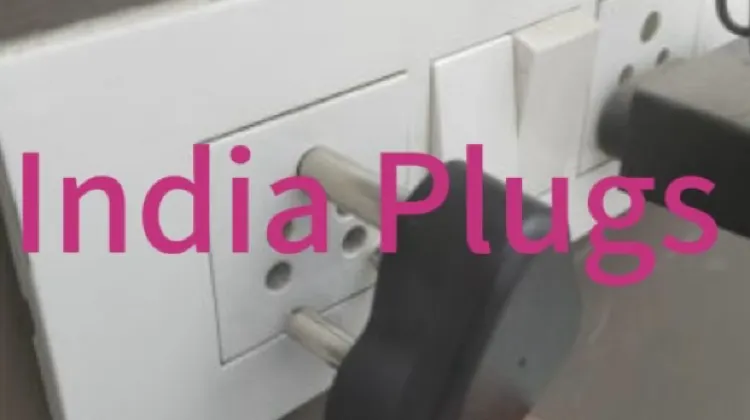
Before travelling to Inida, you need to consider carefully what to pack so that you can use your personal eletrical appliance smoothly and safely in Inida. A plug adapter is normally a necessity in your suitcase. It allows you to plug any of your appliance into an Inidan electrical socket. It is important to note that it does not convert the voltage or frequency.
See all attractions
 33917 booked

India plug type
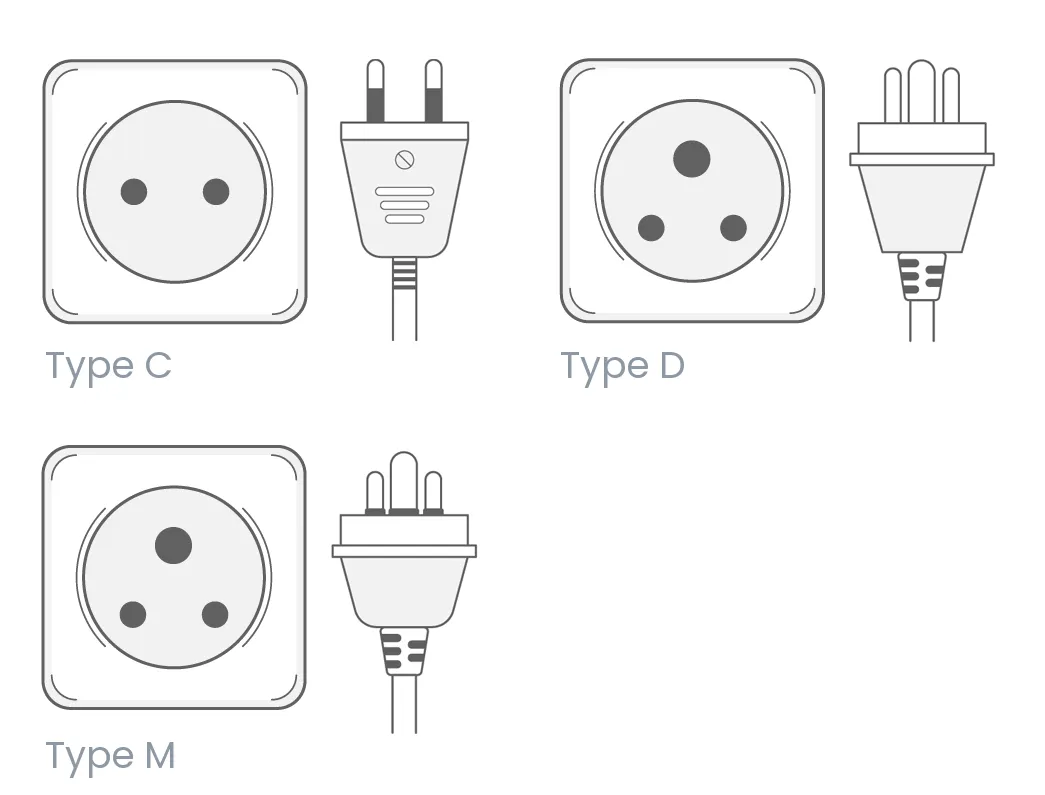
Source: https://world-power-plugs.com/
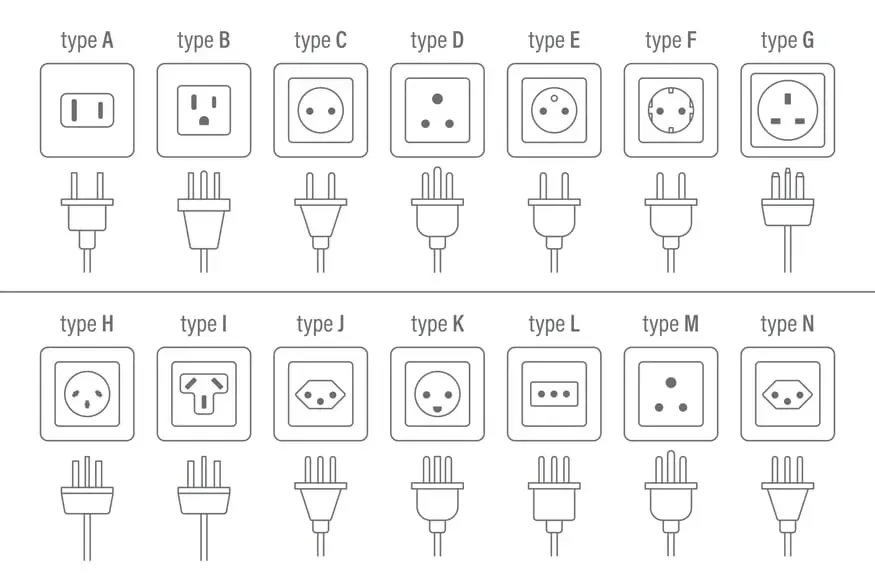
If you are travelling to Inida, you need to know that type C, D, M plugs are used throughout India. As the picture shows above, type C plug has two round, paralled pins, plug type D is the plug which has three round pins in a triangular pattern and plug type M is the plug which also has three round pins. Type M looks identical to type D but they are not compatible at all. If you take a closer look, the top pin of Type M is longer and thicker.
India power plug voltage and frequency
👉Inida operates on:
- Standard voltage: 230V
- Frequency: 50Hz
This is the same as in the UK and EU countries.
India plug: Adapters and converters for travelling in Inida
Do you need a travel adapter in Inida?
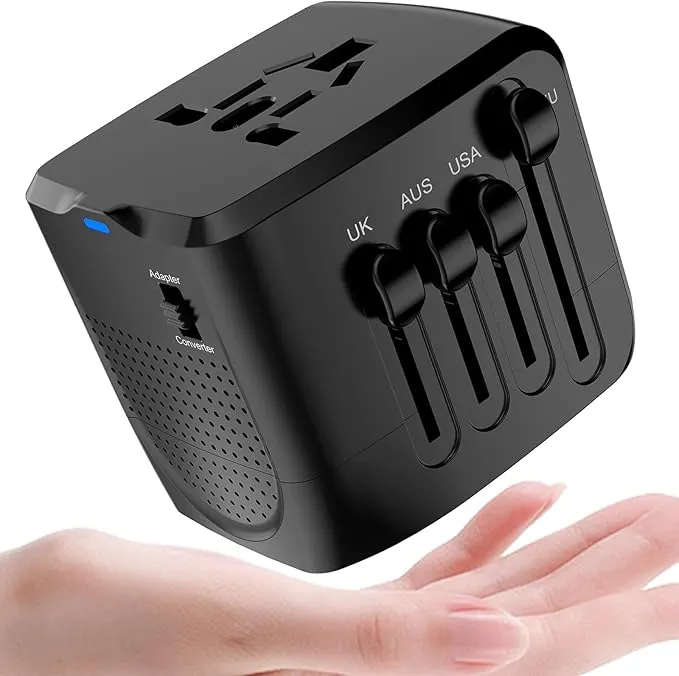
If you're traveling to India, you'll need to know that the plug shape there is different from what you might be used to in the U.S. or many other countries. Your electronics won't work unless you have a power adapter that fits Indian outlets.
So, if you're coming from a country with a different plug type, make sure to bring a travel adapter to convert your plug to fit Indian outlets, which are Type C, Type D, or Type M.
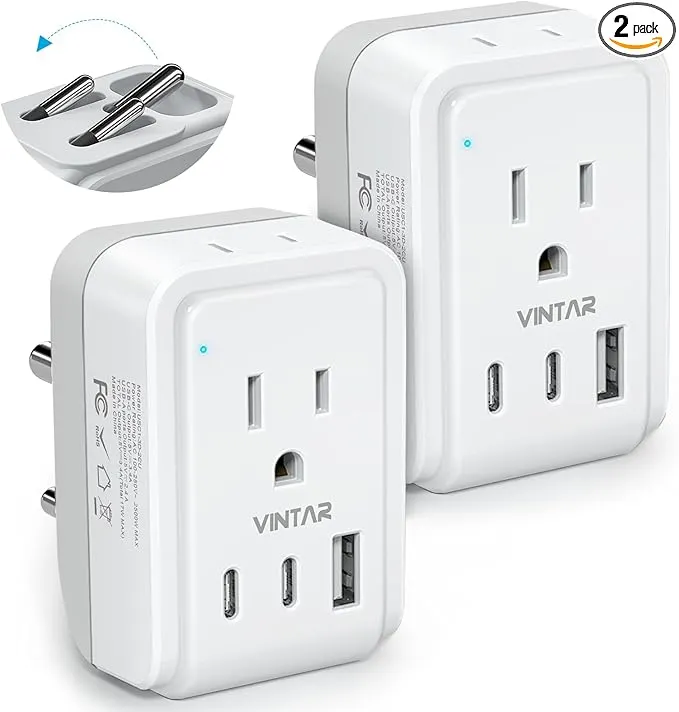
Source: Amazon
Do you need a voltage converter in India?
It depends on your device.😃
Most electronic device adapters, like those for phones and laptops, typically support a voltage range of 110 to 240V. So, you probably won’t have any issues with voltage compatibility for those. You’ll just need a travel adapter to change from flat pins to round pins for Indian outlets.
However, electrical appliances like hair dryers, steam irons, or waffle makers usually don’t work with the 110V–240V range. If you try to plug them in India without a step-down transformer, you’ll risk damaging them instantly.
Always check the voltage compatibility of your appliances before bringing them to India.
Best New Delhi Hotels
See All Hotels

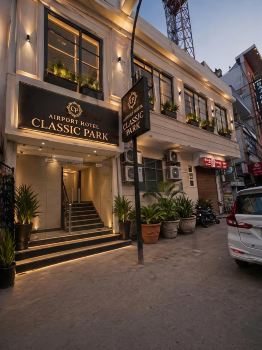
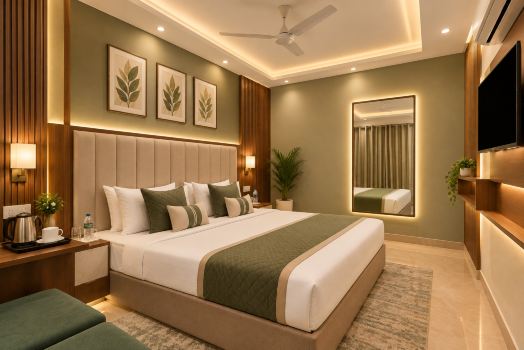
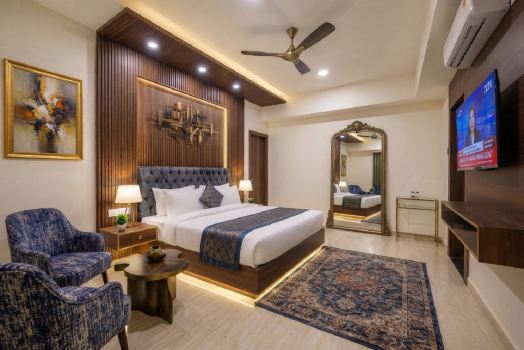
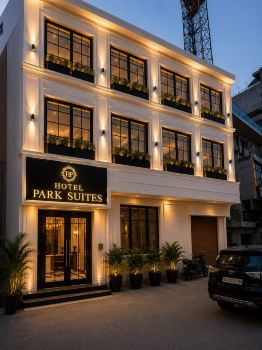
Source: Amazon
How to use travel adapters and converters?
👉Choose the right adapter/converter
Adapter: Use when your device's plug doesn’t fit the local socket, but the voltage is compatible.
Converter: Use when your device's voltage doesn't match the local supply (e.g., stepping 220V down to 110V).
👉Plug the adapter into the outlet
Insert the adapter into the Indian socket, then plug your device into the adapter.
👉For converters
Plug the converter into the socket first, and then plug your device into the converter. Ensure it supports the wattage of your device.
👉Safety tips
Check voltage compatibility: Ensure your device supports the local voltage to avoid damage.
Avoid overloading: Don’t plug too many devices into a single adapter or converter.
Unplug devices when not in use: Avoid leaving adapters or converters plugged in when you’re not using them.
Where to charge easily in India?
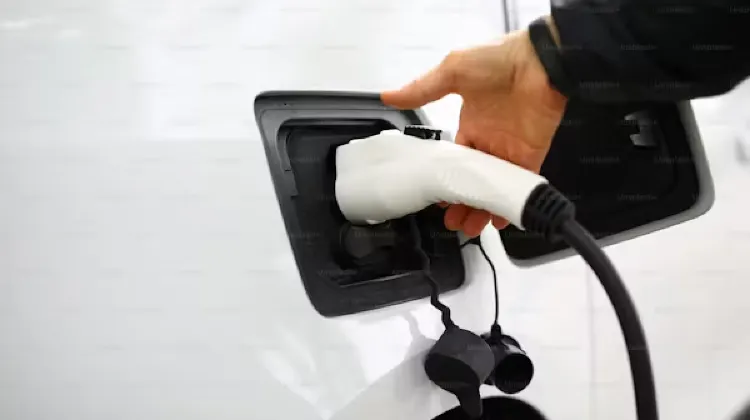
👉Charge Electrical Vehicles
If you're looking for places to charge your electric vehicle (EV) in India, here are a few options:
1. Public Charging Stations: Lots of cities now have dedicated EV charging spots, usually at malls, parking lots, and gas stations.
- Tata Power EZ Charge: Runs several charging points across India.
- Fortum Charge & Drive: Available in cities like Delhi, Hyderabad, and Mumbai.
- Ather Grid: Ather Energy’s network is widely spread across major cities, mostly for two-wheelers.
2. Home Charging: Many EV owners set up a charging unit at home, often provided or suggested by the car manufacturer.
3. Dealerships: Some car manufacturers, like Tata, MG, and Hyundai, offer charging points at their dealerships.
4. Highways & EV Corridors: The Indian government is working on EV corridors on highways with fast chargers, such as on the Delhi-Jaipur Highway.
👉Charge mobile phones
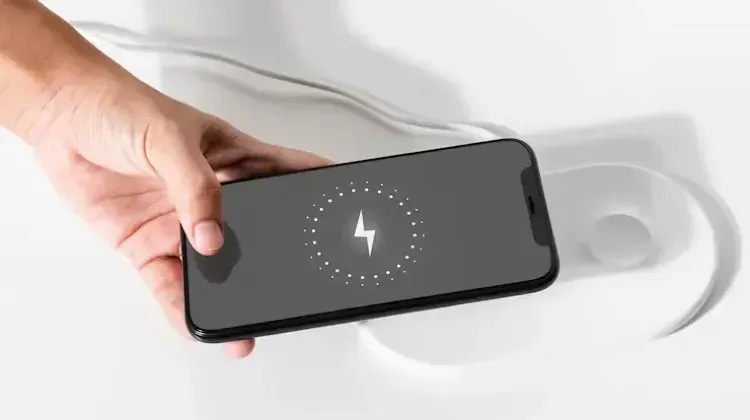
If you need to charge your phone while you're out and about in India, you've got plenty of options:
1. Public Charging Stations:
- A lot of malls, airports, railway stations, and bus terminals have free or paid charging stations.
- Some convenience stores and cafes, like Café Coffee Day or Starbucks, also offer charging points.
2. Restaurants & Cafes:
- Many cafes and restaurants have outlets you can use. Just ask the staff if it’s okay to plug in.
3. Power Banks:
- If you're traveling or don't have easy access to an outlet, carrying a power bank is a good backup.
4. Public Transport:
- Some trains, buses, and metro systems in cities like Delhi and Mumbai have USB ports or charging points on board.
5. Hotels & Guesthouses:
- Most hotels have outlets in the rooms or common areas where you can charge up.
6. Co-working Spaces:
- If you're working remotely, co-working spaces usually have charging outlets, plus fast internet.
7. Mobile Charging Booths:
- In busy areas or at railway stations, you might find mobile charging kiosks where you can charge your phone for a small fee.
Don't forget to bring a universal plug adapter if you're traveling around different parts of India!
Global electrical standards overview
Source: lightningbugelectric.com
Around the world, there are three primary electrical standards for devices. The first is 110-120V, which is mainly found in North and Central America. The second is 220-240V, common in Europe, Asia, and Oceania. Lastly, there's the dual-voltage system. In addition to voltage, these standards vary in frequency, either 50 Hz or 60 Hz, and feature different plug types unique to each area. Knowing these variations is crucial for the safe use of electronic devices when traveling abroad.
Asia & Oceania electrical standards
| Country | Frequency (Hz) | Voltage (Volts) | Plug Type |
| Australia | 50 | 230 | I |
| China | 50 | 220 | A, C, I |
| China (Hong Kong S.A.R.) | 50 | 220 | G |
| Malaysia | 50 | 240 | G |
| India | 50 | 230 | C, D, M |
| Indonesia | 50 | 230 | C, F |
| Korea | 50 | 240 | G |
| New Zealand | 50 | 230 | I |
| Philippines | 60 | 230 | A, B, C |
| Singapore | 50 | 230 | G |
| China (Taiwan) | 60 | 110 | A, B |
| Thailand | 50 | 220 | A, B, C |
| Vietnam | 50 | 220 | A, C |
North America & South America electrical standards
| Country | Frequency (Hz) | Voltage (Volts) | Plug Type |
| Argentina | 50 | 220 | C, I |
| Brazil | 60 | 127/220 | C, N |
| Canada | 60 | 120 | A, B |
| Chile | 50 | 220 | C, L |
| Colombia | 60 | 120 | A, B |
| Mexico | 60 | 127 | A, B |
| Peru | 60 | 220 | A, C |
| USA | 60 | 120 | A, B |
| Venezuela | 60 | 120 | A, B |
Europe electrical standards
| Country | Frequency (Hz) | Voltage (Volts) | Plug Type |
| France | 50 | 230 | C, E |
| Germany | 50 | 230 | C, F |
| Italy | 50 | 230 | C, F, L |
| Russia | 50 | 230 | C, F |
| Spain | 50 | 230 | C, F |
| United Kingdom | 50 | 230 | G |
Oceania electrical standards
| Country | Frequency (Hz) | Voltage (Volts) | Plug Type |
| Australia | 50 | 230 | I |
| Fiji | 50 | 240 | I |
| New Zealand | 50 | 230 | I |
Tips for Travelling in India
- In India, eating beef or using leather products made from cows is banned. Muslims in India don’t eat pork.
- In India, people eat with their right hand and use their left hand for, well, other things. So, try to avoid using your left hand to give something to someone or for handshakes.
- Don’t pat kids on the head, since Indians consider the head to be sacred.
- Anti-diarrhea medicine: It’s super important to have some strong anti-diarrhea medicine with you in India! But honestly, it’s even more important to be careful about the food and water you consume.
- For drinking water, we always stick to bottled water. India’s climate can be really dry, so make sure you stay hydrated and drink plenty of water each day.
- Mosquito repellent: India is hot most of the time, and when it’s really hot, there tend to be more mosquitoes. Be sure to keep some mosquito repellent with you.
- Toiletries: Even if you’re staying at a 5-star hotel, it’s still a good idea to bring your own towel, toothbrush, toothpaste, and slippers.
FAQs about India Plug
-
What type of plug is used in India?
-
Can I use my international electronics in India?
-
Where can I purchase an India plug adapter?
Disclaimer: This article has been provided by an individual contributor or third party platform. If there is any discrepancy regarding the copyright, please contact us directly and we will delete the content immediately.
Trending Searches
-
Popular attractions
-
Trending Stays
-
Getting Around
-
eSIM/SIM card
- Hotels in Shanghai
- Hotels in Guangzhou
- Hotels in Beijing
- Hotels in Bangkok
- Hotels in Shenzhen
- Hotels in Hong Kong
- Hotels in Chongqing
- Hotels in Tokyo
- Hotels in Ho Chi Minh City
- Hotels in Chengdu
- Hotels in Kuala Lumpur
- Hotels in Seoul
- Hotels in Zhangjiajie
- Hotels in Hanoi
- Hotels in Singapore
- Hotels in Hangzhou
- Hotels in Xi'an
- Hotels in Istanbul
- Hotels in Bali
- Hotels in Osaka
- JR EAST PASS
- Shanghai Pudong Airport Transit
- JR West
- Tokyo Car Rental
- How to Choose the Right Train Station in China
- Shenzhen Airport
- Kunming Airport to City
- Hong Kong MTR Map
- Shanghai Airport to City
- Guangzhou Airport to City
- Xi’an Airport
- China Metro
- Qingdao Airport
- How to Use Shared Bikes in China
- Narita Airport to Shinjuku
- Macau to Hong Kong
- Kyoto Airport