
Temperature in Japan in August. What to pack when traveling to Japan

by Trip.com
March 13, 2024
Here's an overview of Japan's overall weather conditions by season, along with a corresponding table:
| Season | Description | Weather Features |
| Spring | From March to May, temperatures rise and | Mild temperatures, cherry blossom season, occasional |
| flowers bloom. | rain showers. | |
| Summer | From June to August, it becomes hot and | Hot and humid, rainy season (tsuyu), potential for |
| humid, with the possibility of typhoons. | typhoons and heavy downpours. | |
| Autumn | From September to November, the weather is | Mild and comfortable, fall foliage season, lower |
| cool and pleasant. | rainfall, ideal for outdoor activities. | |
| Winter | From December to February, temperatures drop | Cold temperatures, some regions experience heavy snow, |
| and some areas experience heavy snowfall. | ideal for skiing and enjoying hot springs. |
Japan
Temperature & precipitation in Japan in August
- Hot and Humid Conditions:
August in Japan is characterized by hot and humid weather across the country. Average temperatures often range between 25°C to 35°C (77°F to 95°F), with higher temperatures in the southern regions. Humidity levels can be quite high, especially in coastal areas.
- Rainy Season and Typhoons:
August marks the end of the rainy season (tsuyu) in most parts of Japan, but the threat of typhoons persists. Coastal areas are more susceptible to typhoons during this month, which can bring heavy rainfall and strong winds. It's important to stay updated on weather forecasts and be prepared for sudden weather changes.
- Festivals and Summer Traditions:
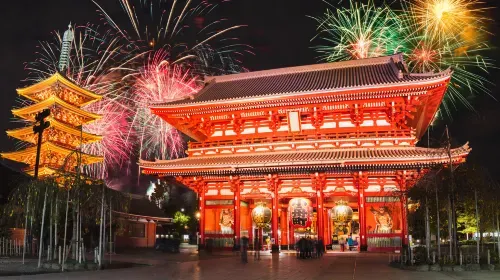
August is a vibrant and festive month in Japan, with numerous summer festivals (matsuri) taking place across the country. These festivals often feature traditional performances, fireworks displays, and colorful parades. Locals and tourists alike participate in these lively celebrations, adding to the cultural richness of the season.
Japan
How to dress at Temperature in Japan in August
- Light Fabrics:
Opt for clothing made from light and breathable fabrics such as cotton, linen, and moisture-wicking materials. These fabrics allow air circulation and help wick away sweat, keeping you cool and comfortable.
- Loose-fitting Attire:
Choose loose-fitting tops, dresses, and shorts to allow better airflow and minimize contact with the skin. Loose clothing also helps prevent overheating and allows you to move freely.
- Sun Protection Accessories:
Wear a wide-brimmed hat and sunglasses to protect your face and eyes from the strong sun. Don't forget to apply sunscreen with a high SPF to exposed skin areas for added protection.

Japan
Best Attractions in Japan in August
- Summer Festivals (Matsuri):
Experience the excitement of traditional Japanese summer festivals, known as "matsuri." These festivals feature lively parades, traditional performances, vibrant fireworks displays, and delicious street food. Some notable matsuri in August include the Gion Matsuri in Kyoto, the Awa Odori in Tokushima, and the Sumidagawa Fireworks Festival in Tokyo.
- Obon Festivities:
Obon is a Buddhist holiday observed in mid-August, during which it's believed that ancestral spirits return to the earthly realm. Many regions in Japan celebrate Obon with lantern festivals, dance performances, and memorial services at local temples and shrines.
- Beach Destinations:
August is a perfect time to enjoy Japan's beautiful coastline. Head to coastal cities and resorts like Okinawa, Kamakura, or Shirahama to soak up the sun, swim in the ocean, and relax on sandy beaches.
- Hiking and Nature Exploration:
While the weather is warm, consider exploring Japan's stunning natural landscapes. Hike through the lush forests of the Japanese Alps, visit picturesque lakes like Lake Kawaguchi near Mount Fuji, or embark on a scenic trek along the Kumano Kodo pilgrimage trails.
- Cultural Sites:
August is an ideal time to explore Japan's historic and cultural landmarks. Visit iconic places like Kyoto's Kinkaku-ji (Golden Pavilion) or Hiroshima's Peace Memorial Park, where you can learn about Japan's rich history and pay respects to its past.
- Furano Lavender Fields:
If you're in Hokkaido, don't miss the chance to visit the Furano lavender fields in full bloom. The breathtaking sight of endless purple blooms against the backdrop of the mountains is truly enchanting.

Japan
Activities at Temperature in Japan in August
Hot (30°C and above):
- Explore Indoor Attractions: Visit air-conditioned indoor attractions like museums, art galleries, and shopping malls. This is a great opportunity to learn about Japan's culture, history, and art while staying cool.
- Indulge in Japanese Cuisine: Enjoy traditional Japanese dishes that are perfect for summer, such as cold noodles (somen or zaru soba), sushi, and refreshing shaved ice (kakigori).
Warm (25°C - 30°C):
- Visit Gardens and Parks: Explore beautiful gardens and parks during the cooler parts of the day. Stroll through lush green spaces like Shinjuku Gyoen in Tokyo or Kenrokuen Garden in Kanazawa.
- Attend Summer Festivals: Participate in vibrant summer festivals (matsuri) featuring lively parades, traditional dances, and spectacular fireworks displays. Check local event calendars to see if any festivals are happening during your visit.
Moderate (20°C - 25°C):
- Cultural Sightseeing: Visit historic sites, temples, and shrines. Experience the serene beauty of places like Kiyomizu-dera in Kyoto or Todai-ji in Nara without the intense heat.
- Take a Scenic Train Ride: Enjoy the picturesque landscapes of Japan from the comfort of a scenic train ride. The Kurobe Gorge Railway or the Sagano Scenic Railway (also known as the "Sagano Romantic Train") offer stunning views.
Mild (Below 20°C):
- Hike or Nature Walks: Enjoy outdoor activities like hiking in cooler mountainous regions. Consider exploring trails around Mount Fuji or the Japanese Alps for breathtaking views.
- Relax in Hot Springs (Onsen): Soak in natural hot springs to relax and unwind. Head to onsen towns like Hakone or Beppu for a soothing and rejuvenating experience.
Japan
Tips for Visiting Japan in August
- Stay Hydrated:
The August heat can be intense, so carry a reusable water bottle and drink plenty of fluids throughout the day to stay hydrated.
- Dress Appropriately:
Wear lightweight, breathable clothing made from natural fabrics like cotton or linen. Don't forget a wide-brimmed hat, sunglasses, and sunscreen for sun protection.
- Plan Indoor Activities:
Take advantage of air-conditioned indoor attractions, such as museums, art galleries, and shopping centers, during the hottest parts of the day.
- Explore Early or Late:
Visit outdoor attractions early in the morning or later in the evening when temperatures are cooler. This can help you avoid the peak heat of the day.
- Sample Summer Foods:
Embrace the local cuisine by trying traditional summer dishes like cold noodles (somen or zaru soba) and shaved ice (kakigori).
Japan
Trending Searches
-
Popular attractions
-
Trending Stays
-
Getting Around
-
eSIM/SIM card
- Hotels in Shanghai
- Hotels in Guangzhou
- Hotels in Beijing
- Hotels in Bangkok
- Hotels in Shenzhen
- Hotels in Hong Kong
- Hotels in Chongqing
- Hotels in Tokyo
- Hotels in Ho Chi Minh City
- Hotels in Chengdu
- Hotels in Kuala Lumpur
- Hotels in Seoul
- Hotels in Zhangjiajie
- Hotels in Hanoi
- Hotels in Hangzhou
- Hotels in Singapore
- Hotels in Xi'an
- Hotels in Istanbul
- Hotels in Bali
- Hotels in Osaka
- Kansai Airport to Wakayama
- Ho Chi Minh Airport
- Shanghai Metro Map
- Lijiang Airport
- WOWPASS
- Beijing Daxing International Airport
- Hotels near LAX with Shuttle
- Wuxi Airport
- Shanghai Airport Transfers
- Wuxi Metro
- Chongqing Metro
- Telepass
- Hong Kong Airport Express
- Harbin Metro Map
- Narita Airport to Shinjuku
- Macau to Hong Kong
- KL MRT Map