South Africa Plug: 3 Types & Adapters

Learn about the South Africa plug types, adapters, and voltage requirements, plus essential tips to stay powered and safe during your trip.😆
South Africa power systems use 230V and 50Hz electricity, requiring Type D, M, or N plug adapters for most international travelers.
What Type of Plug is Used in South Africa?

Source from power plugs sockets
When traveling to South Africa, you’ll encounter three different types of plugs, depending on where you are and what kind of building you’re in.
Type D Plug
The Type D plug has three round pins arranged in a triangular shape and is typically found in older buildings. It’s becoming less common but can still pop up in certain places, so it’s good to have an adapter just in case.
Type M Plug
The Type M plug is very similar to Type D but with larger pins. This type is often used for larger, heavier appliances like refrigerators or washing machines. While it’s not as common for regular travelers’ devices, it’s still widely used across South Africa.
Type N Plug
The Type N plug is the most modern plug type in South Africa, with three smaller round pins. It’s becoming more common in newer buildings and hotels, so travelers are most likely to encounter this plug.
💖If you're curious about how to stay connected in South Africa, check Global eSIM, Wifi and SIM card!
Voltage and Frequency in South Africa
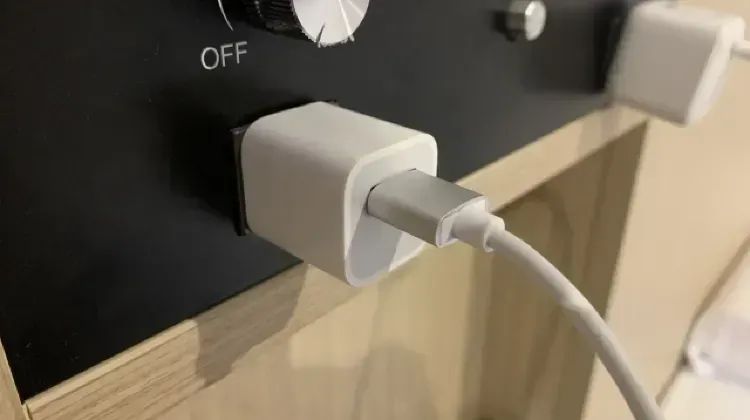
When traveling to South Africa, understanding the local voltage and frequency is essential to safely use your electronics. South Africa operates on 230V and 50Hz, which is common in many parts of the world but may differ from the standards in your home country.
Voltage in South Africa
South Africa uses 230V, which is similar to what travelers from the United Kingdom, Australia, Ireland, and Singapore are accustomed to. If you're from these regions, you won't need a voltage converter for most of your devices, as they are likely compatible. However, for United States travelers, who use 110V, a voltage converter may be required for single-voltage devices like hair dryers or electric shavers unless they are dual-voltage (100-240V). Always check your device's label to confirm compatibility.
Frequency in South Africa
The frequency in South Africa is 50Hz, which is the same as in the UK, Australia, Ireland, and Singapore. However, United States travelers, where 60Hz is standard, may need to check if their devices can handle 50Hz. Most modern electronics, like laptops and smartphone chargers, are designed to work on both 50Hz and 60Hz, so you’ll likely just need a plug adapter rather than a converter for these devices.
What Do I need: Voltage Converter or Adapter in South Africa?
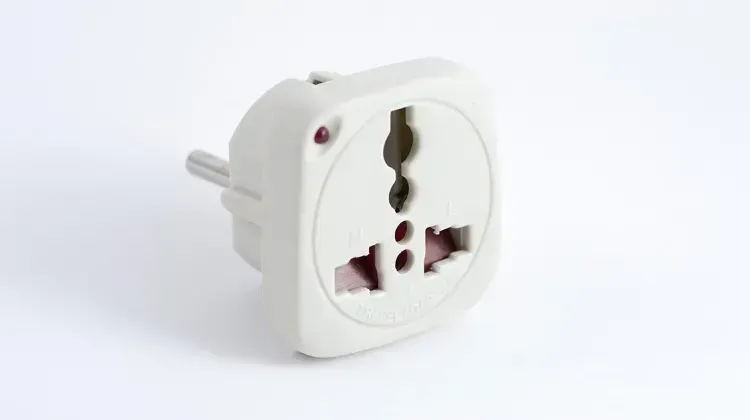
South Africa uses Type D, M, and N plugs, and the voltage is 230V with a frequency of 50Hz.
For most modern electronics like laptops and phone chargers, which are often dual-voltage, you will only need a plug adapter.
However, for single-voltage devices like certain hair dryers or electric shavers, travelers from the US and other 110V countries will need a voltage converter to safely use these items in South Africa
Do I Need a Plug Adapter in South Africa?
If you're coming from places like the UK, Australia, Ireland, or Singapore, you'll definitely need a Type D, M, or N plug adapter.
South Africa's newer buildings mostly use Type N, but older spots still have Type D or Type M plugs, so it's smart to be prepared for all three.
For travelers from the United States, your Type A/B plugs won’t work here, so you’ll need that same Type D, M, or N adapter. I always recommend bringing a universal adapter just to cover all bases.
Do I Need a Voltage Converter in South Africa?
If you're from the UK, Australia, or Singapore, you’re in luck—no voltage converter needed since South Africa’s 230V system is just like yours.
But if you're from the US or Canada where the voltage is 110V, and you're bringing single-voltage devices like a hair dryer or electric razor, you’ll need a voltage converter.
Most modern electronics like laptops and phone chargers are dual-voltage, so you'll only need a plug adapter for those.
Make sure to double-check your device’s voltage before you leave! For me, I always carry a dual-voltage travel hair dryer and a universal adapter to avoid any hassle.
| Country | Plug Type | Voltage | Frequency | Plug Adapter Needed? | Converter Needed? |
| United Kingdom | Type G | 230V | 50Hz | Yes (Type D, M, N) | No |
| United States | Type A & B | 120V | 60Hz | Yes (Type D, M, N) | Yes (for 110V devices) |
| Australia | Type I | 230V | 50Hz | Yes (Type D, M, N) | No |
| South Africa | Type D, M, N | 230V | 50Hz | No | No |
| Ireland | Type G | 230V | 50Hz | Yes (Type D, M, N) | No |
| Singapore | Type G | 230V | 50Hz | Yes (Type D, M, N) | No |
Scroll down to the bottom to see the complete table of plug types👇👇👇
Where to Buy South Africa Plug Adapters & Converters?
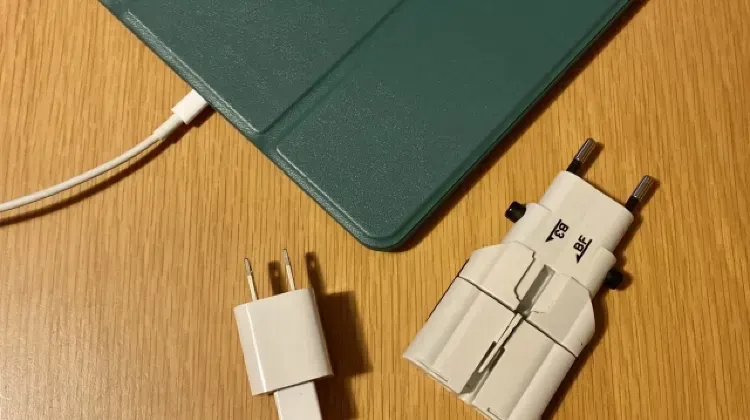
If you're headed to South Africa and need a plug adapter or converter, there are plenty of options to grab one before or during your trip. Here's where I’ve found it easiest to pick up these essentials.
Before You Travel
The easiest way to get a South Africa plug adapter is to shop online before you leave. I usually hit up Amazon or eBay, where you can find a variety of adapters that cover Type D, M, and N plugs, so you're ready for anything. If you're in the UK, Australia, or Singapore, check out your local electronics stores like Argos or JB Hi-Fi. I’ve also found good options at Challenger in Singapore.
Once You Arrive in South Africa
If you didn’t grab one before leaving, don’t worry! I’ve seen plug adapters for sale in major South African airports like OR Tambo (Johannesburg) and Cape Town International, usually in the duty-free or travel accessory shops. You can also pick up adapters at larger supermarkets and electronics stores like Game or Incredible Connection—these stores are all over the major cities. Even 7-Eleven or Clicks pharmacies sometimes stock basic travel adapters.
For voltage converters, your best bet is to visit a proper electronics store in South Africa like Dion Wired or Incredible Connection.
Can My Devices Be Charged in South Africa?
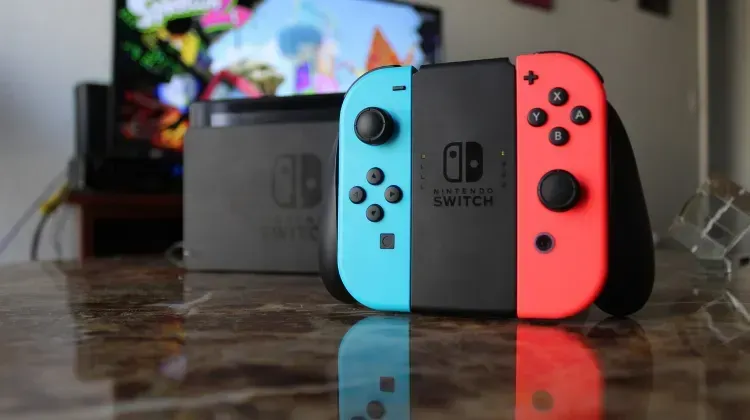
Most of your essential devices like laptops, smartphones, and other travel gadgets can be charged in South Africa, but there are a few things to keep in mind. South Africa uses 230V voltage and operates at a frequency of 50Hz. This is similar to what you’ll find in Europe, Australia, and many other countries, so if you're coming from those regions, your devices will work without any issues.
If you're traveling from the United States or Canada, where the standard voltage is 110V, you’ll want to make sure your devices are dual-voltage (look for "100-240V" on your charger). Most modern electronics like phones, laptops, and cameras are dual-voltage, meaning you won’t need a voltage converter, just a plug adapter to fit South Africa’s Type D, M, or N outlets.
However, if you have single-voltage items, such as some older hair dryers or electric shavers, you'll need a voltage converter to safely charge them in South Africa. Make sure to check each device before you plug it in:
- Laptops: Usually dual-voltage, just use a plug adapter.
- Smartphones: Also dual-voltage, so you'll only need an adapter for the plug type.
- Cameras/Chargers: Typically dual-voltage, but double-check.
- Hair Dryers/Electric Shavers: These may require a voltage converter if they are not dual-voltage, especially if you're coming from a country like the US.
- Game Consoles (e.g., Nintendo Switch): Consoles like the Nintendo Switch are usually dual-voltage, so you’ll only need an adapter to match the South African outlets.
4 Safety Tips for South Africa Plug
When traveling in South Africa, staying plugged in is important—but staying safe is even more crucial. Here’s what I’ve learned about keeping my devices charged safely while exploring this amazing country.
1. Watch Out for Overloading Outlets
In older buildings or some smaller guesthouses, the outlets might not be as modern or robust as you’re used to. I’ve seen travelers plug in multiple devices at once, which can overload the outlet or power strip. My tip: if you're charging a lot of devices, bring a multi-port USB charger to distribute the load and avoid stressing the local power system.
2. Use Surge Protectors
South Africa can experience power surges during load-shedding or when power returns after an outage. A surge protector is essential, especially for sensitive electronics like laptops or cameras. Many travelers (myself included) forget this one, but it can save your devices from serious damage!
3. Check Plug Quality
If you’re buying an adapter or using one from your accommodation, always check the quality. I’ve come across flimsy adapters in local shops that get hot quickly—definitely a fire hazard. Stick to buying reliable adapters from trusted electronics stores or online before your trip to avoid any risks.
4. Beware of Older Electrical Systems
Some hotels or guesthouses, especially in rural areas, may have older electrical systems. Be cautious about plugging in multiple high-power devices (like a hairdryer and a laptop) at once. If the outlets look worn or the building seems old, it’s better to be safe and use fewer high-powered devices at the same time.
Where to Charge Easily in South Africa

Airports and Transportation Hubs
The major airports, such as OR Tambo International in Johannesburg and Cape Town International, have plenty of charging stations, especially in waiting areas and lounges. If you're traveling by bus or train, charging points are also available at large hubs like Park Station in Johannesburg, making it easy to power up while waiting for your transport.
Cafés and Restaurants
In bigger cities like Cape Town and Johannesburg, many cafés such as Vida e Caffè and Seattle Coffee Company provide outlets near tables where you can charge your devices while grabbing a coffee. Some restaurants, especially in touristy areas or malls, also offer charging points for their customers.
Shopping Malls
Shopping malls, like Sandton City in Johannesburg and the V&A Waterfront in Cape Town, are well-equipped with charging stations, often found in food courts and seating areas. These are great spots to recharge both yourself and your devices during a shopping break.
Hotels and Guesthouses
Most hotels in South Africa provide plenty of outlets in rooms, and many modern ones have USB charging ports. In hostels or guesthouses, you’ll often find communal areas with plenty of outlets for charging multiple devices.
On the Go
For those heading out on longer journeys or to more rural areas, I highly recommend packing a power bank. You can easily purchase one at Incredible Connection, Clicks, or larger supermarkets like Checkers. These portable chargers are essential for keeping your devices powered in areas where outlets might be less accessible.
How to Save Power During Your South Africa Trip
Traveling in South Africa is an adventure, but keeping your devices powered up, especially during load-shedding, can be a real challenge. Here are some clever ways I’ve learned to save power and make sure I’m always charged, even when the lights go out!
1. Charge During Load-Shedding Gaps
Load-shedding is real in South Africa, but it's predictable! I love using apps like EskomSePush to track the schedules. As soon as the power’s back on, I charge everything—phones, laptops, cameras, and most importantly, my power bank! Charging smart and in bursts ensures I never miss a moment.
2. Always Pack a Power Bank (or Two!)
A good power bank is like your best travel buddy in South Africa. I recommend a 20,000mAh power bank that can juice up your phone multiple times. It’s especially handy when you’re off exploring Cape Town’s beaches or the safaris in Kruger National Park with no outlets in sight. Don't forget to charge it fully when you have electricity!
3. Switch to Low Power Mode and Airplane Mode
Whenever I’m out hiking or on a road trip, I pop my phone into low power mode or airplane mode. It’s amazing how much battery this saves! Plus, you can turn off background apps, Bluetooth, and location services—basically, everything non-essential—while still keeping your camera ready for that perfect shot.
4. Embrace Minimalism with Your Device Usage
Less is more when you're saving power. Dimming your screen, cutting down on video streaming, and resisting that Instagram scroll will make your phone last so much longer. Trust me, your adventure in South Africa is way better experienced through your eyes, not your screen!
5. Stay in Eco-Friendly Lodges with Solar Power
I’ve found some amazing eco-lodges in South Africa that run on solar power. Not only are you being kind to the environment, but many of these lodges also have their own generators to keep you charged during blackouts. Check for accommodations that boast backup power—it’s a game-changer!
6. Carry a Multi-Port Charger
A multi-port USB charger is my secret weapon when I need to charge everything at once. Whether I’m in a hostel or hotel with limited outlets, it lets me charge multiple devices at once without fighting for plug space.
Global Electrical Standards Overview
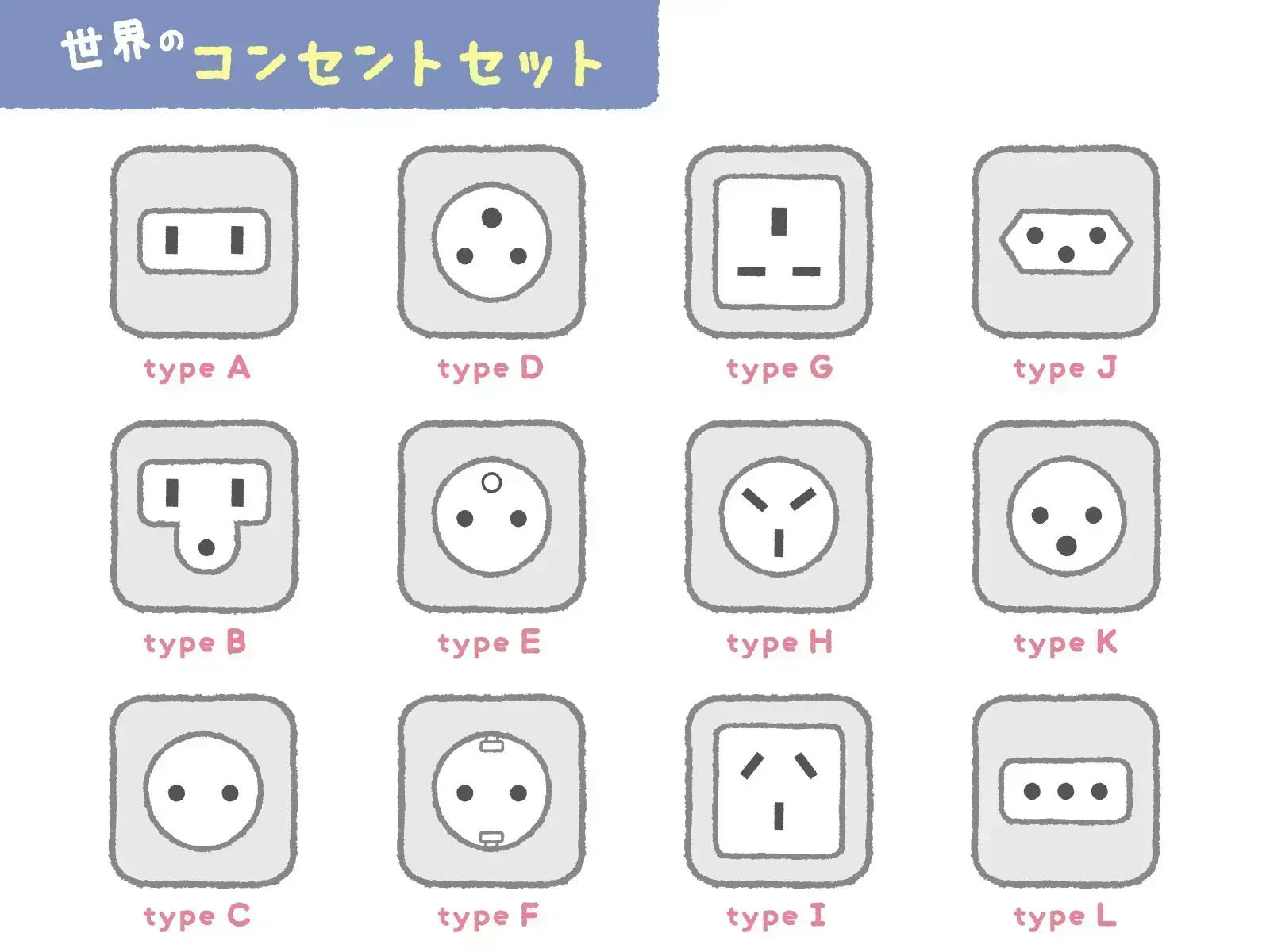
Globally, there are three main electrical standards for devices: 110-120V used primarily in North and Central America, 220-240V prevalent in Europe, Asia, and Oceania, and the dual-voltage system. These standards also differ in frequency, either 50 Hz or 60 Hz, and include a variety of plug types specific to each region. Understanding these differences is essential for safely using electronic devices while traveling internationally.
Asia & Oceania Electrical Standards
| Country | Frequency (Hz) | Voltage (Volts) | Plug Type |
| Australia | 50 | 230 | I |
| China | 50 | 220 | A, C, I |
| China (Hong Kong S.A.R.) | 50 | 220 | G |
| India | 50 | 230 | C, D, M |
| Indonesia | 50 | 230 | C, F |
| Japan | 50 Hz in Eastern Japan & 60 Hz in Western Japan | 100 | A, B |
| Malaysia | 50 | 240 | G |
| New Zealand | 50 | 230 | I |
| Philippines | 60 | 230 | A, B, C |
| Republic of Korea (South Korea) | 60 | 220 | C, F |
| Singapore | 50 | 230 | G |
| China (Taiwan) | 60 | 110 | A, B |
| Thailand | 50 | 220 | A, B, C |
| Vietnam | 50 | 220 | A, C |
North America & South America Electrical Standards
| Country | Frequency (Hz) | Voltage (Volts) | Plug Type |
| Argentina | 50 | 220 | C, I |
| Brazil | 60 | 127/220 | C, N |
| Canada | 60 | 120 | A, B |
| Chile | 50 | 220 | C, L |
| Colombia | 60 | 120 | A, B |
| Mexico | 60 | 127 | A, B |
| Peru | 60 | 220 | A, C |
| USA | 60 | 120 | A, B |
| Venezuela | 60 | 120 | A, B |
Europe Electrical Standards
| Country | Frequency (Hz) | Voltage (Volts) | Plug Type |
| France | 50 | 230 | C, E |
| Germany | 50 | 230 | C, F |
| Italy | 50 | 230 | C, F, L |
| Russia | 50 | 230 | C, F |
| Spain | 50 | 230 | C, F |
| United Kingdom | 50 | 230 | G |
Oceania Electrical Standards
| Country | Frequency (Hz) | Voltage (Volts) | Plug Type |
| Australia | 50 | 230 | I |
| Fiji | 50 | 240 | I |
| New Zealand | 50 | 230 | I |
FAQs about South Africa Plug
-
What plug type is used in South Africa?
-
Is the South Africa power plug the same as Europe?
-
What plug adapter do I need for Cape Town?
Trending Searches
-
Popular attractions
-
Trending Stays
-
Getting Around
-
eSIM/SIM card
- Hotels in Shanghai
- Hotels in Guangzhou
- Hotels in Beijing
- Hotels in Bangkok
- Hotels in Shenzhen
- Hotels in Hong Kong
- Hotels in Chongqing
- Hotels in Tokyo
- Hotels in Ho Chi Minh City
- Hotels in Chengdu
- Hotels in Kuala Lumpur
- Hotels in Seoul
- Hotels in Zhangjiajie
- Hotels in Hanoi
- Hotels in Hangzhou
- Hotels in Singapore
- Hotels in Xi'an
- Hotels in Istanbul
- Hotels in Osaka
- Hotels in Bali
- Tokyo Metro
- How to Get to the Canton Fair
- HARUKA Timetable
- JR Kyushu
- Tokyo Car Rental
- Chengdu to Chongqing
- Nanjing Airport
- Kyoto Station
- Ningbo Airport
- Keisei Skyliner
- Kunming Metro Map
- Haneda Airport to Tokyo
- Wuhan Airport
- Guangzhou Metro Map
- Macau to Hong Kong
- Narita Airport to Shinjuku
- Osaka Metro