Wakayama Travel Guide: 18 Best Things to Do & Itinerary

By Lily
October 15, 2026

If you’re craving a serene, soul-stirring getaway near Kansai, we highly recommend a trip to Wakayama. It’s only about a 1-hour drive from Osaka, making it a fantastic side trip from the Kansai area.
Sprawling Wakayama Prefecture is packed with attractions, and in this guide, I'll share 18 must-visit spots in the Wakayama area—plus smart tips on getting there and our favorite local eats!
Los Angeles to Osaka
Seoul to Osaka
Bangkok to Osaka
See all flights


Quick Guide of Wakayama
Wakayama sits on the western side of Japan’s Kii Peninsula in the Kansai region. Famous for sacred Buddhist sites and a beautiful coastline, it invites journeys that nourish both spirit and senses.
Explore Mount Koya (Koyasan), the heart of Shingon Buddhism, and walk the Kumano Kodo pilgrimage trails, said to cleanse body and soul. Then head to the Shirahama area for white-sand beaches, water adventures, and soothing hot springs. Wakayama is also blessed with incredible bounty: ultra-fresh seafood and orchards overflowing with citrus, peaches, and persimmons. No wonder it’s affectionately known as Japan’s “Fruit Kingdom”.
Get Well-Connected in Japan
See all attractions
 485618 booked

What Are the Must-See Attractions in Wakayama?
Wakayama Attraction #1: Adventure World
Families visiting Wakayama with kids highly recommend spending a day at Adventure World. This theme park doesn’t just offer rides—it combines an aquarium and a zoo all in one place. Whether you want the little ones to burn off energy on the attractions or you’re hoping for up-close animal encounters, this spot has you covered.
Spanning 800,000 square meters (nearly 200 acres), it’s easy to fill an entire day here. Head to Trip.com to snag your tickets!
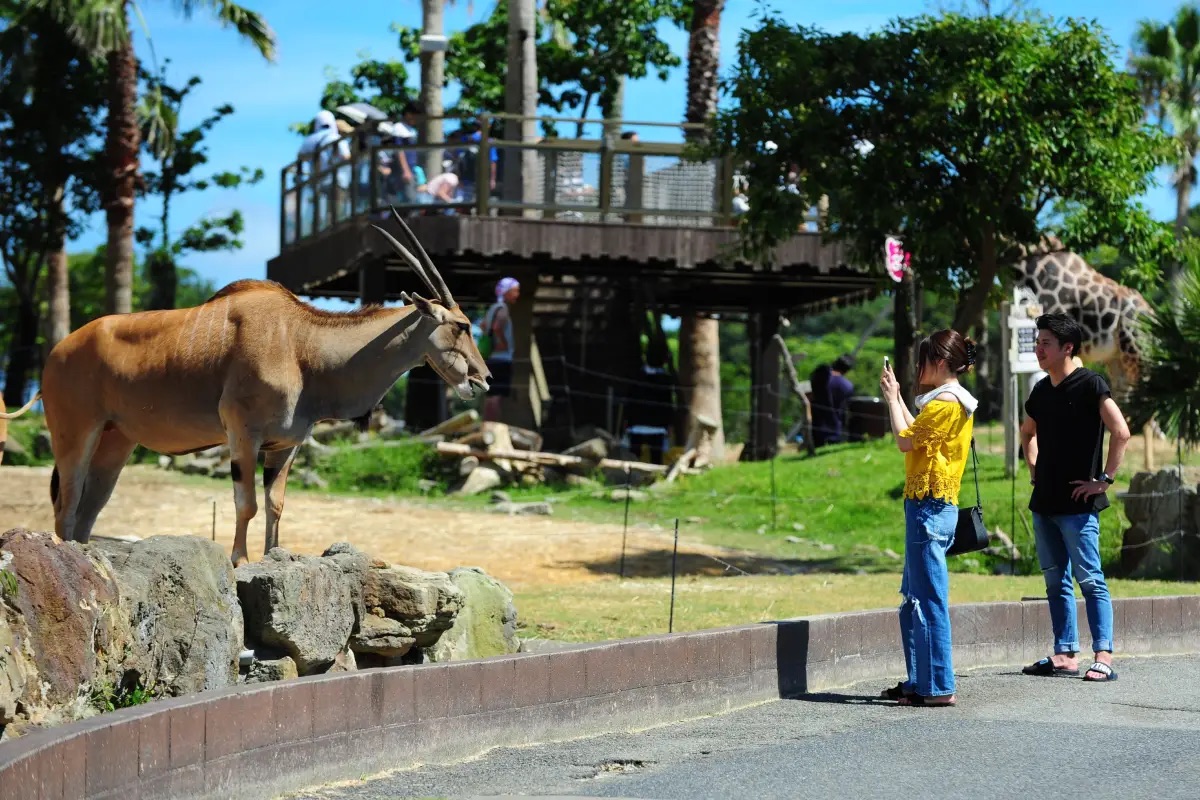
Spending a day at Adventure World!
Reviews of Adventure World
4.8/5
81 reviews
4/5
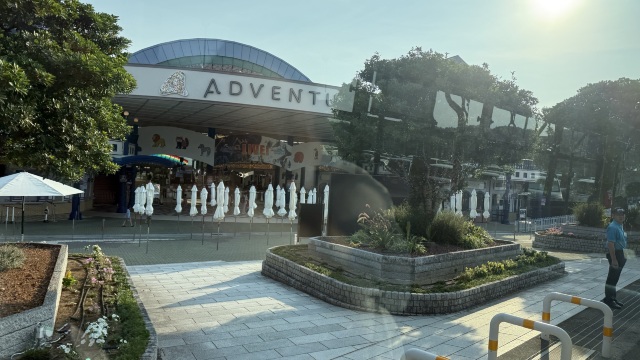
We purchased admission tickets for two in the 40,000 won range on Trip.com and exchanged them at the entrance. There were options like Fast Track and additional features, but we just bought the admission tickets. Since this includes access to the dolphin show and the free safari train, I think buying through Trip.com was sufficient.

5/5
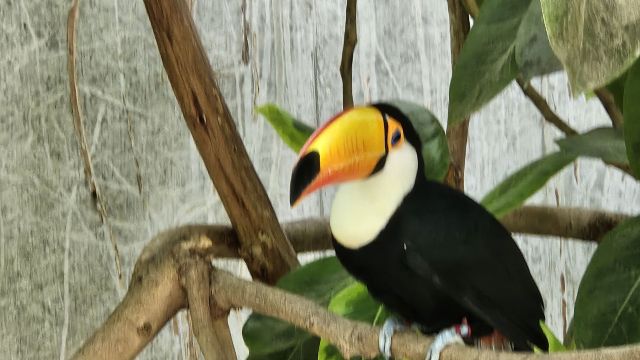
We had so much fun as a family at Adventure World Shirahama. There were a lot of animals that we learnt about. I enjoyed the safari ride in particular because we couls get up close with animals while being driven around. The dolphin show was also very impressive with smart tricks performed by a variety of aquatic animals. The theme park also has a wode variety of activities and rides for children so they can be well entertained. We had such a great family day out together and I would strongly recommend that you check out the Adventure World if you happen to visit Shirahama area.


5/5
A trip to Shirahama with kids is worthwhile.

5/5
A huge, interesting park with a wide variety of animals and locations. There are interactive activities, including feeding monkeys and admiring the aquarium and dolphinarium. Overall, we enjoyed our visit.
5/5
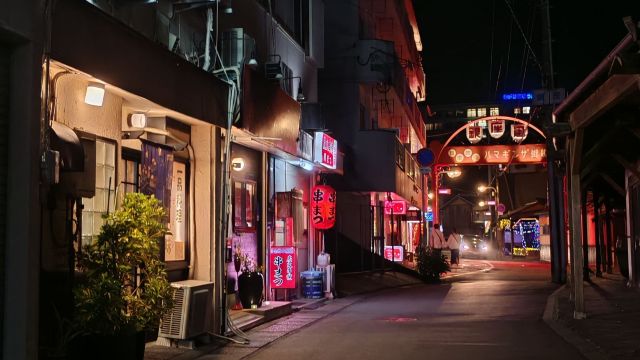
Love this place

Wakayama Attraction #2: Mount Koya
Mount Koya (Koyasan) is the sacred birthplace of Shingon Buddhism, founded by the revered monk Kukai (Kobo Daishi). It’s also part of the UNESCO World Heritage Site “Sacred Sites and Pilgrimage Routes in the Kii Mountain Range.”
This expansive monastic settlement includes Kongobu-ji, the head temple of Shingon Buddhism; Okunoin, the endpoint of the pilgrimage path where many believe Kobo Daishi remains in eternal meditation; and the Danjo Garan, the earliest training ground established by Kobo Daishi, embodying the founder’s teachings.
Make the trip to Mount Koya (Koyasan) and you’ll feel the serene, open, and inclusive spirit of Japanese Buddhist culture.
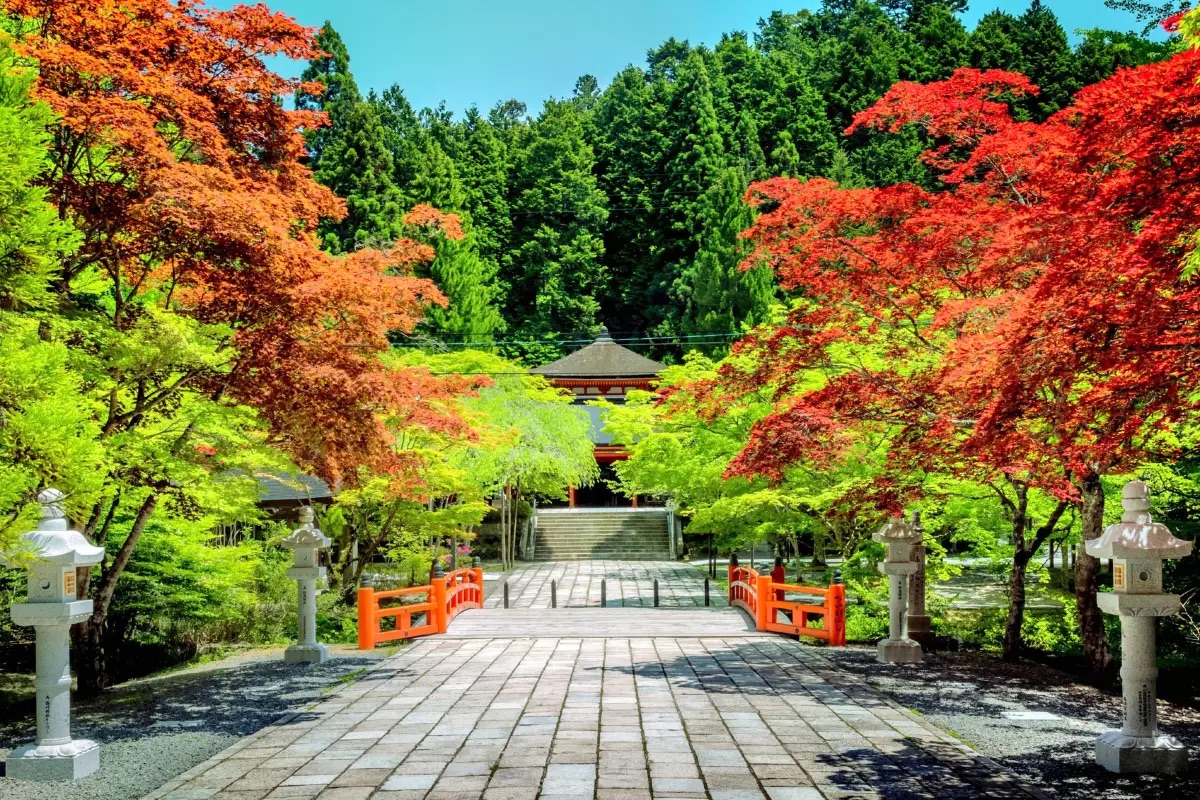
Visit during fall foliage for unforgettable Mount Koya views.
Reviews of Mount Yoka
4.9/5
16 reviews
5/5
A quiet escape from the bustling Osaka & Kyoto with temples and temple homestays
5/5
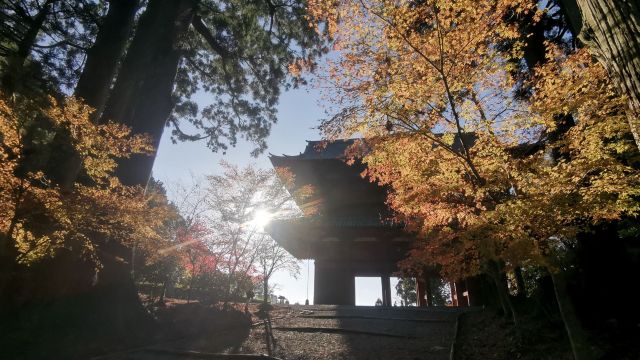
A mountainous area located les than 100km from Osaka littered with temples is for anyone seeking a little zen and refuge from touristy parts of Japan
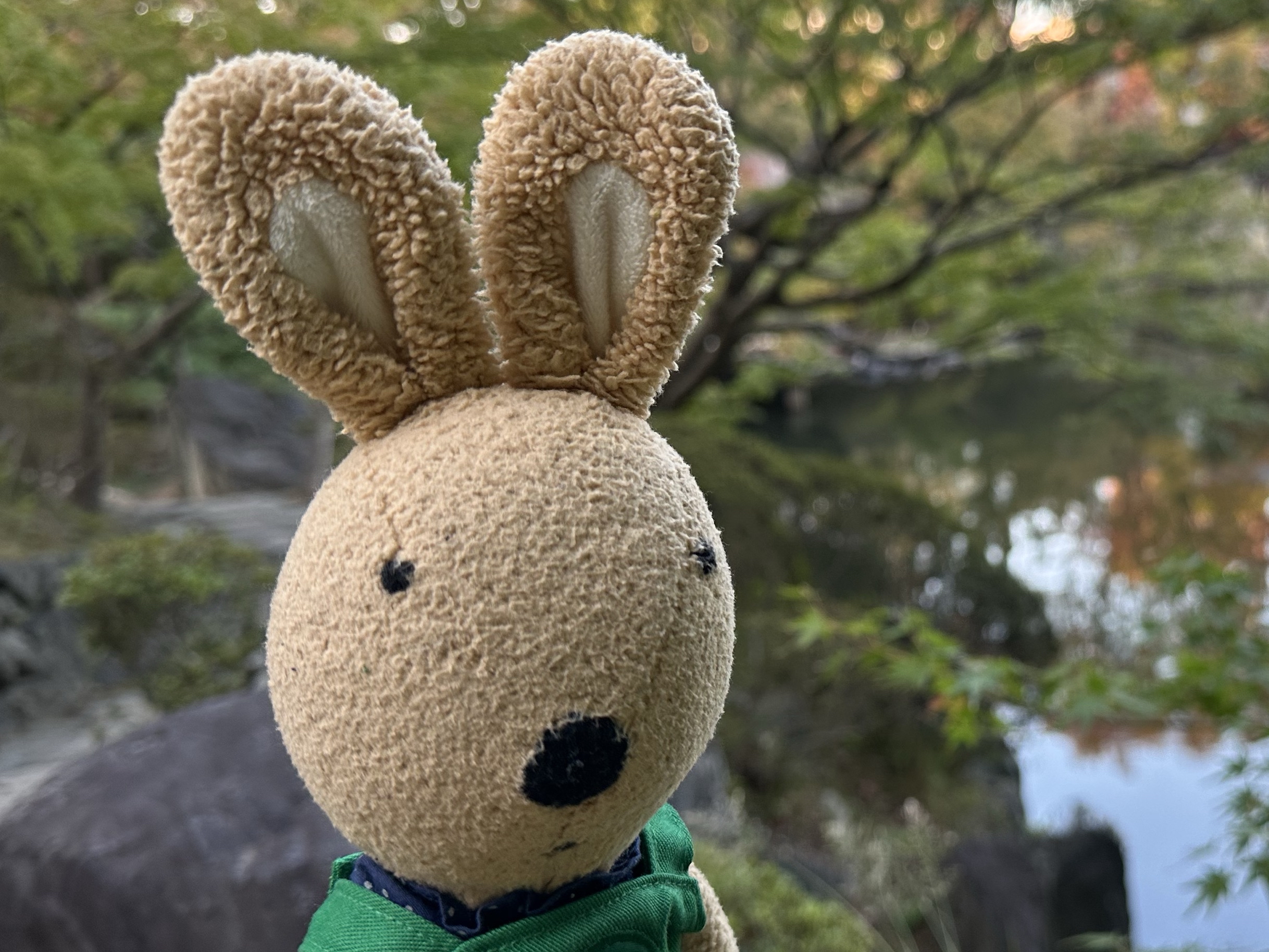
5/5
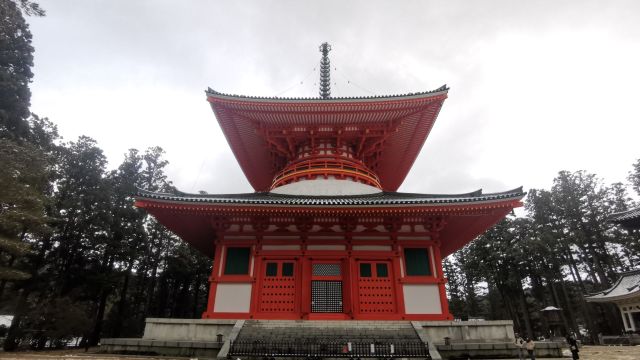
I originally thought that I wouldn’t be able to see the red leaves on this simple trip to Japan on 11/1! But when we arrived at Koyasan, we were amazed! I saw both red leaves and ginkgo trees! With the clear sky and the ancient charm of the various temples, I was filled with admiration and emotion! 11/3 was the Japanese Culture Day holiday, so there were a lot of people there, and many people drove up the mountain on their own. Fortunately, I took the second bus early in the morning and got down the mountain earlier than most tourists! It was a perfect journey!
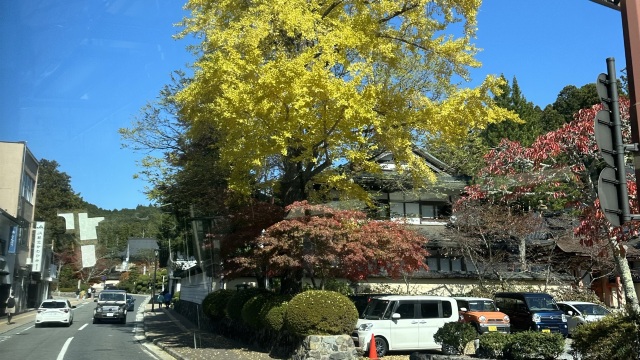
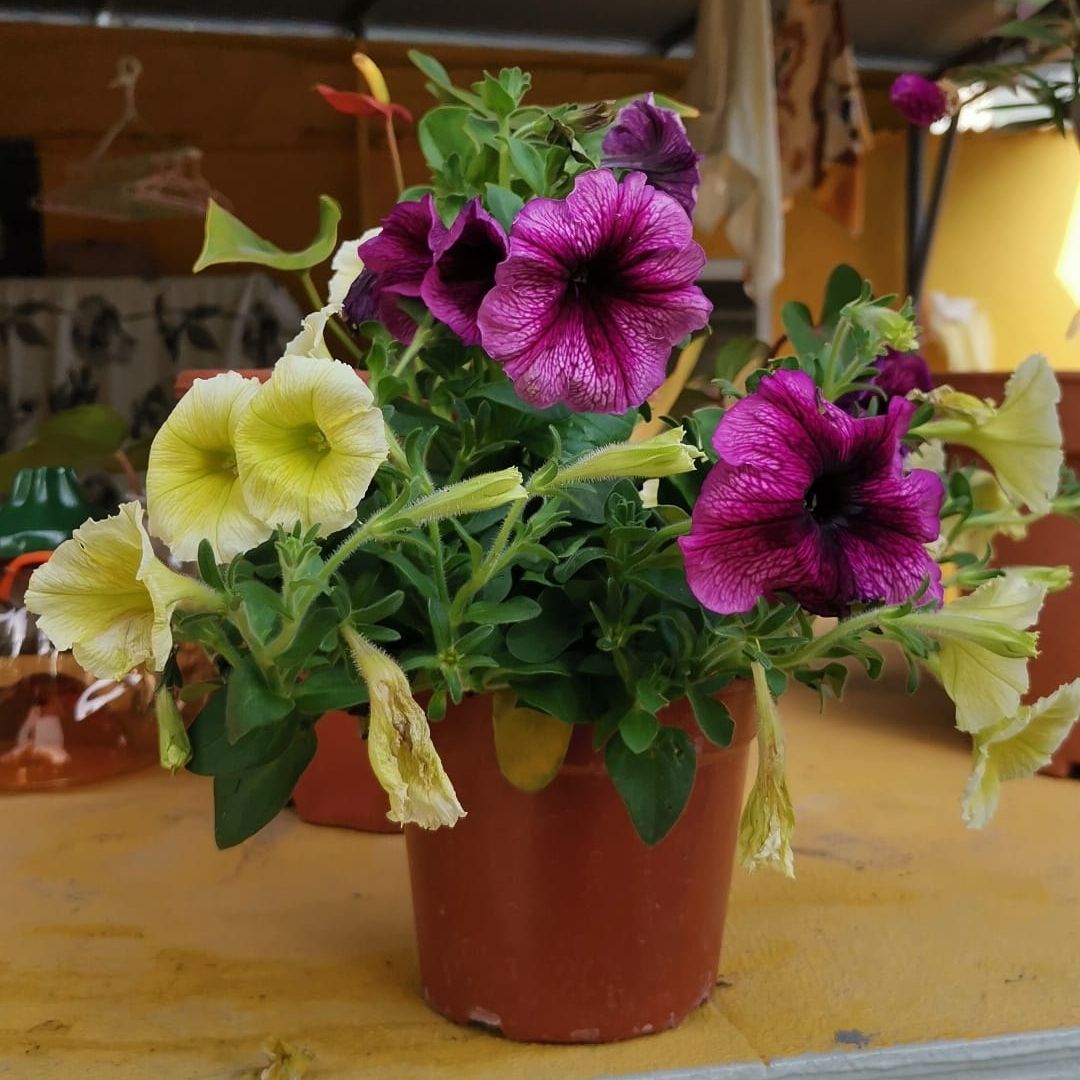
5/5
Because I like flowers, plants and trees very much. This time I came to Koyasan. I didn't take the bus to Koyasan Station, but walked 3 km to see the scenery.
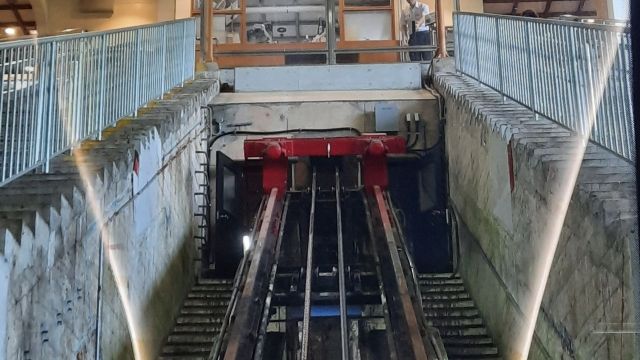
5/5
The first time I went to Koyasan in Wakayama Prefecture, I arrived there by car in about two hours from Tenkachaya.
It's really worth going to the place, up the mountain. Comfortable and relaxing.
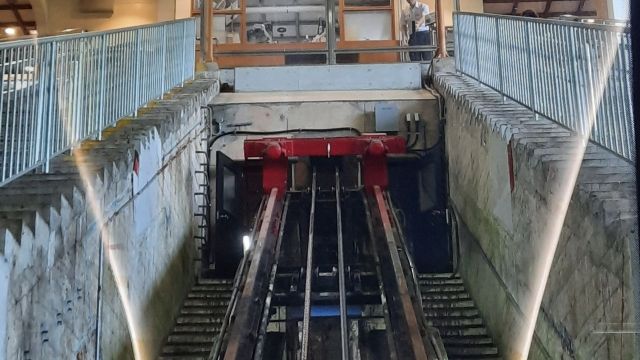
Wakayama Attraction #3: Wakayama Castle
Wakayama Castle is an iconic landmark of Wakayama, built in 1585 by Toyotomi Hidenaga (the younger brother of Toyotomi Hideyoshi). With more than 400 years of history, the castle became the seat of the Tokugawa clan’s Kishu branch—one of the three great Tokugawa houses—during the Edo period and holds important historical status.
Inside, exhibits showcase artifacts from the Tokugawa family, and an observation deck offers sweeping views over Wakayama City and the Kii River.
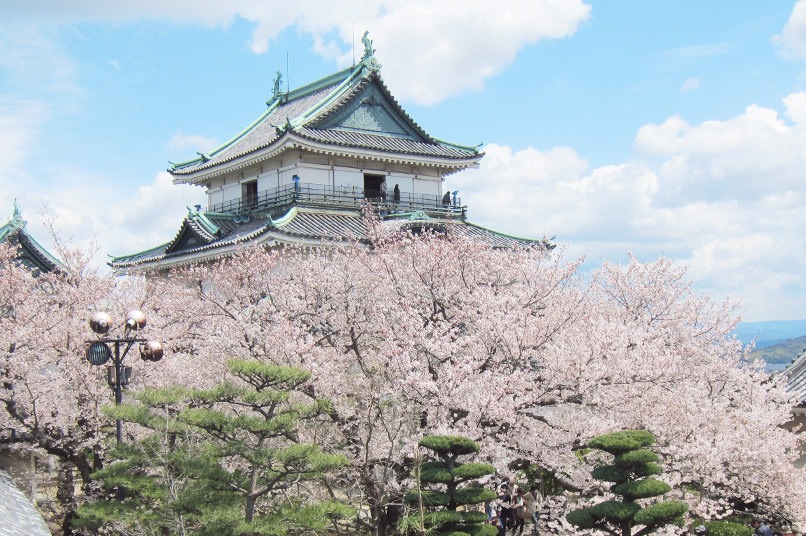
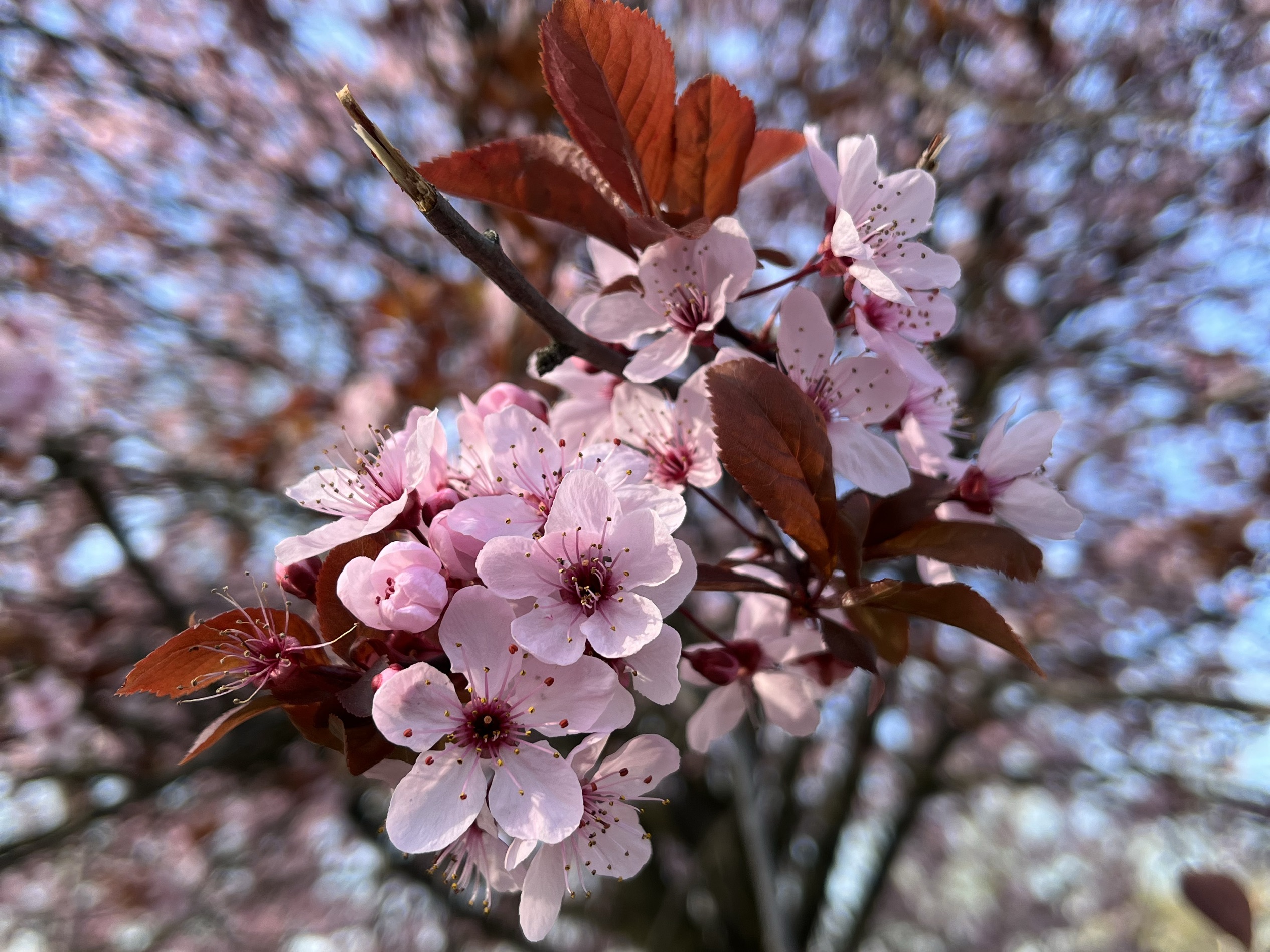
Cherry blossoms transform Wakayama Park into a hanami favorite.
Reviews of Wakayama Castle
4.7/5
32 reviews
5/5
There is a post office building next to Wakayama Castle and a bus stop at the entrance of the castle. It seems to be easily accessible from JR Wakayama Station by bus. There are a zoo and a garden together in the castle, and you can find the direction of the castle keep with the sign. The admission ticket is 410 yen. I went to the observatory on a very hot day, and the cool wind blew, so I wanted to stand for a long time.

5/5
Each season has its own beauty. Spring, summer, autumn and winter all have their own beauty. You can see Wakayama Castle from many different angles. When you visit inside and go up inside, you can see the whole city of Wakayama and many other areas. Please visit. Wonderful.🙌
4/5
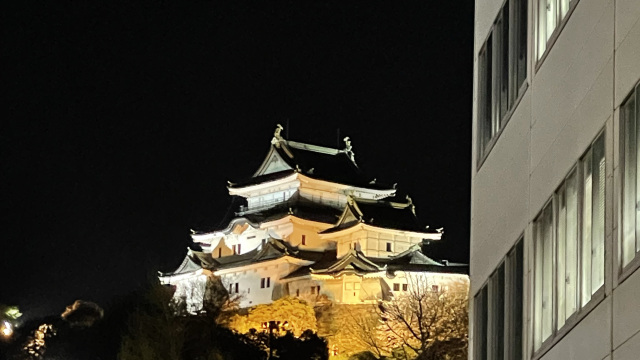
Today we are going to Wakayama for sightseeing. Be sure to check out Wakayama Castle. It just so happens that today is the Cultural Day, and the Bamboo Lantern Festival is being held in Wakayama Castle.
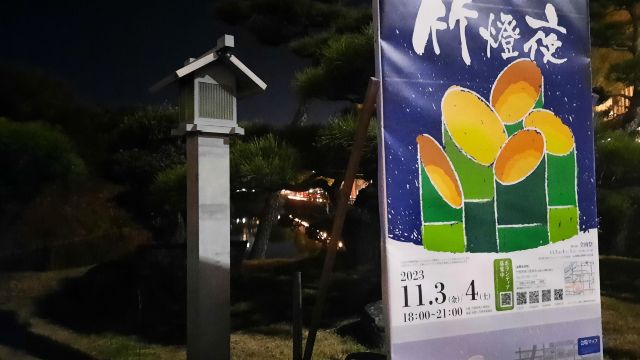
5/5
I went to Kansai again and this time I came to Wakayama. We arrived at Wakayama Castle in the early evening. It’s so beautiful.
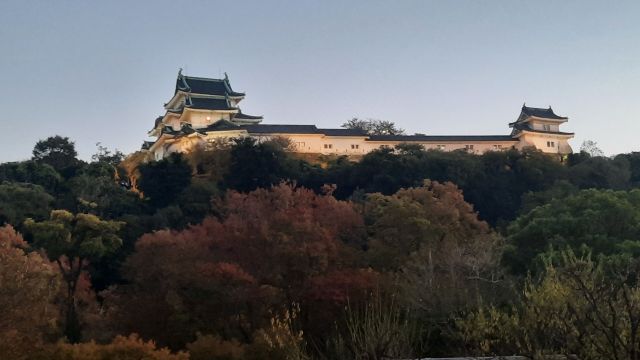

4/5
Depart for Shirahama and visit Wakayama Castle, which has beautiful scenery.
But we did not enter the castle.
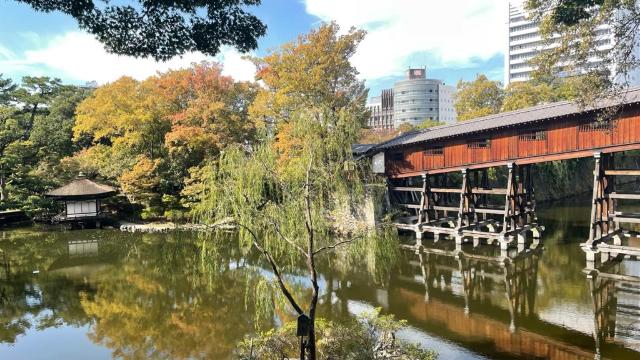
Wakayama Attraction #4: Shirahama Onsen
Shirahama Onsen, alongside Dogo Onsen and Arima Onsen, is known as one of Japan’s Three Ancient Hot Springs. With a 1,300-year history, its signature experience is soaking in the hot springs while taking in sweeping views of the Pacific Ocean.
It’s a well-loved hot-spring resort in the Kansai region, and thanks to its seaside location, you can enjoy fresh seafood after your soak.

Soak, sunset, seafood—Shirahama Onsen is pure relaxation.
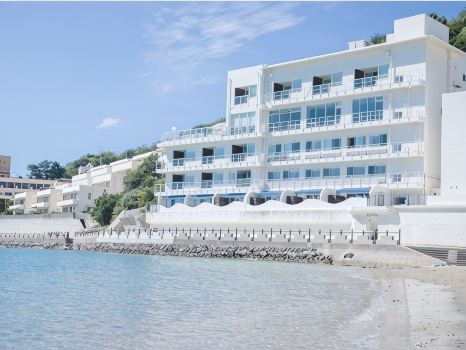
Stay near Shirahama Onsen
8.8/10
167 reviews
10/10
We were very satisfied with our stay at the Shirahama Kishu Peninsula Onsen Hotel. The location is convenient, close to both the train and bus stations. The tatami room was spacious, with bedding already laid out. The bathroom had a separate shower and toilet, and the water pressure was excellent. The front desk staff were welcoming and proactively inquired about our meal and onsen times each day. Private onsen rooms can be booked in advance, making it suitable for families. The breakfast was exquisite Japanese cuisine. Special thanks to the staff for their thoughtful consideration of my child's egg and seafood allergies, providing alternative dishes. Overall, the stay was comfortable and attentive, and I would definitely choose this hotel again next time I visit Shirahama.
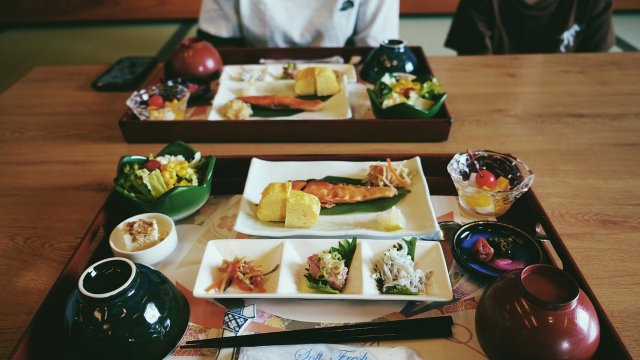

10/10
Japanese Style Room
The room was much better than I expected! I highly recommend it for friends or family trips. Parking is very convenient, and I especially recommend the soup at this hotel—it's fantastic! The view from the room is also excellent.
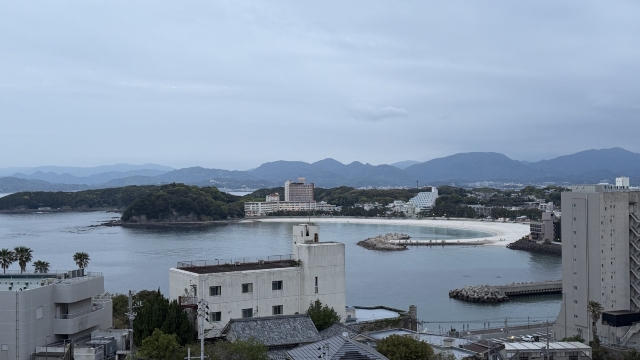

10/10
Japanese Style Room
It was great that the hotel was close to the ocean and had a view of the beach from the rooms.
The hotel staff were all kind and provided pleasant service.
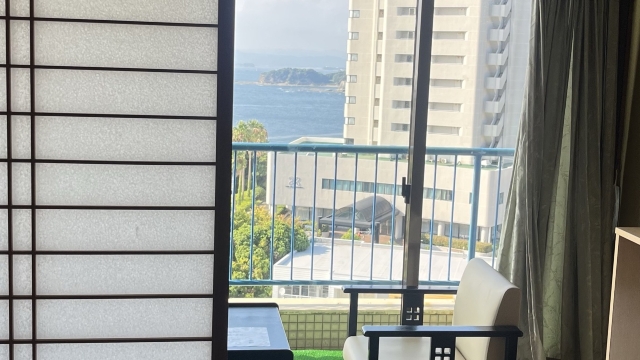

10/10
Japanese Style Room
The room is large and there is a hair dryer in the room (it should be after the name)
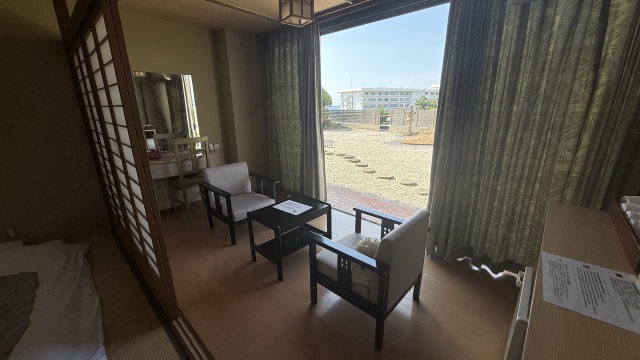

10/10
It is a very cost-effective choice in Shirahama. It is a standard traditional Japanese hot spring hotel with relatively old facilities. There is a viewing platform outside where you can see the sea. The transportation is also relatively convenient. There is a bus outside Shirahama Station, which is about two stops away from Shirarahama and Sandanbeki. Senjojiki is within walking distance. Breakfast is a Japanese set meal with drinks, soup and rice.
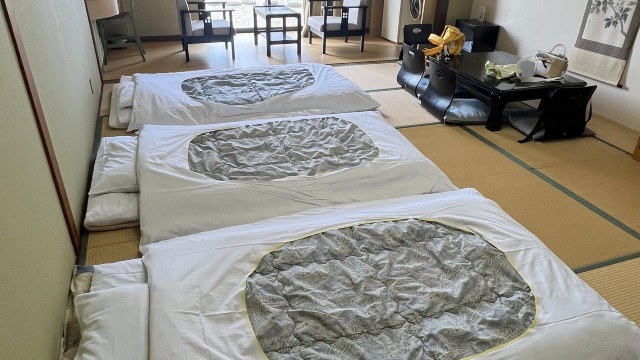
Wakayama Attraction #5: Shirarahama Beach
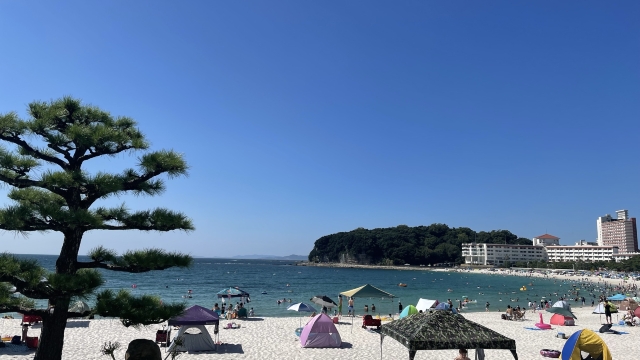
If you’re heading to Wakayama for gorgeous ocean views and water adventures, we recommend Shirarahama Beach. The sand is silky-soft and the water a brilliant blue—perfect for beach lovers and water sports enthusiasts.
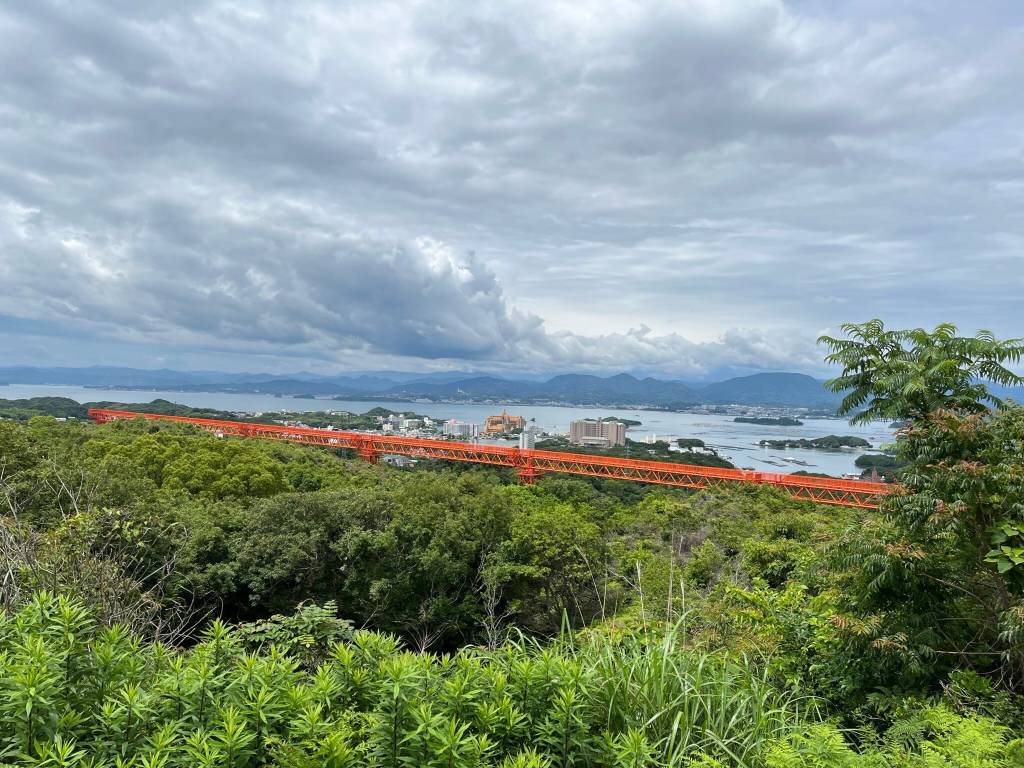
Summer at Shirarahama Beach offers diving, beach volleyball, ATVs, and surfing fun.
Reviews of Shirahama Beach
4.5/5
9 reviews
5/5
Shirahama is named after the 620m long white sand beach. This beautiful beach, one of the best in the Kansai region, is visited by around 600,000 people every year and has been selected as one of Japan's 100 Best Swimming Beaches. The white sand, emerald green ocean, and palm tree-lined scenery create a resort atmosphere reminiscent of its sister beach, Waikiki Beach. Shirahama also hosts a variety of events, including fireworks, lantern displays, beach yoga, and triathlons.
5/5
Shirarahama is a beach located along the coast of Lead Bay in Shirahama Town, Nishimuro District, Wakayama Prefecture, Japan. It is famous for its white quartz sand beach and Shirahama Hot Springs.
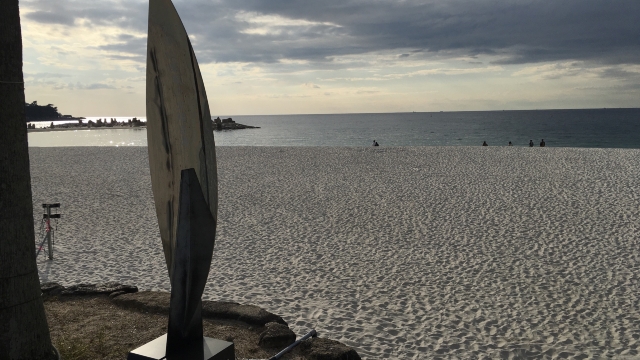

5/5
Shirahama, located in the southern part of Wakayama Prefecture, is one of the most popular beach resorts in Japan. It is famous for the blue Pacific Ocean and hot springs within easy reach, as well as the beautiful fireworks displays from time to time at night, which are comparable to Waikiki Beach in Hawaii!
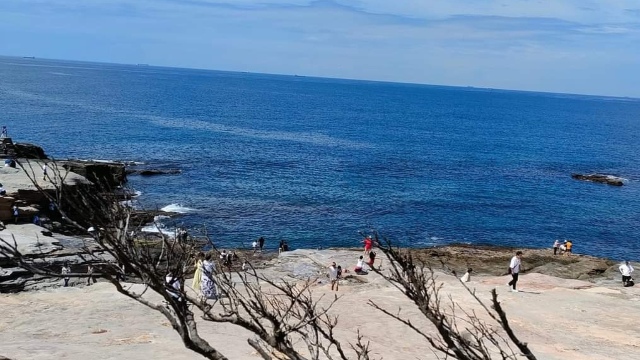
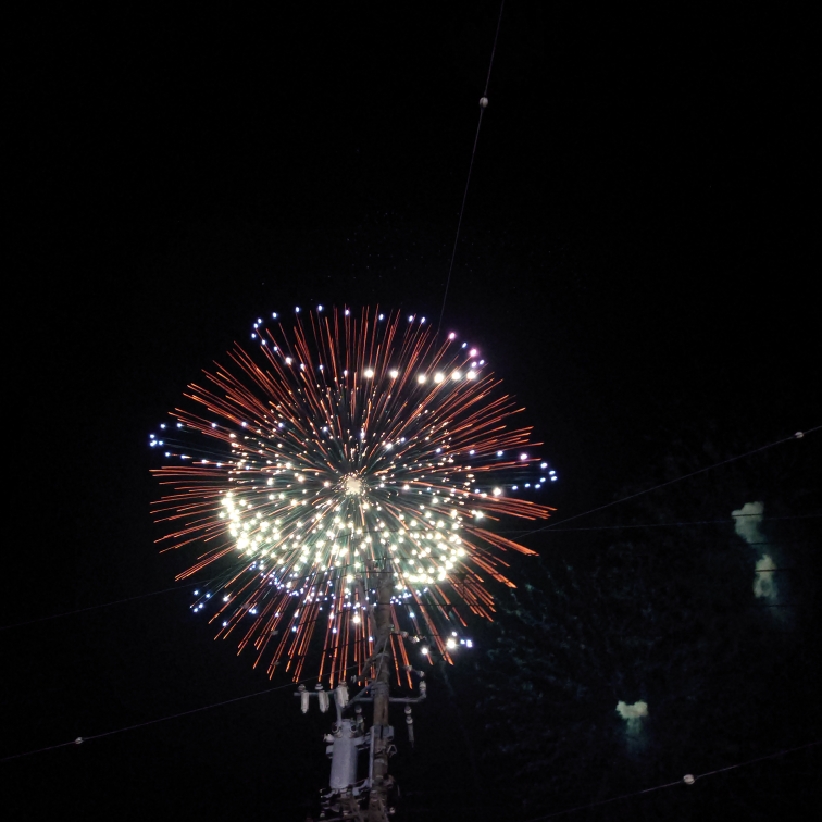
5/5
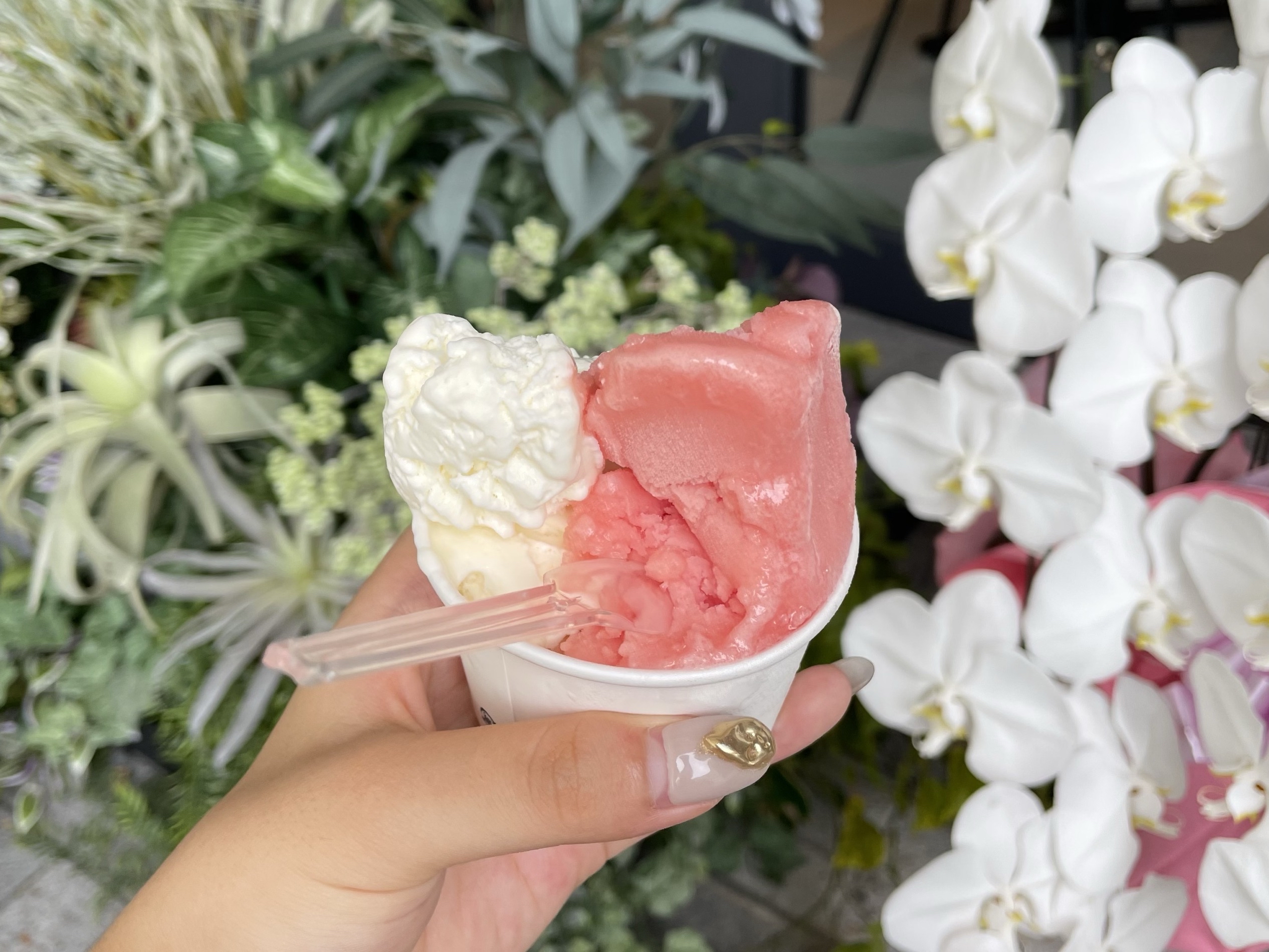
The white sand is really beautiful, you can see shells and small stones in the sand. But it won't scratch your feet when you walk. It's worth going.
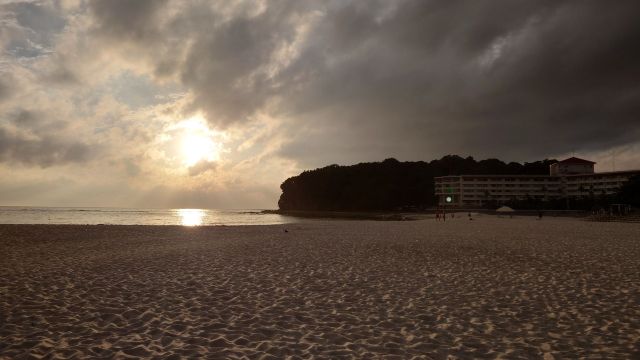
5/5
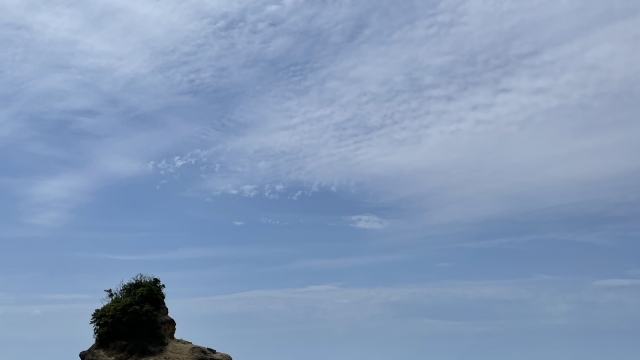
During Golden Week, I went to Shirahama Beach in Wakayama Prefecture! It was amazing! The photo is from the southern part!
Wakayama Attraction #6: Kumano Kodo
The Kumano Kodo is the pilgrimage route to the Three Grand Shrines of Kumano—Kumano Hongu Taisha, Kumano Hayatama Taisha, and Kumano Nachi Taisha. Originally built for court nobles, it was later traveled by ascetics and common people.
Its lush forests and beautiful natural scenery, enriched by centuries of faith, give the route a captivating allure, making it a newly popular spiritual “power spot”.
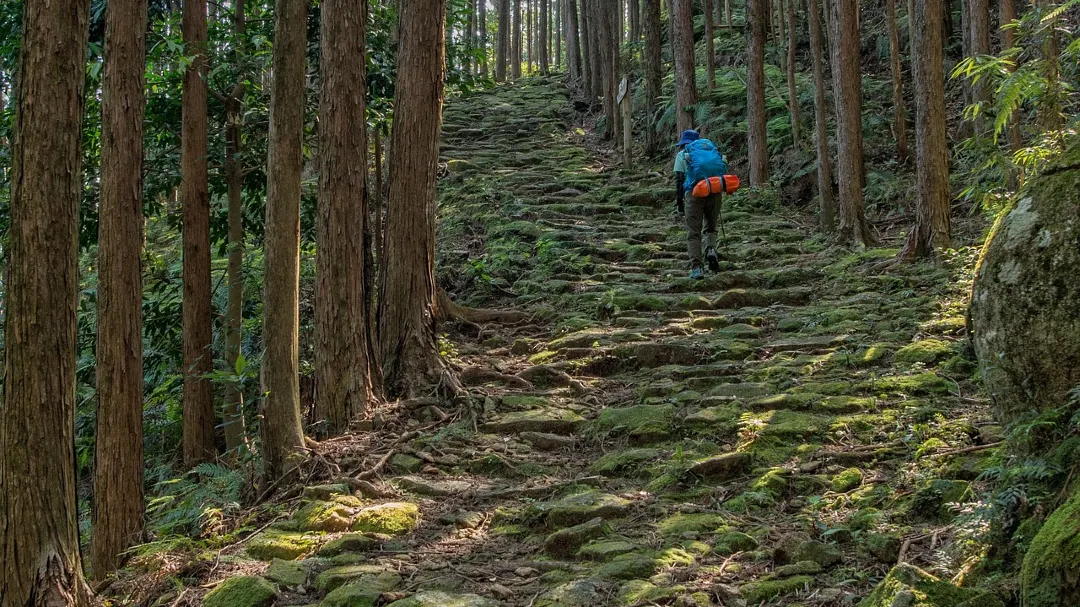
With trails at every difficulty level, the Kumano Kodo welcomes everyone—from first-time walkers and casual hikers to seasoned mountaineers.
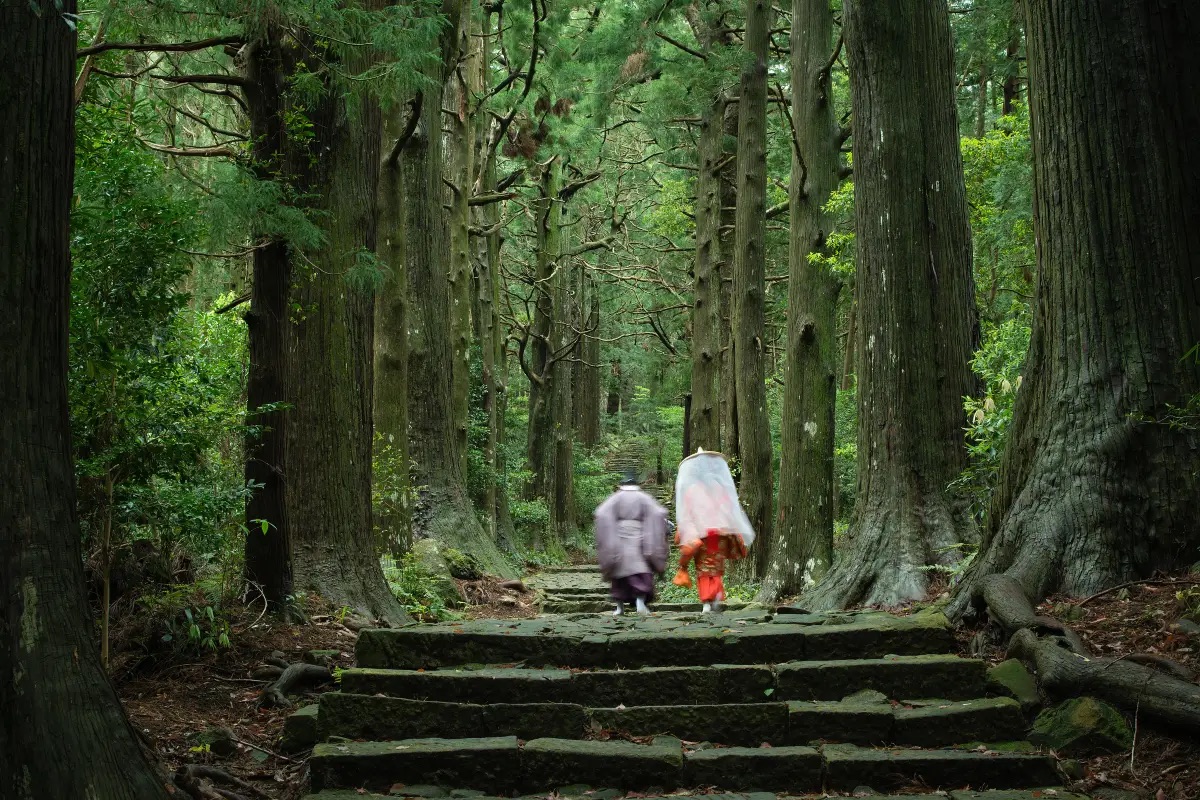
Many visitors come to Kumano Kodo to hike these paths and seek inner peace.
Kumano Nachi Sacred Sites One-Day Tour
Hiking Routes
Nature Worship
Wakayama Attraction #7: Senjojiki Rock Formation
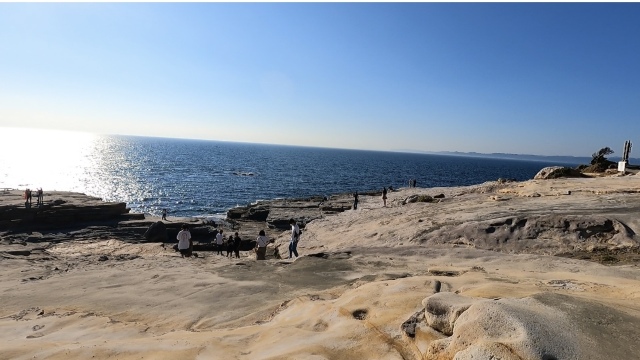
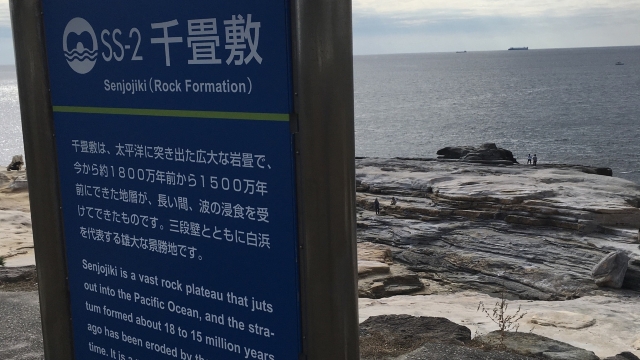
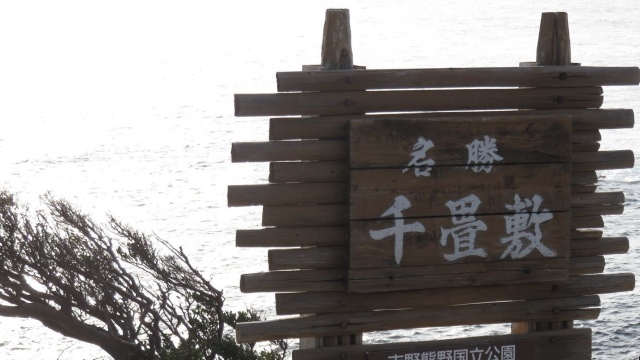
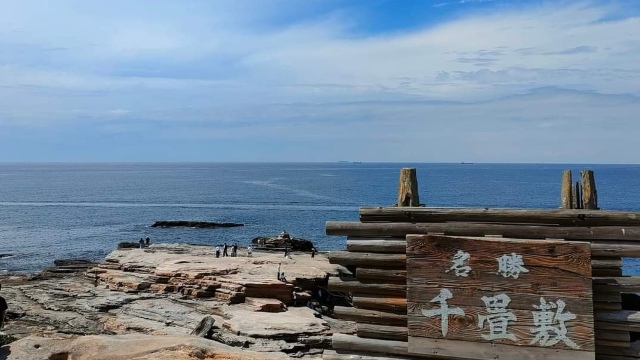
Senjojiki literally means “a thousand tatami mats laid out on the ground.” This unique coastal formation in Wakayama is a vast rock shelf sculpted over time by relentless waves. It may look rugged, but it’s quite safe to walk—the flat, terraced layers let you step closer to the shoreline and soak in sweeping ocean views.
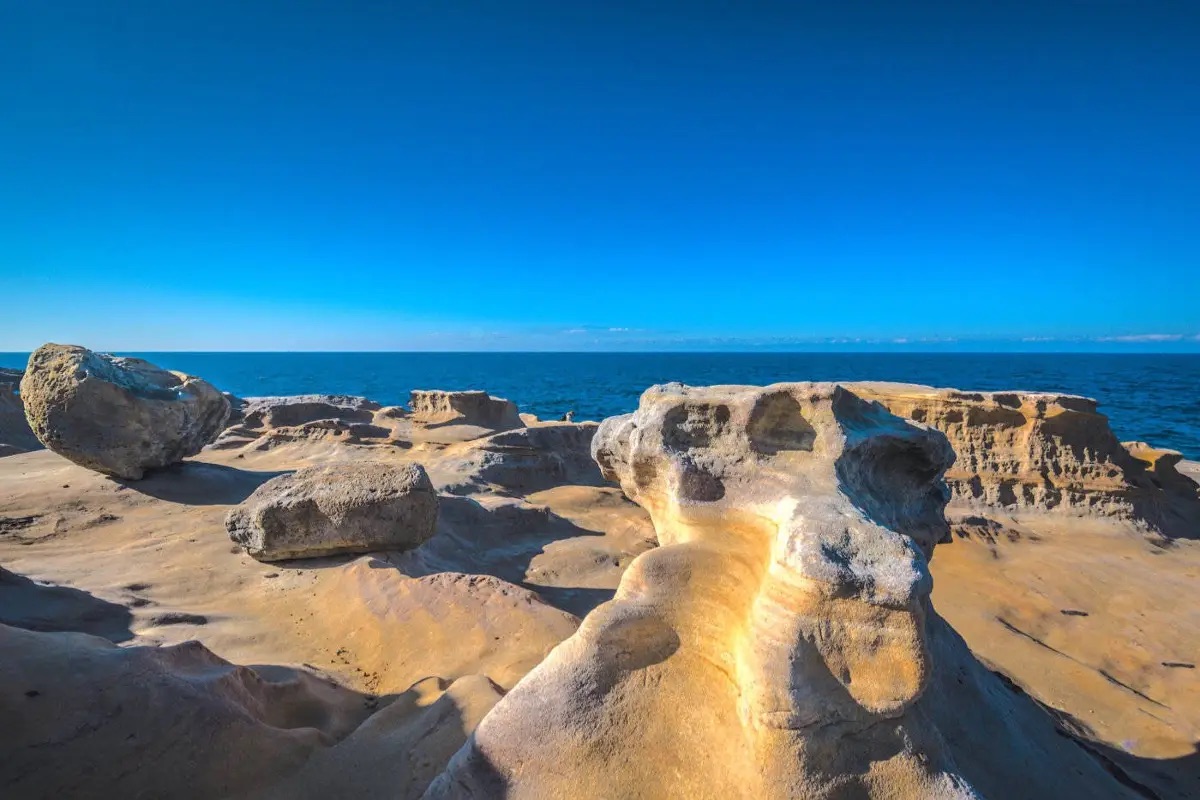
Magical sunsets—pair with Sandanbeki Cliffs, Engetsu Island.
Reviews of Senjojiki Rock Formation
4.8/5
15 reviews5/5
A large white rock formation stretches out against the blue waters of the Pacific Ocean, and over the years, it has been eroded by the rough waves crashing on the shore, creating a landscape resembling a pile of rocks. The sunset sinking into the horizon is truly a spectacular sight. At Kaisen-ya Senjo, you can dine while taking in the view of Senjojiki and the majestic Pacific Ocean, and at Akane Senjo-chaya, you can find souvenirs from Nanki Shirahama.
5/5
From a distance, it looks like there are more than a thousand tatami mats stacked irregularly together, but in fact, this land is just a large rock belt.
5/5
Arriving here feels like being at the set of Star Wars. The layers of stone may have taken thousands of years to form. Visiting here is like taking a geography class.
5/5
Senjojiki (Japanese: 千畳覆) is a common place name in Japan, mainly used to describe a flat and vast terrain, like thousands of stacked mats.

5/5
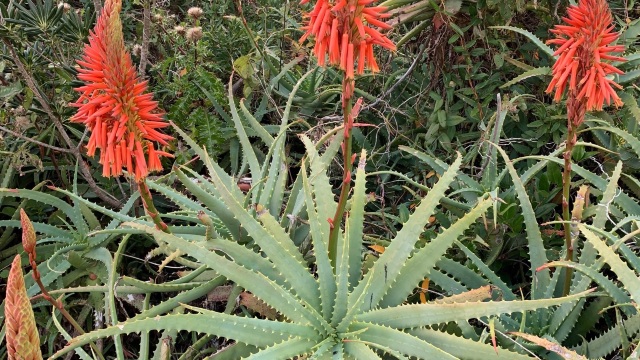
I am so excited to see the flowers of the crocodile flower. I have never seen them before.
Wakayama Attraction #8: Kuroshio Market
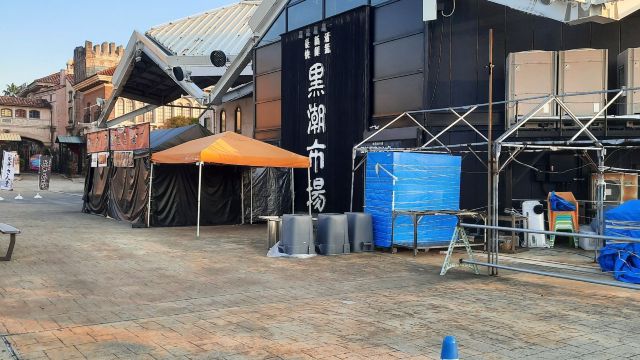
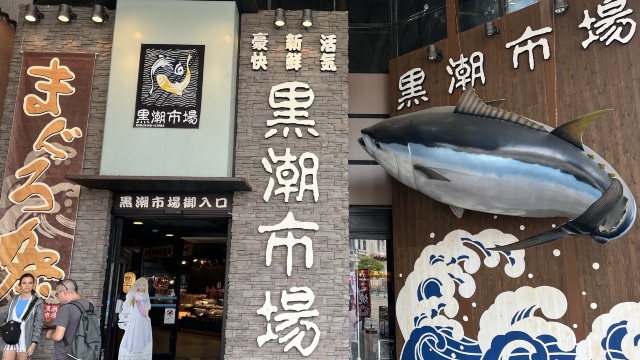
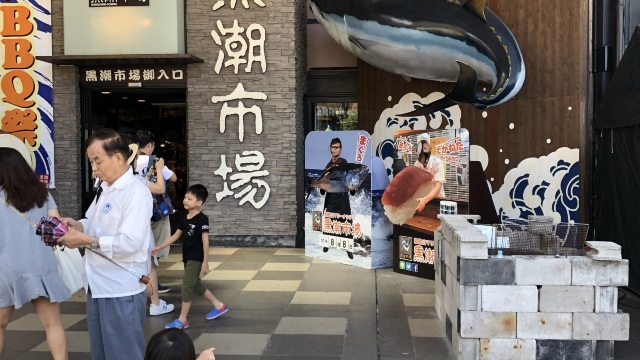
When you’re in Wakayama, don’t miss the fresh seafood. We recommend heading to Kuroshio Market to seek out the day’s catch—there’s freshly caught seafood sold here every day, and you can savor authentic ocean flavors right on the spot.
Beyond the ultra-fresh seafood, you can also pick up local specialties like plums and plum wine. And don’t miss the live tuna filleting show, which takes place daily at 12:30 PM and 3:00 PM, with an additional 11:00 AM show on weekends and public holidays.
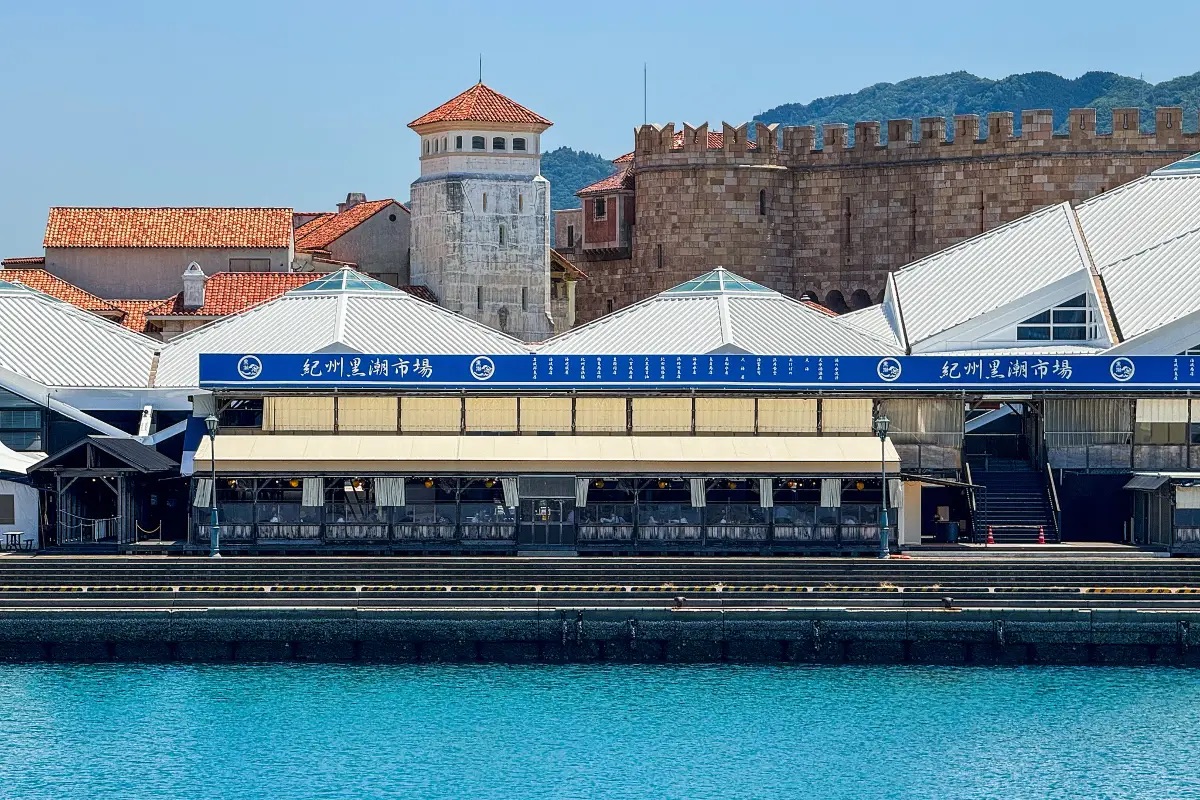
Feel the full-on energy of a bustling seafood market!
Reviews of Kuroshio Market
4.7/5
15 reviews4/5
Every time I go to Wakayama, I take a bus to Kuroshio Market, where there are not only seafood. There are also many fruits that can be grown

5/5
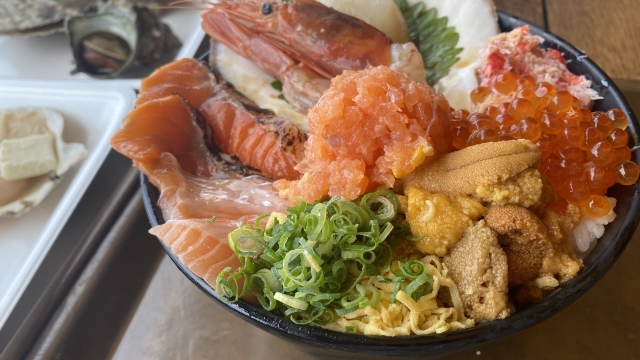
I went there with a good friend. The seafood bowl in the picture was very delicious.

5/5
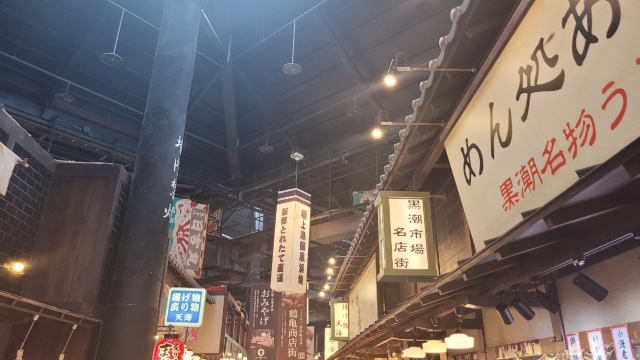
Kuroshio Market is famous for its tuna. I'm happy that I can buy fresh seafood and have a BBQ right away! It's really delicious!
4/5
In addition to sashimi, Kuroshio Market also offers barbecue. The sashimi is sweet and the seafood is also very fresh. The barbecue area has staff to open the stove, which is a very convenient barbecue spot.

5/5
If you go to Wakayama, you must go to the Umihashi Market, it's a nice place❤️❤️❤️❤️❤️❤️❤️
Wakayama Attraction #9: Sandanbeki Cliffs
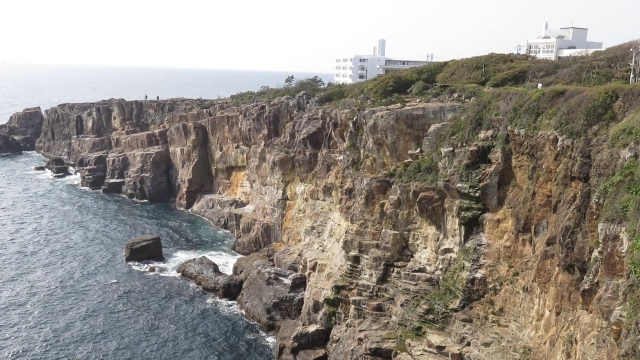
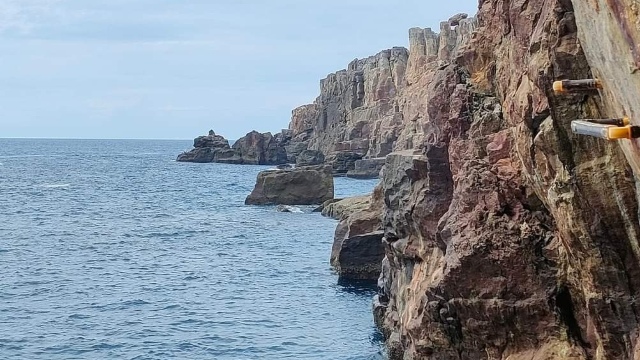
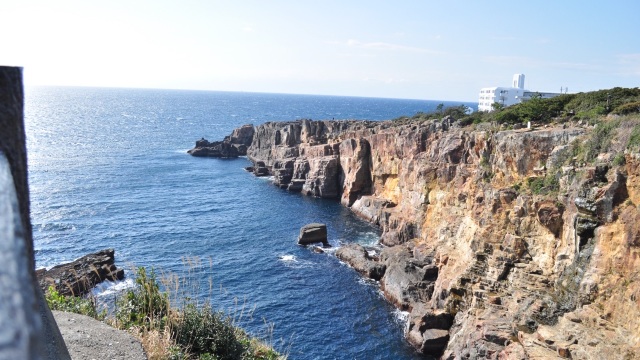
The Sandanbeki Cliffs are a dramatic 2-kilometer stretch of rock rising about 50 meters high, where the surging Pacific crashes against the walls in a truly breathtaking display.
You can even ride an elevator down 36 meters to a cavern and explore the sea cave—then imagine yourself as a pirate from long ago, hiding in these chambers, watching passing ships and waiting for just the right moment to make your move.
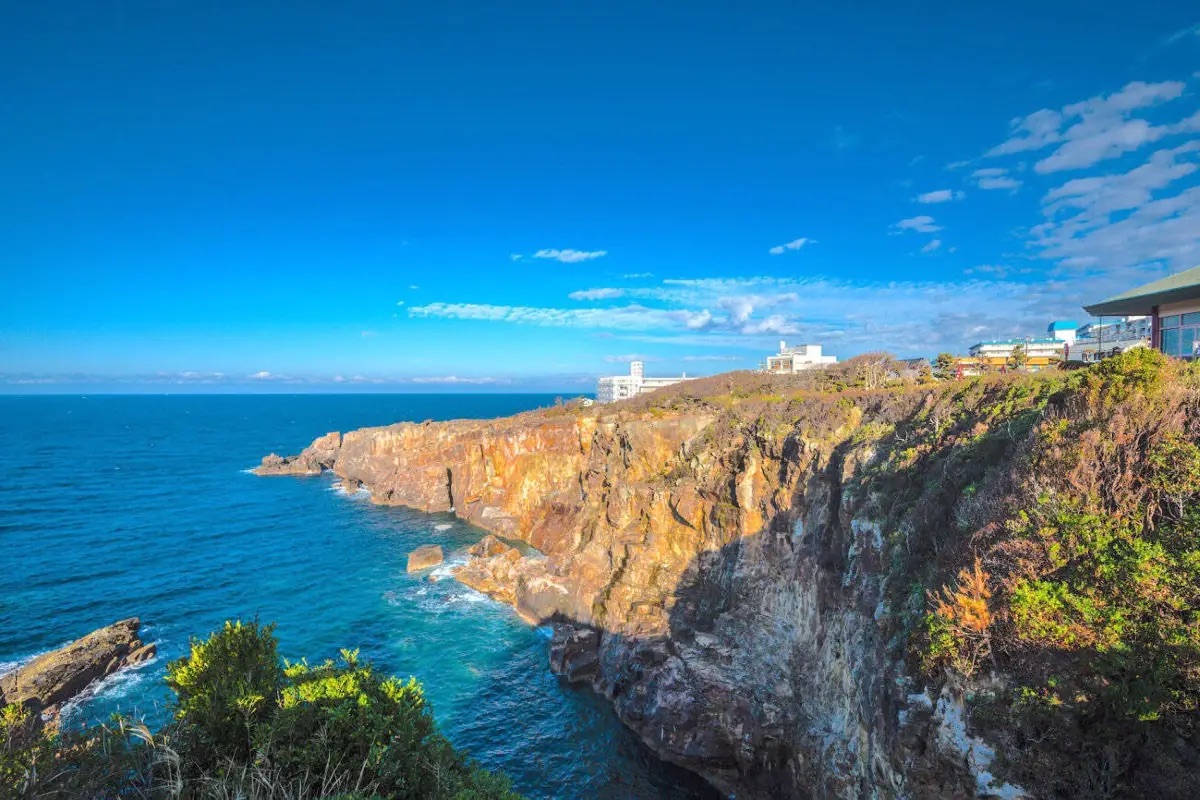
Ride elevator 36m down to Sandanbeki sea cave.
Reviews of Sandanbeki Cliffs
4.9/5
26 reviews5/5
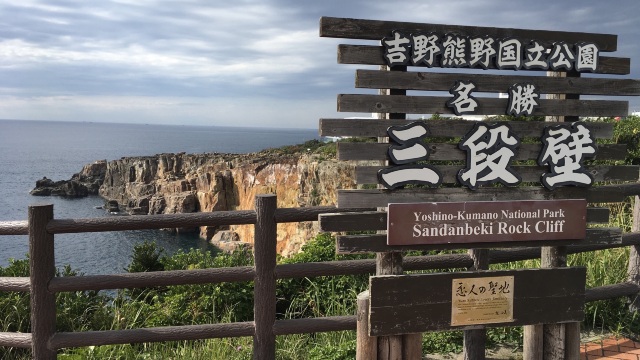
Sandanbeki is a famous cliff located on the coast of Shirahama-cho, Nishimuro-gun, Wakayama Prefecture. Sandanbeki is actually a large rock wall in the sea that is 2 kilometers long and 50-60 meters high.
5/5
Located in Shirahama, Kansai, Sandanbeki is a cliff where you can see strange-shaped rocks along the way. You can also take the elevator to the bottom and watch the spectacular waves. It is definitely worth a visit.
5/5
Sandanbeki is not the three sections we understand literally, but means "seeing the broken wall". Sandanbeki is one of the popular tourist spots in Shirahama.
5/5
This place is actually quite stunning to look at, it is quite beautiful and easy to get to. So it’s all worth a visit! push!

5/5
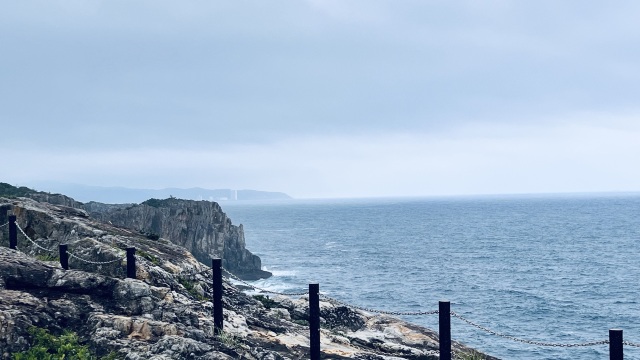
Sandanbeki is one of the most famous attractions in Shirahama, Wakayama. This cliff is located on the Shirahama coast. The cliff is 50-60 meters high and stretches for about 2 kilometers. The jagged and rugged cliff looks like a large screen from a distance, which is very spectacular! When the waves hit this big rock, the sea flowers can reach several meters high, which is breathtaking! The day I went, it was relatively calm, but the sun shone on the sea, shining brightly, the scenery was unique and very healing. There were also a few kittens next to the Sandanbeki. They like to act coquettishly with tourists, very cute.
Wakayama Attraction #10: Nachi Falls
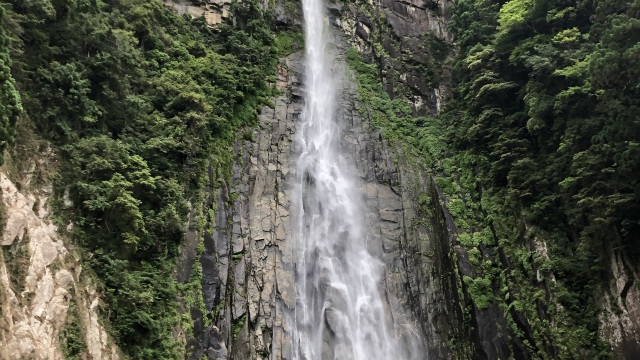
Nachi Falls is Japan’s tallest waterfall, with a 133-meter drop. Along with Kegon Falls in Tochigi Prefecture and Fukuroda Falls in Ibaraki Prefecture, it’s hailed as one of Japan’s three great waterfalls. Because the torrent is split into three channels by the rock face, it’s also called the “Falls of Three Streams.”
Here, some 10,000 tons of water cascade down every second, filling the air with a thunderous roar that naturally stirs a deep sense of awe for the power of nature.
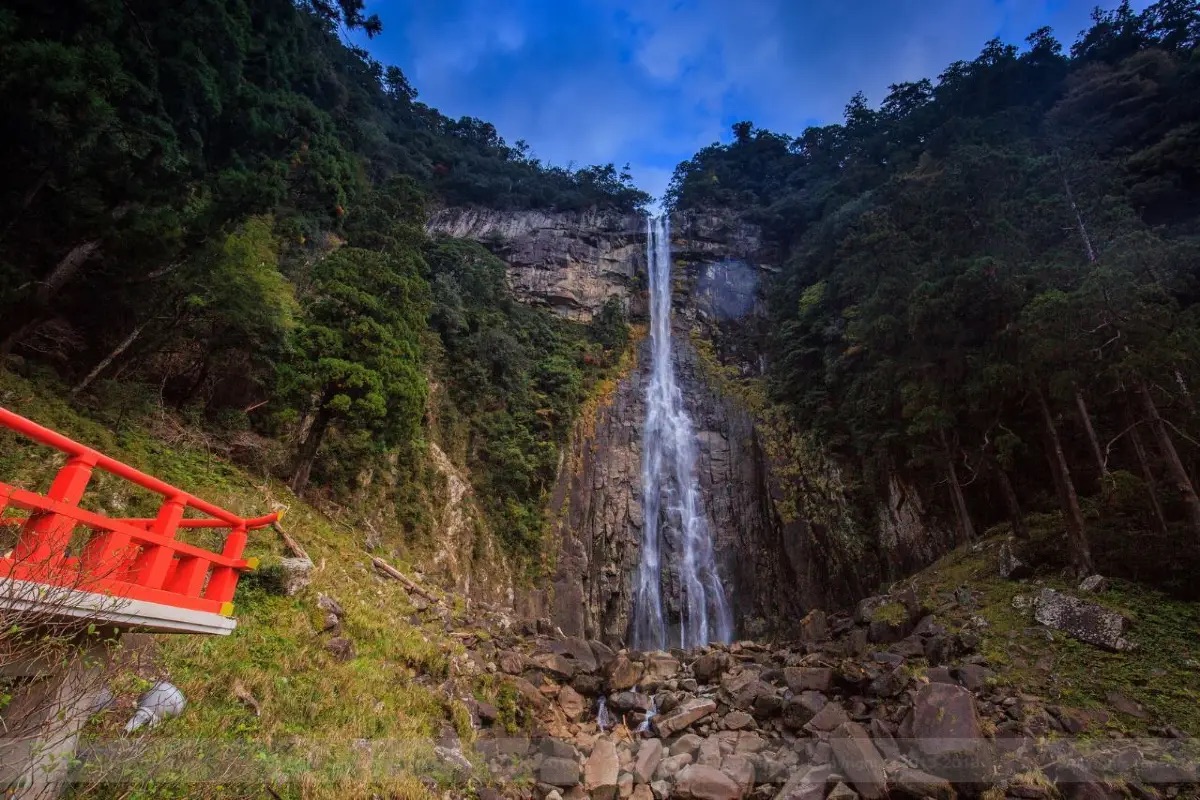
Nachi Falls is one of Japan’s three great waterfalls.
Reviews of Nachi Falls
4.6/5
12 reviews
5/5
I finally made it to Nachi Falls! It was spectacular!!
It is truly a World Heritage waterfall.
It was more impressive than I had imagined, and I was deeply moved.
4/5
This trip brings us to Nachi. We took a bus from Kii Katsuura for about half an hour to Nachi Falls, the first time on our historical tour of Nachi.
5/5
Nachi Falls: The waterfall is 133m high and 13m wide. It is one of the three most famous waterfalls in Japan, along with Kegon Falls and Fukuroda Falls.
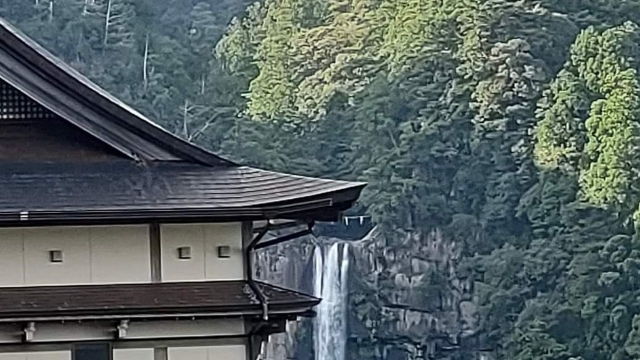

5/5
Visited in the pouring rain
The wet moss is really beautiful
I thought the stone steps would be slippery, but it's not strange
I was able to walk normally even from Kumano Nachi Shrine
5/5
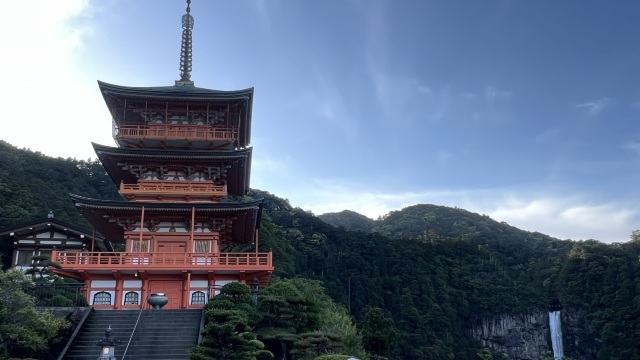
Stunning waterfalls! This is a must visit for those looking to take pictures. The beautiful forest and waterfalls are a perfect place to snap an array of photos. Immerse yourself in nature and enjoy the fresh air!
Wakayama Attraction #11: Kimiidera Temple
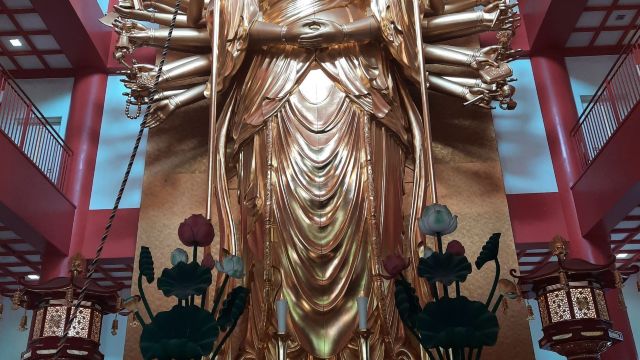
Kimiidera Temple is a historic Buddhist temple founded in AD 770 by a monk from China’s Tang dynasty to spread the teachings of Buddhism. The temple’s name comes from three springs within its grounds—“Pure Water,” “Willow Water,” and “Auspicious Water”—which are said to have cooling and detoxifying effects.

Kimiidera Temple is home to 12m Thousand-Armed Kannon statue.
Reviews of Kimiidera Temple
4.9/5
7 reviews5/5
4/9/2024
awesome 🙌
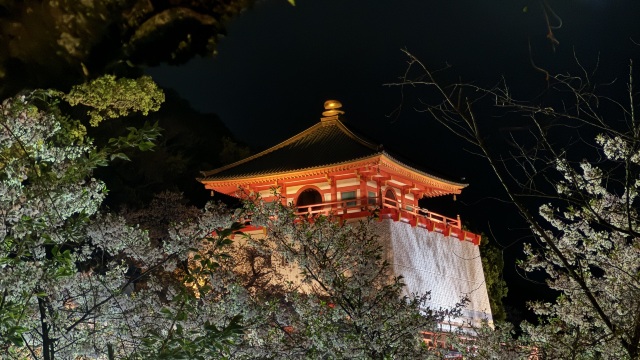
5/5
From childhood to adulthood. Some people also worship Guanyin. This time I came to Kimiiji Temple in Wakayama to worship Guanyin. This Guanyin is one of the largest Guanyins.
Wakayama Attraction #12: Engetsu Island
Engetsu Island is the symbol of Shirahama and often graces postcards from Wakayama. At its center, a circular opening carved by the waves over many years gave the island its name, “Engetsu Island". .When the golden sun sets right into the natural sea arch at the island’s center, the scene is especially captivating.
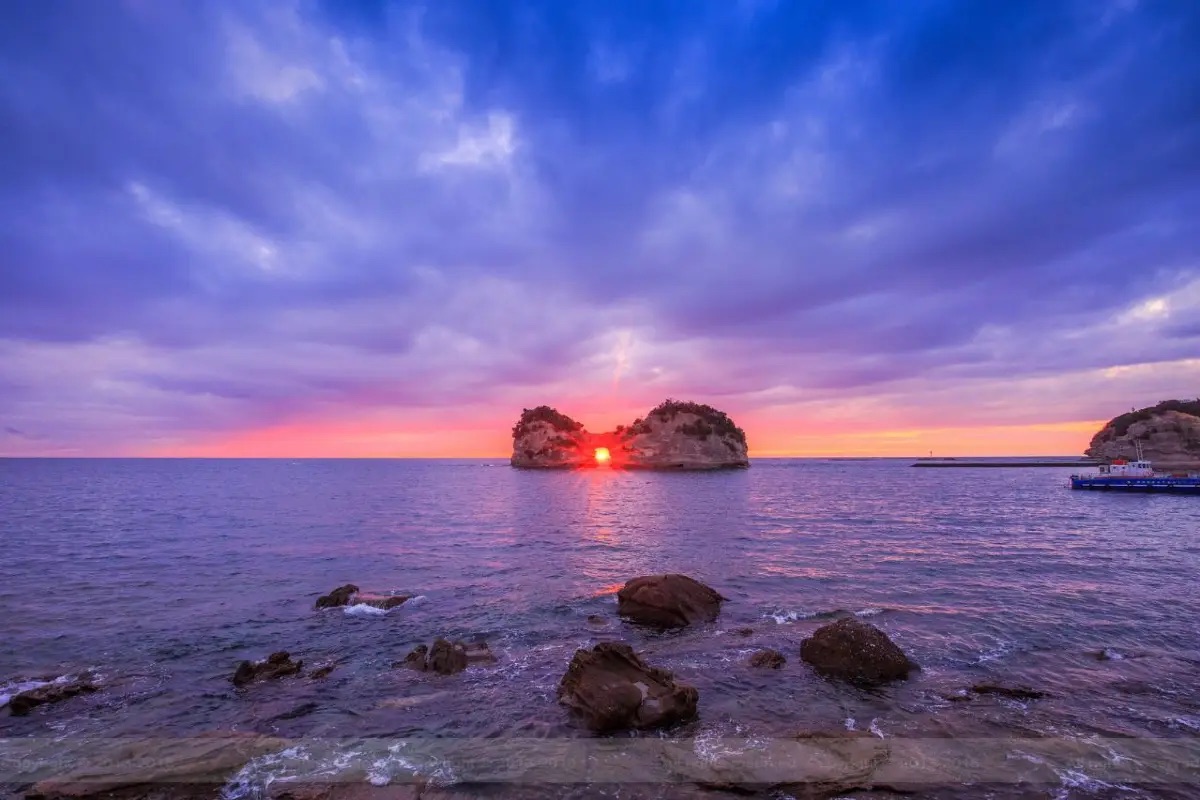
Famous sunsets from Engetsu Island attract travelers worldwide to admire.
Reviews of Engetsu Island
4.6/5
13 reviews5/5
Unforgettable sunset night view. The five of us rented a car and stayed at Shirahama Onsen Hotel. Entsuki Island is near the hotel and it took us about 5 minutes to drive there.
Before we set out for Yuanyuewu, we checked the sunset time so we didn't miss it.
As 円月乌 is close to the sea, the weather is relatively cool, so please bring warm clothes when visiting in autumn or winter.

5/5
Engetsuto is a beloved symbol of Shirahama.
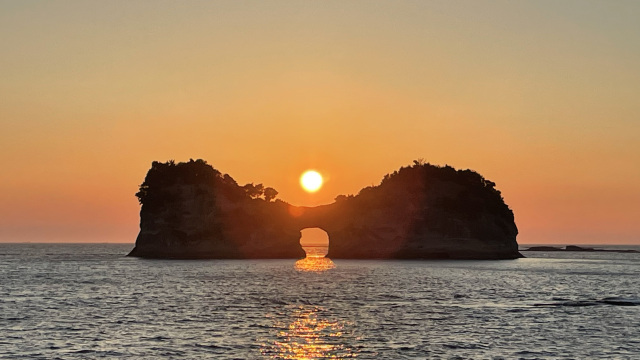
Officially known as "Takashima," it is a small island in the waterfront measuring approximately 130m north to south, 35m east to west, and 25m high, but it is affectionately known as "Engetsuto" because of the moon-shaped hole that exists in the middle of the island.
The sunset over Engetsuto has been selected as one of the "100 Best Sunsets in Japan," and the beauty of the setting sun is exceptional, and in spring and autumn, there are even moments when the sun sets into the hole.
5/5
Engetsu Island is a representative attraction of Shirahama. There is a sea cave in the center of the island that looks like a full moon, so it is called "Engetsu Island".
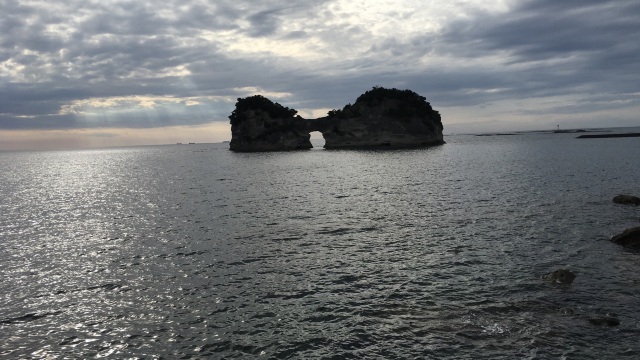
5/5
Before setting off, please check the sunrise time. Arrive 30 minutes before sunrise to wait for the sunrise descent.
Because it is at the beach, remember to wear more clothes to keep warm.
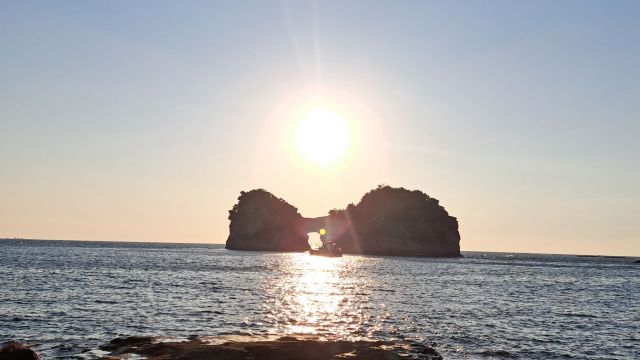
5/5
This is an uninhabited island, named after the crescent-shaped gap in the middle of the island eroded by the sea. The best time to view it is at sunset, when the sun forms a beautiful pattern in the gap.
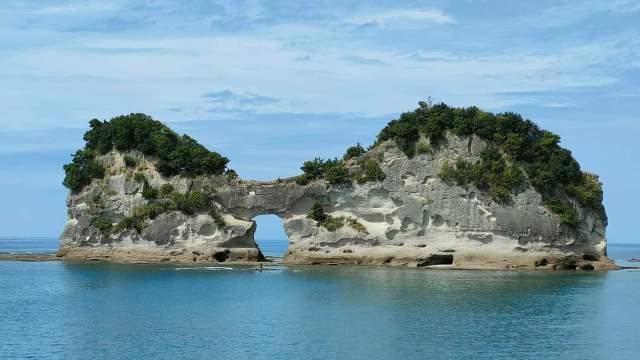
Wakayama Attraction #13: Kumano Nachi Taisha
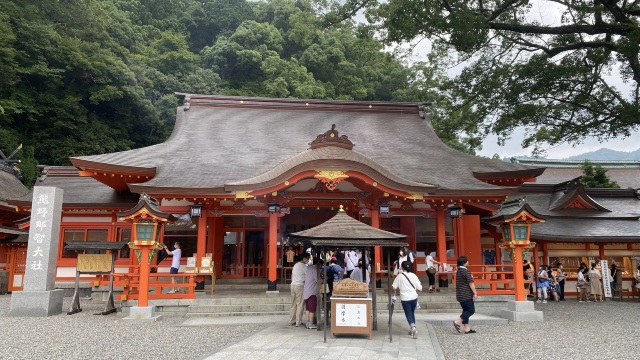
Kumano Nachi Taisha sits high on Mount Nachi, enshrining 12 deities along with the god of the waterfall, and serves as the head shrine of the Kumano shrines.
Matchmaking here is said to be especially effective, earning it the nickname the “Matchmaking Shrine”.
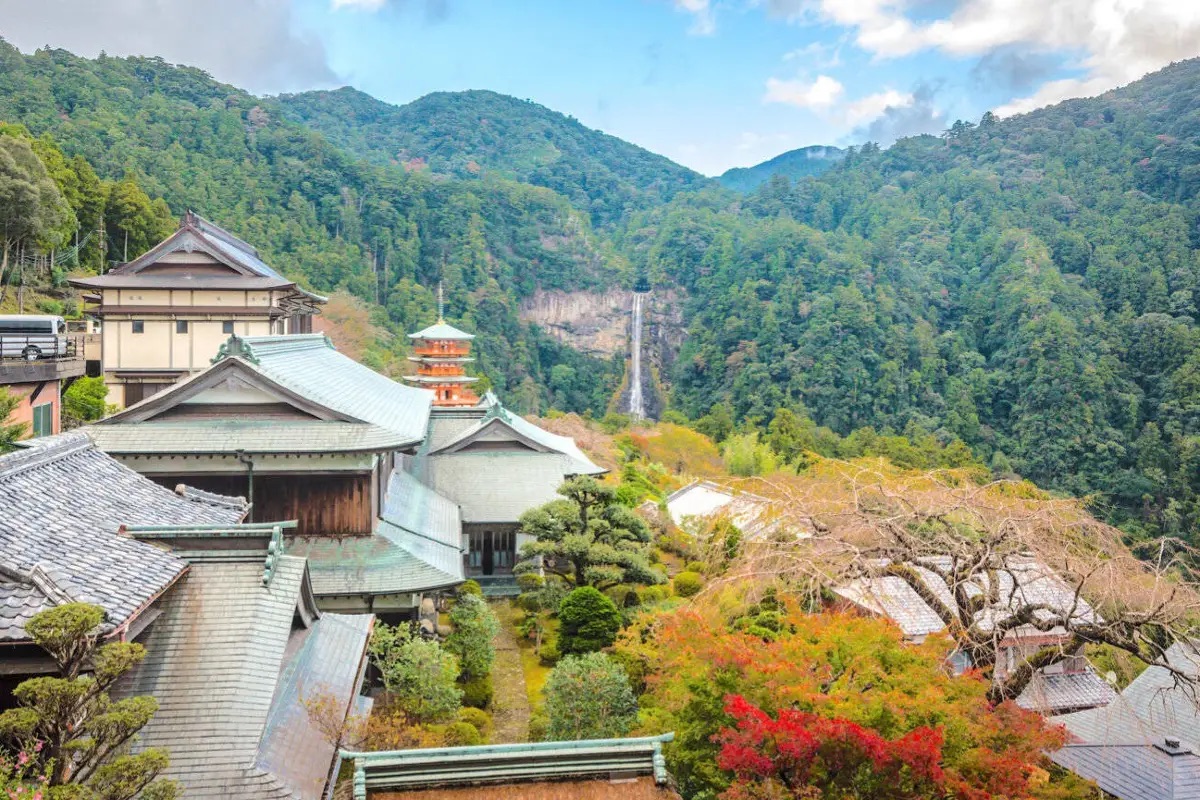
See Nachi Falls shrine and pray for love at Kumano Nachi Taisha.
Reviews of Kumano Nachi Taisha
4.7/5
8 reviews4/5
From Osaka Airport, it takes 4-5 hours by JR train to reach the must-see Nachi Taisha Shrine in Nachi. Over a hundred years of history. I sincerely pray that everything goes well
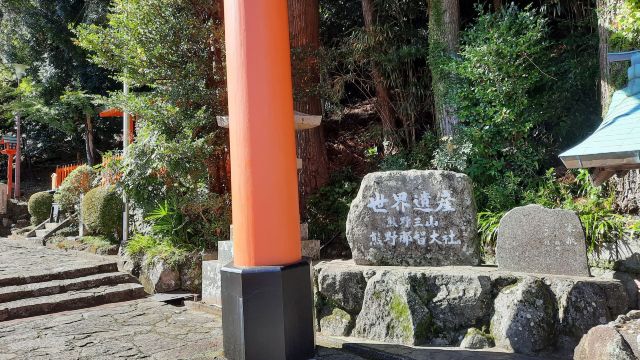
5/5
This shrine is located in Nachikatsuura, Higashimuro District, Wakayama Prefecture, Japan. It was formerly a shrine designated as a medium-sized shrine on the official coin. It is one of the Kumano Three Mountains. The principal deity is Kumano Fusumi-no-Okami.
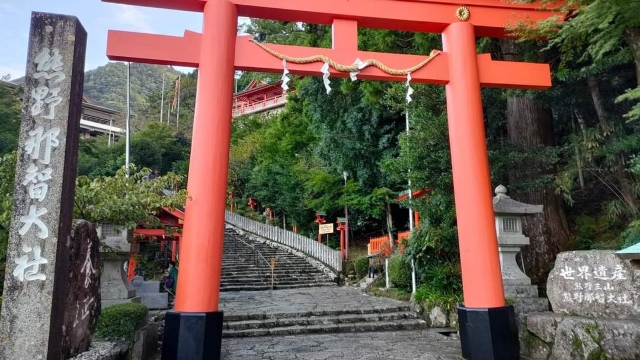
5/5
Located in Nachi-katsuura-cho, Higashimurou-gun, Wakayama Prefecture, Japan, this shrine is one of the Kumano Sanzan (Three Great Shrines of Kumano).
From the parking lot of Kumano Nachi Taisha Shrine, there is a very steep staircase leading up to the shrine; older people are advised to bring a hiking pole.
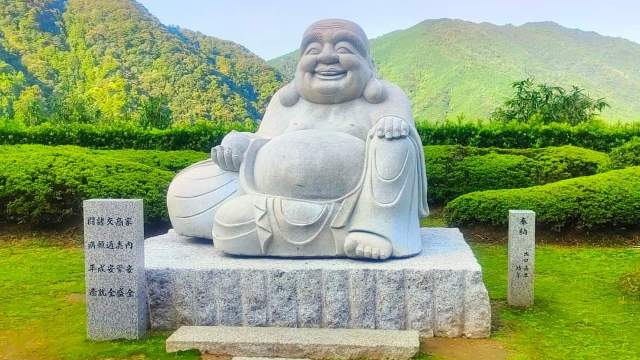
4/5
I got a lot of energy from the impressive shrine! The wooden stamp book was also wonderful!
Wakayama Attraction #14: Seiganto-ji Temple
Seiganto-ji sits right next to Kumano Nachi Taisha, making it easy to visit both at once. Dedicated to Kannon, this temple has more than 1,600 years of history.
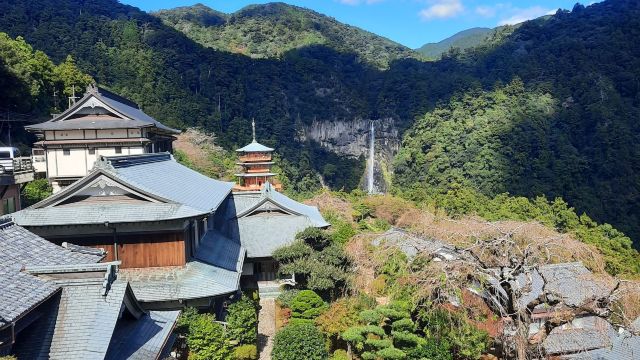
Its vermilion three-story pagoda set against the cascading Nachi Falls creates a breathtaking scene that attracts many photography lovers. Inside the pagoda, an observation deck lets you admire the powerful waterfall up close and gaze out over the Pacific Ocean in the distance.
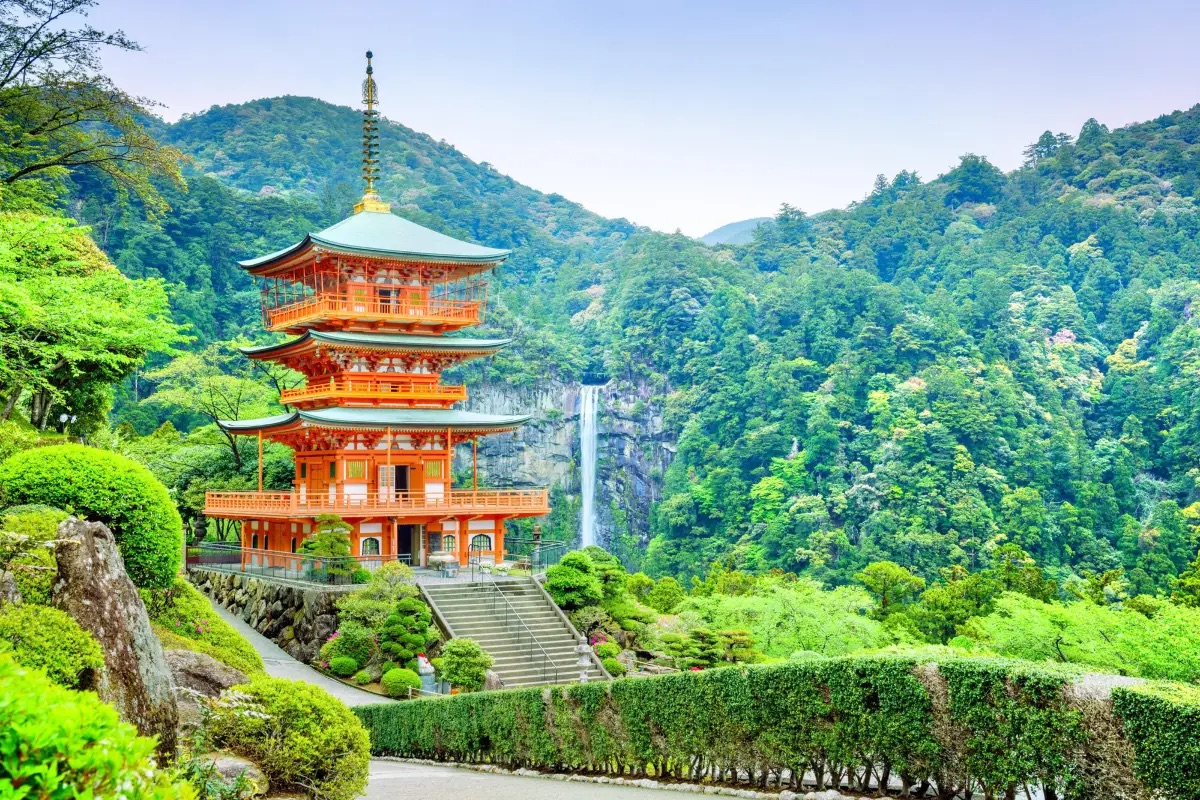
Seiganto-ji pagoda deck offers waterfall and ocean views.
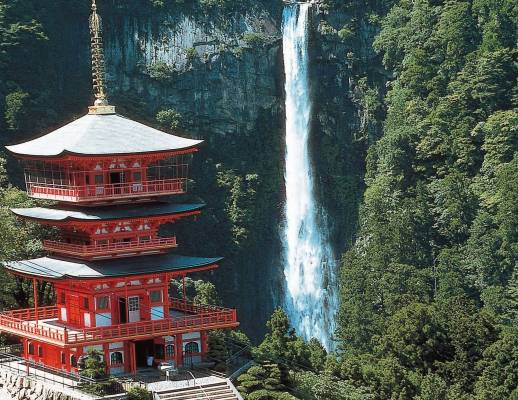
Nachisan Seiganto-ji Temple
Historic Guanyin Origin
Cultural Landmark
Wakayama Attraction #15: Okunoin
Okunoin, the mausoleum of Kobo Daishi (Kukai) on Mount Koya, is home to Japan’s largest cemetery, with more than 200,000 tombstones. Many of the nation’s most important historical figures are memorialized here, including Tokugawa Ieyasu and Oda Nobunaga, creating a profoundly solemn, reverent atmosphere.
Strolling along stone paths flanked by ancient cedar trees, you’ll feel the tranquil, spiritual energy—and find yourself paying deep respect to the great Shingon Buddhist master.
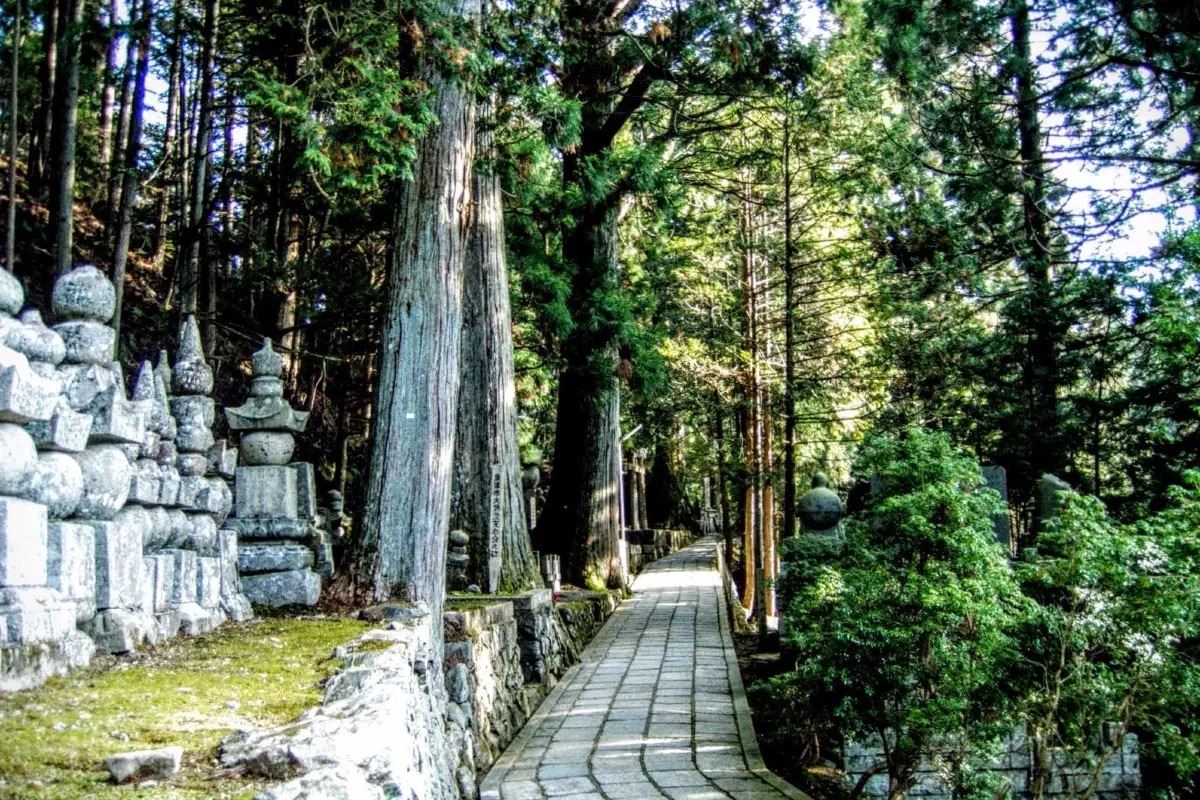
Tranquil paths lined with ancient cedars in Okunoin.
Wakayama Attraction #16: Kongobu-ji Temple
Kongobu-ji Temple is the spiritual heart of Mount Koya (Koyasan) and an important place for quiet retreat. The temple’s architecture features a distinctive rainwater bucket system—a special design intended for firefighting in the event of a blaze.
Don’t miss Banryutei, Japan’s largest rock garden, where raked sand and sculpted stones express the refined artistry of Japanese garden design. While you’re here, you can also take part in spiritual practices such as sutra copying and a precepts ceremony.
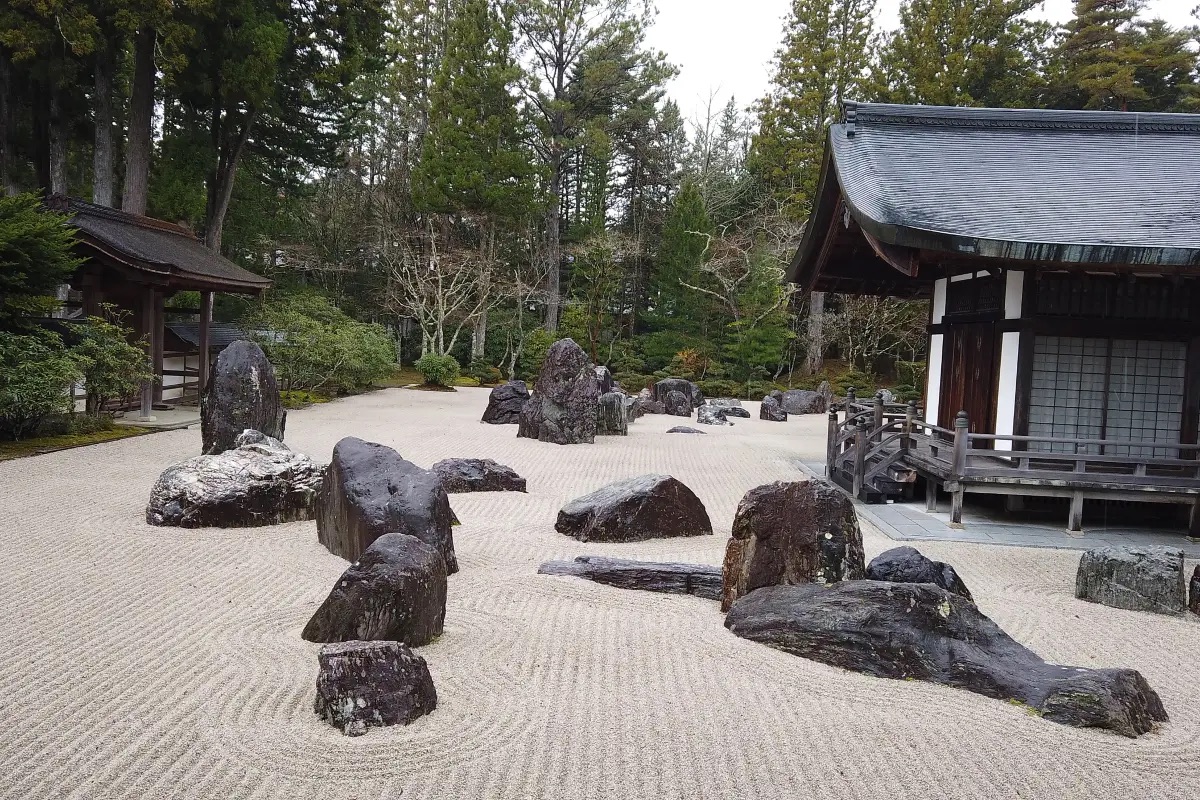
Visit Banryutei, Japan’s largest artistic rock garden.
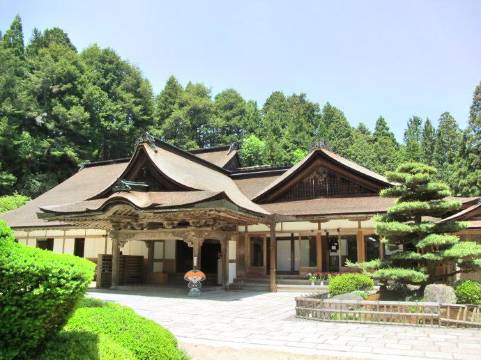
Kongobu-ji Temple
Largest Dry Rock Garden
Historic Shingon Sect Headquarters
Wakayama Attraction #17: Katsuura Onsen (Hot Springs)
You’ll find plenty of well-known hot spring inns and hotels to choose from, and the nearby Katsuura Fishing Port is famed as the home of bluefin tuna, landing the largest catch in Japan.
After a relaxing soak, you can head straight out to enjoy fresh tuna dishes.

Katsuura Onsen is a hot spring area bubbling up at the foot of Mount Nachi.
Wakayama Attraction #18: Kushimoto Marine Park
Kushimoto Marine Park has been around since the 1970s, inviting you to explore the ocean world with its aquarium, undersea observation tower, and underwater sightseeing boat.
The aquarium’s giant tank spotlights the lush coral ecosystems of Kushimoto’s waters, nurtured by the warm Kuroshio Current.
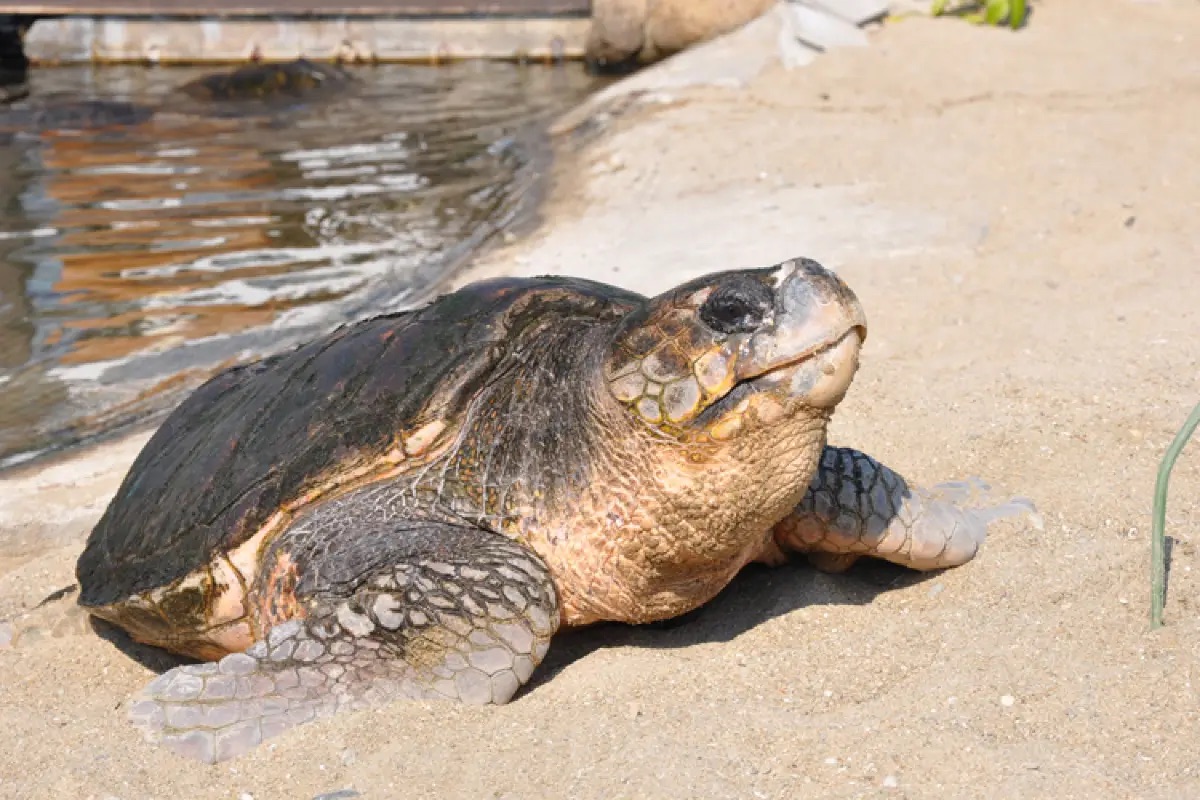
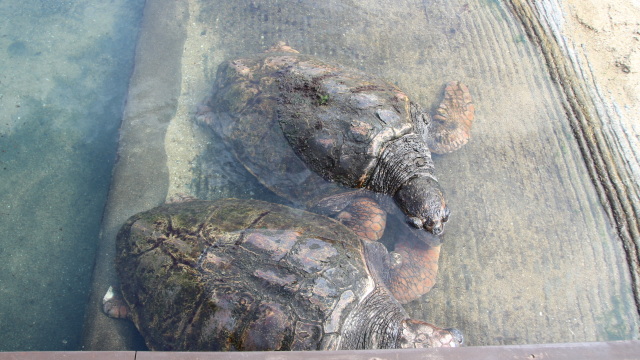
Kushimoto Marine Park is one of the few aquariums where you can feed sea turtles.
Reviews of Kushimoto Marine Park
4.7/5
3 reviews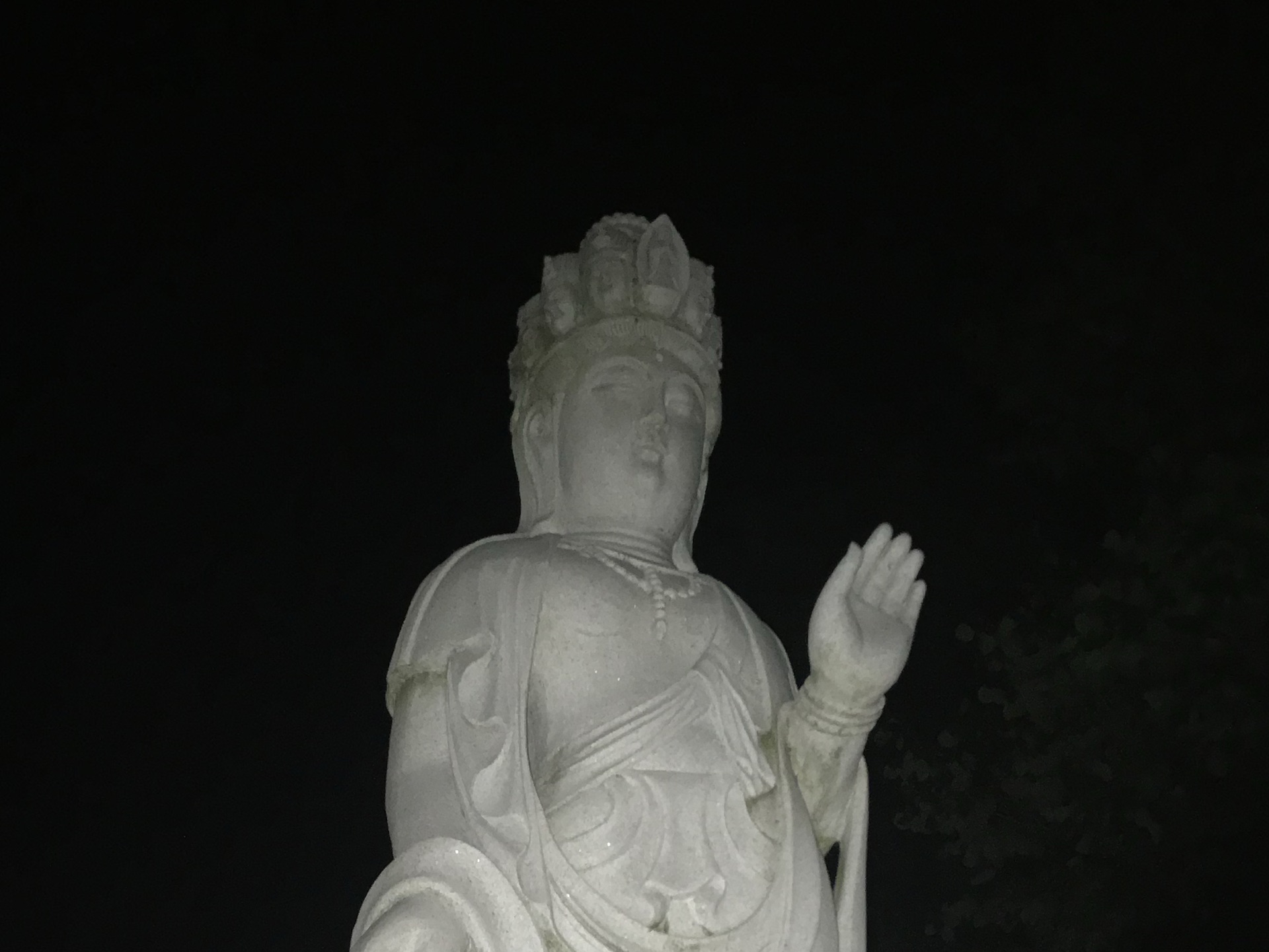
5/5
Kushimoto Marine Park was a wonderful facility where we could enjoy the beautiful marine ecosystem up close. In particular, the underwater observation tower allowed us to peer into the ocean in its natural state, and we were impressed by the colorful fish swimming about. The aquarium was also well-equipped, and was full of attractions unique to Kushimoto, such as the opportunity to feed sea turtles and coral displays. The explanations given by the staff were easy to understand, and it was also great to learn about the marine environment. This was a recommended spot for nature lovers and families, where you can enjoy the crystal clear waters.

5/5
It's so much fun! I recommend it!
When I went there (September), there was a tank with a newborn baby sea turtle and a tank with baby sea turtles born last year next to each other, so you can compare them, and they are all swimming so hard and cute. You can even touch them directly!
Outside there is a tank with large sea turtles! I don't think there are many places in Japan where you can see so many sea turtles up close.
You should definitely go into the underwater tunnel outside. It's amazing to be able to see corals, tropical fish, and schools of small fish without having to dive.
The rocks before the underwater tunnel are also recommended for observation.
It's a facility that sea creature lovers can't get enough of!
There was a discount with JAF!
Tip: I wanted to go to Kumano Taisha Shrine, so I rented a car from Nanki Shirahama Airport to Nachikatsuura and stayed there for two nights. I stopped by on the way back. I stopped by Hashiguiiwa, Kashino, the monument at the southernmost point of Honshu, and other places before heading to the airport. It was just the right time.
4/5
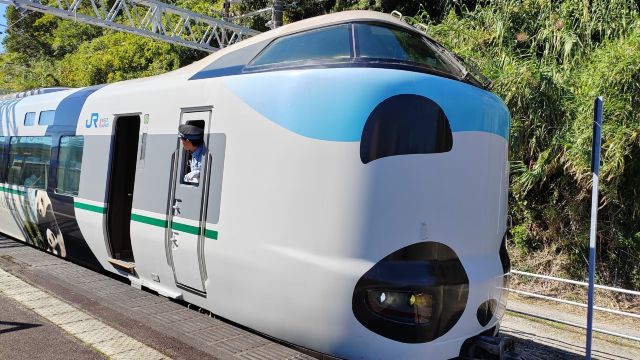
From Wakayama, take the Panda-head JR Kuroshio to the southernmost station of Honshu, Kushimoto. There is also a free bus to the Marine Park at Kushimoto Station.
How to Get from Osaka to Wakayama?
How do you get from central Osaka to Wakayama? Our Trip.com editors have rounded up the three main ways to make the trip—check them out below!
To Travel in Osaka and Kansai | Find my Osaka-Japan
JR
If you’re staying near the JR Osaka Loop Line, it’s easy to hop on the JR Hanwa Line to reach Wakayama.
Trains run frequently, and the JR Kansai Area Pass is valid on this route. Want to arrive even faster? Take the JR Kuroshio Limited Express from Shin-Osaka Station, platform 3—it gets you to Wakayama in as little as 49 minutes.
Nankai Electric Railway
From Osaka’s Namba and Shin-Imamiya areas, you can hop on the Nankai Electric Railway for a direct ride to Wakayama City. The journey takes about 1 hour and costs 970 yen. You can use the Kansai Railway Card or a Nankai Electric Railway ticket—and the Kansai Railway Card also works on city buses in Wakayama, making it super convenient!
Bonus tip: If you’re planning to spend five days exploring Wakayama, we recommend picking up the JR Pass Ise + Kumano + Wakayama Area 5-Day Pass. This pass not only covers JR lines within Wakayama Prefecture, but also includes Kumano Kotsu buses, the Wakayama Electric Railway, and JR routes connecting Ise, Nagoya, and Osaka. With this one pass, you can stop stressing about public transportation in Wakayama—it’s a super convenient choice we highly recommend!
Driving (Rental Car)
Car Rentals
Car Rental Promo Code - 8% Off
New User Enjoy up to 8% Off
TRIPCAR8
To wrap up, we highly recommend exploring Wakayama by car. Wakayama Prefecture covers a large area, and attractions can be quite spread out, so having your own wheels makes getting around a breeze. Head to Trip.com now, use a coupon to book your rental car, and enjoy 8% off!
Best Areas to Stay in Wakayama?
Top Hotels in Wakayama
See All Hotels



Recommended One-Day Itineraries in Wakayama
Time Slot | Itinerary |
Morning | Wakayama Castle → Lunch at Kuroshio Market |
Afternoon | Hiking the Kumano Kodo |
Evening | Stroll through Wakayama Marina City and soak up the sea breeze. |
See all attractions
![[Private Charter] 1-Day Tour of Kumano-Kodo Nakahechi Pilgrimage Route in Japan | Customize Your Itinerary](https://ak-d.tripcdn.com/images/0353o12000mrpa1zn8094_C_568_320.jpg)
What Are the Top Food Picks in Wakayama?

Local Wakayama Ramen
Wakayama Food #1: Ramen
In Wakayama, locals call ramen chuka-soba (Chinese-style noodles), and you’ll see it everywhere in the city—proof of how popular it is. There are two main flavors: shoyu (soy sauce) and tonkotsu-shoyu (pork-bone soy sauce). Wakayama’s soy sauce is famous, so it’s no surprise the shoyu ramen here is especially delicious.
Wakayama Eats #2: Longtooth Grouper (Kue) Hot Pot
Thanks to its prime coastal location, Wakayama is blessed with an abundance of seafood that’s crafted into all kinds of delicious ocean-inspired dishes. Beyond sashimi, a standout is the live fish hot pot—so fresh that even the broth brims with the sea’s umami. Don’t miss it when you visit Wakayama!
Wakayama Cuisine #3: Wakayama Beef
Kumano Beef is one of Wakayama’s most celebrated wagyu brands, with melt-in-your-mouth tenderness. It’s best savored as yakiniku, where its top-tier flavor truly shines. If you’re a beef lover visiting Wakayama, make sure to find a yakiniku restaurant and give Kumano Beef a try!
FAQs about Wakayama
-
How do I get to Wakayama?<br>
-
What are must-see spots in Wakayama?
-
Where can I stay in Wakayama?
-
What’s the best season to visit Wakayama?
-
How to explore in one day in Wakayama?
Disclaimer: This article has been provided by an individual contributor or third party platform. If there is any discrepancy regarding the copyright, please contact us directly and we will delete the content immediately.
Popular Searches
-
Getting Around
-
Popular Attractions
-
Connectivity
-
Popular Content
- Haruka Express
- Phuket Taxi
- Octopus Card Hong Kong
- Shanghai Maglev Train
- Shanghai Pudong Airport Transfer
- jr tokyo wide pass
- Foshan Metro
- Kyoto Station
- Guangzhou Airport to City
- Keisei Skyliner
- Chongqing Metro
- China Train Business Class vs Second Class
- Shanghai Airport Transfers
- Hotels near LAX with Shuttle
- Narita Airport to Shinjuku
- Macau to Hong Kong
- Fuzhou Airport
- Forbidden City Tickets
- Zhangjiajie National Forest Park
- Shanghai Wild Animal Park
- Shanghai Tower Tickets
- Shanghai Disneyland Tickets
- Huangshan
- Canton Tower Tickets
- Book China Attraction Tickets with Passport
- shanghai to wangxian valley
- Shanghai Disneyland Fast Pass
- Summer Palace Tickets
- Universal Studios Beijing Tickets
- Shanghai Disneyland Crowd Forecast
- universal studios japan tickets
- Yu Garden Tickets