




2026 Japan Travel: Vacation Pacakges, Cost & Tips
Japan Vacation Packags: Flight & Hotel Deals for Japan Travel
Japan Hotel Coupon | Up to 10% off for new Trip.com users for ALL JAPAN HOTELS
*Please note that the promo codes are only valid when payment is made in USD, THB, SGD, and HKD.
Japan Travel: Arriving in Japan
Before Your Japan Travel
Japan Entry & Exit
Getting Around in Japan

Ready to embark on an adventure to Japan?🌸 This guide will help you with everything you need for your journey, including tips on managing costs, understanding the time difference, preparing for the weather, and understanding cultural norms. We also provide practical tips to make your visit as enjoyable as possible. So, be sure to read this guide before you head to Japan~ 💕
Japan will raise its departure tax in 2026, adding up to US$20 to flights. Book now on Trip.com to lock in lower rates, and stay tuned for updates from the Japan Tourism Agency and Ministry of Finance.
Trip to Japan Info

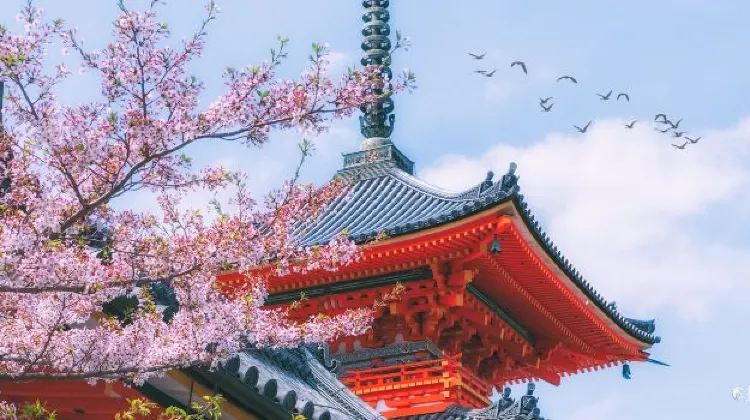
Japan, an island nation that extends from Hokkaido in the north to Okinawa in the south, includes thousands of islands and offers a wide variety of sights and activities. Japan experiences four distinct seasons—spring, summer, autumn, and winter—each bringing its unique natural beauty and seasonal foods. April is a particularly special time when many parts of the country are decorated with the famous cherry blossoms. Japanese cuisine, a major part of any trip, varies widely across its 47 prefectures, each presenting local ingredients and culinary traditions.
Despite its varying landscapes from mountain areas to city areas, Japan’s efficient train system makes traveling across the country very easy. Speaking even a little Japanese can greatly improve your experience, and while local people are generally quiet and polite in public, they are incredibly welcoming and helpful to foreign visitors. Known globally for its ultra-low crime rate, impeccable safety standards and cleanliness, Japan remains one of the most wonderful and safe destinations for travelers around the world.
Category | Details |
|---|---|
Population | Approx. 123-124 million, predominantly ethnic Japanese, with minority groups including Ainu, Ryukyuan, resident Korean and Chinese communities |
Language | Japanese (official and widely spoken); English is commonly used and understood in major cities, tourist areas, hotels and shopping districts |
Currency Exchange Rate | Official currency: Japanese Yen (円, ¥, JPY). As of June 2026: 1 JPY = 0.0063 USD, 1 JPY = 0.0054 EUR, 1 JPY = 0.0080 SGD |
Time Difference | Japan Standard Time (GMT+9, no daylight saving time). 13 hours ahead of New York, 8 hours ahead of London, 1 hour ahead of Singapore |
Best Time to Travel | Cherry Blossom Season: Late March – Early April; Autumn Foliage Season: Mid-November – Early December (mild weather and iconic seasonal scenery) |
Visa Policy for Key Countries (Short-term Tour ≤90 Days | Visa-free entry: USA, UK, Singapore, all EU member states (official reciprocal visa exemption policy fully implemented). eVisa available: Multiple eligible countries support online visa application for tourist visits |
Visa Transit Policy | Most international transit passengers staying exclusively in the airport sterile transit area for under 72 hours are exempt from visas; nationality-based exceptions apply to individual travelers |
How Much is a Vacation to Japan?

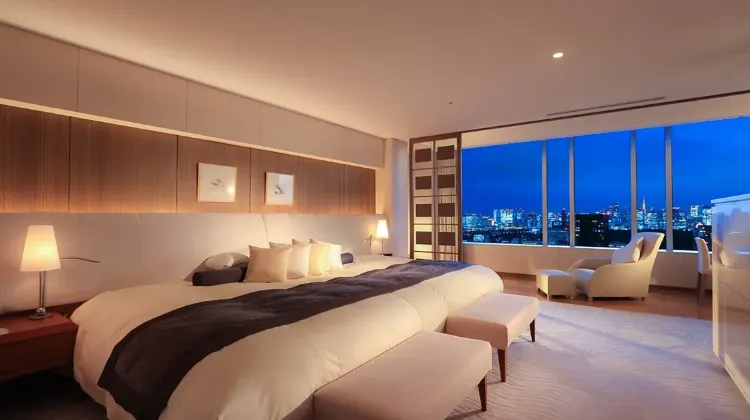
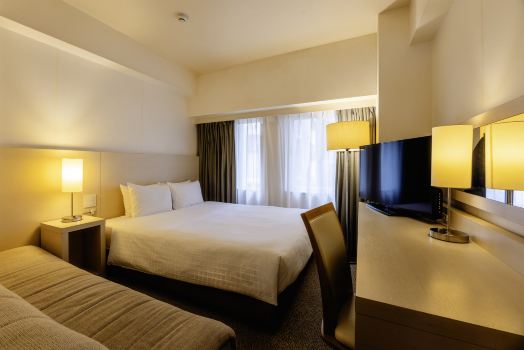
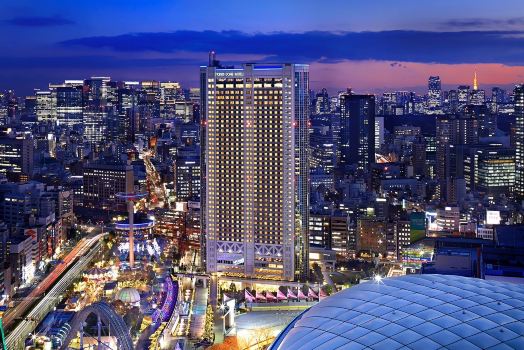
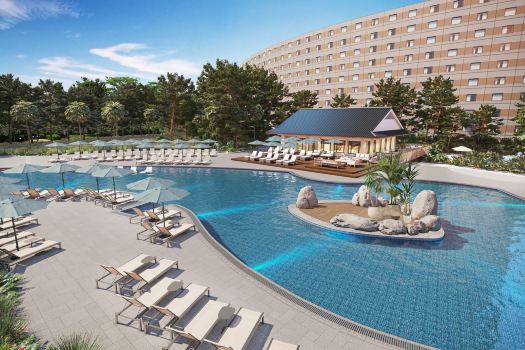
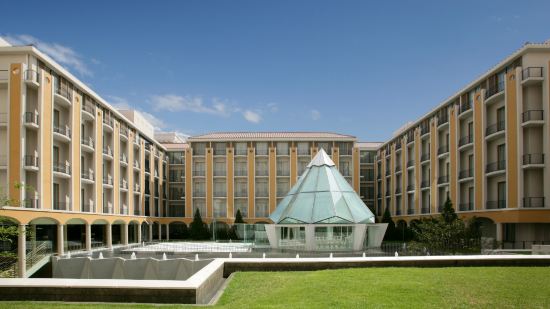
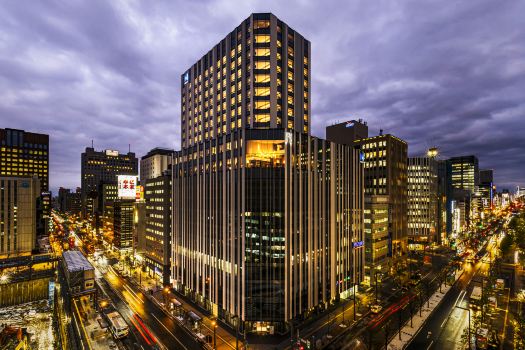
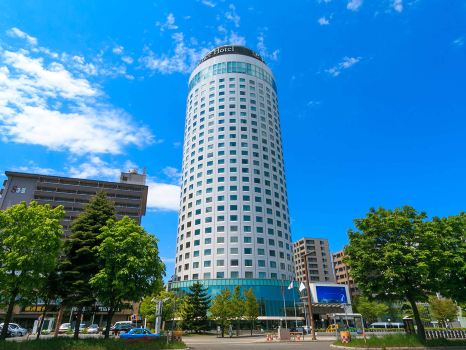
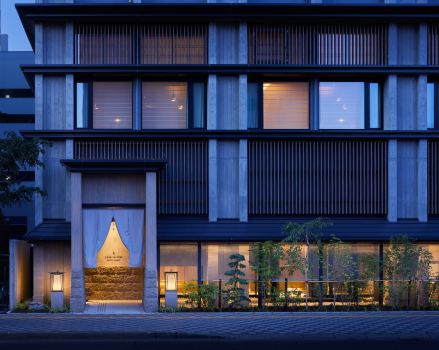
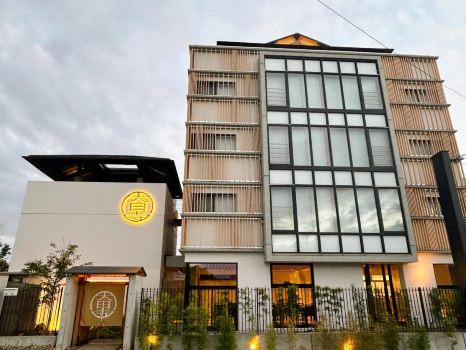
Tokyo 5 star Hotel
Japan is considered a moderately expensive destination, but budget-friendly travel is fully accessible for all types of travelers. Major travel expenses include international flights, accommodation, mobile network (Japand eSIMs/Wi-Fi), local transportation (including JR Pass), dining, scenic attraction tickets and souvenirs. As of 2026, a standard 2-night 3-day budget trip to Japan costs approximately $750 to $1,500 per person, covering round-trip US economy flights ($480–$1,150), budget accommodation ($35–$90 per night), local public transport ($25–$45), daily casual meals ($55–$90), and mainstream sightseeing activities. For extended stays, family trips or luxury travel with high-end lodging and fine dining, total costs range from $950 to over $10,000, fluctuating with travel seasons and personal consumption choices. Peak travel seasons (cherry blossom, autumn foliage, Golden Week) typically raise accommodation and overall costs by 25%–40%.
Round-trip economy flights from the US to Tokyo range from $480–$1,150 in shoulder seasons, with peak seasons exceeding $1,200. Budget hotel rooms start at $18–$45 per night (capsule hotels/hostels), mid-range business hotels cost $50–$140 per night, and luxury five-star hotels in Tokyo are priced at $485+ per night. Japan’s public transport remains highly affordable: single subway or local train tickets cost $1–$4. Dining options fit all budgets perfectly: convenience store meals and street food cost $3–$8 per meal, casual restaurant meals range from $8–$18, and mid-range daily dining expenses average $140–$230. The sustained weak yen in 2026 has lowered overall local consumption costs, making daily travel spending more cost-effective than previous years. Advanced budget planning and off-peak travel can further cut travel expenses significantly.
Category | Detail | Cost (USD) |
|---|---|---|
USA to Tokyo (Round-trip, Economy) | $500 - $1,500+ | |
London to Tokyo (Round-trip, Economy) | from $762 | |
Singapore to Tokyo (Round-trip, Economy) | from $336 | |
USA (San Francisco) to Osaka (Round-trip, Economy) | from $376 | |
Tokyo: Average cost of mid-range hotel (per night) | $90 - $230 | |
Tokyo: Luxury 5-star hotel (per night) | $500+ | |
Other Japanese cities: Mid-range hotel (per night) | $55 - $140 | |
Food | Street food / Fast food (per meal) | $3 - $8 |
Casual dining (per meal) | $8 - $20 | |
Mid-range restaurants (per meal) | $20 - $50 | |
High-end restaurants (per meal) | $100 - $200+ | |
Souvenirs | Japanese snacks and sweets | $3 - $20 |
Traditional crafts and goods | $20 - $200+ | |
Anime and pop culture merchandise | $3 - $30+ | |
Transportation | Subway/train (single ride) | $1.03 - $2.25 |
Bullet train (Shinkansen, long-distance) | $100 - $200+ | |
Buses (single ride) | $2 - $5 | |
Taxis (starting price) | $3.15 - $4.73 | |
Rental car (per day) | $50 - $80 | |
Attraction | Temples and shrines (admission fee) | $2 - $5 |
Museums and galleries (admission fee) | $5 - $20 | |
Theme parks (admission fee) | $20 - $80 | |
Onsen (hot springs, per visit) | $5 - $30 | |
Communication | Rental Wi-Fi router (per day) | $7 - $12 |
eSIM card (unlimited data) | From $0.12 |


Prices in Japan

Introduction to Japanese Currency
The official currency of Japan is the yen, represented by the symbol ¥ and currency code JPY. As of June 2026, the approximate exchange rates are 1 JPY = 0.0063 USD, 1 JPY = 0.0080 SGD and 1 JPY = 0.0054 EUR. This reference is essential for travelers to convert currency and formulate accurate travel budgets for local expenses.
Cost of Living Summary
The cost of living in Japan varies significantly by city, season and personal lifestyle. The estimated monthly living expenses for a family of four (excluding rent) average around $2,780, while a single person’s monthly living costs without rent are approximately $790. Overall, Japan’s average cost of living is about 31% lower than the United States, with rental costs roughly 65% cheaper than US urban areas. Weakened yen exchange rates in 2026 further reduce travel and short-term stay costs for international visitors, making Japan more cost-effective for travelers.out rent. Overall, the cost of living in Japan is roughly 33.1% lower than in the United States, with rent being about 67.3% cheaper on average. Understanding these costs can help manage expectations and budget planning for both visitors and potential expatriates.
Category | Cost Item | Cost (USD) | Average Cost (¥) | Cost Range |
|---|---|---|---|---|
Restaurants | Meal, Inexpensive Restaurant | $6.42 | 1,003.12 | $3.85 - $10.91 |
Meal for 2, Mid-range, Three-course | $38.50 | 6,015.62 | $25.67 - $128.33 | |
McMeal at McDonalds | $4.81 | 751.56 | $4.17 - $5.77 | |
Market Items | Milk (1 liter) | $1.37 | 213.75 | $1.03 - $1.86 |
Eggs (12 pieces) | $2.11 | 329.69 | $1.45 - $2.69 | |
Chicken Fillets (1kg) | $5.93 | 926.56 | $2.57 - $8.98 | |
Apples (1kg) | $4.49 | 701.56 | $2.30 - $9.19 | |
Transportation | One-way Local Transport Ticket | $1.41 | 220.31 | $1.03 - $2.25 |
Monthly Public Transport Pass | $51.33 | 8,020.31 | $32.08 - $102.67 | |
Taxi Start (Normal Tariff) | $3.72 | 580.47 | $3.08 - $5.00 | |
Utilities (Monthly for 85㎡ Apartment) | Basic Utilities (Water, Electricity, Gas) | $158.84 | 24,821.25 | $96.25 - $295.16 |
Internet (60 Mbps, Unlimited Data) | $32.16 | 5,025.00 | $25.67 - $44.92 | |
Clothing and Shoes | 1 Pair of Jeans (Levis 501 Or Similar) | $40.83 | 6,379.69 | $19.19 - $64.17 |
1 Summer Dress (Zara, H&M) | $29.87 | 4,667.19 | $12.83 - $51.33 | |
1 Pair of Nike Running Shoes | $55.32 | 8,637.50 | $32.08 - $79.15 | |
Rent Per Month | Apartment (1 bedroom) in City Centre | $554.59 | 86,636.72 | $384.99 - $1,122.90 |
Apartment (3 bedrooms) in City Centre | $1,154.72 | 180,364.06 | $641.66 - $3,208.29 |
Japan Season, Weather & Clothing

Source from Weather Guide
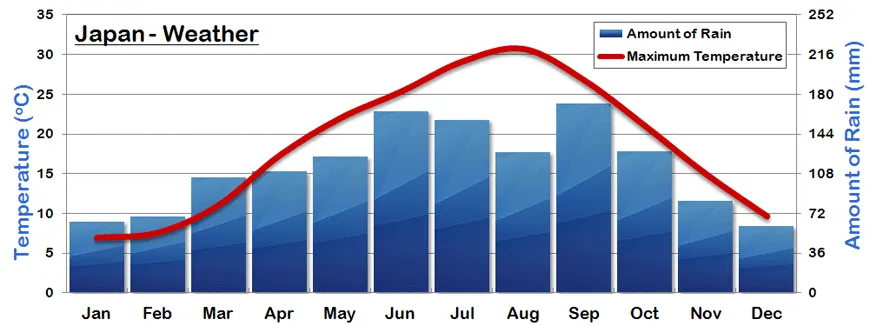
Japan features diverse climate conditions across regions, with hot and humid summers and cold winters influenced by Siberian air currents in the northwest. Most annual rainfall occurs in June (rainy season), followed by the annual typhoon season, runs primarily from June to October with August-September being peak months. An average of about 3 typhoons making landfall per year. Spring and autumn are short but extremely pleasant, with spring’s cherry blossom season standing as the peak tourist period. Understanding seasonal weather rules and regional climate differences is crucial for scientific packing and comfortable travel.
Seasons and Top Places to Visit in Japan
Season | Temperature Range | Description | Top Places to Visit |
|---|---|---|---|
Spring | 2°C - 24°C | Mild and delightful weather with blooming cherry blossoms and various seasonal flowers. The annual Golden Week holiday in spring attracts a large number of tourists, making it a peak travel season. | Hirosaki Park, Aomori; Ashikaga Flower Park, Tochigi; Fuji Five Lakes, Yamanashi |
Summer | 16°C - 30°C | Starts with the June rainy season, followed by hot and humid weather. Ideal for beach vacations, lake activities, mountain retreats, and experiencing traditional local summer festivals and fireworks displays. | Hokkaido; Kyoto City; Okinawa Islands |
Fall | 7°C - 27°C | Cool and refreshing weather with stunning red and golden autumn foliage. It is the perfect season for outdoor hiking, sightseeing and enjoying tranquil natural scenery. | Nikko, Tochigi; Naruko Gorge, Miyagi; Chichibu, Saitama |
Winter | -6°C - 20°C | Northern regions are covered in thick snow, creating premium conditions for skiing and snowboarding. Hot spring bathing is a popular leisure activity to warm up and relax in cold winter weather. | Hakuba, Nagano; Niseko, Hokkaido; Zao, Miyagi |
Regional Weather & What to Wear in Japan
Japan’s diverse geographical terrain creates obvious regional climate differences, ranging from cold snowy winters in Hokkaido to mild subtropical winters in Okinawa, and humid summers across central islands. Mastering regional weather features and packing accordingly ensures travel comfort and better outdoor experience.
Region | Seasonal Weather | What to Wear in Japan |
|---|---|---|
Hokkaido | Cool summers (12-28°C); Very cold winters (-25 to -4°C) with heavy snowfall |
|
North Honshu | Warmer summers (15-28°C); Cold winters with heavy snow (-10 to 20°C) |
|
Central Honshu | Warm springs and autumns; Hot humid summers (18-35°C); Cold snowy winters (-20 to 10°C) |
|
West Honshu | Similar climate to Central Honshu with slightly milder winters (-10 to 12°C) |
|
Kyushu | Hot humid summers (20-30°C); Cool mild winters (5 to 12°C) |
|
Okinawa | Mild warm winters (17-25°C); Extremely hot and humid summers (25-35°C) |
|
Tipping in Japan

Tipping is generally not practiced in Japan and can even be considered inappropriate or rude. Japan’s service industry provides standardized high-quality service as a professional obligation, with staff receiving fixed salaries without relying on tip income. This differs greatly from the US tipping culture. In Japan, sincerely saying "arigato gozaimasu" (thank you very much) is the most customary and respected way to express gratitude.
Tipping is only occasionally acceptable for high-end personalized services targeting international tourists. Specific norms are listed below:
Service | Tipping Practice | Typical Amount | Notes |
|---|---|---|---|
Restaurants and Bars | Generally not expected. Otoshi (mandatory table cover charge) may apply | Not applicable | Otoshi includes a complimentary small appetizer, replacing the function of tips |
Taxi Drivers | Not expected | Not applicable | Standard professional service includes clean vehicles, white-glove service and exact change giving |
Tour Guides | Appreciated for excellent customized service for international tourists | Customary | Place tips in an envelope, hand over with both hands and bow slightly to show respect |
Geishas and Traditional Ryokans | Appreciated for exclusive cultural immersive services | $20 (3,000 yen) per person for Geishas; $7 (1,000 yen) per person for Ryokan attendants | Must be presented in a sealed envelope with both hands and a slight bow |
Japan Travel Advice
Japan is renowned for its ultra-low crime rate and high public safety standards, but travelers still need to master practical safety rules and local etiquette for a smooth trip. The country is frequently affected by natural disasters such as earthquakes and tsunamis, so it is essential to stay updated with official alerts from the Japan Meteorological Agency. Travelers must carry valid identification documents at all times and strictly abide by Japan’s extremely strict drug control laws.Key Travel Precautions
Key Travel Precautions
- Natural Disasters: Always follow local official guidance during earthquakes, tsunamis and typhoons. Download the NHK World app for real-time multilingual emergency updates and weather alerts.
- Public Safety: Overall public security is excellent, but remain vigilant against petty theft in crowded tourist areas and avoid risky behaviors in late-night entertainment districts.
- Health & Medical Care: Pre-verify the legality of all carried prescription medications (many foreign drugs have strict entry restrictions). All medical services require upfront payment, so purchasing travel insurance is strongly recommended.
- Local Laws: Always carry your passport or residency certificate as required by local laws. Strictly abide by national drug regulations; any drug-related violations will incur severe legal penalties.
- Driving Rules: Zero tolerance for drunk driving. Drive cautiously in winter due to icy and slippery road conditions in snowy areas.
Japan Traditions and Taboos
Japanese social etiquette and cultural norms differ significantly from Western customs. Respecting local traditions can help travelers integrate better and avoid embarrassing situations:
- General Etiquette: Politeness is highly valued in Japan. Keep quiet on public transport, queue orderly and avoid littering in public areas.
- Tipping Taboo: Tipping is unnecessary and may be considered disrespectful; verbal gratitude is the proper alternative.
- Shoe Removal Rule: Remove shoes before entering private residences, traditional ryokans, temples, shrines and some specialty restaurants.
- Onsen Etiquette: Fully wash and clean your body before entering hot spring pools; never put towels into the spring water.
- Religious Site Etiquette: Dress modestly when visiting temples and shrines (avoid overly exposed clothing). Cover tattoos whenever possible, as they carry negative social stereotypes locally.
- Festival Etiquette: Watch and participate in local matsuri (traditional festivals) respectfully and follow on-site management guidelines.
Japan Safety Emergency Resources
Resource Type | Description | Access Information |
|---|---|---|
Official Websites | JNTO Global Website: Provides official disaster prevention, travel safety and emergency guidelines for foreign tourists | |
NHK World Japan: 24-hour multilingual news platform for emergency disaster and weather updates | ||
JNTO Medical Assistance: Queries for multilingual medical institutions and free symptom translation sheets | ||
Mobile Apps | Safety Tips: Multilingual app providing real-time disaster alerts and travel safety guidance | |
Emergency Call Centers | JNTO 24/7 Japan Visitor Hotline (supports English, Chinese, Korean, Japanese) | Tel: 050-3816-2787 |
Police Emergency Service (theft, dispute, safety hazards) | Dial 110 | |
Fire & Medical Emergency Service (fire, injury, sudden illness) | Dial 119 |
Top 20 Attractions for Japan Vacation

Region | City | Attraction | Highlights |
|---|---|---|---|
Kanto | Tokyo | Iconic world-class theme parks with exclusive IP rides, immersive stories and all-age family entertainment | |
Japan’s tallest structure, offering panoramic bird’s-eye views of downtown Tokyo | |||
Serene urban oasis famous for stunning spring cherry blossoms and four-season natural scenery | |||
Yokohama | Modern waterfront district with shopping, dining and beautiful port night views | ||
Nikko | UNESCO World Heritage Site featuring exquisite traditional Japanese wooden architecture | ||
Kansai | Osaka | Popular movie-themed amusement park with thrilling rides and blockbuster immersive attractions | |
Vibrant commercial district with trendy shopping, street food and lively entertainment | |||
Kyoto | Famous iconic shrine with thousands of winding vermilion torii gates | ||
Stunning gold leaf-covered Zen temple with perfect reflecting pond scenery | |||
Nara | Historic park home to hundreds of free-roaming wild sika deer | ||
Hokkaido | Sapporo | Famous white chocolate-themed park with exclusive local souvenirs | |
Central urban park hosting Sapporo’s iconic annual festivals | |||
Chubu | Fuji | Japan’s highest peak and national iconic volcanic landmark | |
Kanazawa | One of Japan’s Three Great Gardens with exquisite seasonal landscape design | ||
Nagoya | Historic castle famous for golden dolphin decorations and ancient samurai culture | ||
Chugoku | Hiroshima | World-famous peace memorial site with profound historical and educational significance | |
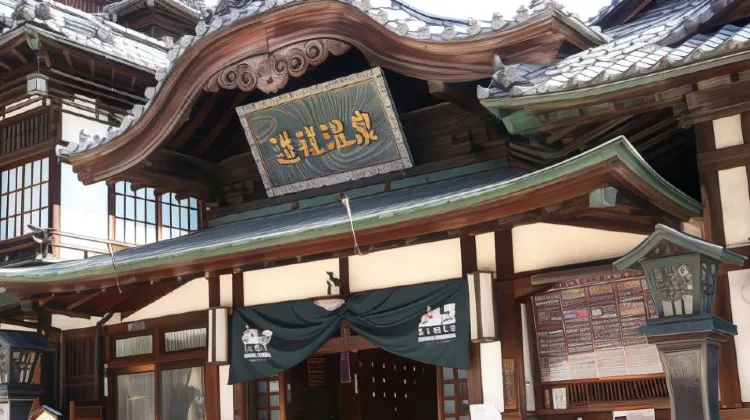
Shikoku | Matsuyama | One of Japan’s oldest traditional hot springs with classic bathhouse culture | |
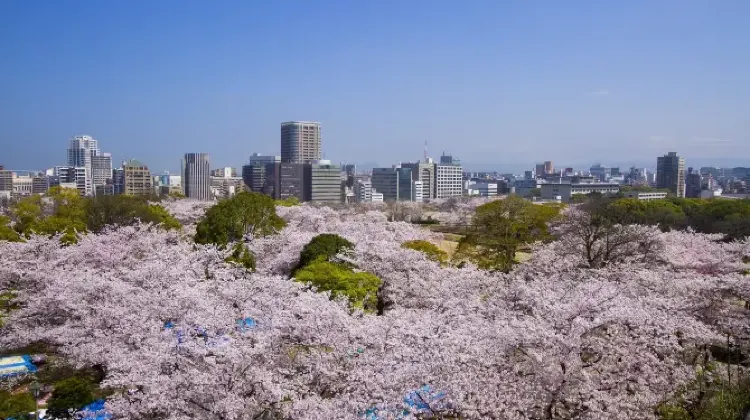
Kyushu | Fukuoka | Ancient samurai castle ruins with panoramic city views | |
Nagasaki | Educational museum showcasing WWII historical materials and peace advocacy | ||
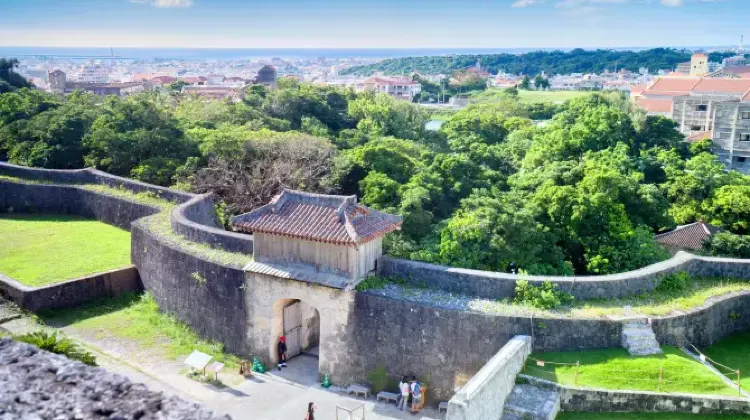
Okinawa | Naha | Former Ryukyu Kingdom royal palace with unique regional architectural culture |
Top Attractions in Kanto

Tokyo
- 🏰 Tokyo Disneyland/ Tokyo DisneySea: Dive into the magical world of Tokyo Disneyland and DisneySea, offering classic Disney stories, thrilling rides and exclusive themed experiences suitable for family travelers and adventure lovers.
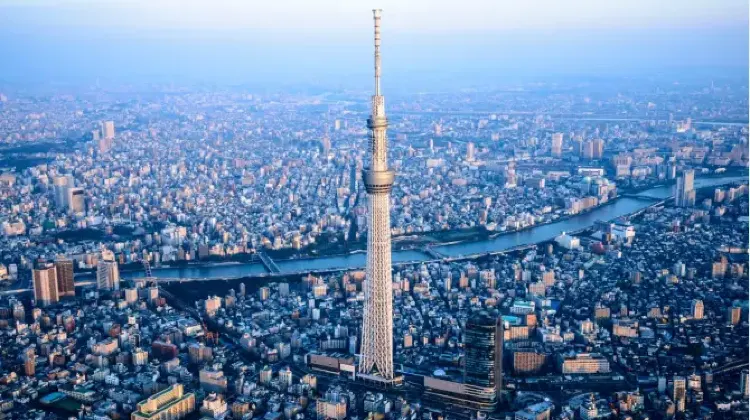
- 🗼 Tokyo Skytree: Standing as Japan’s tallest structure, it provides breathtaking 360° panoramic views across the entire Tokyo metropolitan area, a must-visit sky-high sightseeing spot.
- 🌸 Shinjuku Gyoen National Garden: A tranquil natural oasis in bustling central Tokyo. It features diverse garden styles and is famous for gorgeous cherry blossoms in spring, perfect for relaxing walks and photography.

Yokohama
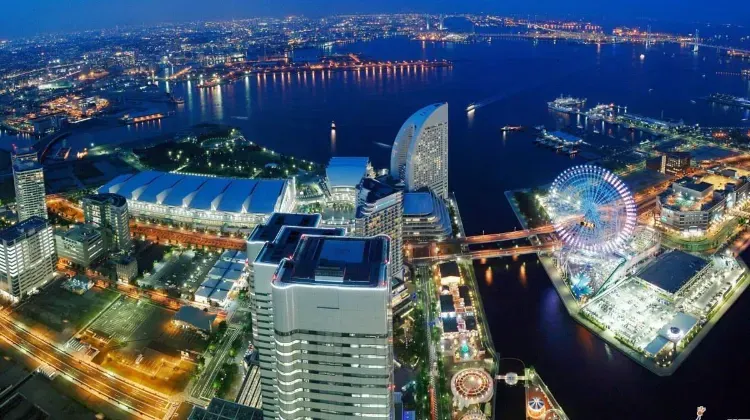
- 🌊 Minato Mirai 21: A modern waterfront landmark of Yokohama, integrating shopping, dining, leisure and sightseeing, with stunning harbor scenery and vibrant urban vibes.

Nikko
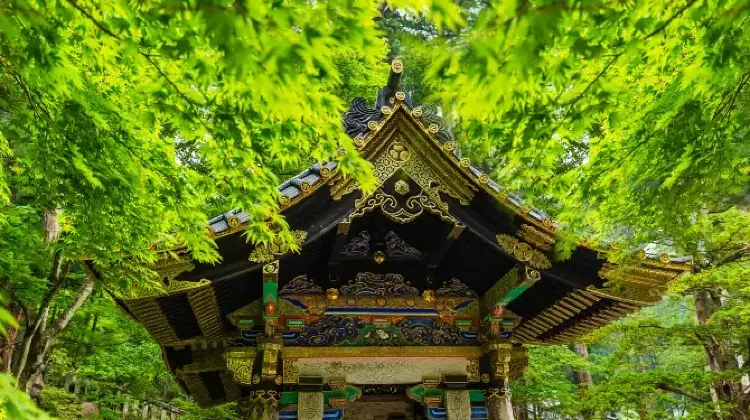
- 🏯 Toshogu Shrine: A breathtaking UNESCO World Heritage Site renowned for its intricate carvings, ornate traditional architecture and profound historical heritage.
Top Attractions in Kansai Region

Osaka
- 🎬 Universal Studios Japan: A top movie-themed amusement park featuring immersive blockbuster-themed rides and exclusive attractions, ideal for thrill-seekers and movie enthusiasts.
- 🛍️ Namba: A bustling core commercial district of Osaka, famous for vibrant shopping streets, local street food and lively nightlife, showcasing the city’s down-to-earth trendy charm.

Kyoto
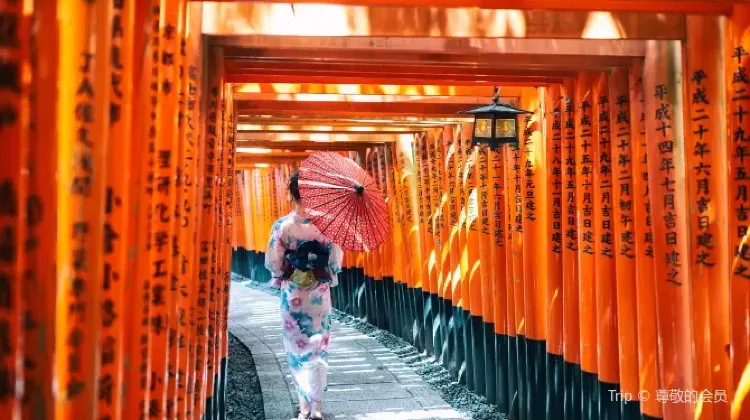
- ⛩️ Fushimi Inari Taisha: Kyoto’s most iconic shrine, famous for countless vermilion torii gates winding up the mountain, creating a stunning and sacred landscape unique to Japanese Shinto culture.
- 🌟 Kinkaku-ji (Golden Pavilion): A world-famous Zen temple fully covered in gold leaf, shimmering beautifully against the surrounding reflecting pond, presenting elegant scenery in all four seasons.

Nara
- 🦌 Nara Park: A historic ancient park home to hundreds of friendly free-roaming sika deer. Visitors can interact and feed the deer while enjoying surrounding ancient temple scenery.
Top Attractions in Hokkaido Region

Sapporo
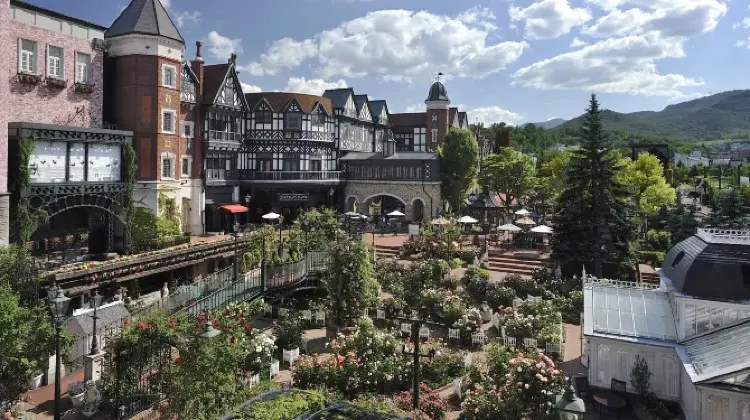
- 🍫 Shiroi Koibito Park: A themed park dedicated to Hokkaido’s signature white chocolate. Visitors can tour the production workshop, buy exclusive souvenirs and take photos in romantic European-style scenic spots.
- 🌳 Odori Park: The central green heart of Sapporo City, hosting the world-famous Sapporo Snow Festival and summer flower events all year round, serving as the city’s core leisure and festival venue.
Top Attractions in Chubu Region

Fuji
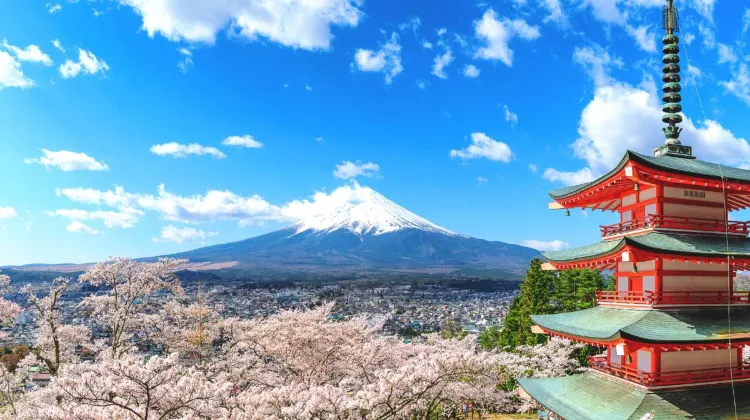
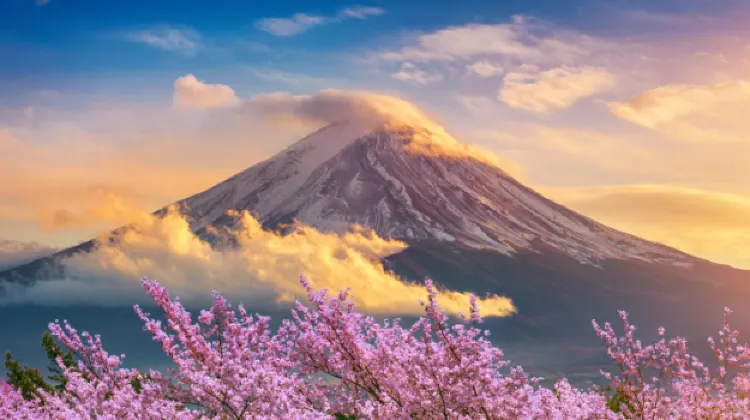
- 🗻 Mount Fuji: Japan’s highest peak and national symbol, featuring elegant conical shapes and snow-capped scenery. It is a top spot for hiking, sunrise viewing and landscape photography.
Kanazawa
- 🌿 Kenrokuen Garden: One of Japan’s prestigious Three Great Gardens, celebrated for its perfect layout balance, diverse plant landscapes and stunning four-season natural beauty.
Nagoya
- 🏰 Nagoya Castle: A landmark historical castle of Nagoya, famous for its golden dolphin roof ornaments. It fully displays the grandeur of ancient Japanese castle architecture and samurai culture.
Top Attractions in Chugoku Region

Hiroshima
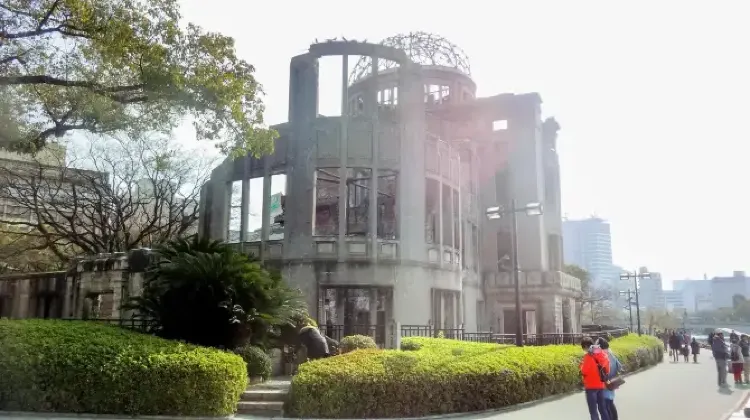
- 🕊️ Hiroshima Peace Memorial Park: A poignant world-famous peace memorial site, commemorating WWII victims and conveying the value of peace, with profound historical and educational significance.
Top Attractions in Shikoku Region

Matsuyama
- 🛁 Dōgo Onsen: One of Japan’s oldest and most renowned traditional hot springs, boasting ancient healing spring water and classic wooden bathhouse architecture, representing authentic Japanese onsen culture.
Top Attractions in Kyushu Region

Fukuoka
- 🏯 Fukuoka Castle Ruins: The relics of the ancient Fukuoka samurai castle, located on a high terrain with panoramic city views, recording the city’s long historical heritage.
Nagasaki
- 💣 Atomic Bomb Museum: An educational museum displaying detailed WWII historical materials, helping visitors understand historical facts and cherish world peace.
Top Attractions in Okinawa Region

Naha
- 🏰 Shuri Castle: The former royal palace of the ancient Ryukyu Kingdom, blending Japanese and Chinese architectural styles, carrying unique Okinawan regional culture and historical heritage.
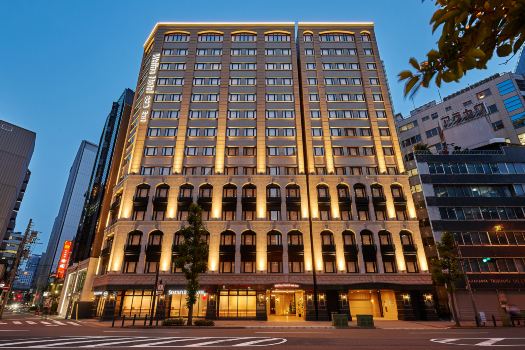
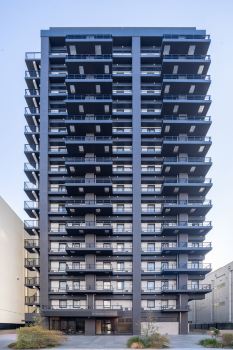
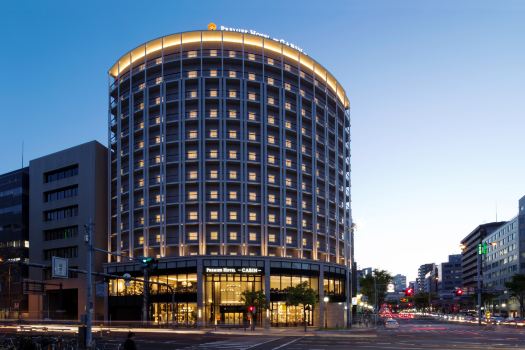
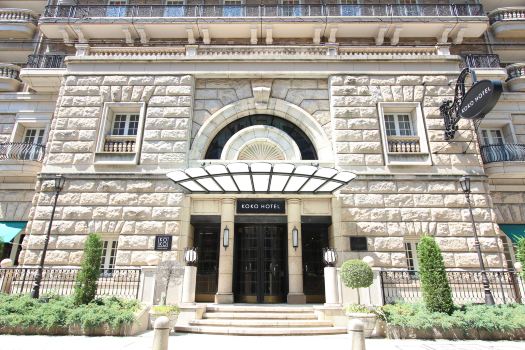
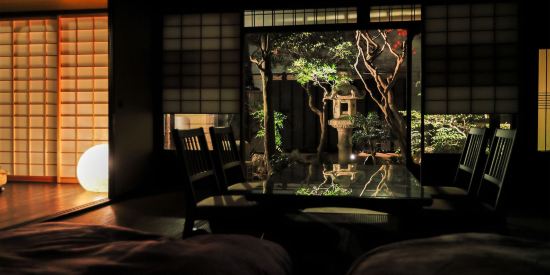
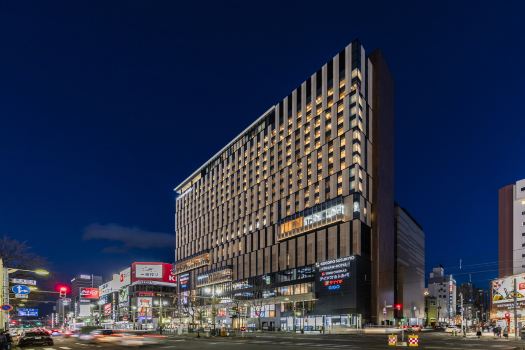
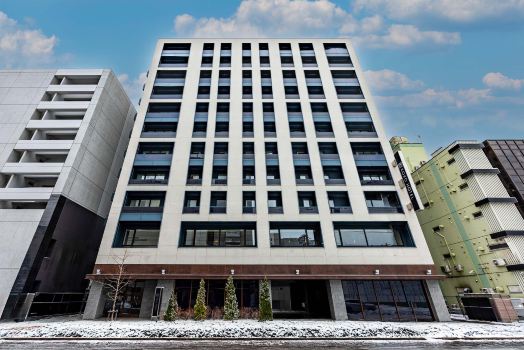
[10% Off] Top Hotel Picks for Your Japan Adventure
<h3>Popular Searches for Japan Travel</h3>
Air Travel Guide
Latest Flight Deals
Popular Flight & Hotel Packages
- Zhangjiajie Vacation Packages
- Langkawi Vacation Packages
- Tokyo Flight and Hotel
- Langkawi Flight and Hotel
- Seoul Flight and Hotel
- Punta Cana Vacation Packages
- Osaka Vacation Packages
- Barcelona Vacation Packages
- Page Vacation Packages
- Penang Vacation Packages
- Mauritius Vacation Packages
- Labuan Bajo Vacation Packages
- Tel Aviv Vacation Packages
- Murcia Vacation Packages
- Subic Bay Vacation Packages
Getting Around
- Tokyo Metro
- Hangzhou Airport
- Wakayama Transportation
- Hong Kong Airport Express
- Narita Airport to Tokyo
- Narita Airport Limousine Bus
- Chongqing Metro
- Suvarnabhumi Airport Transfer
- Suzhou metro
- Shenzhen to Guangzhou
- Wenzhou Airport
- China Taxi
- Urumqi Airport
- Nara Transportation
- Macau to Hong Kong
- Narita Airport to Shinjuku
- Osaka Station to Kyoto Station
eSIM/SIM card
About
Site Operator: Trip.com Travel Singapore Pte. Ltd.


107771 booked