How to Travel with Pets? Flights, Road Trips & Pet Hotels


Planning a trip with your dog or cat? Learn how to travel with pets, top airline policies, road trip safety, CDC/EU import rules, pet hotels and vet checklists.
to Bangkok
to Manila
to Shanghai
to Tokyo
to Seoul
See all flights


How to Travel with Pets? The 4–5 Month Timeline
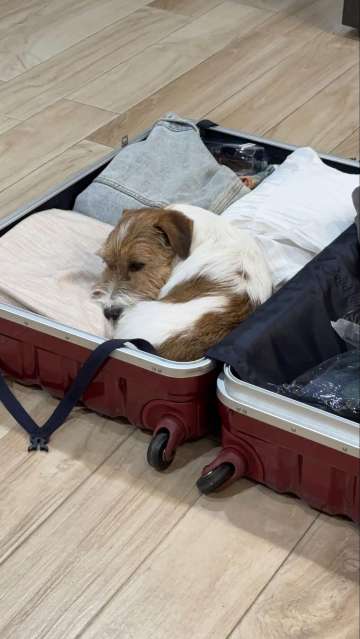

Planning ahead is the single most important factor when traveling with pets. By initiating health checks 4 to 5 months in advance, securing proper ISO microchips and health certificates, choosing pet-friendly airlines and hotels (via platforms like Trip.com Pet Hotels), and prioritizing safety on the road, you can ensure a smooth, enjoyable journey with your furry companion.
To avoid denied boarding or unexpected post-arrival quarantines, follow this universal step-by-step master timeline:
- Step 1: ISO Microchip Implantation (Month 1 / Day 0)
- Requirement: Must be an ISO 11784/11785 standard 15-digit microchip, which acts as your pet’s universal international passport. All subsequent documents must be bound to this microchip number.
- Crucial Timing: Must be implanted before or on the exact same day as the rabies vaccination. Any vaccination administered prior to microchipping is considered invalid by customs officials worldwide.
- Step 2: Rabies Vaccination & Serum Titre Test (Month 2)
- Vaccinate against rabies after or alongside microchipping.
- Wait at least 21 to 30 days post-vaccination to draw blood for the Rabies Antibody Titre Test (RNATT), sent to a destination-approved laboratory.
- The antibody titre must meet or exceed 0.5 IU/mL or higher.
- Step 3: Mandatory Waiting Period (Months 2 to 6)
- Calculated strictly from the blood sample collection date (not the certificate issue date):
- EU & UK: 3 calendar months waiting period.
- Japan, Australia, New Zealand: 180 days (6 months) waiting period.
- Step 4: Official Health Certificates & Precise Timing (7–14 Days Prior)
- Apply via official agricultural portals and complete the physical inspection with authorized vets/customs.
- Time-Sensitive Warning: Official Export Animal Health Certificates (e.g., EU AHC) usually have a strict validity window of only 5 to 10 days. You must time this step precisely before your departure date.
Prepare Your Packing List for Pet Travel


Pack a smart travel kit split into daily essentials and medical preparedness:
- Must-Have Travel Gear: IATA-approved rigid crate (for cargo) or soft-sided carrier (for cabin), collapsible water bowls, waste bags, and familiar bedding.
- Monitoring Tech: A portable Wi-Fi camera to set up in hotel rooms so you can check on your pet remotely.
- Medical Supplies: Bandages, self-adhesive wraps, sterile gauze pads, antiseptic wipes, and blunt-end scissors.
- Pet Medications: Prescription meds, probiotics, electrolytes, motion sickness remedies, and vet-recommended calming aids (Gabapentin).
- Comfort & Safety: Digital thermometer, tweezers (for tick removal), saline eye wash, and styptic powder.
- Emergency Contacts: Phone numbers for your primary vet, destination emergency vet clinics, and local animal poison control.
Visit the Vet First: Pre-Travel Health Checks for Your Pet
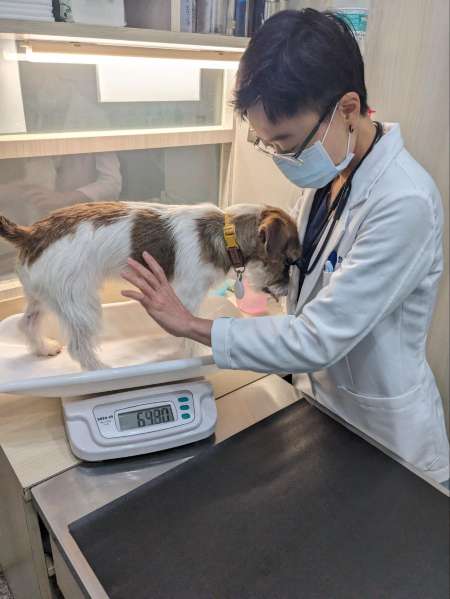
A visit to your veterinarian is the non-negotiable first step in any pet travel plan. Schedule this appointment at least 4 to 5 months in advance for international travel, or 3 to 4 weeks prior for domestic trips. During this visit, discuss:
- Fitness for Travel: Assess your pet’s age, heart condition, respiratory health, and anxiety levels.
- Breed Considerations: Short-nosed (brachycephalic) breeds like French Bulldogs, Pugs, and Persian cats require special evaluation due to elevated respiratory risks during flight.
- Core Vaccinations & Rabies Certificates: Ensure all core vaccinations are up to date and recorded with accurate serial numbers.
- Travel Suitability: Determine whether your pet is best suited for an in-cabin flight, a car ride, or if a professional pet shipping service is required.
Documents and ID Requirements for Traveling with Pets
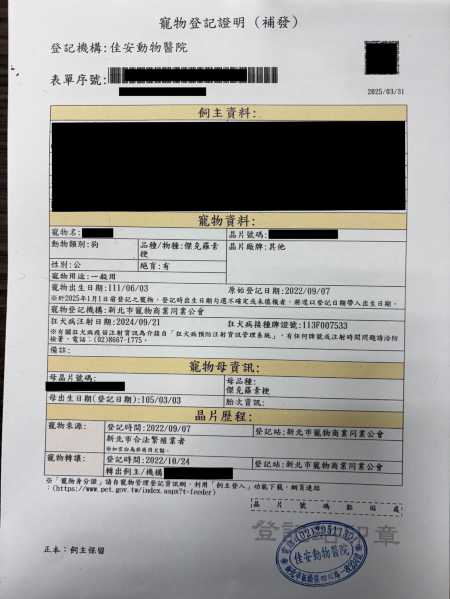
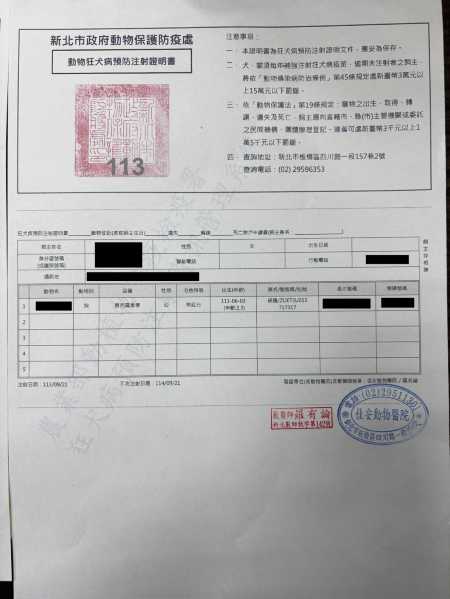
Keep physical copies of these mandatory documents in a dedicated waterproof travel folder:
- ISO 15-Digit Microchip Record: The global standard (ISO 11784/11785) microchip serving as your pet's official international identity.
- Rabies Vaccination Certificate: Must detail the microchip number, vaccine lot number, vaccination date, and booster expiration date.
- Official Veterinary Health Certificate: Issued by an accredited veterinarian and endorsed by national agricultural authorities (e.g., USDA, Customs) shortly before departure.
- Rabies Neutralizing Antibody Titre Test (RNATT): Mandatory for rabies-restricted destinations, proving an antibody count of 0.5 IU/mL or higher.
- Identification Tags & Photos: A physical collar tag listing your phone number (including country code) and recent high-resolution photos of your pet for emergency identification.
How to Fly with Pets? In-Cabin vs. Cargo
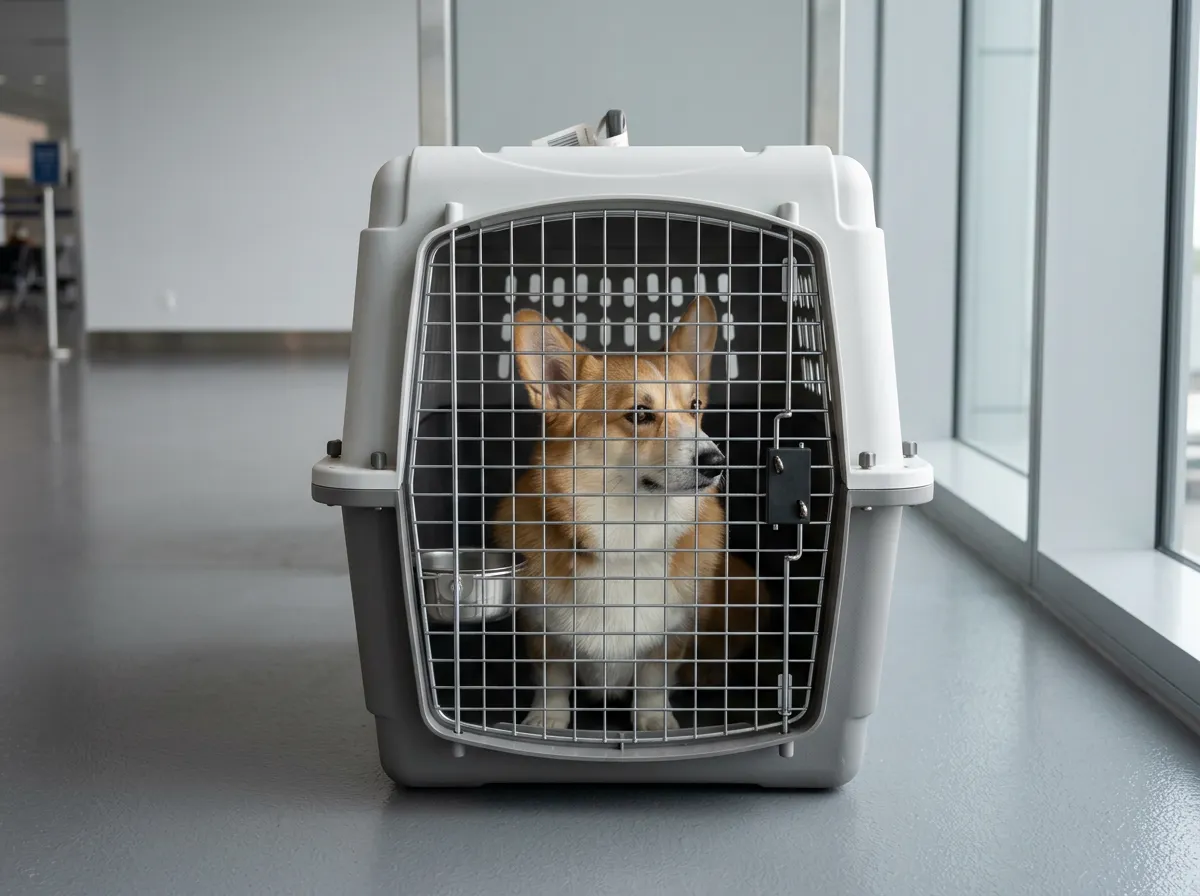
In-Cabin vs. Cargo Hold: What Are Your Pet's Options When Flying?
- In-Cabin (Pet in Cabin - PETC): Reserved for small dogs and cats usually weighing under 8 kg (17.6 lbs) including their soft-sided carrier. Pets sit under the seat in front of you.
- Checked Baggage / Cargo (AVIH / Manifest Cargo): Required for medium-to-large pets. Pets travel in a temperature-controlled, pressurized hold in an IATA-compliant rigid crate with metal bolt locks.
- Standalone Pet Freight: Required if owners are not flying on the same flight or if the destination mandates cargo-only customs clearance.
Airline Pet Policies: What to Check Before Booking
- In-Cabin Quotas: Airlines limit cabin pets to 2–4 per flight. Always call ahead to lock in your pet's spot before buying your own ticket.
- Pet-Friendly Airlines: Top carriers for in-cabin pet transit include Finnair (allows head peek during quiet times), Korean Air, Asiana Airlines, Delta Air Lines, and Air Canada.
- Breed Bans: Most airlines ban short-nosed/brachycephalic breeds in cargo holds due to heat and respiratory concerns.
Departure Day & In-Flight Protocol
- Fasting Schedule: Fast your pet 4 to 6 hours prior to take-off to prevent motion sickness and accidents. Provide small amounts of water via crate drip bottles.
- No Heavy Sedation: Avoid tranquilizers or heavy sedatives during flight as they affect breathing and balance. Use vet-approved options like Gabapentin or pheromone sprays (Feliway / Adaptil) for anxiety relief.
- Airport Arrival: Arrive at least 3 hours before departure for physical paperwork and microchip verification at check-in.
See all attractions
 2272 booked






How to Travel with Pets in a Car: Road Trip Tips for Dogs and Cats

Getting Your Pet Comfortable with Car Travel Before You Go
- Gradual Desensitization: Take your pet on short 5-minute drives around the neighborhood weeks before your trip. Gradually increase driving duration.
- Positive Reinforcement: Pair car rides with treats, favorite toys, and familiar blankets to build positive associations.
Road Trip Safety Checklist: Must-Haves for Traveling with Your Pet by Car
- Crash-Tested Restraints: Always secure pets using a crash-tested harness connected to the seatbelt, a specialized pet car seat, or an anchored travel crate. Never allow pets to roam freely or sit on the driver's lap.
- Scheduled Rest Stops: Pause every 2 to 3 hours for hydration, bathroom breaks, and short walks on a leash.
- Extreme Heat Alert: NEVER leave a pet inside a parked car, even with windows cracked. Interior temperatures can reach dangerous levels within minutes.
- No Trunk Storage: If using rideshares or hired transport, firmly refuse any attempt to place live animals in an enclosed car trunk.
Car Rentals
Car Rental Promo Code - 8% Off
New User Enjoy up to 8% Off
TRIPCAR8
How to Monitor Your Pet's Health and Well-Being During Travel

Animals express stress differently than humans. Keep a close eye on their behavior throughout the journey:
- Signs of Stress in Dogs: Excessive panting, drooling, pacing, lip-licking, or refusal to eat.
- Signs of Stress in Cats: Hiding, crouching low, vocalizing/meowing constantly, or panting (panting in cats requires immediate rest and cooling).
- Action Plan: If your pet shows severe distress, pause travel immediately, offer water in a quiet/shaded area, apply pheromone spray, and consult a vet if symptoms persist.
Top Tips for Reducing Pet Travel Anxiety and Stress
- Scent Familiarity: Keep an unwashed T-shirt or familiar towel inside their carrier to provide comfort through familiar scents.
- Crate Desensitization: Leave the travel crate open at home weeks in advance so your pet treats it as a cozy sleeping nook.
- Calming Remedies: Apply calming pheromones (Feliway for cats, Adaptil for dogs) to carriers and car seats 15 minutes before travel.
- Maintain Routines: Keep feeding and walk schedules as close to their normal home routine as possible.
Countries with the Strictest Pet Import Rules (and How to Prepare)
Different destinations enforce vastly different customs regulations (Rules are subject to change without prior notice; always verify with official government websites before traveling):
- European Union (France, Germany, Italy, Spain, etc.): Requires ISO Microchip + Rabies Vaccine + Titer Test (3-month wait from non-listed countries) + EU Animal Health Certificate. Pets traveling within the EU can later acquire an EU Pet Passport for easy cross-border travel. No quarantine required upon valid check.
- United Kingdom: Highly strict. Direct commercial flight in-cabin entry from non-EU countries is prohibited. Pets must enter via manifest cargo, or fly into nearby EU hubs (e.g., Paris/Amsterdam) and transit via pet-friendly ferries (such as Stena Line) or Eurotunnel pet taxis. Dogs require tapeworm (Echinococcus) treatment 24–120 hours prior to entry (exact to the hour) and official GB Forms.
- United States:
- Cats: Relatively simple (Rabies certificate + Health check).
- Dogs: Policy has tightened significantly. All dogs require an online CDC Dog Import Form receipt and ISO microchip. Dogs originating from high-risk rabies countries require RNATT reports and reservations at a CDC-registered Animal Care Facility.
- Japan: Requires 40-day advance notice via the NACCS system, 2 rabies vaccinations post-microchipping, RNATT titer test, and a strict 180-day waiting period. Expect a 1–2 hour physical inspection at airport quarantine upon arrival.
- Australia & New Zealand: Among the strictest globally. Direct entry from non-approved countries requires up to 180 days in an intermediate approved country (e.g., South Korea) followed by mandatory post-arrival quarantine at official PEQ facilities.
Finding Pet-Friendly Accommodation: Where to Stay When Traveling with Your Pet

How to Find Pet-Friendly Accommodation
- Use Advanced Booking Tools: Platforms like Trip.com feature dedicated "Pet-Friendly" search filters, allowing you to filter hotels that welcome pets, compare policies, and check amenity details easily.
- Understand "Pet-Friendly" Terms: Properties vary in their policies. Some allow pets for free, while others charge a non-refundable pet cleaning fee or refundable security deposit.
What to Ask Your Hotel Before Arriving with Your Pet
- Are there weight or breed restrictions for pets?
- Is there a daily pet fee or one-time cleaning charge?
- Where are the designated pet relief areas on or near the property?
- Can pets be left unattended in the room inside a crate, or must they be accompanied at all times?
- Where is the nearest 24/7 emergency veterinary clinic?
🔥[Discount] Global Hotel Recommendations
FAQs about How to Travel with Pets
-
What is the 3-3-3 rule for pets?
-
Can a 50-pound dog fly in the cabin with me?
-
How much does it cost for a pet to fly on a plane?
-
How do I travel with my pet internationally for the first time?
-
Where do I get a health certificate for pet travel?
-
What is the best way to travel with pets?
-
How do I find pet-friendly hotels easily?
Disclaimer: This article has been provided by an individual contributor or third party platform. If there is any discrepancy regarding the copyright, please contact us directly and we will delete the content immediately.
Popular Searches
-
Air Travel Guide
-
Latest Flight Deals
-
Popular Flight & Hotel Packages
-
Getting Around
-
eSIM/SIM card
- Medellin Vacation Packages
- Hong Kong Vacation Packages
- Tokyo Flight and Hotel
- Koh Samui Flight and Hotel
- Hong Kong Flight and Hotel
- Trabzon Vacation Packages
- Bangkok Vacation Packages
- Fort Walton Beach Vacation Packages
- Okinawa Vacation Packages
- Gorontalo Vacation Packages
- Pattaya Vacation Packages
- Zhuhai Vacation Packages
- Redang Island Vacation Packages
- Aktau Vacation Packages
- St. Augustine Vacation Packages
- ETC Card Japan
- Hong Kong Airport to Guangzhou
- Haruka Express
- Futian Station
- Chongqing Metro
- Shanghai Maglev Train
- Kuala Lumpur Airport Transfer
- Beijing to Shanghai Train vs Plane
- Kyoto Airport
- Eurail Pass Discount
- How to Use Shared Bikes in China
- Incheon International Airport to Seoul
- Octopus Card Hong Kong
- Wuxi Airport
- Narita Airport to Shinjuku
- Macau to Hong Kong
- Beijing Capital International Airport