South Korea Public Holidays 2026: Calendar, Dates & Celebrations
Plan your 2026 Korea trip with our guide to Korea public holidays, including dates, traditions, and practical tips for Seollal, Chuseok, Buddha's Birthday, and other national observances.
See all flights


South Korea Public Holidays 2026 Calendar
2026 has 16 official public holidays in South Korea, with most clustered around traditional festivals. The year begins with New Year's Day and culminates with Christmas, with major breaks at Seollal (Lunar New Year) and Chuseok (Korean Thanksgiving) creating extended family gatherings. Note that dates for lunar-based holidays (Seollal, Buddha's Birthday, Chuseok) vary annually.
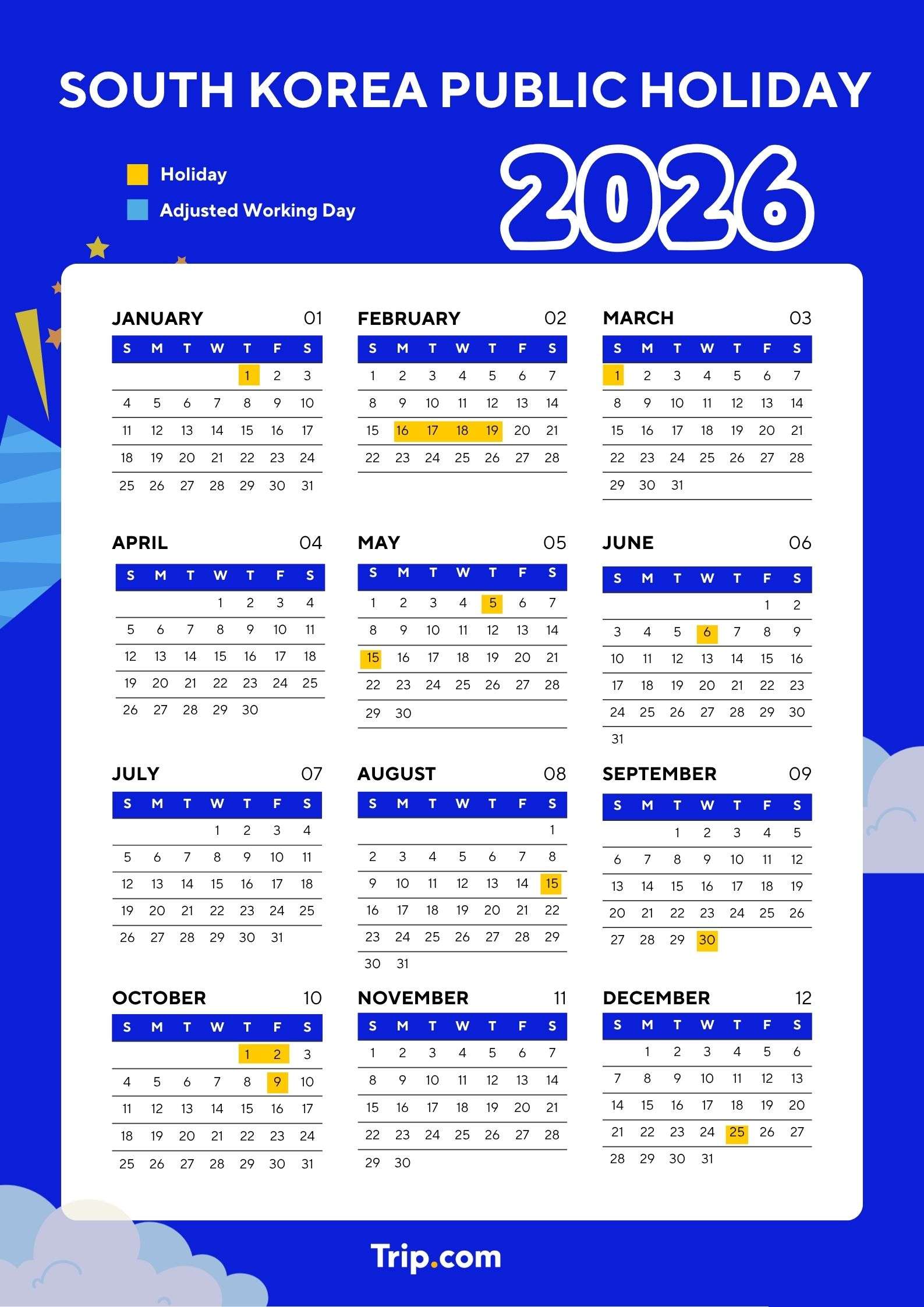
List of 2026 South Korea Public Holidays
This guide covers all the key holidays in South Korea for 2026 and how they might affect your trip.
Date (2026) | Weekday | Public Holiday | Key Details (Celebrations, Crowds, Openings) |
|---|---|---|---|
Jan 1 | Thu | New Year's Day (신정) | Celebrations: Fireworks, temple bell-ringing at midnight. Crowds: Heavy at city centers and temples. Openings: Banks/government offices closed; major malls and tourist attractions open. |
Feb 16-18 | Mon-Wed | Seollal (Lunar New Year) (설날) | Celebrations: Ancestor rites, rice cake soup (tteokguk), traditional games (yutnori). Crowds: Extreme - nationwide travel to hometowns. Openings: Most shops closed; convenience stores open limited hours. |
Mar 1 | Sun | Independence Movement Day (삼일절) | Celebrations: Parades, memorial services. Crowds: Moderate at independence-related sites. Openings: Banks/government offices closed; malls open. |
Mar 2 | Mon | Substitute Holiday for Independence Movement Day | Note: Observed because March 1 falls on Sunday. Same as above. |
May 5 | Tue | Children's Day (어린이날) | Celebrations: Family outings to parks, amusement parks. Crowds: Heavy at family attractions. Openings: All attractions open; special discounts for children. |
May 23-25 | Sat-Mon | Buddha's Birthday (부처님의 탄생일) & Substitute | Celebrations: Lantern festivals (Yeon Deung Hoe), temple visits. Crowds: Heavy at temples; festive atmosphere in streets. Openings: Most businesses open; temples bustling. |
Jun 6 | Sat | Memorial Day (현충일) | Celebrations: Tributes at war memorials. Crowds: Moderate at national cemeteries. Openings: Banks closed; tourist sites open. |
Jun 7 | Sun | Substitute Holiday for Memorial Day | Note: Observed because June 6 falls on Sunday. Same as above. |
Aug 15 | Tue | Liberation Day (광복절) | Celebrations: Flag-raising ceremonies, national concerts. Crowds: Heavy at government buildings and national plazas. Openings: Banks/government offices closed; malls open. |
Aug 16 | Wed | Substitute Holiday for Liberation Day | Note: Observed to create three-day weekend. Same as above. |
Sep 24-27 | Thu-Sun | Chuseok (Korean Thanksgiving) (추석) | Celebrations: Ancestor rites, rice cake (songpyeon) making, family reunions. Crowds: Extreme - worst traffic of year. Openings: Most shops closed; traditional markets open for holiday foods. |
Oct 3 | Fri | National Foundation Day (개천절) | Celebrations: Parades, cultural performances. Crowds: Moderate at historical sites. Openings: Banks/government offices closed; malls open. |
Oct 9 | Thu | Hangeul Day (한글날) | Celebrations: Exhibitions on Korean alphabet, cultural events. Crowds: Light to moderate. Openings: All businesses open; special educational events. |
Dec 25 | Fri | Christmas Day (크리스마스) | Celebrations: Church services, holiday markets, decorations. Crowds: Moderate in Christian areas; festive in shopping districts. Openings: Banks closed; department stores open with holiday sales. |
See all attractions
 427565 booked
![[South Korea] LG U+ Combo Card | 4G/5G SIM Card + T-money Transportation Card (from 3 days) | 1–90 Days | Pickup at Incheon, Gimpo, Gimhae Airports](https://ak-d.tripcdn.com/images/0354w12000ti6vb6xC6B8_C_568_320.png)
South Korea Holiday Types
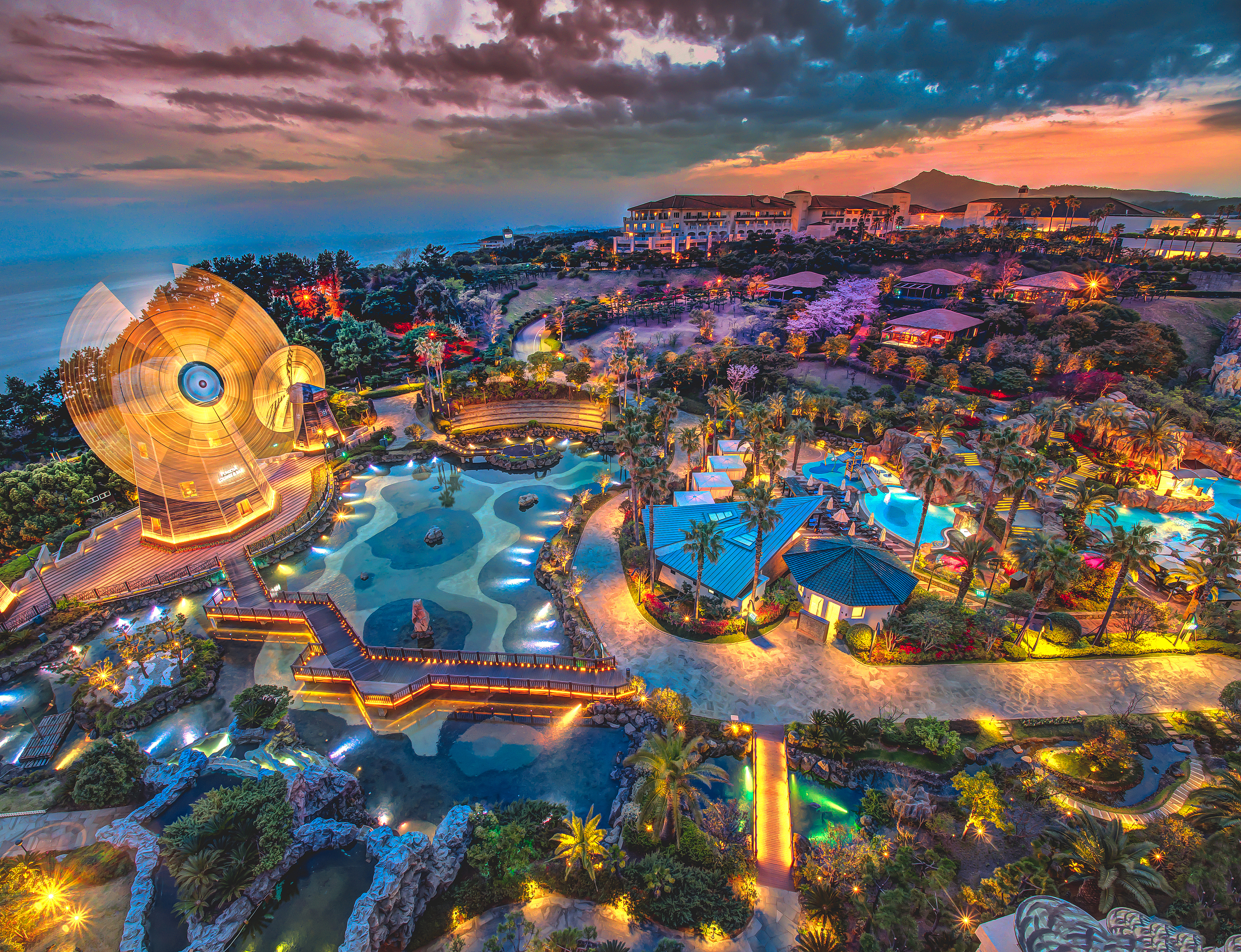
South Korean holidays fall into three main categories:
1. National Celebration Days (국경일):
- Highest-level holidays commemorating significant national events
- Include New Year's Day, Independence Movement Day, Liberation Day, National Foundation Day
- Key: All government offices, banks, and most businesses closed
2. Traditional Festival Holidays:
- Based on lunar calendar, celebrating agricultural cycles and ancestral traditions
- Include Seollal (Lunar New Year), Buddha's Birthday, Chuseok (Korean Thanksgiving)
- Key: Nationwide observance with varying business closures; family-centered
3. Special Purpose Holidays:
- Memorial Day (honoring war dead), Children's Day, Hangeul Day (celebrating Korean alphabet)
- Key: Government offices closed; businesses may remain open
Note: When a holiday falls on a weekend, a substitute holiday is typically observed on the following Monday (except for Chuseok, which may have different rules).
Major Holidays and Cultural Highlights in South Korea
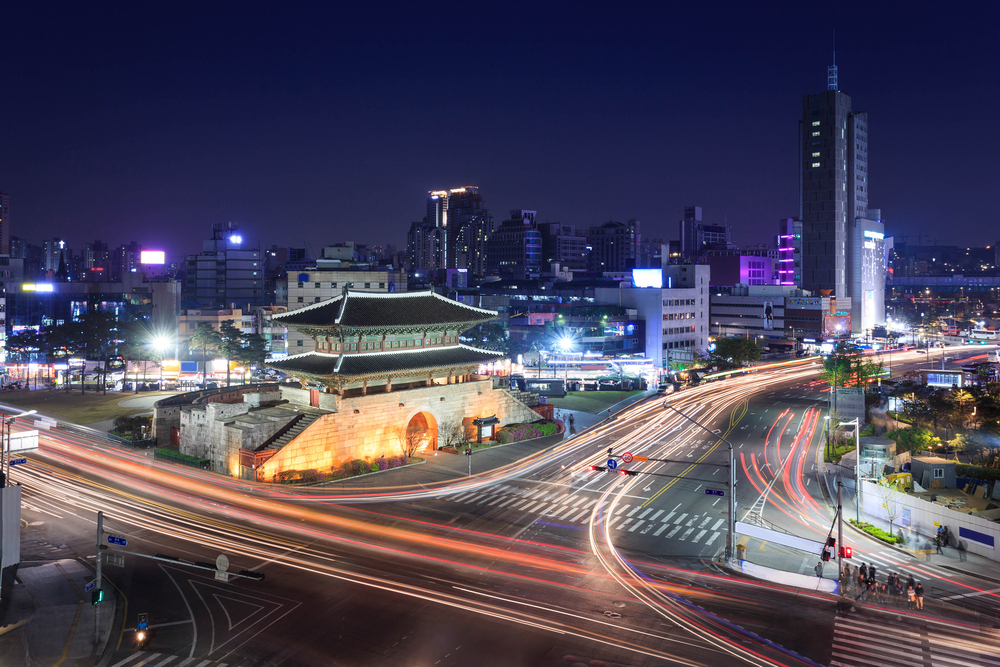
🧧 Seollal (Lunar New Year) — February
Families honor their ancestors and share meals like tteokguk (rice cake soup). You’ll see people in hanbok, folk games, and traditional performances.
🌕 Chuseok (Harvest Festival) — Late September
Families reunite, cook special foods like songpyeon (rice cakes), and celebrate the harvest. Streets fill with festive spirit and folk dances.
🎆 Liberation Day — August 15
Koreans celebrate freedom from Japanese rule in 1945. Expect concerts, parades, and national flags everywhere.
🎑 Buddha’s Birthday — May
Temples glow with thousands of lanterns. Join local parades and watch peaceful Buddhist rituals.
South Korea Holiday Openings & Crowd
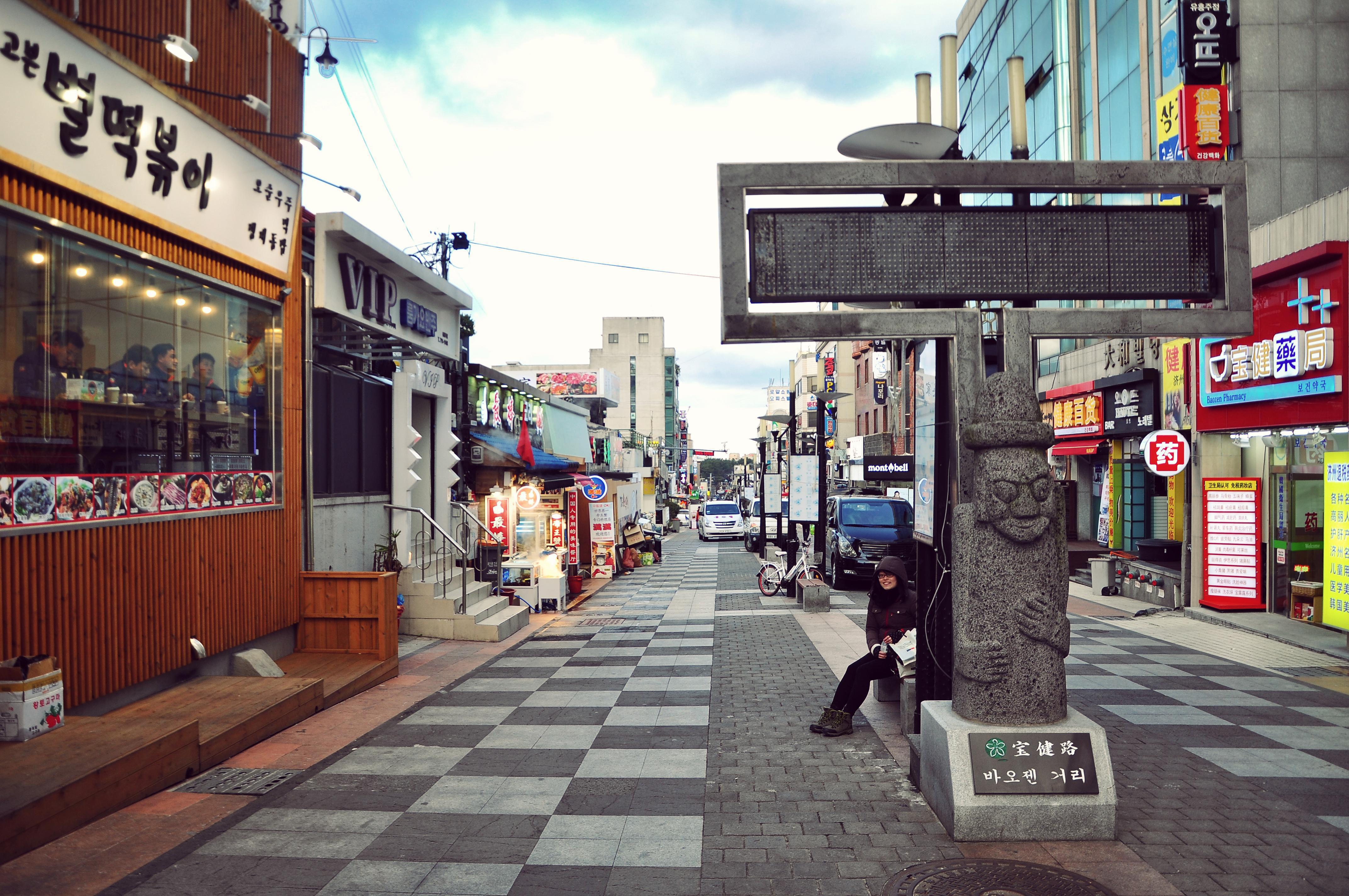
General Opening Rules:
- Always Open: Airports, train stations, major hospitals, 24-hour convenience stores (CU, GS25, Ministop)
- Usually Closed: Government offices, banks, post offices (on all national holidays)
- Variable Hours:
- Shopping malls: Open 11am-8pm on most holidays (closed on Chuseok Day)
- Restaurants: Many close on Seollal and Chuseok; others offer special holiday menus
- Tourist attractions: Almost all remain open with regular or extended hours
Crowd Intensity by Holiday:
- Extreme Crowds: Seollal (Feb 16-18), Chuseok (Sep 24-27) - nationwide travel chaos, book everything early
- Heavy Crowds: Buddha's Birthday (May 23-25) - temples and lantern festivals packed
- Moderate Crowds: Children's Day (May 5), Liberation Day (Aug 15) - popular with families and tourists
- Light Crowds: Memorial Day (Jun 6), Hangeul Day (Oct 9) - fewer tourists, good for sightseeing
Fly to Seoul
Seoul Hotels
Seoul Things to Do
See all flights

![[South Korea] 5G | eSIM | 1-30 day validity | Subscribe and use now | QR Code | LGU/SK dual network](https://ak-d.tripcdn.com/images//0580w12000n1d84xt0913_C_568_320.jpg)

Tips to Visit South Korea During 2026 Holidays
- Plan Ahead for Major Holidays:
- For Seollal and Chuseok: Book flights/hotels 4-6 months in advance
- For Buddha's Birthday: Reserve temple visits early
- National holidays (Independence Day, Liberation Day): Book attractions a month ahead
- Transportation Strategies:
- During peak holidays (Seollal, Chuseok):
- Use KTX high-speed trains (book 30 days early) instead of buses
- Avoid driving - highways gridlocked for hours
- Consider flying to secondary cities (like Busan, Daegu) to avoid Seoul congestion
- Dining & Shopping:
- Research restaurants open during holidays (many close, especially for Seollal and Chuseok)
- Visit traditional markets for holiday-specific foods (songpyeon at Chuseok, tteokguk at Seollal)
- Department stores like Lotte and Hyundai typically remain open on most holidays (except Chuseok)
- Cultural Etiquette:
- Dress modestly when visiting temples or attending ancestral ceremonies
- Bow slightly when greeting elders during Seollal and Chuseok
- Ask permission before taking photos of people participating in traditional ceremonies
- Money Matters:
- ATMs may run out of cash during holidays - withdraw money in advance
- Credit cards accepted at major establishments but carry $50-100 in cash for small vendors
[8% OFF] Find Best Hotels in Seoul
Seoul Hotels
5 star
Amazing614 Reviews
Myeong-dong Seoul|0.3km from city center
I've been to Seoul several times, and this trip I finally got to experience the Westin Josun. The airport bus goes directly to the hotel, and the service was impeccable from the moment I got off the bus until check-out. All the staff spoke excellent English and were proactive in helping with luggage, giving directions, and even making change. The location is also fantastic; I could walk to duty-free shops, Myeongdong, and other places. The nearby BBQ restaurants were also delicious. My only minor complaint is that you have to stand in the bathtub to shower.FromUS$341
Amazing353 Reviews
Myeong-dong Seoul|0.21km from city center
The hotel's location is excellent, right in the city center next to Seoul Plaza. Myeongdong, N Seoul Tower, and Gyeongbokgung Palace are all within walking distance. The City Hall subway station is right downstairs, with Line 1 and 2 intersecting there. Exit 6 of City Hall Station leads directly to the hotel's main entrance. What's more, the 6701 Incheon Airport Limousine Bus starts and ends right at the hotel entrance, making transportation incredibly convenient. From Incheon Airport, you can take the AREX express train to Seoul Station, then transfer to Line 1 for one stop to City Hall Station, and exit 6 takes you right to the hotel. I booked a Premier King Suite for a 4-day, 3-night stay. The room was a spacious 40 square meters, featuring a living room and a walk-in closet. It was incredibly clean, tidy, and very quiet – not noisy at all. The bathroom facilities were also well-maintained and spotless. The hotel staff were all very friendly, enthusiastic, and proactive in offering help. My stay was absolutely fantastic, and I'll definitely choose this hotel again when I return to Seoul.FromUS$328
Great694 Reviews
Myeong-dong Seoul|0.73km from city center
The hotel's location is truly excellent; you can walk to Myeongdong from any direction in under ten minutes.
Reception is on the first floor, and check-in is on the seventh. Your luggage will be delivered to your room.
The hotel's overall style is very 'old money' chic.
The room cleaning is incredibly thorough, and coffee capsules are replenished daily. The bedding is very comfortable, and the conditioner is especially good.
Toothbrushes are priced, so it's best to bring your own. The shower is a seated type, which means it's quite low; if you prefer to stand, you'll need to hold the showerhead yourself.FromUS$229
Very Good521 Reviews
Hannam-dong/Itaewon Seoul|3.44km from city center
Perched on a hillside, getting around was a bit of a hassle, but the hotel itself felt very high-end. The entrance and lobby had a very elegant, old-school luxury hotel vibe, and the service was incredibly professional. From my room, I had a panoramic view of the city. The room hallways and the rooms themselves felt a bit dated but were very clean, with an older decor style. The hotel has a gym, pool, and tennis courts. It's a really large property, nestled against the mountain, offering beautiful and comfortable scenery – perfect for a relaxing getaway.FromUS$380
Very Good410 Reviews
Hannam-dong/Itaewon Seoul|4.43km from city center
Very beautiful hotel. Greeted by staffs who helped open the car door, and get your bags and luggage to the check in counter every day!
Only bummer was at check out timing is 11am, we tried asking for later check out timing during check-in and was told hotel is full. Managed to get a late check out of 12pm when we tried again the night before leaving the hotel.
Hotel has a little mall,a coffee bean, CU, some expensive restaurants. It also has a sauna (30K won per pax), 1 hot and cold tub and one sauna room.
Room amenities can be requested via the web app in your room. Rooms were very modern, however Water from the shower does flood the dry toilet area a little. Generally a great stay.FromUS$230
Business travel
Very Good963 Reviews
Myeong-dong Seoul|0.17km from city center
The room was very clean and tidy, and the location was excellent. City Hall Station is not far away, and it's a 10-minute walk to Lotte Department Store. There's an Olive Young right outside the hotel. The most convenient part is the 6701 airport bus to Incheon, which you can catch right on the main road outside the hotel, and it takes about 50 minutes to get to the airport. I'll definitely stay here again next time.FromUS$70
Great1586 Reviews
Myeong-dong Seoul|0.9km from city center
Originally, I booked a hotel in Gangnam, but considering factors like shopping and sightseeing, I decided to switch to Voco Myeongdong at the last minute. Overall, I'm quite satisfied.
In terms of service, from the front desk reception to the lounge, the swimming pool, and breakfast, every staff member was smiling and dedicated to providing excellent service. It was really good.
For dining, the breakfast selection was extensive and the food tasted great. Enjoying a hot bowl of Vietnamese pho in the morning was very comforting. The lounge also had a good selection; happy hour offered three hot dishes, along with cold platters, desserts, drinks, and alcoholic beverages, all of high quality.
The room was also quite satisfactory. It was well-equipped with all sorts of amenities. The first round of the mini-bar was complimentary every day, and the quality was decent. The smart toilet and bathtub were very convenient. There were also USB and Type-C chargers. The only minor issues were that the USB charging port seemed to be of poor quality and often disconnected. The 0.8m bed was a bit narrow, and there was a slight risk of falling off when turning over. Also, upon check-in, there were two bottles of shampoo and one conditioner in the shower, and I had to inform the front desk to get a bottle of body wash sent up. Furthermore, the swimming pool closes quite early, at 8:00 PM.
The location is truly excellent. There's a subway station and several bus stops right downstairs. From the lounge, you can directly see Namsan Tower. Namdaemun Market is right across the street, and it's a direct walk to Lotte and Shinsegae Duty-Free Department Stores, as well as Myeongdong's main shopping street, making it very convenient for shopping. The hotel also has a GS25, Burger King, and coffee shops, making it incredibly easy to grab a bite or a drink.
I would definitely choose this hotel again next time.FromUS$181
Very Good1665 Reviews
Myeong-dong Seoul|1.61km from city center
The hotel's location is excellent, very close to the subway and bus stops. You can easily walk to the Hanok village near Changdeokgung Palace, and Gwangjang Market is also very nearby. At the eastern end of the market, there are fruit shops, so you can really indulge in fresh fruit. Downstairs, there's a supermarket that seems to be open all the time, so no matter how late you come back, you can always find something to buy. We were given a room facing north, which offered fantastic views of the mountains and the palace. The bed in the room was large, and there were no strange odors, making it perfect for a family trip.FromUS$99
Very Good1566 Reviews
Myeong-dong Seoul|1.05km from city center
The downside is that there were former employees striking outside the hotel the entire time. It seems this hotel treats its staff very poorly. The daily room cleaning was also done very late, probably because they laid off so many employees. For these reasons, I wouldn't recommend this hotel.
The location, however, is excellent. It's super convenient for getting to major shops in Myeongdong like Olive Young (though a bit far from the duty-free shop). The subway station is right downstairs, and there's also a very large 7-Eleven downstairs with spacious seating for instant noodles. Other stores like GS25 are also nearby, and a 12-story Daiso is just across the street. The hotel doesn't provide disposable dental kits, so you can just buy them directly from Daiso.
Myeongdong Cathedral is right behind the hotel, and there are quite a few historical attractions in the vicinity. Luggage storage is very convenient, and check-in is self-service.FromUS$81
Very Good2349 Reviews
Dongdaemun Market Seoul|2.14km from city center
Sky Garden Dongdaemun 1 is in a fantastic location. It's just a few minutes' walk to the Dongdaemun shopping area, and there's an airport shuttle stop right across the street, making transfers to and from the airport super convenient. The room was clean and tidy, and the bedding was comfortable. The 24-hour front desk had staff who spoke Chinese, which made communication very smooth. There are plenty of convenience stores and restaurants nearby. It's definitely my top choice for shopping and getting around – I'll stay here again next time I'm in Seoul.FromUS$58
Family friendly
Very Good1555 Reviews
Myeong-dong Seoul|0.22km from city center
The location is excellent! Right downstairs is the 6701 airport shuttle bus stop, and the subway entrance is just outside, super convenient. We booked a room for four people this time, and it was quite spacious – enough to open all three of our suitcases. The service was also great; they cleaned the room daily, and the front desk staff spoke fluent English, making check-in and check-out very smooth! I just forgot to take pictures of the room! I only got shots of the exterior. The Seoul Finance Center is right across the street, you can see N Seoul Tower, and there are tons of restaurants and convenience stores nearby. Plus, there are two Olive Youngs, a Daiso, and even a Chabaidao tea shop!FromUS$70
Very Good2109 Reviews
Myeong-dong Seoul|0.67km from city center
Stayed for three nights in Seoul, right in the Myeongdong area. It was super convenient for food and shopping, with several great restaurants nearby. It's also very close to the subway station and Lotte Department Store, perfect for dropping off your shopping and heading back out. The hotel facilities are a bit old, but everything else was good.FromUS$68
Very Good3220 Reviews
Myeong-dong Seoul|1.57km from city center
Big shoutout to the front desk guy who spoke Chinese! Communication was a breeze, and he was super nice, even helped us with a taxi. The location is great, with subway lines 3, 4, and 5 all nearby. Lines 4 and 5 are the closest, which is really convenient; it's just one stop to Myeongdong. But since we enjoy walking, we often just walked to Myeongdong anyway – it's not too far, maybe three blocks. The hotel has a CU convenience store, which is perfect for breakfast or a late-night snack. Our room was newly renovated, very comfortable, tidy, and clean. The soundproofing was excellent; even when people next door had their door open, we couldn't hear a thing with our door closed. The facilities are also great – there's an ice machine, hot and drinking water, and a microwave. The only downside is that the price was a bit high during the summer holidays.FromUS$130
Great3009 Reviews
Dongdaemun Market Seoul|2.61km from city center
The room size was just right, not too big, not too small, and it had a balcony with a great view for watching the sunrise – absolutely stunning! I’ve uploaded pictures of the view at different times of the day for everyone’s reference. The transportation is incredibly convenient; there are several subway lines right downstairs to choose from, and as soon as you step out, there are all sorts of dining options. The mall is also right downstairs, making it super easy to buy anything you need! Most importantly, I love to run, and this hotel is very close to Cheonggyecheon Stream, which is a dream come true for running enthusiasts! It's a 5km one-way run, making it 10km round trip! Fantastic! The hotel breakfast was also a highlight; the fried chicken, noodles, and mixed salads were absolutely delicious! Plus, the front desk staff were very friendly. When we arrived, there was even a guide who spoke Chinese, which was very nice! I'll definitely choose this place again next time! Unforgettable Seoul, you brought me endless surprises!FromUS$96
Great1172 Reviews
Myeong-dong Seoul|0.48km from city center
## Location: Perfect Score
Right across from Lotte Duty-Free and less than a 5-minute walk to Shinsegae Duty-Free, making it incredibly convenient for shopping. Its location is comparable to the Aloft nearby but significantly better than Voco (which requires a bit of a detour). If you're here for serious shopping, this location will definitely save you time and effort.
## Room & Facilities
The room size is similar to Aloft's – both are on the 'compact' side. It's a bit smaller than Voco, so if you have a lot of luggage, you might want to reconsider. The hotel is located within a mixed-use building, so you'll need to go to the 9th-floor lobby for check-in. Waiting for elevators during peak hours can be a bit of a pain. There are free luggage lockers on the 9th floor lobby, which are very convenient to use.
## Service & Details
The service was adequate, neither exceptionally good nor bad. However, there's a noticeable drawback: my Trip.com reservation explicitly requested a 'high floor,' but I was given the 11th floor (guest rooms are on floors 10-18). This compromised both the view and the quietness. I recommend calling ahead to confirm or actively requesting a higher floor upon arrival. The central air conditioning noise from the adjacent building runs 24/7, which somewhat affected my sleep.
## Alternatives
Next door is Ibis. If you're not sensitive to floor level or room size, you could compare prices for the same location and pick whichever is cheaper.
## Summary:
If you're looking for ultimate convenience and don't mind a smaller room or the occasional elevator wait, this place is worth considering. However, if a great view, spacious rooms, or a high-floor experience are important to you, I suggest lowering your expectations or looking elsewhere.FromUS$191
Hot spring
Very Good1844 Reviews
Myeong-dong Seoul|0.5km from city center
This hotel is fantastic! To get there, take airport bus 6015 and get off at Namdaemun Station. The hotel is located in the alley directly opposite where you get off. Just cross the road via the underpass, and it's a maximum 10-minute walk. It's also incredibly close to Myeongdong. If you exit the other end of the alley, it's a three-minute walk, and a right turn will lead you to an underground shopping center. From there, you can access Lotte Department Store through several entrances, or keep walking to exit 18 which leads directly to Myeongdong Shopping Street – perfect for avoiding the sun during the day. I highly recommend this hotel; the breakfast is excellent with a self-service ramen machine, and there were many Western guests. They provide disposable slippers and two bottles of mineral water. The room is cleaned, but they don't fold the duvet. Check-in was easy; even with a bit of gesturing and guessing, there were staff who spoke Chinese, though you might not always encounter them. I didn't experience any unfriendliness. This hotel is far superior to the Ibis I stayed at later near Myeongdong. If you're going to Seoul, this hotel is highly recommended for its convenience to attractions and shopping, plus direct airport bus service for your return. Lotte, Shinsegae, and Myeongdong Shopping Street are all within a 10-minute walk.FromUS$110
Very Good1097 Reviews
Insadong / Bukchon Seoul|1.15km from city center
This hotel is very close to Myeongdong, within walking distance. It's also conveniently located near Lotte Duty Free and Shinsegae, and there are convenience stores nearby, so the location is quite good. However, for the triple room I booked, the pillowcases and sheets hadn't been changed, and they felt incredibly dirty. After arriving late at night, I spoke to the front desk, and they brought three new sheets that were noticeably cleaner. We spread them out and slept for the night. The staff's attitude was decent, especially the person who brought the new sheets, who was very polite.FromUS$70
Great3040 Reviews
Myeong-dong Seoul|1.16km from city center
Overall, it was a great experience. The hotel offers good value for money, and the hygiene was excellent. It's very close to the subway station, just a 3-5 minute walk away. Downstairs, across the street, there are plenty of restaurants and small bars. The hotel is located in the city center, near Myeongdong, and you can walk to the pedestrian street in about ten minutes. It's also quite quiet at night. There's a convenience store in the lobby downstairs, making it easy to buy things. I initially booked for 3 nights and wanted to extend, but there were no suitable rooms available. I'd definitely recommend it for future visits.FromUS$99
Great1067 Reviews
Myeong-dong Seoul|0.72km from city center
An all-around amazing option for 1st time visitors. I’ve seen nothing but hospitality and top notch service from the staff. The breakfast has a good variety of options (I’ve seen many 4-star hotels do less with it). The hotel is very clean and spacious. No noises from the adjacent rooms whatsoever, so I could really relax after the long days of exploring the city.
The area is very walkable, and you can get to Euljiro and Myeongdong stations within minutes.
If you don’t mind the occasional hustle and bustle in the street in the evening, then this is a solid option for your stay in Myeongdong.FromUS$181
Great719 Reviews
Myeong-dong Seoul|0.58km from city center
The hotel has a simple yet stylish design, and the rooms are very clean. The bed and pillows were incredibly comfortable, ensuring a great night's sleep. The room also gets good natural light, with pleasant sunshine during the day. Plus, being on a high floor, I had a great view of the Myeongdong streetscape.
The location is super convenient, right below the Myeongdong shopping district. There are plenty of restaurants, shops, and convenience stores, and it's really lively at night. The subway station is also very close by.
The hotel staff were very friendly and helpful, and both check-in and check-out were smooth. I'd definitely choose this place again on my next trip to Seoul; it's perfect for first-time visitors to Korea.FromUS$233
Gym
Very Good687 Reviews
Myeong-dong Seoul|0.39km from city center
This hotel is conveniently located near Myeongdong, with a Starbucks right next door and a duty-free shop across the street. The subway station is just outside, making it super easy for shopping, dining, and transportation. The room size was decent, and the cleanliness was also quite good. For a summer stay, the value for money was pretty reasonable.FromUS$167
Very Good999 Reviews
Gimpo Airport/ Magok Seoul|9.04km from city center
The location is super convenient, making it easy to get around and find places to eat. The lobby is clean and grand, and the room layout is practical, tidy, and odor-free. The bedding is very comfortable, ensuring a good night's sleep. The bathroom has a separate wet and dry area, and the hot water comes on instantly. The toiletries are also of high quality. The staff are gentle, polite, and very responsive to requests. Overall, it offers excellent value for money, making it my top choice for accommodation when traveling.FromUS$46
Very Good3136 Reviews
Yeouido Seoul|8.19km from city center
Location: First time staying in Yeongdeungpo; it's a short walk from the airport limousine bus stop so that was convenient. There's a Starbucks and C U convenience store right outside the hotel. YDP station and Lotte Department Store are a short walk away, though I recommend taking a short bus ride to the Hyundai Department Store. It's also near the Yeouido Hangang Park.
Room: Layout is a little strange as other reviewers have noted, and indeed there's very little space to open your suitcase. I placed mine at the wardrobe area, which meant it was a little difficult to access the clothes I hung up. I liked the two couches against the window.
Toilet: The sink is the first thing you see when you enter the room. I didn't like how the shower and toilet shared a door, and there's no bidet for the toilet. Water pressure and temperature control for both the rain shower and handheld shower were good.
Bed: Fairly comfy, however it was the first time I've ever experienced a creaky hotel bed.
Miscellaneous: Might be a minor thing for most but the room slippers were a joke...the top part was literally paper and difficult to slip on and off because of the way the paper was folded. Fridge was small and not very cold but did its job. Lobby is small and only has one seating area, so it's not a place to chill or wait around long. Staff were friendly, and I was allowed to check in slightly earlier than 3pm. Checkout was fuss-free.FromUS$80
Very Good1272 Reviews
Dongdaemun Market Seoul|2.58km from city center
The room itself was decent. However, the location was quite inconvenient for transportation. On the bright side, there's a convenience store right downstairs, and across the street, there's an alley with some restaurants.
It was a bit disappointing that I couldn't order delivery myself since I don't have a Korean phone number, and the hotel wasn't able to order it on my behalf.FromUS$73
Great2460 Reviews
Sinchon/Hongdae Seoul|5.05km from city center
The front desk staff were incredibly warm and friendly. The room was very quiet and well-equipped, with universal power outlets, so no adapter was needed. The hotel's surroundings were lively, making shopping very convenient. There's a 24-hour convenience store right across the street, and Hongdae shopping street is just a 5-minute walk away.FromUS$119
Swimming pool
Great1094 Reviews
Dongdaemun Market Seoul|2.68km from city center
For this price point, the basic room hygiene was excellent, no complaints there! But apart from that, everything else was a letdown. If you're looking for a comfortable and convenient trip, this isn't the place.
Location and Dining: The hotel is located on a mountain with a great view, but don't even think about walking anywhere. Besides a duty-free shop nearby (which is mostly frequented by personal shoppers), even getting a taxi is a hassle.
For breakfast, be prepared to wait an hour. The front desk suggested I go before 7 AM to avoid the queue, which, to be fair, made breakfast quite good. When I checked in, I also inquired about dinner and good restaurants. The front desk staff claimed all their hotel restaurants were famous and delicious, especially the Japanese one. When I asked them to make a reservation for us, they said reservations usually needed to be made 30 days in advance. Fine.
Then I thought, I'll just grab a coffee at the hotel cafe. Another wait... at least 30 minutes. Ugh...
Returning to the hotel on the second evening, I found the lobby packed with people queuing all the way to the door, like a bustling market. They were all lining up for the buffet. If your F&B is that good, why bother with the hotel? Guests staying here can't even get a table because it's full of outside diners.
The swimming pool was the same – tiny and completely overcrowded, impossible to actually swim. There must have been at least 50 people in there; it was more like a hot tub than a pool. Honestly, apart from sleeping, nothing else was good.
Let's talk about the service: It felt like they were particularly reluctant to serve Chinese guests. When checking out, my child and I were carrying our luggage out, and there were many staff standing in the lobby who didn't offer to help. It was only when a car pulled up outside that someone came to assist us with our bags. What were all those people standing around in the lobby doing then?
After my luggage was loaded, I got into the car and looked out the window to see the person who just helped me with my bags using my car window as a mirror to fix his hair. Hilarious! (This happened at 7 AM Korean time on the 19th).
For this price, you're better off staying in Gangnam. Josun Palace is much better and similarly priced.
To be honest, I'm very disappointed. It's a beautiful hotel, and the staff are all good-looking, but they clearly haven't been properly trained. I hope whoever cares about this hotel sees this review and seriously considers whether you are in the F&B business or hospitality. My experience of your hospitality was very poor.
You did great in terms of the beautiful location and clean rooms, but you missed out on how to treat your guests that are staying at the hotel. Horrible experience. I don’t think you deserve the reputation you once had.FromUS$409
Great966 Reviews
Seoul|4.07km from city center
I really liked the work of the administrator, the guy, and the young female translator at the front desk. She was very clever and pleasant. And that's about it. It's also probably convenient that a mall and a currency exchange are nearby, but those are everywhere, so it's not really an issue. Honestly, this hotel doesn't deserve more than a 3-star rating. The rooms are messy, the cleaning is terrible. Everything is old and dilapidated. The view is mediocre. If you arrive late, there are no stores nearby, just one small grocery store around the corner. It's a residential area. For a claimed 5-star hotel, and being listed second among the best (which is what caught my attention before I booked), it absolutely doesn't live up to it! The washing machine in the room leaks, and there's no detergent. The bathrobe 'smelled' of sweat on our first day 🤢🤮. The furniture is scratched, there are no dishes, not even a knife. What a nightmare.FromUS$169
Amazing693 Reviews
Seoul|12.73km from city center
The room was great, located on the 23rd floor with a stunning lake view. When I booked, I selected a three-person meal option for two adults and one child. The price for a two-person meal and a three-person meal was different at the time of booking. However, upon arrival, the hotel informed me that one of the meals in my three-person package was a complimentary children's meal. Since my child is 13 years old, exceeding the 12-year age limit, they were not eligible for the free buffet breakfast, and I was asked to pay. To avoid disrupting our travel plans and mood, I paid for the meal. However, I find this explanation completely unacceptable. I purchased a three-person meal package, but at the hotel, it was treated as if I bought two meals and received one free. If I had known it was a complimentary meal from the hotel, why would I not just book the two-person meal package and save some money?! I urge Trip.com and the hotel to communicate and provide a satisfactory resolution.FromUS$292
Great255 Reviews
Dongdaemun Market Seoul|2.75km from city center
Facilities: Excellent, the flowers in the lobby are beautiful.
Service: The staff are all very friendly and helpful.
Hygiene: Very clean, the room was great, they even helped with an extra bed.
Facilities: Excellent, the lunch buffet was delicious, reasonably priced, and had a great variety. The steak on the second floor was also very good.FromUS$328
Very Good108 Reviews
Hannam-dong/Itaewon Seoul|2.72km from city center
This was a hotel I'd always wanted to stay at, and it didn't disappoint; it was a very fulfilling stay.
Although access from the station is poor, Uber (or Kakao Taxi) solved the problem. The view of Seoul Tower nearby was beautiful.
I ordered truffle French fries through in-room dining, but unfortunately, they had almost no truffle flavor.
Breakfast offered a choice of three sets, and there was a juice bar and egg station, and one type of noodle dish was also available.
It was elegant to be able to drink sparkling wine in the morning.
There was a wide variety of food, and I was completely full.
The staff were very helpful, and I would like to visit this hotel again if I have the opportunity.FromUS$443
Breakfast
Great1704 Reviews
Dongdaemun Market Seoul|2.2km from city center
The room was very clean and tidy, and the price was just right. It was also very conveniently located, with four subway lines nearby and a convenience store just a short walk away. David at the front desk was very accommodating; even though it wasn't yet 3 PM for check-in, he told us we could check in early because a room was already cleaned. All the staff were very friendly and helpful. It was excellent, and I'll definitely come back again.FromUS$98
Very Good1122 Reviews
Myeong-dong Seoul|1.02km from city center
I stayed at the Four Points by Sheraton Josun, Seoul Myeongdong for one night before flying out of ICN. My only requirement was that the hotel have easy access to the airport limousine route. While there is a stop a few steps from the hotel, we found that, given the time of our flight the following morning, we ultimately needed to use a different stop. We trekked the extra 10 minutes in the morning with our luggage, which was less than ideal, but ultimately worked out fine. The hotel was easy to access, tucked into a quiet corner of Myeongdong. While we arrived quite late in the evening, the staff was glad to receive us. The check-in instructions were simple and easy. We received a room on the 20th (I think) floor with a lovely view of the city. It was clean and well-appointed with space for four suitcases, which was necessary as we prepared to depart Korea with many new purchases. The famous Myeongdong walking street was only a 7-minute walk away, which is a major selling point. I would definitely recommend this hotel for a solo traveler, a pair, or a couple. The room is small, but clean, and the location is prime.FromUS$128
Very Good1019 Reviews
Seoul|7.39km from city center
Upon entering to check-in, there was no proactive greeting. The attitude during check-in was also just so-so. I chose this hotel specifically because it was advertised as a 'Chinese selection,' but I felt their attitude towards Chinese guests was indifferent. Other explanations were general, mainly emphasizing the 11 AM check-out time, warning of a penalty otherwise. Personally, I think the hot water issue, which I'll mention next, is more important than that.
Aside from these points, the hygiene was acceptable. The facilities are a bit old. There's a convenience store nearby, and the bus stop downstairs is also very convenient.FromUS$48
Very Good638 Reviews
Samseong-dong Seoul|9.79km from city center
My stay at the Shilla Stay Samsung COEX Center was excellent from start to finish. The location is perfect, especially for business trips and shopping, with easy access to COEX Mall, restaurants, cafés, and the subway. The rooms were modern, spotless, and very comfortable, with great city views and all the amenities needed for a relaxing stay.
What truly stood out was the professionalism and kindness of the staff. Check-in was smooth, and everyone was always helpful and welcoming. The breakfast selection was also very good, with a nice mix of Korean and international options.
The hotel offers great value for money considering the quality, cleanliness, and prime location in Gangnam. I would definitely stay here again and highly recommend it to anyone visiting Seoul for business or leisure.FromUS$148
Very Good364 Reviews
Myeong-dong Seoul|1.04km from city center
Very convenient, clean and hygienic hotel, impressive quick self check in service. I booked a 5 nights twin bedroom. The room was clean and tidy, the air in the room smell nice, the bedsheets were neat and clean. However, the shower room ventilation needs to be improved. Other than that, this hotel provides excellent complimentary breakfast, everything was perfect to me. Will definitely stay again next time.FromUS$150
FAQs about South Korea Holidays
-
How long is Chuseok holiday 2026?
-
Which month is best to visit South Korea?
-
What is the main holiday in Korea?
-
Is it hard to find restaurants open during Seollal and Chuseok?
Disclaimer: This article has been provided by an individual contributor or third party platform. If there is any discrepancy regarding the copyright, please contact us directly and we will delete the content immediately.
Find Cheap Travel Deals & Explore Destinations on Trip.com
-
Air Travel Guide
-
Latest Flight Deals
-
Popular Flight & Hotel Packages
-
Getting Around
-
eSIM/SIM card
-
Popular activities
- Medellin Vacation Packages
- Hong Kong Vacation Packages
- Tokyo Flight and Hotel
- Koh Samui Flight and Hotel
- Hong Kong Flight and Hotel
- Singapore Flight and Hotel
- Busan Vacation Packages
- Toulouse Vacation Packages
- Cancun Vacation Packages
- Hanoi Vacation Packages
- Subic Bay Vacation Packages
- Grand Turk Vacation Packages
- Dubai Flight and Hotel
- Iloilo City Vacation Packages
- Langkawi Vacation Packages
- Macau Transportation
- WOWPASS
- Japan Taxi App
- JR pass airport transfer
- Hangzhou Metro Map
- Hotels near LAX with Shuttle
- Chengdu Airport
- Hong Kong MTR Map
- Suzhou metro
- Macau to Zhuhai
- Beijing Capital International Airport
- Sanya Airport
- Xiamen Metro
- Chengdu to Chongqing
- Macau to Hong Kong
- Narita Airport to Shinjuku
- LAX to Downtown
- N Seoul Tower Tickets
- Seoul SIM Card
- Seoul Day Tours
- Seoul Airport Services
- Seoul Yacht Charter
- Seoul Connectivity Solutions
- Seoul Spa & Massage
- Seoul Activities
- Wellness & Spa in Seoul
- Seoul Travel Services
- Seoul Bus Tickets
- AREX Airport Express
- Women-only K-spa, Myeong-dong Hana mud Korean sauna
- South Korea 5G eSIM | ChatGPT Available | Day Pass/Total Data Package | 24-Hour Billing | QR Code
- Myeong-dong COCOREA Korean hair and makeup · K-POP idol makeup · personal color analysis
- K-pop dance experience course in Seoul