Trip to Nigeria Cost: Budget Tips & Saving Guide 2026

by Trip.com
June 4, 2026

I wanted to know the real Trip to Nigeria cost, including flights, food, and local experiences. It turns out it's not as expensive as I thought. I found several practical ways to save money, plus how Trip.com can help along the way. Here's what I learned.
See all flights


How much does it cost for 2 nights and 3 days when traveling to Nigeria?
I looked into the real cost of a short trip to Nigeria – 3 days, 2 nights. Here's what I found after checking prices.
- Flights: Round-trip from the US? Around $1,000 to $1,300 off-season. From Europe, $600 to $900. From China, $800 to $1,200.
- Hotel: Budget stays in Lagos go for $24 to $60 a night. Not bad.
- Getting around: No subway system, sorry. Use Uber or Bolt – a short ride is about $0.50 to $1.50. Local buses (danfo) cost $0.30 to $0.70 per trip.
- Food: Street eats? $0.80 to $1.70 for a solid meal. Budget restaurant plate: $2 to $5.50. Jollof rice for $2 to $5.
- Attractions: Most are cheap. National Museum $1 to $2. Lekki Conservation Centre $5 to $10. Some galleries $6 to $7.
My tip: Book flights early, use Trip.com for price alerts, eat local, and always have some cash in Naira.
How much does it cost for flights when traveling to Nigeria?

Planning a trip to Nigeria? Flight prices can vary a lot depending on where you fly from, the season, the airline, and ticket availability.
From New York City, one-way tickets range from $400 to $1,000, and round-trips from $500 to $1,500. From London, one-way tickets are around £374 to £800 (about $470–$1,000), and round-trips £600 to £1,400 (about $750–$1,750). From Dubai, one-way tickets cost about $680 to $1,090, with round-trips around $1,090 to $1,910.
Economy is the budget-friendly option, while premium economy, business, and first class offer more comfort at higher prices.
Comparing airlines and booking early is the best way to get a good deal.
How much does it cost for hotels when traveling to Nigeria?

Hotel Price Inquiry
Accommodation costs in Nigeria depend largely on the destination, hotel category, and travel season. Major business hubs such as Lagos and Abuja typically have the highest room rates, while smaller cities offer more affordable options.
Hotel Category | Average Price per Night |
Budget Hotels | $20–$60 |
Mid-Range Hotels | $60–$150 |
Luxury Hotels | $150–$500+ |
Whether you're traveling in Lagos or Abuja, knowing hotel prices and regional differences in advance will help you find the best value accommodations. Travelers on a budget can choose mid-range hotels or serviced apartments, enjoying complimentary breakfast, Wi-Fi, and shuttle service.
How much does it cost for food when traveling to Nigeria?
When planning a trip to Nigeria, it's important to consider the cost of food and dining. The prices can vary widely depending on several factors, including the type of food, the restaurant's location, and the level of formality or luxury.

Nigeria Food Costs
Food in Nigeria comes in a wide range of prices. Whether you're looking for street food, casual local spots, mid-range restaurants, or high-end dining, there are options to suit every budget.
- Street food or fast food: $0.30 - $3
- Local restaurants (Mama Put style): $1 - $5
- Mid-range restaurants: $15 - $30
- High-end restaurants: $35 and above
Aside from dining out, supermarkets and convenience stores are also great options. They offer a variety of food items at reasonable prices, which is handy if you prefer to cook your own meals or just grab a quick bite.
A quick note on tipping: In Nigeria, tipping for good service is appreciated. In restaurants and cafés, leaving around 5–10% of the bill is typical if a service charge isn't already included. Small tips for hotel staff, drivers, and guides are also welcomed.
How much does it cost for souvenirs when traveling to Nigeria?
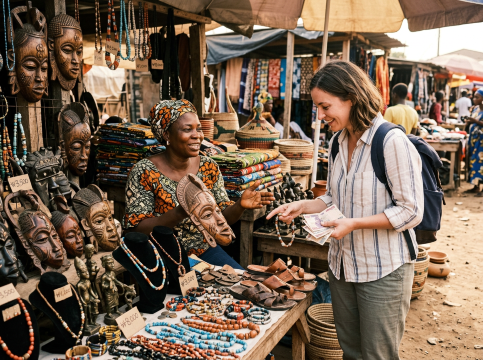
Nigeria souvenir prices
The price of souvenirs in Nigeria varies depending on the type, quality, and where you buy them. Popular options include:
- Ankara fabric: $10–$50 for a beautifully handcrafted piece.
- Traditional Nigerian masks: $30–$100, often made from wood or bronze.
- Coral bead jewelry: $50–$200 for necklaces, bracelets, or earrings.
- Local artwork: $100–$500 for paintings by Nigerian artists.
In tourist areas, souvenir shops usually have fixed prices, but markets, craft villages, and flea markets offer room for negotiation. Whether you’re on a budget or looking to splurge, Nigeria offers a wide range of unique, culturally rich items that make perfect keepsakes.
How much does it cost for transportation when traveling to Nigeria?
Transportation costs in Nigeria vary depending on the city, mode of travel, and distance.
- Taxis and Ride-Hailing: Local taxis and services like Bolt or Uber cost around $1–$3 for short rides within a city, while longer trips (like cross-city or airport runs) can reach $15–$50.
- Buses and Minibuses: Public buses and shared minibuses are very affordable, usually $1–$6 per trip, but can be crowded and less reliable. For intercity bus trips (e.g., Lagos to Abuja), expect $22–$35.
- Car Rentals: Renting a car costs around $70–$120 per day, plus fuel. This is convenient for exploring beyond major cities.
- Domestic Flights: For longer distances, such as Lagos to Abuja or Port Harcourt, domestic flights range from $80–$280 depending on the airline and booking time.
- Motorbike Taxis (Okadas): Often used for short trips or areas with heavy traffic; prices usually range from $1–$2.50, but safety can be an issue.
Costs can rise during peak hours, holidays, or high-demand periods. Planning routes in advance, using ride-hailing apps, and comparing options can help save money while traveling in Nigeria.
Car Rentals
Car Rental Promo Code - 8% Off
New User Enjoy up to 8% Off
TRIPCAR8
How much does it cost for sightseeing when traveling to Nigeria?
Planning a trip to Nigeria? One of the key factors to consider is the cost of sightseeing. Exploring the vibrant culture, breathtaking landscapes, and historical sites in Nigeria can be an enriching experience. However, it's essential to have an idea of the expenses involved to make the most of your trip. Let's dive into the cost of sightseeing in Nigeria and discover some popular attractions along the way!

When it comes to sightseeing in Nigeria, the cost can vary widely depending on several factors. The location, attraction, activity, and duration of your visit all play a role in determining the expenses. It's always a good idea to plan ahead and allocate a budget for sightseeing to make your trip more enjoyable.
Now, let's take a look at some of the popular tourist attractions in Nigeria and their cost ranges in US dollars:
- The Lekki Conservation Centre: $2 to $4 (canopy walkway extra)
- The Olumo Rock: $2 to $5
- The Nike Art Gallery: Free
- The National Museum Lagos: $1 to $3
- The Millennium Park Abuja: Free
- The Tarkwa Bay Beach: Free (but you'll need to pay for a boat ride, around $2–$3)
- The Erin Ijesha Waterfall: $0.35 to $0.70
These are just a few examples of the diverse attractions you can explore in Nigeria. From natural wonders to cultural landmarks, there's something for everyone. Remember, these prices are approximate and may vary depending on the time of your visit and any additional services you choose.
How much does it cost for Wi-Fi & communication when traveling to Nigeria?
Staying connected in Nigeria is fairly affordable, but the prices have changed a lot recently.
SIM cards and mobile data are still the most popular choice. Data plans vary a lot between providers, but you can find solid options starting as low as $0.50–$2. For example, a 1.5GB weekly plan from 9mobile is about $0.70 (₦1,000)**. If you need more, a 10.5GB monthly plan from Glo costs around **$6.50 (₦3,000).
eSIMs are also becoming a great alternative. You can set them up online before you go, and they’re budget-friendly too. It’s easy to find a 1GB plan for a week for about $5–$9.
Portable Wi-Fi devices are available for rent, but they're generally more expensive and less practical for most travelers.
Free Wi-Fi can be found in many hotels, cafes, and malls in bigger cities like Lagos and Abuja, though speed and reliability are not guaranteed, so it's best to treat it as a backup.
For most travelers, buying a local SIM card (or an eSIM) with a data plan remains the most cost-effective and convenient way to stay online. Just remember you'll need your passport to register.
See all attractions
 9848 booked

How much does it cost for visa when traveling to Nigeria?
The cost of a Nigerian visa depends on the type of visa, your nationality, and the processing time. Here’s a general breakdown:
- Tourist Visa: Typically ranges from $50 to $150 for single-entry visas.
- Business Visa: Usually costs between $100 and $200, depending on duration and nationality.
- Multiple-Entry or Long-Term Visas: Can go up to $500 or more, depending on the length of stay and purpose.
Tips:
Processing times can also affect the cost, as expedited services are often available for an additional fee.
Applications are usually submitted online through the Nigerian Immigration Service portal, and it’s important to check the latest fees and requirements before traveling.
How much does it cost for insurance when traveling to Nigeria?
The cost of travel insurance for Nigeria depends on your age, trip length, coverage, and provider.
Here's a quick breakdown:
- Single trip insurance: $25–$150 (basic to comprehensive). For Nigerian travelers, local plans start around ₦12,000 (~$8–$10).
- Annual multi-trip insurance: $250–$500 per year (if you travel 3+ times a year).
- Comprehensive travel insurance: roughly 3–10% of your total trip cost.
Don't forget to check what's covered: medical evacuation (at least $50,000 recommended), personal liability, trip cancellation, and baggage loss. Also, visa rejection is generally not covered.
Compare policies and read the fine print. Some credit cards and booking sites also offer insurance as a perk.
Methods to Save Money When Traveling to Nigeria
Nigeria is an amazing place to visit, but you don't need to spend a fortune. A little planning and smart choices go a long way. You can save money and still have a great time.
- Book flights and hotels early. Last minute means overpay. Look for guesthouses or hostels. They are cheap and fine.
- Use public buses or shared taxis. They save cash and feel more real. If you are in a group, renting a car can make sense.
- Eat at local markets or street stalls. The food tastes better and costs way less than restaurants.
- Find free or cheap attractions. Nigeria has beaches, rocks, markets, festivals. You don't need to spend much.
- Watch your daily spending. Skip random splurges. Use free Wi-Fi or buy a local SIM instead of expensive roaming plans.
Tips for Traveling to Nigeria
Are you planning a trip to Nigeria? Well, buckle up and get ready for an adventure like no other! Nigeria, known as the "Giant of Africa," is a vibrant and diverse country with a rich cultural heritage and breathtaking landscapes. Whether you're a seasoned traveler or embarking on your first international journey, here are eight essential tips to ensure a smooth and enjoyable experience.
1. Do your research: Before jetting off to Nigeria, take the time to learn about the country's history, customs, and local traditions. This will not only enrich your travel experience but also help you navigate any cultural differences you may encounter.
2. Get your documents in order: Ensure that your passport is valid for at least six months beyond your intended stay. Additionally, check if you require a visa and apply well in advance to avoid any last-minute hassles.
3. Stay connected: Nigeria is well-connected in terms of mobile networks, so consider purchasing a local SIM card upon arrival. This will not only provide you with affordable internet access but also allow you to stay connected with your loved ones back home.
4. Stay healthy: It's crucial to prioritize your health while traveling. Make sure you are up to date with routine vaccinations and consider getting additional vaccines such as typhoid and yellow fever. Also, remember to drink bottled water and practice good hygiene to avoid any stomach troubles.
5. Stay safe: Like any other destination, it's important to take precautions to ensure your safety. Be aware of your surroundings, avoid displaying valuable items, and use reliable transportation options. It's always a good idea to register with your embassy or consulate before traveling.
6. Embrace the local cuisine: Nigeria is a food lover's paradise with a wide array of delicious dishes to try. From jollof rice to suya, be sure to indulge in the local flavors and savor the unique culinary experience.
7. Explore the natural wonders: Nigeria boasts stunning natural landscapes, including breathtaking waterfalls, pristine beaches, and wildlife reserves. Don't miss the opportunity to visit places like Olumo Rock, Yankari National Park, and the beautiful Niger Delta.
8. Immerse yourself in the culture: Nigeria is a melting pot of cultures, each with its own traditions and festivals. Take the time to attend local events, visit museums, and interact with the friendly locals to truly immerse yourself in the vibrant Nigerian culture.
FAQs about Trip to Nigeria Cost
-
How much should I budget for flights to Nigeria?
-
What's the average cost of a hotel room per night?
-
Is street food really that cheap in Nigeria?
-
How do I save money on transportation within Nigeria?
-
Do I really need travel insurance for Nigeria? How much does it cost?
Disclaimer: This article has been provided by an individual contributor or third party platform. If there is any discrepancy regarding the copyright, please contact us directly and we will delete the content immediately.
Trending Searches
-
Air Travel Guide
-
Latest Flight Deals
-
Popular Flight & Hotel Packages
-
Getting Around
-
eSIM/SIM card
- Medellin Vacation Packages
- Hong Kong Vacation Packages
- Tokyo Flight and Hotel
- Koh Samui Flight and Hotel
- Hong Kong Flight and Hotel
- Iloilo City Vacation Packages
- BALI Flight and Hotel
- Mauritius Vacation Packages
- Havana Vacation Packages
- Larnaca Vacation Packages
- St. Augustine Vacation Packages
- Daet Vacation Packages
- Oslo Vacation Packages
- Subic Bay Vacation Packages
- Las Vegas Vacation Packages
- Kansai Airport to Wakayama
- Zhangjiajie Transport
- Narita Airport Lounge
- How to Get to Furong Ancient Town
- Chengdu Airport
- Shenzhen Bao'an International Airport
- Shenzhen Metro Map
- Sanya Airport
- Changsha Airport
- Harbin Metro Map
- How to get to Great Wall of China
- Don Mueang Airport to Bangkok
- Cruises from Shanghai to Japan vs Korea
- Hong Kong Airport to Guangzhou
- Narita Airport to Shinjuku
- Macau to Hong Kong
- Eurail Pass Discount