China Train Business Class vs Second Class: Is the Upgrade Worth It?

For most travellers, business class is definitely worth it for most people on high-speed trains in China when they go on trips that last for more than four hours, on trips which occur at night or in the early morning hours, or on any trip taken during holiday seasons where the second class is likely to sell out all its standing ticket options. For any journey which takes less than an hour, there is no need to upgrade to business class.
China Train Business Class vs Second Class: Key Differences at a Glance
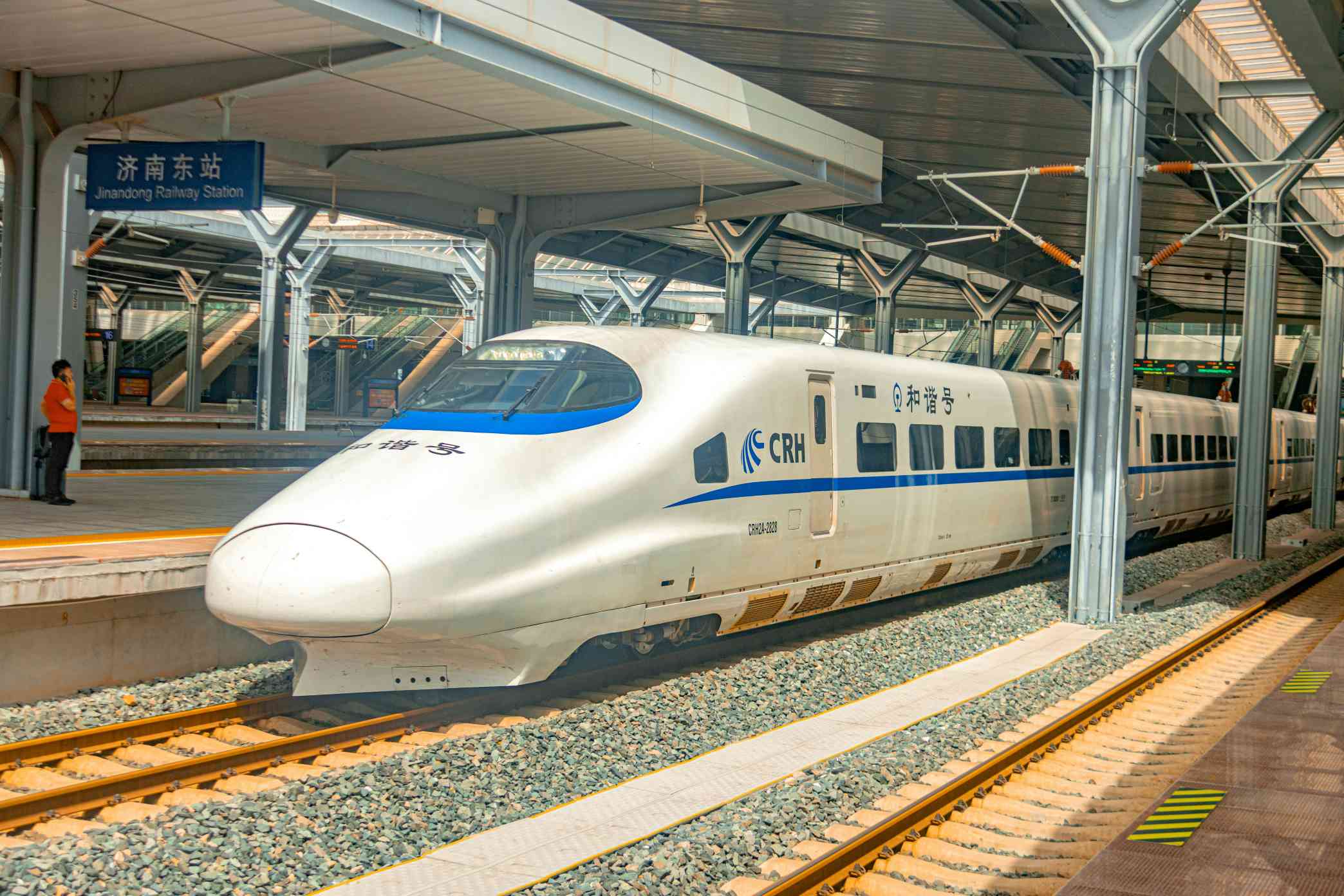
Chinese high speed trains (those with codes starting with G, D, or C) usually offer three seat classes, with a fourth available on some services. From cheapest to most expensive:
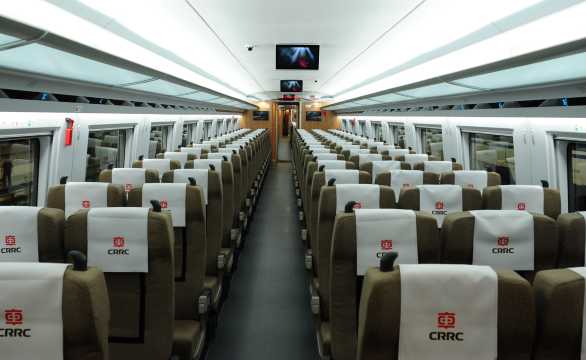
- Second class (二等座): Standard class. 3+2 seating layout.
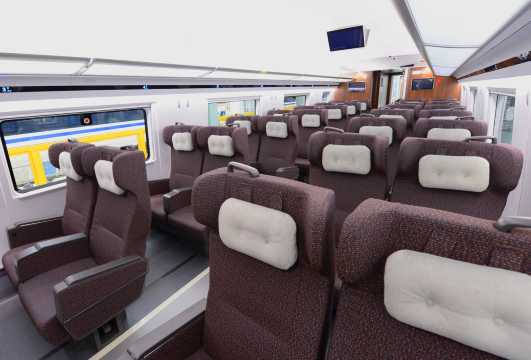
- First class (一等座): Modest upgrade. 2+2 layout, wider seats.
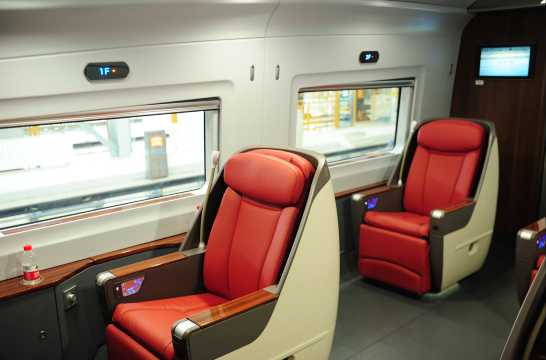
- Business class (商务座): Top tier on most trains. 1+2 or 1+1 layout, often with near lie flat seats.
- OnSpecial class (特等座): Found on some trains, similar in features and price to business class. English booking platforms often label this as "VIP Seat" or "Premium First Class."
English terms used for these classes differ from one platform to another, hence creating some confusions among users. In case there are two options on a train such as “Business Class” and “VIP Seat”, then Business Class will be the higher option. For information on the classes available on any particular train, then 12306 is the best reference point.
Quick comparison:
Second Class | Business Class | |
|---|---|---|
Layout | 3+2 | 1+2 or 1+1 |
Recline | Slight (around 25°) | Often near lie flat (up to 180°) |
Seat width | 43 to 48 cm | Up to 70 cm |
Legroom | 80 to 90 cm | 100 cm or more |
Power outlet | Yes (shared per row) | Yes, plus reading light |
Meal | No | Often included on long routes |
Lounge access | No | Yes at major stations |
Price (vs second) | 1x | 2.5 to 3.5x |
China High Speed Trains: Seats, Legroom, Privacy, and Onboard Comfort
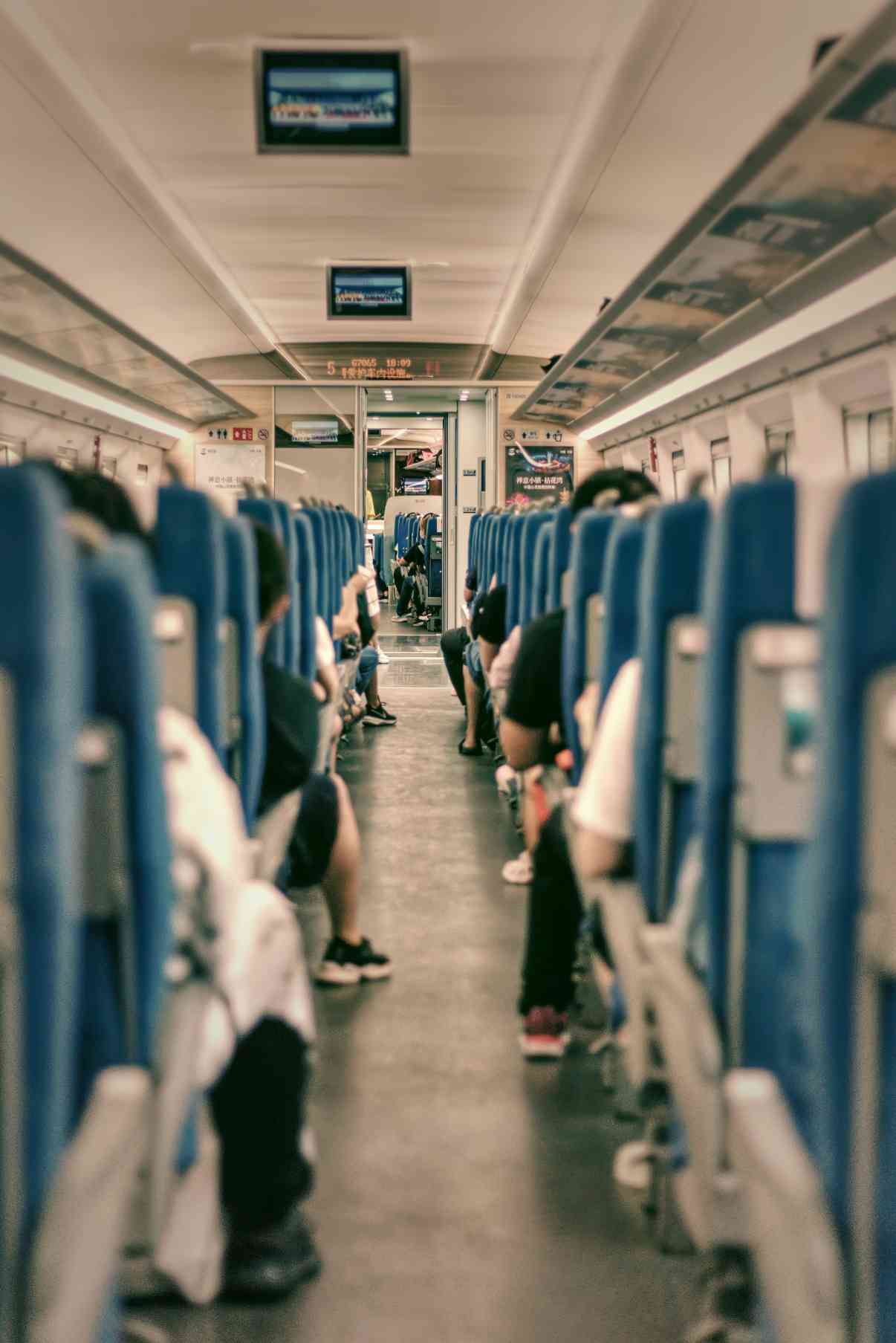
The second-class seating consists of an airplane style seat with just a little bit more leg room than economy seating for shorter flights. It includes a fold-down table, USB ports and regular power supply points in new trains, and minimal reclining. The headrest is rigid and doesn’t have any adjustment options. Second class can be enjoyed comfortably during journeys up to two hours, and it still acceptable up until four hours.
The problem with the second class is not the seat, but rather the train carriage. There are approximately twenty rows of seats per carriage, each carrying five people. The overhead storage area fills up quite fast. When traveling to China on its national holidays, particularly during the Spring Festival travel rush or Golden Week, the trains sell tickets for standing passengers in the second-class compartment. This practice is not extended to the business class compartment, making this a good point for upgrading to business class.
New aspect that should be highlighted: some of the G trains have introduced Quiet Carriage for the second-class passengers. Passengers who board such carriages promise not to make any noise and keep their phones on mute mode as well as avoid making voice calls. This is clearly visible when booking in the relevant trains.
Business Class is significantly different. In G-train services running long-distance routes like Beijing to Shanghai and Beijing to Guangzhou, there are reclining leather seats that can be laid down almost completely flat. There are foot-rests, privacy wings in some seats, individual lights, and attendants who cater exclusively to passengers traveling in business class. The number of seats in a single coach rarely exceeds 24 or is less than 10. The coach will also provide a complimentary meal box on premium services.
The latest Fuxing smart EMU train series (the CR400AF-Z model and others, running on premium routes such as Beijing to Shanghai route) offers this service in their business class seats which offer a semi private cabin arrangement. The seat will be provided in an individual partition cabin where the seat can fully recline, and a screen is provided. You can identify if your train is Fuxing smart EMU by checking the train number (beginning with 'G') and model number in 12306/Trip.com during the booking process.
China High Speed Train Price Comparison: Business Class vs Second Class
The following are typical fares for reference. Prices vary by date and train number, so check live availability before booking.
Route | Duration | Second Class | Business Class | Multiplier |
|---|---|---|---|---|
Beijing to Shanghai | 4h 18m to 6h | ¥553 to ¥662 (~$81-$97) | ¥1,748 to ¥1,960 (~$258-$289) | ~3.0x |
Shanghai to Hangzhou | 45m to 1h | ¥73 (~$10) | ¥219 (~$32) | 3.0x |
Xi'an to Chengdu | 3h to 4h | ¥263 (~$38) | ¥830 (~$122) | 3.1x |
Guangzhou to Shenzhen | 30m | ¥75 (~$11) | ¥234 (~$34) | 3.1x |
Beijing to Xi'an | 4h 10m | ¥515 (~$76) | ¥1,627 (~$240) | 3.2x |
The cost of business class tickets can be 2.5 to 3.5 times higher than those of second-class travel. Long-distance prestige routes represent the top range in terms of cost. Short-distance routes also follow the same proportion, although in absolute terms the difference may be quite small.
It is worth comparing high speed trains to domestic aviation, especially in case of Beijing-Shanghai route. While in terms of air flight the time of flight alone will take about 2 hours, due to airport procedures, waiting for take-off, security checks, etc. the whole journey will take about 5 hours. High speed train covers the same distance in 4.5 hours (centre-city to centre-city), and always within minute accuracy. At times of high demand, business class ticket on the high speed train is cheaper than economy class on the plane.
[10% OFF] China Hotel Recommendations
Book 10% Off on Hotels for your next trip!
Search Top 10 China Hotels
See All Hotels
 NO.1
NO.1

Is China Train Business Class Worth It Over Second Class?
A simple way to decide is by journey length:
- Under 1 hour. Second class is sufficient. The upgrade is unlikely to be worth the difference in cost.
- 1 to 3 hours. Depends on the situation. For early morning or late evening trips, or when the journey doubles as work time, business class is useful. Otherwise second class is reasonable.
- 3 to 6 hours. This is where the comfort difference matters most. Travellers who are tall, have back issues, or want to rest will benefit from business class.
- 6 hours or more. Business class is worth strong consideration. The recline and quieter carriage make a significant difference on long journeys.
Other factors that favour business class:
- Travelling with elderly parents or anyone who tires easily
- Tall passengers, especially over 1.85m, where second class legroom is tight
- Overnight or early morning trips where rest matters
- Arriving for an important meeting or event
- Travelling during Chinese public holidays, when second class is oversold with standing room tickets and aisles become crowded
Factors that favour second class:
- Short journeys under an hour
- Group or family travel, where the multiplier on four or more tickets becomes significant
- Budget conscious travellers
- Passengers who can sleep easily in upright seats
A useful way to weigh the choice: if the rest, quiet, and arrival condition gained from business class is worth the price difference to you, the upgrade is worthwhile. If not, second class on a Chinese high speed train remains one of the better standard class rail experiences available globally.
Get Your eSIM Instantly – Stay Connected in China
See all attractions


How to Book China Train Tickets as a Foreign Traveller
A few practical points for booking Chinese high speed rail tickets as a foreign traveller:
- Use a platform with English support and international card acceptance. Trip.com offers an English interface, accepts international cards, displays the carriage diagram for seat selection, and shows refund terms before checkout.
- Enter your passport name exactly as it appears on the document. Middle names go in the given name field.
- Book early for popular routes during peak periods. Tickets release approximately 15 days before departure. Off peak routes usually remain available closer to the travel date.
- Select your seat at booking. For business class on a 1+2 layout, the single seat offers the most privacy. For 1+1 layouts on Fuxing smart EMU trains, all seats are private partitioned compartments.
- Bring your passport to the station. Most major stations use self service gates that read foreign passports directly. If the gate cannot read the passport, a staffed lane on the side handles manual checks with a handheld scanner.
- For refund and change rules, 12306 is the official source. Trip.com displays the applicable terms before checkout.
Mistakes Foreign Travellers Make When Booking
- Passport name does not match the booking. Middle names entered in the wrong field is the most common cause. Station staff cannot correct the booking at the gate. The traveller has to refund and rebook, which usually means missing the train. Enter middle names in the given name field, not omitted or combined with the surname.
- Booking outside the release window. Tickets are released approximately 15 days before departure. Business class on Beijing to Shanghai, Shanghai to Hangzhou, and Shanghai to Shenzhen can sell out within hours during peak periods. For these routes during Golden Week, Spring Festival, or summer school break, booking on the release date is often necessary.
- Confusing class names at the booking stage. "VIP Seat" and "Premium First Class" are not the same as Business Class on most trains. They refer to special class (特等座), which sits between first and business in features and price.
- Missing the business class lounge. Major stations including Beijing South, Shanghai Hongqiao, Guangzhou South, Shenzhen North, and Hong Kong West Kowloon have dedicated business class lounges with seating, drinks, and quiet space. Lounge access is included with the business class ticket but is not advertised at the gate.
- Locating the business class carriage on the platform. Business class is in Car 1 or the last car of the train, not the centre. Platforms at major stations are long, so confirm the carriage number on the platform display and walk to the marked area before the train arrives.
More Questions on China Train Business Class vs Second Class?
-
How big is the difference between 2nd and 1st class on high speed trains?
-
What is the difference between first class and second class seats on China trains?
-
Is China train business class worth it?
-
What is the difference between a VIP seat and a business class seat on a China G bullet train?
-
Do China train business class seats include meals, lounge access, or lie flat seats?
Disclaimer: This article has been provided by an individual contributor or third party platform. If there is any discrepancy regarding the copyright, please contact us directly and we will delete the content immediately.
Trending Searches
-
Getting Around
-
Popular Attractions
-
eSIM/SIM card
- ETC Card Japan
- Narita Airport to Tokyo
- Taipei Airport
- Shenzhen Bao'an International Airport
- Shenzhen Metro Map
- Kunming Metro
- Xiamen Airport
- How to Get from Osaka to Kansai Airport
- How to Use DiDi in China
- Hong Kong to Macau
- Guangzhou Metro Map
- Shenzhen Airport
- Suzhou metro
- Xiamen Metro
- Narita Airport to Shinjuku
- Macau to Hong Kong
- Harbin Metro Map
- Forbidden City Tickets
- Zhangjiajie National Forest Park
- Shanghai Tower Tickets
- Shanghai Wild Animal Park
- Shanghai Disneyland Tickets
- Canton Tower Tickets
- shanghai to wangxian valley
- Shanghai Disneyland Fast Pass
- Huangshan
- Book China Attraction Tickets with Passport
- Universal Studios Beijing Tickets
- Great Wall of China Tickets
- Yu Garden Tickets
- Summer Palace Tickets
- Shanghai Disneyland Crowd Forecast