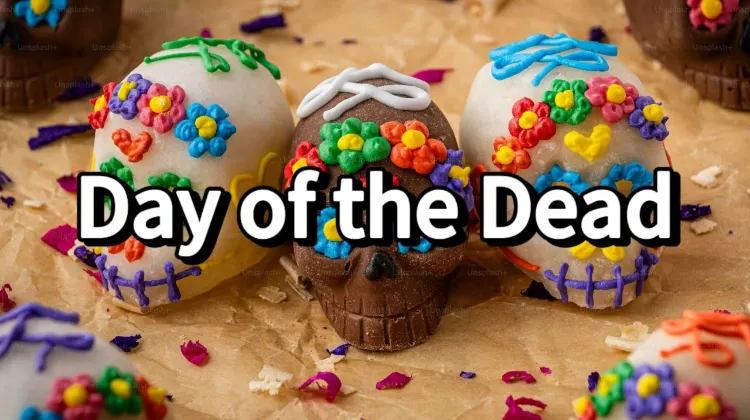
Learn how to celebrate Day of the Dead 2025: when & where it’s celebrated, how different cultures take part, what to wear, and how to honor loved ones.💖
What is the Day of the Dead

from unsplash
The Day of the Dead, or Día de los Muertos, is a cherished Mexican holiday celebrated on November 1 and 2. November 1, Día de los Angelitos, honors children, while November 2 is dedicated to adults.
On these days, families open their doors and hearts, welcoming the spirits of their loved ones back to the world of the living. Through carefully prepared altars, offerings, and heartfelt gatherings, they celebrate and keep alive the memories of those who have passed.
For Mexicans, as long as someone’s name is spoken and their life remembered, they live on, present in the stories, love, and traditions shared by those they left behind. They believe that death doesn’t truly take someone away as long as they are remembered.✨
When is Day of the Dead 2025
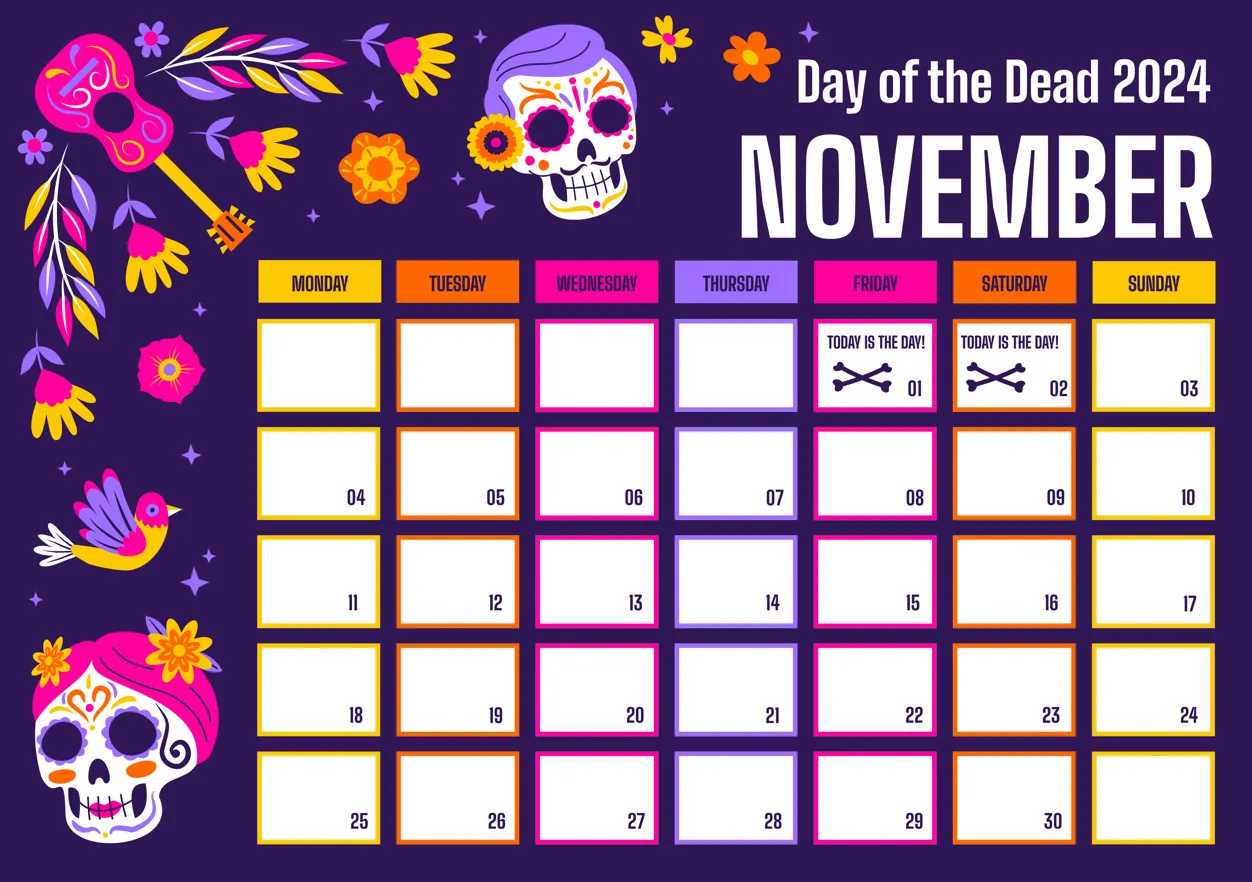
Day of the Dead Calendar (design with freepic template)
When is the Day of the Dead in 2025?
In 2025, the Day of the Dead will be observed on November 1 and November 2. This holiday spans two days, each dedicated to different spirits.
- November 1, known as Día de los Inocentes or Día de los Angelitos, is dedicated to remembering children who have passed away.
- November 2, the main Day of the Dead, focuses on honoring deceased adults.
How Long is the Day of the Dead?
In Mexico, Day of the Dead celebrations generally last 2 days.
However, in some regions like Oaxaca and Michoacán, festivities can start on October 31 with Halloween-like events, leading into the full Day of the Dead celebrations.
In parts of central and southern Mexico, especially in small towns like Pátzcuaro and Mixquic, festivities may continue until November 6, allowing families extended time for cemetery visits and remembrance.
| Date | Location | Notes |
| October 31 | Oaxaca, Michoacán | Early preparations, Halloween-like events |
| November 1 | Nationwide in Mexico | Día de los Inocentes - Honoring deceased children |
| November 2 | Nationwide in Mexico | Main celebration - Honoring deceased adults |
| November 6 | Mixquic, Pátzcuaro | Extended festivities in some regions |
Is Day of the Dead a Public Holiday?
The Day of the Dead is not a national public holiday in Mexico, so schools and businesses generally remain open.
However, in some towns and regions, it’s common for people to take time off or adjust schedules for family gatherings and cemetery visits.
💖If you're curious about how to stay connected in Mexico and beyond, check Global eSIM, Wifi and SIM card!
Day of the Dead Parade in Mexico City 2025

from unsplash
For the Day of the Dead Parade and related events in Mexico City, here’s a helpful guide 🥳
- Date: The main parade is set for November 2, 2025.
- Route: Starting at Puerta de Leones in Chapultepec Park, it moves along Paseo de la Reforma to Avenida Hidalgo, and concludes at the Zócalo.
- Time: Though the official start time is around 2:00 PM, it’s wise to arrive early (around noon) for a good spot, as crowds grow rapidly. Expect vibrant floats, music, and spectacular costumes.
Where to stay in Mexico for Day of the Dead

Hotel Zocalo Central
Located in Centro Histórico, this hotel offers stunning views over the Zócalo, giving you easy access to the Day of the Dead altars and celebrations right outside. The hotel features an in-house restaurant with views of the main square, making it an excellent choice for those looking to be in the center of the action
Hilton Mexico City Reforma
Close to Avenida Reforma and Centro Histórico, this hotel provides comfortable rooms and modern amenities, including a rooftop pool, spa, and on-site dining options. The location is ideal for watching the Day of the Dead parade while enjoying excellent city views and easy access to major attractions
Sheraton Maria Isabel
Situated along Reforma, this classic hotel offers direct access to the parade route, as well as convenient amenities like an outdoor pool, fitness center, and multiple dining options. It’s a well-rated option for guests looking to stay close to the celebrations with all essential comforts
Who Celebrates the Day of the Dead?

from unsplash
Day of the Dead is celebrated primarily in Mexico but has spread to other regions with cultural adaptations. Here’s how Day of the Dead differs around the world:
Mexico
In Mexico, Día de los Muertos is a two-day event from November 1-2. Families build altars at home and in cemeteries, decorate with marigolds, and prepare favorite foods of the deceased. This holiday is seen as a joyous reunion with spirits, symbolized by vibrant colors, sugar skulls, and offerings (ofrendas).
United States
In the U.S., especially in cities with large Mexican-American communities like Los Angeles and San Antonio, the Day of the Dead includes parades, public altar displays, and community festivals. Events emphasize Mexican heritage, with adaptations like fusion altars blending Mexican symbols with local elements.

from unsplash
Guatemala
Guatemala celebrates with the unique Giant Kite Festival in Sumpango and Santiago Sacatepéquez. On November 1, locals fly enormous, hand-painted kites in cemeteries, believing they help guide spirits home. Altars are also built, and offerings include food, candles, and incense.
Ecuador
Ecuador celebrates Día de los Difuntos on November 2. Families gather at cemeteries, sharing a traditional purple drink, colada morada, and sweet rolls shaped like children, called guaguas de pan, to honor the dead.
Philippines
Known as Undas or Araw ng mga Patay, Filipinos observe a similar holiday on November 1-2. Families visit and clean graves, lighting candles and bringing food as offerings. The occasion includes family gatherings, often at the cemetery.
How to Celebrate Day of the Dead
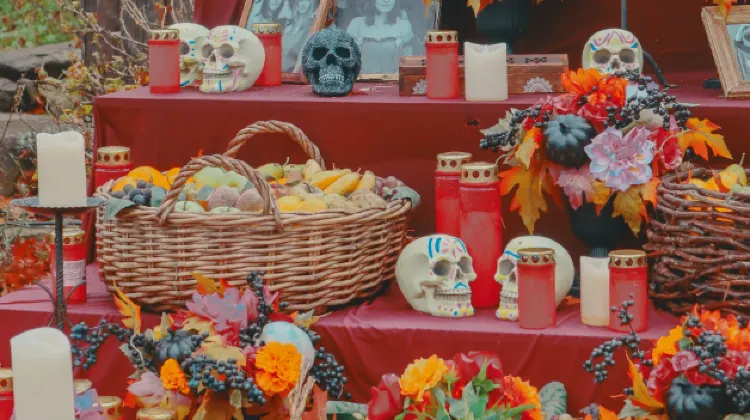
from unsplash
Celebrating the Day of the Dead (Día de los Muertos) brings families and friends together to honor loved ones who have passed away, creating a colorful, warm, and symbolic experience. Here are a few meaningful ways to join in:
Build an Ofrenda (Altar)
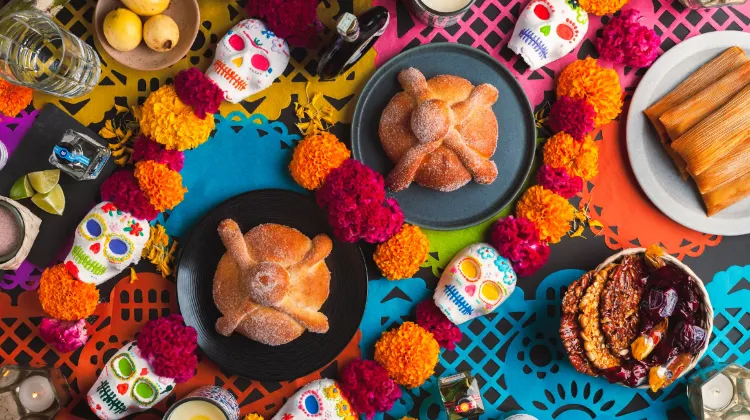
Creating an ofrenda, or altar, is one of the most traditional ways to celebrate. Altars are often decorated with marigold flowers, photos, candles, and favorite foods of the deceased. Items like sugar skulls and pan de muerto (Day of the Dead bread) are included as offerings to welcome spirits back into the family’s world. It’s common to see these altars at homes, cemeteries, and even public spaces across Mexico.
Visit the Cemetery
In towns across Mexico, cemeteries come alive with light and color as families gather to clean and decorate graves. Celebrations in Oaxaca and Michoacán are particularly lively, where families share food, drink, and music to celebrate the lives of their ancestors. In Mexico City’s Mixquic cemetery, for example, you’ll find music, flowers, and candles, creating a welcoming atmosphere for the spirits.
from Boing Boing
Join a Parade
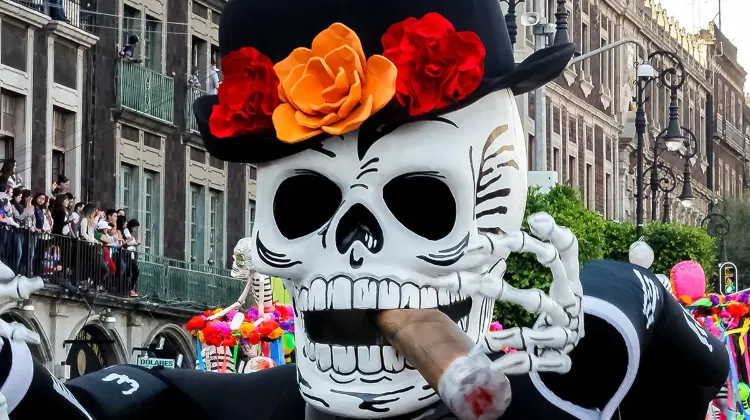
In cities like Mexico City, Oaxaca, and Guadalajara, parades have become an essential part of the Day of the Dead celebrations. Mexico City’s annual parade, inspired by the 2015 James Bond film Spectre, now features dancers, floats, and costumes, drawing thousands of visitors each year. Parades showcase Mexican cultural symbols, such as skull masks and alebrijes (fantastical creatures).
Prepare Traditional Foods
Food plays a huge role in the festivities. Pan de muerto, a slightly sweet bread decorated with bone-shaped designs, is enjoyed with hot chocolate or atole, a corn-based drink. Many families also prepare mole, tamales, and the favorite dishes of their loved ones as offerings, as it’s believed that spirits consume the essence of the food left for them.
from unsplash
Decorate with Symbols
Decorations, such as colorful papel picado (paper cutouts) and sugar skulls, fill homes, shops, and streets. These are symbols of remembrance and celebration of life. Cultural events, like Oaxaca’s Muerteada parades and Mexico City’s grand illumination of the Zócalo, offer travelers a chance to experience the holiday in full color and tradition.
Why is Day of the Dead Celebrated
from unsplash
The Day of the Dead celebrates a meaningful connection between the living and the deceased, rooted in centuries-old traditions. Here’s a deeper look into its history, beliefs, and customs.
Ancient Roots
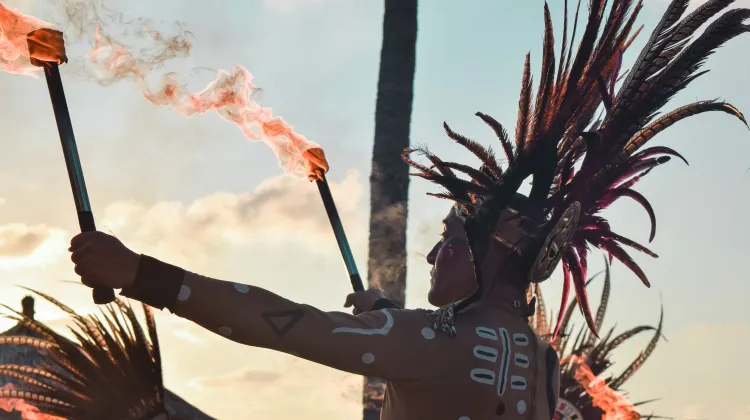
This celebration began with the Aztecs, who viewed death as a natural part of life’s cycle. They honored the deceased with rituals for Mictecacihuatl, goddess of the afterlife, welcoming spirits to the earthly world each year through offerings, dances, and food.
Catholic Influence
When Spanish colonizers arrived, they brought All Souls' Day, and the two traditions merged. Today, November 1 honors children (Día de los Inocentes), and November 2 focuses on adults. This blend of beliefs created the modern Day of the Dead, honoring family bonds beyond death.

Altars as Connections
Altars, or ofrendas, are built in homes and cemeteries, often adorned with photos, marigolds, candles, and favorite foods. Each item has a purpose, like lighting the way with candles or using marigolds to guide spirits. The altar becomes a welcoming space for spirits to reconnect with their loved ones.
Family Stories and Legacy
Beyond offerings, families gather to share stories of their ancestors, keeping memories alive and passing on values. This aspect makes the holiday a family reunion, with both the living and the spirits joining in.
What to Wear for Day of the Dead Costume

from freepic
Dressing for Day of the Dead combines cultural respect and creative expression, with costumes often inspired by Mexican traditions and symbols like La Catrina or skeleton imagery.
La Catrina Costume
La Catrina is one of the most popular Day of the Dead looks. Inspired by José Guadalupe Posada’s illustration, this costume is elegant and symbolic of Mexican culture:
- Dress: Wear a long dress, often black or brightly colored, with lace or floral details. Some choose a dress with bold floral patterns, reflecting life and remembrance.
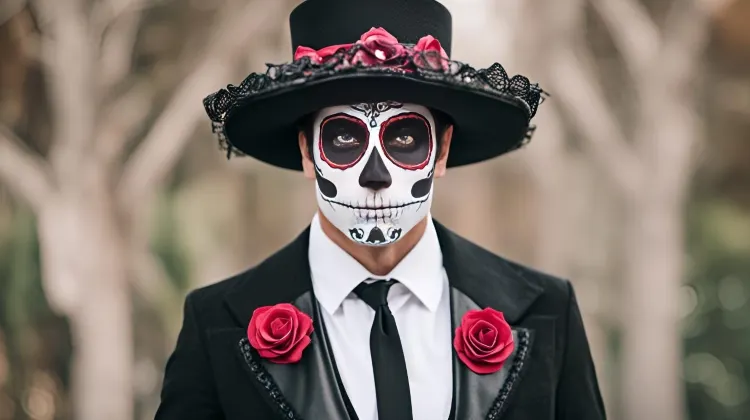
- Headdress: Top the look with a large, flower-adorned hat or a floral crown. Artificial marigolds and ribbons add traditional touches.
- Face Paint: Create a sugar skull look with face paint. Start with a white base, add black around the eyes, and decorate with colorful designs like flowers or lace around the mouth and cheeks.
from sandos
Traditional Men’s Costumes
Men traditionally dress as El Catrin, the male counterpart to La Catrina, or in skeleton-themed outfits.
- Charro Style: A Mexican charro suit with skull accents is popular. Many wear a sombrero or black hat with floral additions.
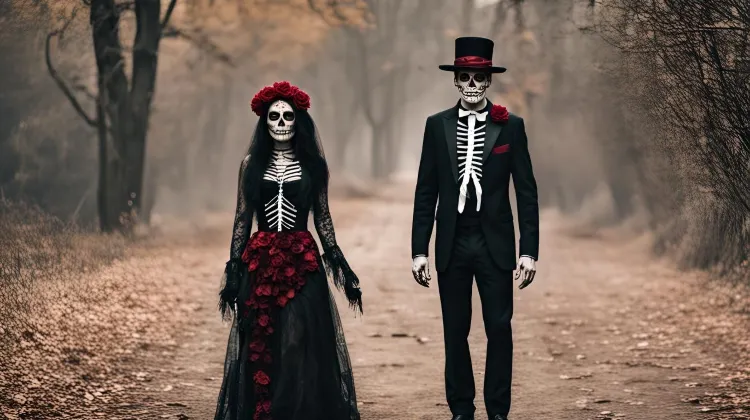
- Dapper Skeleton: A simple black suit and white shirt, along with skeleton face paint or a mask, makes a classic look. Many add accessories like gloves or a cane to complete it.
from sandos
Couples Costumes
For couples, Day of the Dead costumes provide a chance to coordinate.
- Catrin and Catrina: Partners can dress as La Catrina and El Catrin, often with matching colors and accessories.
- Day of the Dead Bride and Groom: Another favorite is the bride and groom theme, where the bride wears a white or black dress with a floral crown, and the groom wears a dark suit with a marigold boutonniere.
Where is Day of the Dead Celebrated: 8 Top Places
from geo mexico
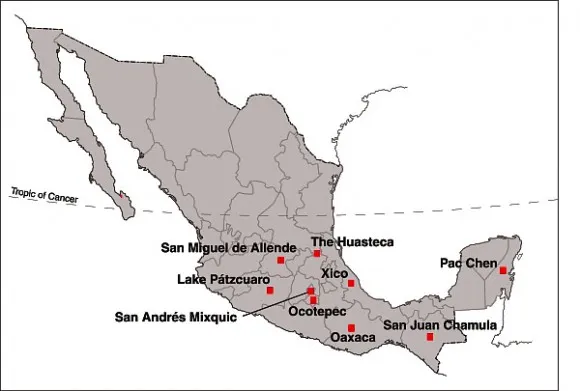
- Michoacán - Janitzio Island
On Janitzio Island in Lake Pátzcuaro, the Purépecha people perform traditional rituals, drawing thousands of visitors for candle-lit cemetery vigils. Nearby towns like Tzintzuntzan and Ihuatzio offer quieter but equally heartfelt celebrations, all surrounded by UNESCO-recognized local cuisine - Mexico City - Mixquic and Xochimilco
In San Andrés Mixquic, graves are covered in marigolds and illuminated with candles. Xochimilco’s canals host special trajinera boat rides, allowing visitors to experience the festival surrounded by traditional decorations - Morelos - Ocotepec
Near Cuernavaca, Ocotepec holds intimate Day of the Dead events, where families prepare altars and invite visitors to share food, offering a close look at local traditions. - Veracruz - Xico
Xico, a "Magic Town," celebrates with flower-petal carpets leading to gravesites and a feast of tamales, showcasing the region’s unique flavors and traditions - San Luis Potosí & Hidalgo - Huastec Region
The indigenous Huastec people celebrate Day of the Dead as Xantolo, decorating multi-tiered altars with flowers and traditional foods in mountain villages across these states - Chiapas - San Juan Chamula
In San Juan Chamula, the indigenous Tzotzil community marks Day of the Dead with Kin Anima, combining indigenous traditions with Mexican customs for a deeply spiritual celebration. - Yucatán and Quintana Roo - Hanal Pixán
Known as Hanal Pixán or “feast for the souls,” the celebration in Mérida includes intricately decorated altars, processions, and traditional dishes prepared for returning spirits. Theme parks like Xcaret also offer vibrant displays with concerts and performances - Oaxaca - Oaxaca City and Surrounding Villages
Oaxaca City hosts nighttime comparsas (processions) and all-night cemetery vigils, with neighboring villages like Xoxocotlán adding their own unique traditions. The coastal regions celebrate differently, with Santiago Pinotepa Nacional offering an Afro-Mexican interpretation of the holiday.
What are Symbols Associated with the Day of the Dead?
The Day of the Dead is known for its unique symbols, each rich in cultural meaning and significance. Here’s a closer look at some of the most recognizable.
Marigolds (from Wikipedia)
Marigolds
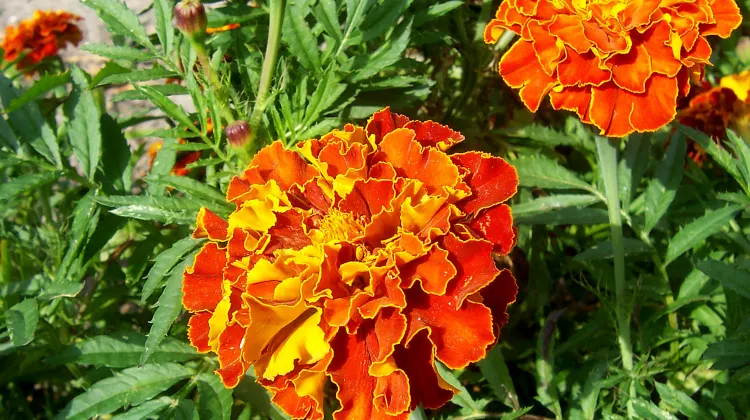
Known as cempasúchil, marigolds are bright orange and believed to help spirits find their way back with their strong color and fragrance. Often placed around altars, marigolds are a guide from the spirit world.

Sugar Skulls (from Wikipedia)
Sugar Skulls
Sugar skulls, often personalized with names, represent the lives of the departed. They bring a playful element to the holiday, symbolizing how death is embraced without fear.
Papel Picado (from Wikipedia)
Papel Picado
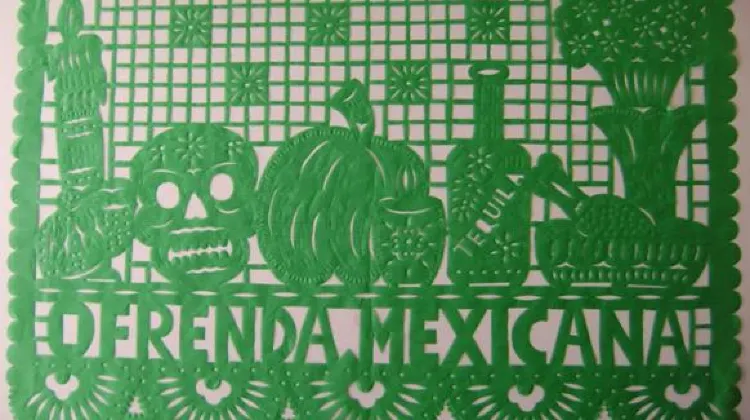
These delicate paper cutouts decorate altars with their intricate designs, representing the fragility of life. Traditionally crafted from colorful tissue paper, papel picado adds a festive, yet poignant, touch.
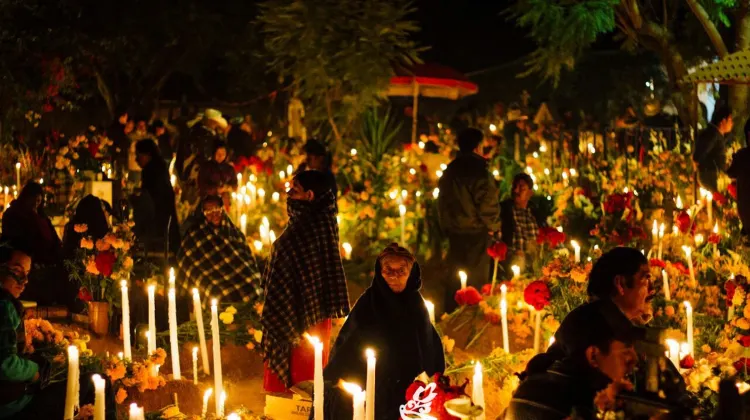
Candles (from the Lift)
Candles
Candles light the path for spirits returning to the world of the living. Each candle often represents a departed family member, guiding them to their loved ones.
FAQs about Day of the Dead
When did Day of the Dead start?
The roots of Day of the Dead date back to Aztec and other Mesoamerican cultures over 3,000 years ago. Indigenous peoples honored the cycle of life and death with rituals for the dead, which were later blended with Catholic traditions after the Spanish arrived in the 16th century.What is the Day of the Dead in Mexico called?
In Mexico, the Day of the Dead is called Día de los Muertos. It is celebrated on November 1 and 2 to honor the spirits of deceased loved ones, with November 1 dedicated to children (Día de los Angelitos) and November 2 for adults.Why does Mexico celebrate Day of the Dead?
Mexico celebrates Day of the Dead to honor and remember loved ones who have passed away, seeing death as a natural part of life. The holiday blends indigenous beliefs about the afterlife with Catholic traditions, allowing families to keep the memory of their ancestors alive in a joyful, communal way.Why are marigolds used in Day of the Dead?
Marigolds, known as cempasúchil in Mexico, are used during Day of the Dead because their bright color and strong fragrance are believed to help guide the spirits of the deceased back to the world of the living. The petals are often scattered to form pathways and decorate altars, adding both beauty and symbolism to the celebrations.