Egypt Plug: Types, Voltage, & Plug Adapters

by Yuan Wu
May 12, 2025
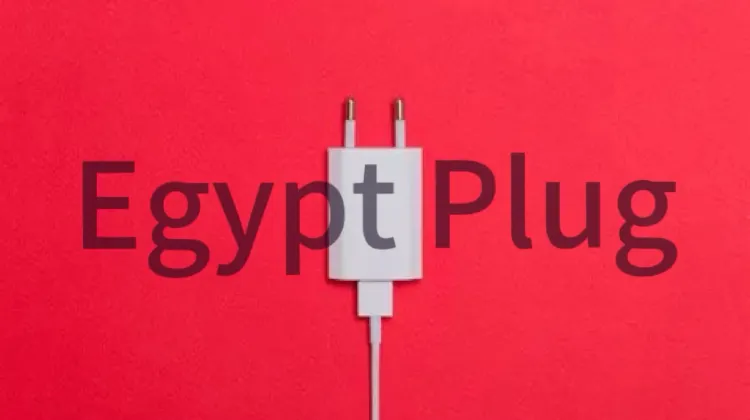
When you’re planning a trip to Egypt, making sure you have the right power adapters, converters, and charging options is essential. Without these, your devices could end up useless, which may ruin your travel experience since it could be troublesome to buy them in a foreign country. 🤔 Here’s an in-depth guide on everything you need to know about Egyptian power plugs, adapters, voltage, and some handy tips to make sure you can stay connected during your travels.
See all attractions
 55637 booked

Egypt Plug Type
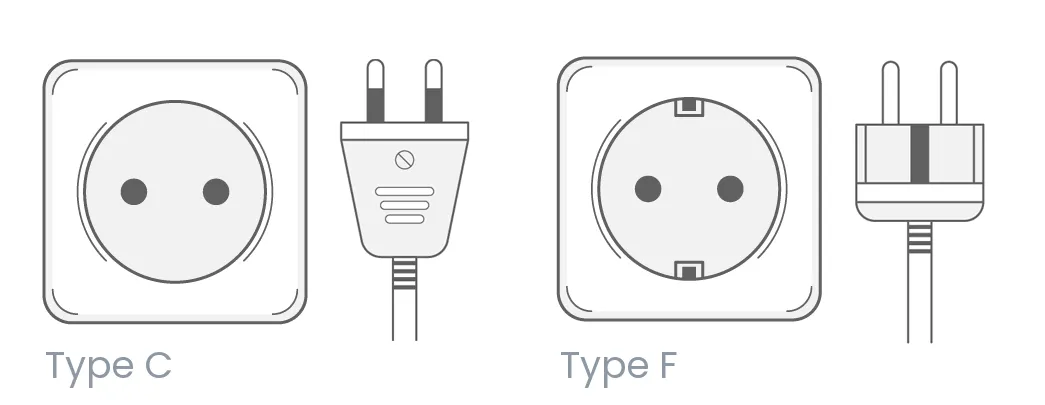
The plug types used in Egypt are types C and F. Let’s have a closer look at them:
Type C Plug: Known as the standard “Europlug,” it has two round prongs and is compatible with most European outlets. The prongs are slightly narrower than those of Type F, but it’s versatile and compatible with various European countries.
Type F Plug: Also has two round prongs but with added grounding clips on the side. This type is also known as the "Schuko" plug and is common across Europe, including Germany, France, and Spain.
Source: World Power Plugs
If you’re traveling from the U.K., U.S., or other countries with different plug standards, you’ll definitely need an adapter to ensure compatibility with Egyptian outlets. These adapters are relatively inexpensive and can usually be found at most electronics stores, travel shops, or online. It’s best to bring a couple along just in case you want to charge more than one device at once.
Egypt Power Plug Voltage and Frequency
Egypt’s power voltage is set at 220 volts with a frequency of 50 Hz, which is the standard for much of Europe and Asia.
Here are some small tips for you:
If you’re coming from a country with a lower voltage standard (like the U.S., which typically uses 110V), you’ll need to verify whether your devices are compatible with 220V.
Many modern electronics like laptops, smartphones, and cameras are dual voltage (e.g., 110V-240V), meaning they can work safely in multiple countries without requiring a voltage converter. Just look for a label on your device or charger to see if it supports 220V or “Input: 100-240V.”
Voltage converters are needed for single-voltage devices that aren’t compatible with 220V, such as some older hairdryers, straighteners, or small appliances from the U.S. These devices could overheat or break if plugged directly into a 220V outlet without a converter.
A voltage converter adjusts the electrical input so your device receives the correct voltage. However, converters are typically bulkier than adapters, so try to limit their use to only necessary devices.

Source: Royal Brinkman
Egypt Plug: Adapters and Converters for Traveling in Egypt
Adapters and converters are essential for many international travelers. They look similar. It’s helpful to understand the difference to avoid any confusion.
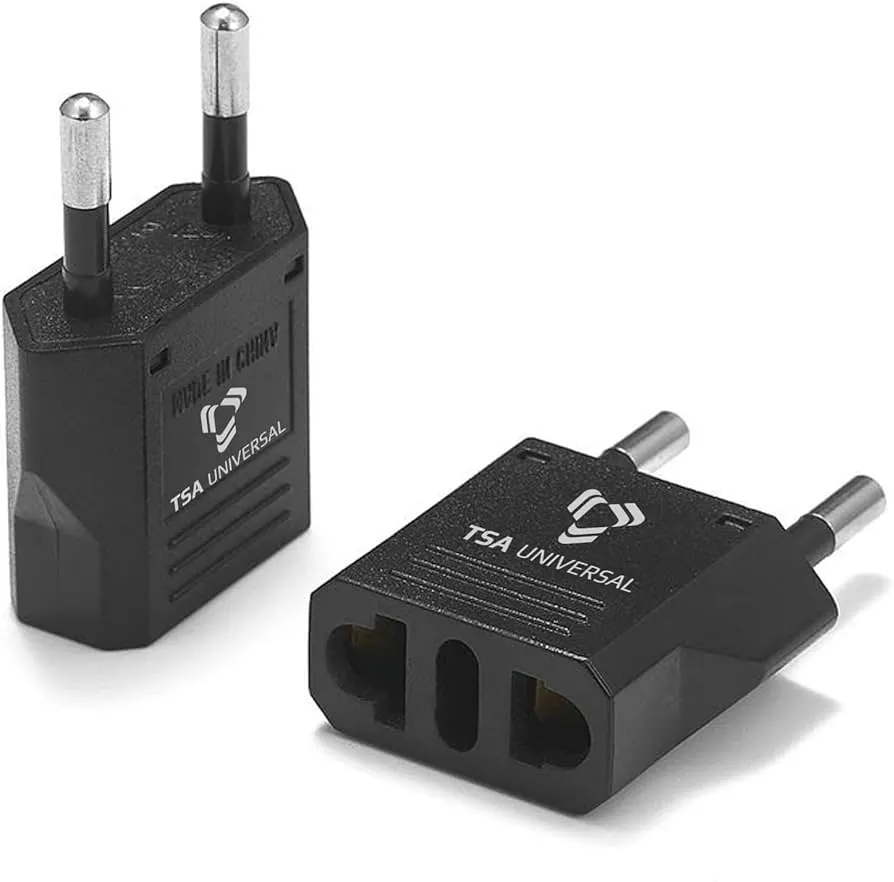
Plug Adapters: These simply change the plug shape so it can fit into an Egyptian outlet, but they don’t alter the electrical output. For devices like laptops, cameras, or phones (which are usually dual voltage), an adapter is all you’ll need.
Voltage Converters: These adjust the voltage to make it compatible with lower-voltage devices. For example, if you’re bringing a hairdryer or electric shaver that’s not dual voltage, you’ll need a converter. Some travel converters also come with built-in adapters for added convenience.
Source: Amazon
Where to Buy Adapters and Converters?
Most electronics or travel stores carry plug adapters for Egypt, and they’re available online, often as part of universal travel adapter kits. It’s wise to pick up adapters and converters before your trip to avoid extra hassle at the airport or upon arrival.
Where to Charge Easily in Egypt?
In popular cities like Cairo, Alexandria, and Sharm El Sheikh, it’s generally easy to find charging spots, especially if you’re staying in hotels or modern accommodations. Here are some specifics to help you plan:
• Hotels and Hostels: Most hotels and hostels in Egypt offer outlets compatible with Type C and F plugs. Some high-end hotels even provide universal outlets, but don’t rely on this. Always have your adapter handy.
• Cafés and Restaurants: Many international cafés and restaurant chains in Egypt have accessible power outlets, making it convenient to charge devices while you take a break or grab a bite.
Cairo Hotels Recommendations
See All Hotels


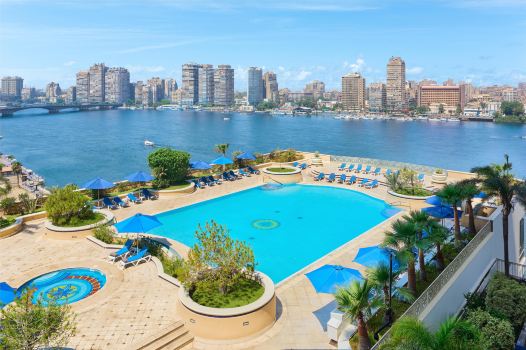

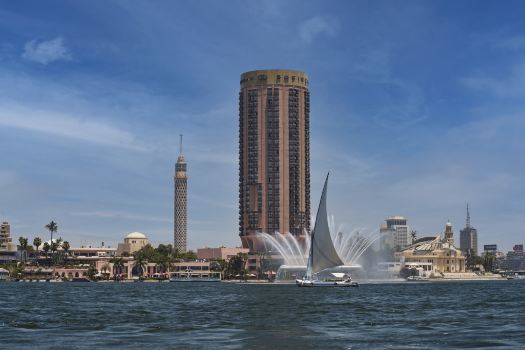

Source: Amazing Architecture
• Airports and Shopping Malls: Egypt’s main airports, especially Cairo International Airport, have charging stations available in waiting areas and lounges. Malls in major cities also often have charging points for shoppers.
• Portable Power Banks: For sightseeing days when you’re out and about, a portable power bank can be incredibly useful, especially if you’re taking lots of photos or using maps and guides on your phone. Power banks with high-capacity (10,000mAh or more) can fully charge most smartphones multiple times.
However, in more remote areas or when visiting archaeological sites, charging options will be limited or non-existent, so it’s best to leave with a fully charged power bank and backup power.
Global Electrical Standards Overview
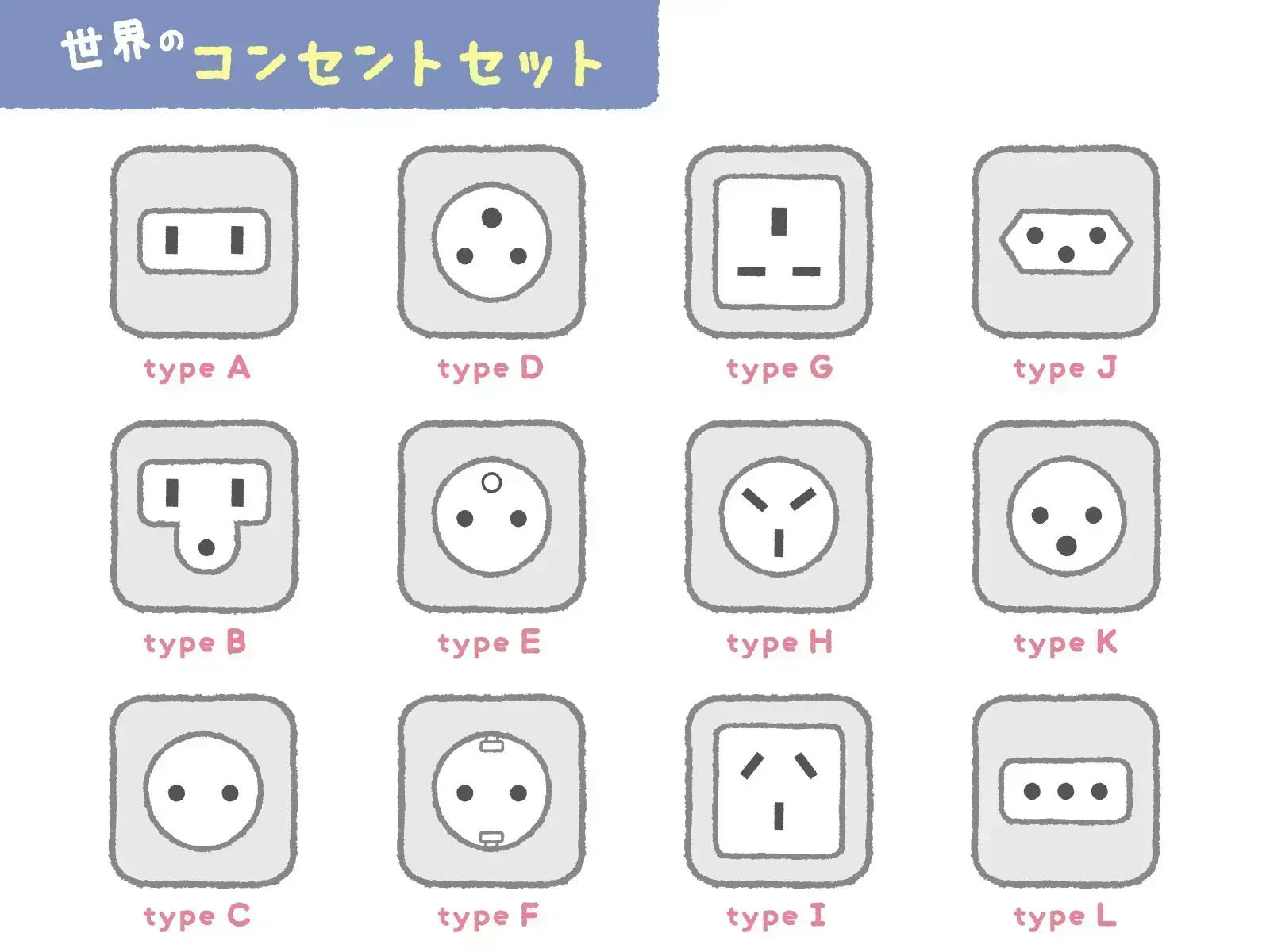
Globally, there are three main electrical standards for devices: 110-120V used primarily in North and Central America, 220-240V prevalent in Europe, Asia, and Oceania, and the dual-voltage system. These standards also differ in frequency, either 50 Hz or 60 Hz, and include a variety of plug types specific to each region. Understanding these differences is essential for safely using electronic devices while traveling internationally.
Asia & Oceania Electrical Standards
| Country | Frequency (Hz) | Voltage (Volts) | Plug Type |
| Australia | 50 | 230 | I |
| China | 50 | 220 | A, C, I |
| China (Hong Kong S.A.R.) | 50 | 220 | G |
| India | 50 | 230 | C, D, M |
| Indonesia | 50 | 230 | C, F |
| Japan | 50 Hz in Eastern Japan & 60 Hz in Western Japan | 100 | A, B |
| Malaysia | 50 | 240 | G |
| New Zealand | 50 | 230 | I |
| Philippines | 60 | 230 | A, B, C |
| Republic of Korea (South Korea) | 60 | 220 | C, F |
| Singapore | 50 | 230 | G |
| China (Taiwan) | 60 | 110 | A, B |
| Thailand | 50 | 220 | A, B, C |
| Vietnam | 50 | 220 | A, C |
North America & South America Electrical Standards
| Country | Frequency (Hz) | Voltage (Volts) | Plug Type |
| Argentina | 50 | 220 | C, I |
| Brazil | 60 | 127/220 | C, N |
| Canada | 60 | 120 | A, B |
| Chile | 50 | 220 | C, L |
| Colombia | 60 | 120 | A, B |
| Mexico | 60 | 127 | A, B |
| Peru | 60 | 220 | A, C |
| USA | 60 | 120 | A, B |
| Venezuela | 60 | 120 | A, B |
Europe Electrical Standards
| Country | Frequency (Hz) | Voltage (Volts) | Plug Type |
| France | 50 | 230 | C, E |
| Germany | 50 | 230 | C, F |
| Italy | 50 | 230 | C, F, L |
| Russia | 50 | 230 | C, F |
| Spain | 50 | 230 | C, F |
| United Kingdom | 50 | 230 | G |
Oceania Electrical Standards
| Country | Frequency (Hz) | Voltage (Volts) | Plug Type |
| Australia | 50 | 230 | I |
| Fiji | 50 | 240 | I |
| New Zealand | 50 | 230 | I |
Tips for Traveling in Egypt
Whether it’s preparing for local customs or staying powered up, these tips will help you have a smooth and connected journey in Egypt:👇
• Pack Multiple Adapters and a Power Strip: Bringing a few adapters allows you to charge more than one device at a time. Compact power strips with USB ports are also travel-friendly and provide additional charging points.
• Use Offline Maps and Travel Apps: Wi-Fi availability can be inconsistent, so having offline maps or downloaded travel guides can be a lifesaver, especially when navigating streets or unfamiliar areas.
• Plan for Limited Wi-Fi in Remote Areas: Wi-Fi access in Egypt is generally reliable in cities but may be less so in rural or desert regions. Consider downloading content and important travel information beforehand for offline access.
• Look for “Charge Friendly” Cafés: Some cafés around tourist areas actively cater to travelers and have multiple outlets and USB charging ports, which can be a good backup when you’re on the go.
Finally, don’t forget to double-check your adapter kit to ensure compatibility with the C and F plug types, especially if it’s your first time using it. With the right planning and tools, staying charged and connected in Egypt is simple, leaving you free to focus on the amazing experiences waiting for you.
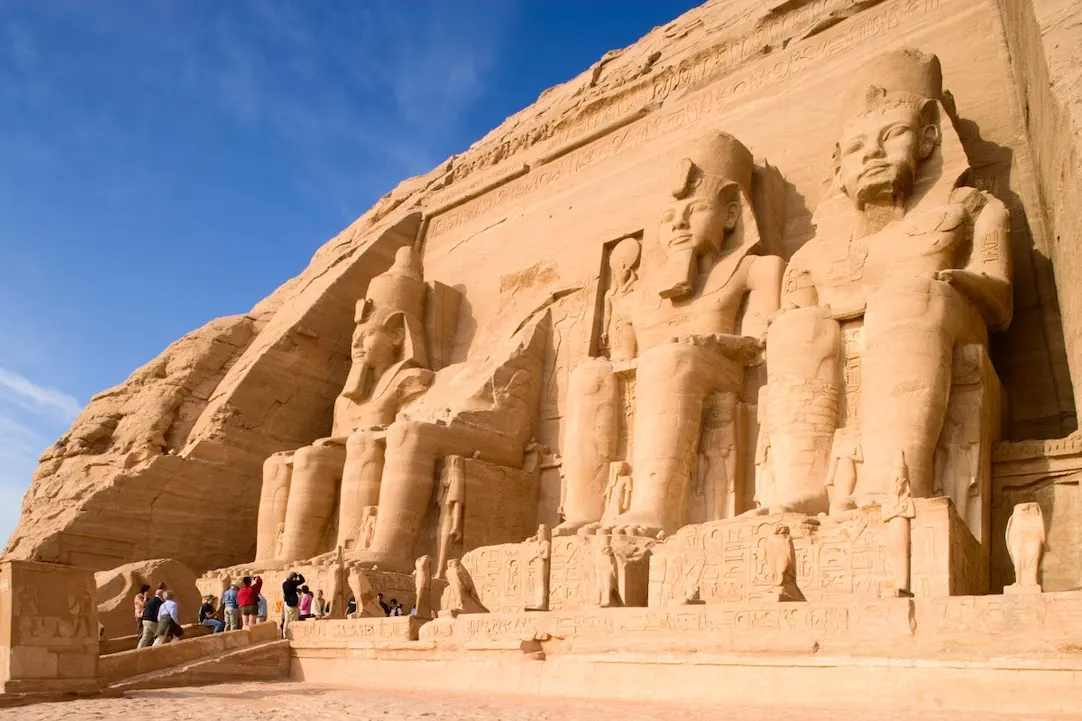
Source: National Geographic Kids
Disclaimer: This article has been provided by an individual contributor or third party platform. If there is any discrepancy regarding the copyright, please contact us directly and we will delete the content immediately.
Trending Searches
-
Popular attractions
-
Trending Stays
-
Getting Around
-
eSIM/SIM card
- Hotels in Shanghai
- Hotels in Guangzhou
- Hotels in Beijing
- Hotels in Bangkok
- Hotels in Shenzhen
- Hotels in Hong Kong
- Hotels in Chongqing
- Hotels in Tokyo
- Hotels in Ho Chi Minh City
- Hotels in Chengdu
- Hotels in Kuala Lumpur
- Hotels in Seoul
- Hotels in Zhangjiajie
- Hotels in Hanoi
- Hotels in Hangzhou
- Hotels in Singapore
- Hotels in Xi'an
- Hotels in Istanbul
- Hotels in Bali
- Hotels in Osaka
- Changsha Metro
- Chitose Airport to Sapporo
- Qingdao Metro Travel Guide
- Japan Taxi App
- Tokyo Transportation
- Guangzhou Metro Map
- Wuxi Airport
- Nanjing Airport
- Kyoto Airport
- Hong Kong to Macau
- Ho Chi Minh Airport
- Narita Airport Limousine Bus
- How to Use DiDi in China
- Osaka Metro
- Narita Airport to Shinjuku
- Macau to Hong Kong
- Kunming Airport