Osaka Temperature Guide: 2026 Seasonal Weather, Average Temperatures and Travel Clothing Tips

Author's Profile Picture

by Qthree

June 24, 2026

Osaka Temperature

Located in Japan’s Kansai region, Osaka is a lively city shaped by four clearly defined seasons. From hot, energetic summers to crisp, dry winters, each season offers a different travel experience—spring brings cherry blossoms, while autumn paints the city with colorful maple leaves. Whatever weather you enjoy, Osaka delivers something special year-round. Explore Trip.com’s detailed guide for top food spots, attractions, and shopping highlights.

Osaka Temperature: 7-Day Weather Outlook

Osaka Temperature: Typical Weather Conditions in Osaka

Osaka has four distinct seasons: hot, humid summers; dry, cold winters; and pleasantly mild spring and fall—the best times to see cherry blossoms and autumn foliage. The table below details the monthly average weather data to help you prepare when planning your trip.

Month

Average temperature (°C)

Average Rainfall (mm)

January

6°C

45mm

February

7°C

56mm

March

10°C

89mm

April

15°C

109mm

May

19°C

130mm

June

23°C

169mm

July

28°C

137mm

August

30°C

104mm

September

26°C

166mm

October

20°C

80mm

November

14°C

51mm

December

9°C

43mm

Osaka Temperature: Discover Every Season in Osaka | Rent a Car and Drive Safely

Planning to hit Kyoto, Nara, Kobe, and more in one trip? Renting a car and driving yourself is the most flexible and convenient way to get around, without being tied to public transit schedules. It’s especially ideal for families or groups, helping you save both time and transportation costs. Log in to Trip.com now to compare prices from major car rental companies, discover exclusive deals, and make your Kansai journey even more flexible.

Car Rentals
Car Rental Promo Code - 8% Off
New User Enjoy up to 8% Off
TRIPCAR8

Osaka Temperature: Climate Overview and Travel Guide

Osaka sits in Japan’s Kansai region and enjoys a prime location, making it a longtime favorite among Hong Kong travelers. With four distinct seasons, each offering its own scenery and activities, plus an abundance of incredible food and attractions, you’ll feel its unique charm no matter when you visit.
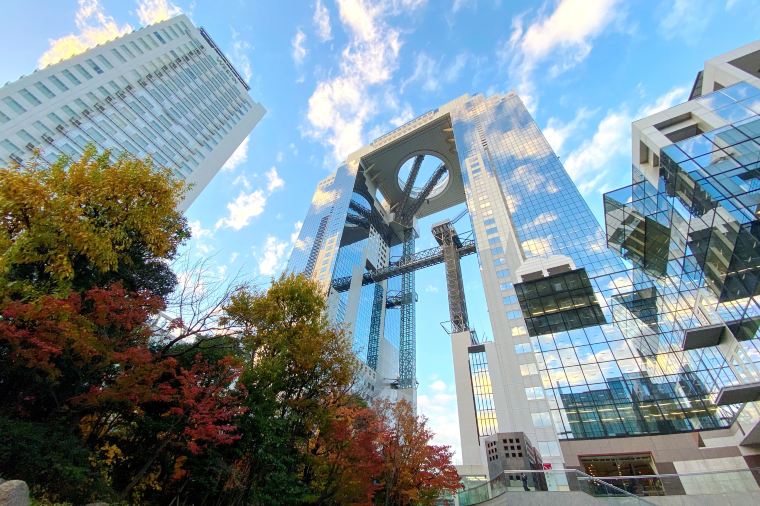
Osaka’s Climate Characteristics

Year-Round Climate Highlights

  • Spring (March–May): Warm and pleasant, with cherry blossoms in full bloom across the city, creating a romantic, picturesque atmosphere—ideal for hanami and photography.
  • Summer (June–August): Hot and humid, with temperatures often exceeding 30°C (86°F). This lively season is perfect for experiencing authentic summer festivals and enjoying spectacular fireworks displays.
  • Fall (September–November): Crisp, clear days make autumn one of the most comfortable times to visit. Maple trees turn brilliant shades of red and gold, offering stunning scenery in parks and nearby mountains—perfect for sightseeing and photos.
  • Winter (December–February): Cold weather, with temperatures around 6–9°C, and occasional light snowfall. Winter is great for relaxing in hot springs, shopping indoors, and tasting seasonal comfort foods.

Can't-Miss Osaka Experiences

Osaka offers far more than just its climate. Be sure to try local specialties like okonomiyaki, explore the historic Osaka Castle, and stroll through Shinsaibashi and Dotonbori for shopping and nightlife. The city perfectly combines delicious food, rich history, and vibrant energy, ensuring your trip is packed with unforgettable moments.

🌸 Osaka Temperature: Spring (Mar–May) | Mild Weather and Cherry Blossom Season

Spring is one of the most beautiful times to visit Osaka. Temperatures gradually rise from around 50°F (10°C) in early March to about 68°F (20°C) in May, making the weather pleasantly mild. During this time, cherry blossoms burst into full bloom, and spots like Osaka Castle Park and Expo ’70 Commemorative Park are prime for blossom viewing, with scenery that feels romantic and enchanting. Spring also brings more rainfall, and the temperature swing between day and night can be quite large.
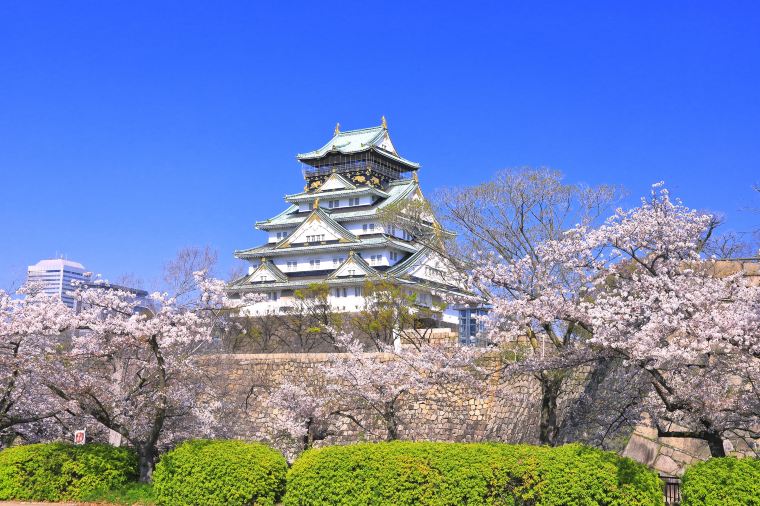
  • What to wear: We recommend a light jacket and a long-sleeve top, and be sure to bring rain gear. A pair of comfortable walking shoes is essential for exploring the city.
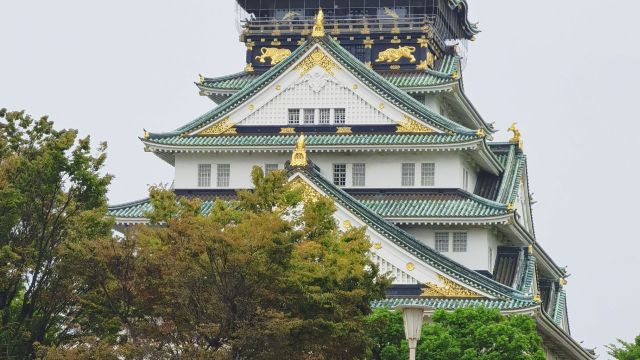
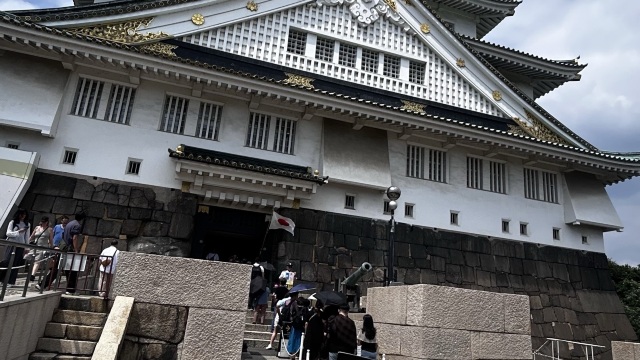
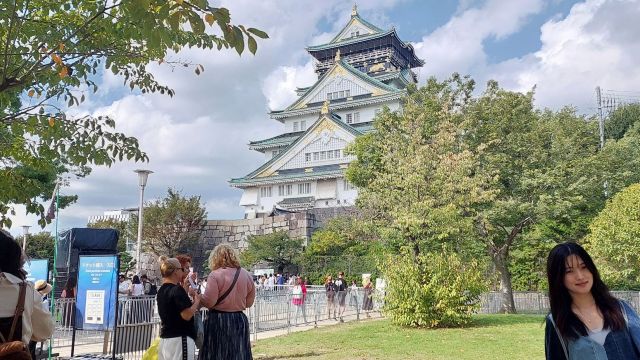
Osaka Temperature - Osaka Castle
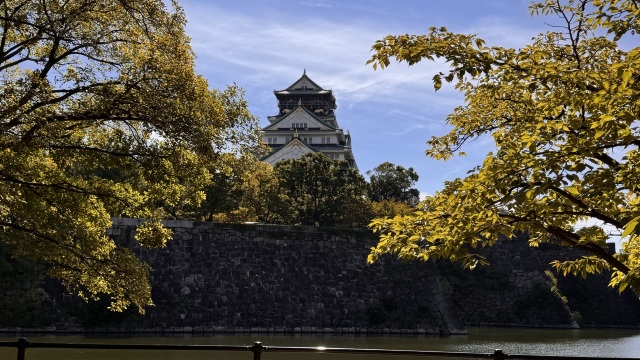
Osaka Temperature - Osaka Castle

4.8/5
4121 reviews
5/5
Stunning old-era castle architecture in the park 😍 You can enjoy the nature and architecture here. The castle itself closes early, but you can stroll and relax on the grounds. The castle has a museum and an observation deck, as well as the picturesque Nishinomaru Garden. You can take many stunning photos while visiting this location.
review picture
5/5
On a drizzly afternoon, colorful oil-paper umbrellas were set up at the street stalls selling trinkets. Raindrops pattered softly on the umbrellas, and beneath them were all sorts of ingenious little trinkets. Small coin purses made of waterproof batik fabric were printed with adorable tropical animal patterns, while three-dimensional resin sculptures contained tiny beetle specimens and tropical flower petals—novel and interesting. Walking slowly along the path under the umbrellas, my footsteps lightly treading on the damp cobblestones, I noticed that every trinket I picked up had a unique design. Some had tiny copper bells sewn onto the edges of keychains, making a soft, pleasant sound as I walked; others had been meticulously engraved with delicate patterns on copper sheets, creating unique bookmarks that were exquisite to hold. So beautifully crafted that you almost don't want to use them! People around slowed down, hiding under umbrellas to carefully select their favorite trinkets. The sound of rain blocked out the outside noise, making the whole world quiet and gentle. The stall owners would warmly offer tissues to dry your hands before you slowly picked out the jewelry. There was no rushing, only kindness. The air was filled with the fresh scent of frangipani flowers after the rain, mixed with the faint smell of resin jewelry. You were completely immersed in the relaxing atmosphere, and before you knew it, the rain had stopped. Your bags were full. This trip, which you thought would be disrupted by the rain, turned out to be a unique experience thanks to these novel trinkets. Back home, you'll use these little bookmarks to tuck into your books, and every time you flip through them, you'll remember this quiet and beautiful time after the rain.
review picture
5/5
Even in winter, the temperature here remains just right—not so cold that you need a thick down jacket, nor so hot that you're drenched in sweat. The humidity is also perfect—not so dry that you need to drink lots of water every day to recover, nor so damp that you feel uncomfortable all over. You can go out for a whole day in just a light long-sleeved shirt, without needing a heavy coat or to constantly wipe away sweat. The roadside flowers still bloom brilliantly, their petals full and glossy, neither wilting from the cold nor prematurely fading from the heat. If you buy a bunch of flowers and hang them on your bag, they'll stay fresh all day long; the petals won't shrivel from drying out or becoming shriveled. The dampness caused it to rot prematurely, yet it still emitted a faint fragrance. At noon, I sat by the roadside eating Tom Yum soup. The warm soup warmed me from head to toe, and it didn't cool down quickly in cold weather, nor did it make me sweat profusely in hot weather. I slowly finished a bowl of soup, feeling completely comfortable. In the evening, I returned to the guesthouse, opened the window, and the breeze blew in at just the right temperature. I could sleep soundly all night with just a thin blanket, without feeling too cold to sleep or too hot toss and turn. Later, when I returned to the dry, cold winters of the north, which cracked my skin, or the damp, chilling winters of the south, I would always think of the perfect balance of warmth and humidity here, making even travel exceptionally comfortable.
review picture
5/5
The meaning of travel is never about visiting a certain number of marked locations, but about encountering unique cultural charm along the way. This charm is hidden in old objects polished smooth by time, in the daily habits passed down through generations, and in every seemingly ordinary yet heartfelt detail. The melodious sounds of traditional instruments drifting from the alleyways in the early morning, the unique ways people interact in the market, even the air filled with the distinctive scents of local herbs and trees—you don't need to rush to complete your pre-trip itinerary. Slow down and quietly experience everything around you. Watch the sunlight filter through the leaves of old trees, casting dappled shadows, observe the locals calmly handling their tasks, and you'll feel the most authentic warmth of culture in these ordinary scenes. This unique quality, accumulated over thousands of years, will make you forget the passage of time. Your entire being will be enveloped by this unique atmosphere, all your worries temporarily shut out, leaving only peace and joy. The most moving travel experience is always this gentle encounter imbued with cultural atmosphere, bringing you a completely new feeling unlike anything you experience in your daily life.
review picture
5/5
The old stone mill at the alley entrance, propelled by its wooden handle, churned with a steady, rumbling sound. An old woman slowly added soaked soybeans into the millstone, and fine soy milk seeped gently from the crevices. The sound was soft and full of life, unlike the harsh noise of a modern electric soy milk maker grinding beans at high speed. The grinding of the stone mill was steady and reliable, mingling with the soft gurgling of soy milk slowly boiling in the large iron pot beside it. It was like the rich aroma of soybeans from childhood, slowly spreading with the sound. Standing beside the mill, you reached out to help the old woman push the handle a couple of times; the steady sound of the millstone traveled through the handle... As the millstone grinds into your palm, even the restlessness in your heart is slowly softened. Occasionally, a few small soybeans roll off the edge of the millstone and fall into the bamboo basket, making a soft pattering sound that blends with the sound of the millstone, filling the entire alleyway with a warm and cozy atmosphere of everyday life. You take a sip of the hot soy milk handed to you by the old lady. You don't need to buy instant soy milk from a chain breakfast shop. Just by listening to the steady sound of the millstone, you can taste the purest sweetness of life. In the future, when you hear the noise of electric machines at breakfast stalls in the city, you will always unconsciously miss this steady sound of the millstone, which is filled with the aroma of soybeans.
review picture

☀️ Osaka Temperature: Summer (Jun–Aug) | Hot, Humid, and Festival Season

Summer in Osaka is hot and muggy, with temperatures often climbing above 86°F (30°C) and humidity running high. Showers are common this time of year, and June in particular ushers in the rainy season. Despite the heat, it’s a wonderful time to experience traditional festivals like the Tenjin Matsuri and take in dazzling fireworks displays. To beat the heat, consider indoor attractions such as the Osaka Aquarium Kaiyukan or the National Museum of Ethnology.
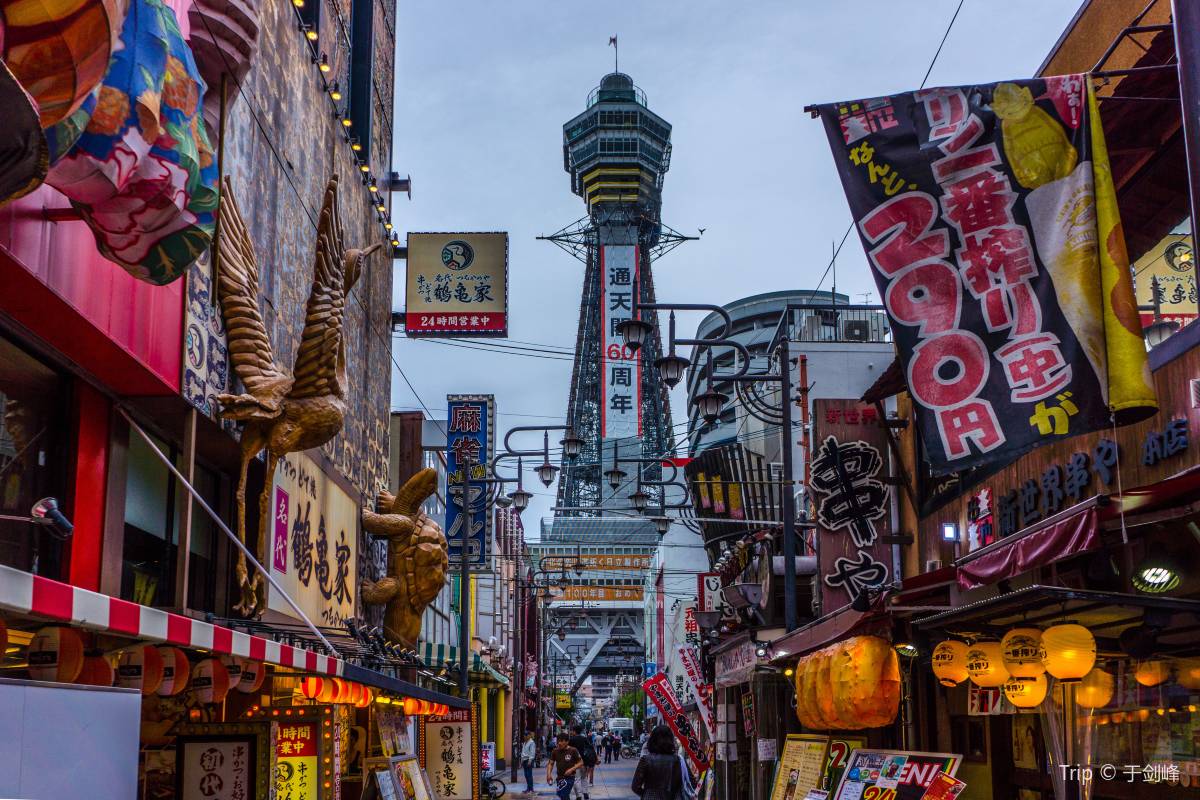
  • What to wear: Opt for light, breathable clothing, and pack a sun hat, sunglasses, and sunscreen. Don’t forget rain gear, and remember to stay well hydrated by drinking plenty of water.
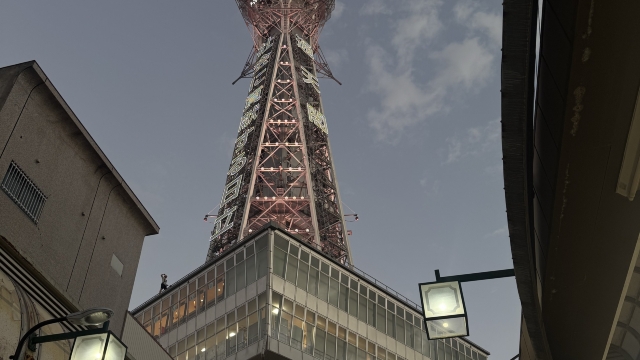
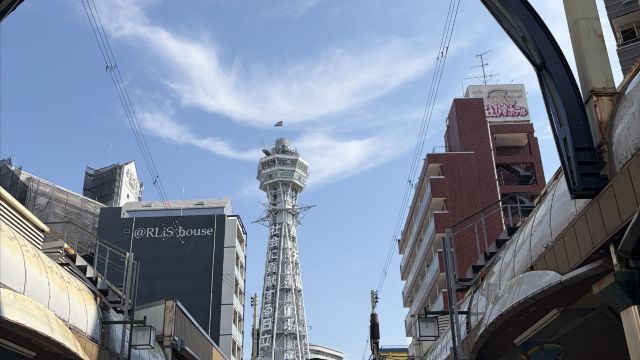
Osaka Temperature - Tsutenkaku Tower

Osaka Temperature - Tsutenkaku Tower
4.6/5
699 reviews
5/5
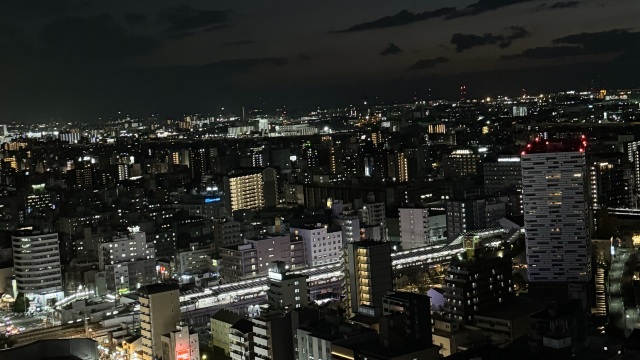
I went at night, around 8 PM. It turned out many restaurants were open. The atmosphere was very Japanese, and there were lots of souvenir shops too. If you want a view of the illuminated tower, with both food and places to chill, I highly recommend it!
review picture
5/5
This tower slide activity is exciting and fun, just like playing on a slide in a water park, but there are age restrictions.
review picture
5/5
In early winter, we went to a suburban garden to pick greenhouse-grown cherry tomatoes. The greenhouse was warm and cozy, so they weren't freezing. The vines were laden with clusters of red and yellow cherry tomatoes, ripe and glistening. They were ready to eat right away! Each fresh cherry tomato burst with juice, sweet and sour, much better than those from the supermarket. We carried our little boxes, picking and tasting as we went. The red ones were sweeter, the yellow ones a little tart. We picked a little of each, and soon our boxes were full. The owner said these were all organically grown, without pesticides, so it was safe to eat. The kids were especially happy, picking and eating as they went, learning about tomato growth. They could play all afternoon without getting bored. The tomatoes were reasonably priced by weight, and they're great for salads or as fruit. The fun of picking cherry tomatoes by hand was so enjoyable, a sweet touch of winter.
review picture
5/5
We went to listen to storytelling in the old street. The storytelling venue was located in an old teahouse, with wooden tables and chairs. As soon as we entered, we smelled the aroma of tea and sandalwood. The storyteller, dressed in a long gown, held a gavel and began his narration with a slap on the table. He told stories of the Three Kingdoms and Water Margin with great emotion and expression. The audience sipped tea and cracked melon seeds, listening intently, occasionally chuckling or clapping—a lively but not noisy atmosphere. We ordered a pot of ordinary green tea and a plate of melon seeds, found a seat by the window, listened to the storyteller, and watched the pedestrians on the old street outside. The afternoon passed slowly and leisurely. It was more enjoyable than watching a movie in a theater. The atmosphere of this old storytelling venue is something that modern entertainment can't provide; it's full of the leisurely feeling of bygone days. After the performance, we felt completely relaxed.
review picture
5/5
Every trip is a time for solitude. Leaving behind the hustle and bustle of human relationships, walking alone allows you to hear the true voice of your heart. Previously knotted worries dissipate as you walk; previously uncertain choices find their answers in the vastness of the world. Without having to accommodate anyone, simply following your own heart, this time of solitude is the best gift that travel can offer.
review picture

🍁Osaka Temperature: Fall (Sep–Nov) | Crisp Weather and Vibrant Autumn Leaves

Autumn brings pleasantly crisp days and lower humidity. Temperatures ease from around 28°C in early September to about 17°C by November—perfect for outdoor adventures. During this time, maple leaves across the city turn golden and brilliant red, and places like Osaka Castle Park and Minoo Park become picture-perfect. It’s the prime season for enjoying the fall foliage.
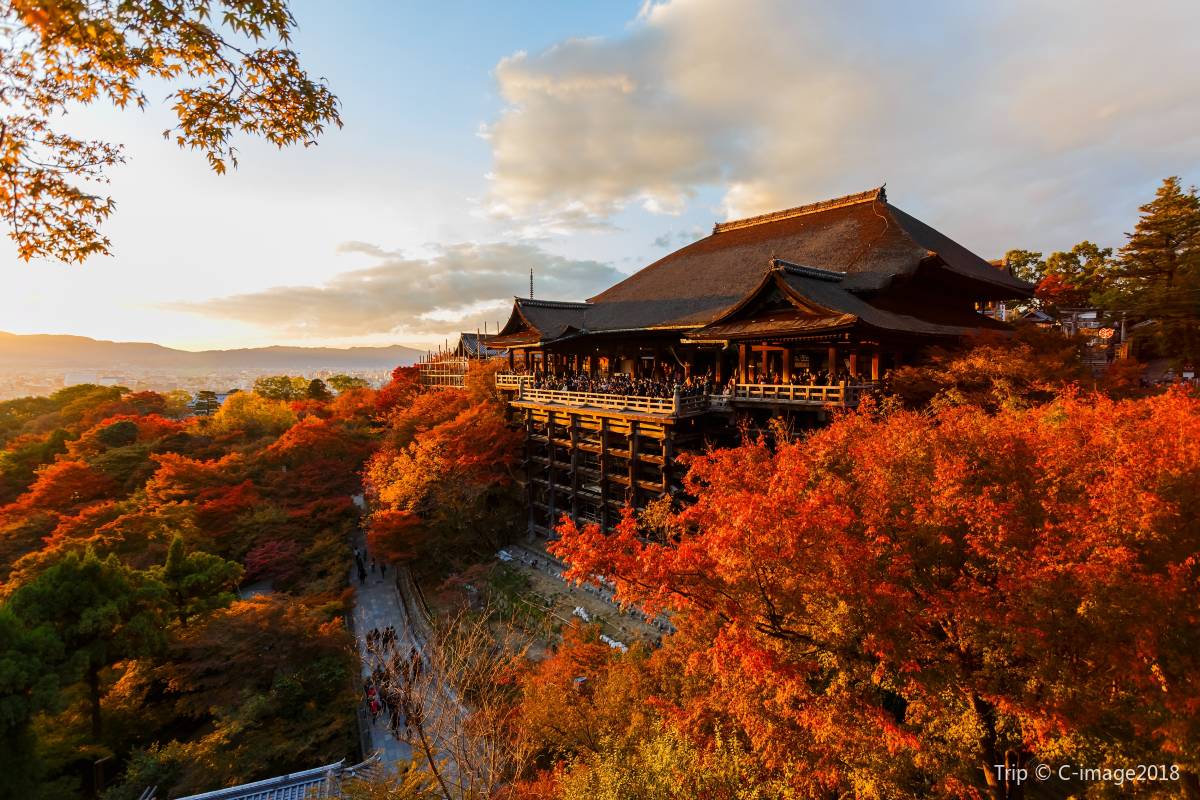
  • What to wear: Go for lightweight long sleeves, and keep a thin jacket handy for those day-to-night temperature swings.
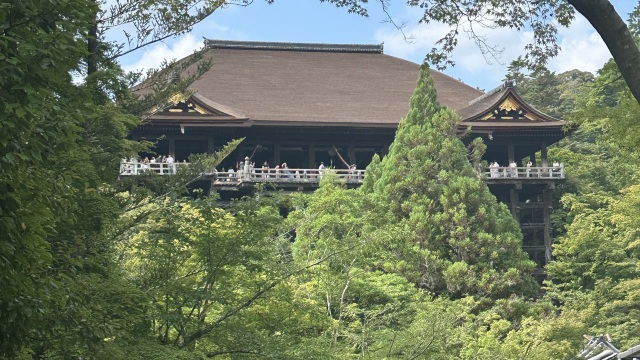
Osaka Temperatures - Kiyomizu-dera Temple

Osaka Temperatures - Kiyomizu-dera Temple
4.7/5
1911 reviews
5/5
I’ve been here twice. My first visit was in December 2025, and I was fortunate enough to witness the serene and beautiful atmosphere of Kiyomizu-dera. The weather was extremely cold, so I wasn’t able to wear a yukata as I had hoped. Before leaving, I promised myself that I would come back when the temperature was warmer so I could fully enjoy the experience. Even though I was traveling alone, I had a wonderful time exploring the temple and its surroundings.I returned just last month, and this time the weather was perfect. I finally got to wear a yukata and enjoy Kiyomizu-dera exactly as I had imagined. One of the highlights of my visit was an omikuji (fortune paper), which made the experience feel even more meaningful and memorable. I also received a beautiful goshuin (temple stamp), a special keepsake that I will treasure as a reminder of my visit and the blessings of the temple.The stunning views, peaceful ambiance, and rich cultural traditions make Kiyomizu-dera a truly special place. Whether you’re traveling alone or with others, it’s a destination worth visiting more than once.
review picture
5/5
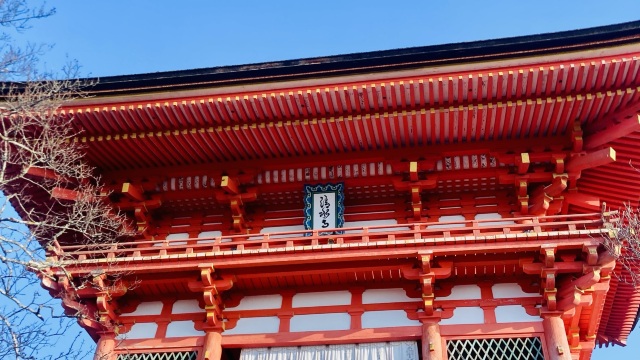
Stepping into Kiyomizu-dera Temple, the most awe-inspiring sight is undoubtedly the "Kiyomizu Stage," a structure suspended in the mountainside, built without a single nail or piece of iron. Standing on the wooden terrace, the breathtaking scenery of the Kyoto Basin unfolds before your eyes. With the changing seasons, from the blooming cherry blossoms in spring to the vibrant autumn foliage, each season imbues this ancient temple with a different soul. After praying for a good match at Jishu Shrine, and drinking a sip of the clear spring water from Otowa-no-Taki, the solemnity of the combination of architectural craftsmanship and natural Zen washes away the fatigue of your journey. This is not just a popular tourist attraction, but a spiritual sanctuary where one can quietly converse with history—a must-visit in one's lifetime.
review picture
5/5
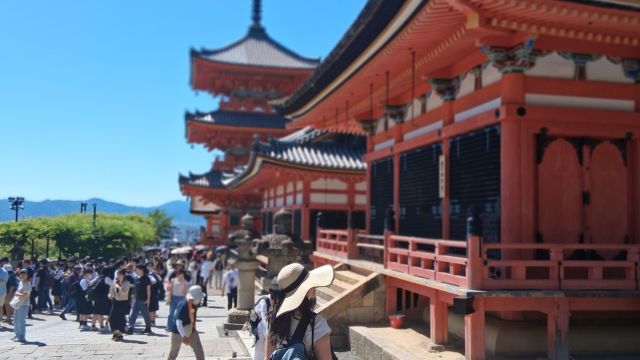
Kiyomizu-dera temple in Kyoto is highly recommended temple for everyone visiting Kyoto to visit. The temple is at the top of a slope lined with numerous shops on both sides. It is advised to visit either early morning or before the sunset to witness the glory of the setting Sun. The place can be a bit crowded.
review picture
5/5
Kiyomizu-dera Temple in Kyoto is one of Japan's most iconic tourist destinations and a key component of the UNESCO World Heritage Site "Ancient Capital Kyoto Cultural Heritage." Main Features and Highlights: Kiyomizu Stage: The most famous landmark, supported by hundreds of massive 12-meter-high beechwood pillars using a "suspended" construction technique, entirely without the use of nails or rivets. From the stage, one can enjoy panoramic views of Kyoto's cityscape. Otowa Waterfall (音羽の滝): Located below the main hall, its three springs symbolize "longevity," "academic success," and "health/marriage." Visitors often queue to drink from one of the springs to pray for blessings. Jishu Shrine: Located within the Kiyomizu-dera grounds, it is famous for its prayers for marriage and is popular among young people. Four Seasons of Beauty: Kiyomizu-dera Temple offers different scenery throughout the year. Spring brings cherry blossoms, autumn brings fiery red maple leaves, and winter brings a blanket of snow, creating picturesque landscapes. The temple also holds special nighttime illumination events during certain seasons (such as spring and autumn). History: The temple was founded in 778 AD, earlier than the history of Kyoto as a capital city, and mainly enshrines the Eleven-Faced Thousand-Armed Kannon Bodhisattva.
review picture
5/5
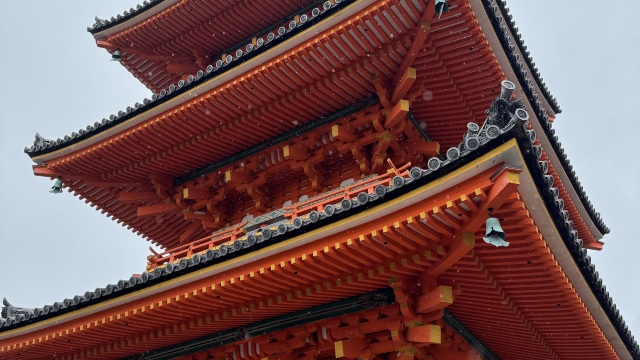
During springtime, the sun is shining brightly, and the red buildings are illuminated with a unique charm. Opening hours:
review picture

❄️ Osaka Temperature: Winter (Dec–Feb) | Cold, Dry, and Festive Lights

Winter in Osaka is cold and dry, with average temperatures ranging from 41°F to 54°F. It can occasionally dip below freezing, sometimes bringing light snow. During Christmas and New Year, the city’s commercial districts are adorned with dazzling illuminations, creating a festive atmosphere. This season is ideal for shopping, discovering indoor attractions, or relaxing in hot springs.

  • What to wear: Be sure to pack a heavy coat, sweater, thermal underwear, scarf, hat, gloves, and other cold-weather gear.
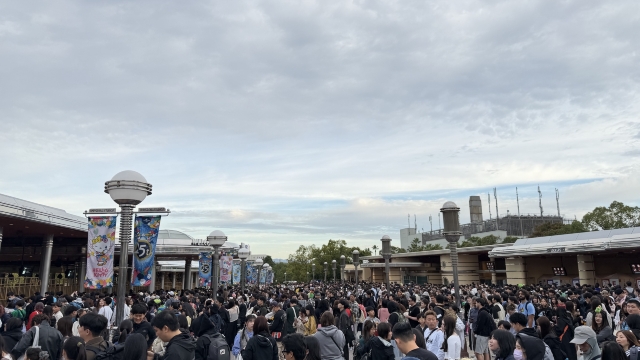
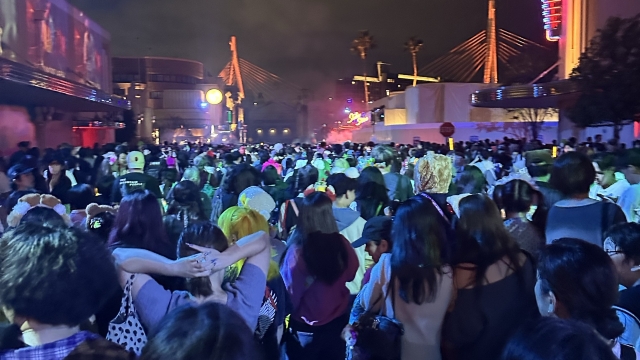
Osaka Temperature | Universal Studios Japan

Universal Studios Japan

4.7/5
12576 reviews
5/5
The arrangements were excellent, and the tour guide was very friendly.
review picture
5/5
We had a great time. Highly recommend to check it out if you are in Osaka. It’s worth the visit.
review picture
4/5
Overall, there are some interesting zones: Jurassic Park, Harry Potter, Jaws, and Minions—they're great for kids, etc. Other zones can be a bit cramped due to the small space and long lines. If you're a fan of specific franchises, the park is worth it, but it's more expensive than Disneyland.
review picture
4/5
Everything was great, I especially liked the Harry Potter and Jurassic Park zones. I didn't like the lines at Mario World, and the prices were a bit higher than at Disney. If you only want to visit certain areas, you don't even need a park pass, as you can easily access them in a day by waiting in line.
review picture
5/5
I had an amazing time at Universal Studios Japan, and the highlight of my visit was definitely The Wizarding World of Harry Potter. Walking through Hogsmeade felt like stepping into the movies, with detailed shops, Hogwarts Castle, and magical-themed attractions everywhere. Seeing the castle for the first time was a truly unforgettable moment. The Harry Potter rides were exciting and immersive, making me feel like I was part of the story. The themed food, drinks, and souvenirs added even more to the experience. Overall, Universal Studios Japan is a fantastic theme park, and the Harry Potter area alone is worth the visit for fans and first-time visitors alike.
review picture

Osaka Temperature: Climate Overview for Osaka, Nara, and Kobe

Thinking about exploring the entire Kansai region in one trip? Osaka, Nara, and Kobe—three popular cities—are close to one another and share a similar climate with four distinct seasons. Use the weather insights below to easily plan your itinerary.

1. Osaka City

Osaka sits in the Kansai region and is Japan’s third-largest city.

  • Year-round average temperature: around 15°C to 20°C
  • Weather Through the Seasons:
    • Spring: Pleasantly mild weather, around 10°C to 20°C.
    • Summer: Hot and humid, about 25°C to 30°C, with frequent rain.
    • Fall: Crisp and pleasant, around 15°C to 25°C.
    • Winter: Cold weather, around 5°C to 10°C, with the occasional chance of snow.

2. Nara City

Nara, one of Japan’s ancient capitals, lies about 25 miles (40 kilometers) south of Osaka.

  • Year-round average temperature: around 14°C to 19°C
  • Weather Through the Seasons:
    • Spring: Pleasant weather, with temperatures around 48°F to 66°F (9°C to 19°C).
    • Summer: Hot, humid, and rainy, with temperatures around 24°C to 29°C.
    • Fall: pleasantly cool and comfortable, around 13°C to 23°C.
    • Winter: cold and dry, around 37°F–48°F (3°C–9°C), with occasional snowfall.

3. Kobe City

Kobe is a port city located about 30 kilometers (19 miles) west of Osaka.

  • Year-round average temperature: around 13°C to 18°C
  • Seasonal Weather:
    • Spring: pleasantly warm and comfortable, about 8°C to 18°C.
    • Summer: Hot and humid, around 24°C to 29°C, with increased rainfall.
    • Autumn: clear skies and refreshing air, around 12°C to 22°C (about 54°F to 72°F).
    • Winter: cold and dry, around 37°F–48°F (3°C–9°C), with occasional snowfall.

Osaka Temperature: Annual Rainfall in Osaka, Nara, and Kobe

Planning a trip to Osaka? Be sure to check the forecast—especially during the rainy season! The Kansai region has four distinct seasons, and monthly rainfall can vary quite a bit. To make planning easier, we’ve rounded up the rainfall patterns for three popular spots—Osaka, Nara, and Kobe—so you can map out your itinerary with confidence.

Overall, these three cities share very similar rainfall patterns: June through July marks the main rainy season (locally known as the “plum rain”), while winter sees the least precipitation.

  • Wettest month: June marks the peak rainfall across all three destinations, averaging 180mm to 200mm—remember to pack rain gear for your trip.
  • Driest months: Winter (January and February) tends to be dry, with the lowest rainfall—averaging only about 30–40 mm.
  • Average annual rainfall:
    • Osaka City: approximately 1,200 mm
    • Nara City: about 1,100 mm
    • Kobe City: about 1000 mm

Tips: Although June is the traditional rainy season, it’s also when hydrangeas (also known as ajisai) are in full bloom, and the scenery takes on a special charm. As you plan your itinerary, factor in the chance of rain and keep your schedule flexible with a mix of indoor and outdoor activities.

Osaka Temperature: Choosing the Best Time to Visit

Osaka enjoys four distinct seasons, each with its own unique allure. There isn’t a single “best” time to visit—it all depends on what you want to experience. Below, we’ve rounded up the highlights of each season to help you plan the trip that suits you best.

SeasonHighlights

Spring (March–May)

Spring is the best time to visit Osaka, with mild temperatures and cherry blossoms in full bloom. Iconic spots like Osaka Castle Park offer perfect scenery for strolls and photos.

Summer (June-August)

Summer in Osaka is hot and humid, but full of energy. Enjoy local festivals, spectacular fireworks, and cool off at beaches or water parks.

Fall (September-November)

Fall in Osaka brings crisp, pleasant weather and vibrant red maple leaves. It’s perfect for sightseeing, enjoying autumn foliage, and tasting seasonal specialties

Winter (December–February)

Winter in Osaka is chilly but festive, with dazzling holiday lights, cozy hot springs, and seasonal comfort foods like hot pot and ramen.

In short, whether you're looking for seasonal flowers, participating in lively festivals, or simply enjoying delicious food and shopping, there's always a good time to visit Osaka.
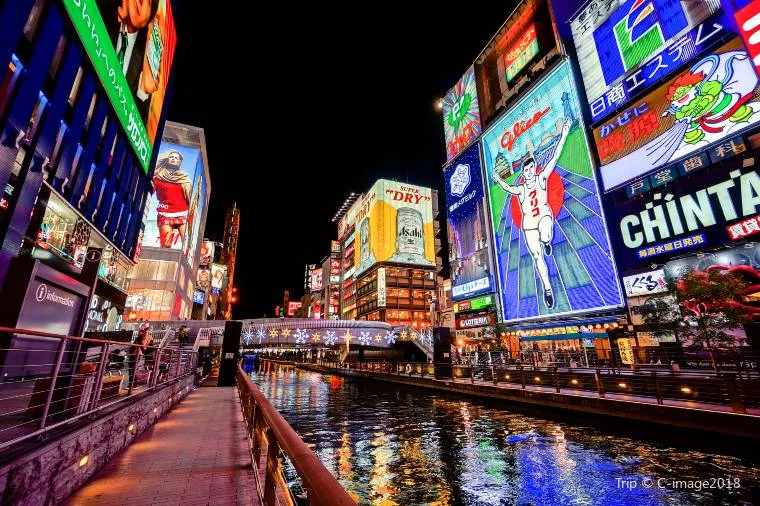
Osaka Temperature: Overview of Osaka Weather

Osaka Temperatures - Shinsaibashi

Osaka Temperature - Shinsaibashi

Osaka’s weather is dynamic, with four clearly defined seasons. You can enjoy warm, pleasant springs, hot and humid summers, crisp autumn days, and chilly winters. Influenced by both the Pacific Ocean and the Sea of Japan, temperatures and rainfall can fluctuate throughout the year.

  • Spring (March–May) brings mild, comfortable days, with temperatures around 15–23°C (59–73°F). Cherry blossoms reach full bloom, making it one of the busiest travel periods. Light showers are common, so carrying a rain jacket or umbrella is recommended.
  • Summer (June–August) is hot and humid, with temperatures ranging from 25–33°C (77–91°F). This is also Osaka’s rainy season, so sudden downpours and occasional typhoons can occur. Sunscreen and staying hydrated are essential if you plan to spend time outdoors.
  • Autumn (September–November) offers clear skies and comfortable temperatures around 18–27°C (64–81°F). Rainfall is minimal, and the colorful maple leaves make it ideal for countryside trips, hiking, and photography.
  • Winter (December–February) is cold and dry, with temperatures from 3–12°C (37–54°F). Snowfall is rare and usually light, but warm clothing such as a down jacket, scarf, and beanie is recommended.

Overall, Osaka’s four seasons each provide unique experiences and activities. Planning your visit around local weather conditions will help you enjoy the city to the fullest, while making sure your clothing and itinerary match the season. The city’s climate adds an unforgettable, colorful layer to any trip.

Osaka Temperature: Tips for Saving Money on Your Trip

Planning a trip to Osaka and hoping to keep costs down? Trip.com has practical, money-saving options for you:

  • Compare airfare and hotel rates: Trip.com helps you easily compare prices across different providers and offers exclusive discounts and promo codes.
  • Book a vacation package: Bundle your flight and hotel into one reservation—it’s usually cheaper than booking them separately.
  • Discover app-only deals: The Trip.com App often offers attraction tickets, along with dining and shopping discount coupons—be sure to check it out before you head out.
  • Check user reviews: Before you book, take a moment to read what other travelers have said—it's a smart way to make sure the service quality meets your expectations and avoid unnecessary extra costs.

All in all, making the most of Trip.com to plan your Osaka trip—from comparing prices to one-stop booking—helps you stick to your budget and travel with total peace of mind.


Osaka Temperature:More Osaka travel guides

FAQs about Osaka Temperature

Disclaimer: This article has been provided by an individual contributor or third party platform. If there is any discrepancy regarding the copyright, please contact us directly and we will delete the content immediately.
> >
Osaka Temperature