Chinese Breakfast: What to Eat and Where to Find It

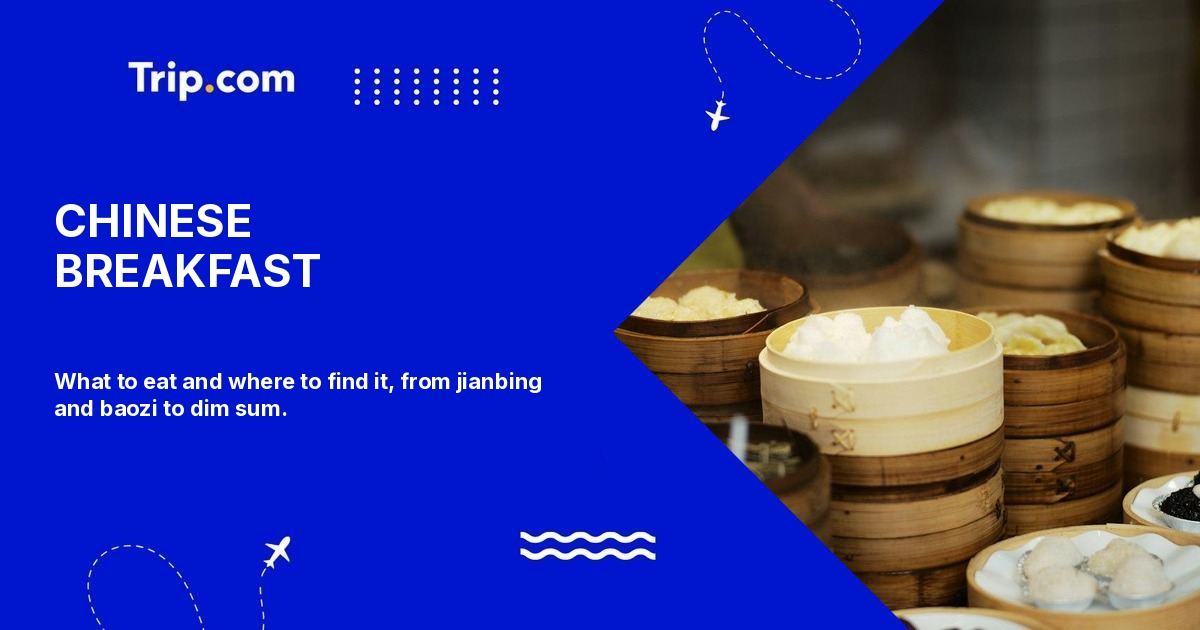
A Chinese breakfast is cheap, about US$3 (CNY 20) or less for one, and regional: jianbing (煎饼果子), baozi (包子) and youtiao (油条) in the north, congee (粥) and dim sum (点心) in the south.
When: most counters open around 6am and wind down by about 10am, so go before 9am.
How to order: point at what you want. Expect counter service and takeaway bags, and pointing works where there's no English menu.
How to pay: QR code or cash.
AI Summary
This summary is AI-generated by Trip.com. For the complete guide, please refer to the article below.
Chinese breakfast typically costs under US$3 and features regional staples like baozi, jianbing, and congee. Visit shops before 9am, order by pointing, and pay using mobile apps or small cash notes.
Which Chinese breakfast dishes are worth trying?
Start with jianbing, baozi, youtiao with soy milk, congee, dim sum and noodles, the six dishes that cover most of what you will see on a breakfast street.
Prices below are typical street prices, converted at about CNY 6.7 to US$1.
Dish | What it is | Where (north/south) | Price band | How to order |
|---|---|---|---|---|
Jianbing 煎饼果子 | A thin crepe cooked on a griddle with egg, sauce, scallion and a crisp cracker, folded to eat by hand | Beijing, Tianjin and much of the north | About US$0.75-1.50 (CNY 5-10) | Queue at the cart; it is made to order in about two minutes |
Baozi 包子 | Steamed buns filled with pork, vegetables or sweet bean paste, sold by the piece | Everywhere, especially the north | About US$0.30-0.60 (CNY 2-4) each | Point at the steamer and show how many with your fingers |
Youtiao and soy milk 油条 豆浆 | A long fried dough stick dipped in hot soy milk, served sweet or savory | Everywhere; Shanghai pairs them with flatbread and sticky rice rolls | About US$0.60-1 (CNY 4-7) for both | Say 甜 (sweet) or 咸 (savory) for the soy milk |
Congee 粥 | Rice porridge, plain or cooked with century egg, pork or fish, eaten with pickles | Everywhere; richest choice in Guangdong | About US$0.75-2.25 (CNY 5-15) a bowl | Pay first at the counter, then wait for your bowl or number |
Dim sum 点心 | Small plates of har gow, siu mai and buns, eaten slowly with a pot of tea at morning tea | Guangzhou, Shenzhen and Hong Kong | About US$2-5 (CNY 15-35) a plate, plus a tea fee | Tick dishes on the paper sheet or scan the table QR code |
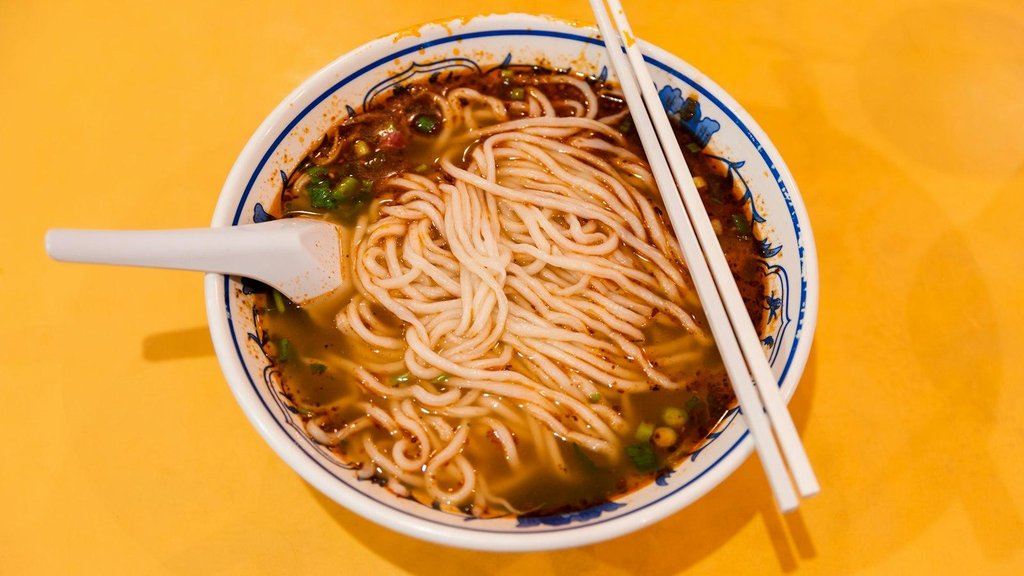
Noodles 面 | Hot dry noodles with sesame paste in Wuhan; spicy or sweet noodle bowls in Chengdu | Wuhan, Chengdu and much of central China | About US$0.75-2 (CNY 5-13) a bowl | Say 不要辣 (no chili) before they add chili oil |
Beijing and the north: breakfast on your feet
The north eats standing up:
- Jianbing are made to order in about two minutes.
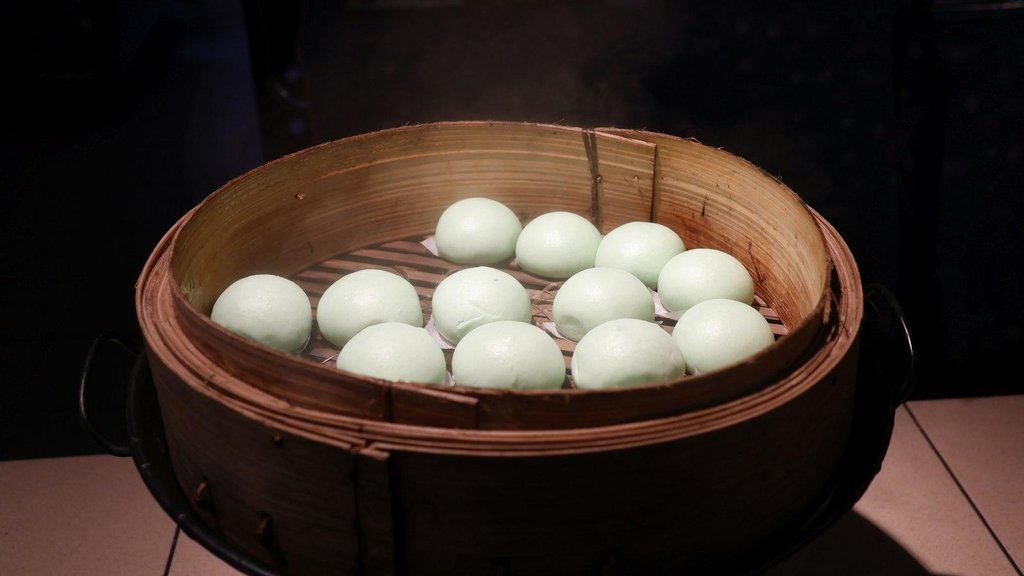
- Baozi come from steamer towers stacked at the shop door.
- Youtiao are fried in batches through the early rush.
Ask for 豆浆 (soy milk) to go with them.
Beijing also keeps a few older habits: fried dough rings (焦圈) and fermented mung bean drink (豆汁), which is sour and famously an acquired taste.
In Tianjin (天津), locals take pride in the classic version, made with mung bean batter and no lettuce, coriander or chicken strips.
Prefer a local to do the ordering? The Beijing Food and Culture Tour can be booked as a breakfast tour, and the private Hutong Foodie Experience rates 4.9/5 from nearly 60 reviews.
Beijing breakfast and hutong food tours
See all attractions
 7 booked



Guozao, dim sum and congee: the south and center
- In Guangzhou, breakfast often means morning tea (早茶), a sit-down meal of dim sum and tea that can last an hour.
- Wuhan calls breakfast guozao (过早). Wuhan's municipal government website calls it a must-do food experience for visitors, built around hot dry noodles (热干面), doupi (豆皮, sticky rice and egg in a bean-skin crust) and mianwo (面窝, a fried rice-batter ring).
- In Wuhan, locals pair hot dry noodles with danjiu (蛋酒), egg stirred into hot water with sweet rice wine, and most busy hot dry noodle shops serve it.
- Chengdu's version is a bowl of noodles, often spicy, eaten at a small counter before work.
Cantonese congee is silky and slow-cooked until the rice breaks down. Northern rice or millet porridge is thinner and comes plain, with pickles and a salted egg on the side.
Where can you find Chinese breakfast near your hotel?
The best breakfast is usually in the lanes behind your hotel, not on the main road in front of it.
Breakfast shops cluster where people live and commute:
- Residential lanes
- The blocks around subway exits
- The entrances of local wet markets
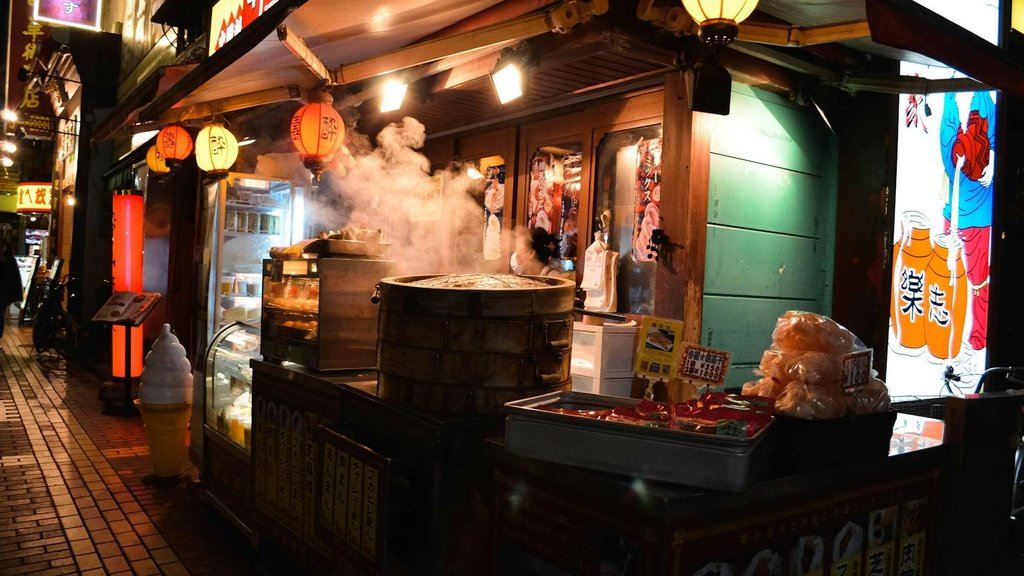
Steam rising from bamboo baskets and a short line of office workers are the two signs you have found one.
Signs help too: look for 早点 or 早餐 (breakfast) on the shopfront.
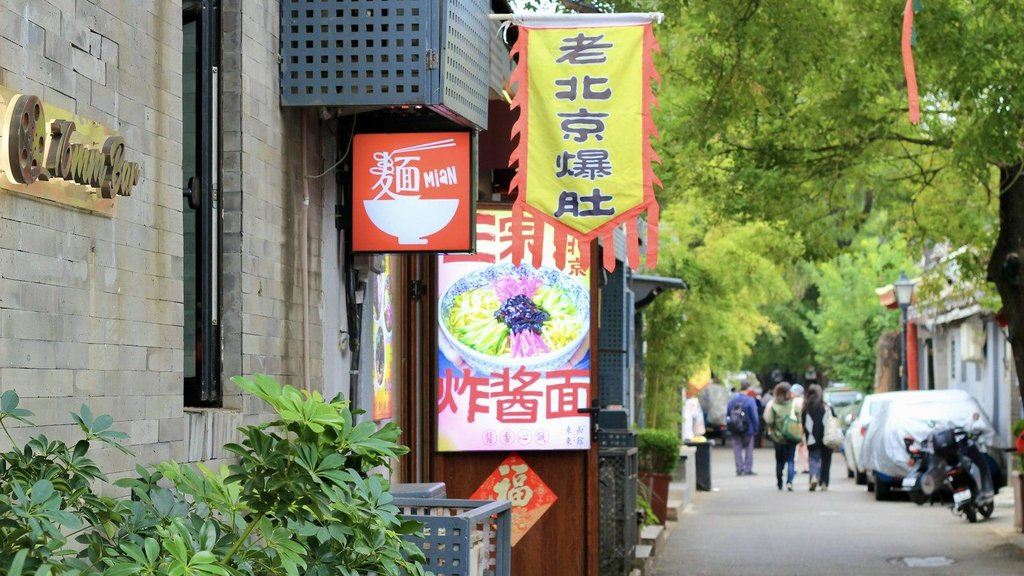
4 chains with photo menus for your first morning
Chains are a good first try because their menus show photos and prices, and many have self-order screens:
- Qing-Feng Steamed Dumpling Shop 庆丰包子铺 in Beijing sells baozi, porridge and stewed liver, with many branches opening around 6am.
- Yonghe King 永和大王 runs soy milk and youtiao counters in many cities and is often found in malls and stations.
- Xiaoyang Shengjian 小杨生煎 in Shanghai sells pan-fried pork buns with crisp bottoms, sold by the portion.
- KFC in mainland China serves youtiao, soy milk and congee in the early hours.
Two cities worth setting an alarm for
In Guangzhou, the city's market regulator published its first list of traditional morning tea shops (广州早茶传统店) in September 2026:
- 40 individual teahouses
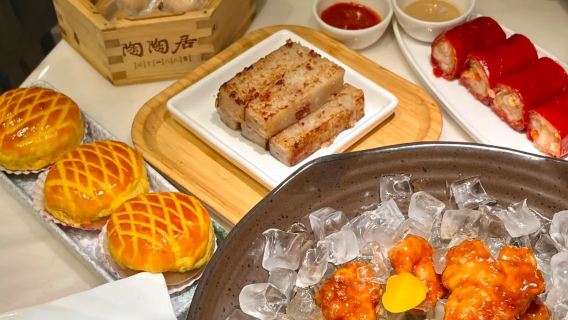
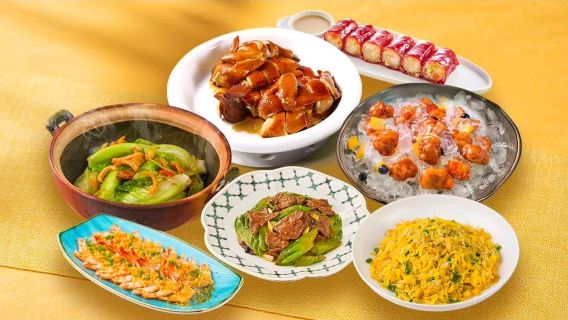
- Three brands, Guangzhou Restaurant 广州酒家, Taotaoju 陶陶居 and Diandude 点都德, covering 72 more branches
The Guangzhou Morning Tea Heritage Protection Regulations (广州早茶传承保护规定), in force since 1 May 2026, require teahouses to label each dish as made on site the traditional way (传统方式现场制作) or not.
Under the same regulations, a teahouse that charges a tea fee must offer a choice of black, green, oolong, pu'er and chrysanthemum teas, and serve the tea that goes with it.
Morning tea has its own routine:
- Staff seat you, often at a shared round table, and ask which tea you want; pu'er and chrysanthemum are safe first choices.
- Tick dishes on a paper order sheet or scan the table QR code, and plates arrive as they are ready.
- Order three or four plates for two people and add more later, because dishes come fast and are best hot.
- Tap two fingers on the table to say thanks when someone pours your tea, as locals do.
- When the pot runs low, lift the teapot lid or leave it ajar, and staff will refill it.
Arrive by 08:00 on a weekday for the best chance of walking straight to a table. At the famous branches on weekends, expect a long queue.
Rather have a guide handle the order sheet? The half-day Cantonese Morning Tea & Xiguan Arcade Streets tour comes with a private English-speaking guide, and the two-hour Xihua Road food tasting rates 5.0/5 from its first review on Trip.com.
Guangzhou morning tea and food tours
See all attractions

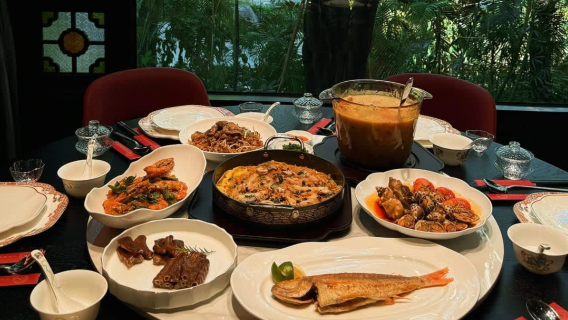

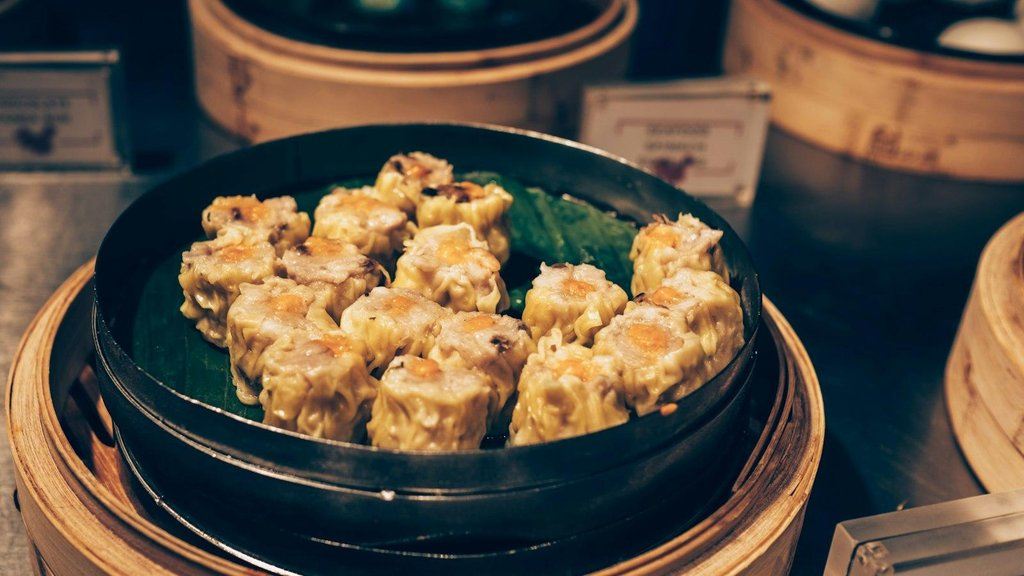
In Wuhan, Hubu Alley 户部巷 near the Yangtze is the best-known guozao street. The city's government says it received more than 10 million visitors in 2024, so go early on weekends.
Nearby, local news site Jimu News found breakfast crowds on low curbside stools along Dacheng Road (大成路).
Liangdao Street (粮道街) serves youbing wrapped around shaomai (油饼包烧卖), a Wuhan must-try.
First morning, in 4 steps
- Start from your hotel area in the table below. The night before, open a map app and search 早餐 (breakfast) within a short walk. Shops with many photo reviews are the busy ones, and the Dianping (大众点评) app guide explains how to read those reviews in English.
- Walk to the nearest cluster as the morning rush starts, and look for a shop with a queue and food coming out hot.
- Order three things to share: one hot drink (soy milk or congee), one steamed item (baozi) and one fried or griddled item (youtiao or jianbing). That costs most pairs about US$5 (CNY 33) in total.
- If you liked it, try a sit-down morning tea or a noodle shop the next day.
If my street is quiet at 8am, I walk toward the nearest apartment blocks. Breakfast shops follow the people who live nearby.
Old districts: the best breakfast base
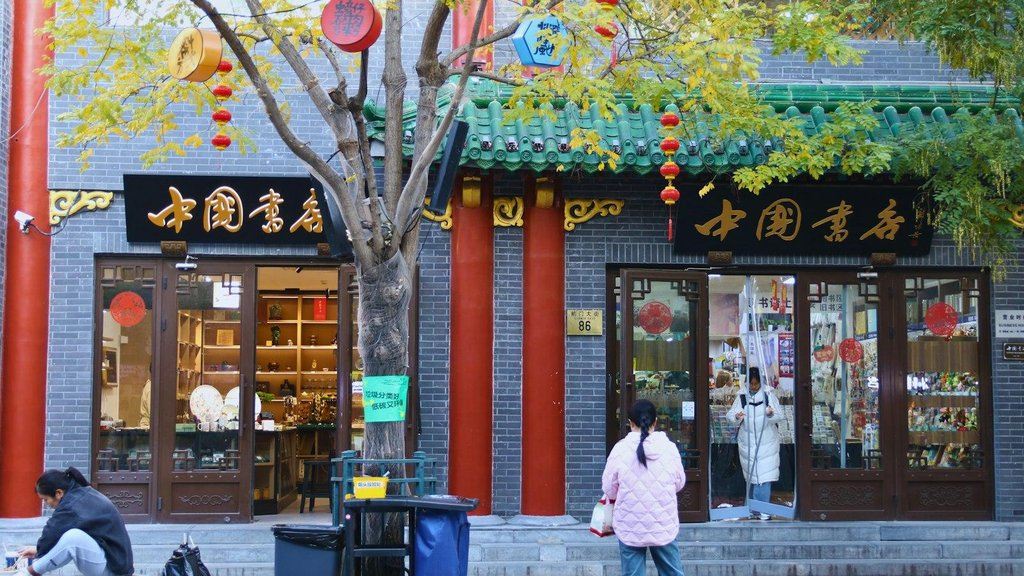
Older residential districts have the most breakfast counters per block, because the shops serve the people who live there.
City | Area to book | On the doorstep | Compare hotels |
|---|---|---|---|
Beijing | Xicheng and Dongcheng hutong areas | Lanes around Huguosi Street and Gulou | |
Shanghai | Older lanes of Huangpu, Jing'an and Hongkou | Small shops selling the classic flatbread and youtiao set | |
Guangzhou | Old city in Liwan and Yuexiu | Many long-running teahouses | |
Wuhan | Wuchang | Hubu Alley, within walking distance |
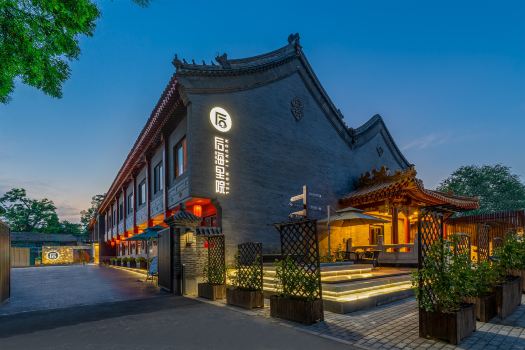
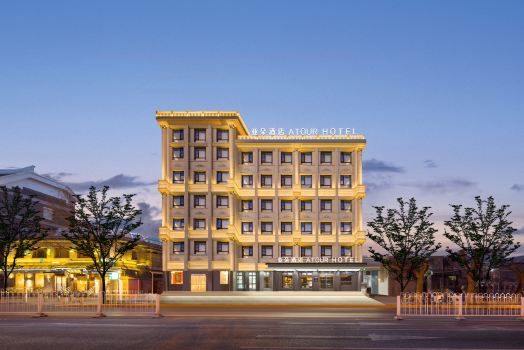
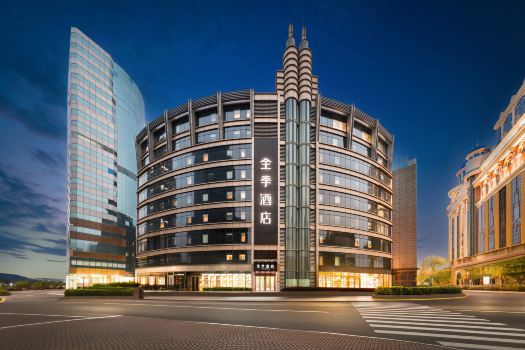
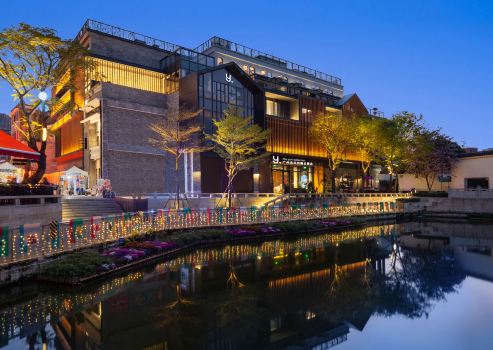
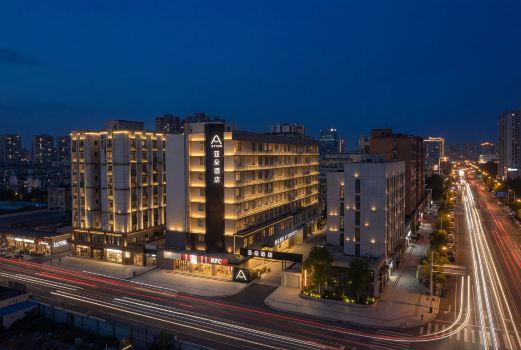
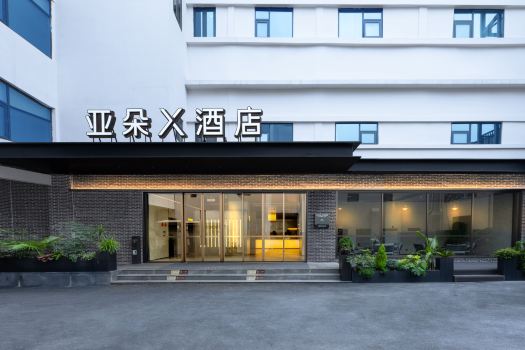
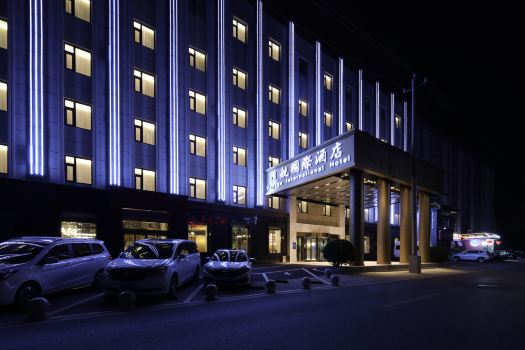
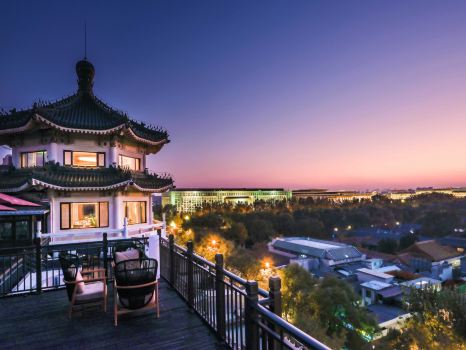
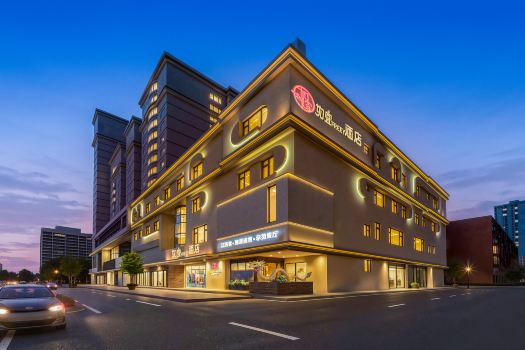
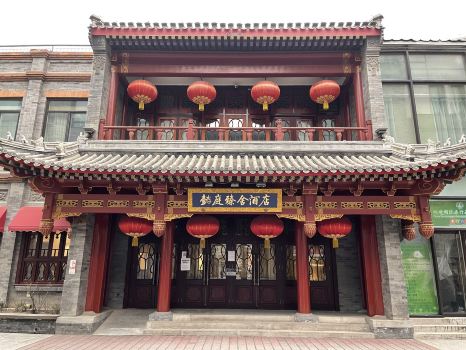
Book a room in an old district and breakfast is on your doorstep. The six hotels below are in those districts: Houhaiyuan and Atour by Shichahai in Beijing, JI Hotel at People's Square in Shanghai, The Yun Collection and Atour at Yongqing Fang in Guangzhou's Liwan, and Atour X Hotel steps from Hubu Alley in Wuhan.
Filter for breakfast included if you want a rainy-day fallback.
Search flights to Beijing
Want the steamer baskets a short walk from your door? On Trip.com, Houhaiyuan Hotel by Shichahai rates 9.7/10 from nearly 2,500 reviews, and Atour X Hotel Wuhan, a short walk from Hubu Alley, 9.6/10 from more than 3,300.
Hotels near breakfast streets
See All Hotels

How do you order Chinese breakfast without speaking Chinese?
You order by pointing, showing a phrase card and paying by QR code or cash, which works even where there's no English or printed menu.
Pay first, then wait for your number
At most shops you order and pay first at the counter, then wait for your food or a number.
Bigger shops put a QR code on each table for ordering by phone, which needs Alipay (支付宝) or WeChat (微信).
Takeaway is the norm, so shops have bags ready and nobody minds if you eat walking.
I open the payment app's scanner while I'm still in the queue, so paying takes a second at the front.
Point at the steamer when there's no menu
Use what is already in the room:
- Point at a dish another diner is eating, or at the item in the steamer.
- Show the number with your fingers.
- A camera translation app turns a wall board into rough English in seconds, enough to tell pork from vegetable.
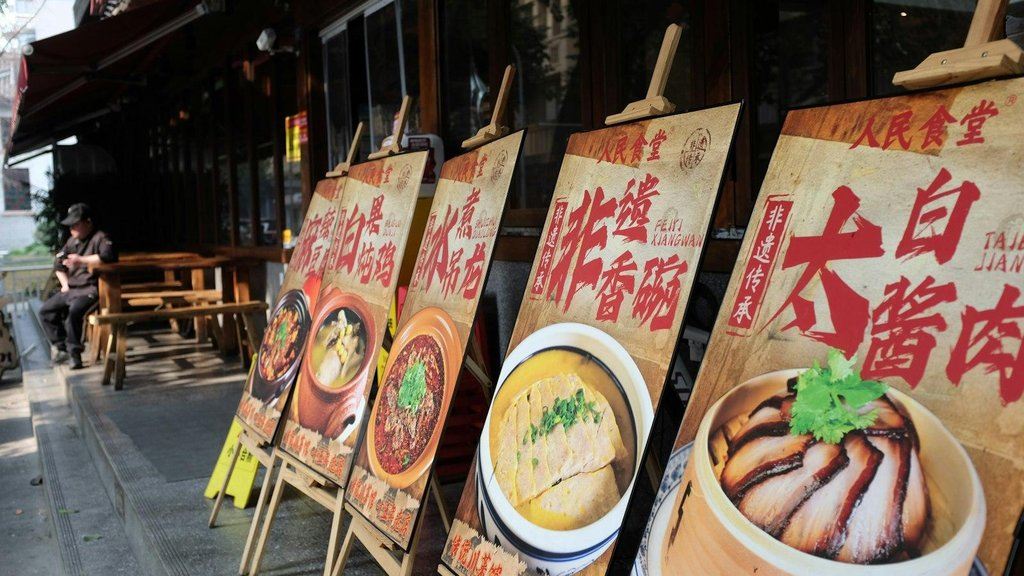
Soy milk comes two ways, and staff will often ask: sweet (甜) or savory (咸).
Savory soy milk, common in Shanghai and Taiwan-style shops, is curdled with vinegar and topped with chili oil, scallion and dried shrimp. Pick sweet if you want a simple hot drink.
12 phrases to show at the counter
Chinese | Pinyin | English |
|---|---|---|
我要这个 | wǒ yào zhège | I'd like this one |
两个 | liǎng gè | Two of these |
打包,带走 | dǎbāo, dàizǒu | Takeaway, please |
在这里吃 | zài zhèlǐ chī | I'll eat here |
不要辣 | bú yào là | No chili, please |
不要香菜 | bú yào xiāngcài | No coriander, please |
不要葱 | bú yào cōng | No scallion, please |
我吃素,不要肉 | wǒ chī sù, bú yào ròu | I'm vegetarian, no meat |
我对花生过敏 | wǒ duì huāshēng guòmǐn | I'm allergic to peanuts |
豆浆要甜的 | dòujiāng yào tián de | Sweet soy milk, please |
豆浆不要糖 | dòujiāng bú yào táng | Soy milk with no sugar |
多少钱? | duōshǎo qián? | How much is it? |
QR code or cash: both work
Alipay and WeChat Pay both accept foreign Visa and Mastercard cards.
WeChat Pay waives its 3% foreign-card fee on single payments under CNY 200 (about US$30), according to the Beijing government's English website, so a breakfast paid that way costs nothing extra.
The Alipay setup guide walks through setup. Set it up before the trip, as card checks can take a few minutes.
Cash still works. Since 1 February 2026, the People's Bank of China's Rules on RMB Cash Receipts and Payment Services (人民币现金收付及服务规定), announced in November 2025, have required businesses that serve customers face to face to accept cash and keep reasonable change.
Carry small notes, because a stall selling buns for a few yuan may not have change for a CNY 100 note early in the morning.
Flights, hotels and eSIMs for your Beijing trip
Flights to Beijing
Beijing hotels
China eSIM
See all flights



Is street breakfast safe?
Street breakfast is generally a low-risk way to eat in China when you choose busy shops and food cooked in front of you. A few checks help you pick well:
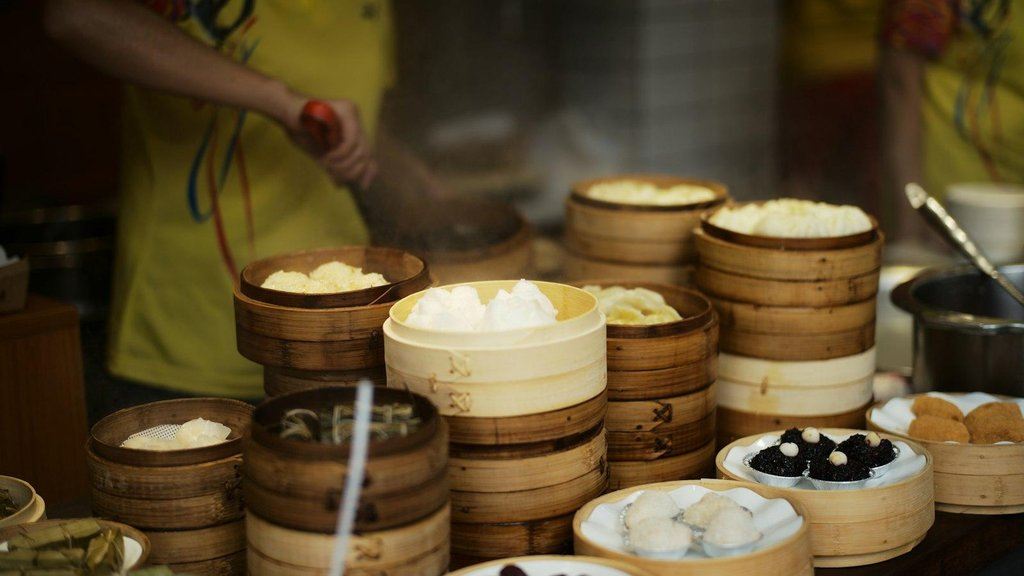
- Turnover. A line means food is not sitting around. Baozi should come from a steaming basket, not a cold tray.
- Cooked to order. Jianbing, noodles and youtiao are cooked hot as you wait, which is the safest pattern.
- License on the wall. Most licensed food shops display their food business license (食品经营许可证), on paper or as an electronic certificate, where you can see it. If a shop has none on show, choose the next one.
- Water. Drink soy milk, tea or bottled water. Tap water should be boiled before drinking.
- Allergies. Peanuts, sesame, soy, egg and wheat appear in many breakfast foods. Jianbing sauce and many noodle dressings contain sesame or peanut, so show the phrase card before ordering.
If something tastes off, stop eating and keep your payment record for the shop name. For any serious reaction, China's emergency medical number is 120, and your hotel front desk can help you describe what happened.
What are the most common Chinese breakfast mistakes?
A smooth first morning comes down to timing, payment and ordering, and each has a quick fix:
- Arriving at 10:30am. Many breakfast counters switch to lunch or close by mid-morning. Recovery: go before 9am, or find a dim sum teahouse, which serves later.
- Relying on one payment method. Recovery: have Alipay set up and keep small cash as a backup.
- Getting chili you did not want. Noodle shops in Chengdu and Wuhan often add chili oil by default. Recovery: say or show 不要辣 before they start.
For a first morning, soy milk, a baozi and a youtiao cover all three. Walk out before 8:30am and follow the steam.
For meals beyond breakfast, see these guides:
FAQs about Chinese breakfast
-
What time do breakfast shops open in China?
-
Is breakfast cheaper than lunch in China?
-
Can I get a vegetarian Chinese breakfast?
-
Do chain breakfast shops serve the same food everywhere?
-
Is Chinese street breakfast safe for children?
-
Where can I eat breakfast in Beijing, Shanghai and Chengdu?
Disclaimer: This article has been provided by an individual contributor or third party platform. If there is any discrepancy regarding the copyright, please contact us directly and we will delete the content immediately.
Trending Searches
-
Getting Around
-
Popular Attractions
-
eSIM/SIM card
- Ningbo Metro
- Japan car rental
- Urumqi Airport
- Narita Airport Lounge
- Guilin Airport
- Beijing Metro
- Incheon International Airport to Seoul
- Shanghai Hongqiao International Airport
- China Metro
- Kobe Transportation
- Tokyo Transportation
- Hangzhou Airport
- Tokyo Car Rental
- Xiamen Airport
- Narita Airport to Shinjuku
- Macau to Hong Kong
- KL MRT Map
- Forbidden City Tickets
- Shanghai Wild Animal Park
- Zhangjiajie National Forest Park
- Shanghai Disneyland Tickets
- Shanghai Tower Tickets
- Canton Tower Tickets
- Shanghai Disneyland Fast Pass
- shanghai to wangxian valley
- Huangshan
- Book China Attraction Tickets with Passport
- Shanghai Disneyland Crowd Forecast
- universal studios japan tickets
- Universal Studios Beijing Tickets
- Summer Palace Tickets
- Shanghai Zoo Tickets