KL MRT Map 2026 – Lines, Hours, Fares

Complete KL MRT guide with KL MRT map, lines & stations, operating hours, ticket prices, payment methods and how to ride.
See all flights

KL MRT Map 2026
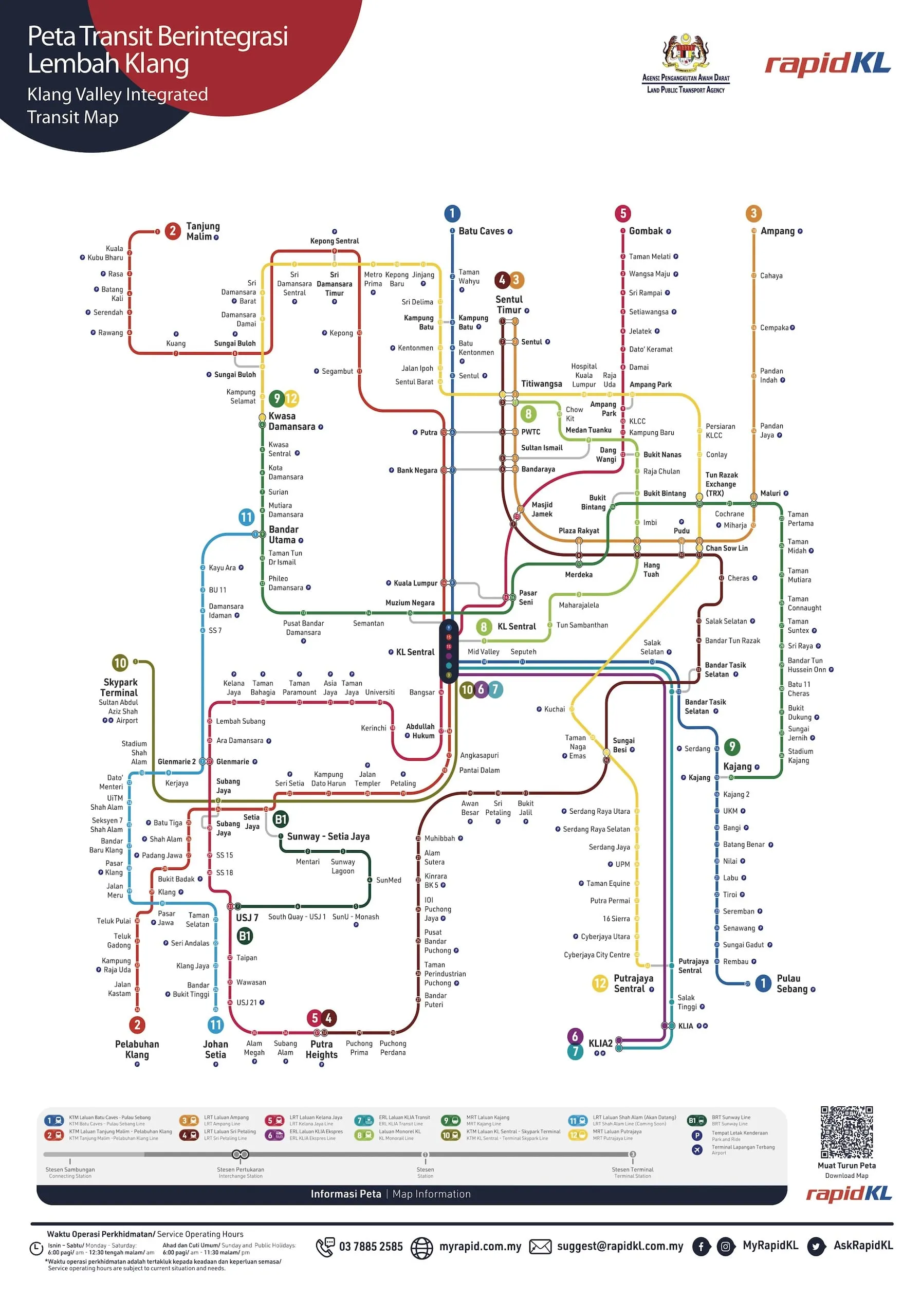
Map of The MRT, LRT, ERL, KTM and BRT Line throughout Kuala Lumpur, credits to MyRapid.
What is KL MRT? Hours & Frequency
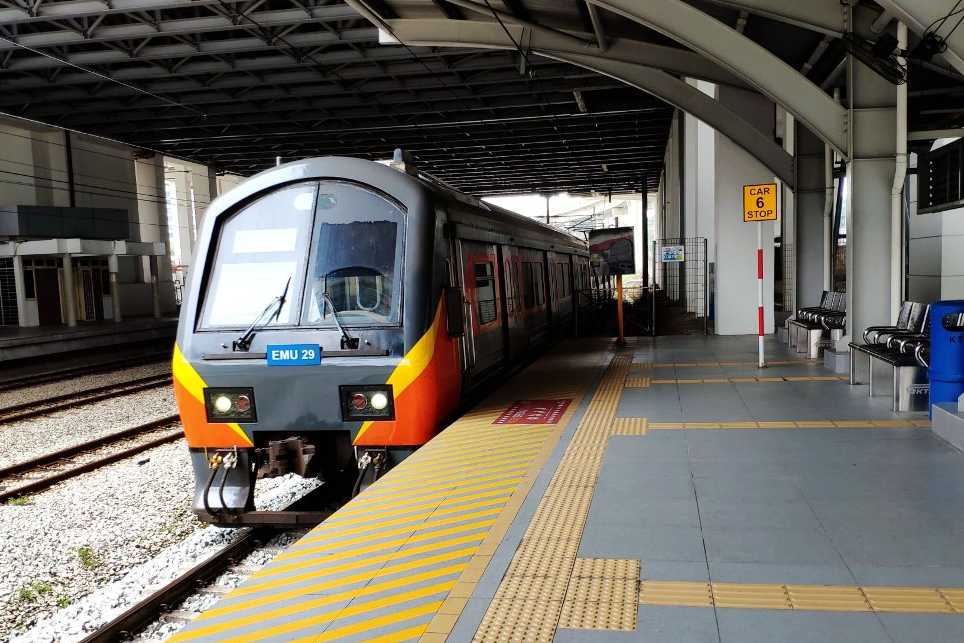
KL MRT (Mass Rapid Transit) is Kuala Lumpur’s main modern rail system, operated by Rapid KL. It has 2 full lines: Kajang Line & Putrajaya Line, covering most key areas in KL, Selangor and Putrajaya.
KL MRT Operating Hours
- Standard Daily Hours: 6:00 AM – 12:00 AM (midnight), including weekends and public holidays.
- Last Train Notes: Terminal stations (Kwasa Damansara, Kajang, Putrajaya Sentral) dispatch the final train at 12:00 AM sharp. Last train times for intermediate stations range from 12:00 AM to 12:30 AM, depending on the line and station location.
KL MRT Train Frequency
Time Period | Train Interval |
|---|---|
Weekday Peak Hours (6:30 AM – 9:30 AM, 4:30 PM – 8:00 PM) | 4 – 6 minutes |
Weekday Off-Peak Hours (9:30 AM – 4:30 PM, after 8:00 PM) | 7 – 10 minutes |
Weekends & Public Holidays (full day) | 7 – 10 minutes |
KL MRT Ticket Types, Fares & Payment Methods
KL MRT fares are calculated based on travel distance, with multiple payment options to suit tourists and regular commuters:
- Single Journey Token
- Ideal for: One-off trips, tourists with short stays
- Fare Range: RM 1.20 (≈ USD 0.25) minimum to RM 6.20 (≈ USD 1.30) maximum for a single trip within the MRT network
- Key Details: Includes a refundable RM 0.20 deposit, returned when you exit at your destination station. Valid only on the day of purchase, with entry required within 30 minutes of buying. Available at all self-service ticketing machines (accept cash, debit/credit cards, and Touch 'n Go).
- Touch 'n Go Card
- Ideal for: Multi-day trips, tourists using multiple transit modes (MRT, LRT, monorail, buses)
- Card Cost: RM 10 (≈ USD 2.10) non-refundable issuance fee (no initial load value included). Minimum top-up amount is RM 10.
- Fare Benefit: 2% discount on standard MRT fares compared to single journey tokens.
- Where to Buy/Top Up: MRT station customer service counters, self-service ticketing machines, 7-Eleven/Family Mart convenience stores across KL, and KLIA/KLIA2 airport outlets.
- Concession Fares
- Eligible Groups: Senior citizens (60+ years), children aged 7–12, full-time students, and registered people with disabilities (OKU)
- Discount: 50% off standard single journey fares
- Free Travel: Children under 7 years old ride for free when accompanied by a fare-paying adult.
See all attractions
 13155 booked
KL MRT Lines, Stations & Key Landmarks
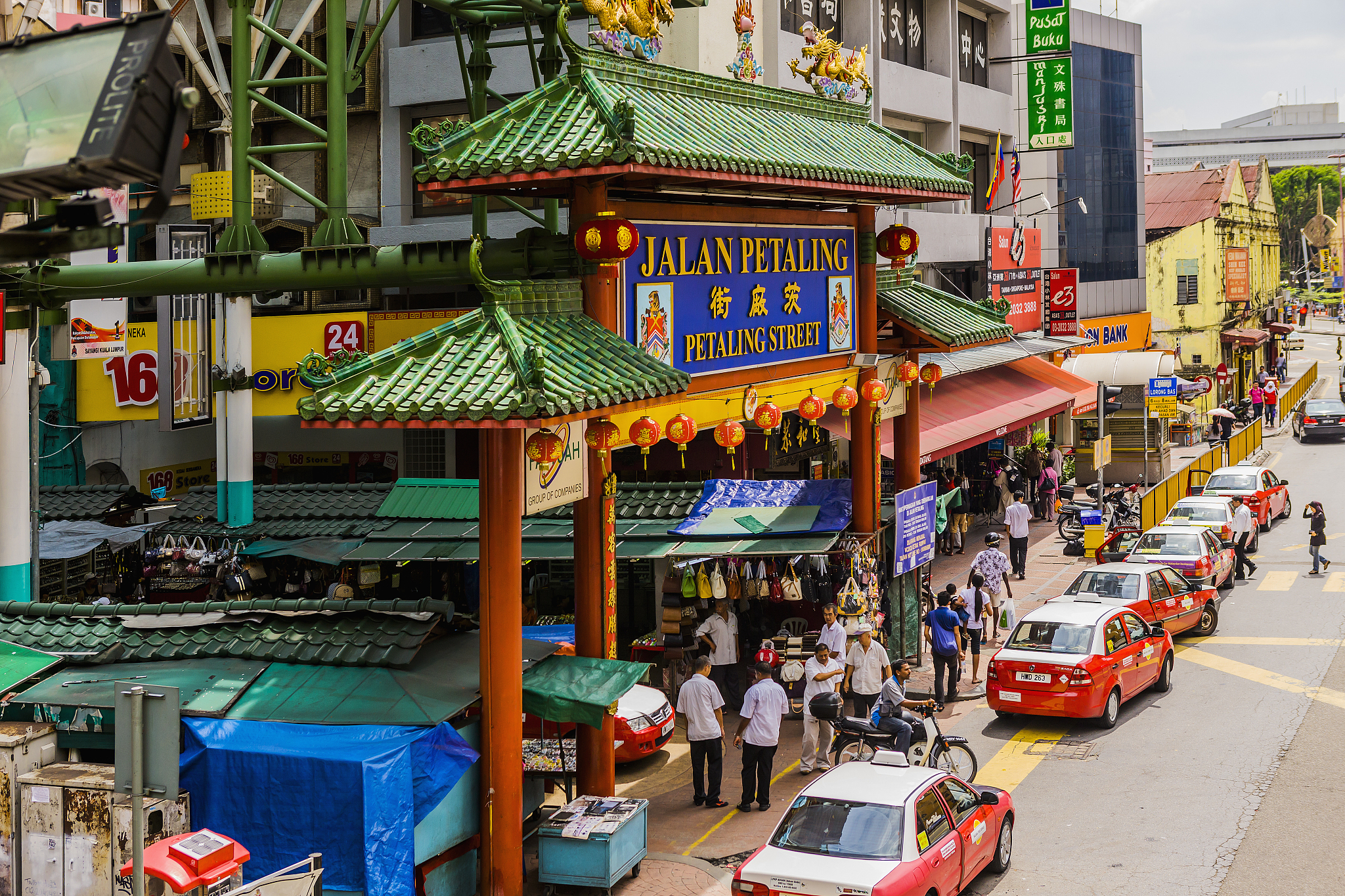
The KL MRT network has 2 fully operational lines, with over 70 stations covering the Klang Valley’s most important destinations. Below is a detailed breakdown of each line, with key stations and their nearby tourist landmarks.
🟢 MRT Kajang Line (Kwasa Damansara – Kajang)
- Kwasa Damansara (interchange)
- Mutiara Damansara (The Curve, IKEA)
- Bandar Utama (1 Utama)
- Muzium Negara (KL Sentral)
- Pasar Seni (Chinatown, Central Market)
- Merdeka (Merdeka 118)
- Bukit Bintang (shopping, food street)
- Tun Razak Exchange (TRX mall)
- Maluri (Sunway Velocity)
🟡 MRT Putrajaya Line (Kwasa Damansara – Putrajaya Sentral)
- Kwasa Damansara (interchange)
- Titiwangsa (interchange LRT/Monorail)
- Raja Uda (Kampung Baru)
- Persiaran KLCC (Petronas Twin Towers)
- Tun Razak Exchange (interchange)
- Cyberjaya (tech hub)
- Putrajaya Sentral (Putrajaya, KLIA Transit)
See all attractions

![[Foot Magic Kuchai Lama ] Aromatherapy Body Massage](https://ak-d.tripcdn.com/images/0350712000rc34b8j83BA_C_568_320.jpg)
How to Take the KL MRT
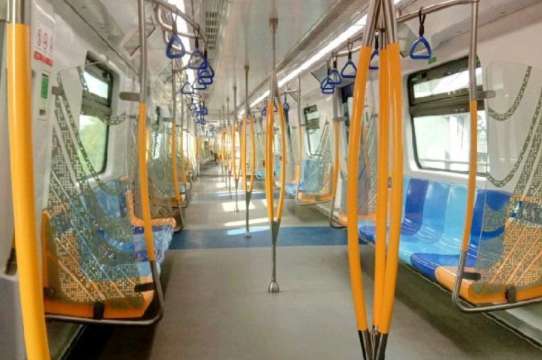
This simple, tourist-friendly guide ensures a smooth ride on the KL MRT:
- Plan Your Route: Use the official KL MRT map to confirm your origin and destination stations, interchange points (if any), and estimated fare.
- Prepare Your Payment Method: Purchase a single journey token from self-service ticketing machines (select your destination station to see the total fare) or use a pre-purchased/top-up Touch 'n Go card.
- Enter the Fare Gates: Tap your Touch 'n Go card or single journey token once on the contactless reader at the entry gate. Keep your token safe – you will need it to exit.
- Board the Train: Follow platform signs to the correct boarding area for your line and travel direction. Wait behind the yellow safety line, and let alighting passengers exit first before boarding.
- Ride & Transfer (If Needed): Listen to on-board audio announcements and check on-board screens for upcoming stations. For transfers between MRT lines or to LRT/monorail services, follow the "Interchange" signs – you do not need to exit the fare gates or buy a new ticket for integrated rail transfers.
- Exit the Station: At your destination station, tap your Touch 'n Go card on the exit gate reader, or insert your single journey token into the gate’s token slot to open the barrier and exit.
Overview of Kuala Lumpur Public Transportation System
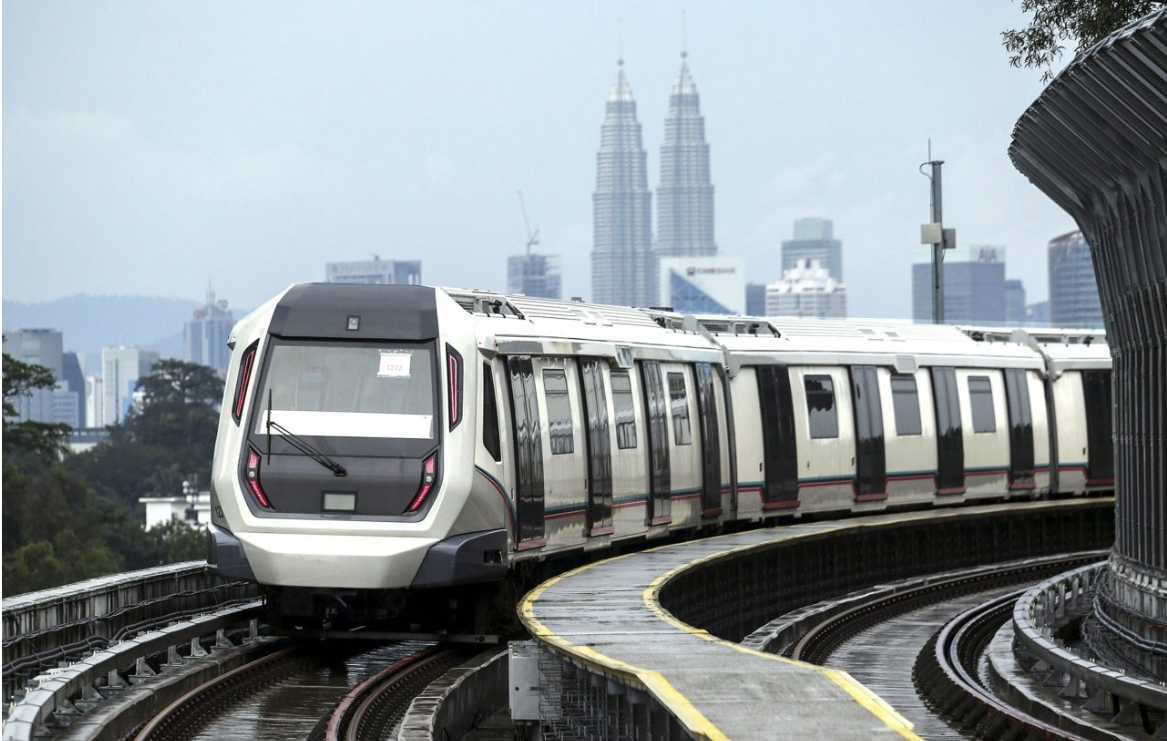
Kuala Lumpur’s public transport includes MRT, LRT, Monorail, KTM Komuter, KLIA Express/KLIA Transit, buses and ride-hailing (Grab). MRT is the most recommended for tourists – fast, air-conditioned, covers most major attractions and connects the city centre to Putrajaya/Cyberjaya.
When to use which
- MRT: Cross-city trips, major landmarks, Putrajaya/Cyberjaya
- LRT: Inner city & short-to-medium trips
- Monorail: Bukit Bintang ↔ KL Sentral short rides
- KLIA Express: KL Sentral ↔ KLIA/klia2 airport
- Bus: Cheapest, widest coverage but slow in traffic
- Grab: Convenient door-to-door, more expensive
Transport Mode | Core Features | Best For | Key Pros & Cons |
|---|---|---|---|
KL MRT | Newest, highest-capacity urban rail system; 2 fully operational lines covering 100+ km across KL, Selangor, and Putrajaya; modern air-conditioned trains, underground and elevated stations | Long-distance cross-city travel, visiting major tourist landmarks (Petronas Twin Towers, Bukit Bintang, Merdeka 118), trips between KL city centre and Putrajaya/Cyberjaya | Pros: Fast, reliable, low fares, minimal traffic delays, covers most iconic attractions, seamless interchange with other rail lines
|
LRT (Kelana Jaya & Ampang/Sri Petaling Lines) | Light rail transit with 2 lines covering inner KL and nearby suburbs; elevated and underground stations | Short to medium trips in areas not covered by MRT, connecting to neighbourhoods like Bangsar, Ampang, and Subang Jaya | Pros: Affordable, extensive inner-city coverage, easy transfers to MRT/monorail
|
KL Monorail | Single elevated line running through KL’s golden triangle, connecting KL Sentral to Bukit Bintang and Titiwangsa | Short trips within the city centre, hopping between Bukit Bintang shopping hubs and KL Sentral | Pros: Direct access to central shopping and entertainment districts
|
KTM Komuter | Commuter rail line covering greater Klang Valley, including Port Klang, Shah Alam, and Seremban | Trips to outer suburban areas, connecting to regional train services | Pros: Low fares for long suburban trips, links to intercity ETS trains
|
High-speed airport rail links connecting KL Sentral to Kuala Lumpur International Airport (KLIA & klia2) | Fast, direct travel between the city centre and KLIA/klia2 | Pros: 28-minute non-stop ride (KLIA Express), no traffic delays, luggage-friendly
| |
Rapid KL Buses | Extensive fixed-route bus network covering the entire Klang Valley | Budget travel to areas not served by rail, short local trips | Pros: Ultra-low fares, widest coverage
|
Grab / Taxi / Private Transfer | On-demand ride-hailing (Grab is dominant) and metered taxis | Late-night travel when rail services end, trips with large luggage, group travel, short trips to areas with no rail access | Pros: Door-to-door convenience, no route planning needed
|
Car Rentals
Car Rental Promo Code - 8% Off
New User Enjoy up to 8% Off
TRIPCAR8


[10% Off] Kuala Lumpur Hotel Recommendations
Grab an extra 10% off Malaysia hotels on Trip.com—my go-to for booking reliable stays in Malaysia.
Kuala Lumpur Hotels
5 star
Very Good1708 Reviews
Kuala Lumpur City Centre Kuala Lumpur|0.42km from city center
I first heard about Maya Hotel through TikTok, and I’m so glad I decided to give it a try! From the moment I arrived, I was impressed by the beautiful atmosphere and the overall experience.
The hotel is in a great location, and the room was clean, comfortable, and well maintained. The staff were also friendly and helpful, which made our stay even more enjoyable.
I stayed here with my daughter, and we both had a wonderful time. The hotel has a relaxing and elegant feel, while still being convenient for exploring Kuala Lumpur. Sometimes you see recommendations on TikTok and wonder if the place is really worth it — in this case, it definitely was!
Thank you, Maya Hotel, for a lovely stay. I would definitely recommend it to others and would be happy to come back again! Sharing our memories with you.. Here are some photos we captured while staying in Maya Hotel.FromUS$59
Very Good1362 Reviews
Kuala Lumpur City Centre Kuala Lumpur|1.14km from city center
A beautiful hotel but a mediocre experience. Maybe the hotel could consider changing the ceiling light bulbs in the room to brighter ones and there are not enough of them. The TV was malfunction but I did not make any report because I only stayed for one night. However, shouldn't the responsible party check the TV first before ”opening” the room to guests? The air conditioner also took a very, very long time to cool even though it was set to the lowest temperature from the moment I got into the room. The shower water on the other hand, I had to wait a long time to get hot even though it was turned to the left (for hot water). However, the breakfast buffet was delicious and varied. The hotel decoration is also very beautiful with a classic theme.FromUS$61
Very Good563 Reviews
Kuala Lumpur City Centre Kuala Lumpur|0.87km from city center
Our stay at The Face Suites Kuala Lumpur was truly one of the highlights of our trip. From the moment we arrived, we felt welcomed by the friendly staff. The suite was spacious, clean, and perfect for our family, with breathtaking views of the city that we enjoyed every day.
My son especially loved the infinity pool, and it was such a joy creating special family memories together. After a full day of exploring Kuala Lumpur, coming back to a comfortable and peaceful room made all the difference.
Thank you, The Face Suites, for making our stay so enjoyable. We left with wonderful memories and will definitely choose to stay here again when we return to Kuala Lumpur.FromUS$60
Great3843 Reviews
Kuala Lumpur|1.52km from city center
Everything about it was fantastic. Greag location in Bukit Bintang but still away from the hustle and bustle of the Pavilion area. Near convenient places like Sungei Wang which have good money Changers and cheap shopping. Alot of solid vegetarian options nearby like Blue Boy and Kusa. Grab comes quickly when booked. Lobby is really a great way to enter and the room was fabulous. Highly recommend, especially with the price point. Solid value for money!FromUS$91
Very Good2607 Reviews
Kuala Lumpur City Centre Kuala Lumpur|0.88km from city center
You can access Pavilion from the neighboring hotel via a skybridge. There's another skybridge that takes you towards the Petronas Towers. The hotel is very clean, and the staff are professional. I highly recommend it. My only minor concern is the lack of sofas in the lobby, making it difficult to relax a bit while waiting for check-in or after check-out. Despite that, it's a wonderful hotel, and I'm considering staying here again next time. Very satisfied!FromUS$101
Business travel
Very Good1270 Reviews
China Town Kuala Lumpur|2.15km from city center
The hotel Pacific Express Central Market prime position is its biggest selling point—it is perfectly situated within close proximity to Pasar Seni and Masjid Jamek LRT, and it so near Central Market(walking distance less than a mins.
To petaling street(china town) 10mins
When it comes to dining, there is absolutely no need to worry at all, even if you’re not a particularly picky eater. The area surrounding hotel is teeming with a diverse array of food stores, local eateries and cozy restaurants, offering an extensive selection of delicious cuisines to suit all tastes, you’ll find plenty of wonderful dining options just a short walk away.
Overall my stay at Pacific Express Hotel Central Market was perfect.(except the water heater is not function well, water flow hot for a while then cold again rm8521), other than that the room is spacious, with small refrigerator, nothing to compare with such nice room and reasonable price.
The unrivaled location, convenient dining choices combine to create a truly wonderful living experience. I would highly recommend this hotel to anyone visiting Kuala Lumpur, and I will definitely choose to stay here again.
Room is perfect clean, with a large lobby, good security.
Must try!FromUS$20
Very Good2770 Reviews
Kuala Lumpur|1.62km from city center
It takes about an hour to get from the airport to the hotel, so make sure to factor that into your airport check-in plans. For domestic flights within Malaysia, allow at least an hour to get to the airport, and it's best to have your boarding pass ready beforehand. If you're flying internationally, you should really set aside 2-3 hours. The South and North hotels are very close, so don't panic if you accidentally get the wrong one on your GPS. The hotel's service is excellent; if you fly to another destination and then return, they'll store your luggage for free, which helps save on baggage fees.
The cleanliness in the rooms could be improved. For example, there were small spots on the bedsheets, and the phone and its cord clearly hadn't been wiped down. In the first room, the sink was broken, but after moving to a different room, everything was fine. It's good value for money and perfectly acceptable for guests who aren't super picky. The breakfast was decent, and there was a discount for booking it with your stay; adding it on the next day costs an extra 10 RM. There aren't many breakfast options nearby, so I think it's worth getting the hotel breakfast if you're too lazy to taxi out to find food. The hotel is close to various attractions, and taxis are readily available and can drop you off right at the front desk.
The one recurring annoyance for me was the elevator. The elevator logic is flawed, and I often had to wait a very long time. I suggest they review and fix the elevator system. Sometimes, it wouldn't even stop on my floor even if it was on its way (a 'convenient' stop). The elevators don't seem to be linked, which really detracts from the experience. I hope they take this seriously.FromUS$29
Very Good615 Reviews
Kuala Lumpur|1.15km from city center
Hotel Review
Location: Excellent—just across the road from Kampung Baru food area, very convenient for foodies.
Check-in: Allowed early check-in at 1:30 PM despite 3 PM standard time due to room availability. Much appreciated.
Staff: Special mention to the staff member resembling celebrity singer Hafiz—excellent service, kept everything smooth and entertaining. Kudos.
Room (1619):
Connecting room arrangement was inconvenient; needed to prop the door open (1619,1620)
TV in father's room not functioning (1618)
Major issue: Strong sewage smell in bathroom—disturbing and needs immediate attention
Toiletries: Initially not refilled—no lotion, body wash in my room; no shower gel or conditioner in dad's room. Staff replaced with hand-packed amenities. Appreciated the gesture.
Food & Dining:
Breakfast buffet: RM37.10—excellent value; surprisingly good nasi goreng (first time I enjoyed it)
In-room dining: Nasi Goreng Tamu was good, but sambal prawn was too sweet
Hotel breakfast preferred over outside options—area dominated by nasi padang, which isn't to our taste
Overall: Okay stay. Responsive service on toiletries and excellent staff, but bathroom odor and room setup issues need fixing.FromUS$45
Very Good1453 Reviews
Kuala Lumpur|1.99km from city center
Had a really enjoyable stay here! Everything was well prepared from the moment we arrived. Check-in was quick and hassle-free, the reception staff were friendly, and the room was clean, spacious, and comfortable. The water pressure was great, and having free parking was definitely a bonus.
The biggest plus is the location. There’s a covered walkway connecting to the mall, and it’s only a short walk to Zepp Kuala Lumpur, which made it super convenient for attending a concert without worrying about traffic or parking.
Overall, we were very satisfied with our stay and would definitely recommend this hotel, especially if you’re planning to catch a concert at Zepp KL. We’d happily stay here again!FromUS$35
Great1404 Reviews
Kuala Lumpur|1.4km from city center
Over roll all is good .aricon is cool ,room very clean ,counter staff friendly and every detail of the hotel stay was explained very clearly . The location is very convenient the subway station is just a short walk and the shopping centre is very close to the hotel ! I will recommend to my friend &family. The staff members were polite and always ready to help. No need to stuff your suitcase with bottles, as hotels stock bathrooms with soap, shampoo, and conditioner for free. These essentials are always included in the room cost, and range from mini souvenirs that guests love to designer .
I truly enjoyed my visit and look forward to staying here again!””Hotel is in a very good location which is within walking distant to KLCC. Next to it is a small mall.
There are many food available. No need to stuff your suitcase available.FromUS$46
Family friendly
Very Good818 Reviews
Kuala Lumpur City Centre Kuala Lumpur|1.97km from city center
This was my first time staying at this hotel. Its location is very close to the Petronas Twin Towers, about a 15-minute drive. The hotel room was incredibly spacious, even featuring a living room. The front desk staff were also very warm and helpful. Thank you to them. I'll definitely come back to this hotel next time I'm in KL.FromUS$54
Very Good2338 Reviews
China Town Kuala Lumpur|2.37km from city center
The hotel has a very good location, especially as it is located right beside the LRT station. This makes it very convenient to travel around and access nearby attractions without needing to drive.
However, the breakfast selection was quite limited, and I think more variety would improve the dining experience. The parking facilities could also be improved, as they were not very convenient.
Overall, I had a pleasant stay, mainly because of the excellent location and easy access to public transportation.FromUS$29
Very Good5363 Reviews
Kuala Lumpur|2.33km from city center
First time staying here. Didn't expect this hotel to be so good. It has access to a mall with lots of restaurants. Easy to take the LRT to go anywhere.. definitely a must-repeat. Recommended. The breakfast food was very delicious.FromUS$51
Great1120 Reviews
Kuala Lumpur|1.03km from city center
From arrival till our departure was awesome, upon arrival, we given a 1 bedroom suite on the top 30th floor as we had requested for quite corner room, the Malay gentleman and the lady at reception were so warm.and welcoming with pleasant smiles, it just made our arrival brighter after a tired journey , we were surprised with a birthday cake since it was my partner's bday which was very thoughtful of them.
Everything was good and awesome till the day we departed . We were greeted again with the Malay gentleman for our pleasant journey back , ”apologies that I didn't get his name”
The only small opinion I would like to share is , it will be great if they upgrade the TVs in the rooms so we can log into our netflix and other networks for leasiure.
Other than this , it was a wonderful 4 nights stay at ParkRoyal residences.
Thank you All of your kind hospitalityFromUS$83
Very Good1538 Reviews
Sri Hartamas Kuala Lumpur|6.19km from city center
Had a wonderful stay! The room was great, but the highlight was definitely the outstanding customer service. The staff were exceptionally friendly, accommodating, and understanding during check-out. Truly appreciated their flexibility and hospitality. Highly recommended!FromUS$38
Hot spring
Very Good2348 Reviews
Kuala Lumpur|1.64km from city center
The South and North towers have separate front desks and pricing, but many common facilities are shared. I was in the North Tower, but I could still go to the South Tower's rooftop pool to enjoy the night view, which was quite beautiful. However, Kuala Lumpur is a magical city; on one side, you have magnificent skyscrapers, and then you open a door on the other side to a slum.FromUS$34
Very Good605 Reviews
Kuala Lumpur City Centre Kuala Lumpur|0.49km from city center
The room was clean and comfortable but the temperature control was unsatisfactory. Despite multiple attempts to adjust it, the room remained at an uncomfortably warm, room temperature.
While the breakfast selection itself was adequate, the 40-minute wait to be seated was unacceptable and reflects poor crowd management.
Furthermore, scheduling the café’s renovation from 1st to 5th May was a poor decision. Doing so during a long weekend and rain rave festive period significantly impacted guest experience and contributed to the delays.FromUS$124
Very Good3601 Reviews
Golden Triangle Kuala Lumpur|1.6km from city center
Check-in was available from 2 PM, and the front desk didn't require a deposit. There was complimentary fruit-infused water in the lobby. The front desk staff were very friendly, and there's a restaurant on the ground floor where you can order hot room service until 10 PM. It's just a few minutes' walk to the Medan Tuanku monorail station (green line 8), and there are plenty of dining and shopping options nearby, including Sogo, 7-Eleven, and local restaurants.
The bathroom only had a shower head, not a handheld shower, but the water pressure was good and the hot water was stable. The room itself was spacious with good lighting and a nice view. The bed was larger than a standard double. Overall, it was clean and tidy, and there was a water dispenser right outside the room, which was very convenient.FromUS$23
Very Good743 Reviews
Kuala Lumpur|1.22km from city center
Rooms are okay, not fancy but clean. Reception staff are helpful and efficient. Hotel is in a very central location which is good. However, due to that the area is very noisy with plenty of nearby construction and motorcycles. Noise stops around 12pm-1am. Good if you want to be walking distance from the downtown busy areas. Not so good if you want some chill & relax.FromUS$28
Gym
Great825 Reviews
Golden Triangle Kuala Lumpur|1.23km from city center
Great Stay at Stripes Hotel!
I had a wonderful time at Stripes Hotel. The staff were very helpful ! when I arrived without cash for a taxi, the reception desk attendant kindly assisted me, which I really appreciated.
The room was clean, comfortable, and the hotel is in an excellent location, surrounded by good restaurants.
Overall, a very pleasant experience
I’d definitely stay here again!FromUS$86
Very Good985 Reviews
Kuala Lumpur City Centre Kuala Lumpur|0.89km from city center
The facilities and amenities are good. Excellent location. Nice design and spacious. Gorgeous view especially from the rooftop.
It is disappointing that the services and hospitality were terrible. It is obvious that the workers are lack of training.
Most importantly, 2 out of 4 elevators were broken down during my stay. Sometimes, it took more than 5 min to just back to our
As a 4-star rated hotel, the quality is below standard. Look forward to better improvement.FromUS$49
Good69 Reviews
Kuala Lumpur|1.48km from city center
TLDR: Ceylonz is a great hotel, but the provider (Five Senses) is not. Book a different provider if you want to stay at Ceylonz.
(Trip.com does not let me post videos, refer to the pictures below)
Initial room conditions:
When we first entered the room we encountered these things:
- Leftover jacket from the previous guest(?)
- stains on the chairs
- water stains on the wardrobe
- dead ants in the wardrobe
- a flickering light
Service:
Because we chose to stay for 7 nights, we had a 1 free make-up room offered to us which we appreciated. However when we flagged up the issues we found on the first day, they gave us a make-up room on the second day and consumed our free make-up room without our choice. We wanted to use it in the middle of the trip like the 4th day. Because of this we had no toilet paper, tissue box was empty, towels were not replaced.
After the 2nd day, they no longer replied to our texts when we enquired about using the sports lounge, requesting a makeup room, getting more toilet paper. Very bad service.
After their make-up room, they removed the jacket and cleaned the seat stains, but they did not fix the light or clean the dead ants in the wardrobe. We understand fixing a light might not be possible but the ants were easily removable and we did it ourselves after they left. It felt like they were cutting corners as they also did not replace our tissue box, clean the dead ants or clean the water stains on the wardrobe.
Ceylonz:
The hotel comes with
- nice pool,
- 2 gym rooms with great views,
- a minimart at the ground floor,
- amazing location, walking distance from Bukit Bintang's Pavilion
Room:
- the amenities provided are not the same for every room, the last time we came there was a water dispenser and pull-out kitchen, this time there isn't (same five senses at ceylonz, same room type)
- spacious
- tall ceiling
- well equipped
- bay window
- the walls are relatively soundproof so you cannot hear other rooms but the door is not and the hallway is very audible from inside the room, we can hear people chatting, checking in, pulling luggages
Bed:
- not soft, hard bed with springs
- pillows and blanket is okay
- uncomfortable bed
We would have given this place a glowing review if they:
- Stuck to their 1 complimentary makeup room offered
- service: replied to our enquiries at all after the 2nd day
- better room cleanliness/make-up room diligence: cleaned the dead ants and the water stains on the wardrobeFromUS$35
Great3077 Reviews
Kuala Lumpur|8.08km from city center
The hotel gave a great first impression. The lobby smelled amazing and had a luxurious feel, and all the receptionists and staff were friendly and welcoming. Parking is available in front of the hotel, but I opted for valet parking at RM30 for 24 hours.
The room was a little small but still comfortable and acceptable. Bed and pillow was extremely good. We got complimentary water and KitKat in the fridge, and the bathroom was spacious. The shower and toilet are separated, but the biggest downside for me was that there was no bidet in the toilet. 😅
The kids’ club was great and my child really enjoyed it. We didn’t get a chance to try the pool. Breakfast was really delicious with plenty of choices. My personal favourite was the nasi impit with kuah kacang — so good!
I also requested a complimentary anniversary cake. It took quite a while and I had to call a few times to follow up, but we finally received it on the second day. Thankfully, the cake was really delicious! Room cleaning was also a bit slow. We requested housekeeping in the morning while my husband took our child to the kids’ club, but when we came back around 1pm, the room still hadn’t been cleaned. We were told there weren’t enough staff.
Overall, we had a great staycation here and would definitely consider coming back. Everything was great except for the toilet with no bidet. 😅FromUS$85
Very Good542 Reviews
Kuala Lumpur City Centre Kuala Lumpur|0.22km from city center
We're pretty picky, and we stayed here for the Sammi Cheng concert. The hotel service was absolutely top-notch, fantastic! The only minor hiccup was a slight communication issue between the booking agent and the hotel, which delayed our check-in by about 30 minutes. However, both Trip.com and the hotel offered compensation, which was appreciated. The bed was incredibly comfortable, and there was absolutely no noise, which was a definite improvement over the Guangzhou Four Seasons. The room was also impeccably clean and tidy – a big shout-out to the cleaning staff! I'll definitely try to choose Four Seasons for my future travels.FromUS$335
Swimming pool
Great2113 Reviews
Kuala Lumpur City Centre Kuala Lumpur|0.58km from city center
This is essentially the Shangri-La Hotel. The location is excellent, and there's a shuttle bus to and from the Petronas Towers all day, which is super convenient. I particularly love how you can scan a QR code in the room to request room service – it's incredibly handy for those of us who aren't fluent in English.FromUS$140
Great2449 Reviews
Kuala Lumpur|1.29km from city center
A truly wonderful stay at The Ritz-Carlton! ✨
We had such a comfortable and relaxing stay, and the overall experience made it easy for us to sleep well and feel completely at ease. The room was clean, comfortable and well maintained, and the location was excellent.
What really stood out was the warm hospitality. Every staff member we met greeted us with a genuine smile, which made us feel so welcomed throughout our stay.
We had actually planned to try the breakfast and enjoy the spa facilities at the hotel, but unfortunately, our schedule was too packed and we didn’t get the chance this time. Definitely something to look forward to on our next visit!
Thank you to the wonderful team at The Ritz-Carlton for making our stay such a pleasant and restful one. ❤️FromUS$163
Very Good1117 Reviews
Kuala Lumpur|1.1km from city center
Wonderful Anniversary Stay ❤️
I had a wonderful stay at this hotel to celebrate our anniversary. The room was clean, comfortable and well maintained. The bed was comfortable and all the facilities were in good condition.
The hotel is located in a convenient area, making it easy to access nearby attractions, shopping areas and restaurants. The staff were also very friendly, helpful and professional throughout our stay.
I especially loved the anniversary decoration in the room. It was beautifully arranged and made our celebration feel extra special and memorable. We were also pleasantly surprised to receive a complimentary anniversary cake, which was a very thoughtful gesture from the hotel.
Overall, we truly enjoyed our stay and appreciated the excellent service and thoughtful anniversary arrangements. We would definitely come back again for another special occasion. Highly recommended! ❤️FromUS$130
Very Good986 Reviews
Kuala Lumpur|1.74km from city center
We stayed at this hotel a few years ago, and returning this time with our family was such a wonderful surprise. The hotel has been newly renovated, and we were truly in awe of how beautiful everything looked!
The hospitality was exceptional, the food was great, and the location made it easy to access the malls nearby. We especially recommend staying in the Club Premium rooms, where you can enjoy a more private breakfast setting and refreshments served at the clubhouse.
Every staff member was incredibly friendly, always smiling and greeting us warmly. We genuinely felt so welcomed throughout our stay.
We had such a wonderful experience and will definitely COME BACK AGAIN! ❤️FromUS$68
Very Good632 Reviews
China Town Kuala Lumpur|1.96km from city center
The location is great, not far from various metro stations, and you can walk to Central Market and Merdeka Square. There are plenty of restaurants nearby, which is very convenient. The hotel staff are very friendly and helpful. Rooms facing the road can be a bit noisy due to car traffic.FromUS$43
Breakfast
Very Good461 Reviews
China Town Kuala Lumpur|1.73km from city center
⭐⭐⭐☆☆ (3/5)
We stayed here for 5 nights with our children. The room itself was comfortable, and the beds, furniture, and washing machine were all in very good condition. The washing machine worked perfectly, which was especially helpful for a family with kids.
However, there were some issues that affected our stay. We found many cockroaches, lizards, and other insects in the room, which was very disappointing. The room was also not cleaned regularly, and we often had to wait a long time before housekeeping came.
The kitchen was functional, but the cooking area was quite small, and the cooking pots and pans provided were too small for preparing family meals.
Overall, the room has good facilities and comfortable furniture, but the cleanliness, pest control, and housekeeping service need significant improvement. If these issues are addressed, it could be a much better place for families.FromUS$34
Great1368 Reviews
Kuala Lumpur|2km from city center
The room was quite clean. They didn't provide complimentary bottled water, but the mini-bar had free drinks and chocolates 🍫. There's a pretty big difference in price between weekdays and weekends. There are many malls and restaurants nearby, and the service was good.FromUS$53
Very Good333 Reviews
Kuala Lumpur|1.62km from city center
Situated in Chow Kit, WP Hotel is conveniently close to the city centre. Our room was immaculate, featuring pristine white walls and a very clean bathroom, with a wonderful view overlooking the Petronas Twin Towers. We also enjoyed our first dinner at one of the many local restaurants located just a short walk away.FromUS$37
Great352 Reviews
Kuala Lumpur City Centre Kuala Lumpur|0.86km from city center
An amazing first stay at Banyan Tree Kuala Lumpur. I was travelling with my 71-year-old mum for our first mother-and-son getaway, and the team made us feel genuinely welcomed from the moment we arrived
We were pleasantly surprised with a room upgrade, and the warm, attentive service made the stay even more memorable. As someone working in hospitality, I truly appreciated the thoughtful touches throughout our stay
Thank you to the entire team. We look forward to returning!FromUS$285
320 Reviews
Kuala Lumpur City Centre Kuala Lumpur|1.2km from city center
I booked the forest room cozy and suitable for 1 night. If you could improve to clean the windows even though have the flora outside the scenery will bo pretty. The bed also I have no problem and bathroom also satisfied for me but enhance more on wiping the bathroom since it's glass door. For amenities if could prepare a keetle in the room will be good also. Also if could you upgrade the aircond will be more good. Anyway I'm enjoying the stay so much ☺️❤️⭐⭐⭐⭐FromUS$17
FAQs about KL MRT
-
What’s the difference between KL MRT and LRT?
-
Can I pay for KL MRT rides with a credit/debit card?
-
Does the KL MRT go directly to KLIA/KLIA2 airport?
-
Are there luggage restrictions on the KL MRT?
-
Can I transfer between MRT lines and other rail services without a new ticket?
-
What is the cheapest way to ride the KL MRT as a tourist?
Disclaimer: This article has been provided by an individual contributor or third party platform. If there is any discrepancy regarding the copyright, please contact us directly and we will delete the content immediately.
Find Great Deals & Discover Destinations
-
Getting Around
-
Popular Attractions
-
Popular Flights Routes
-
Trending Stays
-
eSIM/SIM card
-
Popular activities
- Shanghai Metro Map
- Urumqi Airport
- Lijiang Airport
- Octopus Card Hong Kong
- Narita Airport to Tokyo
- Osaka to Kyoto
- Chongqing Metro Map
- Hong Kong MTR Map
- Xiamen Airport
- Chongqing Airport
- China Taxi
- Ho Chi Minh Airport
- How to Get from Osaka to Kansai Airport
- Shanghai Airport Transfers
- Narita Airport to Shinjuku
- Macau to Hong Kong
- New York Subway
- Forbidden City Tickets
- Zhangjiajie National Forest Park
- Shanghai Tower Tickets
- Shanghai Wild Animal Park
- Shanghai Disneyland Tickets
- Canton Tower Tickets
- shanghai to wangxian valley
- Shanghai Disneyland Fast Pass
- Huangshan
- Book China Attraction Tickets with Passport
- Universal Studios Beijing Tickets
- Great Wall of China Tickets
- Yu Garden Tickets
- Summer Palace Tickets
- Shanghai Disneyland Crowd Forecast
- Return flights from Yangon to Kuala Lumpur
- Cheap flights from Bangkok to Kuala Lumpur
- Direct flights from Singapore to Kuala Lumpur
- Direct flights from Ta Khmau to Kuala Lumpur
- Direct flights from Langkawi to Kuala Lumpur
- Return flights from Guangzhou to Kuala Lumpur
- Return flights from Tokyo to Kuala Lumpur
- Cheap flights from Jakarta to Kuala Lumpur
- Direct flights from Dhaka to Kuala Lumpur
- Return flights from Shanghai to Kuala Lumpur
- Return flights from Malé to Kuala Lumpur
- Return flights from Penang to Kuala Lumpur
- Return flights from Bali to Kuala Lumpur
- Direct flights from Ho Chi Minh City to Kuala Lumpur
- Return flights from Seoul to Kuala Lumpur
- Agile Bukit Bintang by Avery at KLCC【5 mins to Pavilion & TRX+Garden Pool+Free Parking】
- Pullman Kuala Lumpur City Centre Hotel & Residences
- MyCiti Hotel Kuala Lumpur
- Hilton Garden Inn Kuala Lumpur Jalan Tuanku Abdul Rahman South
- Upper Suites Kl Sentral
- Upstairs Downstairs CoLiving Bukit Bintang
- Moxy Kuala Lumpur Chinatown
- Imperial Regency Suites Kuala Lumpur
- Royce Residence KLCC by Dormeo Destinations
- Space Hotel @ Chinatown Kuala Lumpur
- Travelodge Kuala Lumpur City Centre
- Central City Hotel @ Chinatown
- deKing Hotel Twin Towers
- One Bukit Ceylon by Roomy
- Armani Residence and Hotel Kuala Lumpur
- Hilton Garden Inn Kuala Lumpur Jalan Tuanku Abdul Rahman North
- Jeea Hostel
- Hotel AL Amin
- Swing & Pillows @ Bukit Bintang City Centre
- Riveria City Kuala Lumpur Sentral by Archos
- Kuala Lumpur Travel Essentials
- Kuala Lumpur Local Tour Guides
- Kuala Lumpur Connectivity Solutions
- Kuala Lumpur Shopping Discounts
- Kuala Lumpur City Pass
- Kuala Lumpur Transportation
- Kuala Lumpur Photoshoot
- Kuala Lumpur Spa & Massage
- Kuala Lumpur Travel Services
- Kuala Lumpur JR Pass
- Kuala Lumpur: Half-Day City Highlights Tour with Local Guide
- 4G/5G | eSIM | 1-30 days available | Subscribe and use | Hotspot supported | QR Code
- Kuala Lumpur Half-Day City Tour
- Kuala Lumpur Sightseeing
- LaZat Malaysian Cooking Class