Is China Safe for Tourists & Solo Woman?


As a digital nomad who’s lived in China’s Southeast Coastal cities (Guangzhou, Shenzhen, Xiamen) for 5 years, I get asked “Is China safe?” more than any other travel question. China IS one of the Safest countries for tourists—especially for solo travelers and women like me.
to Shanghai
to Guangzhou
to Beijing
See all flights

Is China Safe for Tourist? Regional Safety
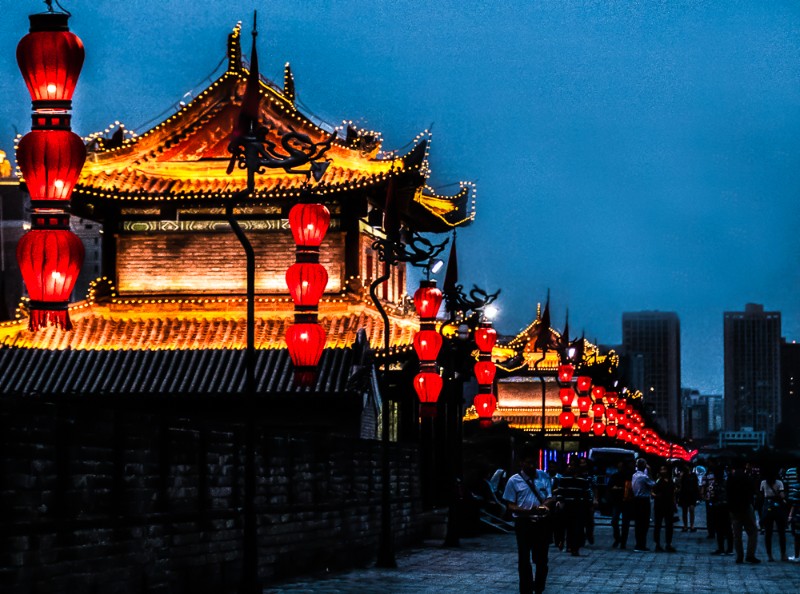
Why Xi'an Will Be A Highlight Of Your China Trip | Intrepid Travel ...
China’s safety level varies slightly by region, but Southeast Coastal areas (my home base) are consistently safe. Here’s a clear breakdown:
Southeast Coastal Cities (Most Tourist-Friendly based on My experience)
Cities like Guangzhou, Shenzhen, Xiamen, Hangzhou, and Shanghai are where I’ve spent 90% of my time—they’re the gold standard for travel safety:
- Shenzhen/Guangzhou: Ultra-modern, 24/7 vibrant. I regularly walk to late-night food stalls (xiaoye) at 2-4 AM alone. Even busy areas like Shenzhen’s Huaqiangbei or Guangzhou’s Shangxiajiu Pedestrian Street have zero pickpocketing risks (thanks to widespread CCTV and strict police patrols).
- Xiamen/Hangzhou: More laid-back, scenic spots (Xiamen’s Gulangyu Island, Hangzhou’s West Lake) are well-patrolled. I’ve cycled around West Lake at sunset alone and felt totally at ease—no harassment, no weird stares.
- Pro tip: These cities have English signs in airports, metro stations, and tourist areas—super easy for foreign travelers.
Tier 2-3 Coastal Cities (e.g., Quanzhou, Ningbo)
Less crowded than tier 1, equally safe. Local people are more curious (you might get a few friendly stares) but never rude. Street crime is almost non-existent—even small night markets feel secure.
Inland & Remote Areas (e.g., Chengdu, Zhangjiajie)
Still safe for tourists, but minor differences: fewer English signs, more reliance on translation apps. Popular spots (Chengdu’s Giant Panda Base, Zhangjiajie National Forest Park) have dedicated tourist police. Avoid wandering unlit rural roads at night (common sense, not a safety risk specific to China).
Is China Safe for for Solo Women?

Visiting China in 2024: A guide to visas, mobile payments and more ...
As a young female digital nomad, China is one of the few countries where I never second-guess walking alone at night. Here’s why:
No Harassment & Respectful Locals
Catcalling, groping, or unwanted advances are extremely rare. I’ve worn shorts/dresses in summer, taken late-night Didi rides, and hung out in bars alone—never had a single uncomfortable encounter. Locals (especially women) will even help you if you look lost (e.g., guiding you to a metro station).
Female-Friendly Facilities
Public restrooms are clean and widely available. Many malls, airports, and train stations have “female security check lanes” (faster and more private). Budget hotels often have female-only floors if you prefer.
Emergency Support
Dial 110 (police) if you feel threatened—they speak basic English and respond within 5-10 minutes. I once lost my phone in a Guangzhou mall; the police helped me track it down via CCTV in 30 minutes (it was turned in by a kind local).
After living here for years, I can say that China's greatest underestimated advantage is safety. Whether you are a solo female traveler, a family or a group, you will feel safe, especially in the southeast coastal cities. Don't let vague government warnings (mainly political ones, unrelated to security) prevent you from visiting. Pack your bags, download the translation app and get ready for a wonderful trip - you have nothing to fear.
See all attractions
 867594 booked




Is China Safe for Tourist? Transport, Accommodation, Food & More

UNSEEN Chinese Street Food BREAKFAST TOUR in DEEP Sichuan, China ...
Safety isn’t just about crime, it’s about feeling secure in everyday life. Here’s how China excels:
China Transport Safety
- Metro: Clean, on-time, and safe. No pushing, no pickpockets. Most stations have X-ray checks for bags (standard security, not intrusive).
- Didi (Ride-Hailing): Way safer than Uber in many countries. Driver info (name, license plate) is tracked by the app; you can share your real-time location with friends. Drivers never take detours or overcharge.
- High-Speed Rail: The safest rail system globally. Luggage storage is secure; no theft risks. Staff are helpful if you need directions.
China Accommodation Safety
From budget hostels (¥50-100/night) to luxury hotels, all have 24/7 front desks and security locks. Even cheap hotels in Shenzhen/Guangzhou have CCTV in lobbies. Always book via Trip.com or Ctrip—they vet properties strictly.
China Food Safety
Street food is generally safe. Most vendors have health certificates (look for the green “food safety” sticker). I used to eat street food 5+ times a week and never had stomach issues. Avoid unrefrigerated food in hot weather (common sense anywhere).
China Nightlife Safety
Popular nightlife areas (Shanghai’s Bund, Shenzhen’s Coco Park) are well-lit and patrolled. Bars/clubs check IDs and have security guards. Drink spiking is almost unheard of—feel free to leave your drink on the table briefly.
Safety Comparison - China vs. Other Popular Tourist Countries

Japan & China Package Tours - Tourist Japan
I have been to over 20 countries. The following is a comparison of China's safety with that of other countries (without prejudice, just facts) :
- China and Japan: Both are safe, but China is more suitable for female tourists. There are seedy adult entertainment districts in Japan (for example, Kabukicho in Tokyo), where you might get approached. There is no such problem in China (or much much less). In China, options for late-night snacks are also more accessible.
- China vs. Southeast Asia (Thailand/Vietnam) : China is safer. There is a risk of pickpocketing and fraud in Bangkok/Pattaya, Thailand (for example, posing as a taxi driver). The crime rate on the streets of Vietnam is low, but the traffic is chaotic. Traffic in China is very orderly and fraud is rare.
- China vs. Europe (France/Italy) : No contest. The pickpocketing rate is very high in the metro of Paris and the tourist areas of Rome. There are almost none in China. Violent crimes are more common in major European cities than in China.
- China vs. the United States: China is much safer. Gun violence, robbery and late-night street crimes are the main problems in American cities. China has strict gun laws, and there are zero random violent crimes against tourists.
Car Rentals
Car Rental Promo Code - 8% Off
New User Enjoy up to 8% Off
TRIPCAR8
China Safety Tips for Tourists

15 Top Travel Tips for China - Things to Know
China Minor Concerns & How to Avoid
China is safe, but there are some minor troubles that need attention:
- Tourist vendors' price hikes: Some vendors at popular attractions (such as the Terracotta Army in Xi 'an) may charge foreigners slightly higher fees. Solution: Ask, "How much do locals earn?" (Use translation software) or check the standard price at a nearby convenience store.
- Language barrier: Most locals cannot speak English. Solution: Download Google Translate (offline Chinese package) and Autonavi Maps (English navigation app).
- Political taboos: Avoid discussing sensitive topics (such as politics and local policies) or participating in protests. This is not a security risk - it's just a basic courtesy of respecting local rules.
China Safety Tips
- Carry the electronic version of your passport with you at all times (stored in your wechat /email), and keep an electronic copy in your bag - hotels/tourist attractions may require it.
- Using Alipay/wechat Pay (connecting foreign credit cards) instead of cash is safer and more convenient.
- Save emergency numbers: 110 (police), 120 (ambulance), 12345 (public service hotline).
- Book transportation/accommodation through the official apps (Didi, Trip.com) to avoid fraud.
- In crowded places, keep your bag close to your body (this is common sense - although theft is rare).
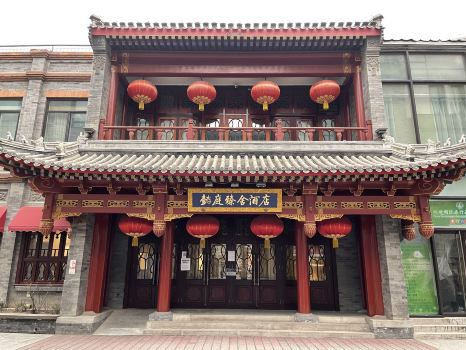
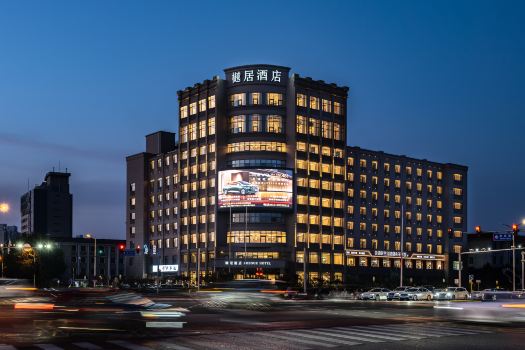
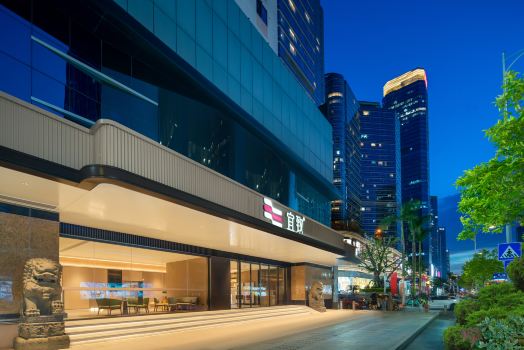
[8% Off] China Hotel Recommendations
Top Shanghai Hotels
Top Beijing Hotels
Top Guangzhou Hotels
See All Hotels
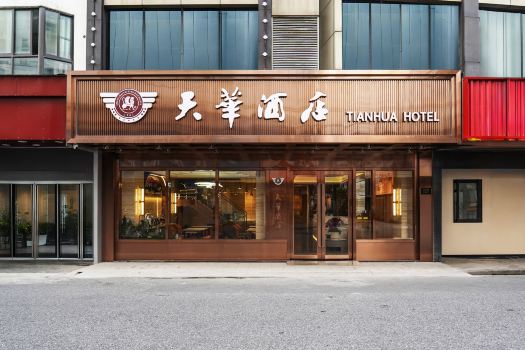




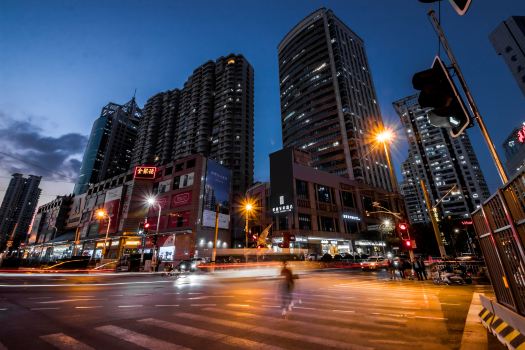

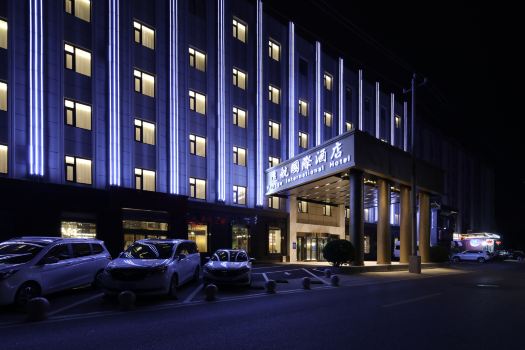












What to Prepare for a Trip to China?
- Visa & Entry Tips China’s 240-hour visa-free transit policy now covers 54 countries, incl. the US, UK, Canada, and Brazil, allowing up to 10 days during layovers. Learn more about China Entry Tips to land in China easily.
- Getting Connected VPNs are vital for accessing Google, WhatsApp, Instagram, etc in China. Set one up before arriving. China eSIMs are the easiest option for data and bypassing restrictions. Pocket Wi-Fi devices work best for group but are pricier and require pickup/return.
- Money Exchange & Tax Refunds Exchange money in China banks (better rates than airports). ATMs accept foreign cards, but notify your bank first. For tax refunds, spend over ¥500 at stores with a "Tax-Free" sign. Keep receipts and get forms stamped at customs before departure.
Must-Have Apps in China
- China Payment Apps Forget cash. Chinese use Alipay (I like it better) or WeChat Pay to pay for everything in China. Scan a QR code at noodle stalls, metros, even temples. Link your foreign Visa/Mastercard before landing.
- China Map Apps Amap (Gaode Map) & Baidu Map (limited English) is what locals use, with real-time navigation, metro/bus routes, and traffic updates. Apple Maps does a good job too if you're already an IOS user.
- China Transport Apps Street taxis are cheap, but drivers rarely speak English. Use China Taxi App like DiDi (China’s Uber)—set your destination in English, pay by Alipay.
- China Travel Apps 15+ China trips taught me: Use Trip.com. It's the best English app for booking China trains/flights/hotels + finds Trip.com deals.
- China Dating Apps Locals use Tantan (China’s Tinder) and Momo. WeChat’s “People Nearby” works too, but expect language barriers unless your Mandarin’s decent.
- China Food App Use Meituan (also helps find nearby restaurants) or Ele.me for food delivery—both have English mode. No English menu in restaurants? Scan the QR with Alipay's translator.
FAQs about China Safety
-
Is it safe for solo female travelers to visit China?
-
Do I need to worry about scams in China?
-
Is street food in China safe to eat?
Disclaimer: This article has been provided by an individual contributor or third party platform. If there is any discrepancy regarding the copyright, please contact us directly and we will delete the content immediately.
Trending Searches
-
Air Travel Guide
-
Latest Flight Deals
-
Popular Flight & Hotel Packages
-
Getting Around
-
eSIM/SIM card
- Medellin Vacation Packages
- Hong Kong Vacation Packages
- Tokyo Flight and Hotel
- Koh Samui Flight and Hotel
- Hong Kong Flight and Hotel
- Mackinac Island Vacation Packages
- Cork Vacation Packages
- Natuna Vacation Packages
- New York Vacation Packages
- Palma de Mallorca Vacation Packages
- Hue Vacation Packages
- Rzeszow Vacation Packages
- Busan Vacation Packages
- Phu Quoc Island Vacation Packages
- Larnaca Vacation Packages
- Phuket Taxi
- Chengdu Metro
- Beijing Capital International Airport
- Guilin Airport
- Tokyo Transportation
- Kunming Airport
- Shenzhen Airport
- How to Use DiDi in China
- Beijing to Shanghai Train vs Plane
- narita express
- Nankai Electric Railway
- Osaka to Kyoto
- China Train Business Class vs Second Class
- Harbin Metro Map
- Narita Airport to Shinjuku
- Macau to Hong Kong
- Beijing Daxing International Airport