
What Not to Do in China: A First Time Visitor's Guide (2026)

Author's Profile Picture
What not to do in China

Most first time visitors to China arrive prepared for a great trip but get tripped up by the same practical mistakes: unset payment apps, blocked internet apps, wrong train stations, sold out holidays. Here are the 13 most common ones and how to avoid them.

to Shanghai
to Guangzhou
to Beijing
See all flights

What Not to Do With Money and Payments in China

What Not to Do With Money and Payments in China

Don't rely only on cash

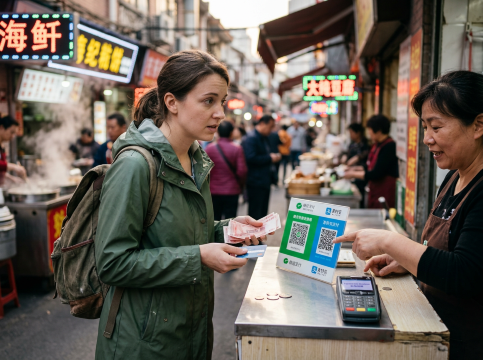
China is more cashless than most countries. Small merchants, taxis, street food vendors, and many restaurants accept only Alipay or WeChat Pay. Refusing cash is technically illegal in China, but many small merchants will still refuse it in practice or make it awkward. Cash is fine as a backup but not as your only method.

Don't rely only on foreign credit cards

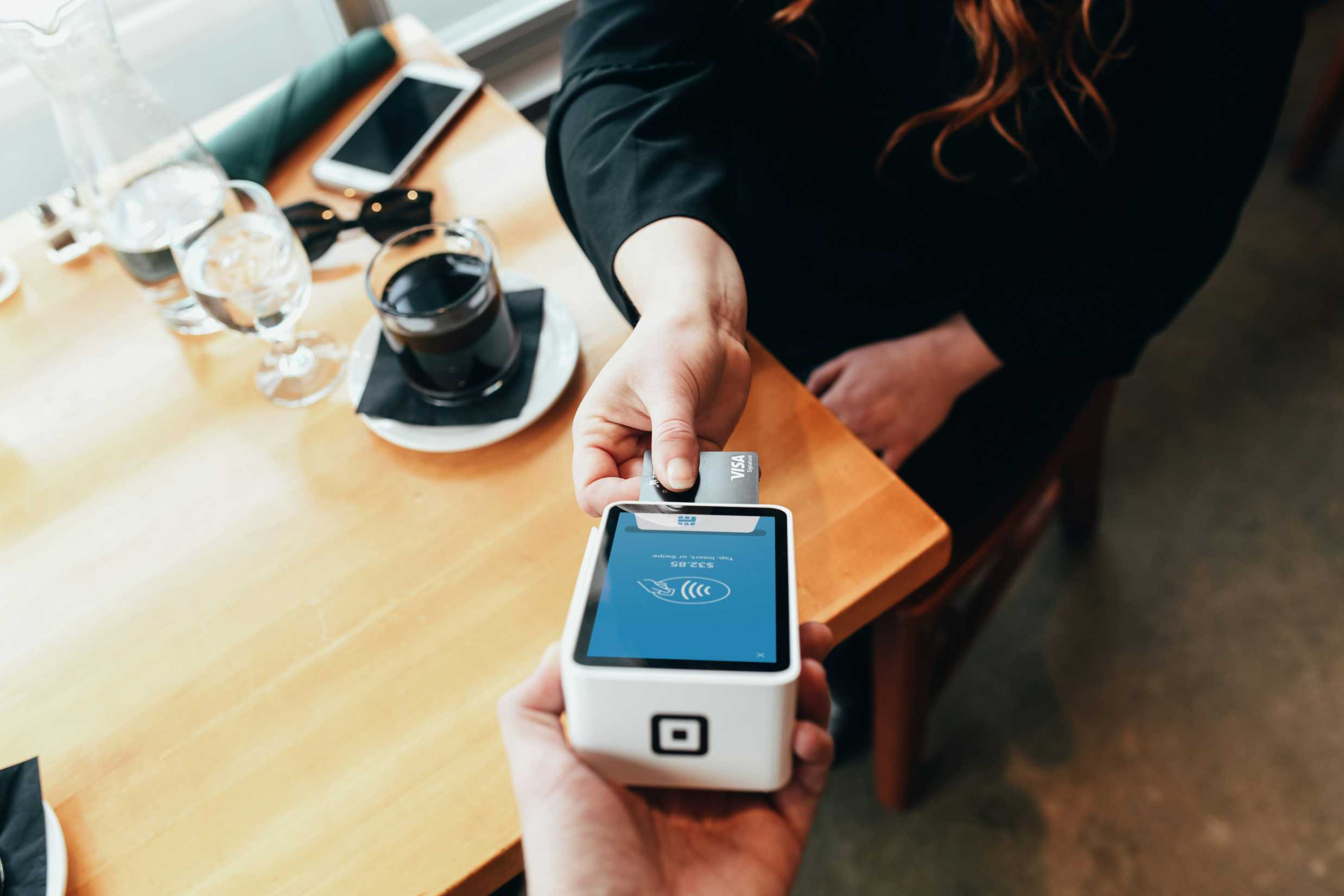
Foreign Visa and Mastercard cards work at international hotels (Marriott, Hilton, Hyatt), major shopping malls, and higher end restaurants. They do not work at most local restaurants, street vendors, taxis, metro fare gates, or corner shops. Bringing only a foreign credit card leaves you unable to pay for daily needs.

Don't skip setting up Alipay or WeChat Pay before arrival

Setting Up Alipay or WeChat Pay Before You Arrive

Both apps allow foreign travelers to link international cards and pay across China. Setup requires passport verification and a stable internet connection, both of which are harder after you arrive. Install and verify one or both apps before your flight, load some balance, and test a small transaction if possible.

Don't exchange large amounts of cash at airport counters

Airport currency exchange booths offer worse rates than bank ATMs and considerably worse than the interbank rate. Withdraw ¥1,000 to ¥2,000 (around $140 to $280) from a Bank of China or ICBC ATM at the airport for backup cash, and get the rest from ATMs in the city as needed.

🎁 Grab Cheap flights to Shanghai | Best hotels in Shanghai! 1 click for Fast data in China

What Not to Do With Internet, Apps, and Communication

Firewall within China

Don't assume Google, WhatsApp, or Instagram will work

The Great Firewall of China blocks all Google services, all Meta apps (WhatsApp, Facebook, Instagram), X, YouTube, most Western news sites, Gmail, and most cloud services. This applies on standard Chinese mobile data, airport WiFi, and most hotel WiFi. First time visitors are regularly caught at the airport unable to message home.

Don't try to install a VPN after arriving in China

VPN provider websites are blocked in mainland China, and most VPN apps are removed from the Chinese versions of app stores. Install and configure any VPN (Astrill, ExpressVPN, LetsVPN are the most reliable in 2026) before you fly. Test the connection at home.

Don't rely on airport WiFi to access blocked apps

Free airport WiFi at Beijing, Shanghai, Guangzhou, Shenzhen, and other Chinese airports is filtered by the same restrictions as the rest of the country. Google, WhatsApp, and Instagram do not work on airport WiFi. Bring an international eSIM or roaming plan if you need connectivity immediately on landing.

Don't post political comments or share sensitive content on WeChat

WeChat is monitored and its content policies are actively enforced. Political discussion, criticism of Chinese leadership, and content on topics considered sensitive in China can lead to account suspension and, in rare cases, questioning. As a general rule, keep public conversations and app messages in China focused on travel, food, and daily life. Save political discussions for when you're back home.

🎁 Search Cheapest flights to China & book the best China hotels! Get connected without VPN with China eSIM.

What Not to Do With Documents and Hotel Bookings

Don't leave your passport in the hotel

Passports are required at train station gates, boarding, some tourist attractions, and any hotel check in during your trip. Chinese police also occasionally check foreign passports in public spaces. Carry your passport with you every day. Keep a photocopy separately as backup in case it's lost.

Don't book hotels that don't accept foreign guests

Not every Chinese hotel is licensed to accept foreign passport holders. Domestic budget chains and smaller guesthouses often serve only Chinese citizens. Arriving at check in and being turned away is a common surprise, especially in smaller cities. All properties listed on Trip.com's English site accept foreign guests.

Don't overstay your visa or visa free window

Visa overstays in China are taken seriously. Penalties include fines of ¥500 per day (around $70), detention for repeat or long overstays, and multi year bans on future travel. If you enter under the 240 hour visa free transit, exit within 10 days. If you hold a tourist visa, check the exit deadline stamped in your passport, not just the visa validity.

[10% Off] Best China Hotel Recommendations

Top Shanghai Hotels
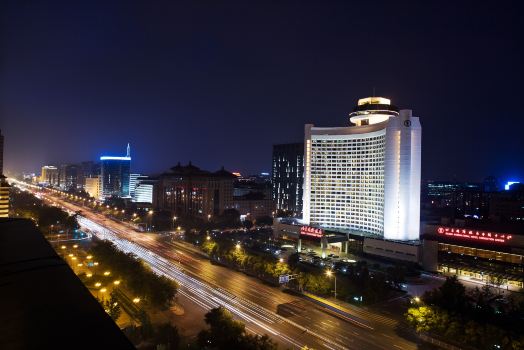
Top Beijing Hotels
Top Guangzhou Hotels
See All Hotels
NO.2
Grand Hyatt Shanghai
9.4/1018400 reviews
Grand Hyatt Shanghai
Hotel in Shanghai
NO.5
Radisson Collection Hyland Shanghai
9.2/105736 reviews
Radisson Collection Hyland Shanghai
Hotel in Shanghai
NO.6
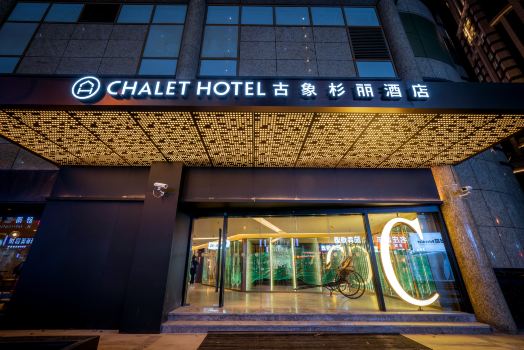
Hotel Chalet Shanghai
9.5/1014004 reviews
Hotel Chalet Shanghai
Hotel in Shanghai
NO.2
UrCove by HYATT Beijing Forbidden City
9/104095 reviews
UrCove by HYATT Beijing Forbidden City
Hotel in Beijing
NO.3
Radisson Hotel Beijing Daxing Airport
9.6/105792 reviews
Radisson Hotel Beijing Daxing Airport
Hotel in Beijing
NO.5
Livefortuna Hotel
9.6/105411 reviews
Livefortuna Hotel
Hotel in Beijing
NO.6
Hilton Beijing Capital Airport
9.5/104885 reviews
Hilton Beijing Capital Airport
Hotel in Beijing
NO.7
Holiday Inn Express BEIJING DONGZHIMEN by IHG
9.7/106081 reviews
Holiday Inn Express BEIJING DONGZHIMEN by IHG
Hotel in Beijing
NO.8
ELONG WG.INTL BEIJING SANLITUN
9.6/10172 reviews
ELONG WG.INTL BEIJING SANLITUN
Hotel in Beijing

What Not to Do During Chinese Public Holidays

What Not to Do During Chinese Public Holidays

Don't travel during Golden Week or Spring Festival without booking well in advance

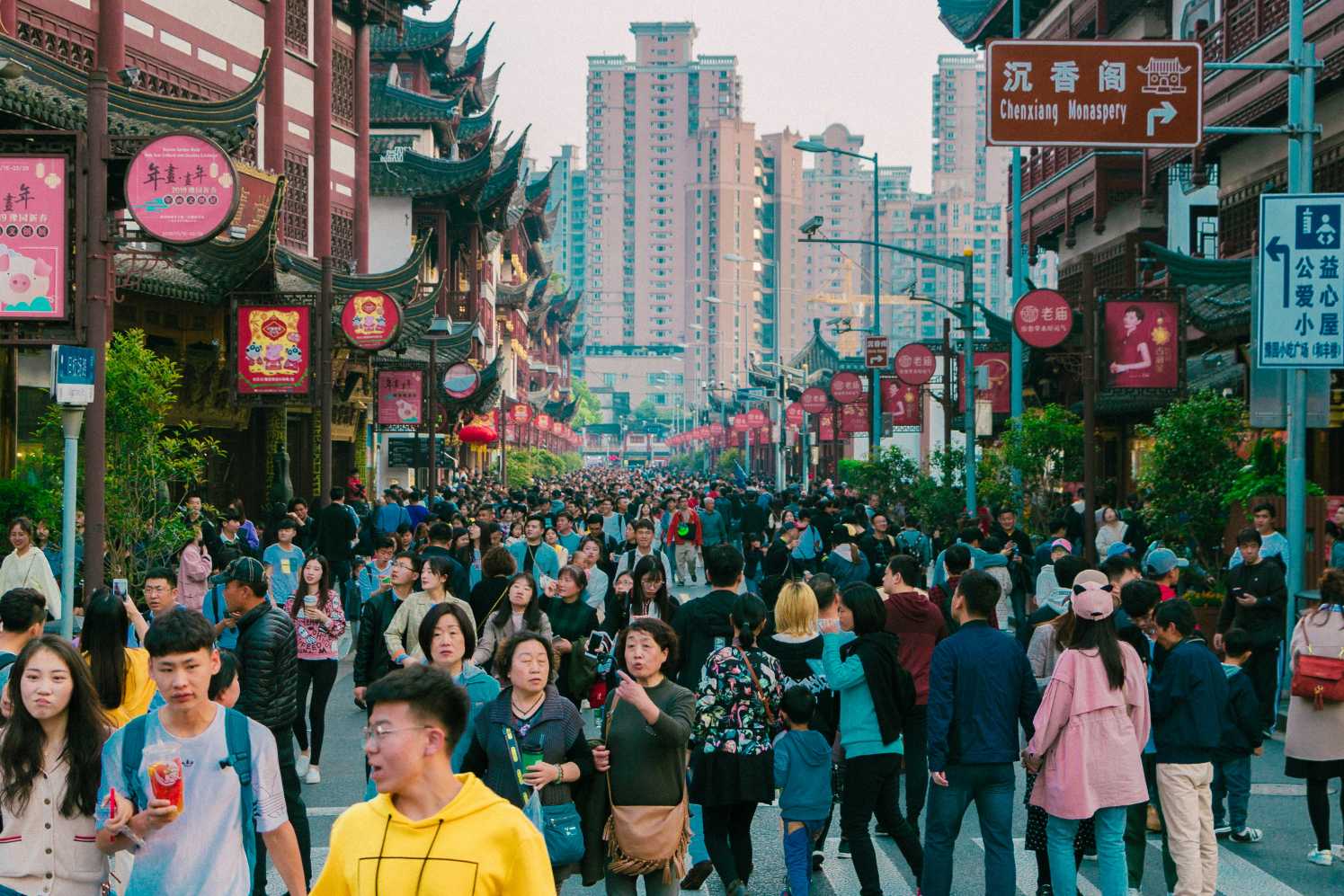
Golden Week (October 1 to 7) and Spring Festival (dates vary, usually late January or February) create the largest domestic travel movements in the world. Trains, flights, and hotels sell out weeks in advance. Attraction sites in Beijing, Xi'an, and Shanghai become physically overcrowded. If you must travel during these periods, book 6 to 8 weeks ahead.

Don't underestimate the summer school break

Mid July through end of August is peak Chinese domestic travel season for families. Tourist cities and attractions stay crowded every day of the week. Chinese hotel prices in Beijing, Chengdu, and Xi'an can double compared to shoulder seasons.

Don't visit Beijing or Shanghai attractions on weekends if you can avoid it

Tuesday to Thursday visits are meaningfully quieter than Saturday or Sunday. The Great Wall, Forbidden City, and Yu Garden all see attendance spike on weekends year round.

Sample Itinerary for a 6 day trip in China

Sample Itinerary

6 Days in China: Beijing, Xi'an, and Shanghai

BeijingXi'anShanghai

1 Day

Arrive in Beijing

Tiananmen Square, Forbidden City, dinner in Wangfujing.

Stay: The Peninsula Beijing

2 Day

The Great Wall

Mutianyu section of the Great Wall in the morning, Summer Palace in the afternoon.

The Peninsula Beijing

3 Day

Beijing to Xi'an

High speed train (4.5 hours), Terracotta Warriors in the afternoon, Muslim Quarter for dinner.

Stay: Sofitel Legend People's Grand Xi'an

4 Day

Xi'an

Cycle the City Wall, visit the Big Wild Goose Pagoda and Shaanxi History Museum.

Stay: Sofitel Legend People's Grand Xi'an

5 Day

Xi'an to Shanghai

Flight to Shanghai (2 hours), walk the Bund, evening Huangpu River cruise.

Stay: Fairmont Peace Hotel

6 Day

Shanghai and Departure

Yu Garden, French Concession, sunset from Shanghai Tower, then depart.

Stay: Fairmont Peace Hotel or depart

Cultural Don'ts: Etiquette and Manners in China

Tipping in China

Don't tip

Tipping is not part of Chinese culture and is not expected at restaurants, taxis, or hotels. Adding a tip can create awkwardness and is sometimes refused. High end international hotels and some restaurants in Beijing and Shanghai have adopted a service charge, which is included in the bill and requires no additional tip.

Don't stick your chopsticks upright in a bowl of rice

Vertical chopsticks resemble incense sticks used at funerals and are considered bad luck. Rest chopsticks flat on the chopstick rest or across the top of your bowl between bites.

Don't refuse tea or a small gift when offered

Refusing hospitality repeatedly can be seen as unfriendly. If a Chinese host offers tea or a small gift, accept graciously (a mild polite refusal is expected first, then acceptance is the norm).

New to Trip.com? Grab 8% off your first car rental and hit the road for less - it's a way of saying welcome to Trip.com family! 😘
Car Rentals
Car Rental Promo Code - 8% Off
New User Enjoy up to 8% Off
TRIPCAR8

Safety and Legal Don'ts in China

Don't take photos of military bases, security forces, or government buildings

Photographing military installations, police in operation, or sensitive government buildings can result in your camera being inspected, photos deleted, and in rare cases, brief detention for questioning. General street photography is fine. Attractions, temples, malls, and restaurants are all fine to photograph.

Don't fly a drone without permits

Drone use in China requires registration with the Civil Aviation Administration of China (CAAC) and permits for many locations. Beijing, most of Shanghai city center, and areas near military or government sites are no fly zones. Confiscation is common. If you're not planning drone footage as a specific trip goal, leave the drone at home.

Don't accept invitations from friendly strangers to tea houses, art galleries, or bars

The tea house scam is one of the oldest tourist traps in Beijing and Shanghai. A friendly local (often young women, sometimes multiple people traveling together) approaches you near a major attraction to "practice English" and invites you to a nearby tea house or art gallery. The bill comes to hundreds of dollars per person for basic tea and snacks. Politely decline invitations from strangers to visit specific venues. This is one of the few common tourist scams in China.

Don't pay for taxis or tuk tuks without confirming the fare

At tourist areas, especially near the Great Wall, Forbidden City, and Xi'an Terracotta Warriors, informal taxi and rickshaw drivers may quote reasonable fares and demand much higher amounts at the destination. Use DiDi through the app for a fixed fare, or take an official metered taxi.

Don't discuss sensitive political topics with strangers or on Chinese apps

Some topics are considered sensitive in China, particularly relating to Chinese governance, territorial disputes, and historical events. Public discussion of these topics with strangers or on WeChat can create problems. Save political conversations for when you're outside China.

Don't attempt to purchase or use recreational drugs

Chinese drug laws are strictly enforced with severe penalties, including long prison sentences and, for larger quantities, the death penalty. This applies to substances that are legal in some Western countries. Prescription medication should be brought with the original prescription and packaging.

What Not to do in China FAQs

Disclaimer: This article has been provided by an individual contributor or third party platform. If there is any discrepancy regarding the copyright, please contact us directly and we will delete the content immediately.
Jeffery

Jeffery

Trip.com Blogger

View profile

Hi, I’m Jeffery. I love visiting new cities, trying local food and finding fun, off-the-beaten-path spots. I share my real travel stories, easy itineraries and honest tips from my own trips. I hope my posts can help you plan better.

53 articles
Trip Hacks Local Find Wanderlust