
Digital Nomad Visa: Countries, Requirements & How to Apply

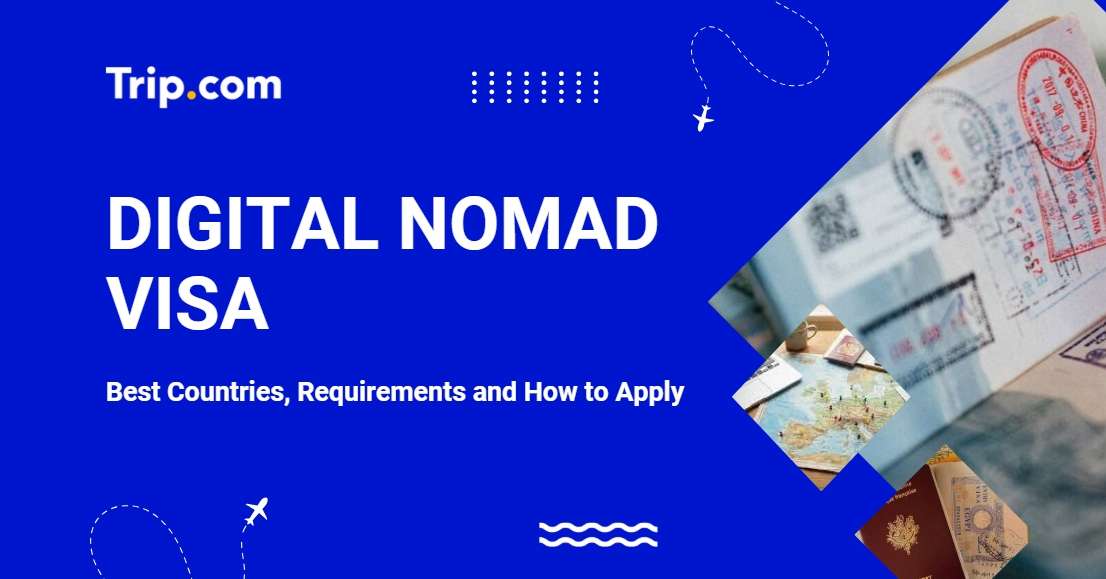
A digital nomad visa allows a qualified remote employee to reside in foreign countries and receive income from overseas clients, businesses, or employers. Different countries have different rules for this type of visa with different stay periods, income requirements and renewal options.
What Is a Digital Nomad Visa?

A digital nomad visa lets eligible remote workers live abroad while earning income from overseas employers, businesses or clients. It allows longer stays without taking local employment.
Requirements vary by country. Visas may last a few months or provide renewable residence permits, with income thresholds ranging from around €2,850 per month to over US$60,000 a year.
Digital nomad visas are different from other types of visas and work permits:
- Digital nomad visa: Allows remote work for overseas employers, businesses or clients while living in the destination country.
- Tourist visa: Allows short-term visits for tourism and other permitted activities, but generally does not allow remote work.
- Local work permit: Allows employment with an employer based in the destination country.
- Freelancer or self-employment visa: Allows independent work or providing services under the destination country's self-employment rules.
Most digital nomad programmes do not grant you total free rein of the local job market and generally do not permit you to work freely without restrictions. In a way, digital nomad programmes are ideal for working abroad for extended periods.
✅ Information checked: October 2026. Visa rules, costs, income, limits, and taxation vary. Always check the most recent requirements with the relevant government department or embassy before applying.
to Portugal
to Dubai
to Bali
to Tokyo
to Paris
See all flights


Digital Nomad Visa Countries to Consider

The "best" destination will vary according to the individual remote worker. Your income, weather preferences, time zone and future plans are but a few factors to consider.
The table below emphasises the most common programmes and provides a planning-level comparison.
Country | Income requirement | Visa or permit length | Renewability | Residency route | Tax position |
Thailand | 500,000 THB financial evidence | 5-year visa, 180 days per entry | One extension of up to 180 days per entry | Not a direct permanent-residence route | Tax residence can arise after 180+ days |
Indonesia | US$60,000 annual income | 1 year | Renewal or extension rules should be confirmed | Not a straightforward permanent residence route | Tax residence can arise under domestic rules |
Japan | ¥10 million annual income | 6 months | No extension | No direct route | Tax residence depends on Japanese rules |
Spain | €2,849 per month for the main applicant in 2026 | Up to a 1-year visa or up to a 3-year residence authorisation | Yes | Yes, subject to residence rules | Tax residency can arise independently of the visa |
Portugal | €3,680 per month based on the 2026 minimum wage | 2-year residence permit | Yes, for three successive three-year periods | Yes, subject to conditions | Tax residence generally applies after 183+ days or where a habitual home exists |
Estonia | €4,500 gross per month | Up to 1 year | No simple renewal of the DNV itself | Not directly through the DNV | Tax residence can arise under domestic rules |
Malta | €42,000 gross per year | 1 year | Yes, up to three renewals | Not automatically | Separate Maltese tax rules apply |
UAE | US$3,500 per month | 1 year | Renewable | Residence permit, but not permanent residence | No UAE personal income tax |
See all attractions
 170700 booked




Who Qualifies for a Digital Nomad Visa?
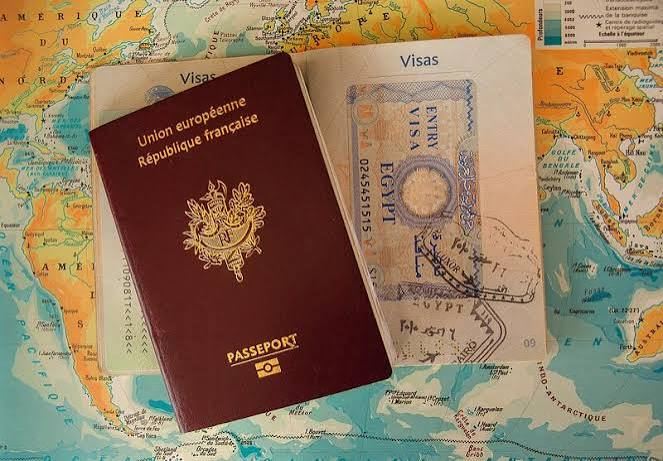
Requirements vary, but most programmes look for the same basic evidence.
Proof of remote employment or business activity
You will normally need to demonstrate that you already earn money remotely.
Depending on the country, this could include:
- An employment contract
- An employer letter confirming remote working
- Freelance or consultancy contracts
- Evidence of your overseas business
- Recent payslips
- Bank statements
- A professional portfolio
The difference between employees and freelancers is essential. While some programmes include both, others target solely those who work in companies based outside of their home country.
A programme like the E33G provided by Indonesia is designed for workers employed in foreign firms only. In contrast, other schemes are more flexible for independent, self-employed applicants.
Minimum income or savings
Financial requirements vary by visa programme and may include income, savings or available funds.
- Thailand: Applicants must show at least 500,000 THB or £12,000 in funds.
- Spain: The main applicant must earn €2,849 per month in 2026.
- Portugal: Applicants must earn €3,680 per month.
- Indonesia: Applicants must earn US$60,000 a year and have at least US$2,000 in their bank account.
How to Apply for a Digital Nomad Visa
The precise procedure of application varies depending upon the visa programme and the nation in question. While many applications can be completed online through a proper software program, some still need you to interact with a consulate, embassy or immigration authority.
Step 1: Gather your documents
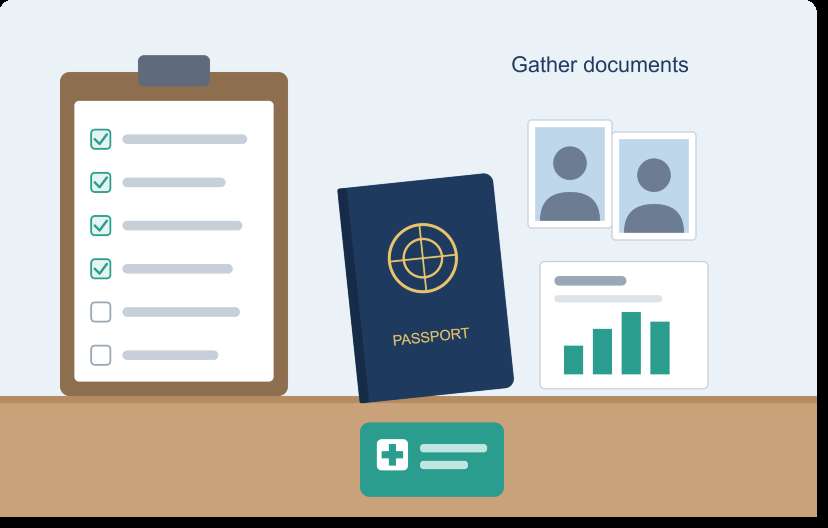
Begin with checking and obtaining what the application requires. Generally, the documents required are a passport and photographs, proof of income, proof of employment or client documents, a bank statement, and medical insurance.
Some states may also require you to present a criminal record certificate, proof of accommodation, proof of work experience, or proof of lawful residency of the country where you apply.
Make sure that you know whether the documents have to be translated, notarised, legalised, or stamped by this time. Taking those steps early may help you avoid future delays.
Step 2: Obtain the Certificate of Eligibility
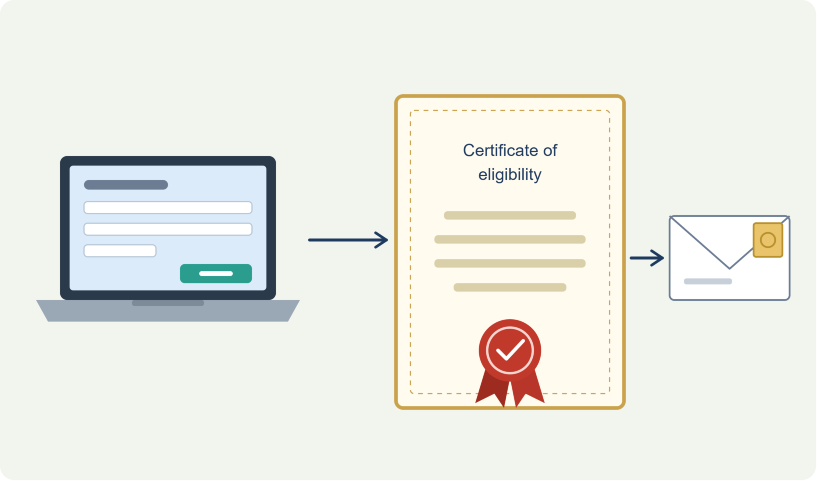
When applying for a digital nomad visa, some countries will require that applicants get a Certificate of Eligibility (COE) or a similar type of approval beforehand.
Take Japan, for instance, where a COE is used in many long-term visa applications, even though the requirements for getting a digital nomad visa differ.
When a COE is included in a digital nomad visa application, either the immigration authorities or the sponsor takes care of the paperwork before you submit your visa application.
However, each country has a different procedure, so you need to find out if your chosen programme requires a COE.
Step 3: Schedule and attend the visa appointment
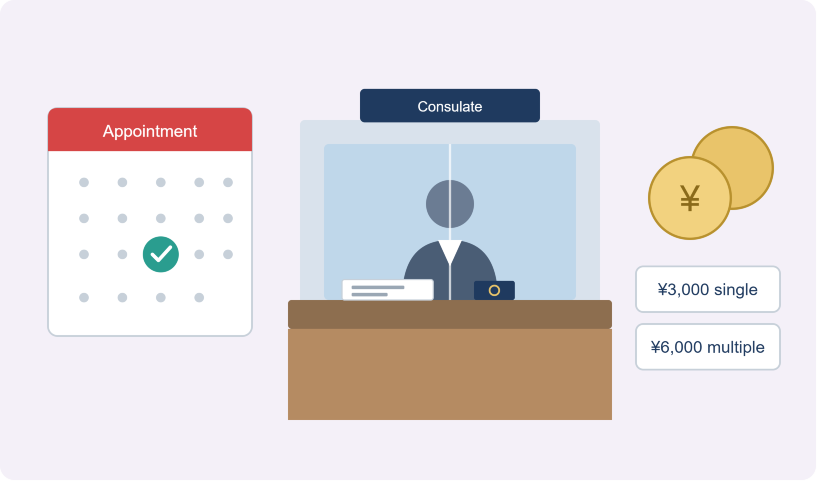
When the required stage is complete, the next step is to submit the visa application.
Set an appointment if it is a requirement and take the original documents as instructed by the authority. You may be required to undergo a biometrics procedure, answer questions about your job and period of stay, and pay the visa fee.
With some programmes, all procedures could be done online, and therefore, you do not have to meet the embassy representatives.
Step 4: Wait for approval
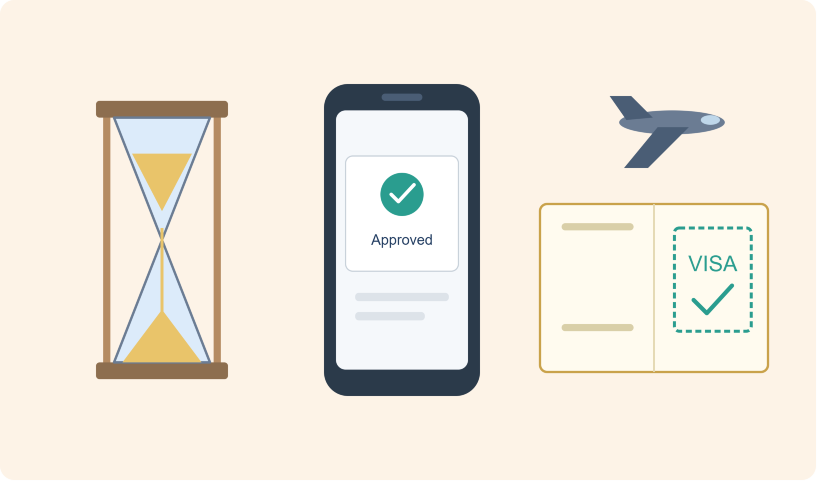
After making your application, the last part will be simply waiting for the processing of the decision. The time to process your application varies widely by country and may also be longer if there are missing papers or if more information is requested by immigration authorities.
Please avoid making any non-refundable travel or hotel plans depending only on the decision date, unless on your part this risk is quite acceptable.
When the application is approved, the applicant will get information on how to collect the visa or download electronic visas and the other remaining residence procedures. Be careful to check the validity dates and the conditions for your stay.
Typical Costs and Processing Times

Destination | Example government fee | Processing |
Thailand | £300 from the Thai Embassy in London | Check the responsible Thai mission |
Japan | £77 for a single-entry visa for most applicable nationalities from July 2026 | Usually five working days once a valid application is accepted |
Spain | The fee varies by application route and nationality | 10 working days for the consular visa; residence applications in Spain have a 20-working-day legal decision period |
Portugal | Fees vary by application route | Check the current processing period for your application route |
UAE | Fees vary by issuing authority | Check the relevant government service |
These figures should be considered guidelines, not guarantees.
Visa fees can change with little notice, while the time of processing may increase if the application is incomplete or if more documentation is requested from the applicant.
You should take into account that there are certain expenses outside of what is required for visa fees.

Universal Studios Hollywood
4.8/5
1213 reviewsThe atmosphere is fantastic! I recommend going two days to really enjoy it. It's a shame that almost everything is a simulator. In our case, the new Fast & Furious attraction had just opened, and it was almost impossible to get on without waiting in line for two hours. The rest is passable, with waits of half an hour at most.
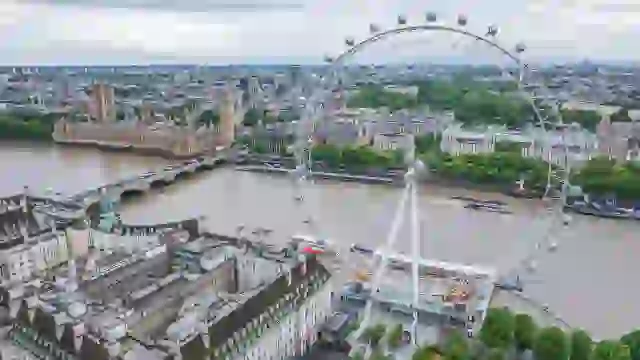
London Eye
4.6/5
1112 reviewsLoved the experience, the only reason for not giving the experience full marks is because i have traveled with my elderly mother and to get on and off the pods while its slowly moving was extremely stressful. Believe people with small kids and people with mobility limitations will also find this very stressful. Other then that we loved it.

Bali Zoo
4.6/5
236 reviewsThe zoo isn't very large, but there are quite a few animals. It's best to come here in the morning or late afternoon. I arrived in the middle of the day, and as I'd feared, some of the animals were hiding from the sun. But as closing time approached, the animals came alive. It was especially interesting to watch the otters racing, diving, and swimming near the glass. The zoo also has a designated time when parrots, iguanas, and snakes are brought out to visitors, where visitors can touch them. For an additional fee, you can feed the capybaras, meerkats, elephants, and orangutans. The only thing is, there weren't any lions during my visit—I didn't understand what happened, but I was immediately told at the entrance not to look for them. If you're looking for a pleasant couple of hours, I recommend it. Just choose a cooler time of day, as the animals suffer from the heat just as much as we do.

Tokyo Disneyland
4.8/5
4021 reviewsA childhood dream came true. I recommend visiting the Burton zone, the Nightmare Before Christmas, the Winnie-the-Pooh zone, and the Star Wars zone. The evening fireworks show was very weak. Even in the towns and villages of the Leningrad region, even the ones with more fireworks were more impressive.
The 183-Day Rule and Tax Residency

Being physically present in the country for fewer than 183 days doesn't completely exempt you from being categorised as a tax resident. Various nations may use this time limit, but there may be other factors considered.
- For example, in Portugal, you can be considered a tax resident so long as you have a home that hints this is the place you usually live regardless of the number of days you’ve stayed there.
- The 180-day threshold is the deciding factor for tax residency in Thailand. An individual may be considered a tax resident if they stay for 180 days or more in a year; nevertheless, there are different criteria regarding income derived from outside Thailand.
- In Japan, the 183-day rule cannot be applied universally since domicile in Japan and the type and length of stay are taken into account when determining tax residence.
- Leaving the UK doesn't mean that you won’t have a UK tax residence anymore. The Statutory Residence Test established by the HMRC takes into account various metrics like the number of days spent in the UK, work and accommodation arrangements and any other connections.
Tax residency is different from immigration status, so be sure to check before you embark on your travels abroad. If long trips abroad are in plan, you may want to get professional tax advice.
How to Choose a Country Based on Income and Time Zone
Your income can quickly narrow down the shortlist.
Lower income
If you earn less than about €3,000 a month, check the programs which are based on savings or lower financial thresholds.
If you meet the other requirements, Thailand might be more doable than countries with higher monthly income requirements.
Mid-range income
With a monthly income ranging between €3,500 and €5,000, many more alternatives become accessible. Depending on how you calculate your income, the case of being either an employee or self-employed may affect the options that are available such as Spain, Portugal and Estonia.
Only the main applicant from Spain needs to have an income of €2,849 per month starting from 2026. Portugal, on the other hand, has set its threshold at €3,680. Estonia sets a criterion of €4,500 as a gross income for the applicants and also looks for evidence of income in the past six months.
Higher income
If you earn US$5,000 or more per month, you meet Indonesia’s US$60,000 annual income threshold.
Japan’s ¥10 million annual threshold may also be achievable, depending on your income and exchange rates.
Indonesia’s E33G visa also has a separate funds requirement, so earning US$60,000 a year alone does not meet all the financial requirements.
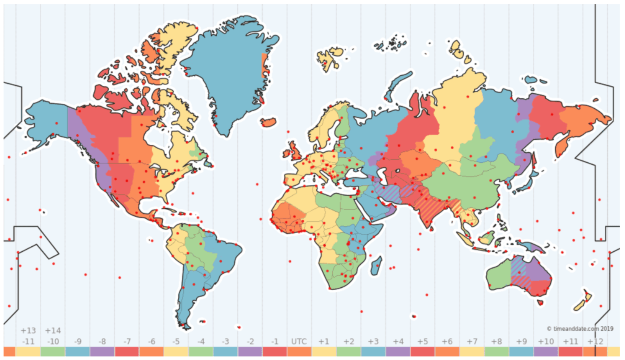
Think about your clients' time zones
Time zone can be just as important as income.
Work base | Useful for |
Europe | UK and European clients |
Middle East | Europe plus parts of Asia |
Thailand | Asia-Pacific and some European overlap |
Indonesia | Asia-Pacific |
Japan | Asia-Pacific and US-facing schedules |
Americas | North and South American clients |
A destination that looks attractive on paper can become frustrating if your working day starts at midnight to match clients at home.
What If You Don't Qualify?

Not passing the income test for a digital nomad visa does not mean that living abroad is out of the question.
Freelancer or self-employment permits
There are countries that have special entry options for self-employed people, freelancers or independent entrepreneurs that may be right for them if they work with multiple clients but have different business, accounting and tax requirements.
Spain and Portugal offer self-employment options, but they provide different requirements compared to remote work programmes.
Retirement visas
For retired individuals who can show proof of enough savings or passive income, a retirement visa or financially independent visa category may be better suited.
These programmes are generally based on pensions, investments, or savings and not on employment.
Short stays
In case you do not require finding a long-term residence, a normal tourist visa can be obtained to enter another country for a short tourist stay.
However, please note that just being a part of the tourist group does not indicate the right to work from that temporary location. Immigration policies vary, and even if the employer and clients are based abroad, this will not help solve the problem.
The process of visa renewals or short-term visiting strategies should be dealt with responsibly because these do not imply the possibility of residence.
Plan Your Remote-Work Base

Choosing a digital nomad destination involves more than finding the longest visa or lowest income requirement.
- Keep in mind your financial situation, how long you plan to stay, and whether it is possible to extend your visa. You should also be aware of tax implications because your increased time away from your home country changes where you reside for tax purposes.
- Pay attention to less obvious requirements. Thailand now requires UK-based DTV applicants to prove permanent UK residence, rather than simply showing current UK residence. Malta also requires existing nomad permit holders applying for renewal to have spent at least five months in Malta during the previous 12 months.
- The working hours of your destination are another considerable factor to keep in mind. Even if a destination is cheap and appealing, it might not be a viable option if the working hours mean staying up for the whole night in order to talk to your customers.
When combined, these factors will help you find a destination that is suitable for your needs, instead of just picking the visa with the most attractive terms.
🔥[Discount] Top International Hotels
Hotels in Tokyo
Hotels in Paris
Hotels in London
See All Hotels






















Digital Nomad Visas FAQ
-
What is a digital nomad visa?
-
Can I work for local companies on a digital nomad visa?
-
Does a digital nomad visa make me tax-free?
-
Do I need to earn a certain amount?
-
Which digital nomad visa is best?
Disclaimer: This article has been provided by an individual contributor or third party platform. If there is any discrepancy regarding the copyright, please contact us directly and we will delete the content immediately.
Trending Searches
-
Air Travel Guide
-
Latest Flight Deals
-
Popular Flight & Hotel Packages
-
Getting Around
-
eSIM/SIM card
- Cancun Vacation Packages
- San Rafael Vacation Packages
- Tokyo Flight and Hotel
- Koh Samui Flight and Hotel
- Osaka Flight and Hotel
- Gaborone Vacation Packages
- Nashville Vacation Packages
- Paris Vacation Packages
- Stockholm Vacation Packages
- Sanya Flight and Hotel
- Oslo Vacation Packages
- Ulaanbaatar Vacation Packages
- Phu Quoc Island Vacation Packages
- Mexico City Vacation Packages
- Cox'S Bazar Vacation Packages