


Hong Kong Travel Guide 2026: Top Attractions, Local Food & Travel Tips | Trip.com
About Hong Kong
Recommended trip: 2–5 day(s)
Recommended trip: 2–5 day(s)Current weather conditions
 30°C
Hong Kong Local Experiences Map










Trending in Hong Kong
Hong Kong Local Travel Guide 2026
Hong Kong Brief Guide
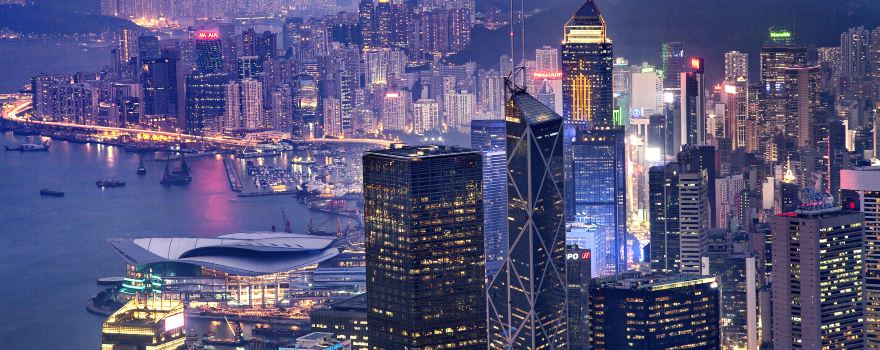
Hong Kong, Asia’s vibrant hub, is known for its stunning skyline, skyscraper jungles, and neon-lit harbors. It offers everything from bustling street markets and world-class dining to tranquil coastal escapes and serene hiking trails. This guide will help you craft your ideal adventure, navigating its exciting blend of urban buzz and coastal tranquility.
Hong Kong Must-try local experiences
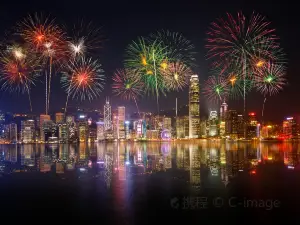
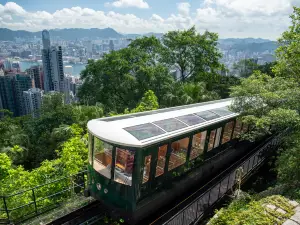
1. Ride the Ding Ding Tram Hop on a “Ding Ding” tram—the world’s only double-decker tram system still running—through Hong Kong Island. Take the Kennedy Town to Central route and snag an upstairs seat for a front-row view of the city’s bustle. It’s a slow, rattling ride past Hong Kong’s urban pulse. Avoid rush hours (8-9:30 am/6-7:30 pm) for a quieter trip. 2. Ascend Victoria Peak Ride the Peak Tram up Victoria Peak—grades hit 27°, steeper than San Francisco’s cable cars—for harbor views, or hike up for a more challenging trek. Stroll the 45-minute Lugard Road loop for calm city and sea vistas at sunset; book timed sunset entry slots via The Peak app. The Peak Tower offers a high lookout over the skyline’s evening glow. 3. Roam Bustling Streets Wander Sheung Wan—inhale incense coils at Man Mo Temple (hanging until 6 pm, best for morning photos), then climb retro Pottinger Street’s stone steps. Stroll Central, spot vibrant graffiti along Graham Street, or explore Tai Kwun, a prison reborn as an arts hub. Visit Yau Ma Tei’s Temple Street night market—Cantonese opera often hums on weekends near Tin Hau Temple. Each corner buzzes with Hong Kong’s unique charm. 4. Taste Hong Kong Flavors Sip milk tea with pineapple buns at a cha chaan teng or grab fish balls and egg waffles from street stalls. Try cart noodles with pig’s blood cake in Mong Kok, or savor dim sum—shrimp dumplings and siu mai—at old-school teahouses like Luk Yu Tea House on Stanley Street, where tray-toting aunties still serve. Clattering trays set the vibe. 5. Browse Hong Kong’s Shopping Scene Browse Tsim Sha Tsui’s Harbour City for luxury goods, or Mong Kok’s Sneakers Street and Ladies’ Market for trendy kicks and bargains. Hit Causeway Bay’s Times Square for upscale hauls, Sham Shui Po’s Golden Computer Centre for cheap tech, and Apliu Street for vintage gadgets. Hong Kong’s a shopaholic’s paradise, top to bottom. 6. Catch Victoria Harbour’s Glow Watch the Symphony of Lights at 8 pm from Tsim Sha Tsui’s Avenue of Stars— with Bruce Lee and Maggie Cheung statues—as skyscraper beams dazzle Victoria Harbour. Ride the Star Ferry for a close-up shine or relax on West Kowloon’s waterfront lawn to see cargo ships glide by. It’s Hong Kong’s nightly spectacle. 7. Explore Theme Parks Visit Hong Kong Disneyland—Ant-Man and The Wasp: Nano Battle! Zips you through, Mystic Manor twists with oddities, and fireworks burst over the Castle of Magical Dreams. Try Ocean Park—ride Hair Raiser or Flash’s vertical drop, see shark tanks and pandas, plus hit Water World’s 27-meter slides in summer. Both are easy to reach by MTR. 8. Hike Wild Trails Trek Dragon’s Back—ridge trails drop to Shek O’s glassy sea in 2.5-3.5 hours, with surfers dotting below; bring HK$20 for the bus return. Try MacLehose Trail’s Section 2—white sands lead to Po Pin Chau’s hexagonal sea stacks, accessible only at low tide (check HK Observatory app). Both weave through hills with stunning coastal views. 9. Visit the Big Buddha Ride Ngong Ping 360’s cable cars to Lantau—glass floors show the hills below—leading to the 26.4m Big Buddha (34m with lotus base). Nearby, stroll through Tai O’s stilted fishing village; book boat tours to pink dolphin zones. Enjoy Po Lin Monastery’s calm and veggie meals for a peaceful day above the city hum. 10. Cycle Island Escapes Ferry from Central to Cheung Chau—bike car-free lanes from Kwun Yam Beach to Pak Tai Temple’s old carvings (rentals near ferry pier). Or roll through Lamma Island’s fishing villages—seafood shacks line Yung Shue Wan. The 30-minute rides open quiet paths and sea breezes beyond the skyline. 11. Stroll Heritage Trails Walk the Ping Shan Heritage Trail from Tin Shui Wai MTR—ancient walls, Hong Kong’s only ancient three-story Tsui Sing Lau Pagoda, and ancestral halls trace centuries. Add Kam Tin’s Kat Hing Wai walled village—stone gates guard Hakka history. It’s a quiet step into Hong Kong’s rural roots. 12. Relax on the Beaches Take a bus from Central to Repulse Bay Beach—it will take you 30 minutes to get to the soft sand, calm waves, and hillside mansions. Try Stanley Main Beach—livelier tides near a Tin Hau shrine and weekend markets. Both swap urban grind for sun-soaked shores and a quick dip. 13. Ride the Urban Escalator Ride the Central–Mid-Levels Escalator—the world’s longest outdoor covered system at 800 meters—uphill to Mid-Levels from 10am-midnight (downhill 6-10am). Stop in Soho for coffee, then walk down past wet markets. It’s a smooth lift through Hong Kong’s buzz.
Hong Kong Must-see Attractions
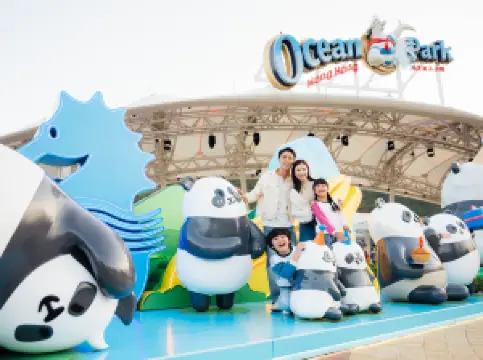
Hong Kong dishes up a wild mix of thrills and traditions—from theme parks that roar with energy to quiet monasteries perched above the city’s hum. Each spot pulls you into a different side of this restless city. Tucked on Lantau Island since 2005, Hong Kong Disneyland turns up the volume on fairy tales with a twist. You can dodge lasers in the Iron Man Experience, a 3D flight through a city under siege, or step into Mystic Manor, where artifacts spring to life in a haunted, real ghost-free romp. The new World of Frozen drops you into Arendelle’s icy streets—think fjords and Viking vibes with a Nordic soundtrack. At night, the Castle of Magical Dreams lights up the sky as fireworks paint it vivid. It’s loud, crowded, and relentlessly fun—perfect for chasing that wide-eyed wonder. Since 1977, Ocean Park has sprawled across Hong Kong’s southern coast, blending wild rides with ocean deeps. The Waterfront’s Grand Aquarium glows with jellyfish and sharks drifting past curved glass, while The Summit throws you onto the Hair Raiser—a coaster that dangles you over cliffs before a stomach-dropping plunge. Between screams, you might spot pandas chewing bamboo or catch a dolphin flipping midair. It’s not just adrenaline—conservation threads through, with over 6,000 creatures calling it home. You’ll leave with salt air in your lungs and a story or two. The Hong Kong Palace Museum sits sleek and modern on the West Kowloon waterfront, but its heart beats with Ming and Qing dynasty echoes. Over 900 artifacts—straight from Beijing’s Forbidden City—fill nine galleries, from jade carvings that catch the light to silk robes that whisper court secrets. Some pieces have never left China before; you’re peering into history’s private rooms. The building’s stacked design mimics palace courtyards, with atriums letting daylight spill over the exhibits. It’s a slow, absorbing wander—less rush, more revelation. Tsim Sha Tsui—or TST—hugs Kowloon’s southern edge, where Victoria Harbour sparkles day and night. The Clock Tower stands like a relic from the old railway days, while the Avenue of Stars rolls out a concrete carpet for Hong Kong’s film legends—think Bruce Lee’s handprints under your feet. Museums stack up here too: the Space Museum’s planetarium domes, the Art Museum’s shifting exhibits, the History Museum’s deep dive into the city’s roots. Stroll the promenade as ferries churn the water, or duck into Kowloon Park when the bustle gets thick. It’s Hong Kong’s front porch—busy, bright, and hard to leave. Ngong Ping 360 starts with a cable car ride—5.7 kilometers of Asia’s longest bi-cable ropeway—lifting you over Lantau’s green ridges and jagged coast. Glass-floor cabins show the airport’s planes buzzing below, then you’re eye-level with the Big Buddha, a bronze giant perched on a hill. It’s 268 steps to his base; the climb rewards you with wind and a sprawl of island views. Down in Ngong Ping Village, tea shops and snack stalls hum alongside Po Lin Monastery, where incense drifts through a century-old hall. It’s part journey, part pause—a rare breather above the city’s grind.
Hong Kong Food Guide
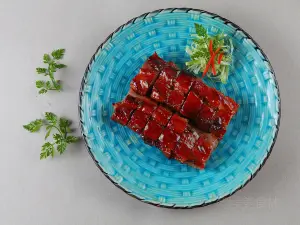
Hong Kong’s food scene is a relentless collision of taste—woks flare, tea steeps, and carts hum with heat, turning out dishes that stick with you. Milk tea flows like Hong Kong’s lifeblood—black tea strained through a sackcloth filter, blended with evaporated milk for a smooth, bittersweet punch. Hot or iced, it’s the cha chaan teng companion to every bite, from toast to dumplings. The “pantyhose” filter gives it edge; one sip and you’re hooked on its sharp, creamy buzz. Wonton noodles reign as Hong Kong’s noodle king—springy egg strands in a clear, fragrant broth, cradling shrimp wontons with wrappers so delicate they melt on your tongue. Dry versions swap soup for a slick of oyster sauce, and spots like Mak’s Noodle nail the balance. Beef brisket or cart-style toppings pop up too, but the classic shrimp wonton is the city’s heart—simple, slurp-worthy perfection. Hong Kong’s bakeries churn out irresistible bites—soft, fluffy char siu buns topped with a glossy, sugary crust, hiding sweet-savory barbecue pork; egg tarts with flaky shells cradling wobbly, golden custard; and pineapple buns (bolo bao) with a crackly, sugar-dusted top over a buttery roll, best slathered with melting butter. Grab them fresh from spots like Maxim’s, Tai Cheong, or Kam Wah Café—perfect for a quick snack, breakfast, or late-night hit. They’re sweet, savory, and pure bakery magic. Dim sum is Hong Kong’s edible pulse—steaming baskets of dumplings and buns that flood tables from dawn to dusk. Har gow (shrimp dumplings) glisten through thin skins, siu mai burst with pork and roe, or sticky pork filling. Places like Tim Ho Wan or old-school Lin Heung Tea House keep the carts rolling; it’s a noisy, shared feast that’s pure Cantonese soul—don’t skip the custard tarts. Roast goose struts out with crackling skin and tender meat, roasted till golden with five-spice and a honey glaze. Sliced over rice or noodles, it drips with fat and pairs with tart plum sauce—Sham Tseng’s Yue Kee serves slabs that haunt your taste buds. It’s richer than duck, a Hong Kong brag that turns any meal into a flex.
Hong Kong Transportation
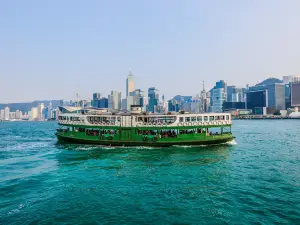
Hong Kong is easily accessible by air, rail, bus, or ferry from international and domestic locations within mainland China and beyond. By Air Hong Kong International Airport (HKG): The primary gateway, located ~40 km (24 miles) west of Central. Serves international flights and domestic routes. To City Center (Central/Kowloon): Airport Express (MTR): 24 minutes to Central or 20 minutes to Kowloon. Operates ~5:50 AM–1:00 AM, every 10–12 minutes. Pay via Octopus card, contactless payment, QR code, or ticket machines (English interface). Free shuttle buses from MTR stations to major hotels. Airport Buses: Routes like A11 (Central, ~50 minutes) or A21 (Kowloon, ~45 minutes) run 5:30 AM–midnight. Pay via Octopus, contactless cards, or cash (exact amount). Taxis: Red taxis to Central (30–45 minutes). Surcharges apply for luggage and tolls. By Train Hong Kong West Kowloon Station: The main hub for high-speed trains (G-series) on the Guangzhou-Shenzhen-Hong Kong Express Rail Link, connecting to Guangzhou (50–60 minutes), Shenzhen (15–20 minutes), Beijing (9 hours), and many other locations. To City Center: West Kowloon Station connects to MTR (Tung Chung or Tuen Ma Lines, ~15–20 minutes to Central/Kowloon). Taxis cost ~HK$80–120. By Bus Key Bus Terminals: Cross-border buses from Mong Kok East or Tsim Sha Tsui connect to Shenzhen (1–1.5 hours), Guangzhou (2.5–3 hours), and other mainland cities via operators like China Travel Service (CTS). Trains are faster for mainland destinations; buses are more suitable for budget travelers. By Ferry Hong Kong-Zhuhai-Macau Bridge Port and China Ferry Terminal (Tsim Sha Tsui): High-speed ferries connect to Macau (~1 hour) and mainland cities like Zhuhai (~1 hour). To City Center: Sheung Wan and Tsim Sha Tsui terminals connect to the MTR. Hong Kong’s public transportation is world-class, efficient, and tourist-friendly, with English signage and announcements throughout. MTR (Subway): The Mass Transit Railway (MTR), with 12 lines, serves Hong Kong Island, Kowloon, the New Territories, and Lantau, covering all major attractions. Operates 5:30 AM–1:15 AM. Fares and Payment Options: Distance-based Octopus Card: Rechargeable, offers ~5% fare discount, valid for MTR, buses, trams, ferries, and some shops. Tap to enter/exit. Contactless Payment: Use Visa, Mastercard, UnionPay, Apple Pay, or Google Pay at gates. Same fares as Octopus, no discounts. QR Code: MTR Mobile app or AlipayHK QR code for ticketless travel (same fares). Single-Journey Ticket: Purchased at ticket machines (English interface, accepts cash/contactless payments). Buses: Operated by Kowloon Motor Bus (KMB), Citybus, and New World First Bus, over 600 routes cover all districts, including Victoria Peak (Bus 15) and Stanley Market (Bus 6X). Double-decker buses offer scenic views. Payment Options: Via Octopus, contactless cards, or cash (exact change). Use the KMB or Citybus app for route information; board at the front and alight at the rear. Trams (Hong Kong Island): Iconic double-decker trams (“Ding Ding”) run along Hong Kong Island’s north shore, from Kennedy Town to Shau Kei Wan, serving Causeway Bay and Wan Chai. Payment Options: Via Octopus, contactless cards, or cash (exact change only, rear entrance). Slow but scenic; ideal for short hops in Central. Ferries: Star Ferry connects Central/Tsim Sha Tsui (7–10 minutes) with iconic Victoria Harbour views. Other ferries (e.g., to Lantau, Lamma) depart from Central Piers. Payment Options: Via Octopus or cash. Taxis: Color-coded taxis: red (urban, most areas), green (New Territories), blue (Lantau). Uber is available but less common. Carry cash for taxis; most accept Octopus, but international cards are rare. Bicycles: Bike-sharing limited; rentals available at Lantau or Tai Po. Cycling paths in New Territories. Best for rural areas; urban cycling is challenging and dangerous due to traffic.
Hong Kong Where to Stay
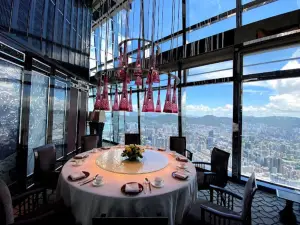
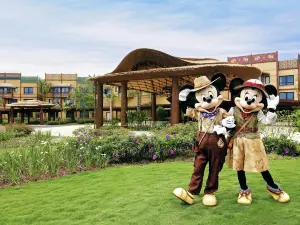
Hong Kong’s sprawl means where you stay shapes your trip—each district hums with its own rhythm. Tsim Sha Tsui—or TST—puts you smack against Victoria Harbour, where ferries churn and the skyline flickers after dark. Hotels here, from boutique digs to glassy towers, often frame that iconic view—waking up to it beats any alarm. The streets thrum with life: the promenade’s Symphony of Lights dazzles at 8 p.m., Harbour City’s endless shops tempt night owls, and stalls near Jordan Road sling steaming noodles till late. Kowloon Park’s a quick breather when the pace picks up, and the Star Ferry’s a hop away to Hong Kong Island. It’s a natural fit for young travelers craving nightlife or anyone hooked on waterfront energy—culture buffs get a kick from nearby museums too. The Disneyland Area on Lantau Island is all about diving headfirst into the park’s orbit. Hotels here—like the Hollywood-themed one with its retro pool or the Explorer’s Lodge with its jungle vibe—keep the fairy-tale going, steps from the gates. After the fireworks fade, you’re not scrambling for a train; you’re already home, surrounded by themed gardens or character breakfast spots that light up kids’ faces. Beyond the rides, it’s quieter—less urban grit, more open sky. This is prime for families who want every minute soaked in Disney, or couples after a playful, low-stress retreat. Central plants you in Hong Kong’s beating core—skyscrapers loom, trams rattle, and suits flood the streets by day. Hotels range from sleek high-rises with rooftop bars to tucked-away gems near Lan Kwai Fong, where the night ignites with clinking glasses and DJ beats. History weaves through too—colonial facades like the Old Dairy Farm Depot peek out amid the steel, and the Mid-Levels Escalator hums nearby for quick hops uphill. Dining’s a draw, from Michelin-starred spots to late-night congee joints. It suits those who thrive on urban buzz—young professionals, foodies, or history buffs keen to trace the city’s roots amid the glass.
Hong Kong Best Time to Visit
Spring (March-April): Cool (20-25°C/68-77°F), clear—great for hiking and festivals like Rugby Sevens or Hong Kong Film Festival. Crowds build, so book early. Autumn (October-November): Crisp (22-28°C/72-82°F), sunny—perfect for outdoor sights like The Peak. Peak season means higher rates, busier spots. Summer’s sticky, typhoon-prone; winter’s damp but manageable if layered.
Hong Kong Travel Tips
1. Plan Around Temple Street Night Market’s Rhythm Temple Street Night Market in Kowloon kicks off after 6 p.m.—trinkets, street food, fortune tellers—but shuts Mondays for cleanup. Hit Tuesday or Friday; weekends pack tight by 8 p.m., so slide in earlier to dodge the crush. Bring small bills—vendors lean cash over cards. 2. Secure Peak Tram Tickets Ahead The Peak Tram to Victoria Peak means up to 60 minute waits—or longer—in peak times like October or Chinese New Year. Book online a day or two ahead for a timed slot; early rides around sunrise catch the haze lifting off the skyline. Spare morning? The nearby Morning Trail’s a scenic dodge if lines drag. 3. Navigate Public Transport Like a Local Hong Kong’s MTR is fast and spotless—snag an Octopus card at stations (small deposit, reloadable) for trains, buses, even convenience stores. On escalators, stand right, walk left—same for the Mid-Levels Escalator—or you’ll jam the flow. No eating or drinking on trains—fines sting if caught. 4. Avoid Peak Hours on Footbridges The elevated walkways in Central and Admiralty swarm from 7-9 a.m. and 5-7 p.m.—office workers move like a tide. Sidestep them during those slots or brace for slow shuffles; quieter routes like side streets near Sheung Wan offer breathing room and a peek at old shopfronts. 5. Pack for Hong Kong’s Weather Swings July steams at 32°C (90°F) with 80% humidity, February cools to 17°C (63°F) with drizzle—light layers fit all year. Grab a foldable umbrella or buy one cheap at a corner store. Typhoon season (May-Oct) can halt ferries—check the HK Observatory app for signal alerts. 6. Stay Sharp Around Crowds Tsim Sha Tsui and Causeway Bay draw pickpockets—watch for kids bumping you or fake petitions that distract. A crossbody bag beats a backpack; keep your phone zipped up. If someone offers a “free” bracelet or palm reading, it’s a hustle—nod politely and keep moving. 7. Ride the Ferries, Skip the Taxis Taxis from the airport to Central run steep, but the Airport Express train (moderate fare) hits town in 24 minutes, linking to the MTR. In-city, the Star Ferry’s dirt-cheap ride across Victoria Harbour beats cabs for views—runs every 10 minutes till late. 8. Mind the No-Smoking Rules Smoking’s out in indoor public spots, parks, and near MTR entrances—fines climbed since 2023’s crackdown. Vaping’s banned too; don’t pack e-cigs, or customs might nab them. Need a smoke? Find a quiet corner—bins often mark OK zones. 9. Eat Smart - Avoid the Tourist Traps Dim sum near Victoria Peak can gouge deep; hit Mong Kok’s no-frills joints for cheap plates—same taste, less sting. Wet markets like Wan Chai’s sell fresh fruit for a song—grab a mango and munch by the harbor. 10. Haggle with Market Vendors Bargaining’s fair game in Mong Kok or Sham Shui Po—start at half the asking price and nudge up with a grin. Cash is king; midweek mornings trim the bustle, giving you room to deal. 11. Grab a SIM at Arrival Snag a prepaid SIM at Hong Kong Airport—7-day plans with solid data run cheap from CSL or China Mobile, sold at 7-Eleven or counters. Free Wi-Fi’s patchy outside malls; skip roaming unless you’re flush. 12. Snap Photos with Care Hong Kong’s streets beg for shots, but ask before framing hawkers or monks—temples like Wong Tai Sin ban flashes inside. Residential spots like Quarry Bay’s “Monster Building” are homes, not sets—keep quiet, skip doorsteps, or risk a glare. Tripods need permits at places like Victoria Harbour; stick to handheld for quick skyline grabs.
Hong Kong Useful Guide
Hong Kong is a trilingual city, with Cantonese, Mandarin, and English serving as official languages. Cantonese: Spoken by over 88% of residents, dominant in daily life, markets (e.g., Temple Street), and local eateries. English: Widely used in tourist areas, hotels, restaurants, and attractions. Signage, menus, and MTR announcements are available in both English and Chinese. WhatsApp: The go-to messaging app in Hong Kong, widely used for communication with locals, businesses, and tour operators. Octopus: Official app for managing the Octopus card, Hong Kong’s contactless payment card for MTR, buses, trams, ferries, and shops. Check balances, top up via credit cards, and track transactions. AlipayHK: Hong Kong’s version of Alipay, a leading payment app for cashless transactions at restaurants, shops, and select transport (e.g., MTR QR code gates). MTR Mobile: Official app for Hong Kong’s Mass Transit Railway (MTR), providing real-time schedules, station maps, fare calculators, and service alerts. Citymapper: The most reliable navigation app for Hong Kong, offering detailed routes for MTR, buses, trams, ferries, and walking. Includes real-time traffic, fare estimates, and step-by-step directions. Superior to Google Maps for local transit accuracy. DiDi: Hong Kong’s top ride-hailing app, offering taxi and private car services with an English interface. Integrates with AlipayHK, WeChat Pay, or international credit cards. Youdao Dictionary: A Chinese-English dictionary and translation app, useful for communicating with non-English-speaking taxi drivers or reading Cantonese menus. Includes offline OCR for scanning signs. OpenRice: Hong Kong’s leading food and restaurant app, offering reviews, menus, and booking options for dining spots from Michelin-starred restaurants to dai pai dongs (street food stalls). HK Taxi: English booking for red/green taxis. SIM Cards: Available at Hong Kong International Airport (HKIA, Terminals 1–2, 24/7 kiosks near arrivals), 7-Eleven, or Circle K. Airalo eSIMs lack local numbers; Buy a CSL Tourist SIM with a +852 number. Public Wi-Fi: “Wi-Fi.HK” hotspots (10,000+) cover tourist areas, malls, parks, and MTR stations. Some require registration via Wi-Fi.HK app or local number SMS verification code. Hotels and cafes offer reliable Wi-Fi with password access. The official currency is the Hong Kong Dollar (HKD, HK$) Cash: Cash remains widely accepted. - Currency Exchange: Exchange USD or other currencies at banks (e.g., HSBC, Bank of China, Hang Seng Bank) or licensed exchange counters in tourist areas. Avoid hotel exchanges or tourist-heavy money changers due to high commissions (~2–5%). Competitive rates are available at Chungking Mansions or World-Wide House. - ATMs and Cash Withdrawals: ATMs are abundant at MTR stations, malls, 7-Eleven, and Circle K stores, with JETCO and HSBC networks being the largest. Most accept foreign cards (Visa, Mastercard, UnionPay; American Express is less common). - Fees: Local ATM fees range from HK$0–30 (US$0–4) per withdrawal; HSBC and Standard Chartered may waive fees for partner banks. Foreign bank fees (1–3%) and currency conversion fees (~1–2%) may apply. Check with your bank. Always select HKD for transactions. Credit/Debit Cards: Visa, Mastercard, and UnionPay are widely accepted at hotels, upscale restaurants, major retailers, and tourist attractions. American Express is less common, accepted at high-end venues, but may incur surcharges (~2–3%). Contactless payments (tap-and-go) are standard for transactions up to HK$1,000 without a signature. Digital Payments: Hong Kong is transitioning to a cashless society, with digital payments becoming increasingly popular at major retailers, transportation hubs, and chain stores. The Octopus card remains dominant, but mobile wallets are gaining traction. Octopus Card: A rechargeable, contactless stored-value card used by 98% of locals for MTR, buses, trams, ferries, and payments at 7-Eleven, Circle K, McDonald’s, and supermarkets. - Cost: Standard Octopus (HK$200: HK$150 credit + HK$50 refundable deposit). Maximum balance: HK$3,000. - Top-Up: At MTR stations, convenience stores, or via the Octopus app with Visa/Mastercard/UnionPay. Cash top-ups at Add-Value machines (HK$50–500). Get a physical or mobile Octopus at the HKG airport for transport and small purchases. Link Apple Pay/Google Pay for contactless ease at larger stores. Mobile Wallets: Apple Pay/Google Pay: Accepted at contactless terminals. Link Visa/Mastercard/UnionPay; biometric security. Growing in popularity but less common at markets or small eateries. AlipayHK/WeChat Pay HK: accepted by most. Link international Visa/Mastercard and complete the setup before your trip.
Trip.Best: Hong Kong






Plan Your Hong Kong Trip
What to do





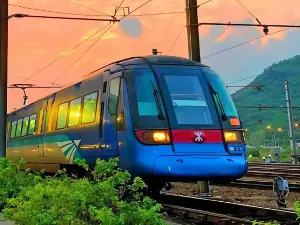
Where to stay


What to eat


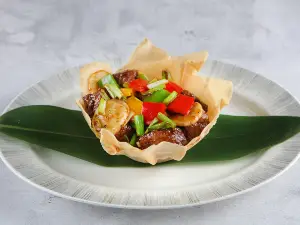
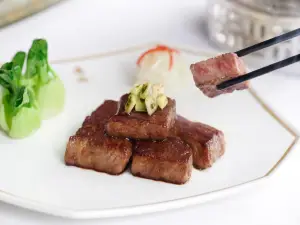
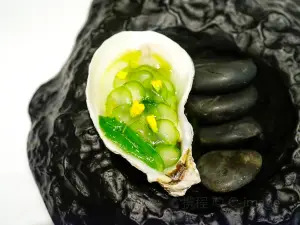

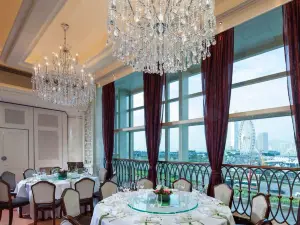
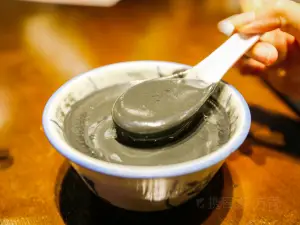
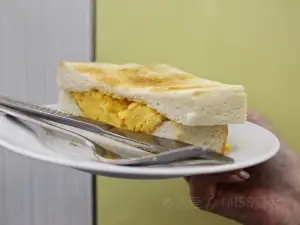

Hong Kong Moments: Through Travelers' Eyes


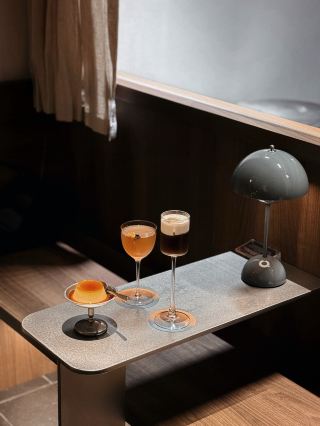
Coffee Cocktails in Hong Kong

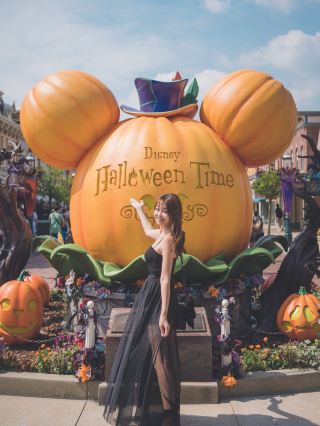
Happy Halloween! 🎃

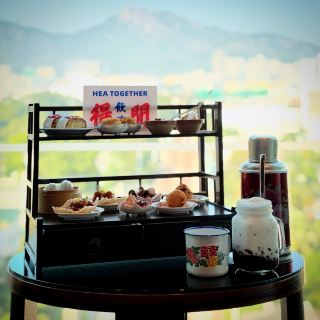
Dim Sum at Lion Rock: A Nostalgic "Taste of Dai Pai Dong" Afternoon Tea Experience

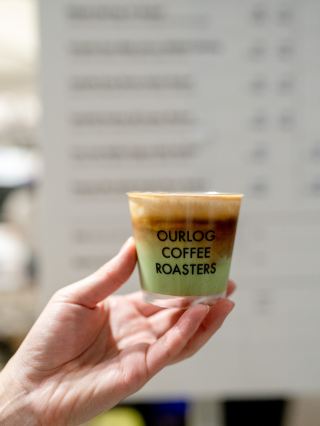
Experience Korea's Finest Coffee at PMQ: Rare HK$2,800 Cup Makes a Debut!


Hong Kong Wine & Dine Festival 2026: Ultimate Guide to Zones A, B, and C.
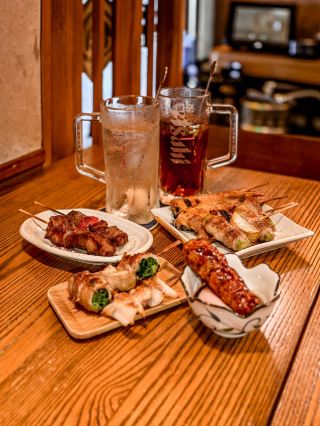
A Hidden Gem Izakaya in Tsim Sha Tsui! Hashimoto Yakitori: $168 Free-Flow Drinks?!.

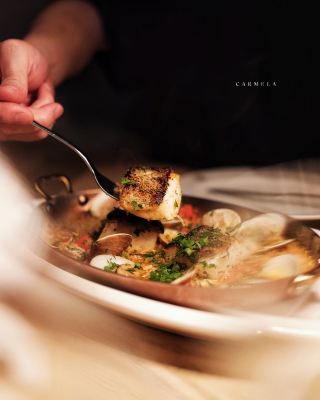
Central | A New Masterpiece by the FRANCIS Team! A Serene Mediterranean All-Day Dining Spot at Nan Fung Place.

Hong Kong FAQ

What's the most popular attractions in Hong Kong?

Things to do near Hong Kong for family & child?
How to get to Hong Kong from Zhuhai?
How to get to Hong Kong from Macau?
How to get to Boracay from Hong Kong?
How to get to Hong Kong from Wuhan?
Best of Hong Kong
Top 50 Instagrammable Hotels in Hong Kong

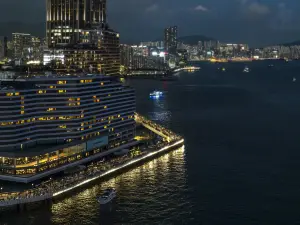
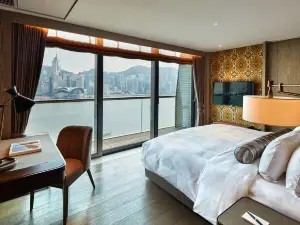
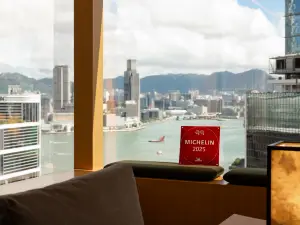

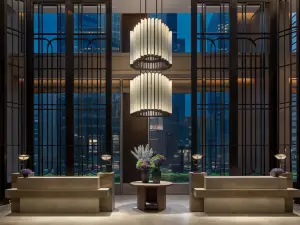
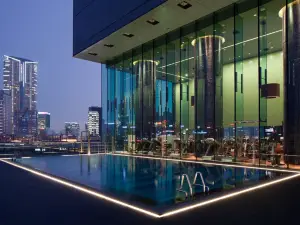



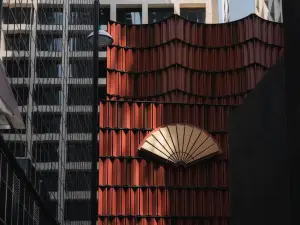
Top 50 Gourmet Hotels in Hong Kong
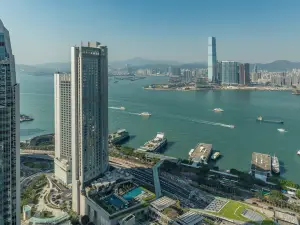

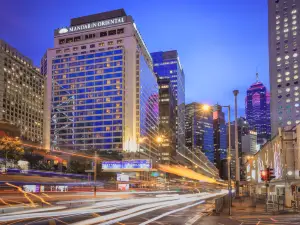
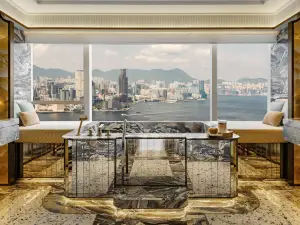
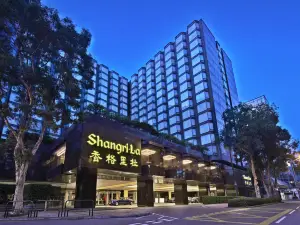

Top 20 Premium Hotels in Hong Kong
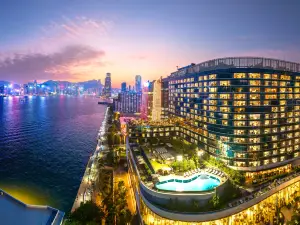

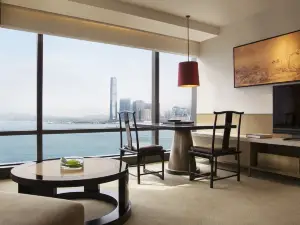
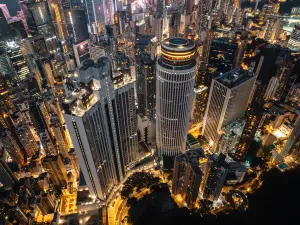


Top 20 4-Star Select Hotels in Hong Kong
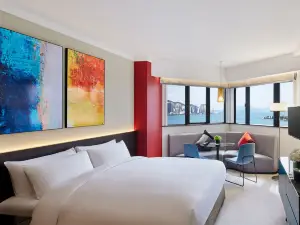
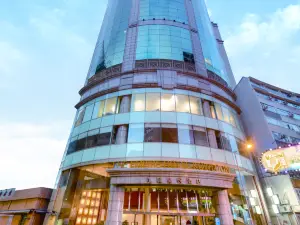
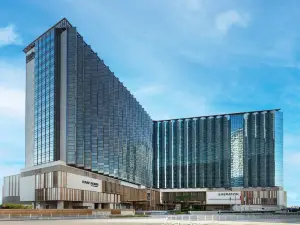

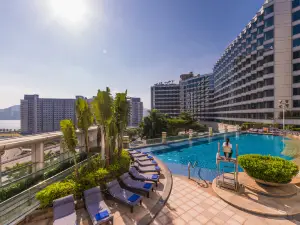
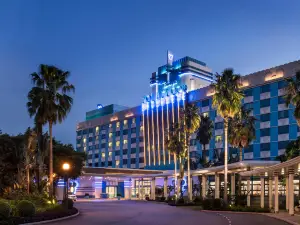
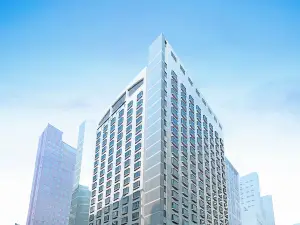

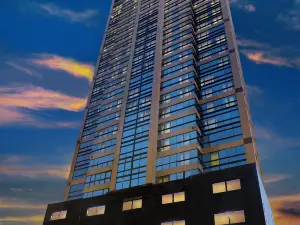


Popular Luxury Hotels Near Hong Kong
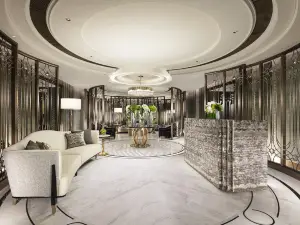

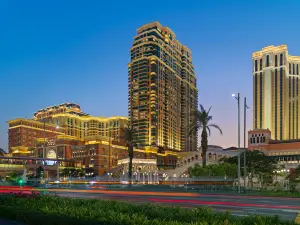
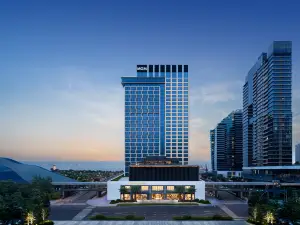


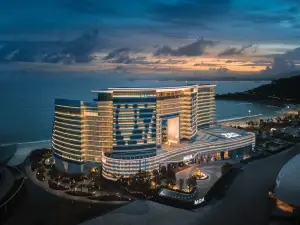
Popular Family Hotels Near Hong Kong
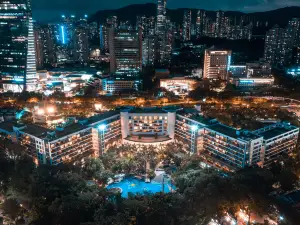
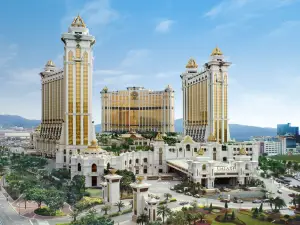
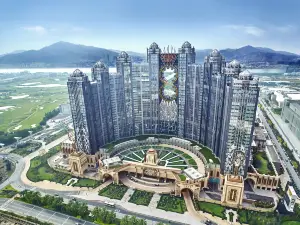
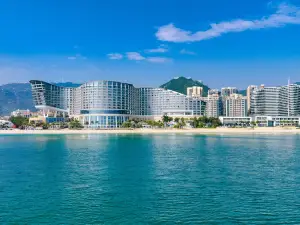

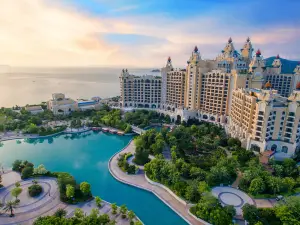
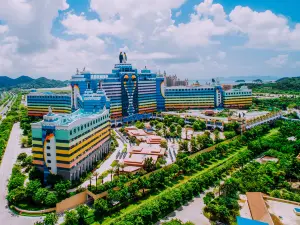
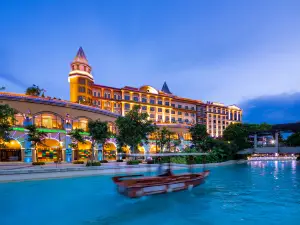
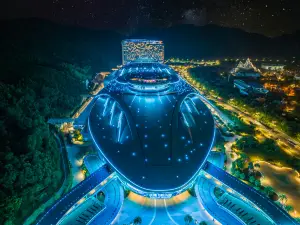
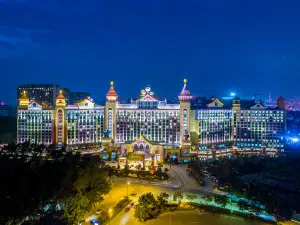
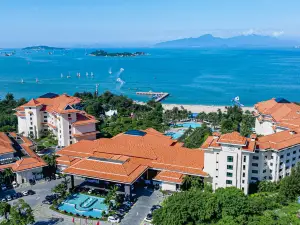
Popular Scenic Hotels Near Hong Kong
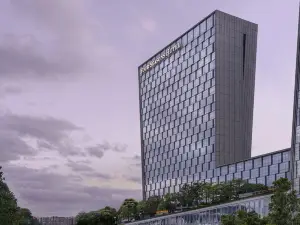
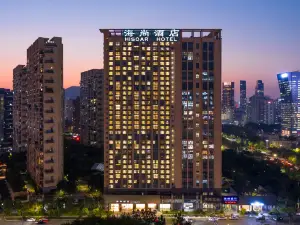

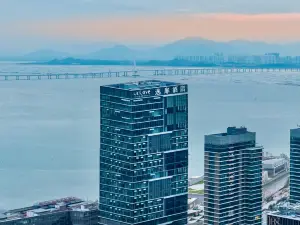
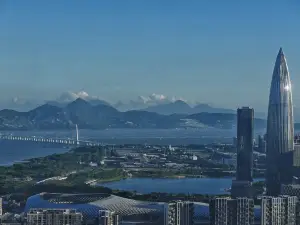

Popular Cultural Hotels Near Hong Kong

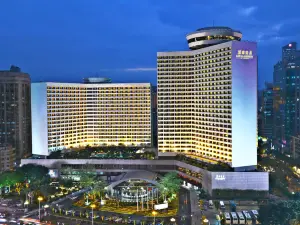

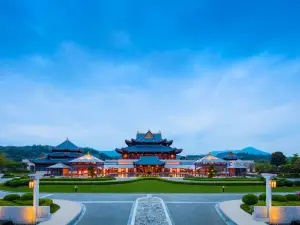
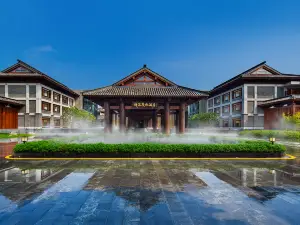
Popular Instagrammable Hotels Near Hong Kong
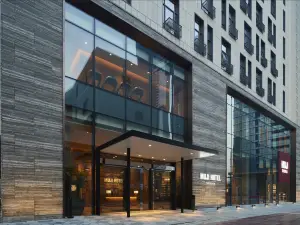

Popular Vacation Homes Near Hong Kong






Other recommended cities

Hangzhou
Shanghai
Chengdu