Hong Kong Public Holidays 2026: Calendar, Dates & Celebrations

We’ve rounded up Hong Kong’s public holidays and long weekends for 2027 in an easy-to-understand guide. Use this year-round calendar of Hong Kong’s public holidays and long weekends to plan your trips. Let’s make 2027 a fulfilling year!
See all flights

Hong Kong Public Holidays 2027 Calendar
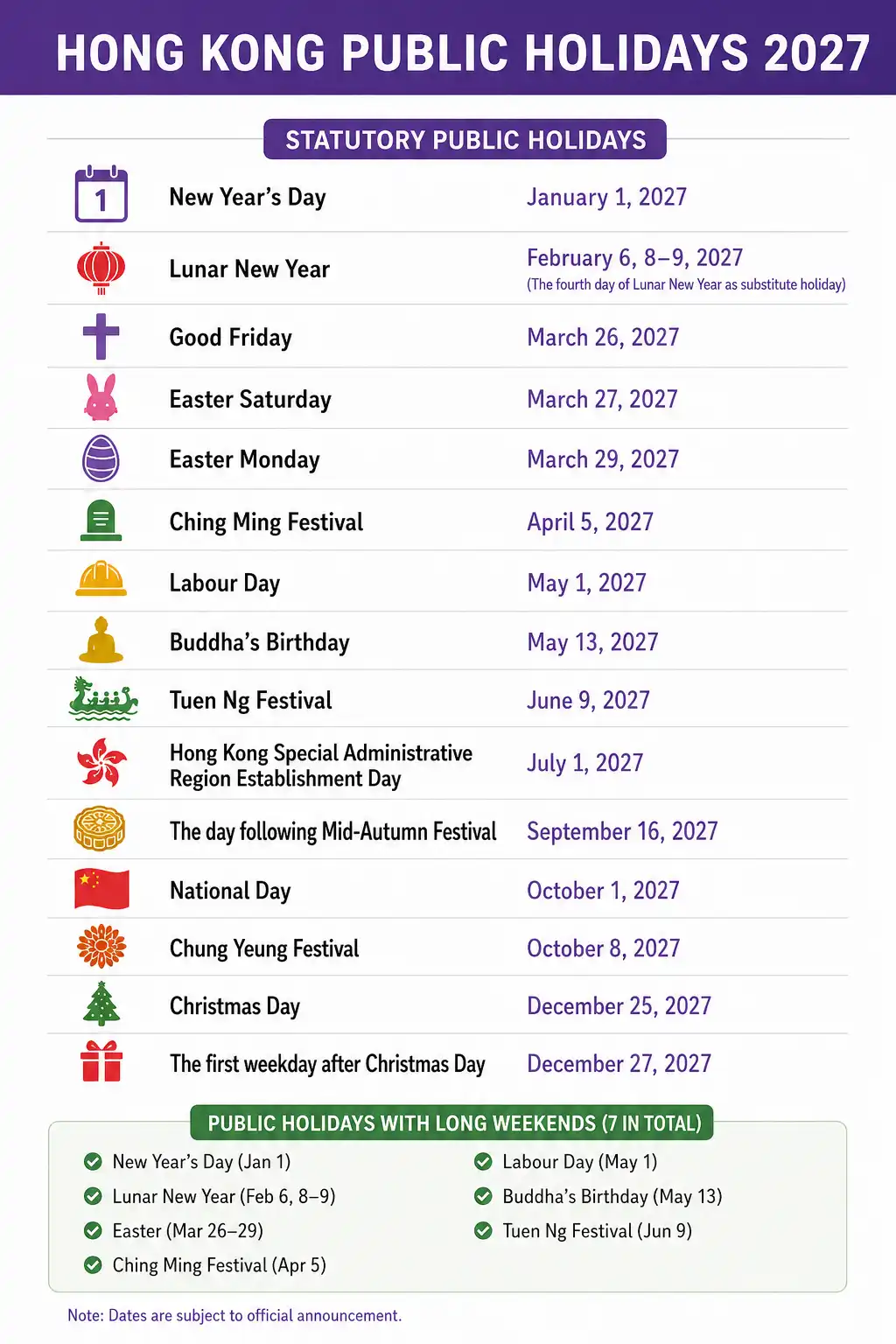
List of Hong Kong Public Holidays and Long Weekends 2027
We’ve compiled a table of Hong Kong’s public holidays and long weekends for 2026. Please note this when traveling to Hong Kong.
Date (2027) | Day | Holiday Name | Type | Notes |
|---|---|---|---|---|
Jan 1 | Fri | New Year’s Day | Both | Fixed date |
Feb 6 | Sat | Lunar New Year’s Day | Both | Lunar-based (Year of the Goat) |
Feb 8 | Mon | Lunar New Year’s Day 3 | Both | Lunar-based |
Feb 9 | Tue | Lunar New Year’s Day 4 | Both | Substitute holiday; Lunar New Year’s Day 2 falls on Sunday |
Mar 26 | Fri | Good Friday | General Public Only | Christian holiday |
Mar 27 | Sat | The Day Following Good Friday | General Public Only | Christian holiday |
Mar 29 | Mon | Easter Monday | Both | Christian holiday; statutory holiday from 2026 |
Apr 5 | Mon | Ching Ming Festival | Both | Solar term |
May 1 | Sat | Labour Day | Both | Fixed date |
May 13 | Thu | The Birthday of the Buddha | Both | Lunar-based |
Jun 9 | Wed | Tuen Ng Festival | Both | Lunar-based |
Jul 1 | Thu | HKSAR Establishment Day | Both | Fixed date (commemorates 1997 handover) |
Sep 16 | Thu | The Day Following the Chinese Mid-Autumn Festival | Both | Lunar-based |
Oct 1 | Fri | National Day | Both | Fixed date |
Oct 8 | Fri | Chung Yeung Festival | Both | Lunar-based |
Dec 22/25 | Wed/Sat | Winter Solstice OR Christmas Day | Statutory Only | Employer’s choice |
Dec 25 | Sat | Christmas Day | General Public Only | Christian holiday |
Dec 27 | Mon | The First Weekday After Christmas Day | Both | Substitute/general holiday |
Hong Kong's statutory holidays are separately defined under the Employment Ordinance. For 2027, there are 15 statutory holidays, including Easter Monday. When a specified Lunar New Year holiday falls on Sunday, a substitute statutory holiday applies.
Are Attractions and Shops Open on Hong Kong Public Holidays?
Government & Essential Services
- Government offices, banks, and post offices are fully closed on all public holidays . ATMs work 24/7, and online banking is available, but in-person bank services stop—withdraw cash in advance if needed.
- Public hospitals and emergency services (ambulances, police, fire) operate normally. Private clinics are usually closed, so save non-urgent medical needs for weekdays .
- Utility services (water, electricity) are uninterrupted—report emergencies via 24-hour hotlines (e.g., Water Supplies Department: 2824 5000) .
Shops & Attractions
- Big malls (Harbour City, Causeway Bay Plaza) and convenience stores (7-Eleven, Circle K) stay open—many have extended hours (10am–10pm) on holidays .
- Small local shops (especially in cultural districts like Chinatown or Little India) may close for 1–2 days during their community’s main festival (e.g., Lunar New Year for Chinese shops) .
- Museums: Most LCSD museums are open (10am–7pm or 9pm) but closed on their regular weekly day off (e.g., Tuesdays for Hong Kong Museum of History) unless the holiday falls on that day . The first two days of Lunar New Year are closed for most museums .
Transport
- MTR, buses, and trams run on holiday schedules—fewer frequencies than weekdays but still reliable . On major holidays (Lunar New Year, National Day), services may extend late (until midnight or 1am).
- Cross-boundary transport (Shenzhen Bay Port, Hong Kong-Zhuhai-Macao Bridge) adds extra services during peak holidays to handle mainland travel demand .
- Road closures: Expect temporary closures near cemeteries (Ching Ming, Chung Yeung) and festival venues (Marina Bay for National Day, Tsim Sha Tsui for Lunar New Year parade)—use public transport instead of driving.
January 1 (Fri): New Year's Day
New Year's Day falls on January 1 on the Gregorian calendar. In Hong Kong, New Year's Eve and New Year's Day are marked by countdown celebrations, fireworks, and festive events, especially around Victoria Harbour. As Lunar New Year is traditionally the more important festival in Hong Kong, many shops, restaurants, and attractions remain open as usual on New Year's Day.
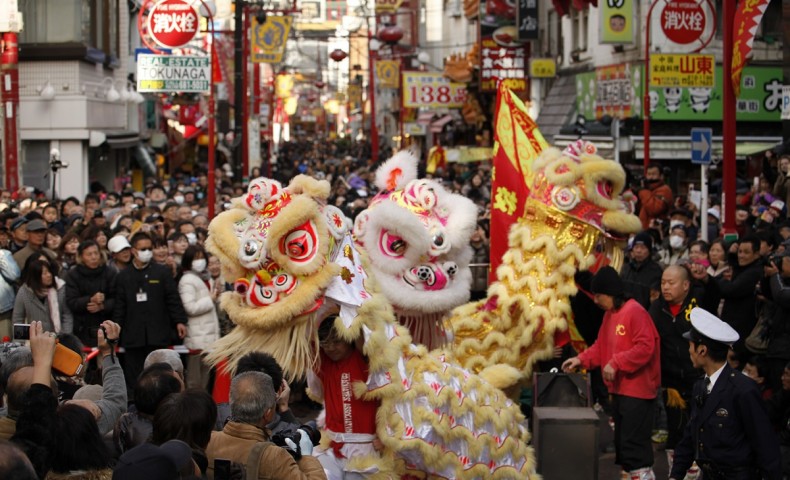
Chinese Spring Festival 2025 | Yokohama Official Visitors Guide ...
February 6–9: Lunar New Year
Lunar New Year is one of the most important festivals in Hong Kong. In 2027, Lunar New Year's Day falls on Saturday, February 6, with public holidays continuing on February 8 and 9.
During the festival, Hong Kong comes alive with flower markets, festive decorations, family gatherings, lion dances, and traditional celebrations. Popular shopping districts and tourist attractions can be especially busy, so booking hotels and transportation early is recommended.
March 26–29: Easter Holidays
Easter creates a long holiday period in Hong Kong in 2027. Good Friday falls on March 26, followed by the day after Good Friday on March 27 and Easter Monday on March 29.
Many residents use the Easter break for short trips, while visitors can enjoy Hong Kong's attractions, shopping malls, restaurants, and theme parks. Since Easter Monday became a statutory holiday in 2026, it remains part of the statutory holiday schedule in 2027.
April 5 (Mon): Ching Ming Festival
Ching Ming Festival, also known as Tomb-Sweeping Day, falls on Monday, April 5, 2027. It is a traditional Chinese festival when families visit ancestral graves, pay their respects, and remember their ancestors.
Travelers visiting Hong Kong during this period can still enjoy most attractions, but some areas and transportation routes may be busier than usual.
May 1 (Sat): Labour Day
Labour Day falls on Saturday, May 1, 2027. It is a public holiday in Hong Kong and coincides with the wider Labour Day holiday period in mainland China.
Hong Kong's shopping malls, restaurants, and tourist attractions generally remain open, although popular areas can become busier during the holiday period.
June 9 (Wed): Tuen Ng Festival
The Tuen Ng Festival, also known as the Dragon Boat Festival, falls on Wednesday, June 9, 2027. The festival is famous for dragon boat races and traditional rice dumplings known as zongzi.
Visitors can experience dragon boat races at locations around Hong Kong, including Stanley and other waterfront areas. It is a great time to experience one of Hong Kong's most distinctive traditional festivals.
Useful Cards for HK Transport
![[Official ticket] Limited-time offer from 30% off | Hong Kong airport express e-ticket | Enter with QR code](https://ak-d.tripcdn.com/images/0353z12000sziqo298E45_C_750_480.jpg)
[Official ticket] Limited-time offer from 30% off | Hong Kong airport express e-ticket | Enter with QR code
4.9/5
11473 reviewsIt was a great experience. I managed to snag a buy-one-get-one-free ticket for Trip.com's Hong Kong leg, which averaged out to just HK$50 per trip, cheaper than any other option. It only took 24 minutes to get from Central to the airport, super fast! The experience was excellent. I'll definitely keep an eye out for these flash sales in the future and recommend it to my friends!
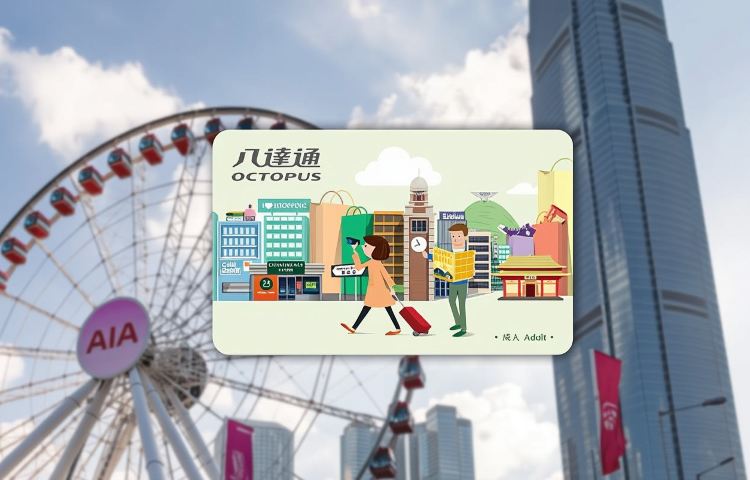
Hong Kong Octopus Card
4.8/5
46 reviewsThis is my first time ordering a Hong Kong Octopus card from this website. The process was quick and easy. After arriving at Hong Kong Airport and clearing immigration, I scanned the code at Hall A13 to pick up the card! Everything went very smoothly. I will definitely recommend this to my friends next time.
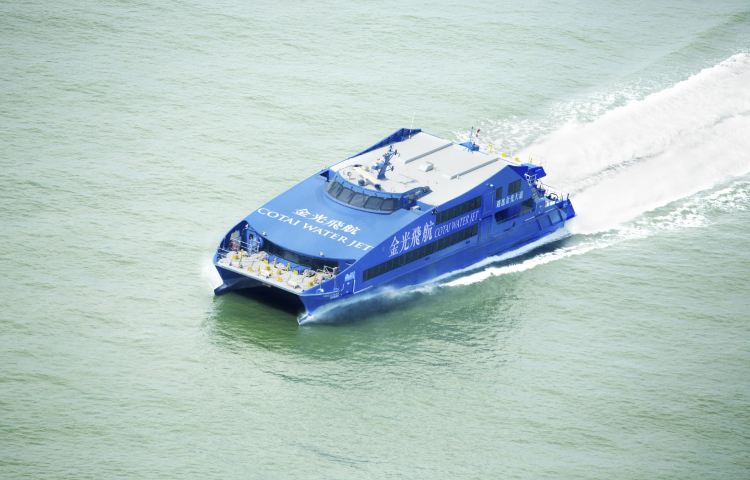
Departing from Hong Kong: Cotai Water Jet Boat Ticket - Cotai Water Jet Ferry between Hong Kong Island and Macau
4.7/5
23 reviewsFast and inexpensive. We had a ticket for 3:00 PM, but they also let us on the 2:00 PM flight. The ride was smooth and didn't make us seasick.
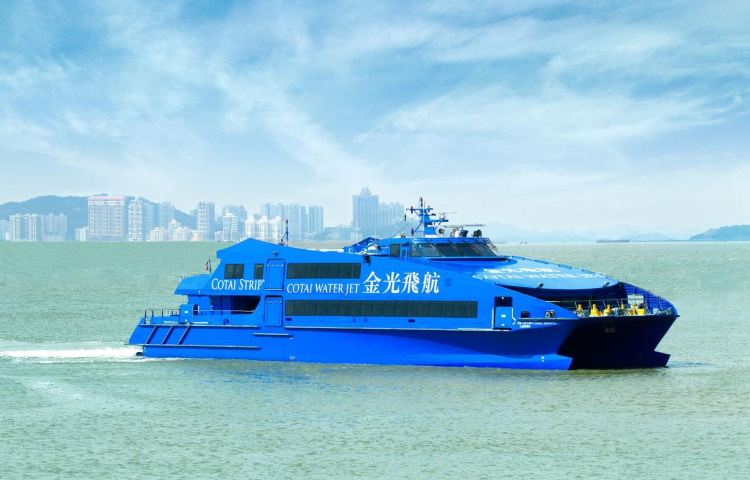
Cotai Water Jet Boat Ticket - one-way (Macau Taipa → Hong Kong Sheung Wan)
4.7/5
659 reviewsThe service works perfectly and everything is very well signposted
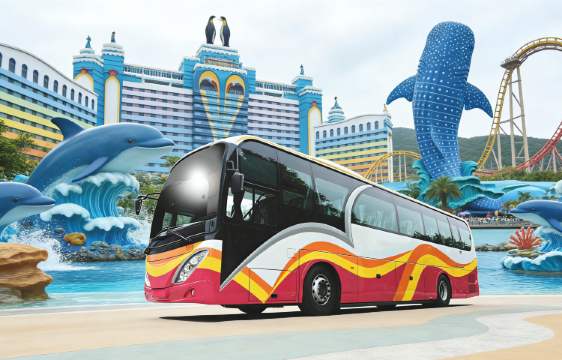
Cross-border direct bus from Hong Kong to Zhuhai - Chimelong/Hengqin/Zhuhai Huafa (provided by Island bus, QR code boarding)
4.5/5
35 reviewsThe bus ride went smoothly and crossed the borders over an impressive bridge and tunnel. What a marvel of (civil) engineering work. Once arrived at the border, ensure you get a sticker that will serve you all the way to Zhuhai, China. With the sticker tag on your shirt, the officers and the guides can spot you easily and tell you where to go (bus lane
#, etc). You will not be lost and you get plenty of chances to use the restrooms. Be ready to walk over some distance due to vast floor space in the immigration areas.
July 1 (Thu): HKSAR Establishment Day
Hong Kong Special Administrative Region Establishment Day falls on Thursday, July 1, 2027. The day marks the establishment of the Hong Kong Special Administrative Region in 1997.
Government buildings and some businesses may have special arrangements, while major tourist attractions, shopping malls, and restaurants generally continue to operate.
September 16 (Thu): The Day Following the Chinese Mid-Autumn Festival
The day following the Chinese Mid-Autumn Festival is a public holiday in Hong Kong and falls on Thursday, September 16, 2027.
The Mid-Autumn Festival is celebrated with lanterns, family gatherings, mooncakes, and evening activities. Travelers can enjoy festive decorations and illuminated displays throughout the city.
October 1 (Fri): National Day
National Day falls on Friday, October 1, 2027. It commemorates the founding of the People's Republic of China and is one of Hong Kong's major public holidays.
The holiday creates a long weekend in 2027, making it a popular period for travel. Visitors should expect larger crowds at major attractions and book hotels and transportation in advance.
October 8 (Fri): Chung Yeung Festival
Chung Yeung Festival falls on Friday, October 8, 2027. Like Ching Ming Festival, it is traditionally associated with honoring ancestors and visiting family graves.
The October weather in Hong Kong is usually comfortable for sightseeing, making this a good time to explore outdoor attractions and hiking trails.
December 25–27: Christmas Holidays
Christmas Day falls on Saturday, December 25, 2027, followed by the first weekday after Christmas Day on Monday, December 27.
Hong Kong embraces Christmas with spectacular decorations, shopping promotions, festive markets, and seasonal events. Popular shopping areas such as Tsim Sha Tsui, Central, and Causeway Bay are particularly lively during the Christmas period.
Top Things to Do in HK
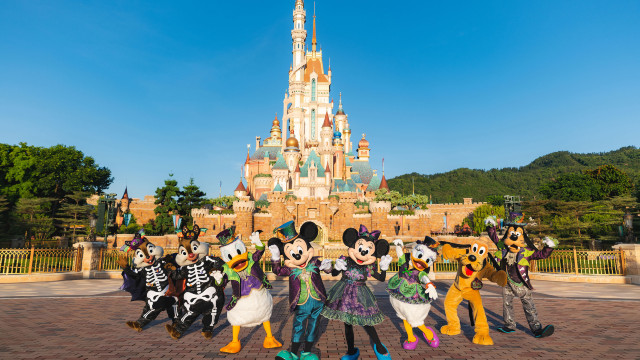
Hong Kong Disneyland
4.7/5
15654 reviewsIt was great to be able to enjoy the park when it wasn't crowded!
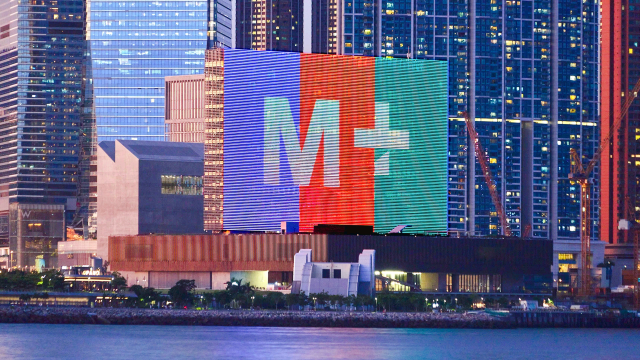
M+
4.7/5
805 reviewsFor Hong Kong standards, it's a large space, clean, well-maintained, and has plenty of staff. M+ is conveniently located, accessible by MTR or ferry. The museum's exhibits primarily feature contemporary art and experimental works.
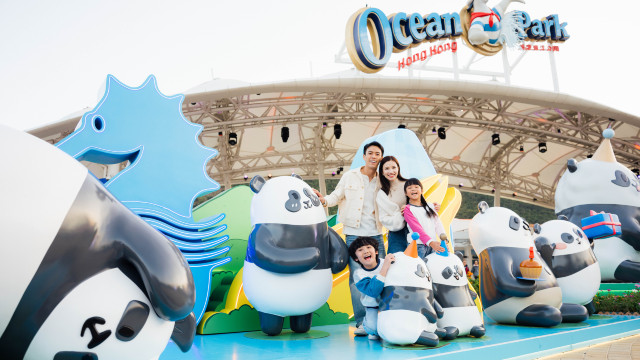
Ocean Park Hong Kong
4.6/5
5169 reviewsThat time one person went in to play the atmosphere was very good although there were only four but inside the space was larger than before and walked longer 👍👍👍
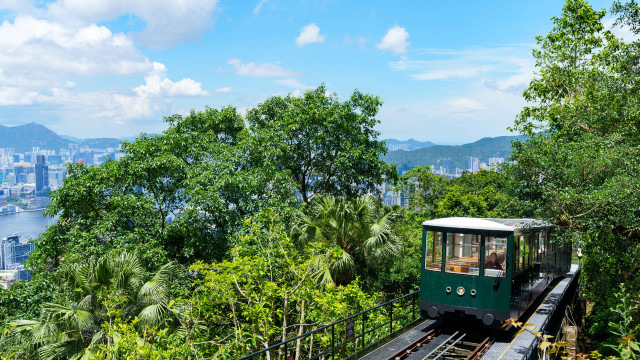
The Peak Tram
4.6/5
3838 reviewsGreat Views of Hong Kong – Worth Visiting!Taking the Peak Tram up to Victoria Peak was a great experience and definitely one of the highlights of our visit to Hong Kong. The tram ride itself is enjoyable, offering a unique way to reach the top while taking in the views along the way.We also visited Sky Terrace 428 at The Peak Tower, which offers impressive panoramic views of Hong Kong’s famous skyline, skyscrapers, and Victoria Harbour. We had the Ruby Pass, which made the experience convenient, although whether it is worth the extra cost depends on what is included in your ticket and how much you want to do.We arrived around sunset, and although the sun was setting on the opposite side, the experience was still beautiful. Watching the sky change colours and seeing the city gradually light up was lovely. The views of the illuminated buildings at night were particularly impressive and made the visit worthwhile.Another highlight was finding a nice coffee shop with a beautiful vie

Ngong Ping 360
4.7/5
3414 reviewsGot a discounted price and could skip the regular ticket line, saving so much time! The whole process was super smooth and hassle-free. Just show up and enjoy the breathtaking views. Definitely recommend booking in advance through Trip.com, totally worth it! 🚠💛
Smart Travel & Holiday Tips for Hong Kong 2026
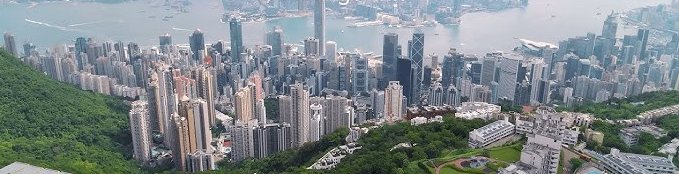
Invest Hong Kong - YouTube
Book Early for Key Events
- Fireworks views: For National Day (Oct 1) and Lunar New Year Eve fireworks, book waterfront restaurants (like The Peninsula Hong Kong) or hotel rooms with harbour views 2–3 months in advance .
- Theme parks: Disneyland and Ocean Park sell out fast on holidays—buy tickets online 1 month early to skip on-site queues.
- Cross-boundary trips: Book ferry/train tickets to Macau or Shenzhen 1–2 weeks in advance, especially during Lunar New Year.
Use Public Transport Wisely
- Avoid driving on Ching Ming and Chung Yeung—roads near cemeteries are closed or gridlocked . Take special buses or MTR to these areas.
- On Lunar New Year parade day (Feb 10), take the MTR to Tsim Sha Tsui Station—roads around the parade route are closed to cars .
- Get an Octopus Card: It’s the easiest way to pay for MTR, buses, and even convenience store purchases—available at MTR stations and 7-Eleven.
Join Local Traditions
- Lunar New Year: Visit Victoria Park’s flower market for auspicious blooms, or join a family’s “open house” (many locals welcome guests for snacks like candied fruits) .
- Buddha’s Birthday: Participate in the bath-the-Buddha ceremony at Chi Lin Nunnery—no need to be Buddhist, just show respect by dressing modestly .
- Mid-Autumn Festival: Buy a lantern from Temple Street and join the waterfront moon-gazing crowds—bring a picnic with mooncakes and tea.
See all attractions
 922567 booked
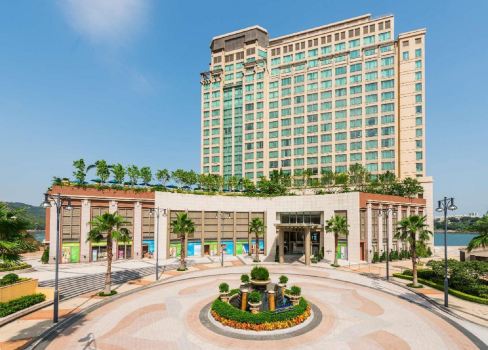
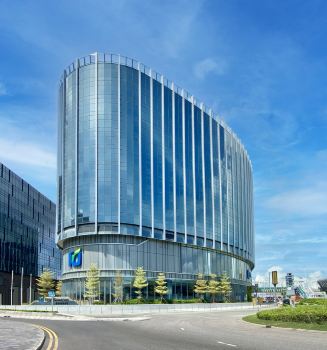
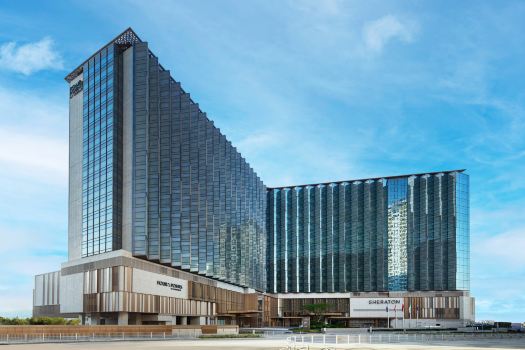
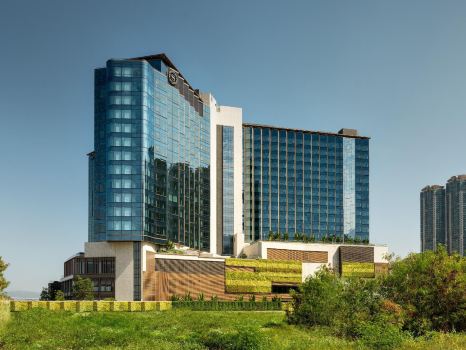
[10% Off] Hong Kong Hotels Recommendation
Best HK Hotels
See All Hotels

FAQs about HK Public Holidays
-
How many public holidays does Hong Kong have in 2027?
-
What if a HK public holiday falls on a Sunday?
-
What’s the difference between HK Statutory and General Public Holidays?
Disclaimer: This article has been provided by an individual contributor or third party platform. If there is any discrepancy regarding the copyright, please contact us directly and we will delete the content immediately.
Trending
-
Air Travel Guide
-
Latest Flight Deals
-
Popular Flight & Hotel Packages
-
Getting Around
-
eSIM/SIM card
-
Popular activities
- Cancun Vacation Packages
- Medellin Vacation Packages
- Tokyo Flight and Hotel
- Koh Samui Flight and Hotel
- Ghardaia Vacation Packages
- Osaka Flight and Hotel
- Paris Vacation Packages
- Monterey Vacation Packages
- Ottawa Vacation Packages
- Zhangjiajie Vacation Packages
- Antwerp Vacation Packages
- San Salvador Vacation Packages
- Bangkok Flight and Hotel
- St. Augustine Vacation Packages
- Zhuhai Vacation Packages
- Zhangjiajie Airport to City
- Shinkansen Tokyo to Kyoto and Osaka
- Shenzhen Bao'an International Airport
- Shenzhen Airport
- Nara Transportation
- How to Use DiDi in China
- Shanghai Airport Transfers
- How to Get from Osaka to Kansai Airport
- Chongqing Airport
- Incheon Airport Transit
- Hong Kong Airport
- Shanghai Pudong Airport
- Car Rental Insurance
- Beijing Daxing International Airport
- Narita Airport to Shinjuku
- Macau to Hong Kong
- Incheon International Airport to Seoul
- hong kong disneyland tickets
- Star Ferry Hong Kong
- hong kong ocean park tickets
- hong kong disneyland
- The Peak Hong Kong
- Hong Kong City Pass
- Water Activities in Hong Kong
- Hong Kong Yacht Charter
- Hong Kong Connectivity Solutions
- Hong Kong Shopping Discounts
- Hong Kong Travel Services
- Hong Kong Photoshoot
- Hong Kong Spa & Massage
- Hong Kong Pocket Wifi Router
- Hong Kong Boat Tickets
- One-way boat ticket from Shenzhen Shekou Port to Hong Kong Airport SkyPier
- Mainland China/Hong Kong/Macau 5G eSIM | Dual Network | Day Pass/Total Data Package | 24-Hour Billing | QR Code
- Mainland China/Hong Kong/Macau/Taiwan 5G/4G eSIM | Supports Google Maps / ChatGPT | Daily/Total Data Plans | 24-Hour Billing | 1–30 Days | QR Code
- Club Sim 4G SIM with 20GB Local Data & Unlimited Calls
- Madame Tussauds Hong Kong Peak Day Trip