Indonesia Public Holidays 2026: Calendar, Dates & Travel Tips

Complete 2026 Indonesia holiday calendar (25 days) with Idul Fitri, Nyepi, and school break dates. Travel tips to avoid mudik crowds and closures.
Flights to Bali
Bali Hotels
Bali Things to Do
See all flights


 NO.1
NO.1

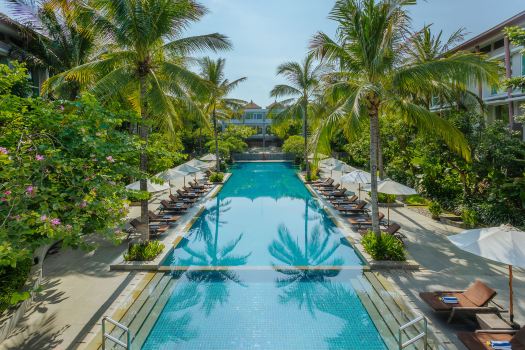

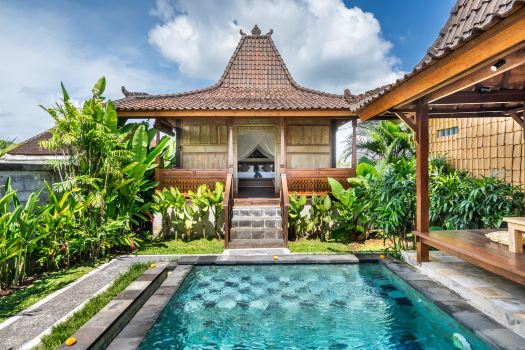
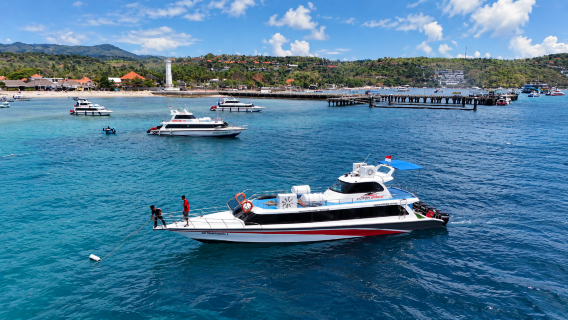
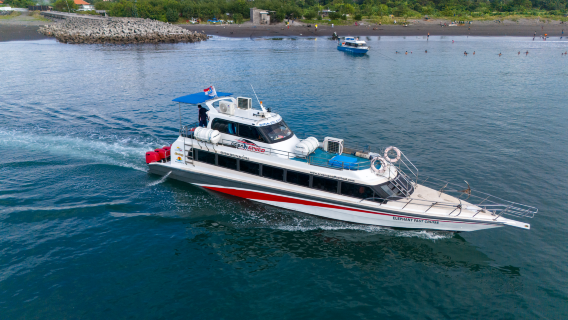
![[Lounge Include] Bali Nusa Penida Fast Boat Ticket](https://ak-d.tripcdn.com/images/0354h12000say6fpsD6EA_C_568_320.png)
![[VIP Lounge] Fast Boat Ticket Semabu Hill Fast boat to Penida Island [Oneway/Round trip]](https://ak-d.tripcdn.com/images//0580212000o2yxr5n8C2E_C_568_320.jpg)

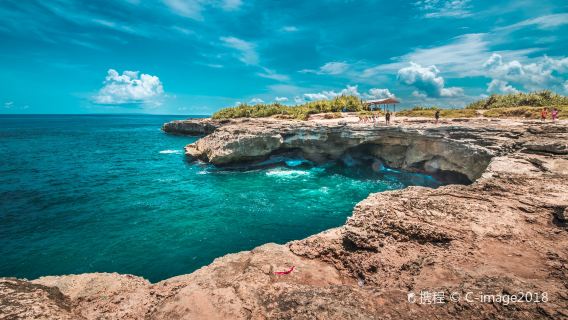
![Bali, Nusa Penida Island Day Trip [Optional: Late-departure tours with Chinese and English-speaking guides / Private groups with English-speaking guides / Afternoon snorkeling tours]](https://ak-d.tripcdn.com/images/0354412000lvrczmaF827_C_568_320.jpg)

2026 Indonesia Public Holiday Calendar
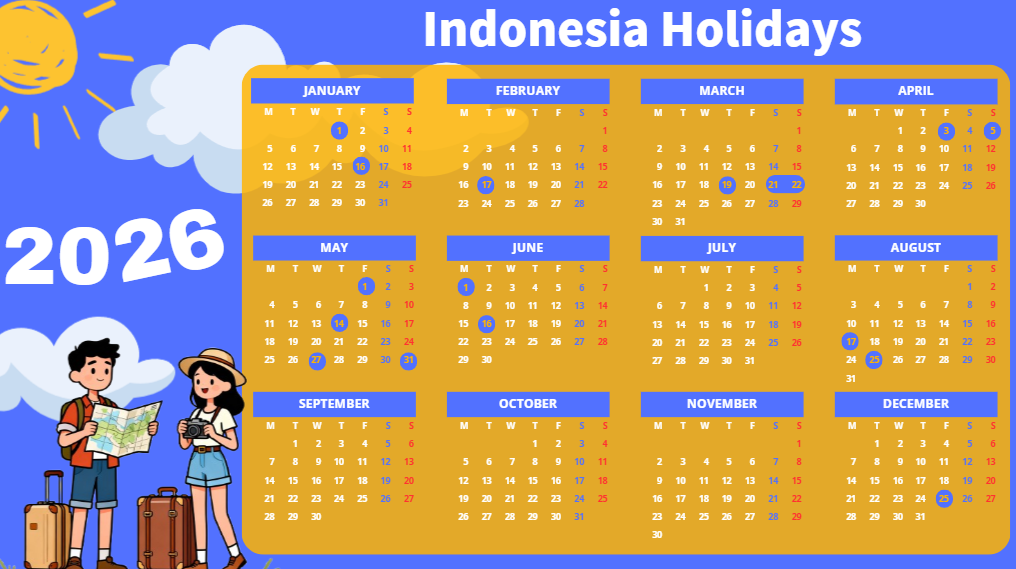
Indonesia’s 2026 holidays blend 17 national public holidays (mandatory for all) and 8 collective leaves (flexible for private firms), forming 9 long weekends. These include religious festivals (Islam, Hindu, Christian, Buddhist) and national milestones. School holidays often align with major public holidays, creating extended breaks—key for family travel and the annual “mudik” (homecoming) rush around Idul Fitri.
List of Indonesia Public Holidays 2026
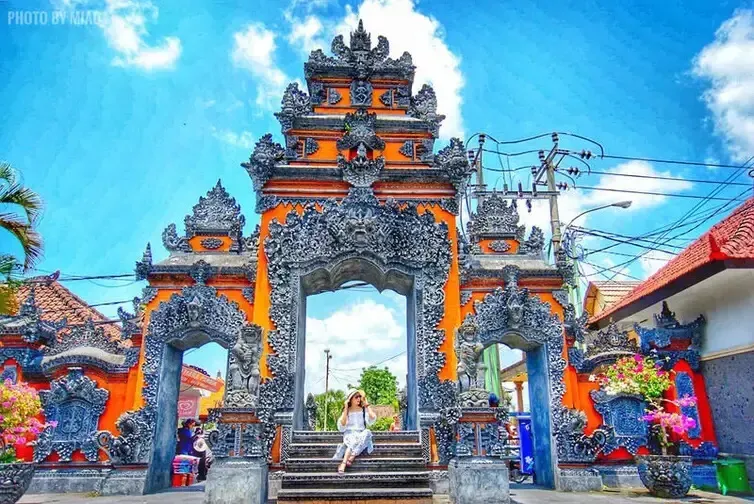
We’ve put together a table of Indonesia’s public holidays and long weekends for 2026. In Indonesia, there are nationwide public holidays as well as state-specific holidays in each of the 13 states. Please keep this in mind when you head out. Here, we introduce the holidays observed nationwide.
Date (2026) | Day | Holiday Type | Holiday Name | Key Notes |
|---|---|---|---|---|
Jan 1 | Thu | National | New Year’s Day | Fixed; nationwide celebrations |
Jan 16 | Fri | National | Israk & Mikraj | Islamic holiday ( Prophet’s night journey) |
Feb 16 | Sun | Collective Leave | Chinese New Year Eve | Paired with Feb 17 to make 2-day break |
Feb 17 | Mon | National | Chinese New Year | Celebrated by ethnic Chinese communities |
Mar 18 | Sat | Collective Leave | Nyepi Eve | Bali-focused; leads into Nyepi |
Mar 19 | Sun | National | Nyepi (Day of Silence) | Balinese Hindu New Year; full island shutdown |
Mar 20 | Mon | Collective Leave | Idul Fitri Eve | Starts 4-day Idul Fitri long weekend |
Mar 21 | Tue | National | Idul Fitri (Day 1) | Indonesia’s biggest holiday (end of Ramadan) |
Mar 22 | Wed | National | Idul Fitri (Day 2) | Peak homecoming and family gatherings |
Mar 23 | Thu | Collective Leave | Idul Fitri Holiday | Extends break to 5 days |
Mar 24 | Fri | Collective Leave | Idul Fitri Holiday | Final day of post-Ramadan break |
Apr 3 | Fri | National | Good Friday | Christian holiday (Jesus’ crucifixion) |
Apr 5 | Sun | National | Easter Sunday | Christian holiday; substitute leave on Apr 6 |
May 1 | Fri | National | Labor Day | Fixed; workers’ rights celebrations |
May 14 | Thu | National | Ascension Day | Christian holiday (Jesus’ ascension) |
May 15 | Fri | Collective Leave | Ascension Day Holiday | Creates 3-day weekend |
May 27 | Wed | National | Idul Adha (Day 1) | Islamic holiday (Feast of Sacrifice) |
May 28 | Thu | Collective Leave | Idul Adha (Day 2) | Extends holiday to 2 days |
May 31 | Sun | National | Waisak Day | Buddhist holiday (Buddha’s birth/enlightenment) |
Jun 1 | Mon | National | Pancasila Day | Commemorates Indonesia’s state ideology |
Jun 16 | Mon | National | Awal Muharram | Islamic New Year |
Aug 17 | Mon | National | Independence Day | Celebrates 1945 proclamation; nationwide parades |
Aug 25 | Tue | National | Maulid Nabi | Prophet Muhammad’s birthday |
Dec 24 | Thu | Collective Leave | Christmas Eve | Paired with Dec 25 for 2-day break |
Dec 25 | Fri | National | Christmas Day | Christian holiday; busy for expat communities |
School Holidays | Q3 Break (Mar 14-Apr 5, ties to Idul Fitri); Q2 Break (Dec 5,2025-Jan 4,2026) | |||
January 1 (Thu): New Year's Day
New Year’s Day is the first holiday of the year and is celebrated in many countries around the world, including Indonesia. In Indonesia, it’s common to spend time with family and friends, with a variety of festive events taking place. Many people make New Year’s resolutions and enjoy traditional foods and fireworks.
Friday, January 16: Isra and Mi'raj
Isra Mi'raj is a holiday that commemorates the event in which the Prophet Muhammad is said to have journeyed from Mecca to Jerusalem and ascended to the heavens. The Isra (the Night Journey) and the Mi'raj (the Ascension) are revered as significant moments of divine revelation. In Indonesia, the day is observed with worship and prayers.
January 29 (Thu): Lunar New Year
Lunar New Year in Indonesia is a day that celebrates the start of the year based on the Chinese calendar. Many Chinese-Indonesians gather with family to savor festive New Year dishes and sweet treats. There’s also a tradition of decorating with red and exchanging red envelopes, all symbolizing heartfelt wishes for happiness and prosperity.
March 29 (Sun): Hindu New Year
Known as the Hindu New Year, or Nyepi, this is a significant Hindu observance celebrated primarily on Bali, Indonesia. It’s a day devoted to self-reflection, silence, and fasting, when tranquility is maintained across the entire island. Streetlights and household lights are turned off, and the island settles into a profound hush. On Nyepi, people ward off evil spirits and pray for good fortune in the year ahead.
On this day, even travelers won’t be able to leave their hotels. With airports and ports closed, travel won’t be possible, so please be aware.
March 31 (Tue)–April 1 (Wed): Lebaran (Eid al-Fitr, the grand festival marking the end of the fasting month)
Lebaran is a festival where Muslims celebrate the end of Ramadan (the fasting month). During this time, Muslims break their fast and gather with family and friends. It’s common to wear new clothes and join prayers at the mosque. Visiting family and relatives while sharing traditional dishes is a chance to strengthen bonds. It’s celebrated nationwide and is a public holiday.
April 18 (Sat): Good Friday
Good Friday (Hari Jumat Agung) is an important day for Christians, commemorating the death of Jesus Christ on the cross. In Indonesia, believers—especially Catholics and Protestants—gather in churches for services, remembering Christ’s sacrifice through prayer and meditation. Throughout this day, Christians devote themselves to quiet reflection and prayer, deepening their faith.
May 1 (Fri): International Workers' Day (May Day)
Every year on May 1, May Day is an official public holiday. Celebrated worldwide as Workers’ Day, it’s known as “Labor Day” in Indonesia.
May 12 (Tue): Vesak (Buddha’s Birthday)
Vesak Day is a deeply significant occasion for Buddhists, celebrating the day of the Buddha’s birth. It is commemorated with particular grandeur in regions where many Buddhists live. You’ll witness special prayers and meditation at Buddhist temples, along with acts of charity. Temples are adorned with lanterns and flowers, and processions are held, with food offered.
May 14 (Thu): Ascension Day
Ascension Day (Hari Kenaikan Isa Al-Masih) is a Christian holiday that commemorates Jesus Christ’s resurrection and ascension to heaven following his crucifixion. In Indonesia, Catholic and Protestant believers attend church services to celebrate Christ’s ascension. On this day, worshippers thoughtfully revisit Christ’s teachings and cherish the opportunity to deepen their faith.
June 1 (Mon): Pancasila Day
It’s a day that commemorates the principles of Pancasila, Indonesia’s national ideology. Pancasila embodies the country’s fundamental philosophy and values, representing the coexistence of diverse cultures, religions, and ethnicities. On this day, the nation celebrates its identity and unity with a variety of cultural events, ceremonies, and educational events. Schools and public institutions may also hold activities and discussions based on Pancasila’s principles.
June 7 (Sun): Idul Adha (Festival of Sacrifice)
Eid al-Adha commemorates Abraham’s willingness to sacrifice his son. On this day, Muslims offer livestock and share the meat with family, friends, and those in need. Special prayers are held across the country, offering a chance to strengthen bonds with family and the community. It’s a day when the spirit of unity and compassion is celebrated throughout Indonesia.
June 27 (Sat): Islamic New Year
Islamic New Year falls on the first day of Muharram, the first month of the Islamic calendar. It was established to commemorate the Hijra (migration), when the Prophet Muhammad moved from Mecca to Medina. Many people pray in mosques and celebrate the start of the new Islamic year. The day is seen as a symbol of reflection and new beginnings, and is especially important within the Muslim community.
Monday, August 17: Independence Day
This national holiday celebrates the day Indonesia declared independence from the Netherlands in 1945. Across the country, a variety of festivities take place, including flag-raising ceremonies, parades, and cultural events. The capital, Jakarta, is especially known for presidential ceremonies and military parades.
Tuesday, August 25: Prophet Muhammad's Birthday
Prophet Muhammad’s Birthday is a day that celebrates the birth of the Islamic prophet Muhammad. On this day, mosques hold special prayers and devotional songs, and stories about Muhammad’s life and teachings are shared. In many regions, religious gatherings and citizen-led parades are held, and you’ll see families and friends come together to share meals. The Prophet Muhammad’s Birthday is regarded in Malaysia as an important opportunity for Malaysians to strengthen their faith and deepen community bonds.
Friday, December 25: Christmas
People celebrate the birth of Jesus Christ. Shopping malls and other commercial spaces across Indonesia fill with Christmas trees and festive decorations, and Christmas songs can be heard everywhere. Families and friends gather to exchange gifts and enjoy special meals. Churches hold Christmas Eve Mass and worship services.
See all attractions




Indonesia Holidays: Closures & Disruptions
Government & Services
- National holidays: Government offices, banks, and post offices close completely. Emergency services (hospitals, police) run normally.
- Idul Fitri/Nyepi: Immigration offices in Bali close on Nyepi; across Java, bank branches shut for 5 days around Idul Fitri.
- Public transport: Runs on “holiday schedules” (fewer trips) but adds extra services for mudik (Idul Fitri) .
Shops & Businesses
- Local small shops: Closed for 3 to 5 days during Ramadan. One day of Christmas/Chinese New Year.
- Large shopping centers: Open on all holidays (10 a.m. to 10 p.m.), but Nyepi may reduce its business hours (only in Bali).
- Factories: Many factories were closed a week before Eid al-Fitr because supply chains slowed down in mid-March.
Travel Disruptions
- Mudik (March 18th to 25th) : The congestion time on the North-South expressway in Java is 8 to 10 hours. Flights from Jakarta to Surabaya were sold out three months ahead of schedule.
- Naipi Island (March 19th) : Nguralai Airport on Bali Island is closed. There are no island ferries to and from Bali.
- Independence Day (August 17th) : Roads and city squares near Monas in Jakarta are closed and parades are held.
See all flights


What are Indonesia’s Public Holidays? Culture & Traditions

Drake Passage
Indonesia’s holidays feature a unique framework where religion, history, and culture are strongly interwoven. In addition, there are two categories—National Holidays and Joint Holidays (Cuti Bersama)—and they are notable for their significant impact on travel and business. Here, we provide a clear summary of the basic knowledge needed to understand Indonesia’s holidays.
In Indonesia, public holidays mostly revolve around “religious observances.”
One essential thing to keep in mind when talking about Indonesia’s holidays is that it’s a multi-religious nation.
- Islam (largest)
- Hinduism (especially in Bali)
- Christianity
- Buddhism
- Confucianism
These religious events are recognized as official public holidays. As a result, the atmosphere of the cities changes dramatically with each celebration—a defining feature of Indonesia.
There are two types of holidays: National Public Holidays (Hari Libur Nasional) and Collective Leave Days (Cuti Bersama).
Indonesia’s holidays are broadly divided into “national public holidays” and “collective leave days.” National public holidays are days off nationwide, when government offices, schools, and businesses officially close. In contrast, collective leave days are additional days off designated by the government, most commonly clustered around Lebaran (Eid) and the Christmas season.
With this combined holiday in the mix, long weekends can quickly become much longer, and it’s also a time when domestic travel surges. For travelers, airfares and hotel rates tend to climb, and major tourist spots get crowded, so you’ll want to be especially careful when planning your itinerary.
Islamic events are determined by the Hijri (Islamic) calendar, so the dates change every year.
Most Indonesians are Muslim. That’s why holidays like “Lebaran,” the start of Ramadan, and the Prophet Muhammad’s Birthday are determined by the Islamic calendar.
Because the Islamic calendar is lunar, its dates shift earlier by about 10 to 11 days each year. That’s why you’ll often hear that Indonesia’s public holidays change every year.
Only Bali has “alternate calendars”: the Saka Calendar & the Yuura Calendar
Even within Indonesia, Bali stands out. With Hinduism as the predominant faith, the island’s public holidays are set according to a different calendar than other regions.
The most iconic is Nyepi—Bali’s New Year. On this day, the island sinks into a silence unlike anywhere else in the world: everyone stays indoors, lights are switched off, and all shops and even the airport close.
It’s an unusual setup where travelers need to consider “Indonesian public holidays” and “Balinese holidays” separately.
Public holidays are announced by the government very early (they publish the list for the following year within the same year).
The Indonesian government typically announces the following year’s public holidays quite early. That means travelers can more easily snag early-bird airfares and lock in early hotel reservations, making trip planning a breeze.
Countries where public holidays have a major impact on business
In Indonesia, holidays are closely intertwined with everyday life, so the rhythms of business and government operations are strongly affected. Especially around Lebaran, government service counters can become extremely crowded, and procedures may be significantly slower than usual. Factories and logistics are prone to temporary stoppages, and delivery delays are not uncommon. In urban areas, the overlapping homecoming rush can leave transportation networks in a near standstill, making it essential to keep track of the holiday calendar when planning your business schedule.
Travelers should be aware of differences in operating hours.
Because Indonesia’s cultures and religions vary from region to region, the way holidays are observed—and whether shops stay open—can differ widely. In major cities like Jakarta, malls and other businesses typically operate as usual, while in Bali, many shops and services may shut down all at once to observe Hindu ceremonies. In rural areas, it’s also common for small shops to close for the holidays. Knowing which holidays affect which regions can help you avoid unexpected snags and keep your trip running smoothly.
Travel Tips for Indonesia Holidays
- Book peak hours in advance: In March and December, book flights/trains 3 to 4 months in advance using apps like Trip.com. Hotels in Bali and Yogyakarta were sold out very quickly.
- Avoid congestion: Do not travel on the expressways in Java from March 18th to 22nd. If you must go, you can take a night bus (which is less crowded) or a domestic flight.
- Respect local customs: Wear simple clothes (covering shoulders/knees) at the temple (Waisak, Nyepi). During Ramadan, do not eat or drink in public places during the day.
- Prepare cash: Small shops and rural areas do not accept bank cards - withdraw the Indonesian rupiah (IDR) from ATMs before the long holiday (when banks are closed).
- Plan for Nyepi: If you are in Bali, stay at a resort with Nyepi activities (meditation, quiet dinner). Stock up on food/water the day before the store closes completely.
- Use public transportation: In Jakarta, take the MRT to avoid holiday traffic congestion. In Bali, rent a motorcycle (with a license), but do not drive in Naipi.
[10% Off] What are Best Hotels for Indonesia Holidays
We recommend the following Indonesia Holidays accommodations
Bali Hotels
5 star
Very Good200 Reviews
Nusa Dua Bali|12.86km from city center
We really love this Japanese hotel. Room has been recently renovated, bright and clean and the toilet is installed with a huge and new bathtub.
Property has a big and nicely kept garden and nice swimming pool a few steps away from the beach. Watching sunrise from there was pure delight.
Breakfast was good and service from all the staff was excellent. Food from the Italian restaurant was very good too.From€69
Great464 Reviews
Nusa Dua Bali|16.74km from city center
This resort in Uluwatu was an amazing experience! I was pleasantly surprised with a free room upgrade upon check-in, and the room had a fantastic view. The resort's environment is beautiful and peaceful, with lush greenery everywhere. The staff were warm and polite, creating a wonderful vacation atmosphere. The pool is huge and I absolutely loved it; I could spend all day lounging by the pool. It's also quite close to the beach, perfect for surfing. Anyway, it's definitely worth choosing when you come to Bali.From€82
Great855 Reviews
Kuta Bali|9.2km from city center
Excellent hotel, super location. Malls are nearby, plenty of places to walk around and eat. The ocean is just a 5-minute walk for a dip in the waves. It's also the best location for excursions. The pools are fantastic, and there are slides for the kids. The hotel food is very tasty and not expensive. The staff is simply amazing!From€146
Great826 Reviews
Nusa Dua Bali|18.83km from city center
The cliffside rooms offer great views. They're very spacious, clean, and feature a wet/dry bathroom separation, with each room having its own balcony. The hotel's toiletries are excellent, and they provide unlimited filtered drinking water daily. The hotel also organizes daily activities that guests can choose to join.
Facilities: There are many swimming pools with clean water. There's also a beach pool, a favorite for kids, and a small private beach – not ideal for swimming, but perfect for a quick dip.
Breakfast: It's decent, enough to fill you up.
Surroundings: There's a construction site nearby, but it's not noisy, just a slight obstruction to the view.
Transportation: It's quite far from the city center, so you'll need a taxi to get around. There are no convenience stores nearby.From€126
Great130 Reviews
Nusa Dua Bali|14.42km from city center
On the very first day of our stay, my husband got severe food poisoning after breakfast. We couldn't pinpoint the exact food, but it might have been the eggs (omelet). The sea doesn't match the photos on the hotel's page; in reality, you can't really swim in it. In the bay, the water only reaches an adult's waist at most, even up to the buoys, and there's a lot of seaweed in the water. Anyone who dislikes algae at the bottom and in the water will be very uncomfortable. If you want to swim, you'll need to go to other beaches towards the southern part of the island. Otherwise, the hotel's infrastructure and staff are excellent, 5/5.From€73
Business travel
Good406 Reviews
Seminyak Bali|6.6km from city center
Pleasant experience with this hotel but never stay long enough to give valuable feedback. However, from check-in to check-out, it was a seamless experience. Staffs are very nice. Upon entering the room, the taps, shower head, and toilet flush are very rusty & mouldy.. We requested for a change but water output was not better.. It was splashing in all directions, making washing up not a very pleasant experience. But you pay for what you get which was reasonable as long as water is clean.From€11
Great424 Reviews
Sanur Bali|7.01km from city center
We made a last-minute decision to visit during the summer holidays and chose this hotel because of its proximity to the beach. I was prepared for an older hotel in an older area, and that's exactly what it was; there were quite a few middle-aged and elderly guests. However, the hotel's pool and garden views were quite nice, and the rooms had been renovated. The showerhead wasn't discolored, and the water quality was fine. Breakfast was acceptable, I'd give it an 80%. Besides the locally grown papaya, nothing else really stood out. We received drink vouchers for the restaurant bar, which was a pleasant place to relax. Bicycles were available for rent, and cycling along the beach was very enjoyable. There's a good restaurant by the hotel beach, with a 4.9-star rating on Google Maps. We ordered three set meals for over RMB 600 (including a significant service charge).
However, there were some downsides:
1. The hairdryer was broken. I specifically went to the front desk to ask for a replacement, but nothing was done. Luckily, it was summer.
2. Service discrimination favoring Caucasians. When queuing for eggs🍳, a Caucasian lady behind me asked for soft-boiled eggs. The chef, with an ingratiating smile, went out of his way to cater to her request, spending considerable time and completely ignoring my🍳, which was ahead of hers. Only after he finished serving the Caucasian lady with a bow did he turn to my eggs, which were already overcooked. He just made an awkward sound and offered no apology.
3. For an Indonesian hotel costing over RMB 1000 a night, I discovered upon leaving that there were green crayon marks on the quilt (near the foot end) (see picture). Are they so stingy with linen that they won't discard it?From€52
Very Good350 Reviews
Kuta Bali|10.42km from city center
Really nice hotel, excellent value. I was only there for 1 night, but wish it was longer. Great location nearby the airport and plenty around the local area.
Room was very spacious and well equipped.
The stand out was the food from the room service, which was very inexpensive, and was exceptional (pictured), would highly recommend.
Staff all polite and friendly.From€14
Very Good772 Reviews
Kuta Bali|9.39km from city center
I initially thought this would be the most negative review of our entire trip to Bali, but let me explain why it's actually the highest rating, and that's all thanks to the amazing staff. We stayed in many places across Bali and, of course, spent nights in various accommodations. Upon check-in, everything seemed perfect, but then I noticed the floors were dirty and the breakfasts weren't quite what we'd imagined. BUT, the staff called a cleaning crew who cleaned the room perfectly with a huge floor-washing machine! Later, we discovered that we really liked the omelets, chicken, and other varieties at breakfast. It would be a sin to complain given the incredibly low price of the breakfasts. The staff were always friendly and smiling, and I want to give a special thank you to all of them for making our stay so pleasant. The location is fantastic as it's easy to get anywhere; we chose this place primarily for quick access to all points of interest, and it truly is convenient. It's great that there's underground parking, so the scooter doesn't bake in the sun. Later, we decided to order food from the restaurant and asked for it to be delivered to our room; the portions were super large, and the cost was very reasonable. Also, there's a good mix of young and old people here, a great contrast! For those who prefer no insects, we also highly recommend it!From€41
Very Good450 Reviews
Seminyak Bali|6.77km from city center
The staff were very friendly, helpful, and genuinely service-minded. They were also happy to recommend places and things to do around the area, which we really appreciated.
Unfortunately, there were several issues that significantly affected our stay. During the daytime, there was some burning happening around the nearby rice field, and the smell came directly into our room. It became uncomfortable enough that we had to leave the hotel for a few hours and only came back in the evening.
The biggest problem, however, was the air conditioning. In the middle of the night, the room became extremely cold even though we had not intended to make it that cold. We were surprised to find the air conditioner running at 17°C with the fan at maximum speed. We had to wake up several times to adjust the temperature, and because of this we could not sleep properly until early morning.
The Wi-Fi was also very poor. Once our phones connected to the hotel Wi-Fi, the internet was practically unusable, so we eventually had to disconnect and use our own roaming mobile data instead.
Overall, the staff and service were good, but the air conditioning and internet problems seriously affected the comfort of our stay. If these two issues were fixed, the experience would be much better.From€17
Family friendly
Very Good186 Reviews
Kuta Bali|8.72km from city center
This is starting to feel like a joke, but we checked in here for the third time just to be absolutely sure this hotel isn't for us. Again, I was given a different room, and again, no peace and quiet. This time, there was construction work that started at 8 AM and continued until late evening. On top of that, we were given a room with two separate beds, but then they pushed them together and put one large mattress on top.From€22
Very Good572 Reviews
Kuta Bali|10.53km from city center
The breakfast had a great variety, and my kids really enjoyed it. They also loved having two pools to choose from!
What's more, the place was very clean, and the cleaning staff were all so kind, especially Nara, who took great care of us.
We'd love to stay here again!From€28
Great842 Reviews
Kuta Bali|11km from city center
Arriving on an early morning flight with a child, I opted to stay near the airport for a night to rest, which was a sensible choice. The hotel offered a complimentary airport pick-up, and we arrived in just 5 minutes. The room was a bit small, but generally clean, and perfectly adequate for a one-night stopover.From€31
Great583 Reviews
Uluwatu Bali|19.37km from city center
I initially thought it was up in the mountains, but it's actually quite convenient to call a Grab.
The club affiliated with the hotel has nice views, but you can only look at the sea, not go into it, which is a bit of a shame. The bus runs every 2 hours, so that's a bit inconvenient.
They automatically upgraded my room, but perhaps because the upgraded room was too big? The shower was a bit cold... I reported the shower issue to the front desk, and they said they'd look into it, but there was no improvement... I just made do with a quick wash.
The hotel's breakfast was quite substantial, but the taste was just so-so.
It happened to be Tuesday, so I had a freshly made buffet at the hotel's restaurant. It had a bit less than the regular menu, but you could pretty much get everything, and there was a show too, which made for a great memory!From€120
Very Good314 Reviews
Ubud Bali|18.62km from city center
This was my second time staying at this hotel. The first time was a solo trip, and this time with my husband. I love the location as it is in the middle of Ubud City Center and all the attractions up north (Tegalalang, Tirta Empul, etc). Forgot to take any photo of the room though, but it was very comfortable! Breakfast is good, but the soy latte is too sweet for my liking. Need better plant-based mylk option. But overall, an enjoyable stay!From€83
Hot spring
Great669 Reviews
Jimbaran Bali|17.07km from city center
Ayana resort is amazing. All the pools, facilities and staff are super nice. The ocean view pool is fab. Good place for stay over at least 2 nights. But the resort looks pretty old. The first day we checked in around 7pm, so we cannot see the view. But the first room has mould smell. So we asked change room. In the second day we found it’s a “golf” view rather than bay view. So we asked for change room again, and we asked for breakfast rather than give us only a pool access. They refused for the first time which is quite disappointing at beginning. If you go to rock bar, book the seats early and do not order the food as they’re not worth what you pay. Also the round area is for villa customers only, tried to book but when we go there they tells us we cannot book it.From€242
Very Good184 Reviews
Ubud Bali|12.6km from city center
Amazing and flawless 10/10 stay at The Westin Ubud Bali.
From the moment you arrive, the atmosphere is pure serenity—nestled in a lush rainforest setting with a breathtaking centrepiece infinity pool that feels like it’s floating in the clouds amongst the serine jungle. It’s the kind of place where you instantly slow down and just breathe and experience a place you can relax, be well and rise every day feeling better than the next.
The food is exceptional across the board—thoughtfully prepared, beautifully presented, and consistently delicious. Every meal felt like a highlight and Sebastian takes pride and care with his team and the high food quality standards.
What truly sets this property apart, though, is the passionate Westin associates that Go Beyond! The entire team operates at an incredibly high level, and it shows in every interaction. A special thank you to General Manager Saraswati, whose hands-on leadership is evident everywhere; you can feel how much she genuinely cares about both guests and her team.
Darma at the lobby bar is a standout… his attention to detail and craftsmanship behind the bar made every visit memorable. Yana ensures the restaurants runs like clockwork, delivering a smooth, polished, and faultless dining experience every time. And Arta and Crisna—your work ethic and standards are simply outstanding. You consistently go above and beyond in a way that truly elevates the entire property.
Cleanliness is absolutely next level—impeccable in every possible way with an amazing housekeeping team.
This is Marriott. This is Westin. And this is hospitality done at its very best.From€129
Great57 Reviews
Pemuteran Bali|91.78km from city center
Been here for 3 nights for our honeymoon. the staffs were incredibly nice. we are Bali people but we did not get or feel any discrimination at all, they treat us the same as foreigners. they have natural hot spring water pool, it was hot honestly, so we did not go very often. but they have ocean view pool and garden view pool which much cooler. The food was great!! All breakfast food we had never failed to satisfy us. Best of the best was the romantic dinner my husband prepared for me which is great!! Definitely will be back on our next holiday 👌From€59
Very Good81 Reviews
Lovina Bali|59.08km from city center
Everything at this hotel is absolutely delightful to the eye. The breakfast was incredibly tasty, and we even made it in time for the meal after our dolphin watching trip. The omelette and authentic Balinese coffee were absolutely delicious highlights.
The property is just a short few minutes’ walk from the beach, which is super convenient. Most importantly, I mistakenly misread my schedule and accidentally caused trouble for the hotel staff, yet they treated me with such warm, patient hospitality and went out of their way to help me. I truly felt their kindness throughout my stay.
Huge thanks to the whole hotel team, especially front desk staff Madie for all his thoughtful assistance. This trip left me with wonderful unforgettable memories of the dolphin sunrise tour. I would love to come back again!
Semua hal di hotel ini sangat indah dipandang mata. Sarapannya sangat lezat, kami masih sempat menikmati sarapan setelah melihat lumba-lumba. Telur omelet dan kopi khas Bali rasanya luar biasa enak.
Lokasi hotel sangat dekat dengan pantai, hanya butuh beberapa menit jalan kaki. Yang paling berkesan, saya salah baca jadwal dan sempat merepotkan pihak hotel, namun semua staf melayani saya dengan ramah dan penuh bantuan, membuat saya merasakan kehangatan tulus.
Terima kasih banyak untuk seluruh fasilitas hotel dan bantuan staf resepsionis Madie, yang telah memberikan saya kenangan indah saat melihat lumba-lumba. Sangat merekomendasikan hotel ini untuk liburan!From€20
Very Good1 Reviews
Thyrite Bali|61.87km from city center
When you stay at Bali Nibbana Resort in Seririt, you'll be in a state park, within a 5-minute walk of Puri Jati Dive Site and Puri Jati Beach. This spa hotel is 7.5 mi (12 km) from Baruna Dive Center and 8.5 mi (13.8 km) from Lovina Beach Monument.Relax at the full-service spa, where you can enjoy massages, body treatments, and facials. If you're looking for recreational opportunities, you'll find an attached winery and an outdoor pool. Additional features at this hotel include complimentary wireless internet access, concierge services, and wedding services. Getting to nearby attractions is a breeze with the area shuttle (surcharge) that operates within 5 kilometers.Enjoy a meal at the restaurant or snacks in the coffee shop/cafe. The hotel also offers room service (during limited hours). Relax with your favorite drink at the bar/lounge or the poolside bar. Local cuisine breakfasts are available daily from 7:00 AM to 10:00 AM for a fee.Featured amenities include limo/town car service, dry cleaning/laundry services, and multilingual staff. Planning an event in Seririt? This hotel has facilities measuring 840 square feet (78 square meters), including conference space. A roundtrip airport shuttle is provided for a surcharge (available 24 hours).Make yourself at home in one of the 20 individually decorated guestrooms, featuring minibars and LED televisions. Rooms have private balconies. Complimentary wireless internet access keeps you connected, and cable programming is available for your entertainment. Private bathrooms with showers feature complimentary toiletries and hair dryers.Gym
Very Good226 Reviews
Bali|2.55km from city center
My overall experience on this hotel is excellent. Easy to find, good location. Lobby staffs are friendly and accommodating. Lobby, waiting area, elevator and hallways are all modern. The room door is superb. Clean and soft bed, strong wifi connection, hot and cold shower. The room is big yet very affordable. i highly recommend this hotel.From€20
Amazing116 Reviews
Ubud Bali|22.98km from city center
I can't understand why this hotel isn't rated 10! The view was fantastic, and the hotel is spacious with a great design; you can see wooden reliefs everywhere. Breakfast was à la carte, and it was incredibly delicious and plentiful (the banana pancakes were particularly memorable). The service was very warm and attentive.From€58
Amazing611 Reviews
Ubud Bali|15.95km from city center
Staying at Alaya Resort Ubud, the location is right in the center of Ubud, and the environment is decent. The hotel offers some free activities like yoga, coconut scrub making, tea making, and paper doll making. The overall service is quite good, and the spa feels very natural. The breakfast is delicious, and there's a simple afternoon tea every day. The gym is a bit small. Overall, it was a very good experience, although the soundproofing could be better.From€96
Amazing166 Reviews
Ubud Bali|16km from city center
Superb stay at the far end of Jalan Bisma in Ubud. The Kaamala resort and spa offered us exceptional service from the friendly, polite and welcoming staff. On site spa - which we liked.
Our room was amazing, we had our own pool, separate Al fresco lounge area with a hammock, table and chairs and two loungers.
The bedroom area was spacious and very comfortable.
Toiletries, tea/coffee and bottled water provided.
We had daily breakfast in Habitat restaurant and every day the food was delicious and plentiful. Choices were from a menu which was welcomed opposed to the buffet at other hotels. Food presentation was outstanding, service too.
There are 3 restaurants to choose from for dinner, 1 for lunch. However there are numerous restaurants, cafes and bars in the vicinity to explore.
Would return without hesitation.From€118
Great407 Reviews
Seminyak Bali|7.13km from city center
The location is excellent! All the famous restaurants and cafes in Seminyak are within walking distance. A taxi from the airport to the hotel takes about 30 minutes, and there's a convenience store right across the street.
Breakfast is served from 6:30 AM to 10:00 AM, and it's quite substantial, though the 10 AM cut-off feels a bit early.
All the staff were incredibly polite and welcoming.
Overall, it offers fantastic value for money.From€20
Swimming pool
Great300 Reviews
Bali|4.19km from city center
The hotel is great; they offer in-room massage and spa services for 150k for an hour. The room is spacious and comfortable, but the window faces another room. Shopping is close to Bali Agung, but the best and cheapest place is Krisna, where you can shop 24 hours a day, so there's plenty of time to explore late into the night before shopping. Icon Bali Mall is great because it's near Sanur beach. The avocado coconut drink was exceptionally good; we looked for it every day, averaging 20-30k. Eating at the most VIP and delicious restaurants for 5 people ranged from 300k-500k; the food was truly heavenly, cheap, and delicious, even in the mall. Street food is even cheaper, but we were afraid of getting diarrhea as it might not suit our stomachs. Finally, outside the airport, the Ole Banana cake was soft and delicious, so we bought extra for souvenirs. The milk pie and disco peanuts, tea, and coffee at Krisna were cheap and tasty.From€20
Very Good409 Reviews
Ubud Bali|21.48km from city center
My stay at Kenran Resort Ubud was mixed. I had specifically booked a room with a terrace on the 2nd or 3rd floor, but when I arrived, I was given a room on the 1st floor instead. Unfortunately, the room had a very strong mold smell, which made the first night quite unpleasant.
I raised the issue with the staff, and only after a fairly long discussion did they agree to move me to another room the following day. Once I was moved to the 3rd floor, the experience changed completely. The room was much better, and the views from the resort were genuinely beautiful.
My main advice to future guests would be to check the room carefully when you arrive, especially if you are placed on the 1st floor. Based on my experience, I would personally avoid the first-floor rooms.
The breakfast was another weak point for me. The menu felt limited and could definitely be improved.
Overall, the resort has amazing views and a lot of potential, and my stay became very enjoyable after moving to the 3rd floor. However, the first-day room issue and the breakfast quality stopped it from being a great experience from the beginning.From€76
Very Good606 Reviews
Jimbaran Bali|14.1km from city center
I liked the hotel and its location near the sea. The breakfast food was delicious and varied every day. The only thing I didn't like, which isn't related to the hotel itself, is that there are warungs (food stalls) before the turn to the hotel, and they produce a lot of smoke, especially in the evening. Oh, and the sunsets here are magical, and if it's important to anyone, you can rent sunbeds with towels on the beach.From€28
Very Good142 Reviews
Seminyak Bali|7.64km from city center
The location is central, making it super convenient to get anywhere! I was also lucky enough to get a free upgrade to a bigger room. The pool is very clean, and the staff are really friendly. I'll definitely book here again next time I'm in Bali!From€30
Amazing1207 Reviews
Nusa Dua Bali|19.15km from city center
The hotel lobby is very well-designed and showcases a lot of artworks. I especially loved the lobby and the gym floor. The gym floor also has a departure lounge, which is very comfortable and offers unbeatable sea views. The lobby bar and afternoon tea also boast amazing sea views overlooking a cliff.
Looking up at the hotel from below at night gives a sense of pilgrimage. I was upgraded to a cliff-edge private pool suite and enjoyed complimentary breakfast, afternoon tea, and cocktails at the lounge. This perk was excellent because not only does the lounge have superb views, but the à la carte breakfast was quite impressive.
The pool is large, and the children's slide was my kids' favorite. The loungers by the pool are all big and provide excellent shade, which is better than other hotels. I took a look at the Ritz nearby, and I feel this hotel's rooms and facilities are far superior. We also encountered wealthy locals having a grand wedding at the hotel and got to watch a free fireworks display over the sea.From€340
Breakfast
Very Good175 Reviews
Nusa Dua Bali|14km from city center
Service was excellent from the front office to the restaurant staff to the photographer on site. Only thing is I paid more for an ocean view room hoping for a very peaceful rest but was unfortunately disturbed by kids playing in the pool downstairs early in the wee hours of morning (6am). Also the toilet was generally fuss free with only complimentary dental kit for use, no cotton pads etc. Room was generally basic but functional. Huge swimming pool that extends from indoor to outdoor towards the beach. Overall a nice place to still relax in Nusa Dua area!From€91
Great227 Reviews
Jimbaran Bali|15.75km from city center
A large, modern hotel with excellent grounds.
We arrived at 2 PM and were immediately checked into our room. Upon check-in, they offer a welcome drink, which was a very nice touch. All the staff throughout the hotel greet you with a smile.
The room has everything you need, including a small balcony. Ours faced the sunny side and had a small drying rack for wet clothes, which dried quickly in the sun. The bed, mattress, and pillows were incredibly comfortable; you sleep like a baby. All the linens were clean, new, and fresh. The soundproofing was excellent. The towels were great, both in the room and those provided by the pool.
The beach is about 500 meters away, a 5-minute walk through the hotel grounds and a quiet street between hotels. There are barriers there, so no outsiders can drive through.
When you leave the hotel for the beach, they provide a towel and an umbrella if needed.
If you don't want to walk, there's a small shuttle, but there's no point waiting for it; everything is very close and easy to find.
The beach is public, with a wide shoreline and soft sand. There are tides and waves; during our stay, they were small, but I think it might not be very comfortable with children. The coastline is very long, about 3 km, and extends all the way to Denpasar Airport.
There are many cafes and restaurants along the shore, and at the very end is the famous fish market, where you can buy freshly caught fish from fishermen and have it cooked right there. The variety of fish, mussels, lobsters, and oysters is astounding. Everything is incredibly cheap, yet so fresh and delicious.
On the hotel grounds, there's a huge pool divided into several zones: for children, for swimming, slides, and so on. There's even an area with beach sand, which is very pleasant and convenient—something you don't often see. Sun loungers are always available at any time, so there's no need to rush in the morning to reserve one. The pool has lovely soft inflatable mattresses that you can float or nap on.
The breakfasts are very decent; they have everything you need, including fresh juices. Everything is delicious and fresh, including fish, cheeses, etc.
From 4 PM to 5 PM, there's a chocolate hour in the main restaurant, offering various sweets. I highly recommend visiting, with or without children.
The hotel grounds were always impeccably clean; there are many workers, all busy doing something and maintaining the area.
Jimbaran is, of course, first and foremost about beautiful sunsets, either from the hotel window or, even better, from the beach. It's truly one of the best places in the world where the huge red sun sets directly into the ocean—unforgettable.
Housekeeping at the hotel is very good and thorough.
On our check-in day, it was our wedding anniversary, and we informed the reception. They surprised us with beautifully decorated fruits and desserts. It was very pleasant, delicious, and very thoughtful!From€89
Amazing179 Reviews
Sanur Bali|6.62km from city center
A five-star hotel where the accommodation, hygiene, and service all deserve full marks.
Especially the breakfast buffet – every dish was delicious! I particularly loved the bakery bar; the Western pastries were amazing. For dinner, we went to their sister hotel (connected to Andaz) for a buffet. The food variety wasn't extensive, but thankfully everything was quite good. There was also a spectacular fire show in the middle. At first, I thought it might be a bit cheesy, but it actually turned out to be quite entertaining!
However, the best part of the entire resort experience, in my opinion, was the beach.
The photo I uploaded was taken at the hotel beach. That night, the sky was clear, and the moon rose over the sea – it was incredibly beautiful! My family and I were walking on the beach after dinner when we saw this scene, and everyone gasped. I never thought I'd actually witness a 'moon rising from the sea,' a sight I'd always thought only existed in Tang Dynasty poetry.
That's all.From€223
Very Good211 Reviews
Kuta Bali|8.5km from city center
Facilities: The facilities are very complete; everything you need is available. Environment: The environment is great, close to Kuta Beach, and there are many restaurants nearby. Service: Every staff member is very enthusiastic. You can choose to have lunch and dinner at the hotel; they offer a 25% discount, which makes it quite affordable, around 100 for two people. Overall, I highly recommend booking this hotel.From€65
Very Good286 Reviews
Uluwatu Bali|19.75km from city center
My impressions are mixed. On the plus side: the hotel has a pleasant nook, the road leading to it and the surrounding area are nice, and there's a small lake and a couple of decent restaurants for a quick bite right opposite. It's much better than most of Uluwatu, which is filled with broken roads and endless construction. The rooms are a bit dated; there was a nail sticking out from under the TV stand, and the toilet kept making a flushing noise occasionally after pressing the button, but overall it was clean and tidy. We didn't ask to change rooms, though. Breakfast was satisfactory; like everywhere else, it was sometimes difficult to get eggs from the station, but there were many alternatives like pancakes, local soups and main courses, pastries, and desserts. The same restaurant for lunch/dinner was a bit overpriced, portions were smaller than usual, and there wasn't much meat in the dishes. We also had to order drinks twice and wait before being told they were out of stock. For savings, I recommend joining the hotel's loyalty program for a 20% discount on your bill, but for truly good food, it's better to eat outside the hotel. We booked the hotel with 'bonuses' including a massage, which was fine, and welcome drinks (available any day at the restaurant/bar) – these turned out to be just two tiny glasses of boxed juice. Honestly, it would be better not to offer such a gift at all than to offer that. We only dipped into the pool once; there were no staff members on that floor at all, so we had to bring our own towels. There's a billiards table, but it's always covered with a cloth. There were some cracked tiles and construction boards in places, and they were mowing the lawn nearby. Definitely not a place for a full day of chilling, but you can go for a quick half-hour swim. My biggest dissatisfaction at the hotel was with the towel situation and the staff's response to it. Initially, there were only THREE towels in the room. For two people. In a supposedly four-star hotel. Two bath towels and one foot towel, that's it. Immediately after checking in, we went to the reception and asked for two more small hand towels. A couple of hours later, nothing. We went a second time, and okay, they brought the towels, problem solved. But the next day during cleaning, they took these towels (and note, they weren't thrown on the floor; the hotel's policy is supposedly 'eco-friendly,' and according to the rules in the room, towels for 'replacement' are supposed to be thrown on the floor), and didn't provide new ones. Another trip to reception followed, and we agreed that for the rest of our stay, no towels in our room should be changed at all – just the trash taken out. This rule was followed for another day, but then the towels were taken again. We were too tired to fight it anymore and just accepted it. Judging by other reviews and the situation we observed, there's high staff turnover here; there's one competent administrator, but the rest are green trainees who know absolutely nothing. Also, I recommend getting a room with a balcony, because after two days of drying inside the room, I still had to use a hairdryer on my swimsuit to pack it in my suitcase. With cotton clothes, it would be even worse.From€37
FAQs about Indonesia Holidays
-
How many public holidays does Indonesia have in 2026?
-
What’s Indonesia’s biggest holiday?
-
Are Indonesia school holidays tied to public holidays?
-
Can tourists visit Bali during Nyepi?
Disclaimer: This article has been provided by an individual contributor or third party platform. If there is any discrepancy regarding the copyright, please contact us directly and we will delete the content immediately.
Popular Searches
-
Air Travel Guide
-
Latest Flight Deals
-
Popular Flight & Hotel Packages
-
Getting Around
-
eSIM/SIM card
- Cancun Vacation Packages
- Medellin Vacation Packages
- Tokyo Flight and Hotel
- Koh Samui Flight and Hotel
- Osaka Flight and Hotel
- Monterey Vacation Packages
- Franz Josef Vacation Packages
- BALI Flight and Hotel
- Manila Vacation Packages
- Moscow Vacation Packages
- Honolulu Vacation Packages
- Key West Vacation Packages
- Helsinki Vacation Packages
- Palm Springs Vacation Packages
- Genoa Vacation Packages
- Kansai Airport to Wakayama
- Shanghai Pudong Airport Transit
- AREX
- Shanghai Pudong Airport
- Macau Transportation
- Telepass
- Tokyo Transportation
- Beijing Airports
- Hong Kong MTR Map
- Fuzhou Airport
- How to Use DiDi in China
- Chongqing Airport
- Ningbo Airport
- Chitose Airport to Sapporo
- Narita Airport to Shinjuku
- Macau to Hong Kong
- JR Tokyo