
Luggage Damage: How to Claim, Protect & Compensate


Luggage damage during air travel is far from uncommon, yet many travelers are unsure how to handle it. I learned this firsthand when flying with Alaska Airlines—what should have been a smooth baggage claim turned into a real-world lesson in dealing with broken luggage. My suitcase arrived with a cracked corner, a misaligned side latch, and damage beyond minor scratches.
Below, I’ll share my experience, along with steps to protect your luggage, check airline policies, how to file claims, and understand travel insurance coverage.
to Bangkok
to Manila
to Shanghai
to Tokyo
to Seoul
See all flights


How to Protect Luggage from Damage?
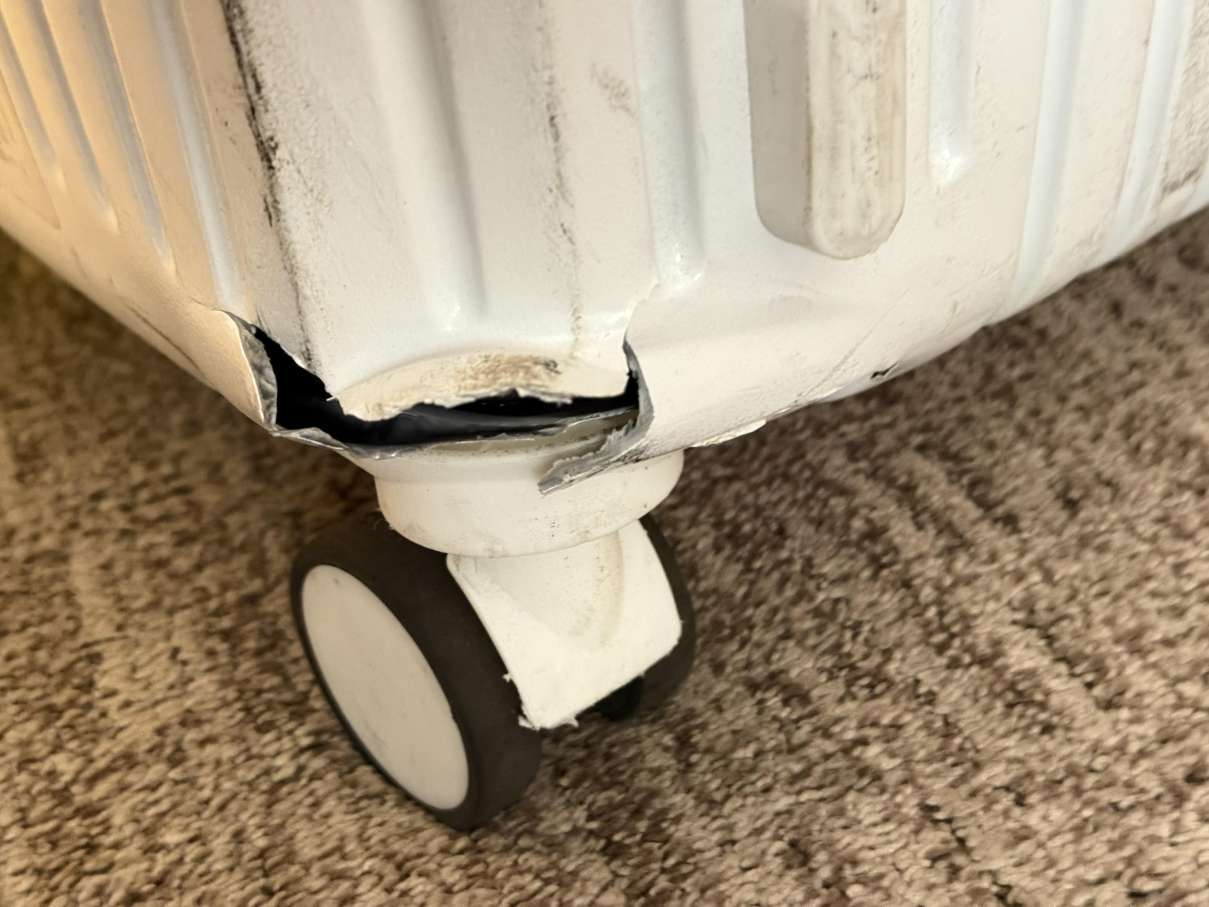
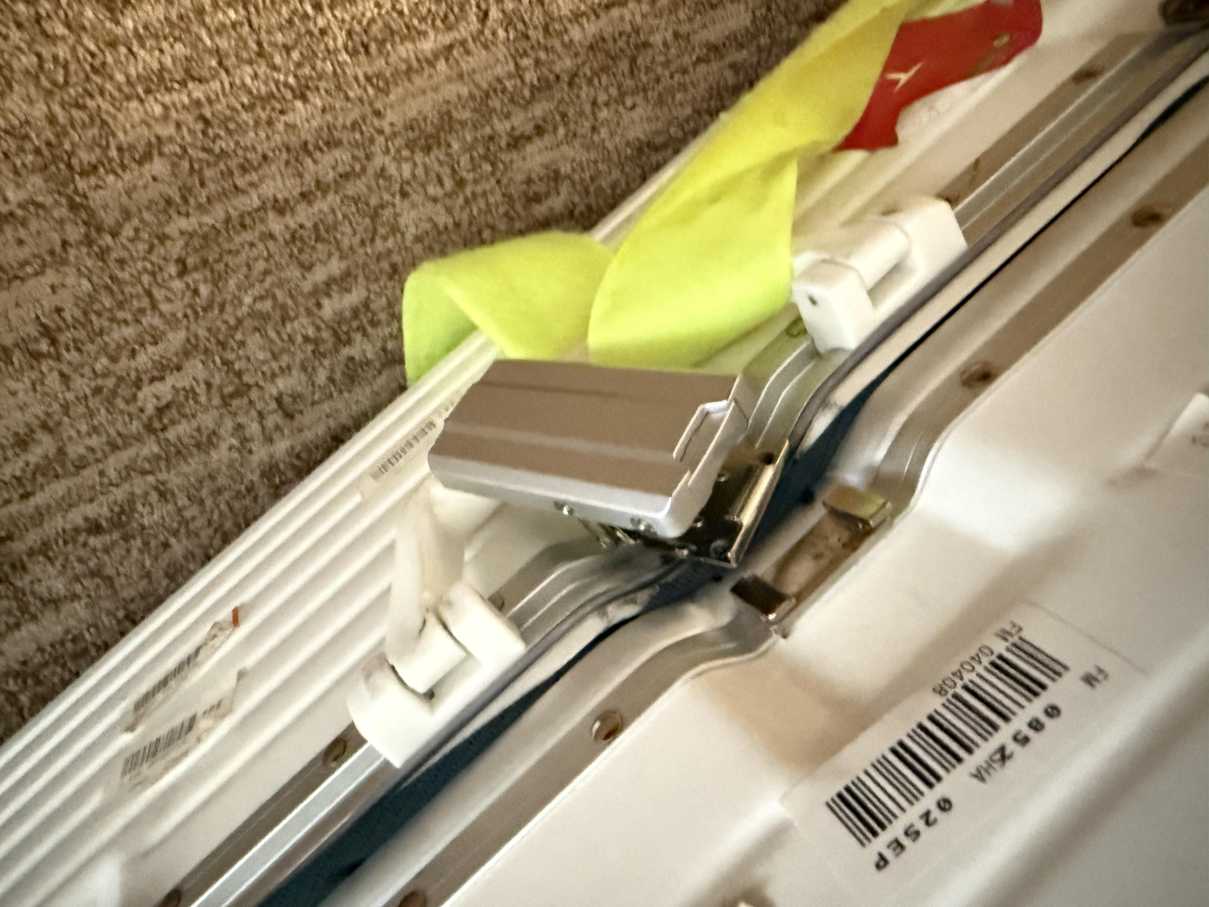
Preventing luggage damage starts with proactive preparation. Here are some ways to minimize risk:
- Choose durable luggage: Opt for hard-shell suitcases with impact-resistant materials (e.g., polycarbonate) over soft-shell ones for structural protection. Wheels and telescopic handles should be reinforced—look for brands with robust hardware.
- Use protective accessories: A thick luggage cover shields against scratches and minor impacts. Add a luggage strap to reinforce zippers and prevent accidental opening during handling.
- Pack strategically: Avoid overpacking, as excess pressure can weaken the suitcase structure. Use packing cubes to distribute weight evenly, and keep fragile items in carry-on bags.
- Label clearly: Attach a luggage tag with your contact info both inside and outside the suitcase. This helps airlines locate your bag quickly and reduces rough handling due to misidentification.
How Do I Claim for Damaged Baggage?
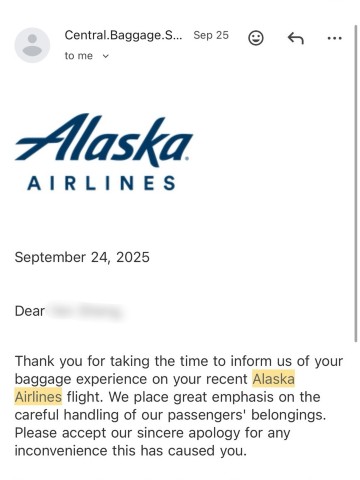
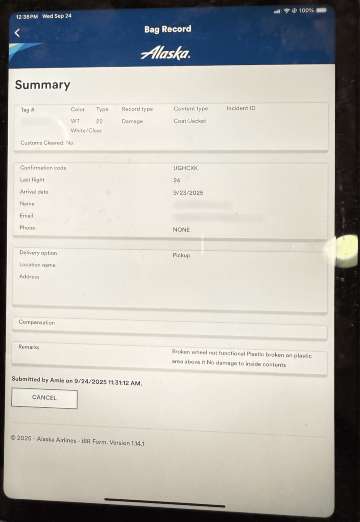
My Alaska Airlines experience taught me that timing and documentation are critical for successful claims. Follow these steps:
- Document the damage immediately: As soon as I noticed my cracked suitcase, I took photos of the entire bag, close-ups of the damage (cracked corner, misaligned latch), and the luggage tag. This evidence proves the damage occurred during transit, not after leaving the airport.
- Report at the airport: Do not leave the airport before reporting damage to the airline’s baggage service counter. Most carriers reject claims filed post-departure. I explained the issue to the agent, who requested my email and sent an official Luggage Damage Report for completion.
- Complete required paperwork: Fill out the report with personal details, luggage description, and damage specifics. Attach photos and any relevant receipts (e.g., luggage purchase receipt) to support your claim.
- Await the airline’s decision: Airlines typically respond within 7–14 days. I received a new suitcase as my damage was irreparable; others may get cash compensation or repair services.
Travel Insurance for Luggage Damage
Many travelers assume travel insurance covers luggage damage, but this is often not the case. Most policies focus on lost or delayed luggage, not damage to the suitcase itself. From my research and experience:
- Check your policy details: A small number of comprehensive travel insurance plans include luggage damage coverage, but limits are often low (e.g., $500–$1,000) and may exclude normal wear and tear.
- Prioritize airline claims first: Always resolve the claim with the airline first. Once you receive their decision, submit the documentation (damage report, photos, airline response) to your insurance provider to check for supplementary coverage.
- Keep all records: Retain every document related to the damage—photos, receipts, airline correspondence—to support insurance claims if applicable.
Luggage Damage by Airlines - Compensation Policies
Credit: Unsplash, Global Residence Index
Airlines have varying policies for luggage damage, with most covering accidental damage during handling. Below are key details for popular global carriers:
- Delta Air Lines: Covers structural damage (cracks, broken wheels/handles) but excludes minor scratches, scuffs, or wear. Passengers must report damage at the airport before leaving. Compensation includes repair, replacement, or a cash settlement based on luggage value and age. Delta may provide a temporary replacement suitcase for severe damage.
- United Airlines: Responsible for accidental damage to checked luggage. Reports must be filed within 24 hours of domestic flights and 7 days of international flights. Compensation is capped at $4,700 per passenger for domestic travel (updated US DOT limit effective January 22, 2025) and follows Montreal Convention limits (1,519 SDR, approximately US$2,000–$2,175 based on prevailing exchange rates, effective December 28, 2024) for international trips. United offers repair services, replacements, or cash based on damage severity.
- Emirates: Covers damage caused by airline handling, excluding normal wear. Immediate reporting at the destination airport baggage counter is highly recommended; official policy allows submissions within 7 days of receiving your bag. Emirates provides free repair, replacement (for irreparable damage), or cash compensation. For international flights, compensation adheres to Montreal Convention limits.
- British Airways: Requires damage reports within 7 days of receiving your bag, for both domestic and international routes. Covers structural damage but not cosmetic flaws. Compensation includes repair, replacement with a similar suitcase, or cash based on depreciation. International claims are subject to Montreal Convention liability limits (1,519 SDR, calculated based on prevailing exchange rates).
- Cathay Pacific (Asia): Handles damage claims at airport baggage service counters. Covers irreparable damage with replacement or cash compensation, subject to depreciation. International compensation follows Montreal Convention limits, while domestic claims are assessed case-by-case.
Important Note: All airline baggage damage policies, liability limits and reporting deadlines are set independently by carriers and are subject to change at any time. The content is for general reference only. Please always verify the latest official terms directly with your operating airline before filing a claim.
See all attractions
 2174 booked






How Much does Luggage Repair Cost?
How Much does Luggage Repair Cost
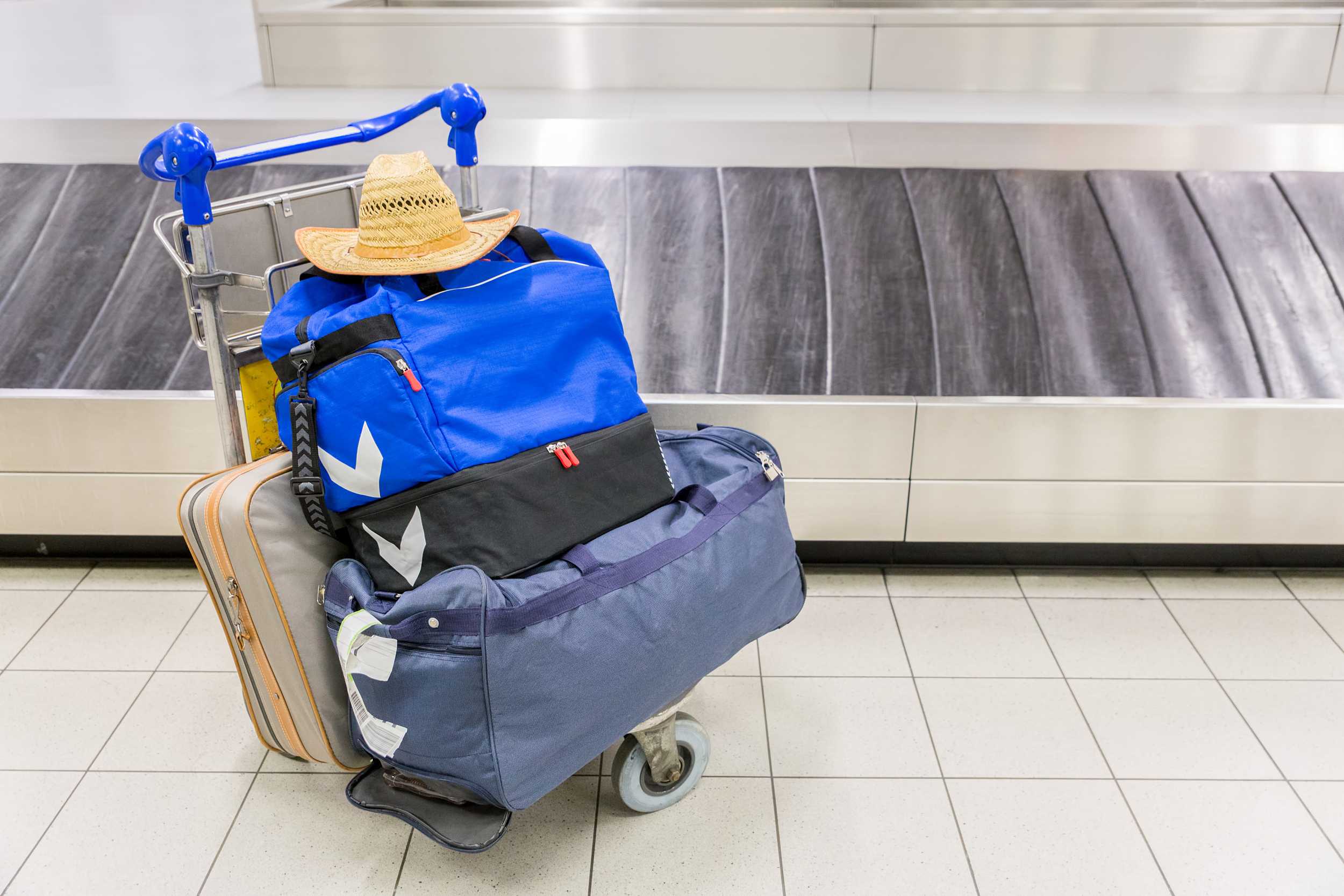
Repair cost ranges below are for general reference only; actual prices vary by region, repair shop and luggage brand.
Repair costs vary widely based on the damage, luggage brand, and whether you use DIY replacement parts or professional repair service. Based on my inquiries:
- Wheel replacement: $20–$80 per wheel for replacement parts; full set replacement parts cost $50–$150, depending on brand and hardware quality. Professional installation will incur additional labor fees.
- Handle repairs: $30–$100 for basic parts and simple fixes, with premium brands or custom parts exceeding $100.
- Structural damage: $40–$120 for minor repairs. If the damage impairs core functionality, most repair shops recommend replacing the suitcase instead.
[Discount] Global Hotel Recommendations
Find Best Global Hotels
See All Hotels







FAQs about Luggage Damage
-
Can you get compensation for damaged luggage?
-
How much can I get for damaged baggage?
-
How do I claim for damaged baggage?
-
Is minor scratches covered by airlines?
-
Does travel insurance always cover luggage damage?
Disclaimer: This article has been provided by an individual contributor or third party platform. If there is any discrepancy regarding the copyright, please contact us directly and we will delete the content immediately.
Popular Searches
-
Air Travel Guide
-
Latest Flight Deals
-
Popular Flight & Hotel Packages
-
Getting Around
-
eSIM/SIM card
- Medellin Vacation Packages
- Hong Kong Vacation Packages
- Tokyo Flight and Hotel
- Koh Samui Flight and Hotel
- Hong Kong Flight and Hotel
- Labuan Bajo Vacation Packages
- Dubai Flight and Hotel
- Puerto Princesa Flight and Hotel
- New York Vacation Packages
- Chengdu Vacation Packages
- Key West Vacation Packages
- Aqaba Vacation Packages
- Hague Vacation Packages
- Grand Turk Vacation Packages
- Kathmandu Vacation Packages
- Haneda Airport Limousine Bus
- Narita Airport Limousine Bus
- Shenzhen Airport
- KL MRT Map
- Xi’an Airport
- Kobe Airport
- Shanghai Airport Transfers
- Eurail Pass Discount
- Hong Kong to Macau
- Wenzhou Metro
- Singapore Airport to City
- Beijing Metro
- Don Mueang Airport to Bangkok
- Suzhou Metro Map
- Narita Airport to Shinjuku
- Macau to Hong Kong
- Hong Kong to Zhuhai