 NO.1






















Car Rentals
Car Rental Promo Code - 8% Off
New User Enjoy up to 8% Off
TRIPCAR8


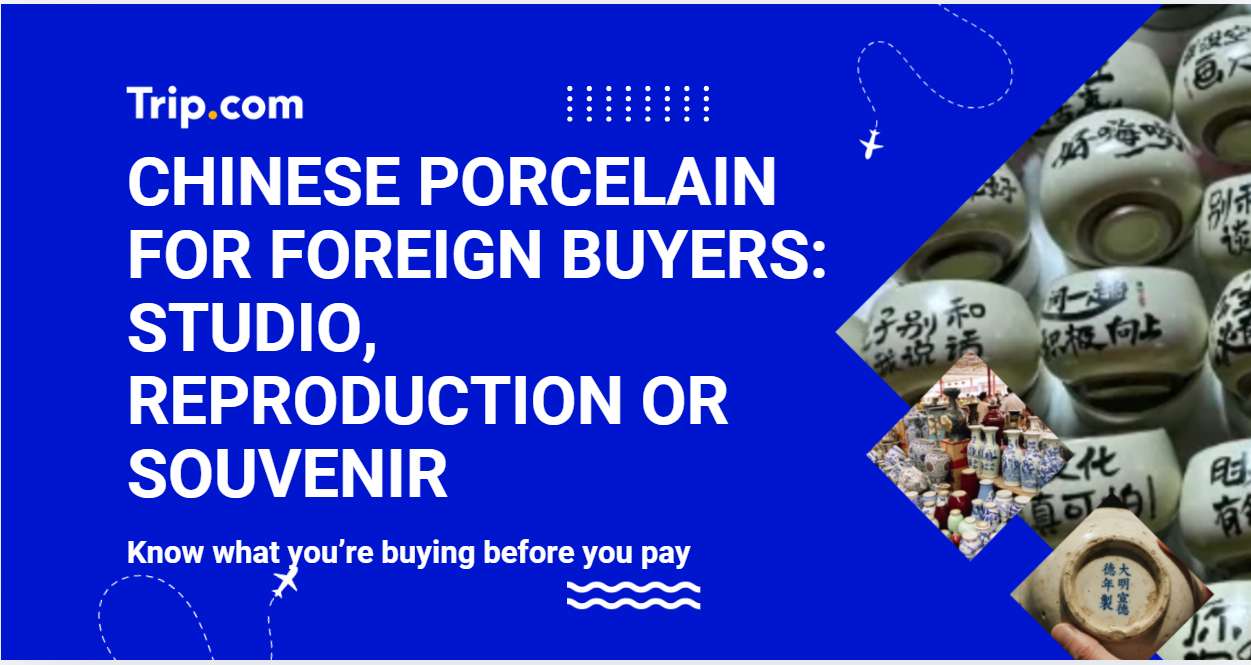
The safest bet is to buy Chinese porcelain from a maker or a gallery with a fixed address, and skip the "antique" stalls. What you're paying for is skill and hours at the wheel. A truly old piece usually can't leave China legally anyway.
You've seen the blue-and-white bowls in every hotel lobby, and now you want one that's actually good. The trouble is that a Jingdezhen studio cup, a factory "Ming" vase and a ¥20 magnet can share the same shelf.
Before you fall for anything fragile, decide how it's getting home. A teacup survives a carry-on; a large vase needs a plan, a box and probably a courier.
China porcelain shopping requires selecting studio pieces or reproductions priced from ¥50 to ¥300. Verify provenance for all items and secure written receipts for customs.
Most porcelain sold to visitors falls into three groups: studio pieces made by a named potter, reproductions in old imperial styles, and mass-made souvenirs. Each is fine to buy. Problems start when one is sold as another.
Studio ceramics | Reproduction (antique style) | Tourist souvenir | |
How it's made | Thrown or hand-built, often hand-painted, fired in small batches by a known maker | Molded or thrown in workshops, decorated by hand or transfer, sometimes "aged" with stains | Molded and machine-decorated in volume |
Price band | Mid to high; set by the maker's name and the hours in the piece | Low to mid; a decorative piece at Panjiayuan is listed at ¥50 to ¥300 (per Trip.com) | Low; small souvenirs from ¥10 to ¥50 at the same market |
Where to buy | Jingdezhen studios and markets, design galleries in Shanghai and Beijing | Antique markets, culture streets, Jingdezhen's antique-style traders | Tourist streets, airport shops, museum gift shops (as replicas) |
Risks | Overpaying for a name you can't check | Being told it's old, or paying "antique" prices | Low quality; decorative glazes may not be food-safe |
Sources: Trip.com's Beijing antique market guide. Prices are bands, not quotes. All prices in this guide are in Chinese yuan (¥), the way sellers quote them.
Reproductions aren't the enemy. Plenty are skilled work, and a well-made copy of a Qing-style vase can look lovely on a shelf. Pay for the craft, and treat the “age” as a style.
Studio work is easier to recognize than you’d expect. The maker is often sitting right at the table, shapes are slightly uneven, and you’ll rarely find two pieces exactly alike. Lots of young potters are glad to tell you which kiln they fire in.
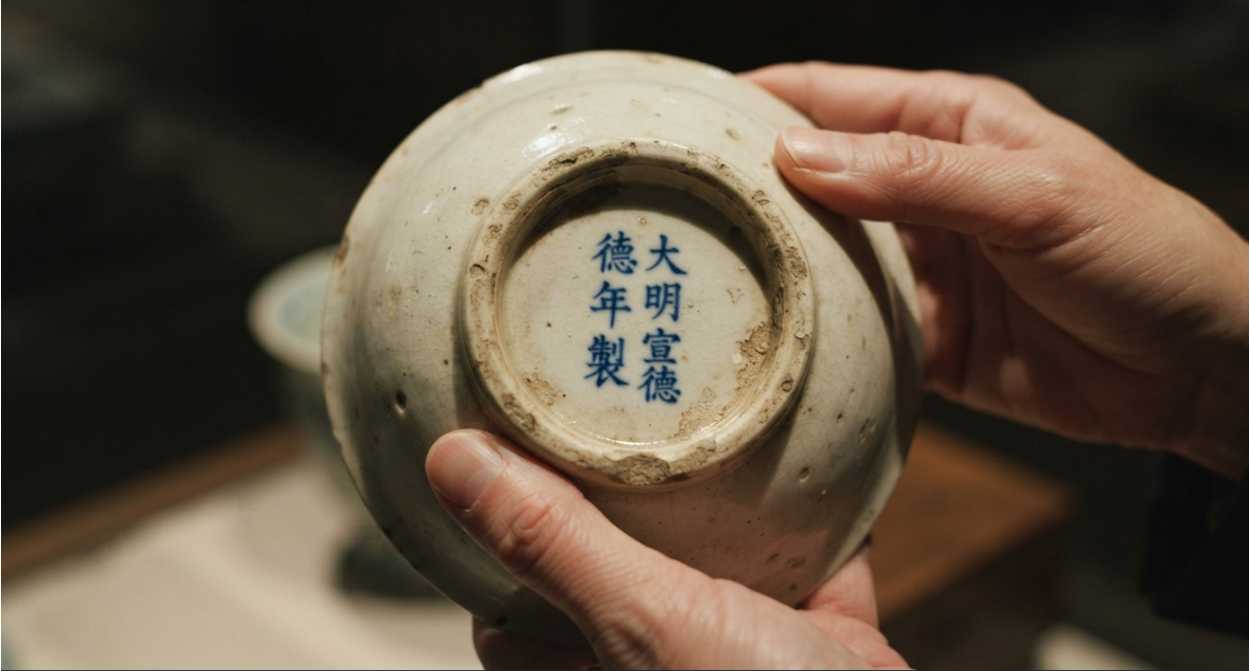
None of these checks proves age or origin. What they show is whether the piece is well made, and that’s the part you can actually judge.




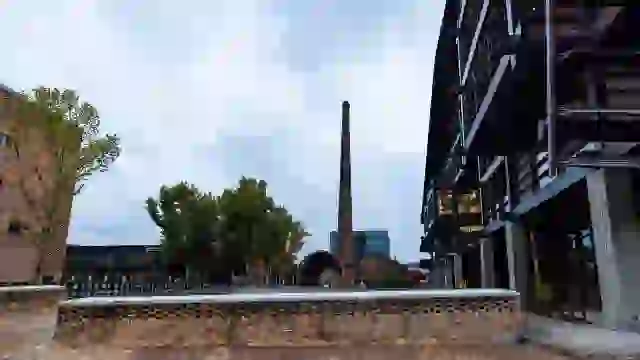

Jingdezhen gives you the most choice, with the most makers selling their own work. In Beijing, Panjiayuan is the place for antique-style browsing, while Shanghai is better for design galleries and museum shops. Yiwu only makes sense if you’re buying in bulk.
City | Where to look | What it's good for | When it's open |
Jingdezhen | Letian (Pottery Workshop) Creative Market, now held at Shuangfengqiao in Xianghu town, about 11 km from the Sculpture Porcelain Factory | Young makers selling their own studio work | Saturdays 9:00 a.m. to noon; Qunar and Ctrip list entry at ¥30 booked early and ¥50 at the gate. Entry prices change, so check the market's mini-program before you go |
Jingdezhen | Taoxichuan creative district and evening market | Design-led pieces, glass, studio shops | District open daily; market evenings Friday to Sunday from late afternoon to about 10:00 p.m. Times shift by season, so check on the day |
Jingdezhen | Sanbao village studios | Tea ware direct from workshops | Studio hours vary; message ahead |
Beijing | Panjiayuan Antique Market, near Line 10 Panjiayuan station | Reproductions, decorative pieces, browsing | Daily; weekend mornings bring the most stalls (per Trip.com) |
Beijing | Liulichang culture street | Calligraphy shops with some ceramics, quieter | Shop hours |
Shanghai | Museum shops and independent design galleries | Modern ceramics and licensed replicas | Gallery hours; check before you go |
Yiwu | International Trade City | Wholesale tableware and gift sets | About 9:00 a.m. to 5:00 p.m. (Sellers Union China and Top Trade Sourcing guides). One says most booths close on Sundays; the other lists daily hours but advises against Sunday sourcing. Go on a weekday |
If Jingdezhen ceramics are the reason for your trip, plan on more than a day. Trip.com's Jingdezhen guide suggests two to three days in the city. That's about right if you want one market morning, one evening at Taoxichuan and a museum visit before you spend.
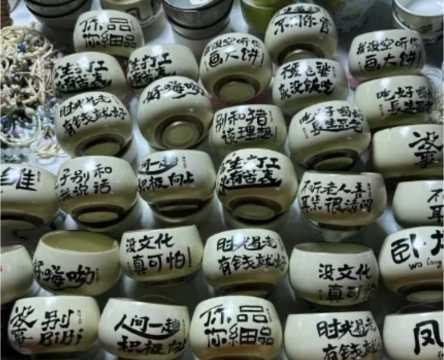
See the museums before you shop. An hour at the China Ceramics Museum or the Imperial Kiln Museum trains your eye for glaze and painting, and the shopping makes more sense afterward.
Time your trip around Saturday. The Letian market is morning only, and Taoxichuan is busiest from Friday to Sunday evenings. A China Daily video report also covered stalls at Taoyang New Village selling hand-painted bowls and homeware.
Leave time for the ride out to Letian. The market moved out of the crowded Sculpture Porcelain Factory to a former factory site at Shuangfengqiao, and Letian has run a shuttle bus between the two, a profile republished on Tencent News reported. Letian's café and art shop are still at the Sculpture Porcelain Factory.
Taoxichuan's Spring and Autumn Grand Market runs twice a year. In 2026, it ran from April 16 to 19 and October 16 to 19, so the next one falls in 2027.
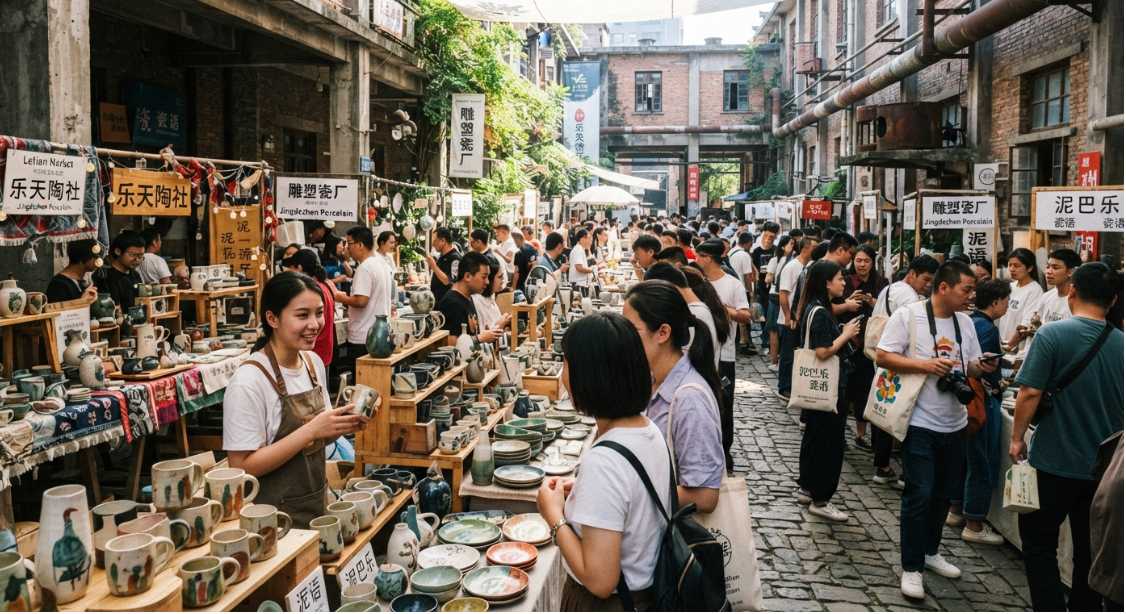
Panjiayuan is a short walk from Line 10. Trip.com's guide notes that many pieces copy Ming and Qing styles, with marks on the base and aged finishes. Weekend mornings bring the most temporary stalls. Beijing's government site announced a Saturday night market, running since April 2025.
Liulichang is quieter and better for brushes, paper and painting, though you’ll pass a few ceramics shops on the way.
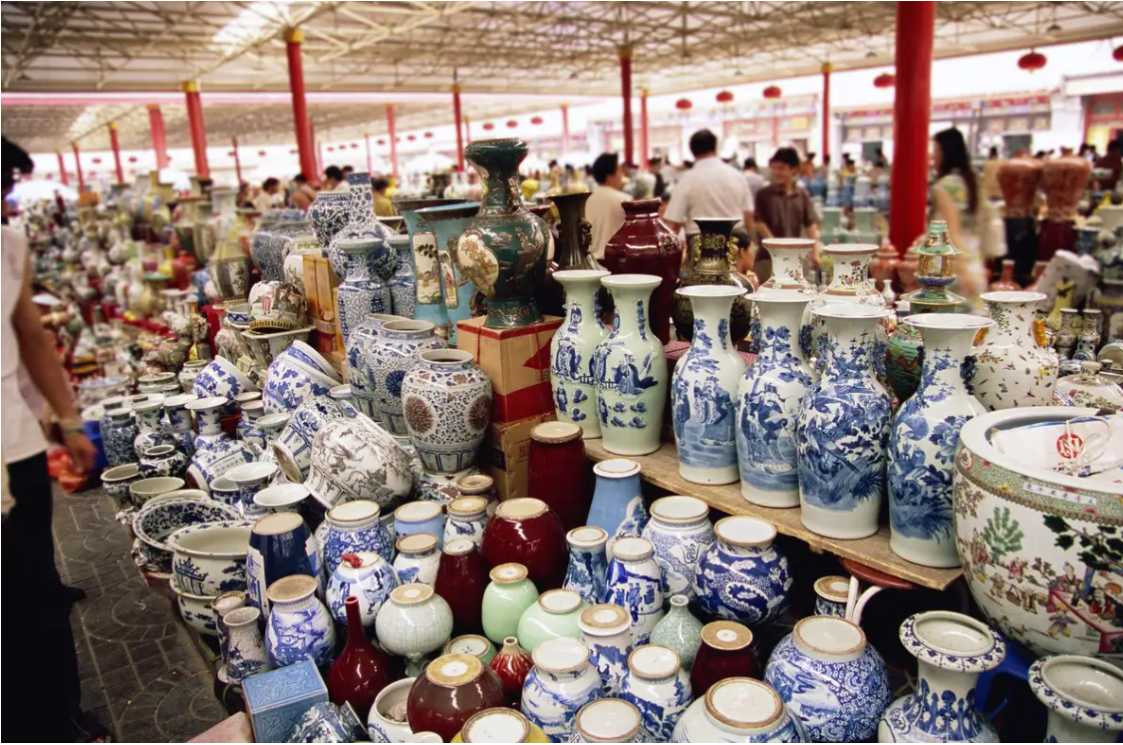
There's no one porcelain market in Shanghai. Dongtai Road's antique stalls still turn up in older guides, but Shanghai Daily reported that the market was demolished in 2015. Don't build a morning around it.
Head to independent ceramics galleries and the Shanghai Museum’s shops instead; the museum sells licensed replicas. A few department stores carry Jingdezhen-made tableware too.
In Yiwu, everything moves by volume. Many booths price by the carton, so ask whether they'll sell a single set before you start picking.
Fair prices follow the work, not the story behind it. Hand-thrown, hand-painted pieces cost more than molded, printed ones, and a named maker adds more on top. Without paperwork, an age claim shouldn’t raise the price at all.
Start with the category, then adjust for the piece in your hands:
What you're buying | Price logic |
Small souvenir or magnet | Trip.com lists ¥10 to ¥50 at Panjiayuan; anything more is tourist pricing |
Decorative reproduction | ¥50 to ¥300 is Trip.com's band for decorative porcelain at Panjiayuan |
Studio cup or bowl from a young maker | Roughly ¥100 to ¥300. The lower end is a simple glazed cup; the upper end buys hand-carved or hand-painted work. Handmade teapots at the Letian market run about ¥500 to ¥600 |
Signed or exhibited work | Priced by the maker's reputation; ask for the name and a written description |
Anything called an antique | Price it as decoration unless it comes with export paperwork |
Sources: Trip.com Beijing antique market guide; Trip.com's Jingdezhen destination listings; a Stanford Social Innovation Review China profile of the Letian market, republished on Tencent News. Rates change, so treat these as bands.
The closer you buy to the person who made it, the less you’ll pay. In Jingdezhen, a studio cup often costs less than the same style in a big-city gallery, since there’s no rent or middleman to cover.
You’re probably paying too much if:
China's departure tax refund for overseas visitors works nationwide, at stores showing the "Tax Free" sign. Under the national rules set by the Ministry of Commerce and five other departments, you qualify once you spend ¥200 at one store on one day.
The refund is 11% of the invoice for most goods and 8% for some lower-VAT items. The refund agent's fee comes out of that, and Shanghai's local rules put it at 2%, so most shoppers net about 9%.
You need to take the goods out of China within 90 days. Ask for the refund form at the checkout counter; small studios usually aren't part of the scheme.
Carry anything that fits in your cabin bag. Ship large pieces with a courier, insured and packed by someone who does it every day. Checked luggage is the worst choice for porcelain.
The airlines are clear about this. China Southern's baggage FAQ says fragile items packed in checked bags won't be compensated under any conditions. Air China says it treats them as ordinary baggage.
Carry-on | Checked bag | Courier or post | |
Best for | Cups, small bowls, tea sets | Not recommended | Vases, large plates, multiple sets |
Packing | Bubble wrap, then clothes around it, in a hard case if you have one | Double-boxed if you must | Double box with foam; ask the shop or courier to pack |
Damage cover | You're holding it | Airlines exclude fragile items; China Southern lets you declare a higher value, up to ¥8,000 | Buy the courier's insurance and keep your receipt |
Cost shape | Free, within your cabin allowance | Excess-weight fees if you go over | Priced by weight and box size; get a quote before buying |
Customs | Declared as you arrive home | Declared as you arrive home | Treated as an import; duty may apply |
Sources: China Southern Airlines baggage FAQ; Air China's baggage pages on its booking site.
Get the shop to do the packing. Most Jingdezhen sellers have bubble wrap and foam ready, and some will box a piece for travel on request. Stuff each cup with rolled socks, wrap lids on their own, and put the heaviest piece at the bottom.
Before you shop, check how much you can carry on. Carry-on weight limits on Chinese airlines are often lower than travelers expect, and a tea set adds up fast. If a ceramic flask is still full, security treats it as a liquid.
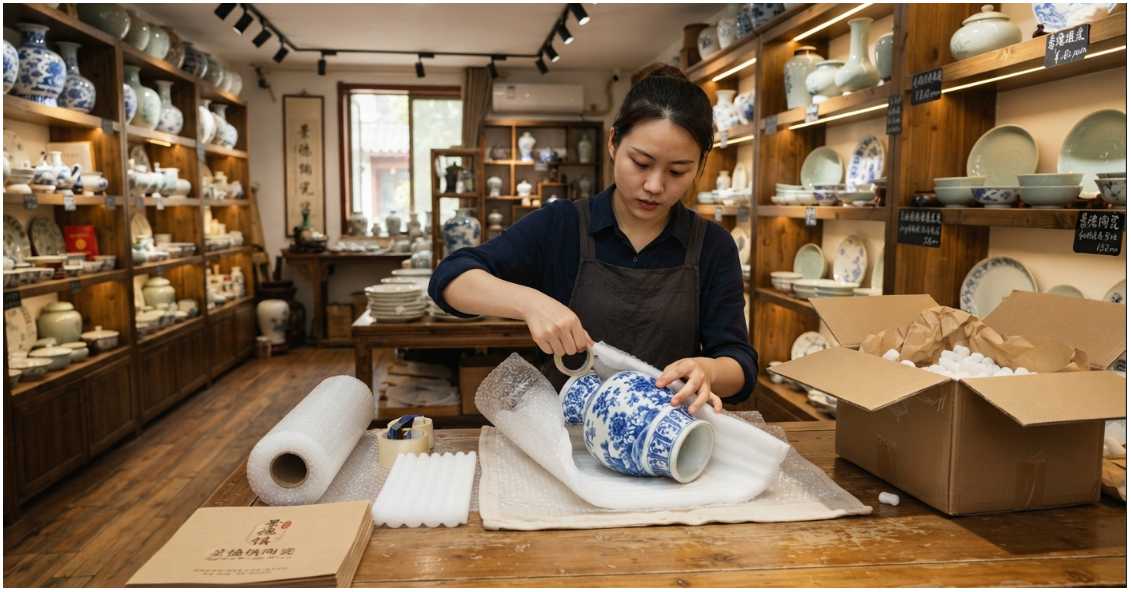
Flying out of a big city? There’s a middle option. Ask whether the shop can send your purchase by domestic courier to your last hotel in Shanghai or Beijing.
Then you’re not hauling a box through train stations all week. Check that the hotel will accept and hold a parcel, and get the tracking number before you leave the shop.
Before sealing the box, take photos of the piece and how it’s packed. If it arrives damaged, keep all the packaging and report it right away. Air China allows seven days from when you receive checked baggage to file a claim.
Modern porcelain is fine to take home; antiques aren't. China's 2007 export review standards require official review for items made before 1949. Anything made before 1911 can't leave the country at all.
Approved pieces get an export mark and a permit from the review office. Customs can seize undeclared relics, so an old piece with no papers is a loss waiting to happen.
Arriving in | Duty-free allowance for goods you carry | Watch out for | Source |
United States | US$800 per returning resident, once every 30 days | Since August 29, 2025, mailed or couriered parcels no longer get the old duty-free low-value exemption | CBP |
United Kingdom | £390 per person arriving by air | One item over the limit is taxed on its full value | GOV.UK |
European Union | €430 per traveler arriving by air | Allowances are per person, not per family | EU traveler rules |
Rates and rules change. Check your own customs site before you buy something expensive, and keep the receipt for the declaration. Allowances are shown in each country's own currency, since that is how customs sets them.
Most of these come from trusting a story or assuming a service exists. Ask before you pay, and get it in writing.
Mistake | Why it happens | Recovery |
Buying an "antique" without provenance | The seller's story sounds convincing | Buy it as decoration, not as an investment |
Assuming the shop ships overseas | Shops pack for travel, so shipping sounds likely | Ask before paying, and get a written quote |
Packing only in hand luggage | It worked for one cup | Check your airline's cabin weight limit before you shop |
Paying cash with no receipt | Stalls rarely offer one | Ask for an invoice; you'll need it at customs |
Following a taxi driver's recommended shop | Drivers can earn commission | Go to the market or gallery on your own list |
Using a decorative piece for food | A bowl looks like a bowl | Ask if it's tableware; some decorative glazes aren't made for food |
The taxi-shop trap is the hardest to spot, because the shop looks smart and the staff are polite. Prices there carry someone's commission, so compare with a market before you buy.