
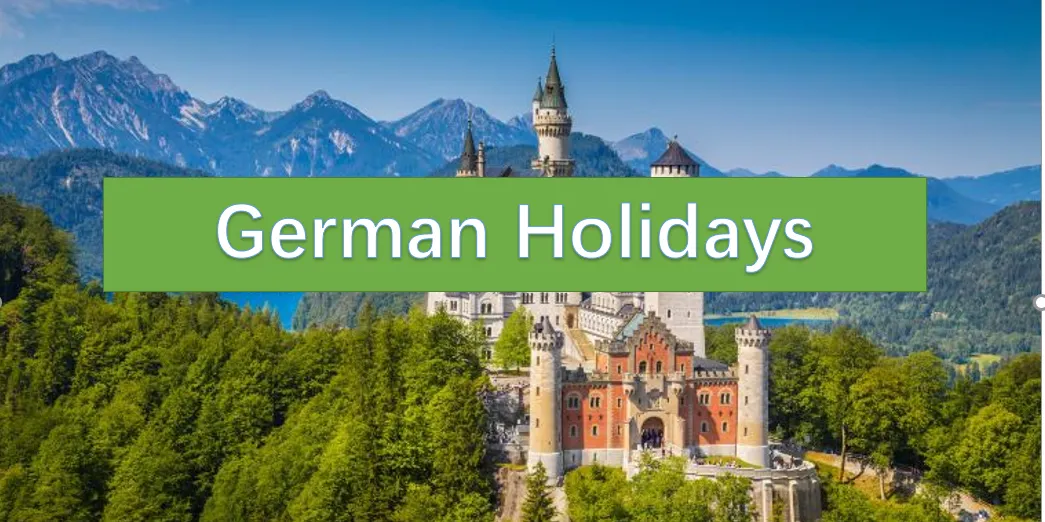
German holidays reflect a rich tapestry of cultural traditions and historical significance, ranging from national observances to regional celebrations. Each holiday is not only a time for relaxation and festivity but also an opportunity for families to gather, pass down customs, and enjoy traditional foods. By exploring Germany's holidays, we gain deeper insights into the country’s cultural identity and the way of life of its people. Whether it's the joy of New Year’s celebrations or the warmth of Christmas traditions, German holidays are filled with meaningful emotions and shared memories.
German Holiday Calendar 2026
The German Holiday Calendar for 2026 features a rich mix of national and regional celebrations that reflect the country’s cultural heritage. Key observances — such as New Year’s Day, Easter, and German Unity Day — highlight Germany’s deep historical and religious traditions. The year concludes with festive Christmas celebrations, making the 2026 calendar a harmonious blend of tradition, culture, and community spirit across the country.

New Year’s Day (Neujahrstag)
- Date: January 1
- Significance: Marks the beginning of the new year.
- Traditions: Fireworks, parties, and “Bleigießen” (lead pouring) to predict the future.
Overview
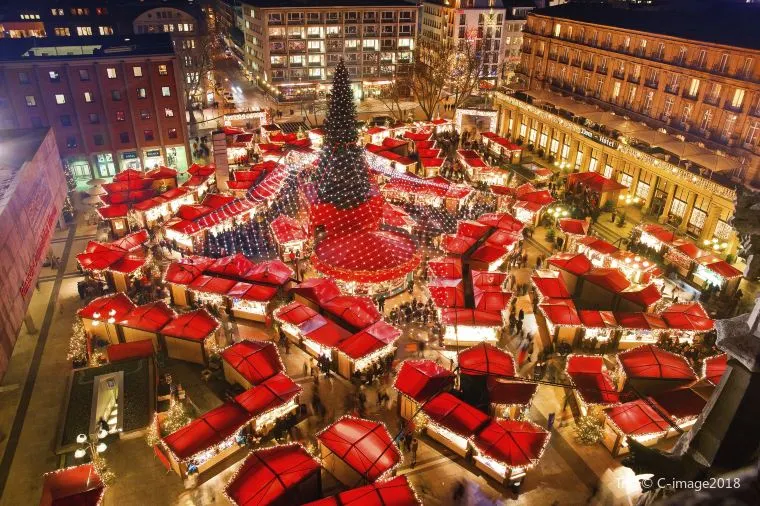
New Year’s Day, or Neujahrstag, is celebrated on January 1st and marks the beginning of the new year. It’s a time for reflection and resolutions, as well as a chance to celebrate with friends and family. In Germany, the festivities typically begin on New Year's Eve (Silvester) and continue into the early hours of January 1st.
How Germans Celebrate
- Fireworks: As midnight approaches, cities across Germany light up with spectacular fireworks displays. Many people gather in public squares to watch the colorful shows.
- Parties and Gatherings: Friends and families often host or attend parties, enjoying food, drinks, and each other’s company. Traditional snacks include “Sekt” (sparkling wine) and various festive dishes.
- “Dinner for One”: A quirky tradition is watching the British comedy sketch “Dinner for One,” which has become a New Year’s Eve staple on German television.
- Resolutions: Many Germans take this opportunity to reflect on the past year and set goals for the year ahead, a practice known as making New Year’s resolutions.
- Brunch on New Year's Day: The celebration often continues with a leisurely brunch on January 1st, where families come together to enjoy hearty meals.
Experience New Year’s in Germany
If you’re looking to experience the vibrant New Year’s celebrations in Germany, trip.com offers a variety of travel packages, including accommodations, local events, and guided tours. Explore the festive atmosphere in major cities like Berlin, Munich, or Hamburg, and join the countdown with locals.
Book your unforgettable New Year’s experience today on trip.com and immerse yourself in the magic of Germany’s celebrations!
Good Friday (Karfreitag)
- Date: Friday before Easter Sunday
- Significance: Commemorates the crucifixion of Jesus Christ.
- Traditions: A solemn day, many people attend church services; businesses often close.
Overview
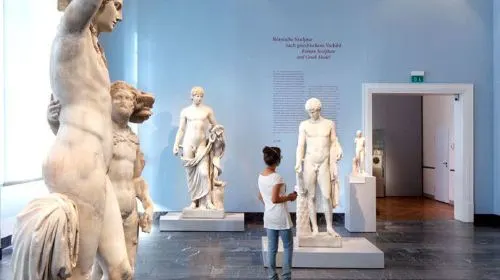
Good Friday (Karfreitag) is observed on the Friday before Easter Sunday and is a significant Christian holiday that commemorates the crucifixion of Jesus Christ. In Germany, it is a public holiday, reflecting the country’s strong Christian heritage.
How Germans Celebrate
- Solemn Observances: Good Friday is marked by a sense of reverence. Many people attend church services, which may include special readings, hymns, and communion.
- Restrictions on Activities: Due to its solemn nature, many businesses, including shops and restaurants, remain closed, creating a quiet atmosphere across the country.
- Reflection and Prayer: Families often spend the day in contemplation, prayer, and meditation, reflecting on the significance of the day.
- Cultural Events: In some regions, processions and passion plays are performed, depicting the events leading up to the crucifixion.
- Tradition of Fish Dishes: Many families observe the tradition of eating fish instead of meat on Good Friday, often preparing special meals that include various seafood dishes.
Experience Good Friday in Germany
To fully appreciate the significance of Good Friday in Germany, consider visiting during this time. trip.com offers tailored travel options that include accommodations, local church services, and cultural experiences.
Explore the depth of German traditions this Good Friday. Book your journey with trip.com and immerse yourself in the spiritual and cultural heritage of Germany!
Easter Sunday (Ostersonntag)
- Date: First Sunday after the first full moon in spring
- Significance: Celebrates the resurrection of Jesus.
- Traditions: Easter egg hunts, festive meals, and church services.
Overview
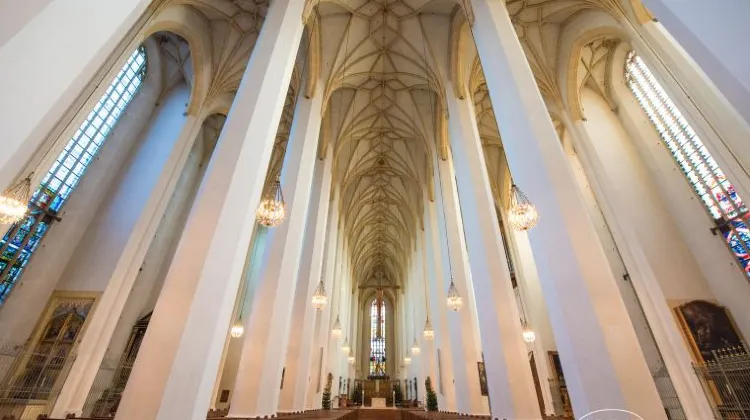
Easter Sunday (Ostersonntag) is one of the most important Christian holidays, celebrating the resurrection of Jesus Christ. In Germany, it is a day filled with joy, family gatherings, and various traditions that reflect the spirit of renewal and hope.
How Germans Celebrate
- Church Services: Many people attend Easter Sunday church services, where the resurrection is celebrated with special hymns, prayers, and festive decorations.
- Easter Eggs: A beloved tradition is the decoration and hunting of Easter eggs. Families often dye eggs in vibrant colors, and children participate in egg hunts, searching for hidden eggs in gardens and homes.
- Festive Meals: Easter Sunday is often celebrated with a special family meal. Traditional dishes might include lamb, which symbolizes Christ, along with seasonal vegetables and Easter breads.
- Spring Celebrations: Many towns and villages host spring fairs, featuring local crafts, foods, and entertainment, celebrating the arrival of spring.
- Easter Markets: In the days leading up to Easter, festive markets offer decorative items, handmade crafts, and seasonal treats, providing a lively atmosphere.
Experience Easter Sunday in Germany
To experience the joy and beauty of Easter Sunday in Germany, consider visiting during this festive time. trip.com offers a variety of travel packages that include accommodations, local events, and unique cultural experiences.
Join the celebration of life and renewal this Easter. Book your unforgettable experience with trip.com and immerse yourself in the festive spirit of Germany!
Labour Day (Tag der Arbeit)
- Date: May 1
- Significance: Celebrates workers and their rights.
- Traditions: Parades, demonstrations, and public festivities.
Overview
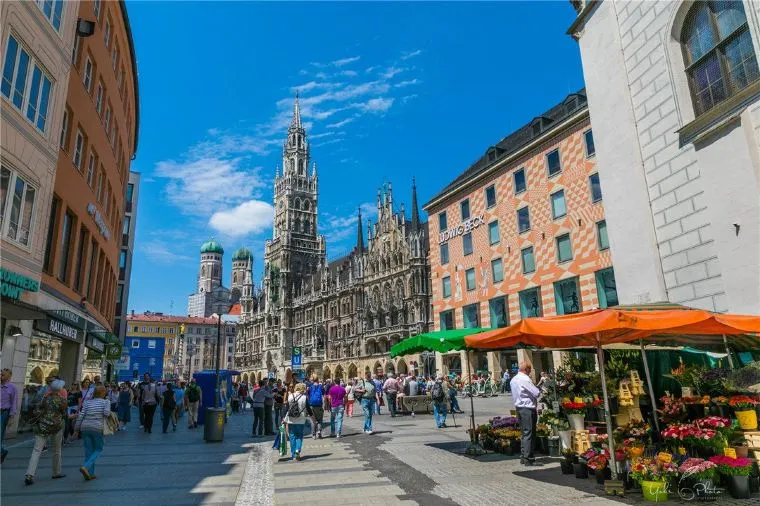
Labour Day (Tag der Arbeit), celebrated on May 1st, is a public holiday in Germany that honors workers and their contributions. It is a day to advocate for workers' rights and is rooted in the labor movement, making it significant for both social and political reasons.
How Germans Celebrate
- Parades and Demonstrations: Large gatherings and parades are common in major cities, where trade unions and worker organizations march to promote labor rights and social justice. These events often feature speeches and music.
- Festivals and Fairs: Many towns host local festivals, complete with food stalls, entertainment, and activities for families. It’s a time for communities to come together and celebrate.
- Family Gatherings: Families often take advantage of the day off to enjoy picnics or barbecues, embracing the arrival of spring.
- Cultural Events: In some regions, there are traditional events such as maypole dancing, celebrating both spring and community spirit.
- Public Celebrations: Concerts and public events are held, allowing people to relax and enjoy live music and performances.
Experience Labour Day in Germany
To witness the vibrant celebrations of Labour Day in Germany, consider planning a visit during this time. trip.com offers various travel packages that include accommodations, local events, and cultural experiences.
Join the festivities and honor the spirit of the labor movement this Labour Day. Book your trip with trip.com and experience the lively atmosphere of Germany!
Ascension Day (Christi Himmelfahrt)
- Date: 40 days after Easter
- Significance: Celebrates the ascension of Jesus into heaven.
- Traditions: Often a public holiday; many enjoy outdoor activities and family gatherings.
Overview
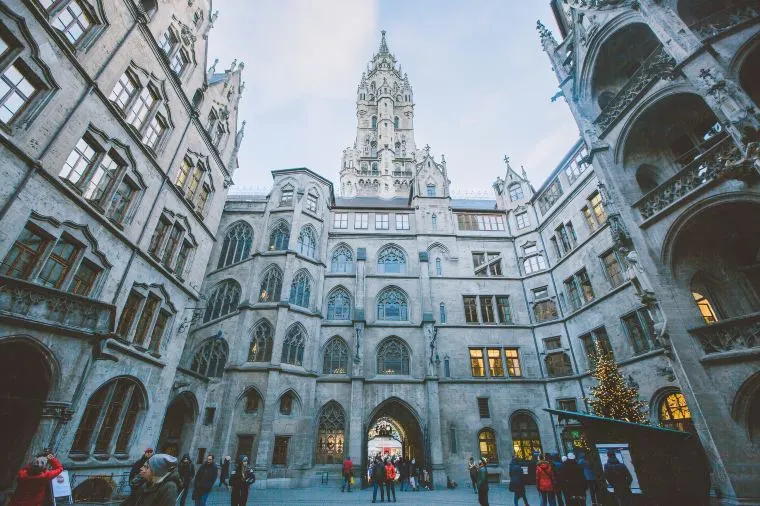
Ascension Day (Christi Himmelfahrt) is celebrated 40 days after Easter Sunday and commemorates the ascension of Jesus Christ into heaven. It is a public holiday in Germany, particularly observed in Protestant regions, and often coincides with the arrival of spring.
How Germans Celebrate
- Church Services: Many people attend special church services that reflect on the significance of Jesus' ascension. These services often include hymns and readings related to the event.
- Outdoor Activities: With Ascension Day falling in May, many Germans take advantage of the holiday to enjoy outdoor activities, such as hiking, biking, and picnics with family and friends.
- Men’s Day: In some areas, Ascension Day is also known as "Männertag" (Men's Day), where men often celebrate by going on excursions, enjoying beer, and spending time in nature.
- Festivals and Events: Local festivals and fairs may be held, offering food, music, and entertainment, creating a festive atmosphere across towns and cities.
- Traditional Meals: Families often gather for a special meal, enjoying seasonal dishes that reflect the arrival of spring.
Experience Ascension Day in Germany
To immerse yourself in the rich traditions of Ascension Day in Germany, consider visiting during this festive time. trip.com provides various travel packages that include accommodations, local events, and outdoor activities.
Celebrate the ascension and the beauty of spring. Book your trip with trip.com and experience the vibrant culture of Germany this Ascension Day!
Whit Monday (Pfingstmontag)
- Date: The day after Pentecost (50 days after Easter)
- Significance: Commemorates the Holy Spirit’s descent.
- Traditions: Many people take trips or enjoy local festivals.
Overview
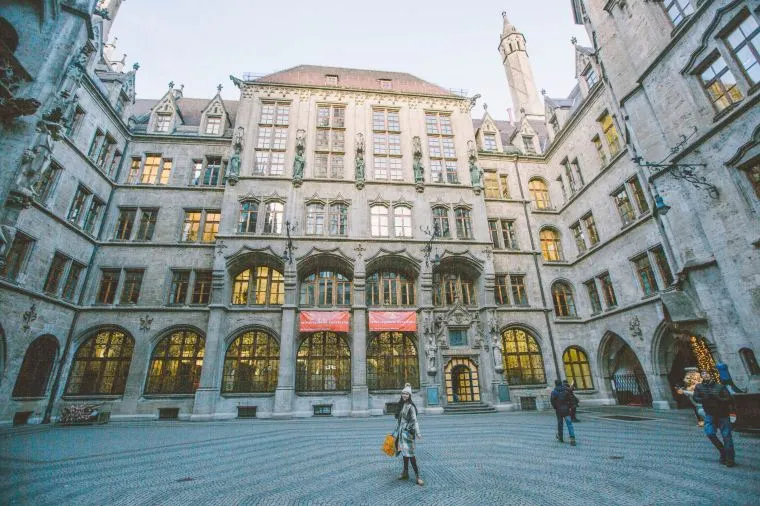
Whit Monday (Pfingstmontag) is observed the day after Pentecost, which falls 50 days after Easter. It commemorates the descent of the Holy Spirit upon the apostles and is a public holiday in many regions of Germany, particularly in the more traditionally Christian areas.
How Germans Celebrate
- Church Services: Many people attend church services that reflect on the significance of Pentecost and the Holy Spirit. Special liturgies and hymns are often part of the celebrations.
- Family Outings: Whit Monday is a popular day for family outings and excursions. Many people take advantage of the long weekend to go hiking, picnicking, or visiting local attractions.
- Festivals and Fairs: Some towns host local festivals that feature food, crafts, and entertainment, bringing communities together to celebrate the holiday.
- Cultural Events: Various cultural events, such as concerts and performances, may take place, offering opportunities for leisure and enjoyment.
- Sports Activities: In some regions, local sporting events and competitions are organized, promoting community spirit and friendly competition.
Experience Whit Monday in Germany
To fully appreciate the traditions of Whit Monday in Germany, consider visiting during this festive time. trip.com offers travel packages that include accommodations, local events, and outdoor activities.
Join in the celebration of community and spirit this Whit Monday. Book your experience with trip.com and explore the lively atmosphere of Germany!
Unity Day (Tag der Deutschen Einheit)
- Date: October 3
- Significance: Celebrates German reunification in 1990.
- Traditions: Festivities, concerts, and fireworks across the country.
Overview
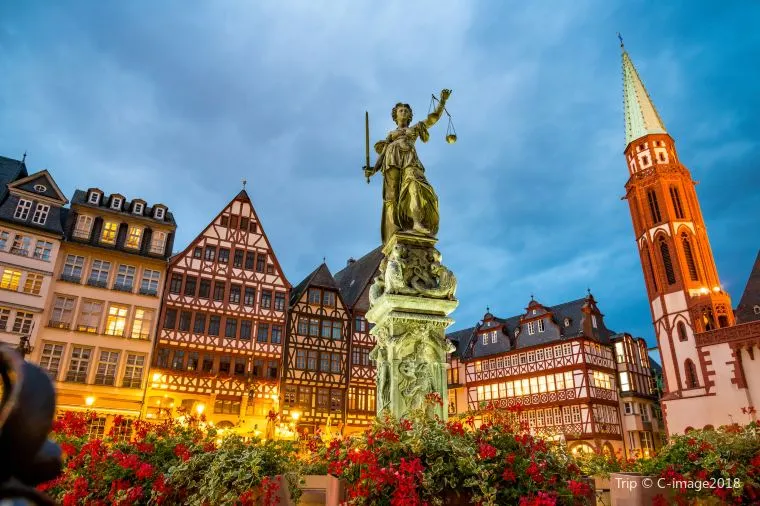
Unity Day (Tag der Deutschen Einheit) is celebrated on October 3rd and marks the reunification of Germany in 1990. This public holiday is significant as it symbolizes the end of division between East and West Germany and celebrates national unity and freedom.
How Germans Celebrate
- Official Ceremonies: Unity Day is marked by official ceremonies and events in various cities, including speeches by political leaders and cultural performances. The main celebration often takes place in the capital, Berlin.
- Local Festivals: Many towns and cities host local festivals featuring music, food stalls, and activities for families, fostering a sense of community.
- Cultural Events: Concerts, exhibitions, and theater performances are organized across the country, showcasing German culture and heritage.
- Parades: Some regions hold parades that celebrate the diverse traditions and cultures within Germany, highlighting unity in diversity.
- Fireworks: In the evening, fireworks displays illuminate the sky in many cities, creating a festive atmosphere to conclude the day’s celebrations.
Experience Unity Day in Germany
To immerse yourself in the celebration of Unity Day, consider visiting Germany during this important holiday. trip.com offers a variety of travel packages that include accommodations, local events, and cultural experiences.
Celebrate the spirit of unity and freedom this Unity Day. Book your journey with trip.com and experience the vibrant atmosphere of Germany!
Christmas (Weihnachten)
- Dates: December 24 (Christmas Eve) to December 26 (Christmas Day)
- Significance: Celebrates the birth of Jesus Christ.
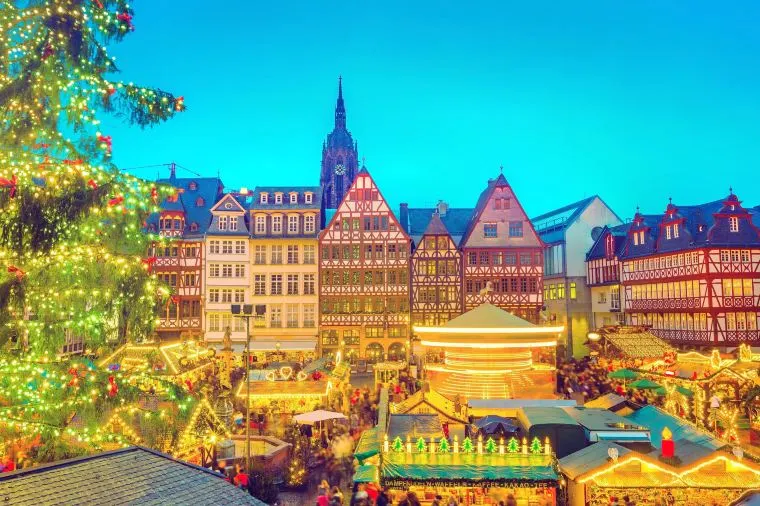
- Traditions: Advent calendars, Christmas markets, festive meals, and family gatherings. Many also celebrate with gifts on Christmas Eve.
Overview
Christmas (Weihnachten) is one of the most celebrated holidays in Germany, marked by rich traditions, festive decorations, and a strong sense of community. Celebrated on December 25th, the festivities often begin with Advent in late November, leading up to Christmas Eve (Heiligabend) on December 24th, when many families exchange gifts.
How Germans Celebrate
- Advent Season: The Christmas season begins with Advent, where many families light a candle on an Advent wreath each Sunday, count down the days with an Advent calendar, and prepare for the holiday.
- Christmas Markets: One of the highlights of the season is the traditional Christmas markets (Weihnachtsmärkte) held in towns and cities. These markets feature beautifully decorated stalls selling handmade crafts, ornaments, and seasonal treats like Glühwein (mulled wine) and Lebkuchen (gingerbread).
- Festive Decorations: Homes are adorned with lights, ornaments, and Christmas trees. Many families decorate their trees on Christmas Eve, creating a cozy and festive atmosphere.
- Christmas Eve Celebration: On December 24th, families often gather for a festive meal, which can include dishes like roast goose or carp. The evening typically culminates in the exchange of gifts, often accompanied by singing Christmas carols.
- Church Services: Many people attend midnight Mass or church services on Christmas Eve or Christmas Day, celebrating the birth of Jesus Christ with prayers and hymns.
- Second Day of Christmas: December 26th is also celebrated as the Second Day of Christmas (Zweiter Weihnachtstag) in Germany, providing an additional day for family gatherings and festivities.
Experience Christmas in Germany
To fully immerse yourself in the enchanting atmosphere of Christmas in Germany, consider visiting during this festive season. trip.com offers a variety of travel packages that include accommodations, Christmas market tours, and cultural experiences.
Experience the magic of Christmas in Germany. Book your holiday journey with trip.com and enjoy the festive spirit of Weihnachten!
FAQs about German Holidays
-
What is the main holiday in Germany?
-
What is Germany famous for?
-
Where do Germans holiday the most?