




Common Scams in China: How Tourists Can Avoid Them

Author's Profile Picture
Common Scams in China

China is one of the most vibrant, fascinating, and incredibly safe countries I have ever visited. The crime rates are low, cities are well-lit, and local law enforcement actively maintains public order.

However, like any popular travel destination, tourist-targeted hustles and modern digital traps exist. During my travels across China, I’ve experienced from smooth rides on high-speed rail to a few unexpected bumps along the way. Here is my guide on how to spot common tourist scams, stay protected, and enjoy a stress-free China trip.

to Shanghai
to Beijing
to Guangzhou
See all flights

Why Every Traveler Needs to Know About Common Scams in China

Why Every Traveler Needs to Know About Common Scams in China

When you step into a foreign country where you don't speak the native language, your guard is naturally down because you are relying on the kindness of locals. In China, most people you meet are genuinely kind and eager to help.

However, scam artists specifically target foreign tourists because they know we are unfamiliar with local prices, digital payment systems, and official procedures. Knowing what to look out for doesn't mean traveling with fear—it gives you the freedom to explore confidently, knowing you won't lose money or compromise your personal data.

🎁 Book the Cheapest flights to China & best China hotels! Get fast China eSIM.

The Most Common Scams in China Targeting Tourists

The Most Common Scams in China Targeting Tourists

A. Digital & Messaging Scams (The QR Code Trap)

Because China relies almost entirely on mobile payments like WeChat and Alipay, digital scams are among the most common ways people get tricked.

My Personal Cautionary Story:

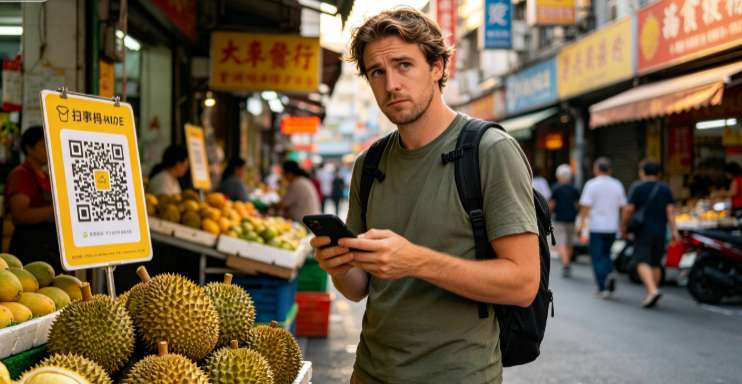
"I once fell for a classic street trap on WeChat. A vendor offered a free durian if I scanned a QR code and completed a quick mobile registration. Eager for a free treat, I scanned the code and entered a SMS verification code sent to my phone. Within minutes, my WeChat account was locked and stolen. I learned the hard way: never give away verification codes, and never scan unknown QR codes for free gifts."

  • How to avoid: Never input SMS verification codes onto unverified landing pages. Stick strictly to verified mini-programs within Alipay or WeChat, and avoid clicking raw external URLs sent via SMS or messaging apps.
The Most Common Scams in China Targeting Tourists

B. The Tea House & Art Gallery Scam

While walking through pedestrian streets, friendly young adults or "art students" fluent in English may approach you. They’ll compliment your appearance, ask where you are from, and invite you to join them for a "traditional tea ceremony" or to "view local student artwork."

Once inside the private room or shop, you will be served tea, wine, or snacks. When it’s time to leave, you will be handed an exorbitant bill (often ranging from $200 to over $1,000).

  • How to avoid: Be polite but firm. If a friendly stranger approaches you out of nowhere and suggests going to a specific tea house, bar, or gallery, kindly decline ("No, thank you") and keep walking.
The Most Common Scams in China Targeting Tourists

C. Transportation and Taxi Scams

Arriving at a airport terminal or high-speed railway station after a long journey leaves you vulnerable to transport hustles.

  • Unlicensed Drivers (Black Cabs): Drivers standing in the arrival halls will approach you offering a "cheap taxi ride." They don't use meters, often inflate prices tenfold, or demand extra fees halfway to your destination.
  • How to avoid: Ignore anyone offering rides inside the terminal. Follow the official signs for Metered Taxis or use ride-hailing apps like Didi (which functions directly inside the English Alipay app with fixed, transparent pricing).
The Most Common Scams in China Targeting Tourists

D. Ticket Scalpers & "Ultra-Low-Cost" Day Tours

  • Scalpers (Huangniu / 黃牛): Major sights (like the Forbidden City or Shanghai Disneyland) often sell out online. Scalpers near the entrance may offer to sell you inflated or fake paper tickets.
  • Low-Cost Day Tours: Pamphlets offering day trips to sights like the Great Wall for suspiciously low prices (e.g., ¥50) are almost always traps. You will spend hours being driven to remote silk, jade, or tea factories where sales representatives subject you to intense sales pitches.
  • How to avoid: Always book attraction entries and day tours through trustworthy, international booking platforms like Trip.com or official attraction mini-programs.
🎁 Book the Cheapest flights to China & search the best China hotels! Get connected fast with China eSIM.

High-Risk Locations for Tourist Scams in China

High-Risk Locations for Tourist Scams in China

While these scams can happen anywhere, they are overwhelmingly concentrated in major, high-density tourist hotspots where scammers know fresh international visitors arrive daily:

  • Beijing: Wangfujing Pedestrian Street, Qianmen Street, and the outer perimeter of the Forbidden City or Tiananmen Square.
  • Shanghai: East Nanjing Road Pedestrian Street, The Bund, and the surrounding streets of Yu Garden.
  • Transit Hubs: Major international airports (e.g., Beijing Capital, Shanghai Pudong) and high-speed rail hubs (e.g., Shanghai Hongqiao, Guangzhou South).

If you step just one or two blocks away from these heavy commercial pedestrian streets, the concentration of hawkers and scammers drops to almost zero.

Practical Tips to Avoid Scams in China

Here is my quick checklist for staying safe on the go:

  1. Adopt the "Local Walk": If someone approaches you with overly enthusiastic English on a famous tourist street, simply shake your head, say "No, thank you," and keep walking.
  2. Download Trip.com: For train tickets, hotel bookings, flight reservations, and major attraction tickets, use Trip.com. It provides official pricing, English support, and verified entry tickets.
  3. Use Didi via Alipay: Avoid hailing random street cabs in heavy tourist areas. Setting your destination in English via Didi ensures a fixed route and automatic payment.
  4. Protect Your Digital Wallet: Never scan street QR codes offering free gifts, and treat SMS verification codes like your banking PIN.
🎁Search 3% Off bullet train in China below👀 or check the Cheapest flights to China!

What to Do If You've Been Scammed in China

What to Do If You've Been Scammed in China

If you realize you have fallen into a scam or paid too much under pressure, don't panic. Local governments in China attach great importance to tourism protection.

Step

Action

Practical Advice

1. Ensure Safety First

Leave the venue

If you are pressured in a tea house or bar, pay what is necessary to leave safely, get a receipt if possible, and do not escalate into a physical argument.

2. Contact Local Police

Dial 110

This is the national police hotline. Major cities have English-speaking operators who can assist. You can also approach uniformed officers (Tourist Police) near major landmarks.

3. Call Consumer Protection

Dial 12315 / 12345

12315 is the Consumer Complaint Hotline for reporting overcharging, fake goods, or fraudulent merchants. 12345 is the general municipal service line.

4. Digital Account Recovery

Freeze WeChat/Alipay

If your phone or messaging account was compromised via a QR scam, log in on a secondary device or contact official customer service immediately to freeze the account.

Staying Safe While Enjoying the Best of China

It's easy to read about scams and feel overly cautious, but don't let this distract you from the incredible journey ahead. The vast majority of locals you meet-from restaurant owners who help you order to strangers who help you find the right subway exit-are warm, enthusiastic and generous.

With these basic numbers and travel safety tips in mind, you can visit China with complete peace of mind. I wish you a wonderful, safe and unforgettable journey!

[10% Off] Best China Hotel Recommendations

Top Shanghai Hotels
Top Beijing Hotels
Top Guangzhou Hotels
See All Hotels

FAQs about Common Scams in China

Disclaimer: This article has been provided by an individual contributor or third party platform. If there is any discrepancy regarding the copyright, please contact us directly and we will delete the content immediately.
Bethy

Bethy

Trip.com Travel Expert

View profile

Hey there! I’m Bethy (Huang Lan, 黄澜) – a travel enthusiast and content creator for Trip.com. I live as a digital nomad, mostly based in China, and I’ve also lived in awesome places across Southeast Asia and Eastern Europe. I love traveling all over the world, sharing useful travel tips and guides for fellow wanderlusters. When I’m not on the road, I’m a huge cat lover and play guitar for fun~

672 articles
Travel Insights & Local Experiences Digital nomad travel Travel budget hacks Itineraries & Planning
> >
Common Scams in China