Power Up in Iceland: Your Ultimate Plug Adapter Guide!

by yank
November 1, 2024
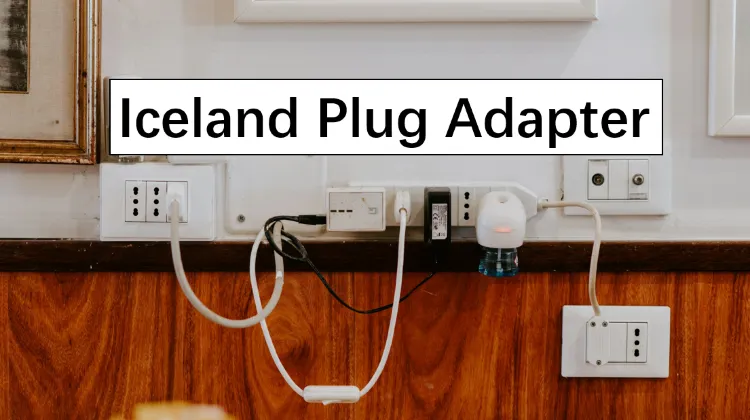
🌍 Planning a trip to Iceland? Don’t forget to pack the right plug adapter! In Iceland, the standard voltage is 230V and the frequency is 50Hz. The power plugs used are of Type C and Type F.
In our latest article, we cover essential travel tips, including: 🔌 How to choose the right adapter 📱 Best eSIM card options ✈️ Affordable flight recommendations 🏨 Top hotels for every budget. Get ready for an unforgettable adventure in Iceland!
Iceland utilizes a 230V, 50Hz electrical system requiring Type C or Type F plug adapters for all electronic device compatibility.
Introduction to the Types of Iceland Plug Adapters
In Iceland, the main plug types are Type C and Type F. Here’s a closer look at each:
Type C Plug:
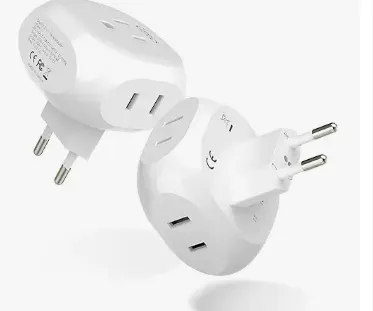
Source from Amazon.com
- Design: This plug has two round pins (4.0 to 4.8 mm in diameter).
- Compatibility: Fits into Type E and F sockets, making it versatile for use across various European countries.
- Use: Commonly used for smaller appliances and chargers.
Type F Plug:
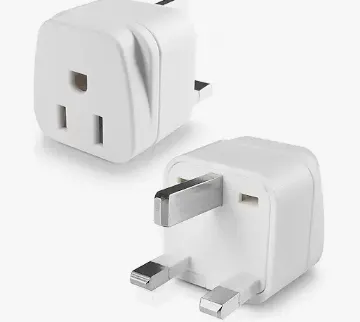
Source from Amazon.com
- Design: Known as the Schuko plug, it also has two round pins but includes two earth clips on the sides for added safety.
- Compatibility: Works with Type C and E sockets.
- Use: Typically used for larger appliances, thanks to its grounding feature.
Voltage and Frequency
- Voltage: Iceland operates on 230V.
- Frequency: The frequency is 50Hz.
If you're traveling to Iceland and your devices have a different plug type, you'll need a plug adapter. If your devices are not compatible with 230V, you'll also need a voltage converter.
Tips for Using Plug Adapters in Iceland
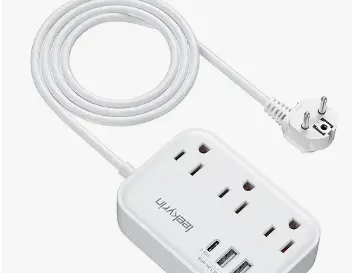
Source from Amazon.com
Check Device Compatibility
Before plugging in your devices in Iceland, ensure they are compatible with the local electrical standards. Here’s how to check compatibility:
Inspect Device Labels: Look for labels on your devices, usually found near the power cord or on the power adapter. It should indicate a voltage range (e.g., "100-240V") to confirm compatibility with both 120V and 230V systems.
Consult Manufacturer Guidelines: If the label isn’t clear, check the manufacturer’s website or user manual for specifications.
Use a Voltage Converter: If your device only supports 120V, you’ll need a voltage converter in addition to a plug adapter to prevent damage.
Safety Usage Recommendations
Prevent Overloading: Avoid overloading electrical outlets to prevent overheating. Here are some practices to consider:
- Use a power strip with surge protection to limit the number of devices plugged in at once.
- Spread devices across multiple outlets whenever possible.
Use Quality Adapters: Invest in high-quality plug adapters for the safety of your devices:
- Look for Safety Certifications: Choose adapters certified by recognized safety organizations (like CE, UL, or ETL).
- Read Reviews: Check customer feedback for reliability and performance.
- Avoid Cheap Options: Low-quality adapters may risk damage to your devices.
Where to Buy an Iceland Plug Adapter
Online Options
Websites like Amazon and eBay offer a variety of Iceland plug adapters, allowing you to compare prices and read customer reviews. Online shopping is convenient, with many options for fast delivery before your trip.
Local Stores
Many electronics stores and travel accessory shops in Iceland stock plug adapters. Supermarkets may also carry them, making it easy to pick one up upon arrival.
Convenient Shopping with Trip.com
For travelers gearing up for their journey, Trip.com features a dedicated travel gear section where you can find and purchase Iceland plug adapters and other essential travel accessories, streamlining your shopping experience.
Stay Connected with an eSIM Card
What is an eSIM Card?
An eSIM (embedded SIM) is a digital SIM card built into your device, allowing you to activate a cellular plan without needing a physical card. This technology offers several benefits:
- Easy Carrier Switching: Effortlessly switch between networks without needing to swap physical cards.
- Space-Saving: eSIMs free up space in your device by eliminating the need for a physical SIM slot.
eSIM Options with Trip.com
Trip.com provides a convenient eSIM service for reliable coverage in Iceland. You can easily purchase and activate your eSIM through their platform, ensuring you have data and connectivity as soon as you arrive.


Book a Trip to Iceland
Flight Recommendations
Tips for Booking Affordable Flights to Iceland:
- Be Flexible with Dates: Use flexible date searches to find the cheapest options, as prices can vary.
- Set Price Alerts: Utilize flight comparison websites to monitor price drops.
- Book in Advance: Securing your flight several months ahead can help you get better rates.
- One way
- Round-trip
 JFK21:2015h 55m1 stopsKEF17:15New York - Reykjavik|Sun, Oct 18|Jetblue AirwaysUS$283US$42634% offSearch34% offUS$426US$283
 EWR23:0027h 50m1 stopsKEF07:50New York - Reykjavik|Sun, Nov 8|French Bee AirlinesUS$332US$42622% offSearch22% offUS$426US$332
 EWR23:0027h 50m1 stopsKEF07:50New York - Reykjavik|Sun, Nov 8|Air CaraïbesUS$332US$42622% offSearch22% offUS$426US$332
 NYC13:0027h 50mNonstopREK14:00New York - Reykjavik|Mon, Sep 6|Normal AirlineMore cheap flightsMore cheap flights
Check Trip.com frequently for exclusive deals on flights to Iceland!
Recommended Hotels in Iceland
Suggestions for Different Budgets:
Luxury: Consider hotels like the Hotel Borg or the The Reykjavik Edition in Reykjavik for exceptional service and amenities.


Mid-Range: Options like the CenterHotel Midgardur or Hotel Klettur provide comfort without breaking the bank.


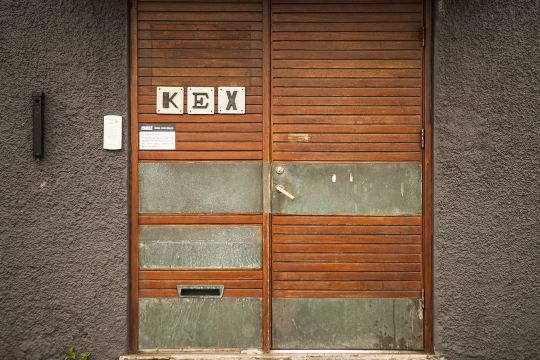
Budget: For budget travelers, hostels or budget hotels like Kex Hostel or Reykjavik Downtown Hostel offer great value.
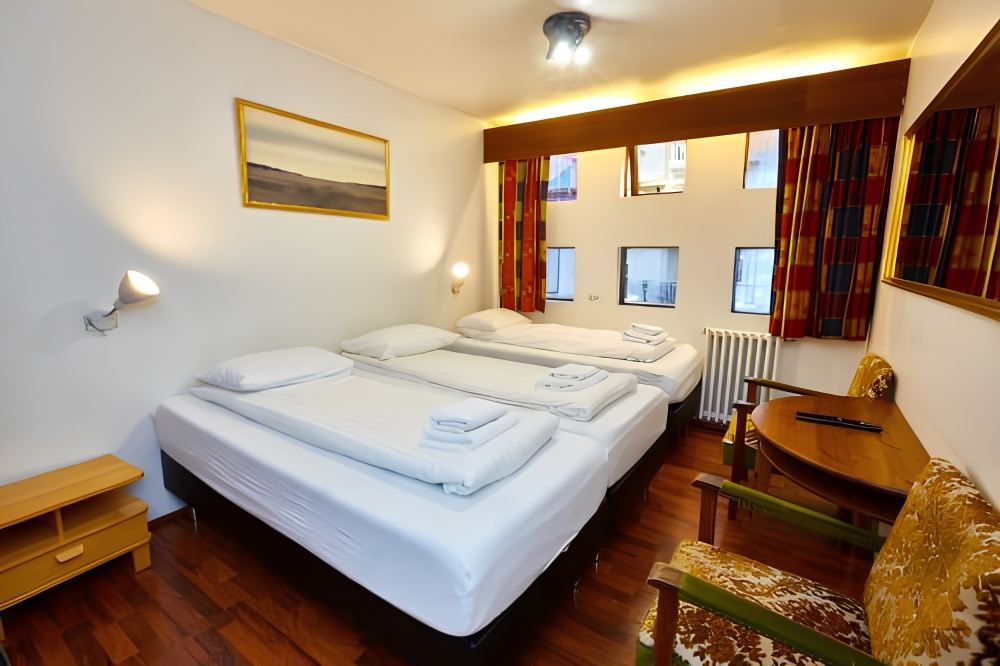
Trip.com provides a wide range of hotel options along with exclusive offers to help you save on your stay.
Tips for Charging Your Devices in Iceland

Here are some tips for charging your devices while in Iceland:
- Bring the Right Adapter: Make sure to pack type C and type F plug adapters to fit Icelandic outlets.
- Check Voltage Compatibility: Ensure your devices can handle 230 V. Most modern chargers are dual voltage, but check before plugging in.
- Portable Charger: Consider bringing a portable power bank, especially for long day trips when you may not have access to outlets.
- Charge at Your Accommodation: Most hotels and guesthouses have multiple outlets, making it easy to charge overnight.
- Car Charging: If renting a car, check if it has USB ports for convenient charging on the go.
- Use Charging Stations: Some popular tourist areas have charging stations or USB outlets, so keep an eye out.
- Avoid Overloading Circuits: If multiple devices are charging at once, ensure the circuit can handle it to avoid tripping breakers.
- Airplane Mode: When not using your devices, switch to airplane mode to save battery life.
- Plan Ahead: If you're heading to remote areas, charge your devices fully before you go, as power sources may be limited.
Following these tips will help you stay charged and connected while exploring Iceland!
In conclusion, understanding and using the correct plug adapters in Iceland is vital for ensuring your electronic devices function properly during your travels. Using the right Type C or Type F adapter helps prevent damage to your devices and guarantees a smooth experience.
We encourage all travelers to prepare in advance by checking device compatibility, purchasing the necessary adapters, and familiarizing themselves with local electrical standards. By doing so, you can ensure a hassle-free trip and fully enjoy all that Iceland has to offer! Safe travels!
FAQs about Iceland Plug Adapter
-
Does Iceland use the same plugs as England?
-
Are type C and F plugs interchangeable?
-
What not to pack for Iceland?
-
Can you use euros in Iceland?
Trending Searches
-
Popular attractions
-
Trending Stays
-
Getting Around
-
eSIM/SIM card
- Hotels in Shanghai
- Hotels in Guangzhou
- Hotels in Beijing
- Hotels in Bangkok
- Hotels in Shenzhen
- Hotels in Hong Kong
- Hotels in Chongqing
- Hotels in Tokyo
- Hotels in Ho Chi Minh City
- Hotels in Chengdu
- Hotels in Kuala Lumpur
- Hotels in Seoul
- Hotels in Zhangjiajie
- Hotels in Hanoi
- Hotels in Hangzhou
- Hotels in Singapore
- Hotels in Xi'an
- Hotels in Istanbul
- Hotels in Osaka
- Hotels in Bali
- Wakayama Transportation
- Hangzhou Metro
- Narita Airport Limousine Bus
- Osaka JR
- New York Subway
- Beijing Airports
- Chengdu Airport
- Shenzhen Metro Map
- Macau to Zhuhai
- Kobe Transportation
- Hong Kong to Macau
- Shanghai Airport Transfer
- Futian Station
- KL MRT Map
- Narita Airport to Shinjuku
- Macau to Hong Kong
- Beijing Metro Map