From Manila to Palawan: A Guide to Philippines Trip Cost 2026


The Philippines is a beautiful country located in Southeast Asia. It is known for its stunning beaches, crystal-clear waters, and friendly locals. In this article, we will discuss the cost of traveling to the Philippines and provide you with the best tips for saving money without sacrificing quality. You will be provided with the best tips for saving money on hotels, food, souvenirs, transportation, and more.
When it comes to the major costs of a trip to the Philippines, flights and accommodation are usually the most expensive. The cost of a round-trip ticket to the Philippines can range from $500 to $1,500, depending on the time of year and where you're flying from. Accommodation costs can also vary greatly, from budget hotels or hostels that cost around $10 to $20 per night to luxury hotels that can cost upwards of $200 per night. The Philippines has an extensive and efficient public transportation system, including buses, jeepneys, and tricycles. The cost of a one-way subway or train ticket is around $0.50 to $1.00. Food costs can also vary greatly depending on where you eat. Budget restaurants can cost as little as $2 to $3 per meal, while mid-range restaurants can cost around $10 to $15 per meal.
If you're a budget traveler, you can expect to spend around $30 to $50 per day in the Philippines. This includes accommodation, food, transportation, and activities. If you're a mid-range traveler, you can expect to spend around $50 to $100 per day. However, it's important to plan ahead and research activities and costs to create a budget that works for you.
The Philippines requires a daily budget of $30 to $50 for budget travelers, covering lodging, food, and local transit costs.
How much does it cost for 2 nights and 3 days when traveling to the Philippines?
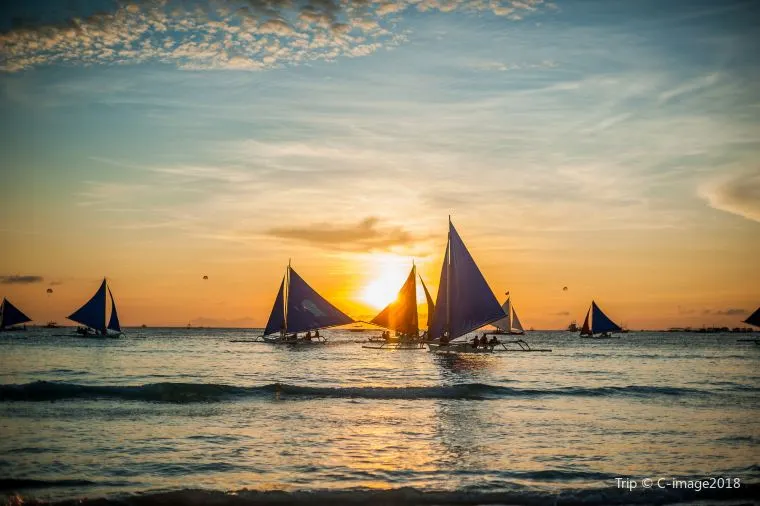
Traveling to the Philippines can be an affordable and exciting experience. The cost of a 2-night, 3-day trip to the country can vary depending on your travel style, choice of accommodation, transportation, and activities. Here's a rough estimate of the cost for a budget traveler:
- Flights: The cost of a round-trip ticket to the Philippines can vary depending on your location in the US. On average, a round-trip ticket can cost anywhere from $500 to $800 USD.
- Accommodation: For budget hotels or hostels, the cost can range from 500 to 1,500 PHP or $10 to $30 USD per night. The total cost for 2 nights of accommodation can range from 1,000 to 3,000 PHP ($20 to $60 USD).
- Transportation: The cost of a one-way subway or train ticket can range from 15 to 30 PHP or $0.30 to $0.60 USD. The total cost for 3 days of transportation can range from 300 to 600 PHP ($6 to $12 USD).
- Food and Drinks: Per meal at budget restaurants can cost anywhere from 100 to 200 PHP or $2 to $4 USD. Street food and convenience store meals can cost even less. The cost of drinks can range from 30 to 100 PHP ($0.60 to $2 USD), depending on the type of drink and location. The expected cost for food and drinks for 3 days can range from 2,000 to 4,000 PHP ($40 to $80 USD).
- Sightseeing and Activities: There are many popular attractions in the Philippines that are either free or cost a small entrance fee, such as Rizal Park, Fort Santiago, and the National Museum. Other attractions, such as island hopping tours or scuba diving, can cost a bit more per person, ranging from 1,000 to 3,000 PHP or $20 to $60 USD. The expected cost range for sightseeing and activities for 3 days can range from 3,000 to 6,000 PHP ($60 to $120 USD).
For a budget traveler who wants a 2-night, 3-day trip to the Philippines, the total cost can range from 7,000 to 16,000 PHP or $140 to $320 USD. It's important to note that these are rough estimates, and actual costs may vary depending on your travel style, activities, and other expenses. Nonetheless, the Philippines is a beautiful and affordable destination that is worth exploring.
How much does it cost for flights when traveling to the Philippines?
When planning a trip to the Philippines, one of the most important factors to consider is the cost of flights. The cost of flights to the Philippines can vary depending on various factors such as the departure location, time of year, airline, and availability.
If you are departing from major cities in the United States such as Los Angeles, San Francisco, or New York, you can expect to pay anywhere from $500 to $1,000 for a round-trip economy class ticket to the Philippines. However, prices can fluctuate depending on the time of year you plan to travel, with peak travel seasons such as Christmas and summer months typically being more expensive.
It's important to note that airline prices are subject to change frequently, so it's always a good idea to check with a reputable travel booking website or airline for up-to-date pricing information. Additionally, booking your flight in advance can often result in lower prices.
Cheap Flight from Los Angeles to Manila
- One way
- Round-trip
 LAX12:4022h 15m1 stopsMNL01:55Los Angeles - Manila|Wed, Sep 23|Korean AirBRL 1,979BRL 2,45920% offSearch20% offBRL 2,459BRL 1,979
- LAX12:4020h 19m1 stopsMNL23:59Los Angeles - Manila|Thu, Oct 22|Korean AirBRL 1,982BRL 2,45919% offSearch19% offBRL 2,459BRL 1,982
 LAX09:0521h 5m2 stopsMNL21:10Los Angeles - Manila|Thu, Oct 22|United AirlinesBRL 1,991BRL 2,45919% offSearch19% offBRL 2,459BRL 1,991
 LAX13:0021h 5mNonstopMNL14:00Los Angeles - Manila|Mon, Sep 6|Normal AirlineMore cheap flightsMore cheap flights
Cheap Flight from New York to Manila
- One way
- Round-trip
 JFK15:4542h 15m1 stopsMNL22:00New York - Manila|Thu, Oct 22|Etihad AirwaysBRL 2,071BRL 2,57320% offSearch20% offBRL 2,573BRL 2,071
- JFK15:4542h 15m1 stopsMNL22:00New York - Manila|Wed, Oct 14|Etihad AirwaysBRL 2,084BRL 2,57319% offSearch19% offBRL 2,573BRL 2,084
- JFK15:4542h 15m1 stopsMNL22:00New York - Manila|Tue, Oct 13|Etihad AirwaysBRL 2,084BRL 2,57319% offSearch19% offBRL 2,573BRL 2,084
 NYC13:0042h 15mNonstopMNL14:00New York - Manila|Mon, Sep 6|Normal AirlineMore cheap flightsMore cheap flights
How much does it cost for hotels when traveling to the Philippines?
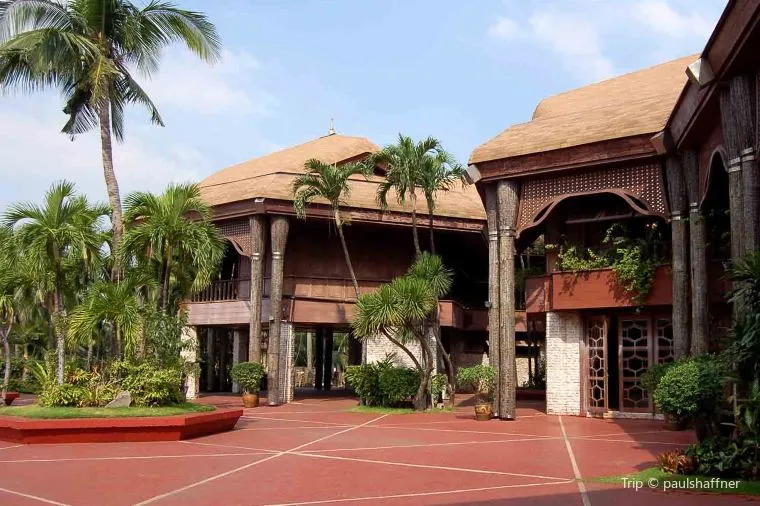
When planning a trip to the Philippines, one of the most important things to consider is the cost of accommodation. The cost of hotels in the Philippines varies depending on several factors, such as the location, season, and the type of accommodation the travelers are looking for.
- Generally, hotels in major cities like Manila, Cebu, and Davao tend to be more expensive than hotels in smaller cities or rural areas. For example, a mid-range hotel room in Manila can cost anywhere from 2,000 to 5,000 PHP (40 to 100 USD) per night, while a luxury hotel room can cost upwards of 10,000 PHP (200 USD) per night.
- In other cities and smaller towns in the Philippines, the hotel price range is generally lower. For instance, a mid-range hotel room in Cebu can cost around 1,500 to 3,000 PHP (30 to 60 USD) per night, while a luxury hotel room can cost around 7,000 to 8,000 PHP (140 to 160 USD) per night.
Hotel prices can fluctuate depending on the time of year and availability. During peak season, which is usually from December to February, hotel prices tend to be higher. On the other hand, hotel prices may be lower during the off-season, which is from June to September.
If you're looking for budget-friendly accommodation, there are also plenty of hostels and guesthouses in the Philippines that offer affordable rates. These types of accommodations can cost as low as 500 PHP (10 USD) per night.
Best Hotels in Manila
5 star
Business travel
Breakfast
Best Hotels in Cebu
5 star
Business travel
Breakfast
How much does it cost for food when traveling to the Philippines?
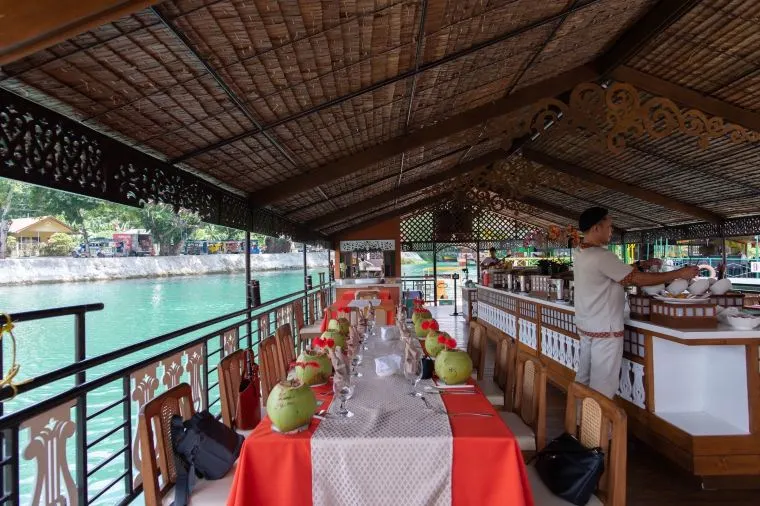
When traveling to the Philippines, one of the most important things to consider is the cost of food and dining. The cost of food in the country varies widely depending on several factors, such as the type of food, the restaurant's location, and the level of formality or luxury.
- Street food or fast food: around 50-150 PHP (1-3 USD) per meal.
- Casual dining or local restaurants: around 200-400 PHP (4-8 USD) per meal.
- Mid-range restaurants: around 500-1000 PHP (10-20 USD) per meal.
- High-end or luxury restaurants: cost you upwards of 2000 PHP (40 USD) per meal.
If you're looking for more affordable options for food in the Philippines, there are convenience stores and supermarkets that offer a variety of tasty and healthy food at reasonable prices. You can expect to pay around 50-150 PHP (1-3 USD) for a meal from these places.
Tipping is not customary in the Philippines. The prices listed above are typically the final price you will pay, but prices can vary depending on the location and the time of year.
The cost of food in the Philippines can vary widely depending on the type of food, the restaurant's location, and the level of formality or luxury. However, there are affordable options available, and tipping is appreciated but not required.
How much does it cost for souvenirs when traveling to the Philippines?
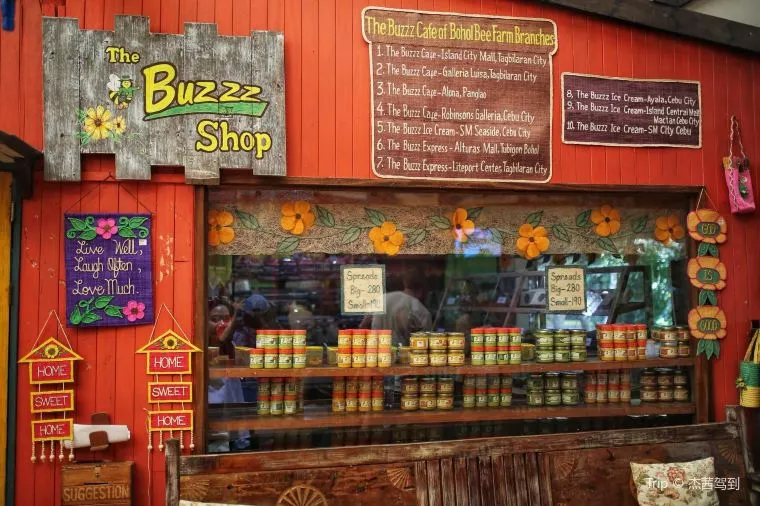
If you're planning a trip to the Philippines, you may be wondering how much you should budget for souvenirs. The truth is, the cost of souvenirs in the Philippines can vary widely depending on what you're looking for, where you're shopping, and the quality of the item.
Here are four popular souvenirs and their approximate prices:
- T-shirts: PHP 200-500 ($4-10 USD)
- Keychains: PHP 50-100 ($1-2 USD)
- Handmade bags: PHP 500-1,500 ($10-30 USD)
- Wooden carvings: PHP 500-2,000 ($10-40 USD)
Many souvenir shops in tourist areas have fixed prices, but there may be room for negotiation in other types of stores, such as flea markets or antique shops. Prices can also vary depending on the time of year, with peak tourist season generally resulting in higher prices.
To get the best deal on souvenirs, it's always a good idea to shop around and compare prices before making a purchase. And remember, bargaining is a common practice in the Philippines, so don't be afraid to negotiate for a better price.
How much does it cost for transportation when traveling to the Philippines?
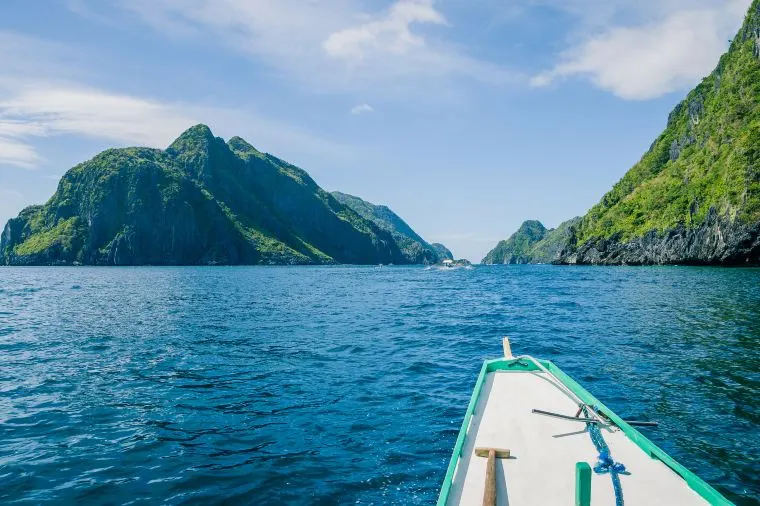
The Philippines is a beautiful country with a lot to offer, from stunning beaches to bustling cities. However, getting around the country can be a bit of a challenge, especially for first-time visitors. In this article, we'll take a look at the cost of transportation in the Philippines and provide some tips to help you get around.
The cost of transportation in the Philippines varies depending on the mode of transportation and the distance traveled. Here are some approximate costs:
- Train: The Philippine National Railways (PNR) operates a limited train service in the country. A one-way ticket from Manila to Bicol costs around PHP 1,000 (USD 20).
- Subway: The Philippines currently has no subway system.
- Bus: Buses are a popular mode of transportation in the Philippines, especially for long-distance travel. A bus ride from Manila to Baguio costs around PHP 500 (USD 10).
- Taxi: Taxis are widely available in the Philippines, but they can be quite expensive compared to other modes of transportation. A taxi ride from Manila to Makati costs around PHP 200 (USD 4).
- Rental car: Renting a car in the Philippines is a good option if you plan to do a lot of traveling in a short period. The cost of renting a car varies depending on the type of car and the rental company. A compact car can cost around PHP 1,500 (USD 30) per day.
- Grab: Grab is a popular ride-hailing app in the Philippines. The cost of a Grab ride varies depending on the distance traveled and the time of day.
The Philippines has transportation passes and discount tickets available for visitors. The Manila Tourist Ticket, for example, allows visitors to use the city's trains, buses, and jeepneys for one day for only PHP 150 (USD 3). The pass also includes discounts to various attractions in the city.
How much does it cost for sightseeing when traveling to the Philippines?
If you're planning a trip to the Philippines, you might be wondering how much it will cost to see all the sights. The truth is, the cost of sightseeing in the Philippines can vary widely depending on the location, attraction, and activity.
Here are some approximate costs in Philippine Peso (PHP) and US dollars (USD) for popular tourist attractions and activities:
- Temples and shrines: Many temples and shrines in the Philippines are free to enter, but some may charge a small fee for maintenance. For example, the entrance fee for the Santo Niño Basilica in Cebu City is PHP 30 (USD 0.60).
- Museums and galleries: The National Museum of the Philippines in Manila is free to enter, while some private museums may charge a fee. The entrance fee for the Ayala Museum in Makati City is PHP 425 (USD 8.50).
- Theme parks: The Enchanted Kingdom in Laguna Province charges PHP 900 (USD 18) for a regular day pass.
- Island hopping: Island hopping tours are a popular activity in the Philippines, especially in places like Palawan and Siargao. Prices can vary depending on the location and the number of islands you want to visit, but expect to pay around PHP 1,500-2,500 (USD 30-50) per person for a full-day tour.
- Waterfalls: The Philippines is home to many beautiful waterfalls, such as Kawasan Falls in Cebu and Pagsanjan Falls in Laguna. Entrance fees can range from PHP 20-100 (USD 0.40-2) per person.
- Food tours: The Philippines is known for its delicious cuisine, and taking a food tour is a great way to sample local dishes. Prices can vary depending on the tour company and the number of stops, but expect to pay around PHP 1,500-2,000 (USD 30-40) per person.
- Historical sites: The Philippines has a rich history, and there are many historical sites to visit, such as the Banaue Rice Terraces in Ifugao and the Magellan's Cross in Cebu City. Entrance fees can range from PHP 20-100 (USD 0.40-2) per person.
- Beaches: The Philippines is home to some of the most beautiful beaches in the world, and many of them are free to visit. Some popular beaches with amenities like restaurants and water sports rentals may charge a small entrance fee, such as White Beach in Boracay (PHP 75/USD 1.50 per person).
There are many free or low-cost sightseeing options in the Philippines as well. For example, you can visit the historic walled city of Intramuros in Manila for free, or take a stroll along the beautiful beaches of Boracay Island without spending a dime. So, whether you're on a tight budget or looking to splurge, there's something for everyone in the Philippines.
How much does it cost for Wi-Fi & communication when traveling to the Philippines?

When traveling to the Philippines, staying connected is important for many travelers. Whether it's for work, keeping in touch with loved ones, or simply sharing your travel experiences on social media, having access to Wi-Fi and communication is essential. In this article, we'll explore the options and cost range for accessing Wi-Fi in the Philippines.
- Wi-Fi Rental: One option for accessing Wi-Fi in the Philippines is to rent a Wi-Fi router. Many rental companies offer this service, with prices ranging from PHP 150-500 (USD 3-10) per day, depending on the plan and rental company. This option is ideal for travelers who need constant access to the internet and want to avoid the hassle of buying a SIM card.
- SIM Card: Another option for accessing Wi-Fi in the Philippines is to purchase a SIM card. Most major providers offer data plans for tourists, with prices ranging from PHP 50-500 (USD 1-10) per day, depending on the data plan and provider. This option is ideal for travelers who want to use their own device and have access to the internet on-the-go.
- Free Wi-Fi: Many establishments in the Philippines offer free Wi-Fi for customers, including cafes, restaurants, and shopping malls. Some popular chains that offer free Wi-Fi include Starbucks, McDonald's, and Jollibee. Additionally, some hotels and accommodations offer free Wi-Fi for guests, so be sure to check before booking.
- Smartphone Apps: There are also smartphone apps that provide access to free Wi-Fi hotspots throughout the Philippines. One popular app is WiFi Map, which allows users to find and connect to free Wi-Fi hotspots in their area. Another app is Free Wi-Fi Philippines, which provides a map of free Wi-Fi hotspots throughout the country.
The cost of Wi-Fi in the Philippines can vary depending on the method of access and the data plan. However, there are many options available for travelers to stay connected while in the country. Whether you choose to rent a Wi-Fi router, purchase a SIM card, or take advantage of free Wi-Fi hotspots, staying connected in the Philippines is easy and affordable.
How much does it cost for a passport when traveling to the Philippines?
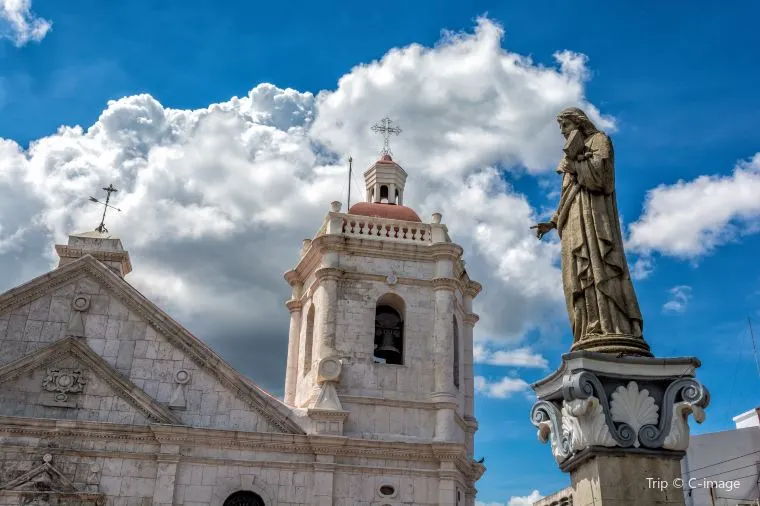
If you're planning to travel to the Philippines, one of the first things you need to consider is getting a passport. The cost of a passport for traveling to the Philippines will depend on your country of citizenship and the type of passport application.
Here's a breakdown of passport fees for standard adult and child applications in the United States, the United Kingdom, and Australia:
- United States: $145 for adults, $115 for children under 16
- United Kingdom: £85 for adults, £58.50 for children under 16
- Australia: AUD 298 for adults, AUD 148 for children under 16
Passport fees can vary depending on the country of citizenship and the type of application. Some countries may also require additional fees for visa applications or other travel documents. To ensure you have the most up-to-date information on passport and visa requirements and fees, it's always a good idea to check with your local embassy or consulate.
How much does it cost for insurance when traveling to the Philippines?

Travel insurance is an essential aspect of any trip, especially when traveling to a foreign country like the Philippines. It provides peace of mind and financial protection in case of unexpected events like accidents, illnesses, or trip cancellations. However, the cost of travel insurance can vary depending on several factors.
Here are some general guidelines for travel insurance costs when traveling to the Philippines:
- Single Trip Travel Insurance Policy: A single trip travel insurance policy covers one trip to the Philippines and typically costs between $20 and $100, depending on the coverage and duration of the trip. This policy is ideal for travelers who only plan to visit the Philippines once in a year.
- Annual Travel Insurance Policy: An annual travel insurance policy covers multiple trips to the Philippines within a year and typically costs between $200 and $500, depending on the coverage and duration of each trip. This policy is ideal for frequent travelers who visit the Philippines multiple times in a year.
- Comprehensive Travel Insurance Policy: A comprehensive travel insurance policy covers a wide range of events, including medical emergencies, trip cancellations, and lost or stolen luggage. The cost of this policy can range from $50 to $200, depending on the coverage and duration of the trip.
It's important to shop around and compare travel insurance policies from different providers to find the coverage that best meets your needs and budget. Be sure to read the policy details carefully and understand what is and isn't covered, as well as any deductibles or exclusions. Additionally, some credit cards and travel booking sites offer travel insurance as a benefit or add-on, so be sure to check those options as well.
How much does it cost for family, couples or single when traveling to the Philippines?
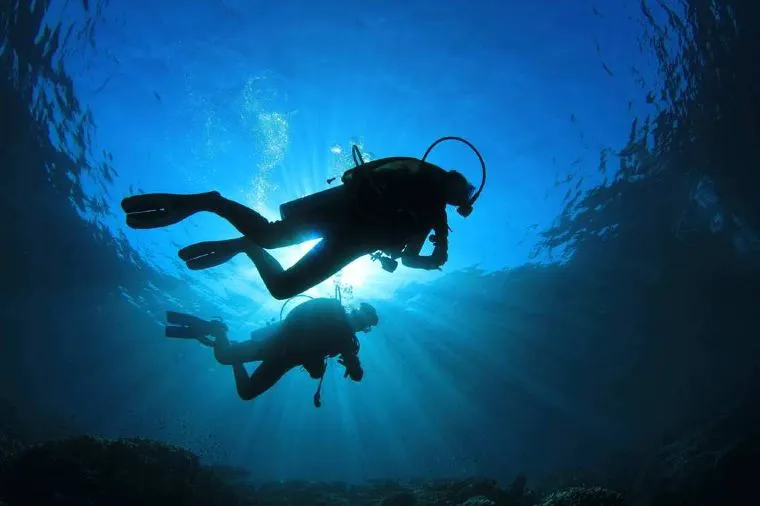
The Philippines is a beautiful country with a rich culture and stunning landscapes. It is a popular destination for travelers looking for adventure, relaxation, and a taste of the local culture. The cost of traveling to the Philippines can vary widely depending on a number of factors, such as the length of the trip, the type of accommodation, the level of luxury, the activities planned, and the number of travelers. Here are some estimated costs for a trip to the Philippines:
- Airfare: The cost of airfare to the Philippines can vary depending on the departure city and the time of year. A round-trip ticket from the United States to the Philippines can cost anywhere from $500 to $1,500 per person.
- Accommodation: The cost of accommodation in the Philippines can vary depending on the type of lodging and the location. A budget hotel or hostel can cost around 500-1,000 PHP ($10-20 USD) per night, while a mid-range hotel can cost around 2,000-4,000 PHP ($40-80 USD) per night. Luxury hotels and ryokans can cost upwards of 10,000 PHP ($200 USD) per night.
- Food and drink: The cost of food and drink in the Philippines can vary depending on the type of cuisine and the level of luxury. A budget meal at a local restaurant can cost around 100-200 PHP ($2-4 USD) per person, while a mid-range meal can cost around 300-500 PHP ($6-10 USD) per person. A cup of coffee can cost around 100-150 PHP ($2-3 USD), while a beer can cost around 50-100 PHP ($1-2 USD).
- Transportation: The cost of transportation in the Philippines can vary depending on the mode of travel and the distance. A single metro or train ticket can cost around 15-25 PHP ($0.30-0.50 USD), while a long-distance bullet train ticket can cost around 1,000-2,000 PHP ($20-40 USD). Taxis and car rentals can also add to the transportation costs.
The cost of traveling to the Philippines can range from a few hundred to several thousand dollars per person, depending on the factors mentioned above. For a family, couple, or single traveler, the expected cost range for a trip to the Philippines can be around $1,000 to $5,000 USD, depending on the travel style and preferences. It is important to plan ahead and budget accordingly to ensure a memorable and enjoyable trip to the Philippines.
Methods to Save Money When Traveling to the Philippines
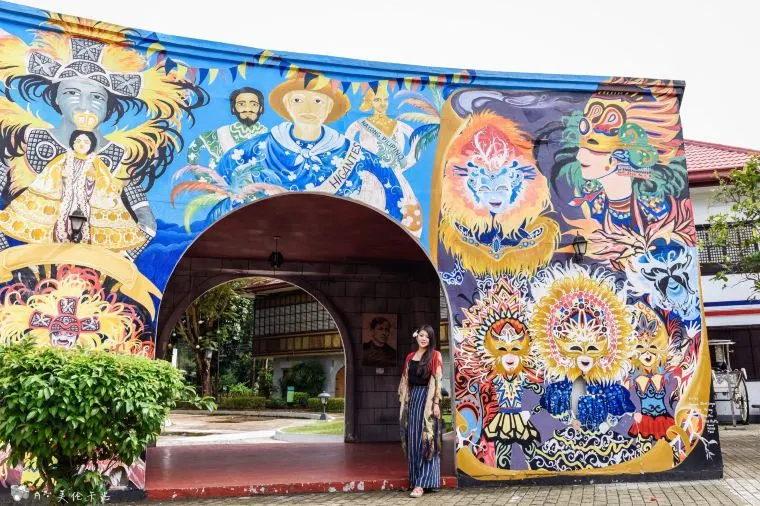
Traveling to the Philippines can be an exciting and enriching experience, but it can also be expensive. Fortunately, there are several ways to save money when traveling to this beautiful country. By following these tips, you can make your trip to the Philippines more affordable without sacrificing any of the fun.
- Travel during the off-season: One of the best ways to save money when traveling to the Philippines is to visit during the off-season. The peak season for tourism in the Philippines is from December to May, so if you can plan your trip for the months outside of this period, you can save a lot of money on flights, accommodations, and activities.
- Stay in budget accommodations: Another way to save money when traveling to the Philippines is to stay in budget accommodations. Hostels, guesthouses, and homestays are all great options for budget travelers. Not only are they more affordable than hotels, but they also offer a more authentic experience of the local culture.
- Eat like a local: Food is a big part of the travel experience, but it can also be a big expense. To save money on food when traveling to the Philippines, eat like a local. Street food is a great option for budget travelers, and it's also a great way to try new and exciting dishes.
- Use public transportation: Taxis and private transportation can be expensive in the Philippines, so using public transportation is a great way to save money. Jeepneys, tricycles, and buses are all affordable options for getting around the country.
- Plan your activities in advance: Finally, planning your activities in advance can help you save money when traveling to the Philippines. Many attractions offer discounts for booking in advance, and you can also find great deals on tours and activities online.
Tips for Traveling to the Philippines

Traveling to the Philippines can be an exciting and memorable experience, but it is important to be prepared and informed before you go. Here are some useful tips for traveling to the Philippines:
- Learn some basic phrases in Tagalog: It is the most widely spoken language in the Philippines. For example, "hello" is "kumusta" and "thank you" is "salamat."
- Be prepared for the weather: The Philippines has a tropical climate, which means it can be hot and humid year-round. Bring light, breathable clothing and sunscreen.
- Be aware of the local customs and traditions: The Philippines is a predominantly Catholic country, so it is important to dress modestly when visiting churches or other religious sites.
- Try the local cuisine: Filipino food is a unique blend of Malay, Chinese, Spanish, and American influences. Don't miss out on dishes like adobo, sinigang, and lechon.
- Be cautious when traveling at night: Some areas of the Philippines, particularly in urban areas, can be unsafe after dark. Stick to well-lit, populated areas and avoid carrying large amounts of cash or valuables.
- Bring insect repellent: Mosquitoes and other insects can be a problem in the Philippines, especially in rural areas.
- Be respectful of the environment: The Philippines has some of the most beautiful beaches and natural attractions in the world. Help preserve them by not littering or damaging the local flora and fauna.
- Have fun: The Philippines is a vibrant and welcoming country with a rich culture and history. Embrace the experience and enjoy all that this beautiful country has to offer.
2026 Frequently Asked Questions about Philippines Trip Cost
-
What is the average cost of a massage in the Philippines?
-
How much should I budget for medical expenses in the Philippines?
-
How much should I budget for emergency expenses in the Philippines?
-
Are there any hidden costs or fees that I should be aware of when traveling to the Philippines?
Trending Searches
-
Popular attractions
-
Trending Stays
-
Getting Around
-
eSIM/SIM card
- Hotels in Shanghai
- Hotels in Guangzhou
- Hotels in Beijing
- Hotels in Bangkok
- Hotels in Shenzhen
- Hotels in Hong Kong
- Hotels in Chongqing
- Hotels in Tokyo
- Hotels in Ho Chi Minh City
- Hotels in Chengdu
- Hotels in Kuala Lumpur
- Hotels in Seoul
- Hotels in Zhangjiajie
- Hotels in Hanoi
- Hotels in Singapore
- Hotels in Hangzhou
- Hotels in Xi'an
- Hotels in Istanbul
- Hotels in Bali
- Hotels in Osaka
- Qingdao Metro Map
- Car Rental Insurance
- Osaka JR
- New York Subway
- Hangzhou Metro Map
- Panda Luxury Train
- Tokyo Car Rental
- Kunming Airport
- How to Use DiDi in China
- Shenzhen to Guangzhou
- Wuxi Airport
- Wuxi Metro
- Wakayama Transportation
- Hong Kong Airport
- Narita Airport to Shinjuku
- Macau to Hong Kong
- Chongqing Metro Map