


Traveling to China? Compare the best travel insurance for China—cheap, reliable, and with coverage for medical emergencies, trip delays, and more!
Do I Really Need Travel Insurance for China?

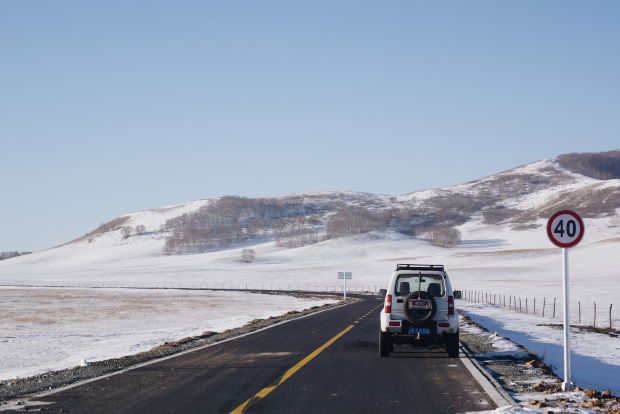
Credit: Unsplash, Road Trip with Raj
Traveling to China is so exciting, but unexpected hiccups like flight delays, lost luggage, or sudden illness can turn your trip into a big mess. That’s where travel insurance comes in. It’s not just a “nice-to-have”—it’s your safety net for the unexpected.
Here’s why it’s worth considering:
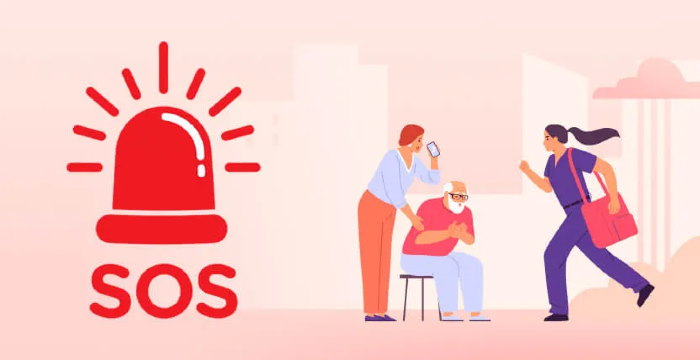
- Medical Emergencies: Even minor health issues (like food poisoning or altitude sickness in Tibet) can lead to costly hospital visits. Travel insurance covers medical bills and even emergency evacuation.
- Trip Disruptions: Flight delays or cancellations are common. Insurance can reimburse you for extra accommodation or meals.
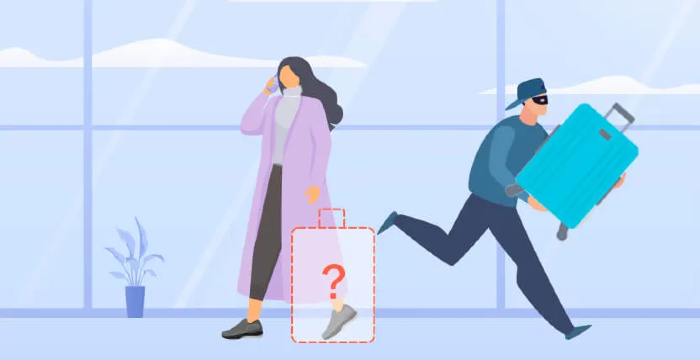
- Lost Belongings: Imagine your luggage vanishing mid-trip. Insurance compensates for lost items like cameras or passports.
- High-Risk Activities: Skiing in Harbin? Hiking the Great Wall? Standard insurance often excludes these, but specialized travel policies cover them.
Don’t risk paying thousands out of pocket for a problem that costs pennies to insure!
Comparing China Travel Insurance Providers
Coverage based on 7-day Asia trip for a 30-year-old traveler 2026. Prices and coverage may vary by region.
| Provider | Price | Medical Coverage | Baggage Loss | Emergency Evac | Key Features |
| Trip.com | $16 | $192,000 | $2,560 | $153,600 | Covers flight/hotel cancellations linked to Trip.com bookings; 24/7 multilingual support |
| Allianz Travel | $76 | $50,000 | $1,000 | $500,000 | "Cancel for any reason" (CFAR) add-on available |
| World Nomads | $93 | $100,000 | $1,000 | $300,000 | Covers adventure sports; flexible claims process |
| AXA Assistance | $65 | $100,000 | $3,000 | $500,000 | Includes COVID-19 coverage; rental car protection |
| SafetyWing | $42 | $250,000 | $3,000 | $100,000 | Monthly subscription model; covers remote work |
Key Notes:
- Trip.com is best for convenience (bundled with bookings) and local support. Specializes in integration with bookings: Free cancellation of linked Trip.com hotel/flight reservations if insurance claim is approved.
- Allianz/AXA suit travelers needing high medical limits or CFAR flexibility.
- SafetyWing targets long-term travelers/digital nomads.
What Does Travel Insurance for China Cover?
Travel insurance for China covers the big, scary “what-ifs” (medical crises, stolen gear, flight chaos) but not reckless choices or ultra-luxury items. For less than the price of a hotpot feast, it’s a no-brainer.

Medical Emergencies
- Doctor visits, ambulances, or ER trips in cities like Beijing or Shanghai (where a basic consultation can cost $150+).
- Emergency medical evacuation to a better hospital—or even back home—if you’re in rural areas (think: hiking Zhangjiajie’s glass bridges).

Trip Cancellation or Delays
- Cancel last-minute because of illness, family emergencies, or visa denials.
- Flight delays or missed connections (common with Air China domestic flights!). Get cash for meals, hotels, or that extra Xiaolongbao you stress-ate.
- Lost/delayed baggage—so you can replace your hiking boots before tackling the Great Wall.

Theft or Lost Gear (RIP, Fancy Camera)
- Stolen cash, phones, or passports (watch out for pickpockets in Shanghai’s Nanjing Road).
- Lost/damaged gadgets like drones, GoPros, or laptops. Pro tip: Add “gadget coverage” if you’re filming your #ChinaAdventure.
- Emergency cash advances if your wallet gets lifted in a crowded metro.

Adventure Activities (Skiing, Hiking, etc.)
- Accidents while skiing in Yabuli or trekking Tiger Leaping Gorge (basic policies often exclude these—upgrade if you’re thrill-seeking!).
- Emergency rescue costs for remote areas like Xinjiang or Tibet (helicopters aren’t free, folks).
What’s NOT Covered?
- Pre-existing conditions (unless you declare them upfront).
- Risky behavior like drunk biking through Xi’an’s ancient walls.
- High-value items left unattended (don’t leave your Rolex in a hostel dorm!).
✅Need internet to travel in China? I've found the best data plans at honest prices - no hidden fees, just fast & reliable data!
How to Choose the Best Travel Insurance for China

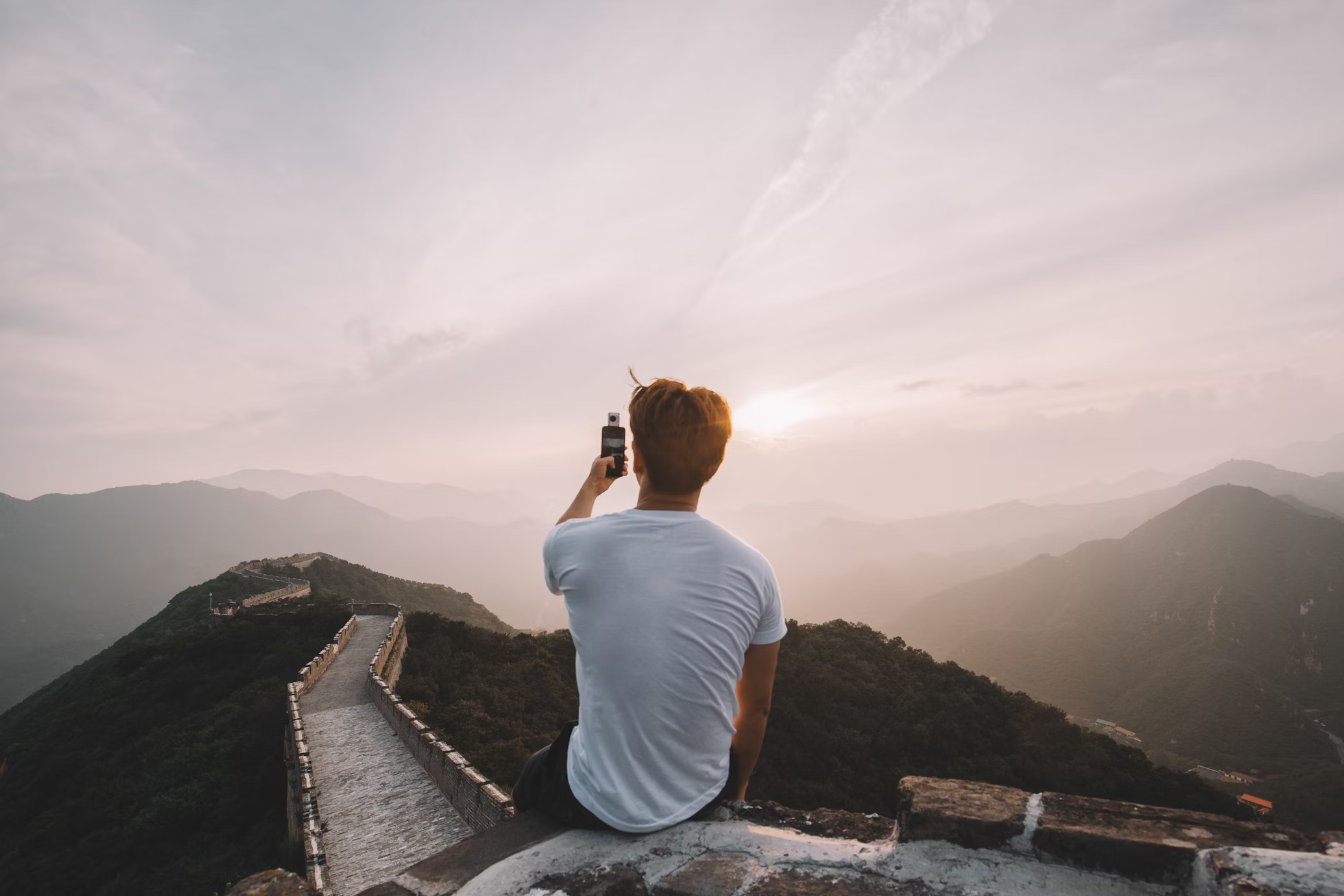
Credit: Unsplash
Here’s how to pick the right plan:
Step 1: Start by Asking: “What Could Go Wrong?”
- Remote areas (Tibet, Xinjiang): Prioritize plans with emergency medical evacuation and altitude sickness coverage—standard policies often skip these.
- Adventure activities: Skiing in Harbin? Hiking Zhangjiajie’s glass bridge? Most basic plans exclude “risky” sports—so double-check the fine print.
- Gadget lovers: If you’re hauling a camera, drone, or laptop, make sure your policy covers lost/stolen electronics (I learned this the hard way in Beijing’s bustling markets).
Step 2: Must-Have Coverage
Every good policy should cover:
- Medical emergencies: At least ¥200,000–¥500,000 (~28k–70k) for hospital stays. Even a minor injury in a big-city hospital can cost ¥10,000+ (like that time I sprained my ankle and needed X-rays).
- Emergency evacuation: Critical for remote areas. Imagine needing a helicopter ride from a Tibetan village—this covers it.
- Trip delays/cancellations: Reimbursement for hotels, meals, or rebooked flights after 4–6+ hour delays (common in China’s weather-prone airports).
- Lost/stolen baggage: Coverage for essentials if your bag vanishes for 12+ hours (a lifesaver when my suitcase took a 3-day detour to Xi’an).
- 24/7 multilingual support: Because explaining “I need a doctor” via Google Translate at 2 AM is not a vibe.
Step 3: Sneaky Exclusions to Watch For
Even the best policies have fine print:
- Pre-existing conditions: Diabetes or asthma? Most plans won’t cover related emergencies unless declared upfront.
- Alcohol-related incidents: That baijiu-fueled karaoke injury? Not covered.
- Altitude limits: Some policies cap coverage at 3,500 meters—useless for Tibet.
- Gadgets: Cameras, drones, or laptops often require add-ons.
Step 4: Cost vs. Coverage: How to Balance
- Budget plans (~¥30–¥100/day): Cover basics like medical and delays. Good for city trips.
- Comprehensive plans (~¥150–¥300/day): Add adventure sports, baggage loss, and trip cancellation. Worth it for multi-week trips.
- Annual multi-trip plans: Save 20–30% if you visit China frequently.
Example: A 10-day trip to Shanghai and the Yellow Mountains costs ~¥800 for full coverage—less than one night at a fancy hotel.
Travel Health Insurance for China

Credit: Unsplash
Traveling to China means preparing for incredible experiences—but also unpredictable moments like food poisoning, altitude sickness, or accidents. While China has modern hospitals in cities like Beijing and Shanghai, medical bills can add up fast, and rural areas may lack adequate facilities. Here’s what you need to know:
Why You Need Dedicated Travel Health Insurance?
- Routine Care is Cheap, Emergencies Are Not:
- A doctor’s visit for minor issues: 30–50.
- Hospital stay for serious illness (e.g., appendicitis): 3,000–10,000+.
- Emergency evacuation (helicopter/air ambulance): 20,000–100,000.
- Risks Specific to China:
- Altitude sickness in Tibet or Sichuan.
- Air pollution triggering respiratory issues.
- Limited English-speaking staff at rural clinics.
- Most Local Hospitals Require Upfront Payment:
Without insurance, you’ll pay out of pocket and file claims later—stressful in emergencies.
Air China Travel Insurance: Is It Enough?

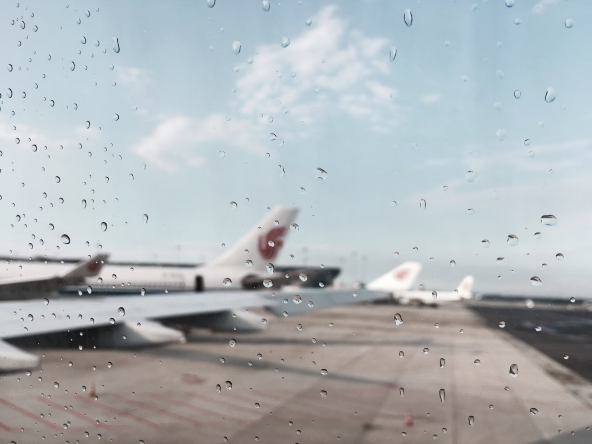
Credit: Unsplash
Air China partners with insurers like Ping An to offer basic travel insurance when booking flights. Here’s the breakdown:
What’s Covered ✅
- Medical emergencies: Up to $50,000 (good for minor issues).
- Flight delays: 50–100 compensation after 4+ hours.
- Lost luggage: Up to $500 for essentials.
What’s Missing ❌
- Low emergency evacuation coverage: Only 100,000(halftherecommended200k+ for remote areas).
- No altitude sickness coverage: Critical for trips to Tibet or Qinghai.
- Excludes pre-existing conditions: Diabetes, asthma, etc.
- No direct hospital billing: You pay first, claim later.
Verdict: Air China’s insurance works for short city trips, but it’s not enough for remote areas, long stays, or travelers with health risks.

487918 booked